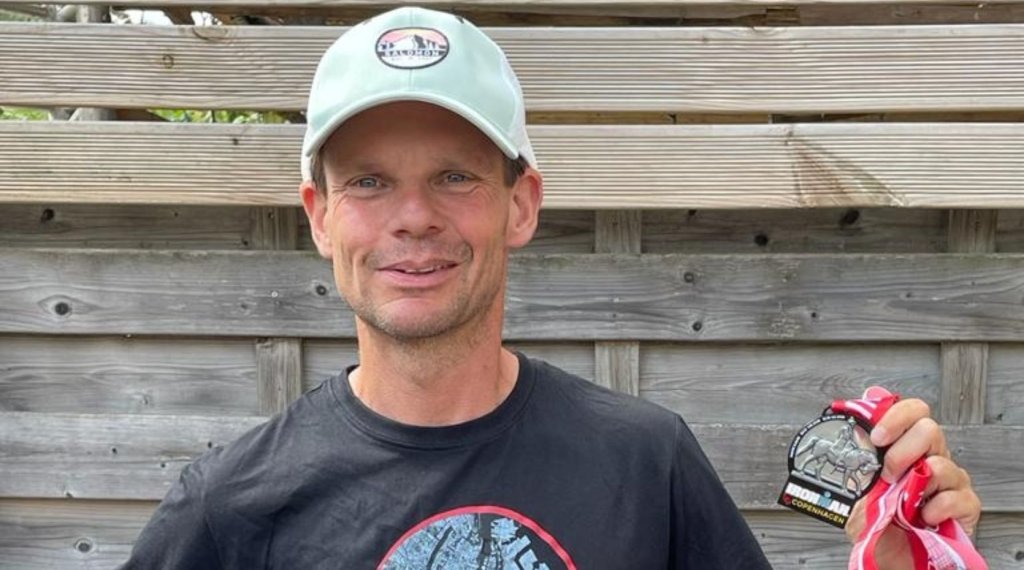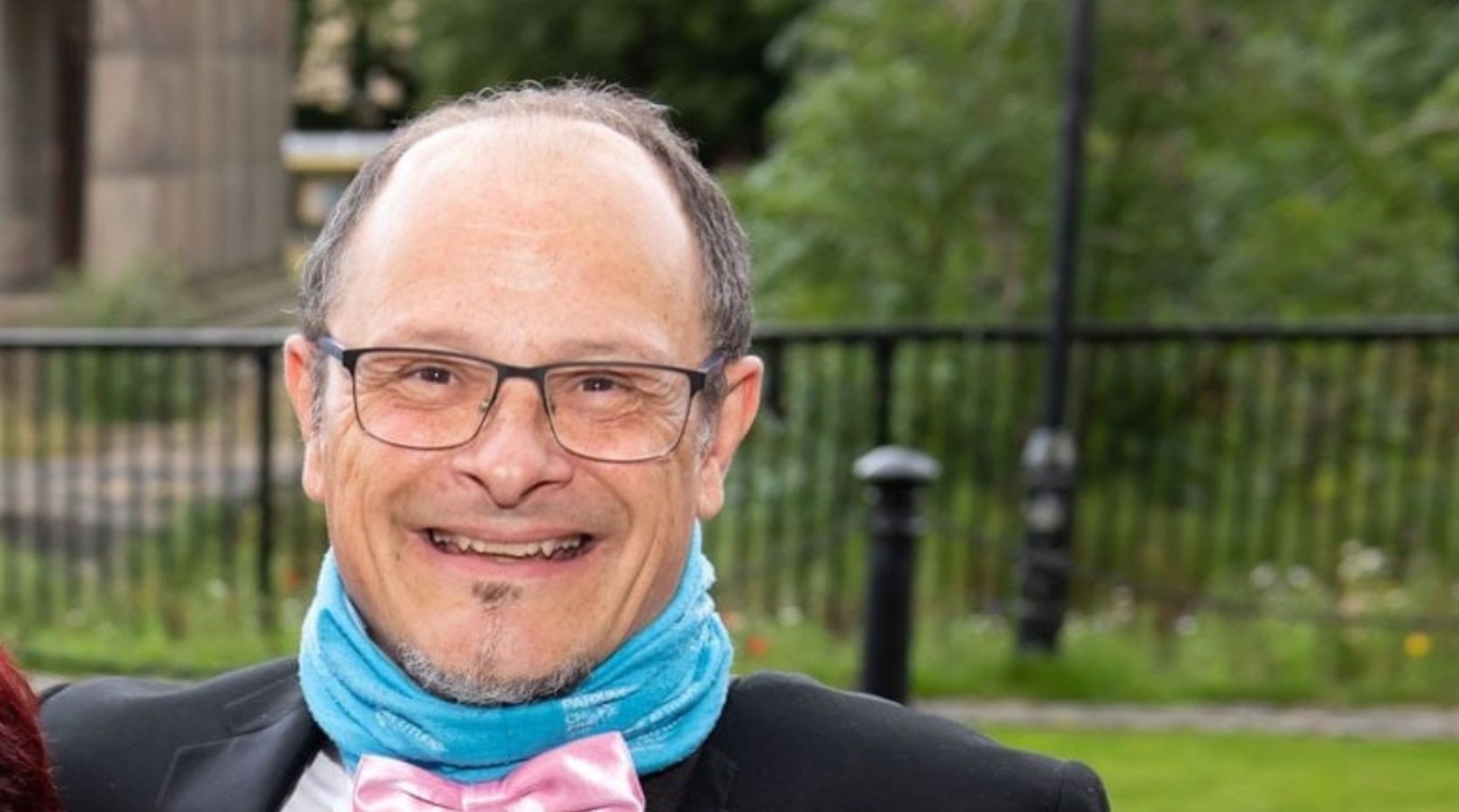
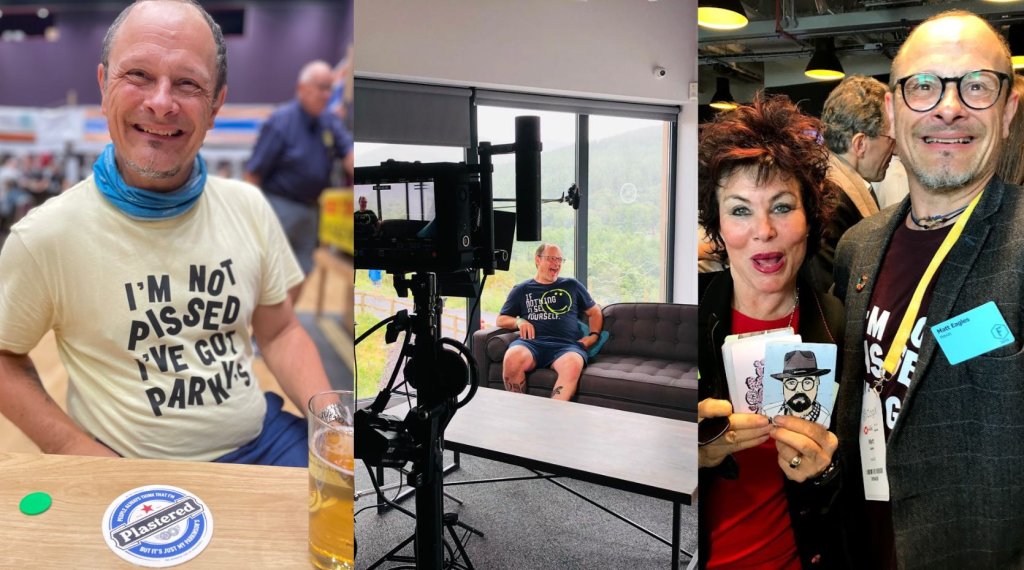
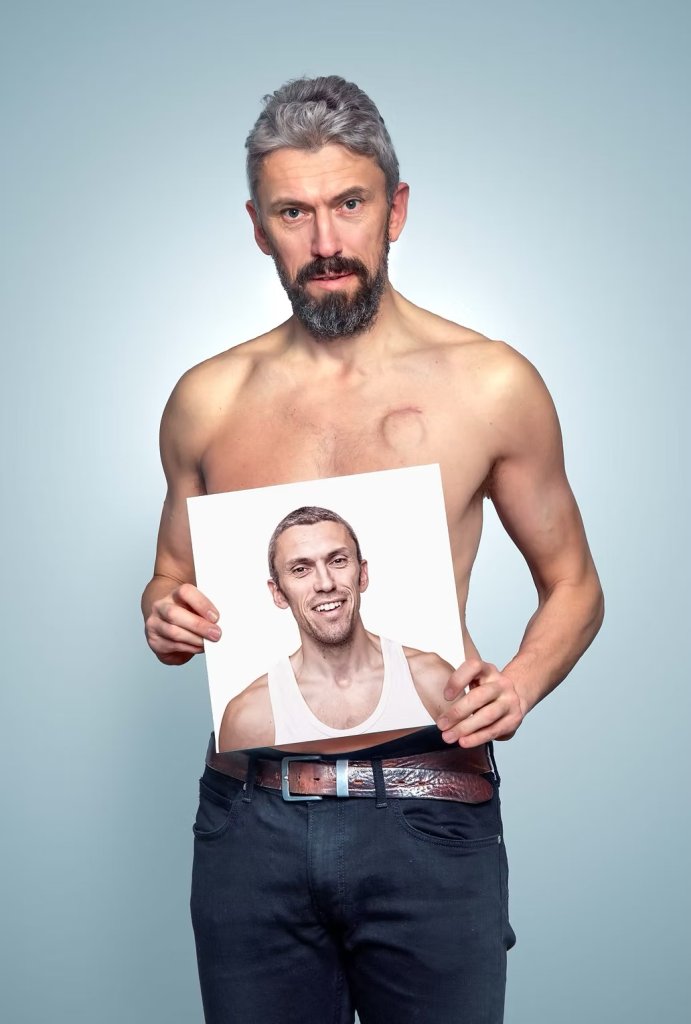
Matt Eagles is a well known figure in the Parkinson’s community. For many, the 56-year-old is familiar as the founder of the positivity-powered Parkylife project. Or perhaps as co-leader and founding member of PD Avengers. For others, it is as a respected advocate who doesn’t hold back when it comes to speaking honestly about the Parkinson’s experience – both the challenges, and the power of a positive mindset.
This month marks an incredible 50 years since Matt was diagnosed with Parkinson’s as a child. We spoke to him about his highlights and challenges, and how Parkinson’s care has changed over the years.
Matt Eagles, for those who don’t know you, please tell us a little about yourself.
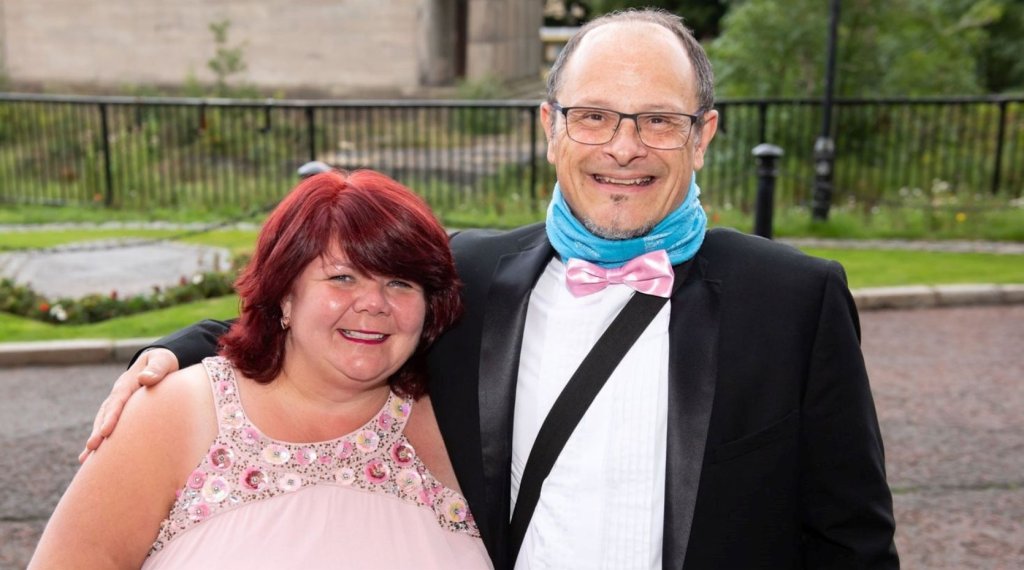
“My name is Matt, as I write I am just less than four weeks away from my 57th birthday. I am married to Viv and have a 23-year-old stepson, Connor. We all live together in a small village in West Cheshire.
“I consider myself fortunate to be working four days a week as Head of Patient Voice at Havas Lynx. It is a specialist medical communications agency with their headquarters in Manchester but offices in London and New York. I add value to our various agencies campaigns and pitches by using my lived experience, energy and enthusiasm to input and feedback, to co-create and ideate, and to connect teams to relevant patients and carers.
“My biggest triumph to date, in terms of Parkinson’s projects, must be Parkylife – the brighter side of Parkinson’s. A brand I am so invested in, I even have the logo tattooed on my shin. I am looking to revive Parkylife soon so watch this space!
Tell us more about Parkylife.
“Parkylife is essentially a wellness platform providing Parky hacks, tips and funny stories collected from the Parkinson’s community around the world. these are beautifully illustrated by some of the world’s most talented creatives, who donated their time and skills free of charge. The idea behind it is to provide little nuggets of positivity when times are tough. The main assets we have are Parkycard. It is just like a pack of playing cards divided into four topics, Parky Hacks, Parky Tips, Parky Tales, Parky Peeps.
“In addition to Parkylife, I am also Patient and Public Involvement Group chair of Restart PD: Reality DTx. It is an exercise study with therapeutic augmented reality treatment for patients with Parkinson’s. It has amazing technology by Strolll and essentially gamifies exercise in augmented reality. Fun and practical at the same time!
“I am also proud to be a trustee for SPOTLIGHT YOPD, a charity set up specifically for those diagnosed with Parkinson’s under the age of 50.”
You will mark the 50th anniversary of your Parkinson’s diagnosis on 7 November. What does this mean to you?
“The 7 November 2025 is a special day for me emotionally. A 50th birthday, alone, is for many people a milestone and time for special celebration. Surviving and flourishing after five decades on this earth is not something to be taken lightly, but then neither is surviving 50 years living with a degenerative chronic neurological condition like Parkinson’s.
“It takes positivity, courage, resilience, a large degree of vulnerability, heartache and tears of joy, a support network that always has your back, a desire to bounce back from adversity and a relentless desire to live your best life to survive.
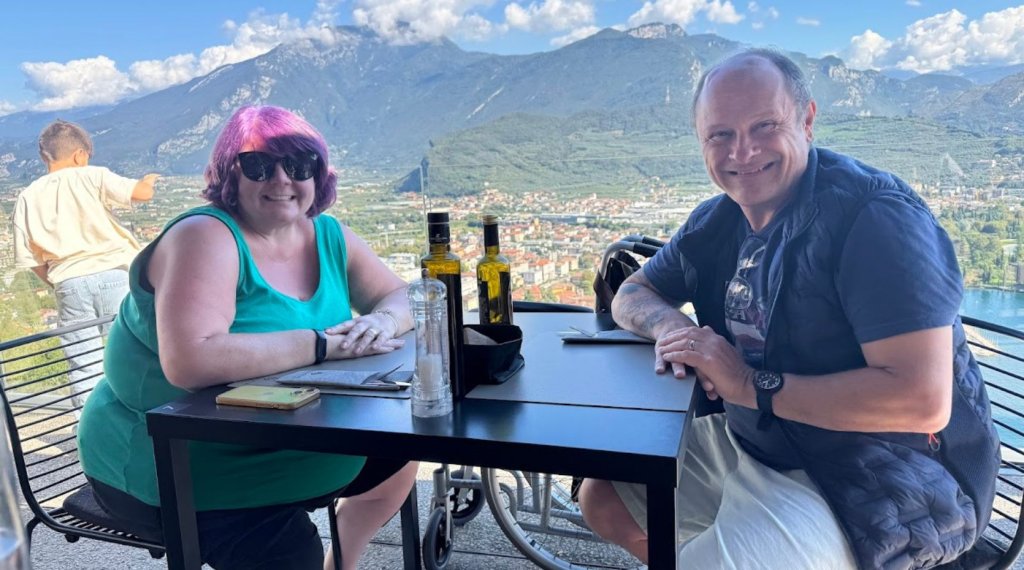
“Without appearing self-indulgent, I will probably shed a tear or two on the day. To reflect on how far I have come in those 50 years. And to celebrate the fact that I am indeed still here, despite everything, and I intend to be around for many more.”
Thinking about your life with Parkinson’s, what have been some of the key moments – good or bad – you’ve experienced?
“I consider myself extremely lucky to have experienced and attended some incredible events, met some of the most amazing people, and had some mind-blowing opportunities. None of which I would have had, had it not been for Parkinson’s. Five major events spring to mind as key.
- Passing my driving test on the 28 December 1986, first time. I can still remember the test itself to this day and the fact my mum’s cousin and her husband were visiting our house and had such confidence in me that they had a ‘Congratulations on passing your driving test!’ card written for me on my return home. That day I truly felt I could tackle anything.
- On the flip side, my personal decision to hand back my driving licence to the DVLA in 2001 was one of the toughest decisions of my life. It changed my independence and meant I would have to rely on my family, friends and public transport to get around. Essentially my symptoms meant that my on-off states changed very quickly, and I had several near misses which scared me. I didn’t want to risk any other road user’s life, let alone my own. So, I decided I simply wasn’t going to risk getting behind the wheel again. I haven’t regretted it as I am still here to tell the tale.
- Having DBS surgery over 19 years ago was huge. It gave me back my dignity, gave me a purpose and gave me much needed stability both physically and mentally. It meant I could sleep properly again. It meant I could eat when I wanted to, without it interrupting the absorption of my meds. It also gave me mobility, that meant, even in an off state, I could still move safely enough to the bathroom at night without having to crawl or wee in a pot!
- The most momentous event in my life without a shadow of a doubt occurred on the 19 April 2014 when I got married. We had been together for five years, and I was totally smitten. The simple fact was I didn’t think I would ever get married. I didn’t think anyone would want me; I genuinely believed that. But you never quite know how life will turn out and I count my blessings. I had moved away from Macclesfield – where I had grown up, gone to school and worked, where all my friends were – and moved 25 miles to the other side of the county to move in with Viv, then my fiancée, and her son Connor. It was exactly what I needed, and my life has blossomed ever since.
- One of the final key moments in my journey so far is being head hunted by the CEO of Havas Lynx in 2015 and finally finding my vocation as Head of Patient Engagement. Not only did it give me a great platform, but here my contributions were valued. I felt part of something big, something that made a tangible difference to people’s lives. It gave me speaking opportunities across the world I never believed were possible and meet amazing people but also it backed my ideas, and in 2017 Parkylife was born!
Looking back to your diagnosis 50 years ago, what do you wish you had known about living with Parkinson’s?
“I was a young child and lived in blissful ignorance, I had the challenges all youngsters face without knowing what was to come with Parkinson’s. I guess that’s very much my philosophy today though. My everyday is full of challenges that need to be overcome just to get by. So, I literally take every day as it comes.
“Of course, I am aware of the likely trajectory of the condition, but I squirrel it to the back of my mind, I have still got to navigate all my today’s without worrying what is potentially on the horizon.”
You are known for being honest and positive – to what extent do you feel your mindset affects your experience of Parkinson’s?
“For me, a positive mindset plays a huge role in both how I deal personally with my Parkinson’s and how I appear outwardly to others. I am naturally an extrovert. Not in an extravagant, show-off kind of way, I just like to be enthusiastic and friendly. I guess if I was an animal I would be a labrador, always wagging my tail!
“In my experience over the years being depressed is mentally and physically exhausting and makes my symptoms worse. At its height I have self-harmed. It helped lift my mood at the time, but it wasn’t a solution.
“People don’t readily come forward to engage with you when you feel out of sorts and maybe a little grumpy. However, if you smile at people, engage in conversation, it lifts your spirit and often that of those around you. Positivity breeds positivity. It feels good and in that moment symptoms and difficulties seem to fade into the background.
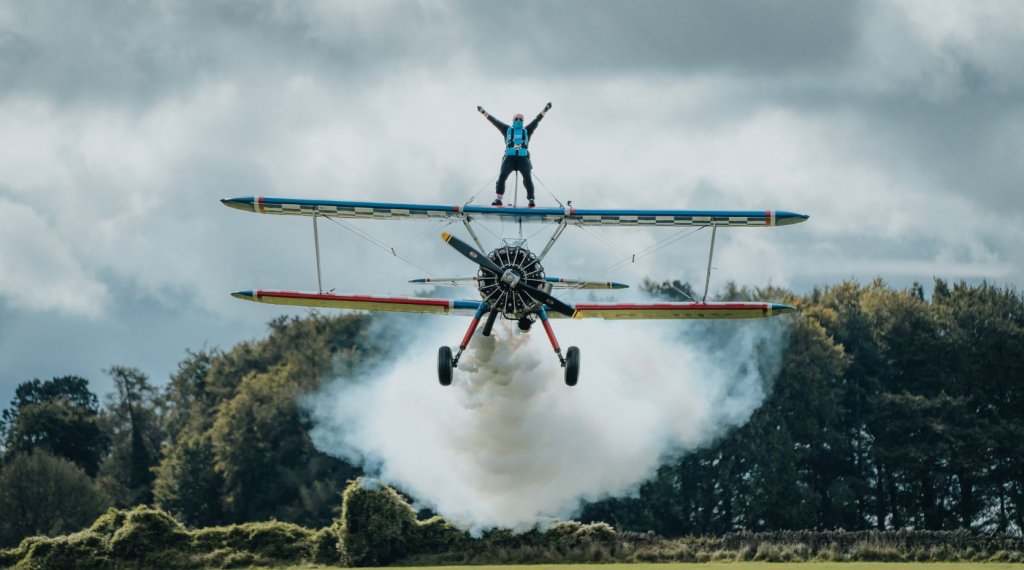
“I guess my mindset has helped me navigate life in general, I try not to worry about things over which I have no control, and I don’t take myself too seriously. Yes, people do stare at me in the street, but I process it like this. It is just that individual trying to make sense of their world. It is a primeval sense of survival. If I see someone staring, I normally reassure them with the words ‘it’s ok, I have Parkinson’s’ and the mood totally changes.
“The Parkinson’s community gives me strength, friendship and inspiration, I wouldn’t swap it for the world. I have made friends for life, and I learn new things every day.
“I love attending the World Parkinson’s Congress, where the global community comes together every three years to learn from each other.
“In Barcelona in 2023 when we, as delegates, were leaving the main hall after the closing speeches, the foyer was lined with the amazing volunteers clapping, cheering and celebrating our attendance.
“It was one of the proudest and most moving experiences I have ever had. Tears of joy ran down my face as I made my way out of the event high fiving everyone I could. Something I shall never forget.”
In your opinion, how has care for people with Parkinson’s changed over the past 50 years?
“Care for people with Parkinson’s has changed dramatically in 50 years. The emphasis is now very much on mental wellness and physical wellness, with ‘keeping moving’ being key.
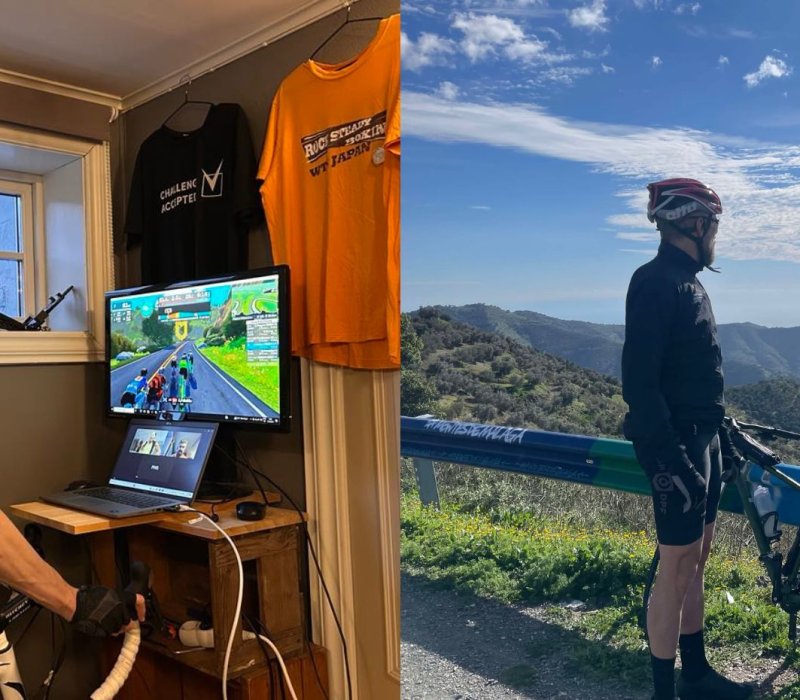
“Physiotherapy has always been an option, depending on the availability of physiotherapists in your area. But diversifying into specific sports such as walking football, golf, ping-pong, weightlifting, Nordic walking basketball, pickle ball, tennis, cycling and boxing fitness, has been a very welcome addition to the Parkinson’s care package.
“In addition, dance classes, Pilates, yoga and choirs have all evolved into viable care options.
“The advent of social media such as Facebook and Instagram and video streaming platforms such as TikTok and YouTube have really boosted the visibility of these new self-care options, and they continue to thrive and evolve.
“However, with Meta’s increasing lack of desire to fact check, regulate and authenticate paid advertiser’s copy this is a far from perfect scenario and a breeding ground for misinformation.
“Posts about “’Miracle Cures’, with products often marketed as ‘natural brain boosters’ or ‘neuro-regenerators’ containing exotic herbs, proprietary blends, or high doses of common vitamins/minerals, claim to halt or reverse Parkinson’s, with no medical backing. Examples include specific roots, oils (e.g., certain essential oils or CBD without medical backing for cure), or ‘detox’ formulations. Tackling health misinformation has been a real focus at Havas Lynx, starting with our most recent white paper, Doctored Truths.”
“In terms of in-patient care, things haven’t moved on as quickly in my experience. Patients still struggle to get vital medicines on time as in-patients and asking to self-medicate is still greeted with a frown.
“That said, the treatment options like Deep Brain Stimulation (DBS) surgery are much more common now. Instead of spending just shy of three weeks in hospital like I did back in 2006, the procedure often only requires a couple of nights which is a massive improvement.
“A moment that changed my experience of care in hospital was in 2016 when I had my first DBS battery change. On initial triage I was deemed a fall risk, and therefore not allowed to even go to the bathroom on my own. I had to hail assistance every time I wanted to move away from the safety of my bed. I understand why it was necessary, but I am so used to my own autonomy that I found it really difficult and incredibly frustrating.”
How do you think people’s general perceptions of Parkinson’s have changed over this period?
“I would love to report that the general public’s perceptions of Parkinson’s have changed over the last 50 years. But sadly, I believe there is still a lot of work still to be done.
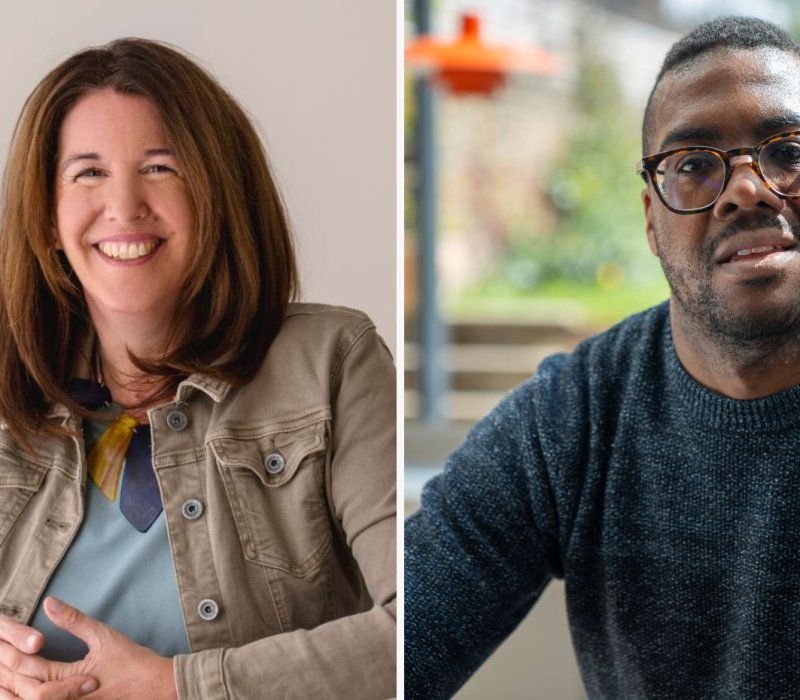
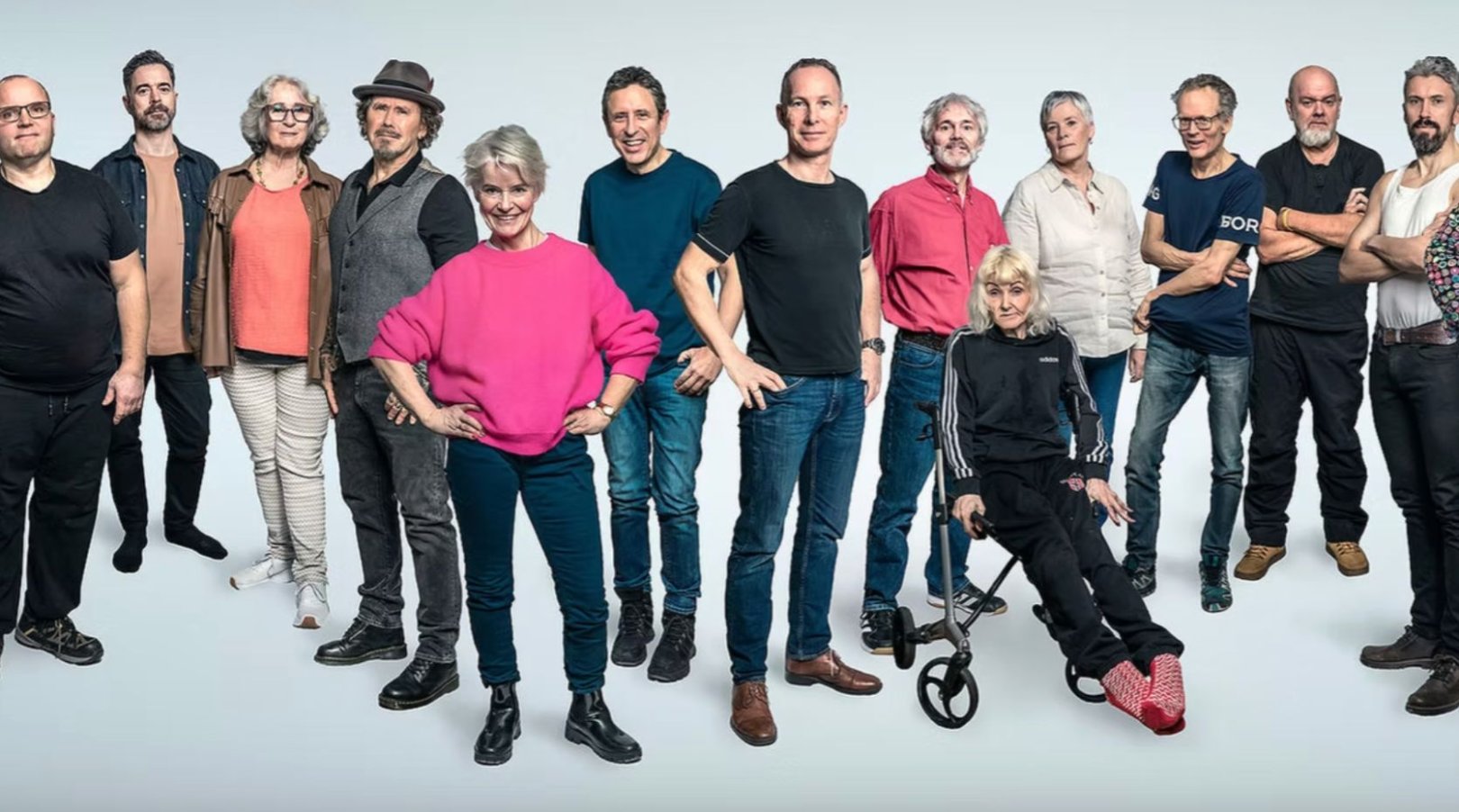
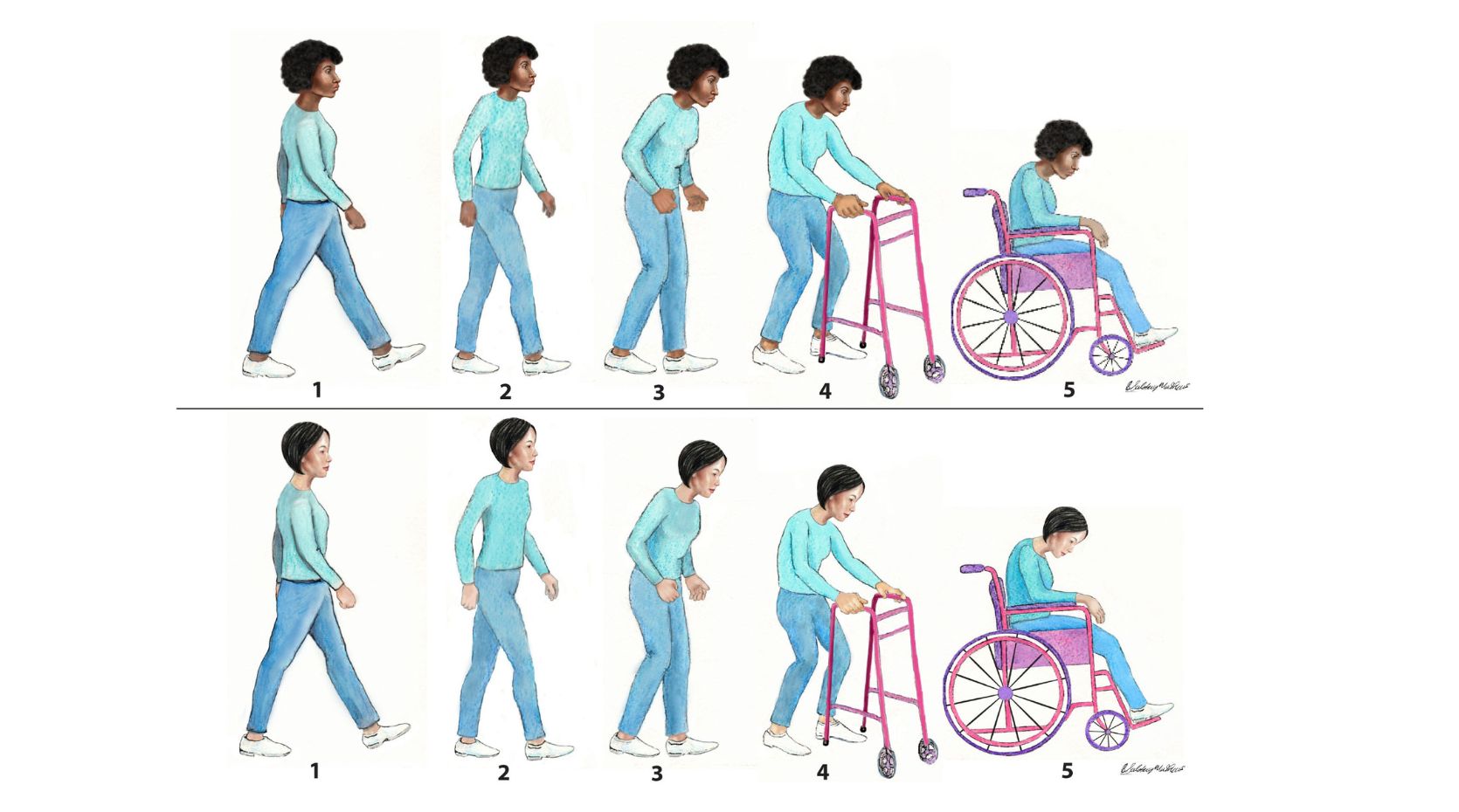
“Outside of the Parkinson’s community it is still perceived as an old white man’s disease. This is hardly surprising. When you Google or Bing images of Parkinson’s, the SEO algorithm always appears to prioritise old balding white men.
“Remarkably it never appears to focus on women, people of colour, people of different faiths or younger people. Wikipedia’s page, focuses on the history of the disease, so naturally has an image dating back well over a hundred years.
“This urgently needs updating to change people’s perceptions of how varied Parkinson’s can be. In addition, teaching medical students, particularly neurology students, should use updated imagery too.”
Lastly, do you have any advice to share with anyone who has recently been diagnosed?
“My main advice to those newly diagnosed with Parkinson’s, or those thinking about pursuing a diagnosis, is never be embarrassed about showing your symptoms, it’s not your fault. Keep an interest in life, go out and enjoy yourself and keep engaging with others. You are more resilient than you think!”








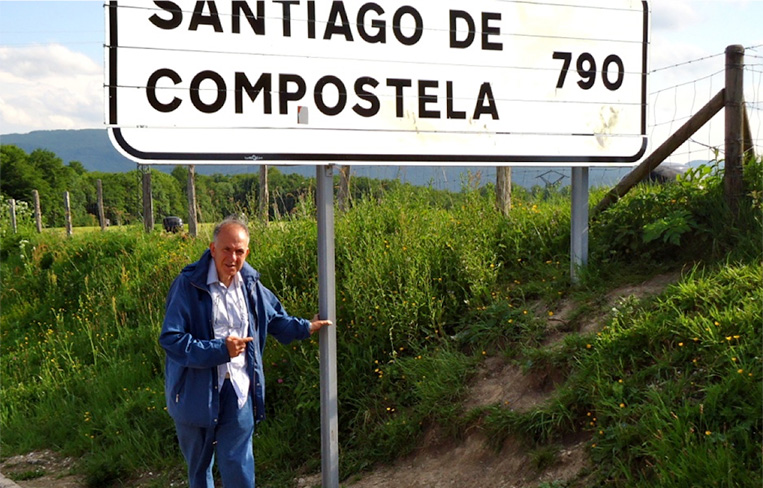 In 2015, Parkinson’s Life spoke to Dr Franco Fiasella – a specialist in respiratory diseases – about his soul-searching pilgrimage from Tuscany in Italy to Santiago de Compostela in Spain. Embarking on the 800km walk, alone, just weeks after his Parkinson’s diagnosis, he tackled hilly terrain and long stretches of flat roads, sometimes walking more than 30km a day.