
Receiving a diagnosis of Parkinson’s can affect many areas of a person’s life, not least how you approach your work. For some it can be an opportunity to open up conversations about accommodations so they can thrive in the workplace, working hand in hand with employers to allow them to work for as long as they wish or need to. While for others, those conversations can be a source of anxiety or disappointment.
As part of Parkinson’s Europe’s ‘Welcome in the Workplace’ campaign, we spoke to a range of people with Parkinson’s across Europe about their experiences of navigating the workplace. Their stories speak to the wide range of factors that can affect working as a person with Parkinson’s, from your age and location, to your individual company’s policies and your access to third party support. You can also find out more about your workplace rights in your country here.
Working as a person with Parkinson’s – lived experiences
Cathy Molohan, 52, Germany and worldwide
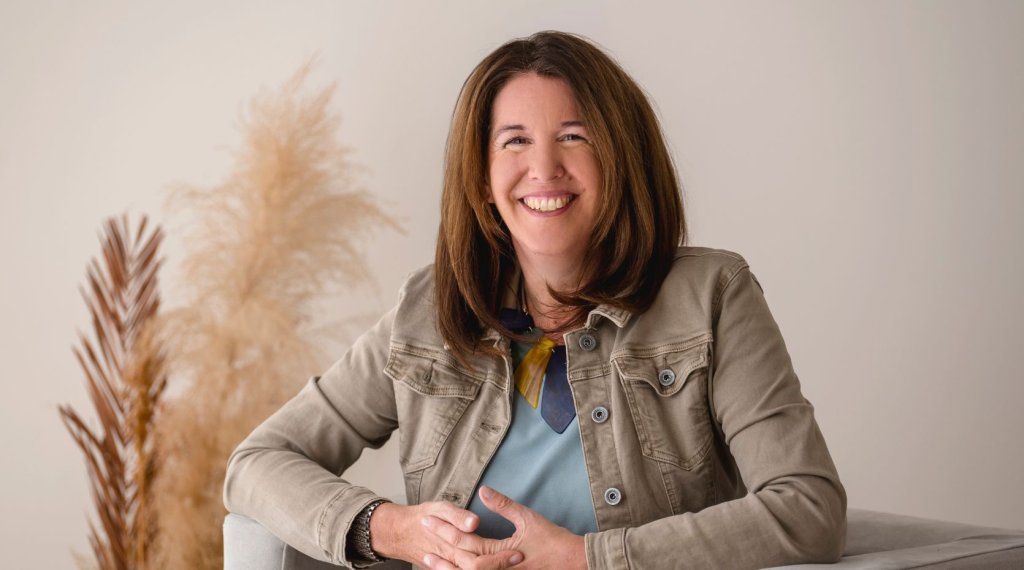
“I was diagnosed aged 38. I ran my own business, and told my business partners and colleagues straight away about my diagnosis. They were incredibly supportive, and never made me feel uncomfortable. I also told my clients after a while, and also got nothing but support from them. In some cases, our working relationship became deeper and more personal after I revealed my diagnosis.
“I decided to give up my role as a board member of my company in 2020, following my DBS surgery. I felt that I had been given a new lease of life and wanted to focus on my health, my family and on advocacy. Of course, I am aware that this is a huge privilege and that many people have to keep on working for financial reasons.
“Over the years I have built up a career in advocacy. This is hugely rewarding and gives me a sense of purpose. It can also be frustrating when I feel that not enough progress is being made e.g. on Parkinson’s research, or when I witness stigma, but overall it is very rewarding.
“I travel the world, speaking at congresses and advocating for change. Advocacy has taken me to Kyoto, Barcelona, Florence, Helsinki, Brussels, San Francisco. I even got to fulfil a long-held dream of doing a TED talk this year.
Invisible symptoms
“While I had a very supportive environment at my workplace, there are many aspects of Parkinson’s that people don’t understand. My tremor was an obvious symptom, and colleagues would always help me by carrying my coffee cup for me, or writing minutes because they knew my handwriting was bad.
“But symptoms like fatigue are invisible and harder to explain. People saw me and thought I was doing great, but did not see the effort it took to work a full day. I think companies should think about creating restful spaces where possible – this would benefit many people. Diversity, equity and inclusion (DEI) is under attack in many places today; it is so important to talk about disabilities and to ask people openly about what would help them.”
Toussaint Smith, 39, England
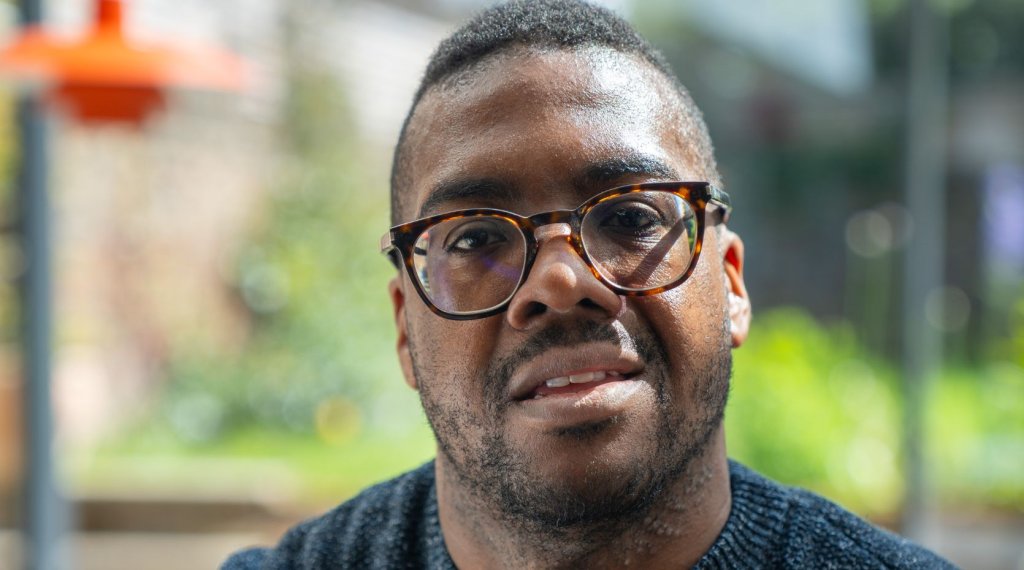
“I was working for the National Health Service (NHS) when I was diagnosed in May 2021. At first my symptoms were quite mild, so I comfortably worked full time until about 2023. That is when the condition started to interfere with my day to day living.
“As such, I agreed with my line manager that I would reduce my working hours from five days a week to four, and work exclusively from home. Since April 2024 I have not worked but I feel if matched with the right role and working conditions, I could still work part time two or three days a week.
“My workplace was very supportive, as the hospital I worked at had a staff occupational health department. They encouraged me to do what was needed to get my official diagnosis. This led to my actual diagnosis from a private movement disorder specialist.
Role adjustments
“Once I disclosed my diagnosis, my workplace was very proactive in supporting me and had an open dialogue with both myself and my manager. We agreed upon working adjustments to my role, work equipment, and shift pattern, in order to support me.
“My hospital also had an occupational therapist who would write to the workplace with suggestions of any further support or help that I needed to carry out my job. An example is supplying me with an ergonomic keyboard and mouse, dictation software and reduced working hours. I left the role as I was made redundant as the project I was working on had ended.
“I can say that looking for work and finding meaningful employment after diagnosis is very hard, especially as the condition progresses and more symptoms like dyskinesia are visible. In the past year since being made redundant, I have had five interviews, and have not been successful in any of them.
“Therefore, I now do a lot of volunteering with Parkinson’s charities. I also set up a support group for people living with Parkinson’s and their families, where we meet in person once a month in my local area.”
Gary Boyle, 60, Ireland
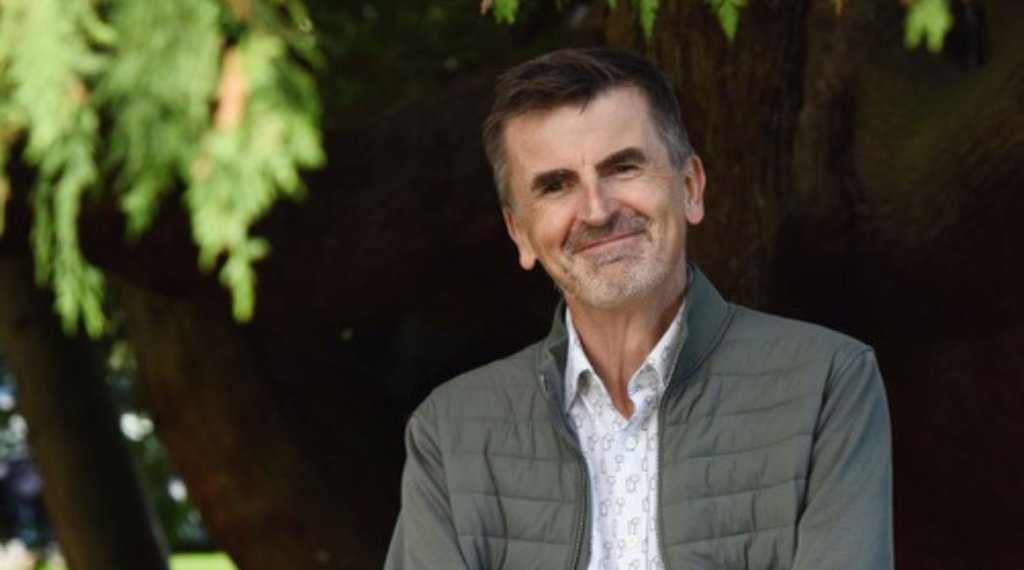
“My professional life turned on its head back in 2009, the day I heard I had Parkinson’s. I had no clue that Parkinson’s was around the corner, and how could I at 44? I didn’t tell anyone other than my wife for the first year, as I was so ashamed and upset.
“For the next few years, I began to struggle at work. My diagnosis was on my mind constantly. I loved my job as a senior manager in a HR group in a US multinational, and had spent two years living in the US on assignment. Within two years of returning to Ireland I was diagnosed.
“I had noticed my right arm did not move while I was walking, and I was dragging my right foot. One or two people in my group noticed over time. The stress meant I was losing weight. I was clearly not the person I was before I had been diagnosed.
“In 2016 I came clean with my boss. I told him I had been diagnosed with Parkinson’s and that I was finding things difficult. He said ‘don’t worry, we’ll take care of you’. But when I saw him two days later, he referred to that conversation and added ‘Just watch your performance, make sure your performance is ok’!
“My doctor told me I had to leave work. My neurologist agreed, saying my stress was eating up all the dopamine I was producing naturally, which was why my arm was shaking and so on.
Third-party support
“So I left work, and hired a good solicitor to advise me. It cost a fortune but it was worth it. We have an income contingency plan in our company. I was the first to receive it as a person with Parkinson’s. My boss was in the background trying to performance manage me out of the organisation.
“It felt like a race against time. But the third-party doctor who runs the programme certified me as the kind of person who should be on this plan. So I have been on it for ten years, and it has been fantastic. My life is transformed.
“Over the past eight or nine years, I have become the fittest I have ever been. I have run a marathon for example, done things I would never have done otherwise. I have joined the Parkinson’s Europe Board, and been asked to give talks about the impact of early diagnosis. Everything that’s happened since leaving work has been very enriching.
“The experience of going onto income protection, and not having to worry about where the next euro comes from, immediately lifts so much stress out of your life. I would recommend it for everyone, as another form of life assurance.”
Jordi Cruz Gómez, 46, Spain
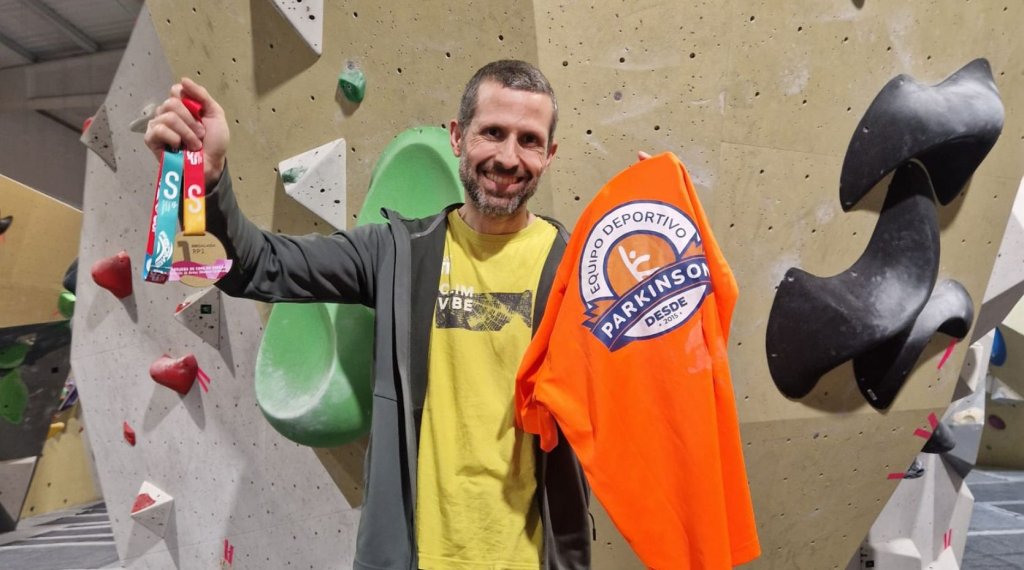
“I am a physiotherapist. When I was diagnosed with Parkinson’s age 39, I was running my own private practice.
“I tried to continue, but symptoms (tremor, rigidity, fatigue) made it too difficult to treat my patients properly. So I left the practice and later worked at the Parkinson Madrid Association. Here I found a supportive environment and a chance to contribute with both my professional and personal experience.
“Due to the progression of the disease, I now have full work disability recognition. Today, I remain active through international paraclimbing and the Dreaming Awake project, proving that Parkinson’s changes life, but doesn’t take it away.”
Elisabeth Ildal, 65, Denmark
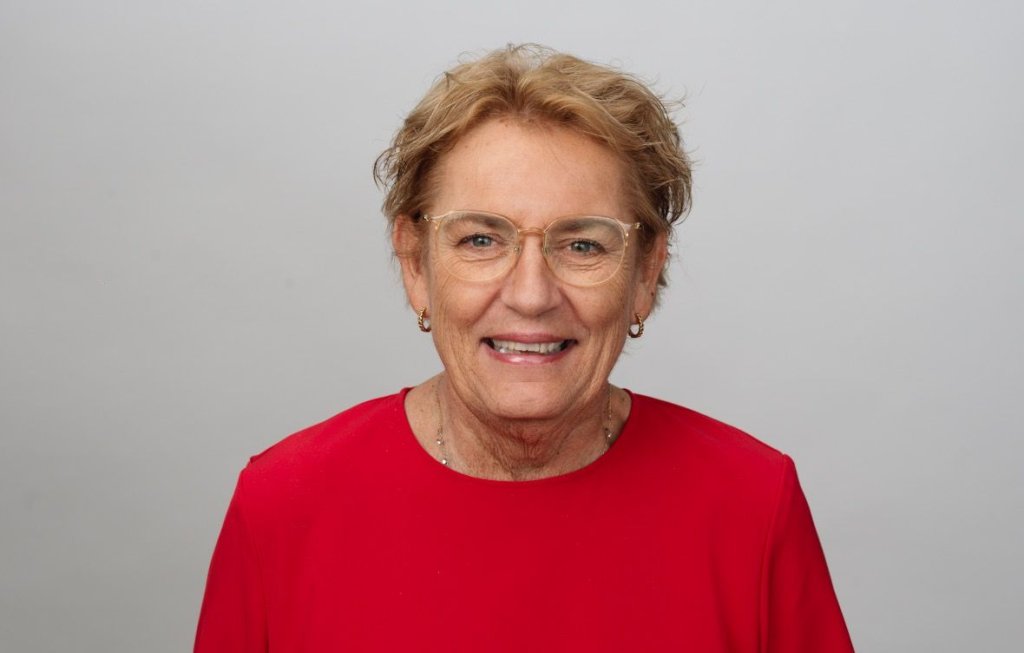
“I was diagnosed in June 2013, age 53, and stopped working as a lawyer at 61 years (four years ago). I now work only for Rudersdal City Council, and have been there for 12 years.
“For the first three years after I was diagnosed, I did not tell anyone, and kept it to myself. In March 2016 I went public with it. I called the newspaper, and the next day it was on the front page: ‘Member of city council has Parkinson’s’. Then I told my workplace.
“Today my work at the city council, Parkinson’s Europe, Cure4Parkinson, public speaking, arranging concerts and camps playing table tennis is enough for me. I am also in a thinktank at Copenhagen Business School, and member of the Disability Council.
“Nowadays I read slower, things take more time. I have to be careful with training, and walking. Writing on my computer takes time.
“My work has always taken good care of me, the same with my colleagues in the City Council. It was a relief to share my diagnosis publicly, and put all my tricks to hide my symptoms away. I have been sitting on the Council for 12 years now. Since I made my diagnosis known publicly, I have been re-elected twice .”
Anonymous female with Parkinson’s, Balearic Islands
“My symptoms started at 47 years old. I am a doctor, and during the “off” periods, which were few at first, I found it hard to concentrate and type on the computer, and appointments became slower.
“After exhausting my sick leave, I was evaluated by an inspecting doctor. They they granted me total disability, claiming I could improve and that I was too young for absolute disability.
“Did I feel heard and understood by the system’s professionals? No, because I was clear that, being a degenerative disease, I was not going to get better. If anything, I was going to get worse.
“I had to hire a lawyer to be granted absolute disability and go to court. I had to pay a good sum of money to the lawyer, and I suffered from anxiety during the process, in addition to the daily suffering that the disease entails.
“To other women with Parkinson’s who are going through the same thing, I would say: do not give up, act with foresight, and think of yourselves.”
Urs Bratschi, 56, Switzerland

“I was diagnosed with Parkinson’s at the age of 45. I have been working as a software engineer for 20 years now, with a 90% workload at a bank. Right after the diagnosis I had some contact with an HR care team that supports employees with serious health conditions. But honestly, I am still doing too well to really make use of that support. I am aware that this could change over time, and I don’t expect to keep working full-time until the official retirement age of 65. At some point, I’ll probably need at least a partial disability pension.
“Since Covid, working from home has become the norm. These days we’re back to having two fixed office days per week, but I really appreciate the flexibility of a home office. On days when fatigue hits hard, it helps a lot that I can just take a 30-minute nap and then keep going.
“Apart from that, I work pretty much the same way I did before my diagnosis. The only real challenge is that doctor’s appointments and therapies don’t count as work hours. I have to squeeze them into my free time. Between physiotherapy, TCM treatments, Qi Gong, and regular doctor visits, I rack up around 150 sessions a year, which I somehow have to fit in around my job.
“I am really grateful for my job—it is basically my dream job. Switching to another employer would be nearly impossible in my situation, since most pension schemes exclude disability coverage for pre-existing conditions.”
Share your own experiences – please complete our survey to tell us about your experience of working as a person with Parkinson’s. You can find the survey here in English, French, German and Italian.