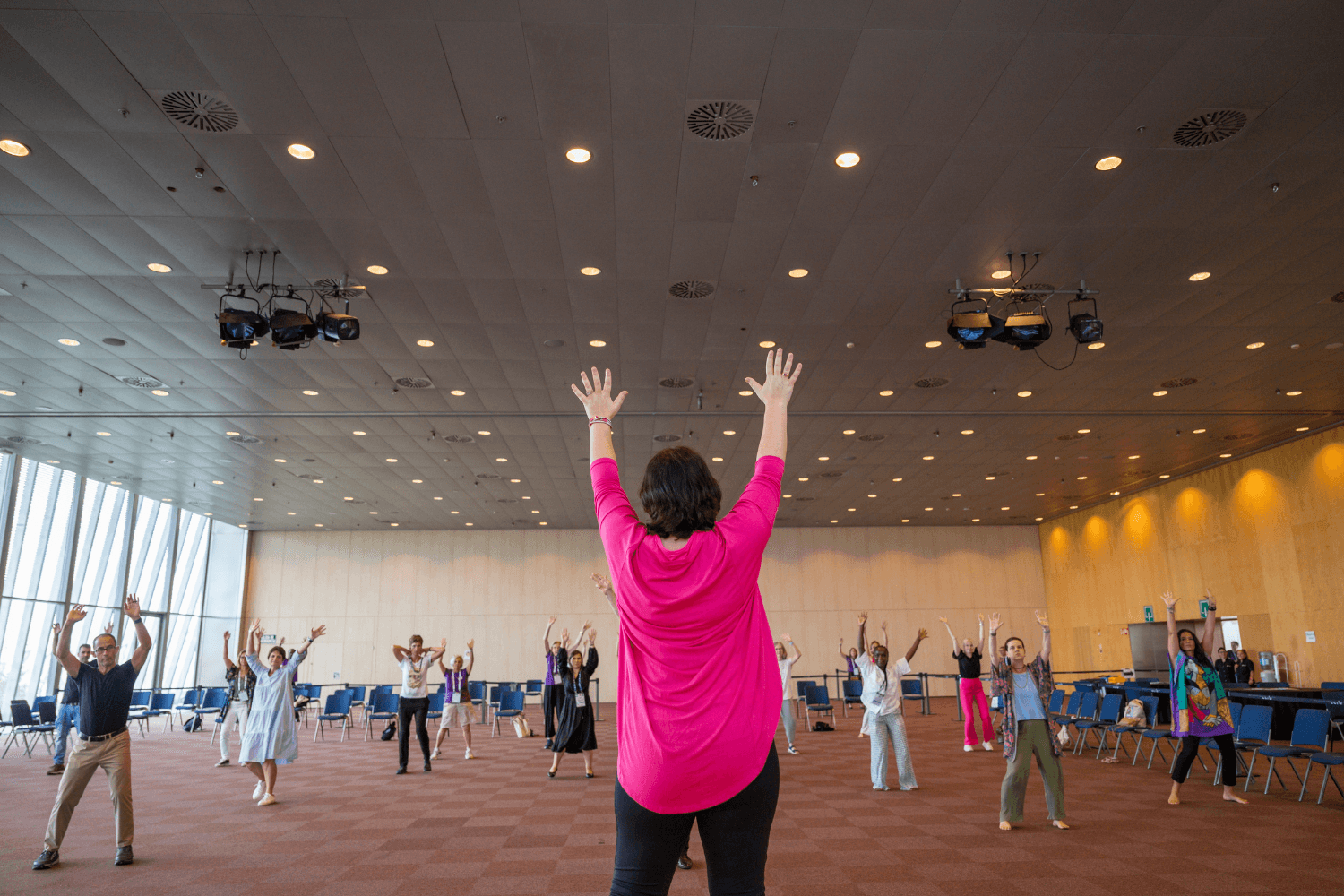
Keeping active and and participating in exercise can have a real impact on controlling your Parkinson’s symptoms.
How does exercise help Parkinson’s?
There is increasing evidence that exercise can delay the onset of Parkinson’s as well as slow progression if it’s introduced early on.
There are also psychological benefits to exercise. It won’t take Parkinson’s away but it can give you a sense of control over it and make you feel better about living with the condition.
Remember, it’s never too late to start and the benefits can be enormous – including:
- improved balance and fewer falls
- improved posture and flexibility
- greater energy and stamina
- a better connection between mind and body when moving
- improved mood and a reduced risk of depression
- an increased feeling of control and a sense of accomplishment
- enjoyable social contact
- improved brain function and health
- fewer muscle and joint injuries
- preventing/reducing gait, sleep, speech and swallowing problems
- preventing/reducing bone wasting (osteoporosis)
Benefits of different types of exercise and physical activities
Different sports and physical activities can help your body in different ways:
Stretching exercises:
Maintain joint flexibility, reduce stiffness and slow movement, improve posture, balance and gait, and help with breathing and swallowing difficulties
Examples: yoga, ballistic stretching
Strengthening exercises:
Maintain strength and prevent muscles from weakening, and also help with stamina and fatigue.
Examples: Pilates, weight training
Weight bearing exercises:
Can improve bone health and reduce the risk of osteoporosis. Remember: machinery like treadmills can be dangerous if you experience freezing
Examples: running, brisk walking and jumping
Balance and fine movement exercises:
Help with balance and coordination
Examples: boxing, dance
Aerobic exercise:
Increases your heart rate and improves circulation and the delivery of oxygen around your body.
Examples: brisk walking, jogging or cycling
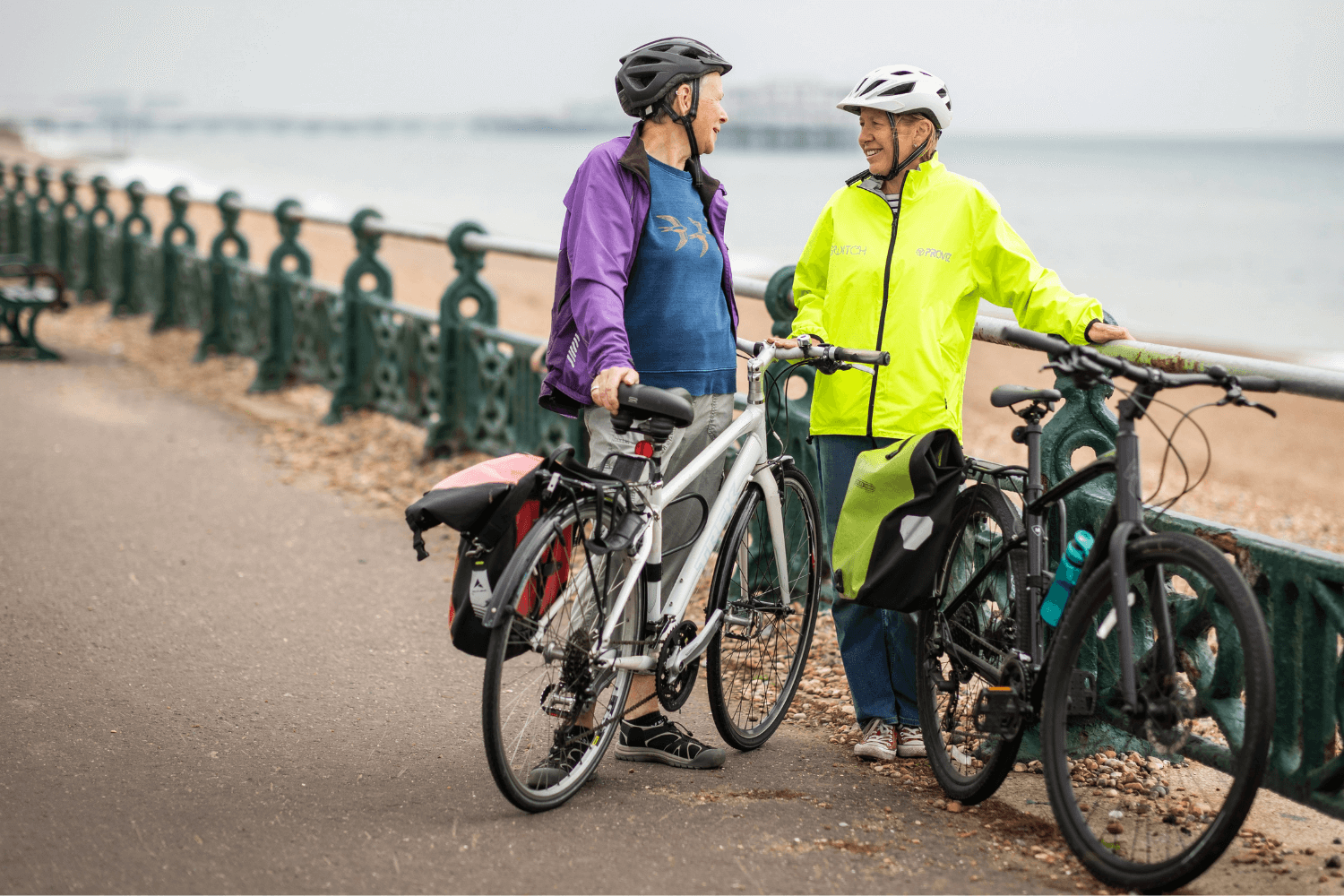
Tips for getting started
-
Choosing an exercise or sport to try
Factor in your general fitness levels and physical ability (if you’re not sure, ask your doctor) as well as your daily routine – this will make it easier to get going and keep your chosen activity up
-
Activities for mind and body
Some physical activities come with added benefits like aiding relaxation and sense of wellbeing, for instance yoga, tai chi and Pilates. For more information see complementary therapy.
-
Build up gradually
Start with shorter exercise sessions, or even just doing some stretches in the morning, walking around your home, or taking the stairs instead of the lift at work.
-
Make it social
An exercise buddy or joining a group can be excellent motivation and moral support, and be a safe way to learn a new sport or activity, as well as making exercising more fun!
-
Dress appropriately
Wear loose-fitting clothing, and ask a physiotherapist or occupational therapist for advice on the best type of shoes to wear to prevent trips and falls
-
Warm up
Start with some light stretches and marching on the spot
-
Listen to your body
If you’re finding an activity painful, stop. If you’re finding an activity difficult, try to slow down or adapt it to make it more suited to your physical capabilities
Further resources for people with Parkinson's and healthcare professionals
For people living with Parkinson’s
- Parkinson’s Sports & Exercise hub
- Make your move (MJFF recent publication)
- What type of exercise is best for PwP (Bas video)
- Parkinson’s Exercise Recommendations (Parkinson’s Foundation)
For professionals
NEW: Parkinson’s sport and exercise hub
Visit the Sport & Exercise Hub
We’ve put together some listings and resources to enable people living with Parkinson’s to explore different activities, connect with like-minded groups and get started. If you are running a group, organisation or event for people living with Parkinson’s, or if you can’t see your preferred physical activity featured yet, get in touch with us and we can add to the hub.
We’ll also be listing sports and exercise organisations on our interactive Parkinson’s map.
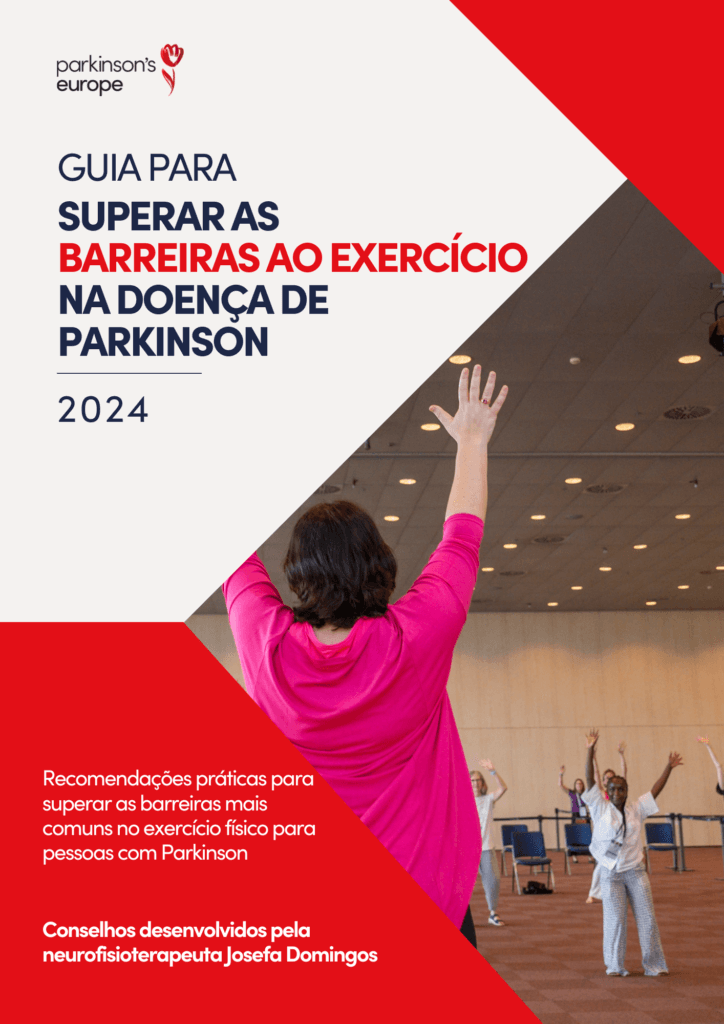
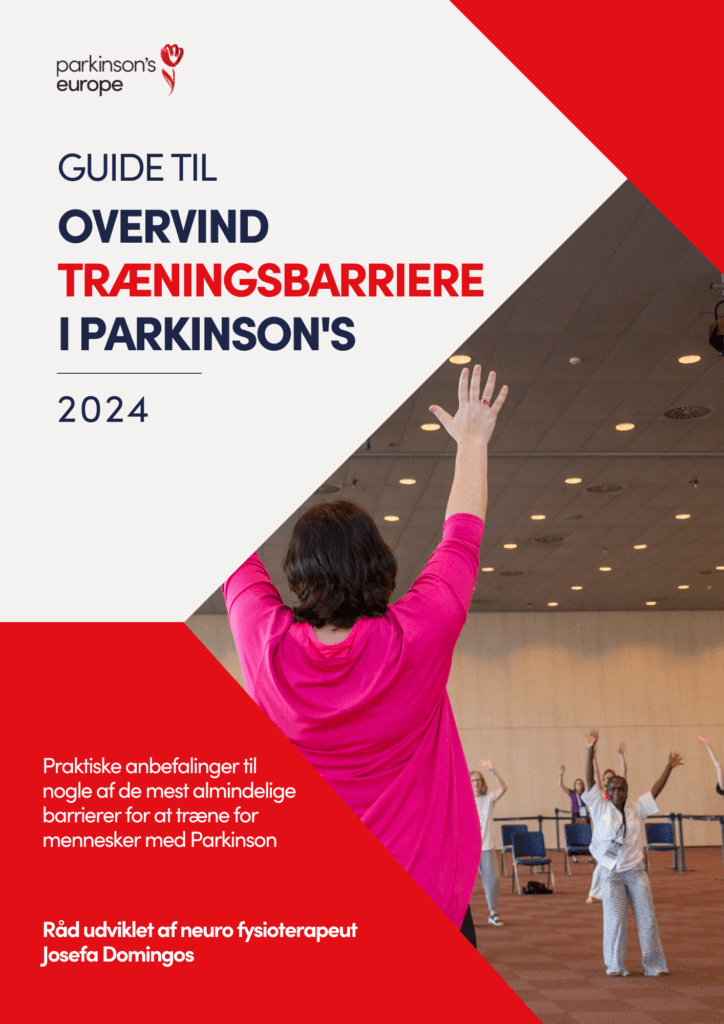
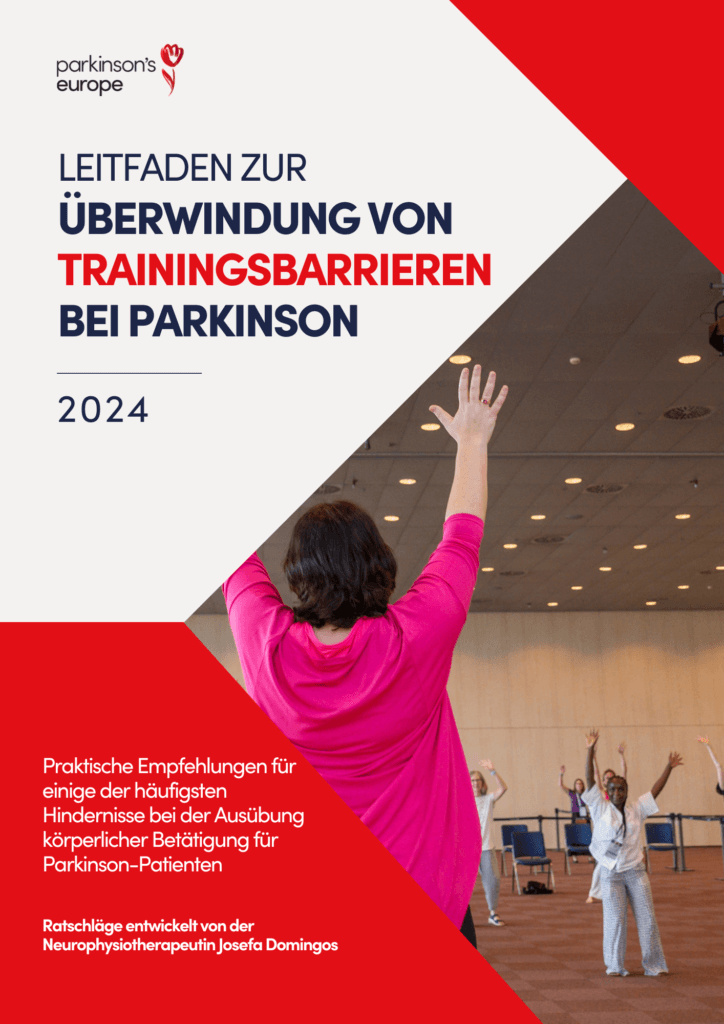
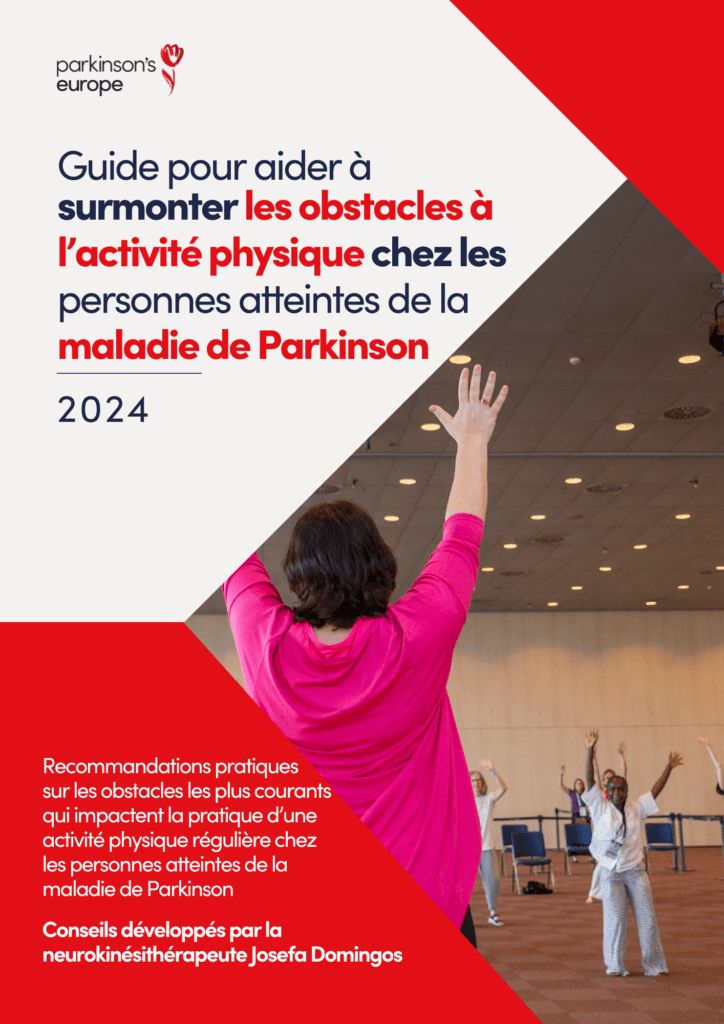
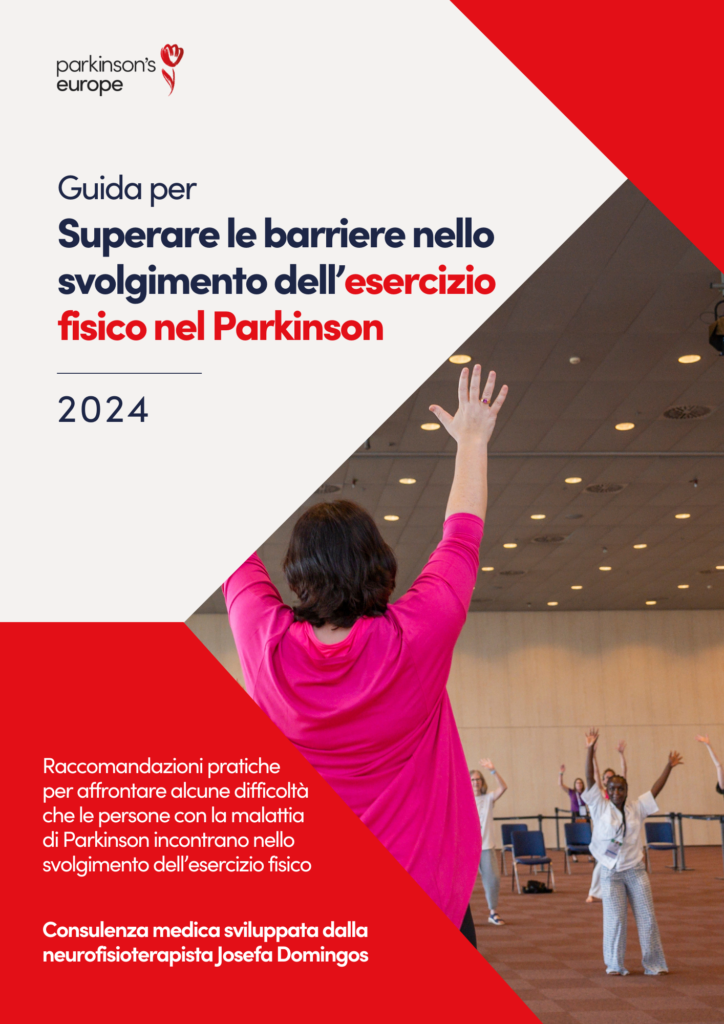
Your FREE guide to overcoming barriers to exercise with Parkinson’s
Download our ten-page guide to exercise and Parkinson’s below – and please spread the word about this guide on social media so as many people as possible can benefit.
ENGLISH
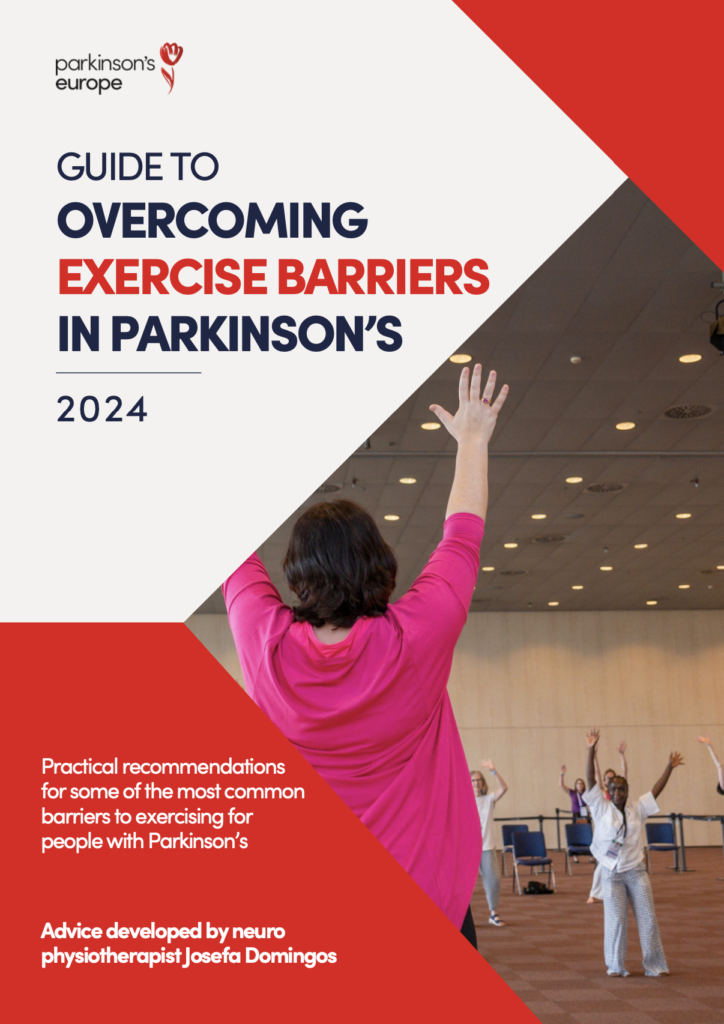
ESPAÑOL / SPANISH
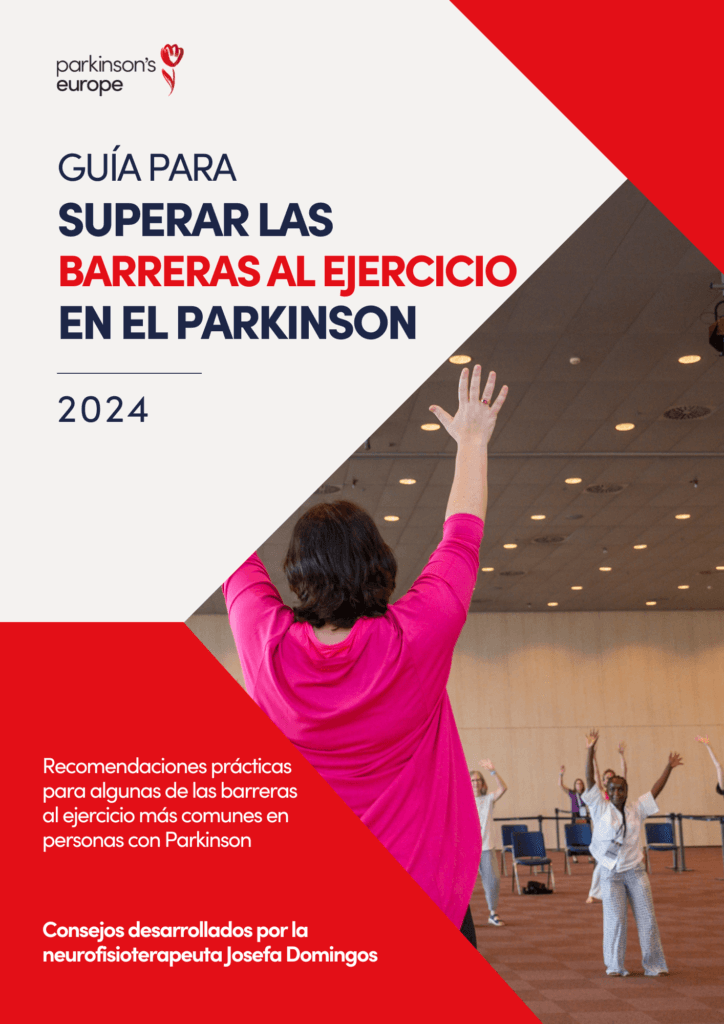
PORTUGUÊS / PORTUGUESE
ΕΛΛΗΝΙΚΑ / GREEK

Dansk / Danish
Deutsch / German
Français / French
Italiano / Italian
Visit the Sports & Exercise Hub
Our Parkinson's Sports and Exercise hub gives details on a whole range of physical activities to try
Click here