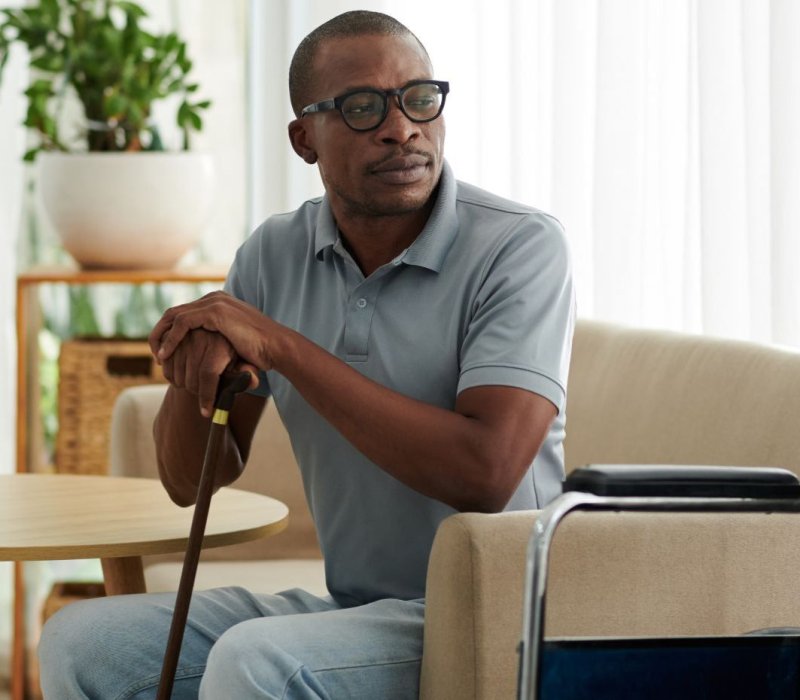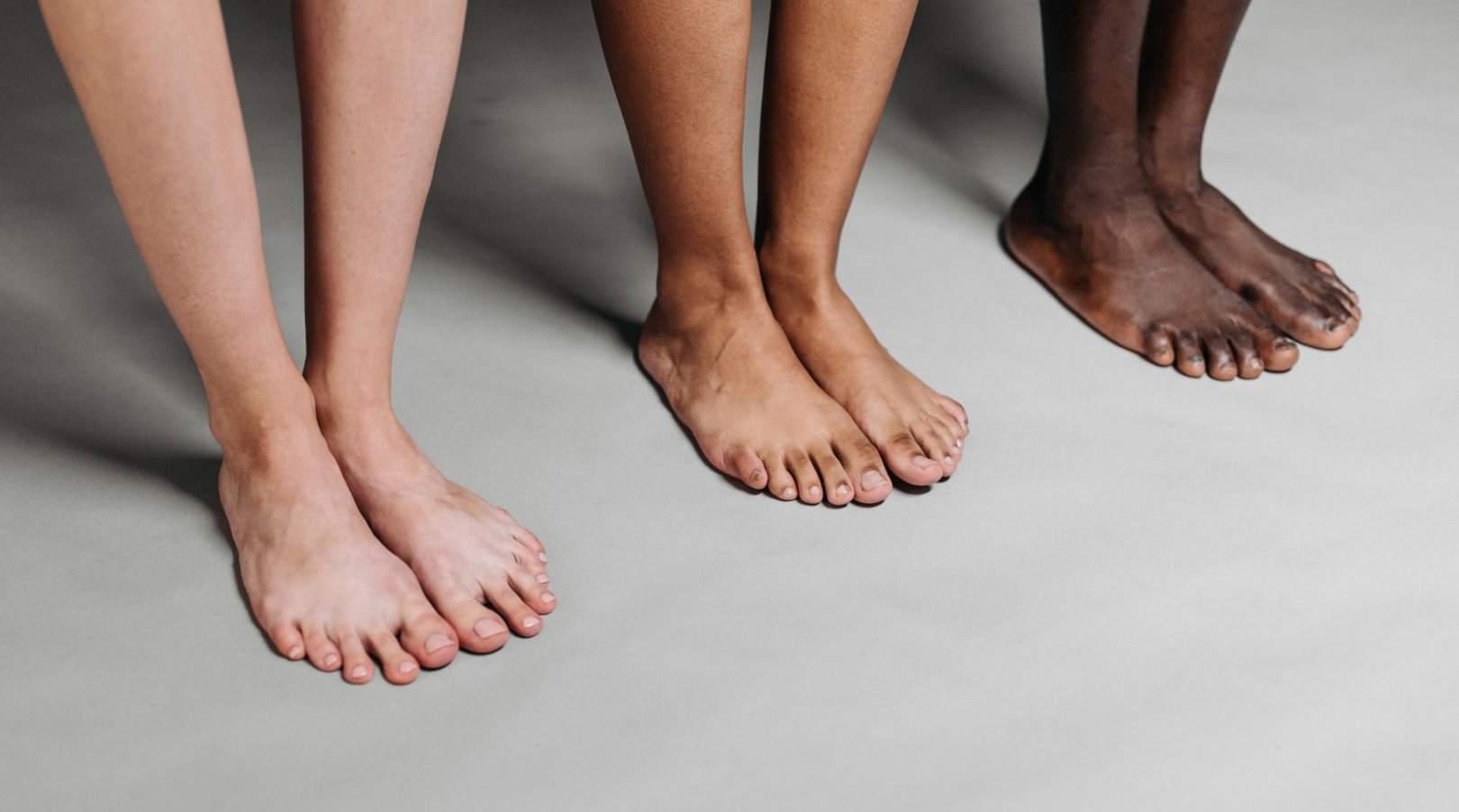
What are the best foot exercises for people with Parkinson’s? If you’re living with Parkinson’s, everything from a change in gait or balance problems to increasing stiffness can have an effect on your feet. Along with visiting a podiatrist and choosing suitable footwear, there are foot exercises you can do at home to help.
Stretching and exercising muscles in the feet can help to reduce or prevent stiffness and rigidity, as well as improve circulation and the strength of foot arches.
Physiotherapist (and President of Parkinson’s Europe) Josefa Domingos – who has spent decades specialising in physiotherapy for Parkinson’s – has approved the following advice.
These exercises only take a few minutes and can be done at home with no equipment. Work them into your daily routine and you’ll notice the benefits.
Foot exercises for Parkinson’s:
1. Rise up and down on your tiptoes
Stand with your feet parallel. Hold on to a steady piece of furniture for support and rise slowly up and down on your tiptoes. This exercises the leg muscles, helps strengthen the foot muscles and improves ankle mobility.
2. Stretch the soles of your foot
Sitting down and stretch out your foot. Work one foot at a time to really concentrate on getting the best stretch you can. Repeat this exercise a few times on each foot.
3. Rotate your feet
While still sitting, extend your feet one at a time and rotate slowly at the ankle, as if you are trying to draw the largest circle you can with your big toe. Do this first in one direction and then in the other. Repeat 3-5 times with each foot.
4. Mobilise your toes
Remain sitting with your feet resting on the floor. Move your toes up and down in one movement. You can also try wiggling your toes, to encourage mobility and flexibility as much as possible.
If you struggle with any of these exercises, or the condition of your feet is affecting how you walk, speak to your GP, podiatrist, Parkinson’s nurse or physiotherapist for additional support.
Find out more about Parkinson’s symptoms, such as posture and balance problems.