In 2025, Parkinson’s Europe marked ten years of publishing our online magazine, Parkinson’s Life! We hope you have found our articles interesting, inspiring and informative.
To mark the occasion, below we have selected ten of the best articles published in Parkinson’s Life this year. They include the testimony of well-known person with Parkinson’s Matt Eagles, who celebrated 50 years since his diagnosis this year.
You’ll also find lifestyle tips on walking, dietitian-designed Parkinson’s nutrition programmes and delicious recipes to try.
And for food for thought, there’s our ‘Welcome in the Workplace’ survey findings on working with Parkinson’s. Plus we outline how we will work our hardest to improve lives for people with Parkinson’s guided by the new strategy we launched at the start of the year.
If you have a story idea, interview suggestion or a topic you’d like covered in more detail in 2026, please do get in touch – you can email us at [email protected].
1. We introduce a new Parkinson’s Europe strategy for 2025–2028
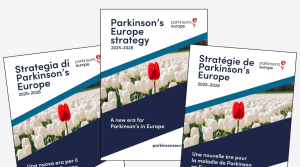
How will Parkinson’s Europe advocate for and amplify the voices of people with Parkinson’s across Europe over the next few years? At the beginning of 2025, we set out how we plan to do this in our brand-new four-year strategy.
Developed with people with Parkinson’s firmly at its heart, the strategy drew on our manifesto, which was created using a survey of almost 1,000 people from the Parkinson’s community across 39 countries, as well as a recent members survey. From these sources the strategy’s three interlinked pillars emerged: Data and Innovation; Empowerment; and Awareness and Visibility.
Data and Innovation focuses on the urgent need to collect data that will give us a clear picture of Parkinson’s in Europe – we need this hard evidence to help us make change.
The Empowerment pillar embodies building tools to help Parkinson’s organisations in Europe better support people with the condition in their country. Growing our Engagement Network is also part of this (sign up here). We are already planning to launch an Engagement Network online hub in 2026.
Our Awareness and Visibility pillar centres on raising awareness that Parkinson’s is the world’s fastest-growing neurological condition – with a particular focus on targeting decision-makers within Europe who have the power to make a difference.
Parkinson’s Europe Strategic Director Amelia Hursey, who led the creation of the strategy, says: “We are excited that all these three pillars interlink and coexist together. Without data and innovation, we cannot empower our community; if we do not empower them, we will not increase visibility. Without visibility, we will not have access to the new innovations out there.”
2. New Parkinson’s research centre opens at Denmark’s University Hospital
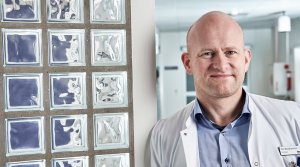
Investigating the causes of Parkinson’s will be one of the core aims of the Lundbeck Foundation Parkinson’s Disease Research Center, now open at Aarhus University Hospital in Denmark, the centre’s head, Professor Per Borghammer, told us in an interview.
Prof. Borghammer, senior consultant at the Department of Nuclear Medicine & PET, said there were questions to be asked about pesticides and toxic substances, as well as virus infections and inflammatory bowel disease. He said: “The more we know about these things, the better we will be able to perhaps even prevent a lot of Parkinson’s cases from ever emerging.”
He also said that the centre, which has a DKK313m (€41.9m) 10-year research centre grant from the Lundbeck Foundation, will have a strong focus on clinical trials. These will include those researching the relief of non-motor symptoms, which he called “the largest unmet need in Parkinson’s”, as well as contributing to disease modification research.
3. “It’s been a quiet miracle,” writes Janette Sinclair on her DBS experience
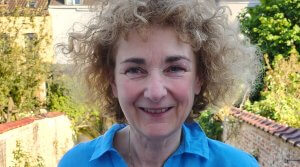
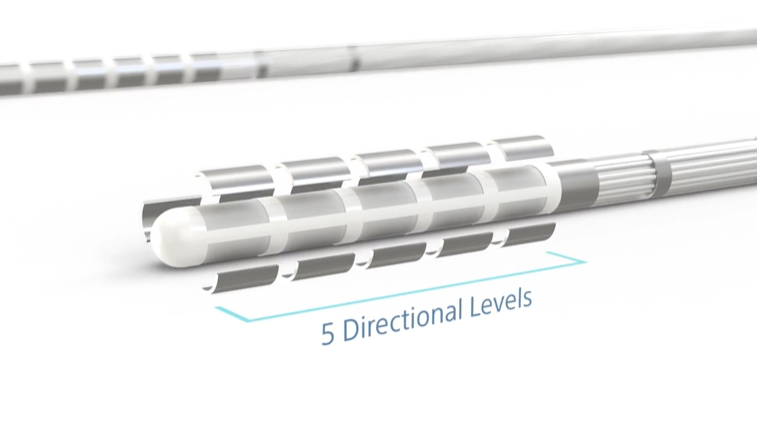
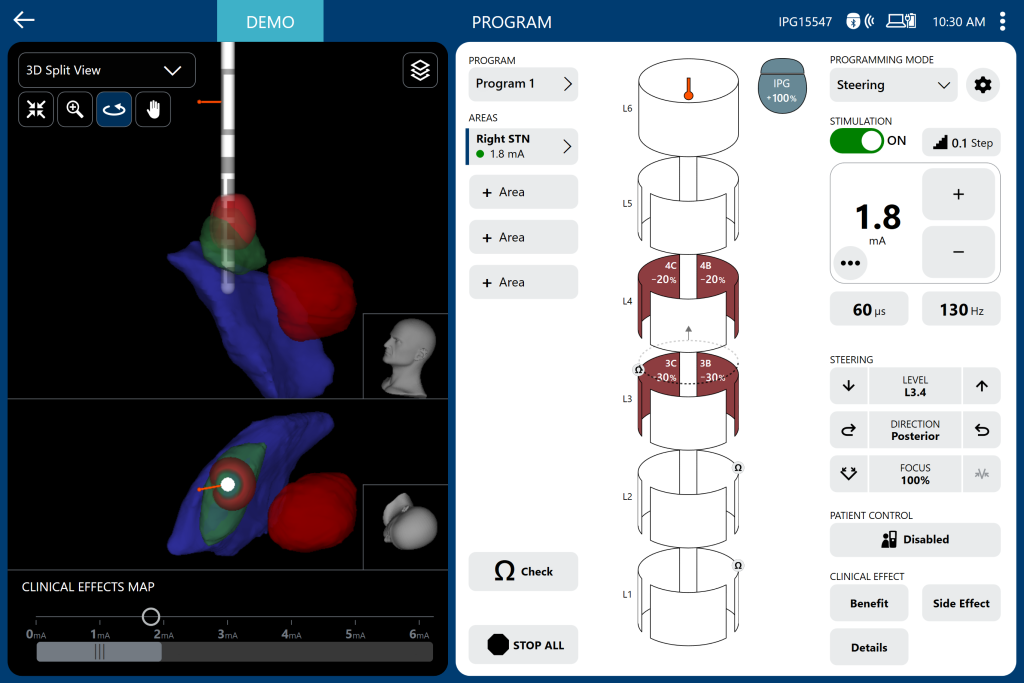
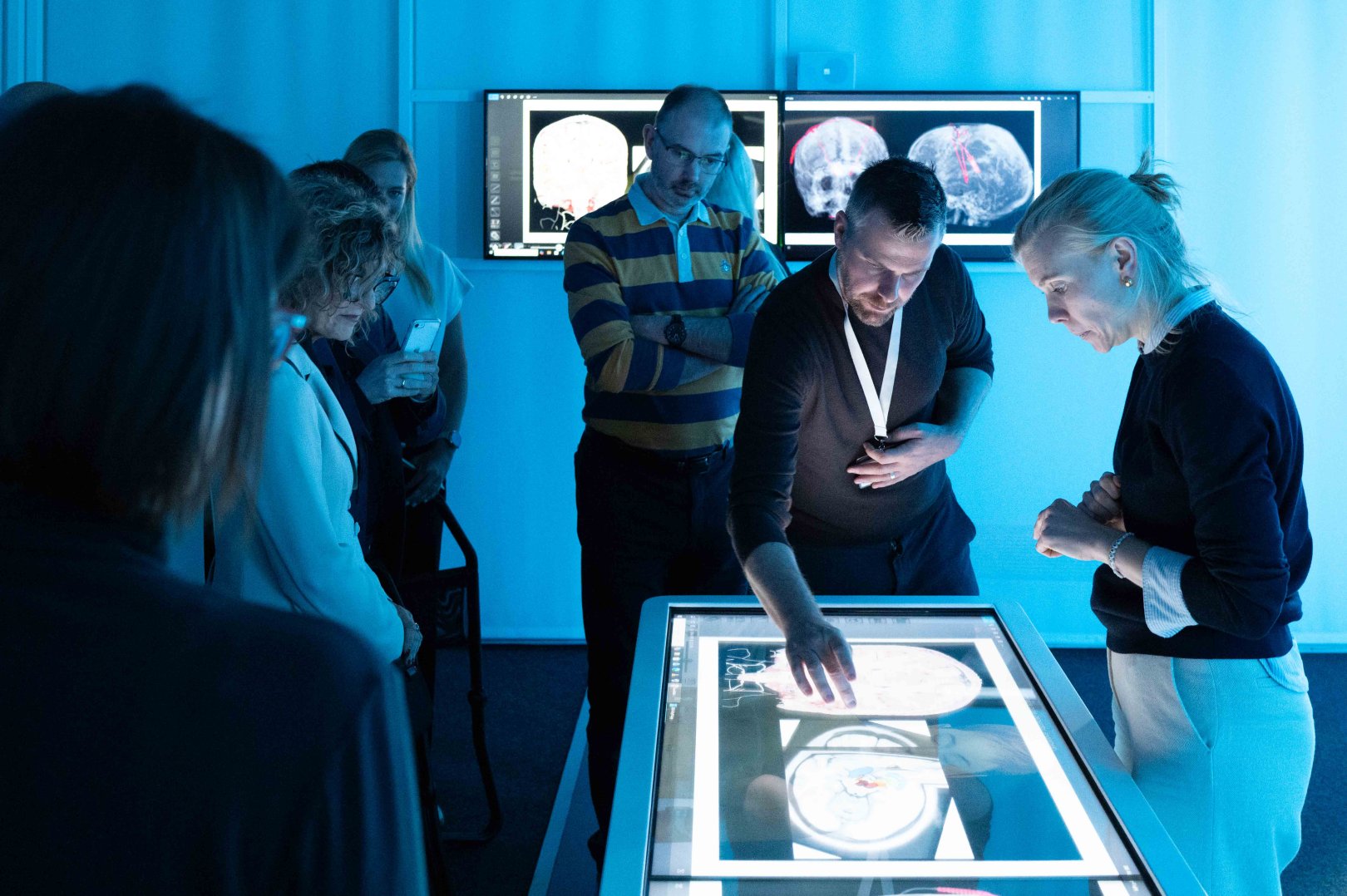
If you’re considering having DBS (Deep Brain Stimulation surgery), this detailed personal account by Parkinson’s Europe Board member Janette Sinclair is a must-read. A UK national living in Brussels in Belgium, Janette underwent DBS at Leuven University Hospital in January. In May, she wrote in detail about her experience, covering everything from deciding to have the procedure and the pre-op checks to last-minute nerves, what sort of device to have implanted and finally the operation itself. She also explained how she felt after the operation, and what happened when the DBS device was switched on.
“There was no ‘Eureka!’ moment for me: the device just took the place of the drugs I had been taking, only it worked all the time, with no dosage fails or nighttime panics. A quiet miracle,” she wrote.
4. LGBTQIA+ people with Parkinson’s experience higher levels of depression, research reveals
LGBTQIA+ people with Parkinson’s experience higher rates of depression, anxiety, disability and loneliness compared to their cisgender, heterosexual peers, a new study from The University of Nevada, Las Vegas revealed in June, Pride month.
Responding to the ‘Parkinson’s Research With Inclusion, Diversity, And Equity (Pride)’ study from the Rainbows of Aging Team, Parkinson’s Europe President Josefa Domingos said: “We know that loneliness, anxiety, and depression are common among people living with Parkinson’s. For LGBTQIA+ individuals living with Parkinson’s, these feelings can become even more intense, often feeling invisible or isolated,” she said.
“As a Parkinson’s community, we must do better. True care goes beyond treating symptoms. It means seeing and supporting the whole person with dignity, inclusion, and compassion every step of the way.”
5. Travel tips from the Parkinson’s community
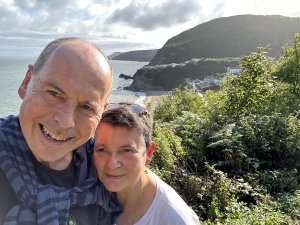
To celebrate the relaunch of The Parkinson’s Passport, we asked people with Parkinson’s across Europe about their travel plans for the summer, as well as their hacks for travelling and holidaying as a person with Parkinson’s.
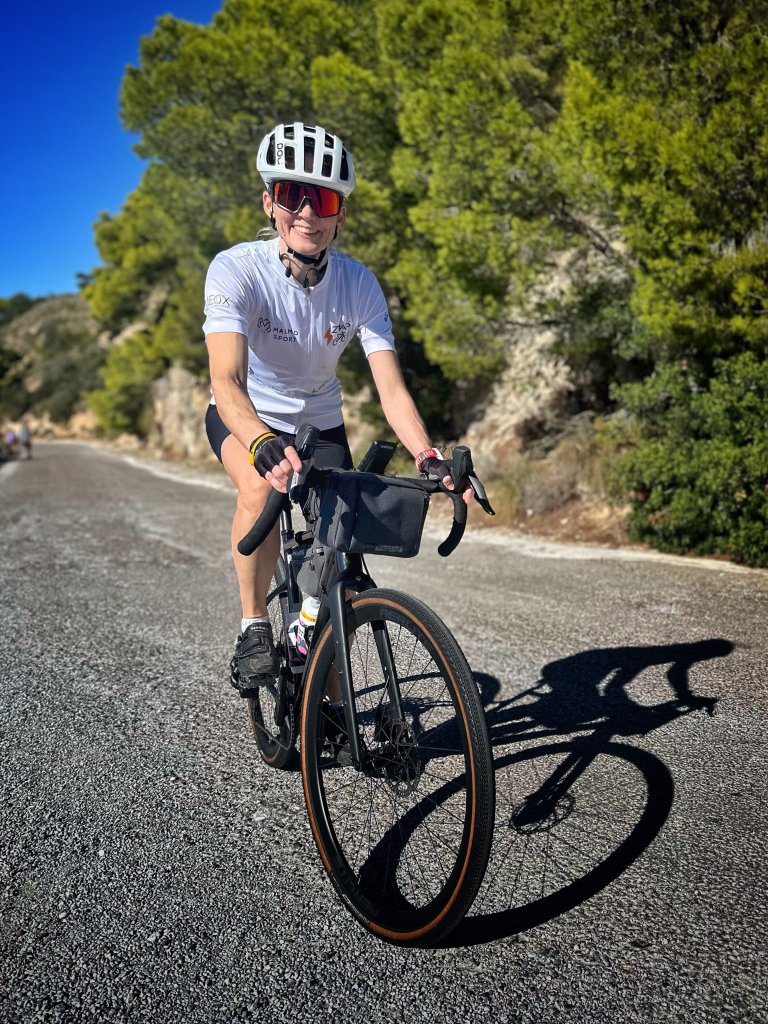
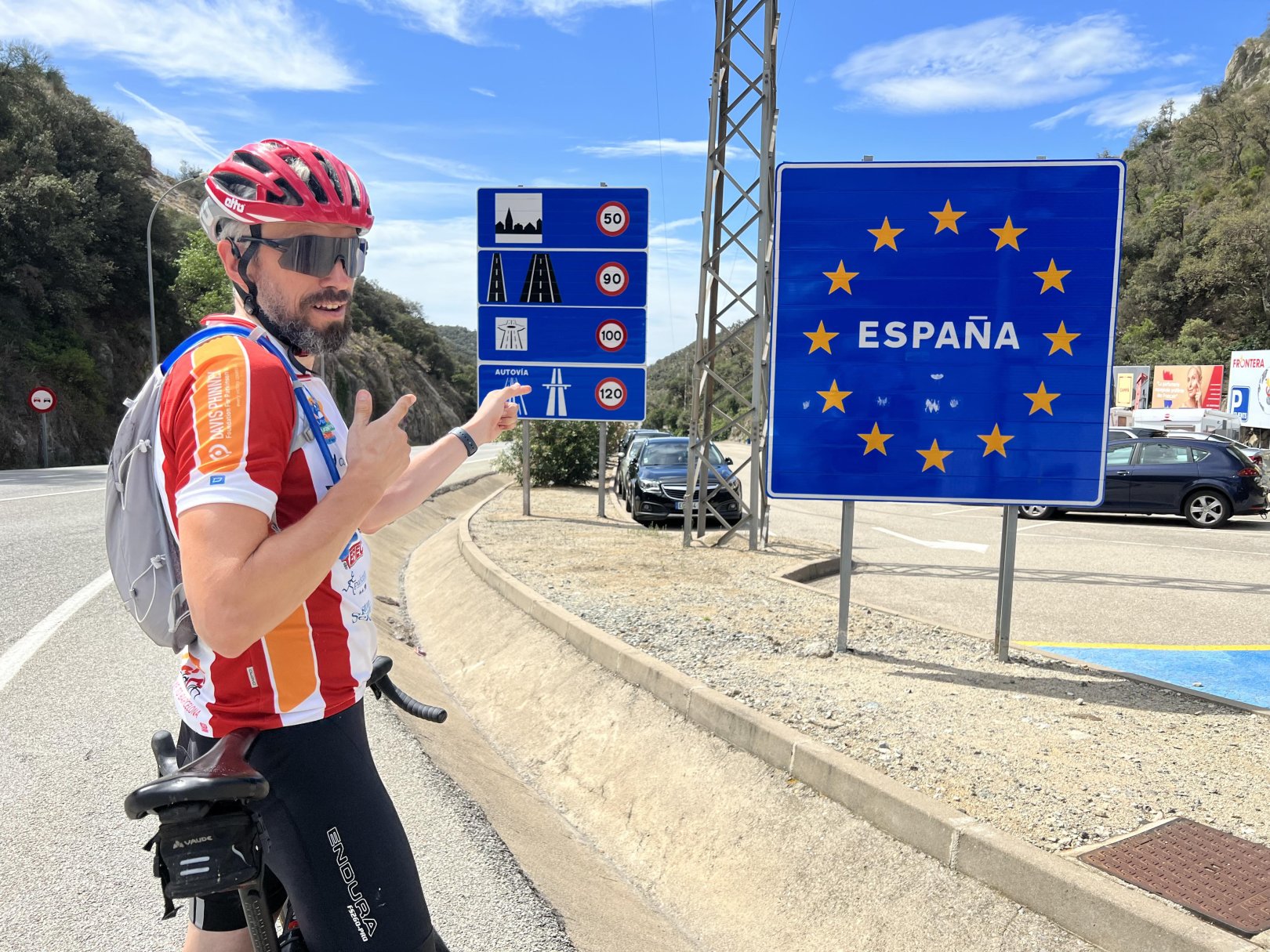
Parkinson’s Europe Board member Cathy Molohan makes sure her DBS battery is well charged in case of delays, while Rory Cellan-Jones, UK journalist and Movers and Shakers podcaster, acknowledges the effect stress has on his symptoms, as well as the need to download audiobooks for his insomnia. President of the Greek Association of Patients and Caregivers PAR.KIN.S.O.N., Fotini Skondra, takes a rolator wheelchair to help her walk, and to sit in if she can’t walk at all, while Rune Vethe, of Norwegian cycling club ZWAP (Zwifters Against Parkinson’s) always books an aisle seat on the right-hand side of the plane due to dystonia in his left foot. One thing’s for sure, they don’t let Parkinson’s get in the way of enjoying their holidays!
6. Delicious recipes for people with Parkinson’s

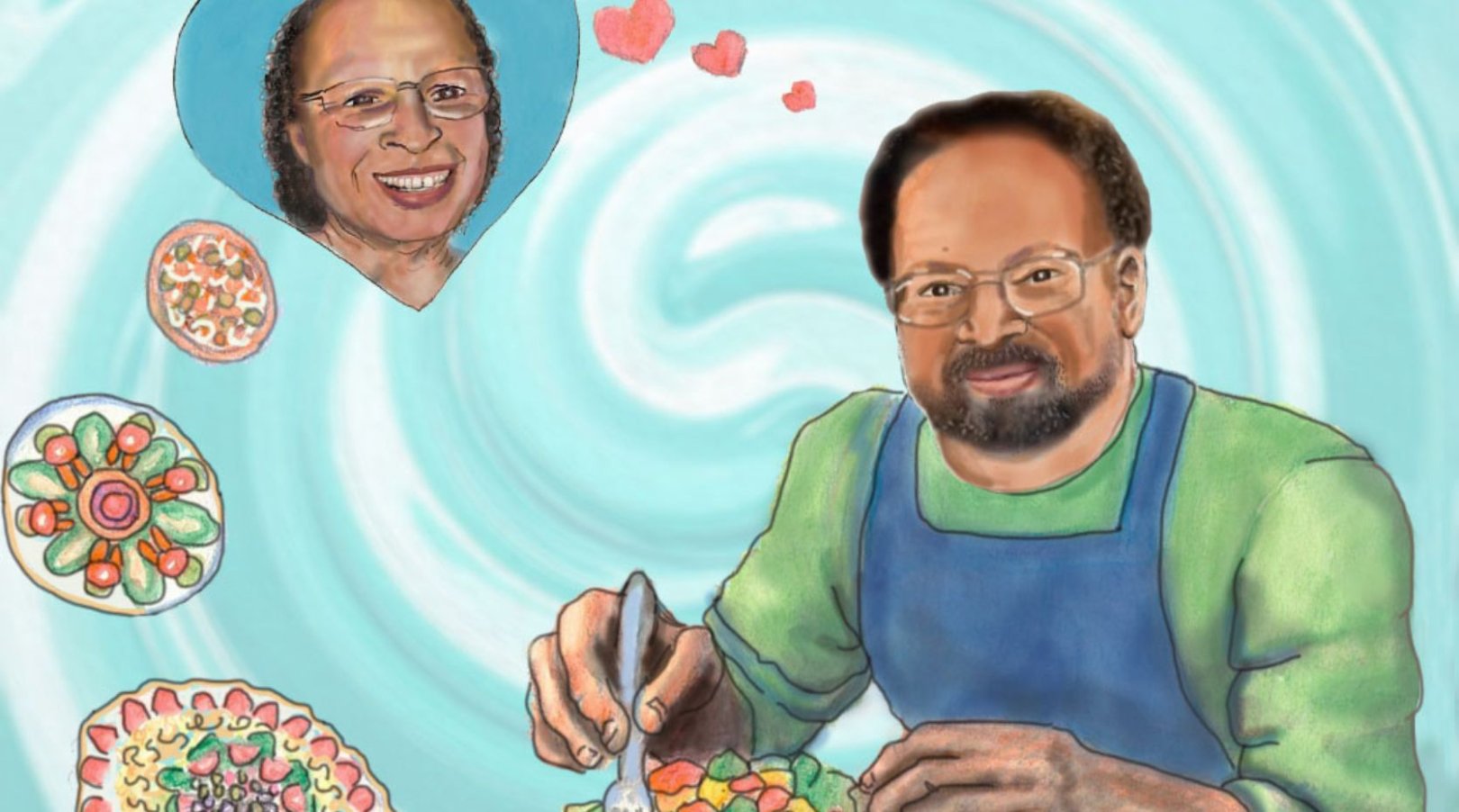
A balanced, nutritious diet can have a hugely positive impact on people with Parkinson’s. To celebrate ten years of Parkinson’s Life, we shared ten Parkinson’s-friendly recipes from over the decade.
There’s everything from light summer salads to hearty winter soups. Plus, there’s a luxurious three-course Christmas meal designed by Michelin-star Scottish chef Martin Wishart that’s easy to chew as well as indulgent. This selection proves that healthy food can also be mouth-watering.
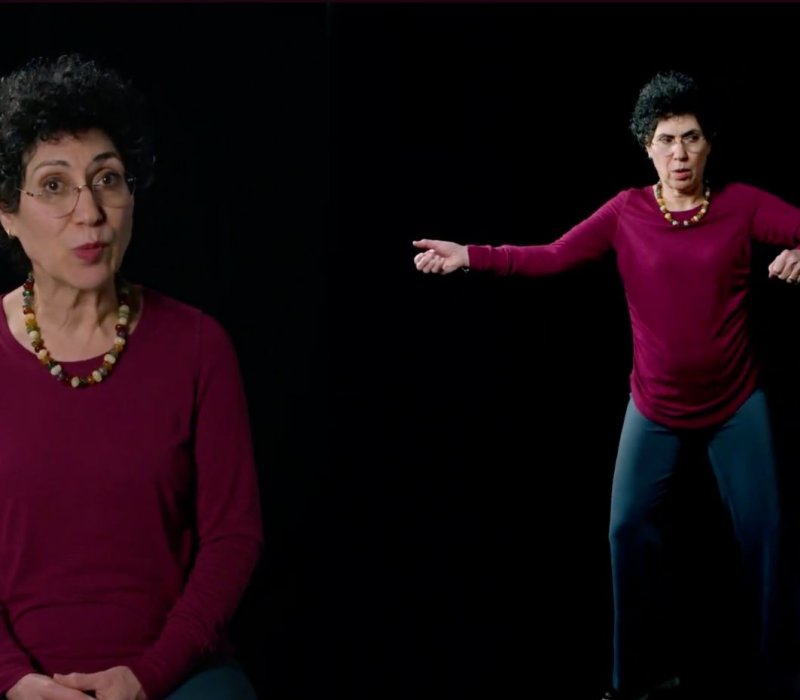
7. Walking tips for people with Parkinson’s from Parkinson’s Europe President and physio Josefa Domingos
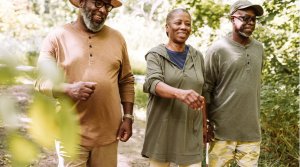
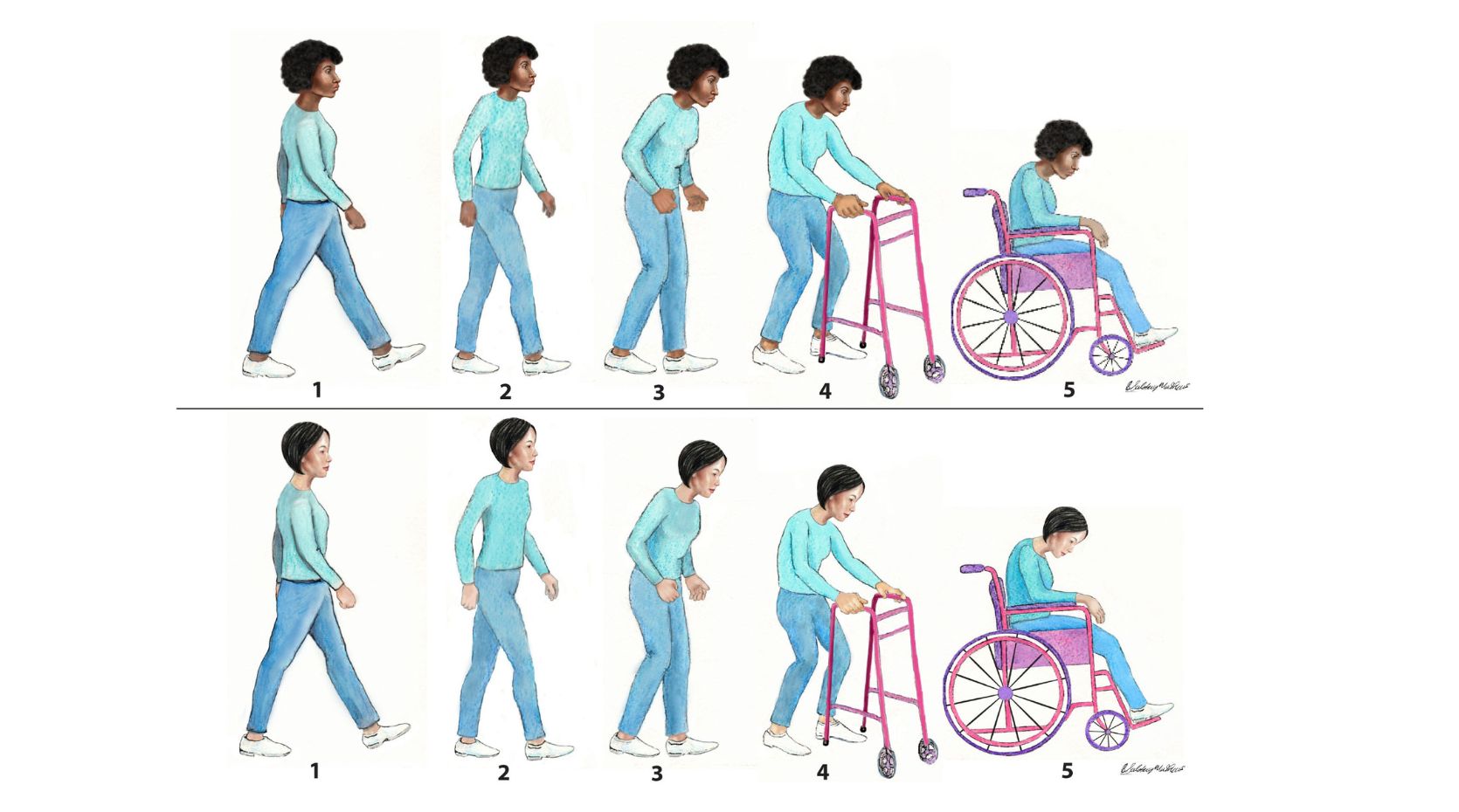
Exercise has excellent benefits for people with Parkinson’s, but the condition can make walking more difficult. Problems with gait can lead to shuffling, while poor balance and freezing (the sensation of feet being glued to the floor) can also affect walking.
In this article, physiotherapist (and President of Parkinson’s Europe) Josefa Domingos – who has decades of experience in providing physiotherapy for people with Parkinson’s – gave her tips on everything from daily stretching and strengthening and how to improve stride to using walking cues and the importance of wearing the right shoes.
8. New Parkinson’s nutrition programme launches

In September, we spoke to Richelle Flanagan, a registered dietitian with young-onset Parkinson’s, about NutritionPD, her online diet programmes for people with Parkinson’s.
Richelle said: “NutritionPD’s mission is to give people with Parkinson’s and their caregivers reliable nutrition information. All programmes have been designed by dietitians who understand Parkinson’s and cover topics like the Mediterranean diet, gut health, and weight management. Our first programme, Mediterranean Parkinson’s, is already helping people feel better.”
Through NutritionPD, people with Parkinson’s can learn how to deal with various symptoms from constipation to gastroparesis, functional dyspepsia and more. You can also find out how what and when you eat affects how well your Parkinson’s medications work.
9. Careers cut short, financial loss and stigma – our survey told a bleak story of working with Parkinson’s

People with Parkinson’s have the potential to work for longer if given adequate support in the workplace, a Parkinson’s Europe study discovered.
Lack of knowledge around workplace rights, fear of stigma and steep financial losses were also among key findings in our ‘Welcome in the Workplace’ survey, which drew responses from nearly a thousand people living with Parkinson’s from across the globe.
The survey was conducted as part of our Welcome in the Workplace campaign. It aimed to inform and empower those who live and work with Parkinson’s, including guidance on how to have important conversations around working with Parkinson’s after diagnosis.
10. Parkinson’s advocate Matt Eagles on 50 years since his diagnosis
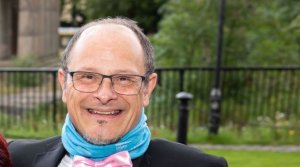
Matt Eagles is a well-known figure in the Parkinson’s community. For many, the 57-year-old, who was diagnosed with the condition on his seventh birthday, is familiar as the founder of the positivity-powered Parkylife project, or as co-leader and founding member of PD Avengers. For others, it is as a respected advocate who speaks honestly about the Parkinson’s experience – from the challenges to the importance of a positive mindset. We marked 50 years since his diagnosis on 7 November 1975 with this powerful interview.
“Surviving 50 years living with a degenerative chronic neurological condition like Parkinson’s takes positivity, courage, resilience, a large degree of vulnerability, heartache and tears of joy, a support network that always has your back, a desire to bounce back from adversity and a relentless desire to live your best life to survive,” he said.