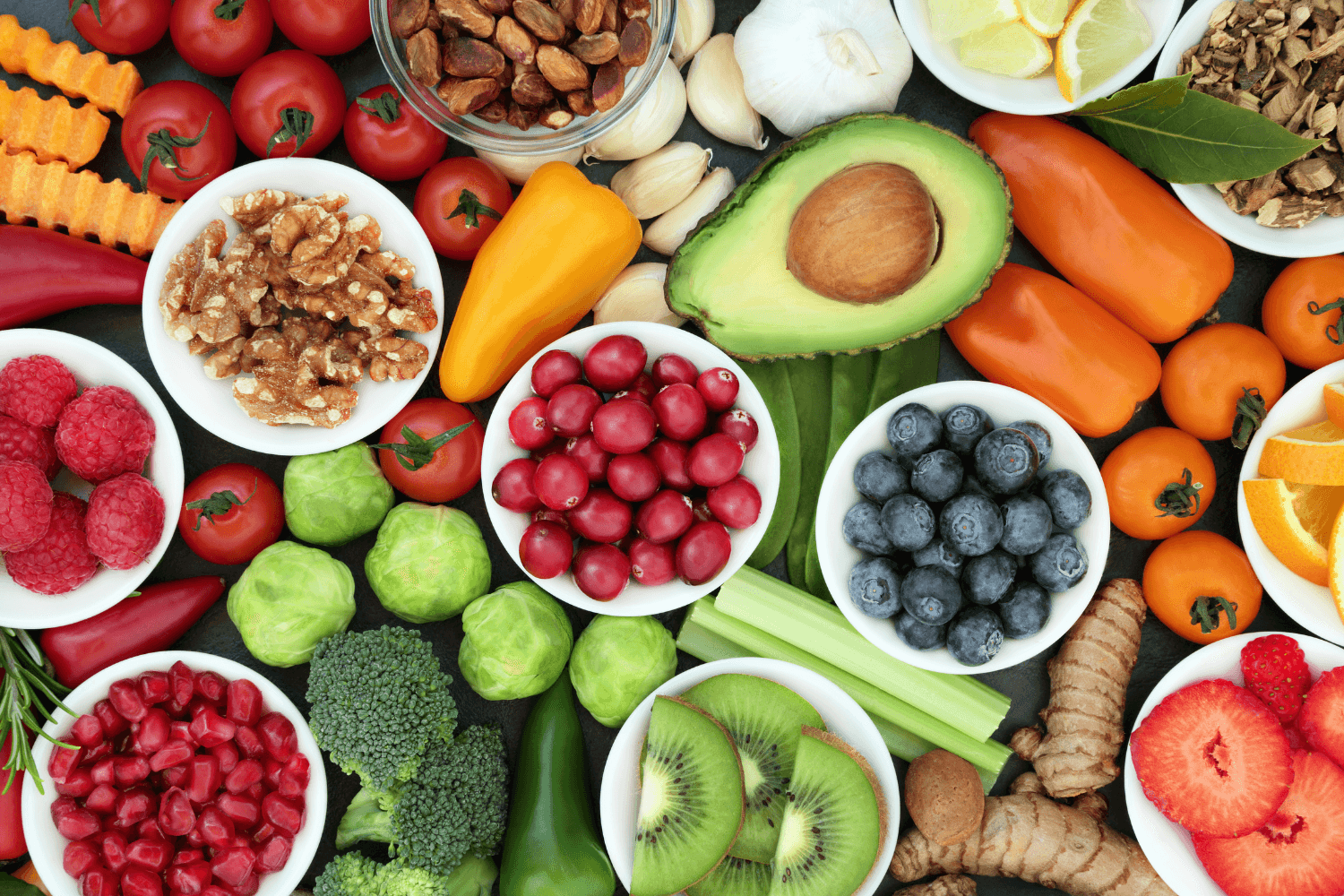
There is no specific diet for Parkinson’s but having a well-balanced, healthy diet is extremely important – especially as it can help manage Parkinson’s symptoms like constipation, fatigue, dyskinesia (involuntary movements) and stress.
Caution!
Eating a balanced diet
A balanced daily diet will contain a wide variety of foods from these five food groups:
Carbohydrates
These provide energy and help maintain body weight.
Examples of carbohydrates: bread, potatoes, pasta, rice and cereals
Protein
These are the building blocks your body needs for growth and repair
Examples of protein: meat, nuts, beans, eggs and fish
Dairy Products
These provide calcium and other nutrients
Examples of dairy products: milk, cheese, yoghurt, butter
Fats and sugars
Although harmful if consumed in large quantities, fats and sugars are essential for producing energy so should be eaten in moderation
Examples of foods high in fats and sugars: oils, seeds, nuts, chocolate, cake, biscuits
Fruit and vegetables
These are a good source of fibre, vitamins and minerals, and are essential for healthy bowels and avoiding constipation.
They can be eaten fresh, frozen, canned or dried.
Other important things to include in your diet:
Fluid: preferably 6 to 8 glasses (1.5-2.5L) daily
Vitamins and minerals: Vitamins A, D, E and K tend to be found (naturally-occurring or through fortification) in milk and dairy food. Vitamins B (complex) and C are mostly found in citrus fruit and green, leafy vegetables. Good sources of calcium are low fat milk, fortified soy/rice beverages, fortified juice, low fat cheeses and yoghurts. You can also take vitamin and mineral supplements, but speak to your doctor first.
Antioxidants: Brightly coloured foods generally have good levels of antioxidants, for example berries, yellow and dark leafy greens. Green tea, red wine and chocolate also contain antioxidants.
Maintaining a healthy weight
Parkinson’s may lead to changes in your weight – up or down – so it’s a good idea to weigh yourself regularly, as this could be useful information for your doctor.
If you gain weight due to reduced mobility: this can strain your joints and make moving around even more difficult, so you may be advised to try healthy weight loss techniques like calorie control and gentle exercise.
If you lose weight due to Parkinson’s symptoms (like loss of appetite or eating and swallowing issues): a dietician can help you find ways to return to a healthy weight. This might include things like eating more frequent, smaller meals, focussing on eating foods you like, or trying oral nutrition supplements or special drinks designed to increase calorie intake.
Managing Parkinson’s symptoms with diet
Diet changes can improve a number of common Parkinson’s symptoms:
- Constipation: eat foods high in fibre (like wholegrain breads, bran cereals, fruit and vegetables – especially prunes – beans and lentils) and increase your fluid intake, ideally to 1.5 to 2 litres per day. Regular physical activity also helps. If you’re still struggling, tell your doctor.
- Poor appetite, nausea and vomiting: have small frequent meals, and take medication with a meal or snack. Ginger ale can help reduce nausea.
- Heartburn, reflux and bloating: have small frequent meals, and sit upright during your meal and for an hour after eating. Limit food and drink that makes symptoms worse, such as spicy food, peppermint, chocolate, citrus juices, onions, tomatoes, alcohol, caffeine and fizzy drinks. Avoid using straws.
- Problems swallowing food: see your doctor about this – they may refer you to a dietician who can help find ways to cope with swallowing issues.
- Problems moving jaw, lips, tongue: eat soft foods like scrambled eggs, thick soups, ground meat or casseroles.
- Slow or uncontrolled movements: don’t skip meals, and give yourself enough time to eat. You can also try eating pre-cut or finger foods, and having meals in a quiet setting.
- Orthostatic (postural) hypotension: avoid large meals, and reduce your intake of carbohydrates and alcohol. Increased salt and fluid intake may also help.
- Bladder problems: if you need the toilet urgently or have problems emptying your bladder, be aware of not drinking too many caffeinated beverages such as tea, coffee or fizzy sweet drinks..
- Dry mouth: frequent sips of water can help, and sucking a sweet or chewing gum can stimulate saliva production
Diet and Parkinson’s medications
Levodopa and protein: for a small number of people with Parkinson’s, the timing of protein intake can impact the effectiveness of levodopa. It’s very important that you shouldn’t attempt to reduce or alter your protein intake without checking with your doctor – protein is a very important part of your diet.
Antacid or indigestion tablets: these should generally not be taken at the same time as your Parkinson’s medication, but can be taken safely at different times of day. Ask your doctor for advice.
Where to get advice about Parkinson’s diet and nutrition
Your doctor can give useful advice, but may also refer you to any of the following:
- A dietitian can provide advice on all aspects of nutrition and diet to suit your symptoms and medication needs
- A speech and language therapist can help with swallowing problems
- An occupational therapist will be able to look at ideas and equipment to make food preparation and mealtimes easier
Helpful diet and nutrition hints for daily life with Parkinson’s
While the experts above can give specific advice, here are some tips to make everyday food preparation and eating easier:
Meal planning
- Plan meals in advance and write a list of the ingredients before going to the shops, or ask someone to buy ingredients for you
- If standing for long periods is difficult, choose meals with quick prep times
- Make double or triple quantities of any meals that can be frozen so you always have some home-cooked meals in the freezer
- Keep a stock of ready meals and frozen and tinned ingredients for when your energy levels are low
- A microwave is very handy for quick meals and snacks
Preparing and eating food
There are lots of eating aids that help with various Parkinson’s symptoms, such as:
- Cutlery with specially adapted handles which are angled or weighted for ease of use, or ‘rocking’ knives that can be used one handed.
- Two handled cups or beakers to reduce spillage.
- Insulated cups to keep hot drinks warm.
- Specially weighted cups that help prevent tremor.
- Devices designed to grip jars and bottles for easy opening
- Special plates which keep food warm for longer, or have high rims to prevent spillage and make it easier to get food onto cutlery
- A slip-resistant mat to go under your chopping board
- Before buying new kitchen items check they are not too fiddly to clean.
There are other simple things to try to make eating easier:
- Use a straw and don’t overfill cups
- Use an apron or napkin and an easy wipe table cloth
- Try placing elbows on the table to steady your hands and arm when eating
- Try raising your plate on a book or box so that it is nearer to your mouth
- Use a footstool if your feet don’t comfortable rest on the floor when seated
- Use a damp cloth or special non-slip mat under a plate can stop it moving as you eat
- Microwave a meal when it becomes cold so that it remains appetising
Here are a few ways to keep your kitchen organised for easier food preparation:
- Store items that are regularly used somewhere easy to access, not in an awkward corner.
- Keep the ingredients for making tea and coffee, or other drinks, in the same cupboard.
- Turntables in cupboards make access to items easier.
- Don’t stack items on top of each other on shelves as they are more likely to fall out.
- Ideally your sink, cooker and fridge should be nearby each other to cut down on movement around the kitchen.
- When choosing a fridge-freezer, get one with the fridge compartment at the top and the lesser-used freezer compartment at the bottom to reduce bending down
- Eye level grills and oven are easier to use as this avoids bending whilst handling hot items.
- Use a trolley for transferring your meal to the table, or for moving other things around the house, but don’t overload it!
For more advice, see our swallowing tips