
Things like footcare, dental care and emotional wellbeing are important for all of us – but may need extra care if you have Parkinson’s.
Footcare
While everyone can experience general foot problems like corns and bunions, people with Parkinson’s can run into other issues – like poor gait, poor posture or cramp – which can make walking difficult. You may also struggle with everyday foot care like trimming your toenails due to changes in your dexterity.
Your doctor can help as can a podiatrist, but make sure you find a well-qualified one with experience of treating people with Parkinson’s.
Common foot problems in Parkinson’s and how to treat them
Walking (gait) problems
Parkinson’s can cause gait problems like shorter stride and shuffling steps, which can lead to foot, leg and knee pain. Others find ankle rigidity means they walk on their toes, which can affect balance. Stiff or cramping calf muscles can also affect gait and lead to calluses on the soles of your feet.
A podiatrist will be able to give you exercises to stretch muscles and reduce stiffness, strategies to correct poor gait, and provide special in-shoe devices called orthoses which can help with gait and mobility.
Dystonia (muscle spasms) and toe-curling
Muscle spasms are a common Parkinson’s symptom, and frequently occur in the feet. Typically, the toes curl into a claw-like position, the foot turns inwards at the ankle, and occasionally the big toe sticks up. This can be very uncomfortable and make it hard to fit feet into shoes. The Achilles tendon may also cramp up, which can cause ‘toe walking’ (see above).
Your podiatrist will be able to suggest techniques to help, for instance toe splints, or in extreme cases surgery.
Swelling (oedema)
Oedema is swelling in the feet and ankles caused by a build-up of excessive fluid. It’s more likely if you have slow/reduced movement (bradykinesia) or spend long periods sitting down, and tends to get worse during the day but subside at night.
You can alleviate the swelling by keeping your legs raised when you are sitting. Your doctor may also prescribe a diuretic medication, and try to rule out other causes like heart or renal problems, or deep vein thrombosis. A podiatrist or physiotherapist can suggest exercises to help, and recommend footwear such as shoes that can be loosened if your feet start to swell. A gentle foot or leg massage may also help.
How can I help myself?
There are a number of ways you can prevent or alleviate foot problems:
Footwear
While everyone has different needs, so it’s important to get personalised advice from a podiatrist or physiotherapist, a few things that can help include:
- Leather soles can help with freezing, as they let you slide your feet, but can also be slippery
- Rubber soles have good grip, which can help with gait – but may also cause your feet to ‘catch’ on the floor and make you slip
- Supportive footwear with cushioning to absorb the impact of your foot striking the ground
- A broad heel, but not too high, to help stability
- Supportive fastenings which come high up across the front of the foot, near to the ankle
- Velcro or buckles are less fiddly than laces
- Wide-ended shoes with room to wiggle your toes
- Light-weight footwear require less effort when walking
- Natural, breathable materials keep feet fresher
- Avoid slippers – they may be comfortable but they provide very little support
- Avoid slip-on shoes which require you to claw your toes in order to keep them on
General foot care
The following simple tips may help you keep your feet healthy:
- Wash your feet daily in warm but not hot water and dry them thoroughly
- Avoid harsh soaps or strong antiseptics which destroy the natural oils in the skin.
- Don’t soak your feet longer than you would in a bath as this destroys natural skin oils.
- Keep your feet warm and don’t expose them to extreme heat or cold.
- Exercise your feet to improve circulation.
- Use moisturising creams, lanolin or olive oil if your feet are particularly dry
- Remove hard skin by using a pumice stone or foot file and applying an emollient cream
- File your toenails regularly – always follow the shape of your nail and don’t cut down at the corners as this can lead to in-growing toe nails.
- If you experience tremor or involuntary movements, or have difficulty gripping foot care instruments, use a file instead of sharp scissors or nail clippers.
- Seek specialist help for corns, calluses and in-growing toenails
- Contact your podiatrist or doctor promptly if you have any cuts, burns or breaks in the skin as these can lead to more serious problems if left untreated. Also seek advice if you notice any changes in the colour, smell or temperature of your feet.
- Try to wear different shoes each day so that pressures on the foot move around.
- Shoe horns can help put shoes on, and keep footwear in good shape using shoe trees.
Teeth and Oral Health
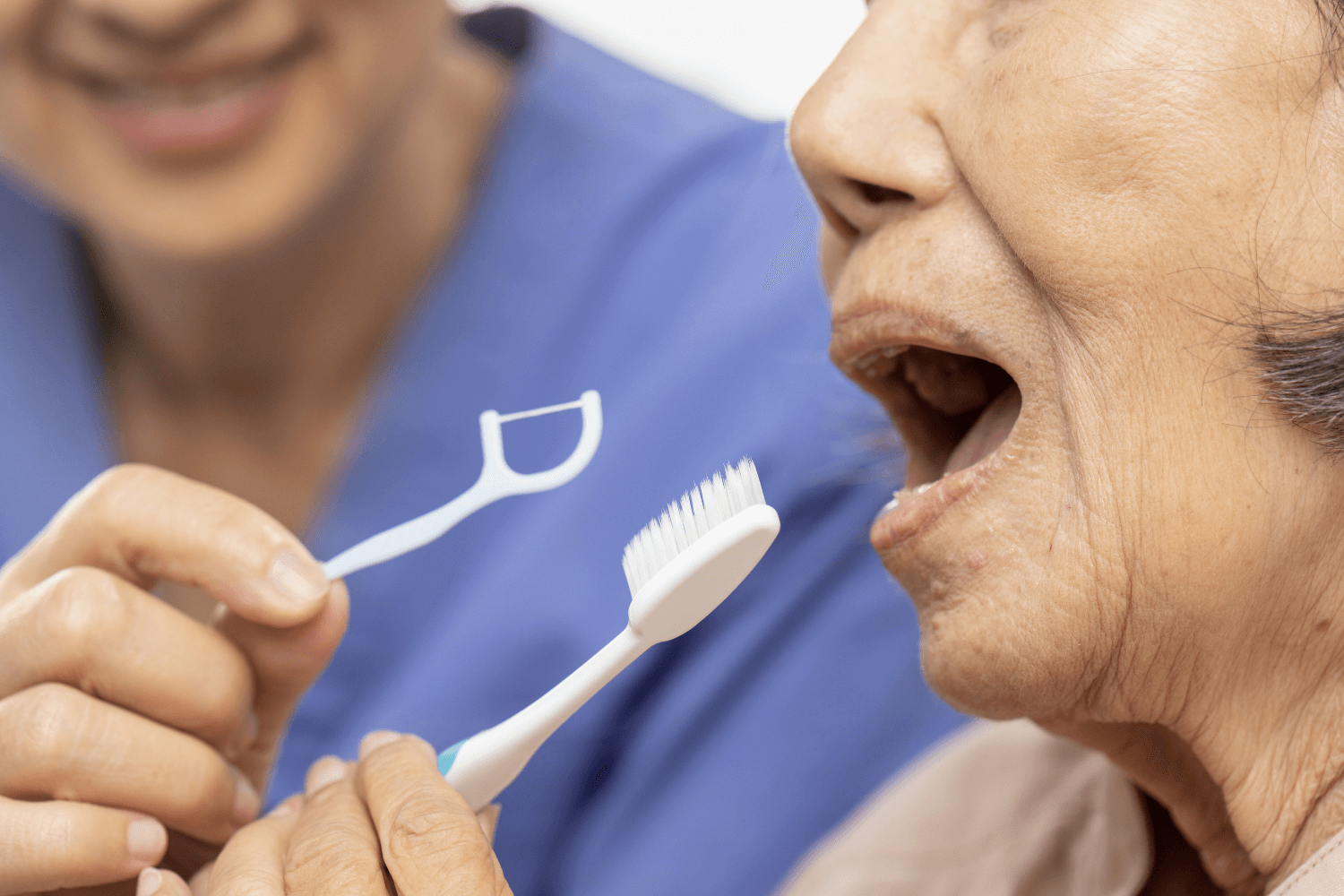
A good oral hygiene routine, together with a well-balanced diet and regular visits to the dentist, is vital to maintaining a healthy mouth and helping tasting, chewing, swallowing and speaking.
Keeping teeth and gums healthy can be more difficult if you have Parkinson’s, your dentist, dental hygienist and doctor can help, as can a speech and language therapist.
Common teeth problems in Parkinson’s and how to treat them
Increased decay of teeth (caries)
People with Parkinson’s tend to have more dental caries (known as decay or cavities), which are caused by bacteria turning sugar into acid, which damages teeth. You can prevent caries by limiting sugary food and drinks and investing in a good toothbrush that will help you with the brushing motion
Increased inflammation of the gums and periodontal disease
Plaque and tartar can inflame your gums, causing pain, and eventually affecting the underlying jaw bone, leading to periodontal disease, which can cause irreversible damage and tooth loss. You can prevent this with good oral hygiene, a healthy diet, regular professional teeth cleaning, and avoiding smoking.
Difficulty swallowing (dysphagia)
Swallowing difficulties (dysphagia) are common in Parkinson’s because motor impairment can cause reduced control of the mouth, tongue and throat muscles, especially in the later stages in Parkinson’s. Your doctor can refer you to a speech and language therapist for treatment.
Drooling
Because swallowing is a motor function, this can be disrupted in Parkinson’s, causing excess saliva and drooling. The stooped posture associated with Parkinson’s can make this worse.
A speech and language therapist can help treat problems with swallowing and saliva control.
Dry or burning mouth
Some people with Parkinson’s experience a dry mouth, a loss of taste or a burning sensation in the mouth. Your doctor may be able to adjust your medication, and you can also try taking frequent sips of water, and using a lip balm.
Difficulty controlling dentures
Parkinson’s can affect the muscles in your face, which can make denture control difficult, as can excessive saliva or a dry mouth. This can cause painful blisters or ulcers, as well as speech and eating difficulties. Your dentist can help ensure your dentures fit well, and a speech and language therapist can give techniques for better denture control.
General oral hygiene advice for people with Parkinson’s
- Brush your teeth twice a day with a fluoride toothpaste – if you’re struggling, try to focus on one half of your mouth in the morning and the other half at night, or ask a partner, caregiver or loved one for help
- Try not to rinse your mouth after spitting out toothpaste so that fluoride continues to work
- Limit sugary food and drinks to mealtimes only
- Visit your dentist regularly, and a dental hygienist can also give personal advice
- If you have dentures, keep them clean using a special brush and simple soap and water
Tips for holding a toothbrush if you are struggling with tremor:
- Slip the brush into a velcro sleeve you strap to your hand
- Cut an opening in a tennis ball and inserting the brush handle to give you something larger to grip
- Insert the brush into a bicycle handlebar grip so it slips less in your hand
- Use an electric toothbrush as the extra weight can help reduce tremor
Emotional and spiritual wellbeing
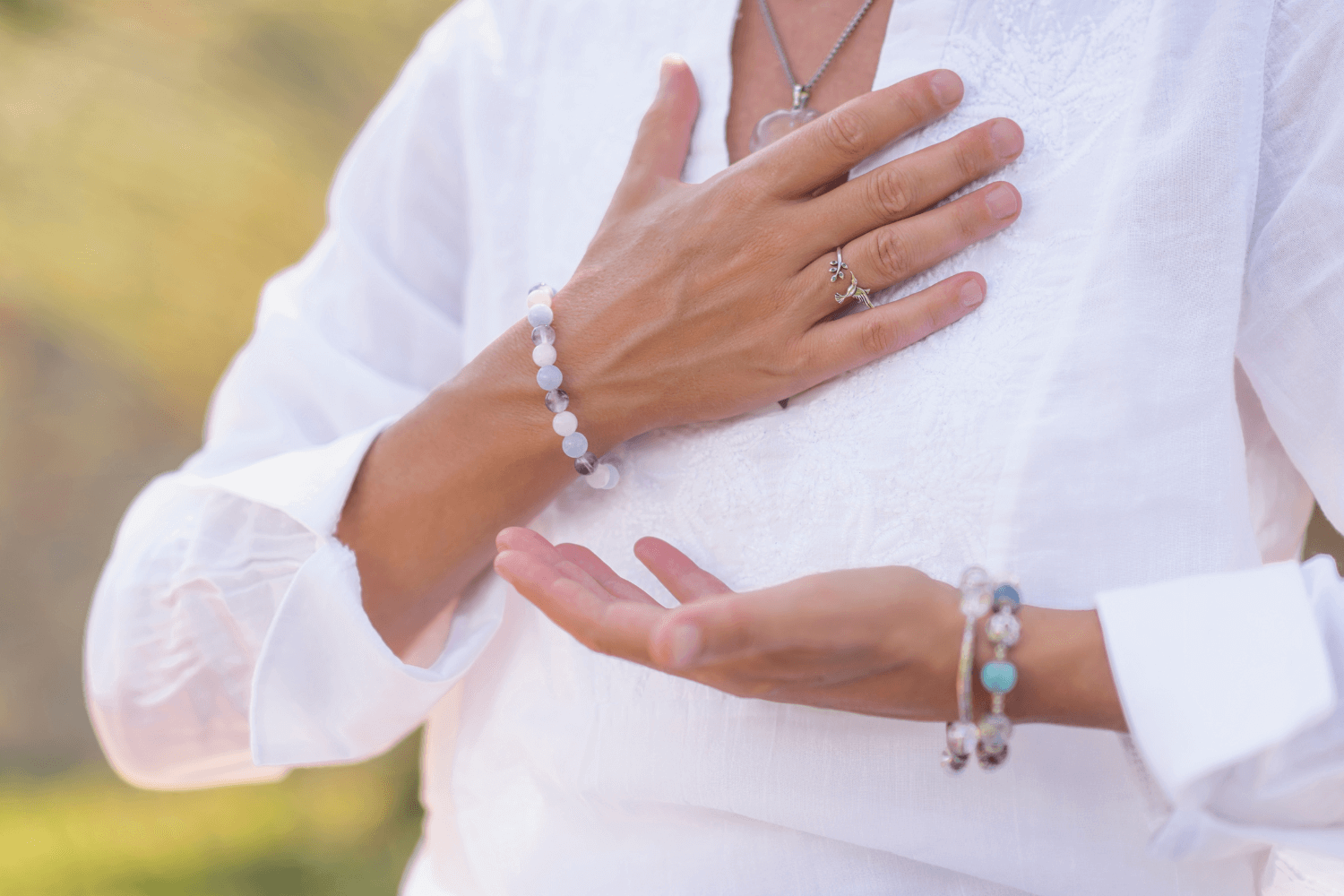
Parkinson’s is generally thought of as a physical condition but it commonly affects the mind and emotional wellbeing too – up to 50% of people with Parkinson’s experience mood changes, in particular anxiety, depression and apathy.
Stress can make symptoms like tremor worse, and feeling anxious, depressed or lacking motivation can affect your quality of life, so finding ways to cope with such feelings will help you live well with Parkinson’s.
There are lots of things you can try to improve your emotional wellbeing:
- Educate yourself about Parkinson’s – being informed can help you to feel more in control
- Take an active role in managing your condition
- Keep doing the activities you enjoy if possible – this can improve your mood
- Exercise regularly – especially social activities like dance
- Try to ensure you get enough sleep
- Pace yourself – know and accept your limitations and accept that these may change
- Relax. Complementary therapies such as yoga, Tai Chi or meditation may help.
- Learn to recognise triggers that impact your mood – like alcohol and caffeine
- Accept help when you need it
- Contact your local Parkinson’s organisation or other support groups.
Your doctor can also help by referring you to counselling or therapy, or in some cases altering your medication or prescribing antidepressants.
Further information
Spiritual wellbeing
Spirituality is a very personal matter and has many definitions. It’s often confused with organised religion, but everyone can be spiritual, regardless of whether you’re religious or believe in God.
In broad terms it’s about deep feelings and beliefs – both religious and non-religious – and often this involves philosophical questions about who we are or the meaning of life, and things like morals, ethics and values.
Types of spiritual practices
- Belonging to a faith community
- Symbolic or ritual practices
- Meditation
- Prayer and reading scripture
- Retreat and pilgrimage
- Playing or listening to sacred music
- Complementary therapies like Tai Chi and yoga
- Engaging with and enjoying the arts and nature
Benefits of spirituality:
- An awareness and fostering of values such as patience, honesty, kindness, hope, wisdom, joy and creativity
- Enhanced confidence and self-esteem
- Improved relationships
- A new sense of optimism, a sense of inner peace and acceptance of problems we face
- Faster recovery from illness or bereavement
Spirituality and Parkinson’s
Spirituality is of increasing interest to psychiatrists and other healthcare professionals because of the potential health benefits it can bring, such as a sense of inner peace and comfort, even in times of mental or physical stress.
Being diagnosed with an illness such as Parkinson’s can understandably be challenging and require a period of adjustment. Spirituality can help with this, and provide hope for the future, as well as helping you understand who you are as a person with Parkinson’s.
It’s important to have regular quiet time to contemplate, reflect and relax – discussing your feelings with others can also help strengthen you spiritually.
For more advice on spirituality, contact your local self-help groups, counsellors and religious organisations, or ask your healthcare team for recommendations.