Skip to content
  • Facebook
  • Instagram
  • LinkedIn
  • Youtube
  • BlueSky
  • Threads
Log in
Search Donate
  • About Parkinson’s
    • Understanding Parkinson’s
      • What is Parkinson’s?
      • Types of Parkinson’s
      • Causes of Parkinson’s
    • Signs and symptoms
      • Symptoms of Parkinson’s
      • Diagnosis
      • Genetic testing for Parkinson’s disease
    • Facts and figures
      • Parkinson’s statistics
      • Research paper directory
      • Our latest insights
    • Supernav Block 1

      Latest Parkinson's news

      Stay up to date with the latest news stories about Parkinson's over on Parkinson's Life, our online magazine

      Learn more

  • Information and support
    • I have Parkinson’s
      • Newly diagnosed
      • Treatment
      • Complementary therapies
      • Self-help and living well
      • Research
      • Advanced stages of Parkinson’s
    • I am a carer
      • Carer advice and support
      • Carer self-care
      • Planning ahead
    • I am a professional
      • What patients want
      • Resources for healthcare professionals
      • Share your work with the Engagement Network
      • Research Strategy
    • Supernav Block 2

      Self-help and living well

      Find advice on a range of topics to help you live life to the full, from diet and exercise to travel, work, sleep, relationships and leisure activities.

      Learn more

  • About us
    • Who we are
      • Our history
      • Our members
      • Our partners
      • Governance
      • Meet the team
    • What we do
      • Our mission, vision and goals
      • How we are funded
      • Our impact
    • Our work
      • Parkinson’s Europe strategy 2025-2028
      • Defining the impact of Parkinson’s in Europe
      • Helping the European Parkinson’s community grow stronger together
      • Ensuring the voice of the European Parkinson’s community is heard
      • Latest news and updates
    • Supernav Block 3

      Parkinson's Engagement Network

      Join our Engagement Network and be the first to receive opportunities tailored to your interests direct to your inbox

      Learn more

  • Get involved
    • Connect with us
      • Join our Engagement Network
      • Sign up for our newsletter
      • Become a member
      • Contact us
    • Support us
      • Donate
      • Sponsorship and partnership
    • Campaigns
      • World Parkinson’s Day 2026
      • Disease-Modifying Therapy: a new way to slow the progression of Parkinson’s?
      • Parkinson’s treatments when medication becomes less effective
      • Welcome in the Workplace: Parkinson’s and your rights at work
      • Sign our pledge for improved healthcare services for people with Parkinson’s in Europe
      • Advocacy
      • Past campaigns
    • Supernav Block 4

      Find events near you

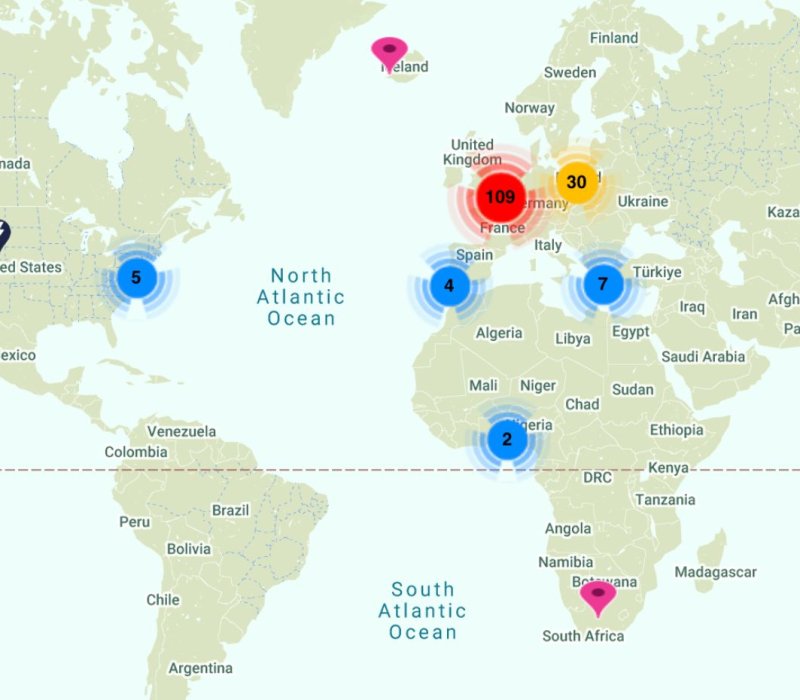
      Our interactive Parkinson's map shows a range of resources across Europe, from member organisations to events, activity groups to research and campaigns

      Learn more

  • Parkinson’s Life
  • In your country
Search Donate

Home

10 delicious recipes for people with Parkinson’s

05 June 2026 By Christy McGhee
Recipes Recipes & Nutrition
10 delicious recipes for people with Parkinson’s

It is well known that a balanced, nutritious diet can have a hugely positive impact on people with Parkinson’s. For over 10 years, Parkinson’s Life has shared a range of Parkinson’s-friendly recipes to help people with Parkinson’s enjoy delicious, healthy meals designed to help them live well.

Here is a selection of our favourite dishes.

10 Parkinson’s-friendly recipes

Simple six-step recipe for carrot and ginger soup

Parkinson's-friendly recipe: carrot and ginger soup

UK chef Jane McClenaghan’s Parkinson’s-friendly soup includes lentils for protein, along with gut-soothing spices and fibre.

Simple six-step recipe for carrot and ginger soup

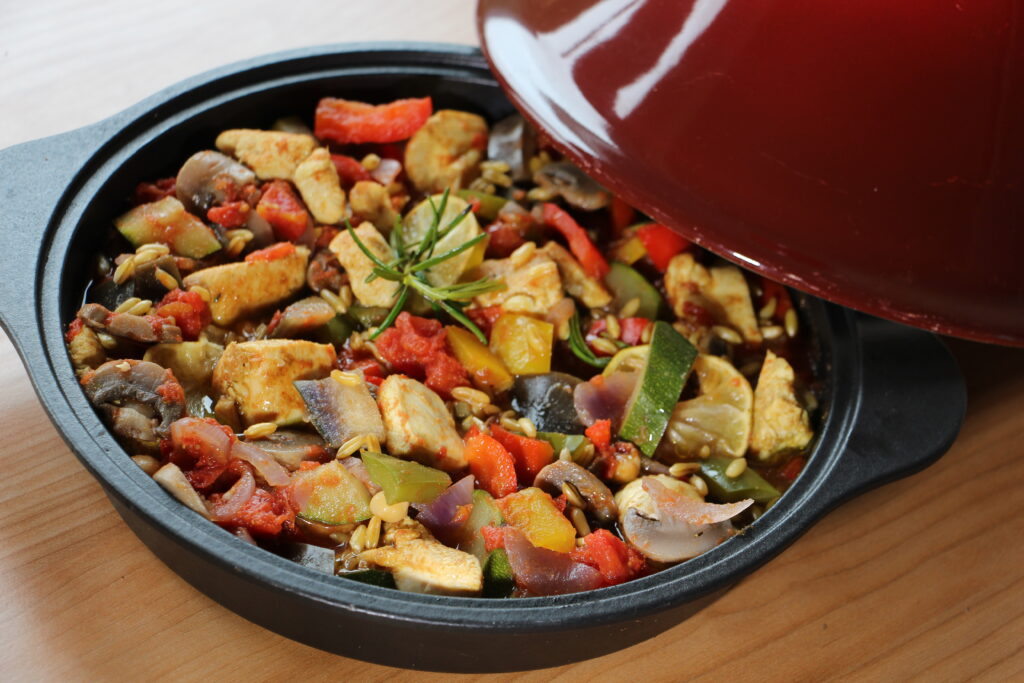
Slow-cooked Mediterranean chicken tagine

Created by Yves Meersman and Randy Mellaerts, this slow-cooked, fragrant chicken tagine needs little attention and results in stunning Mediterranean flavours.

Slow-cooked Mediterranean chicken tagine

Greek-inspired courgette and aubergine vegetarian moussaka

Vegetarian moussaka

The chefs at Parki’s Kookatelier have taken a Greek classic and transformed it into a vegetarian delight.

Greek-inspired courgette and aubergine vegetarian moussaka

Rich roast pork Orloff with vegetables and red pesto

roast-pork-orloff

French ‘master chef’ Urbain Dubois – who was in the employ of Prince Orloff, former Russian ambassador to France – ‘discovered’ this red meat dish in the mid-19th century. This particular recipe has been adapted by Yves Meersman and Randy Mellaerts especially for people with chewing and/or swallowing problems.

Rich roast pork Orloff with vegetables and red pesto

Coconut chicken and vegetable stew

Coconut chicken and vegetable stew recipe

Pan-fried chicken and fragrant coconut milk is a classic combination, and this delicious coconut chicken and vegetable stew recipe packs in plenty of vegetables for flavour and nutrition. Serve with pasta, rice, potatoes, quinoa or another grain.

Coconut chicken and vegetable stew

Chicory with ham and cheese sauce

Chicory with ham lead

This dish, created by Yves Meersman and Randy Mellaerts, is full of delicious contrasts. When cooked, chicory’s sharp flavour softens into a mellow sweetness and cuts through the rich ham – delicious.

Chicory with ham and cheese sauce

Hearty tomato and lentil soup

Parkinson's-friendly recipe: Hearty tomato and lentil soup

A speedy soup that contains store cupboard ingredients for a swift yet delicious meal. Vegetables, herbs, protein and fibre offer plenty of nutrition – try serving with a slice of crusty bread.

Hearty tomato and lentil soup

Martin Wishart’s Parkinson’s-friendly Christmas meal

Martin Wishart’s Parkinson’s-friendly Christmas meal

Planning a proper festive feast this year? Opt for a menu that has been specially crafted for people with Parkinson’s without compromising on flavour or impressive ingredients. Scottish Michelin star chef Martin’s three-course menu is luxurious, nutritious and easy to chew.

Martin Wishart’s Parkinson’s-friendly Christmas meal

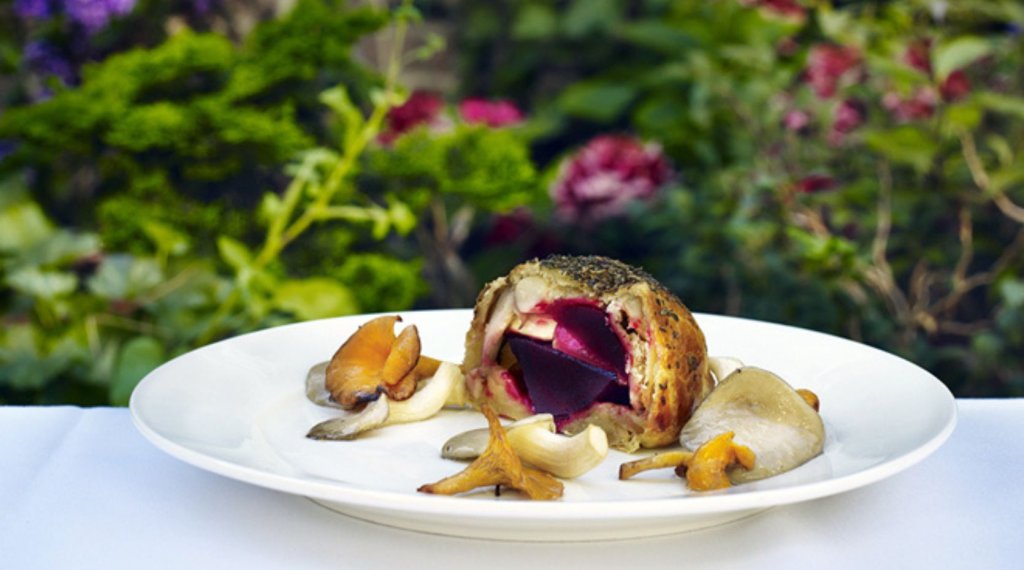
Vegetarian ‘Beet Wellington’ with mushrooms, aubergines and garlic

Parkinson's-friendly recipe: Vegetarian ‘Beet Wellington’ with mushrooms, aubergines and garlic

Not a typo, but a decadent vegetarian alternative to the beef classic. Packed with vegetables, this is ideal for a special occasion.

Vegetarian ‘Beet Wellington’ with mushrooms, aubergines and garlic

Bread rosettes with spinach, feta and oregano

Parkinson's friendly recipes: Bread rosettes with spinach, feta and oregano

Rich in fibre and easy to chew, these soft-baked rolls are filled with veg for added nutrients.

Bread rosettes with spinach, feta and oregano

Check out more Parkinson’s-friendly recipes

Read More

Parkinson's-friendly summer recipe: Couscous with chicken, raisins & nectarine in a lemon vinaigrette
Recipes
07 July 2026

10 delicious summer recipes for people with Parkinson’s

Living well with Parkinson’s means eating a nutritious, well-balanced diet all year round. Specially designed for people with Parkinson’s, these...
Read More
Berries: a superfood for Parkinson’s disease
Advice
24 March 2026

Parkinson’s diet and brain function – what is a superfood for Parkinson’s disease?

Dietitian Kinga Topolowska advises on superfoods to help improve long-term brain function for people with Parkinson’s
Read More
Healthy vs unhealthy foods: Foods to avoid with Parkinson's disease - dietitian-approved advice on what foods to limit and why
Advice
05 January 2026

Foods to avoid with Parkinson’s disease – dietitian-approved advice on what foods to limit and why

Expert dietitian Kinga Topolowska explains how diet can impact Parkinson’s symptoms and medication
Read More
Home

My Journey at World Parkinson Congress 2026

03 June 2026 By Hélène Nicora
Insights Parkinson's EuropeUSAWorld Parkinson Congress
My Journey at World Parkinson Congress 2026

As a first-time attendee of the World Parkinson Congress (WPC) in 2026, and still relatively new to the Parkinson’s community, I had been greatly looking forward to this opportunity to connect, learn, and contribute.

What an experience it turned out to be. From the moment I boarded the plane and met Marie Fuzzati from France Parkinson, to the warm welcome at the hotel by staff trained through the Parkinson Ready Program, and all the way to the final conversations with people with Parkinson’s on the flight home, this journey was truly memorable.

Lesson 1: The power of the Parkinson’s community

Although I had visited Phoenix and the same convention centre a few years ago, this time felt entirely different. For a few days, downtown Phoenix seemed to belong to the Parkinson’s community. People with Parkinson’s, carers, healthcare professionals, researchers, volunteers, and advocates filled the streets with an extraordinary sense of energy and connection.

Whether walking to the convention centre, sitting in a café, or dining nearby, it was effortless to strike up conversations and hear deeply personal stories. Many attendees who live with Parkinson’s shared how liberating it felt to be in a space where they did not need to hide their symptoms or feel self-conscious—where they felt seen, valued, and accepted. The WPC creates a rare environment where vulnerability is not only welcomed but respected.

I was deeply moved by the warmth and care within this community — something I have never seen before! Despite long journeys and jet lag, the level of empathy and openness was remarkable. Listening to powerful testimonies from individuals such as our Board member Cathy Molohan, Omotola Thomas, and André Tal, as well as from many others encountered in quieter moments, was both emotional and inspiring. Their carers and families, including their children, added further depth to these shared experiences. What struck me most was how often hardship was met with humour, dignity, and resilience.

The presence of countless volunteers — always ready with a smile, a kind word, or practical help — contributed significantly to the atmosphere. Their energy and dedication did not go unnoticed.

This experience was both energising and humbling. The community also demonstrated a profound awareness of self-care: early morning exercise sessions, even at 5 a.m., reflected a commitment to physical and mental wellbeing that was inspiring. It was a powerful reminder for me on a personal level of what it truly means to care for one’s body. Thank you for this extra bit of wisdom!

Lesson 2: A palpable sense of momentum

There was a clear and almost tangible sense of urgency throughout the Congress. Across conversations and sessions alike, one message stood out: the collective desire to accelerate progress in the fight against Parkinson’s.

The program was exceptionally rich, offering a wide range of sessions and activities tailored to different levels of knowledge and experience. While it was impossible to attend everything, the organisation of the Congress made it easy to navigate and engage meaningfully.

The quality of the educational sessions was outstanding, particularly in their inclusion of the voices of people with Parkinson’s alongside leading experts. They provided hopes and insights on many fronts. Looking ahead, I hope to see even greater representation from low- and middle-income countries to ensure the Congress continues to reflect a truly global perspective.

There is also an opportunity for improvement in environmental sustainability. As a community that advocates strongly on environmental factors such as pesticide exposure, we must strive for greater consistency in minimising the environmental impact of such large-scale events, including improved recycling practices.

Beyond the sessions, the diversity of activities—from tango and cycling to table tennis, singing, meditation, and art—highlighted the holistic approach to living with Parkinson’s. The opening and closing ceremonies were equally memorable. Through our social media coverage, we aimed to share special moments and bring the spirit of the WPC and this feeling of momentum to those who could not attend.

Lesson 3: The need for a stronger global coalition

A recurring message throughout the 2026 World Parkinson Congress was clear: we need to work together, and we need to do so now. Yet, I realised that the Parkinson’s community remains fragmented in many ways, despite a shared goal of ending the disease.

This fragmentation presents both a challenge and an opportunity. There is significant potential to strengthen global collaboration, align efforts, and avoid duplication of work. Speaking with one voice would greatly enhance the impact of advocacy and action.

Encouragingly, examples such as Australia demonstrate that effective coalition-building is achievable. By aligning on shared values and objectives, local organizations have been able to work collectively and successfully advocate for a national Parkinson’s strategy.

Collaboration is essential not only to define common priorities but also to share best practices. Significant disparities persist between and within countries in access to treatment, care, and support.

The Leadership Forum held alongside World Parkinson Congress 2026 focused on advancing a global advocacy coalition. There was a strong willingness among participating organisations to collaborate. Parkinson’s Europe fully supports this direction and is committed to contributing to tangible progress for the community.

Lesson 4: The value of European collaboration

Europe itself reflects many of the complexities discussed globally. Disparities exist not only between countries but also within them, between urban and rural areas, and across EU and non-EU regions.

In this context, it was particularly meaningful to connect in person with Parkinson’s Europe Member Organisations—and future members—from across the continent, including Belgium, the Canary Islands, France, Ireland, Norway, Spain, and the United Kingdom. Sharing experiences and perspectives, and simply spending time together, reinforced the strength and potential of our network.

Meeting with our industry partners was also essential to better understand their priorities and their achievements in supporting the Parkinson’s Community, whether in research, raising awareness or advocacy. Parkinson’s Europe is excited to further collaborate with them to bring tangible results to people with Parkinson’s and their carers.

These moments of connection, including informal gatherings, created lasting memories and strengthened a shared commitment to deeper collaboration across Europe.

Lesson 5: Let’s not wait

As World Parkinson Congress 2026 ends and we look ahead to the next WPC in Québec, one message is clear: we must not wait to take action. The momentum generated in Phoenix should translate into concrete progress.

The WPC is far more than a conference—it is a powerful, living experience that inspires, energises, and stays with you long after you return home.

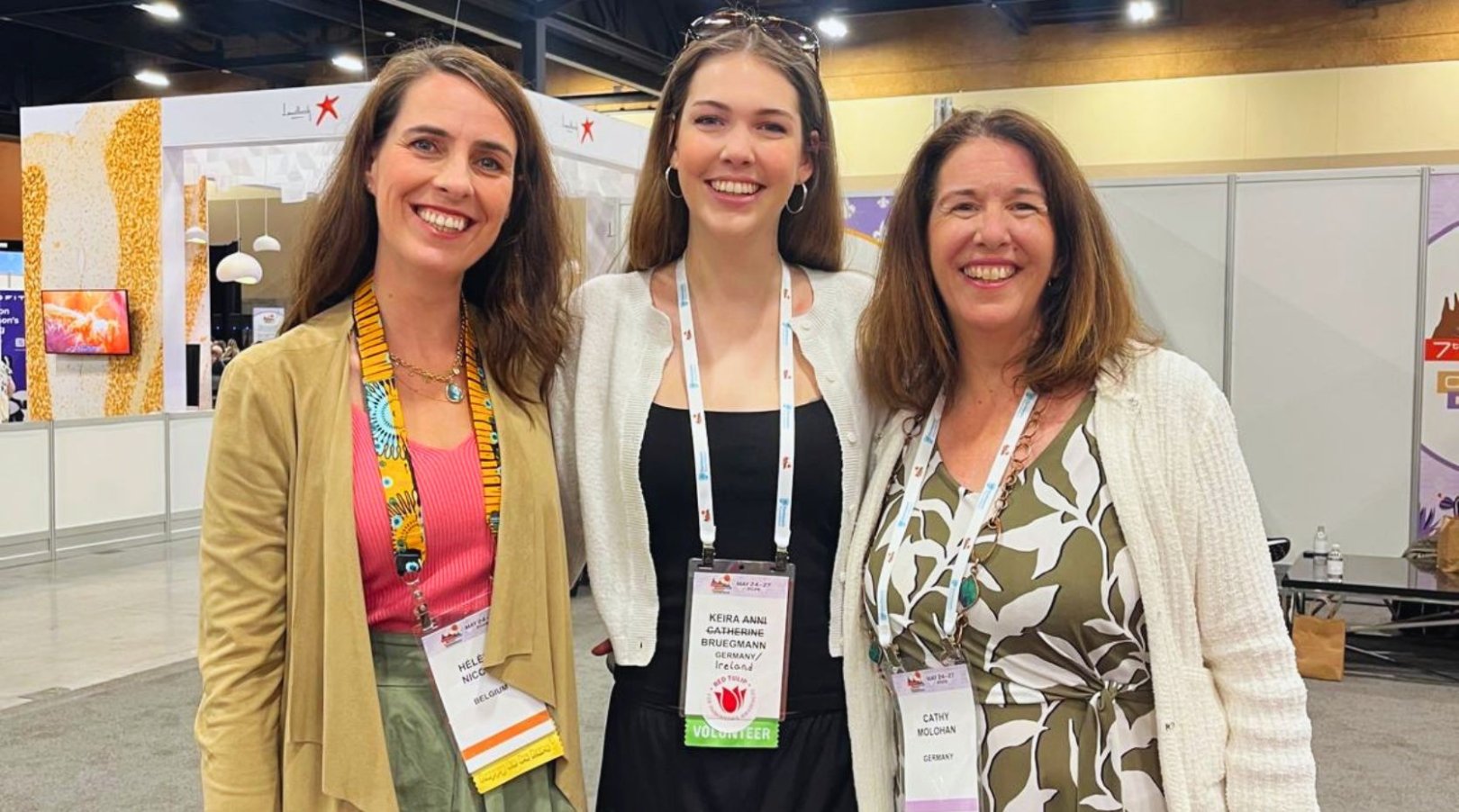
I feel deeply grateful to have attended at this stage in my journey, and to have shared the experience with an exceptional team: Josefa Domingos, Parkinson’s Europe President and a constant driving force; Board Member and “crowd whisperer” Cathy Molohan; Board Member and tireless advocate Claire Bale; and our “lucky charm,” volunteer Keira Brügmann (Cathy’s daughter!).

When my husband asked how I felt amid it all, my answer was simple: “I belong here. I am in the right place, with the right people.”

Together, we have an opportunity—and a responsibility—to achieve meaningful progress.

I will close with a quote from Laura Morer, Director General of the Associació Catalana per al Parkinson, which captures the spirit of the Congress perfectly:

“We returned home inspired and motivated, ready to continue working together on the many opportunities ahead.”

Read More

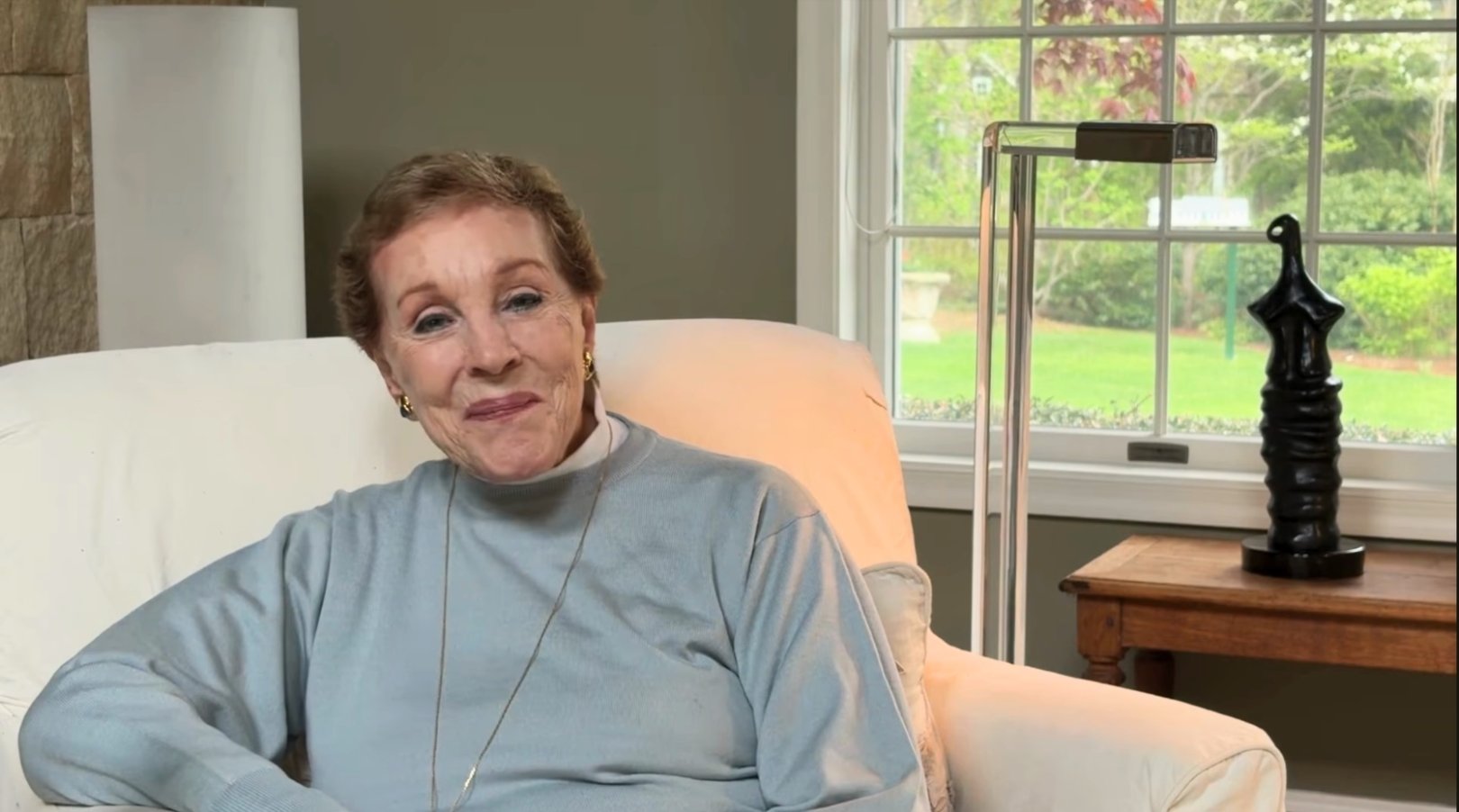
Dame Julie Andrews at the World Parkinson Congress
News
26 May 2026

Dame Julie Andrews makes rare public appearance to support World Parkinson Congress

Hollywood legend Dame Julie Andrews has wowed fans by making a rare appearance in a video message of support for...
Read More
Next World Parkinson Congress announcement
News
25 May 2026

Canada confirmed as venue for next World Parkinson Congress in 2029

A live announcement at the World Parkinson Congress tonight has confirmed that the next congress will take place in Québec...
Read More
A photo of a research examining things through a microscope in a Parkinson's research trial
Insights
13 May 2026

Pushing Parkinson’s research forwards: how the Critical Path for Parkinson’s (CPP) consortium is shaping global research

From the perspective of people with Parkinson’s, the last significant treatment breakthrough was when levodopa first became commercially available over...
Read More
Home

Dame Julie Andrews makes rare public appearance to support World Parkinson Congress

26 May 2026 By Laura Vickers-Green
News CelebritiesUSAWorld Parkinson Congress
Dame Julie Andrews makes rare public appearance to support World Parkinson Congress

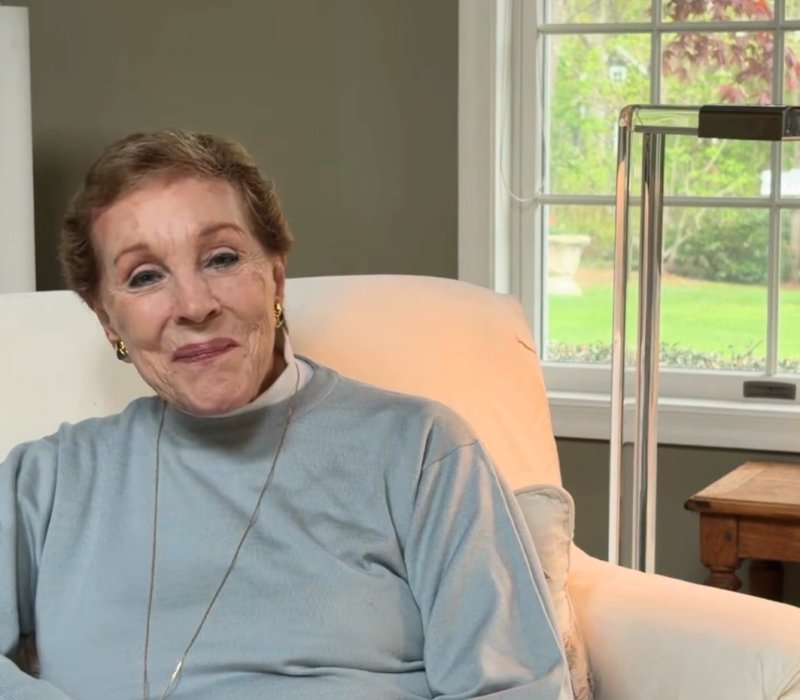
Hollywood legend Dame Julie Andrews has wowed fans by making a rare appearance in a video message of support for the World Parkinson Congress. The 90-year old star of classic Hollywood musicals The Sound of Music and Mary Poppins – and more recently Netflix Regency drama Bridgerton – appeared on screen on May 24, during the opening ceremony of the four-day congress for the Parkinson’s community, which is taking place in Phoenix, Arizona in the USA.

During the video message, the Oscar-winning Andrews shared her own personal knowledge of “how devastating” Parkinson’s can be, and showed her appreciation for attendees to the congress, whose participation she called “invaluable… as we seek to find a cure to this terrible disease.” She also described herself as a “red thread”, in reference to the Red Thread Project organised by the World Parkinson Coalition to celebrate the unbreakable connections and strength of the Parkinson’s community.

Instagram posts of the crowd show the video was met with cheers of appreciation from the audience:


View this post on Instagram


A post shared by Parkinson’s Europe (@parkinsonseurope)

Julie Andrews’ video message in full:

“Good evening, everyone – I’m Julie Andrews, and I’m pleased to welcome you to the seventh World Parkinson’s Congress. Your participation is invaluable, as we seek to find a cure to this terrible disease. I know well how devastating it can be. May we all become a beacon of light to stop it in its tracks. Count me in as a red thread. Thank you.“

Julie Andrews wasn’t the only star to make an appearance at the World Parkinson Congress opening ceremony, as fellow Hollywood actor Steve Carell (The Office, Despicable Me) also sent a video message:


View this post on Instagram


A post shared by Parkinson’s Europe (@parkinsonseurope)

During his message, Carell spoke of his own “vested interest” in Parkinson’s, as he confirmed he has friends and colleagues who have the condition. He also encouraged attendees, saying “Together, I think we can make a difference.”

Dame Julie Andrews and Steve Carell add to the existing tradition of celebrity video messages at the World Parkinson Congress, with Sir Paul McCartney also sending a video during the 2023 congress in Barcelona:


View this post on Instagram


A post shared by Parkinson’s Europe (@parkinsonseurope)

In his video, Sir Paul spoke about losing his friend Ivan Vaughan – the man who originally introduced him to John Lennon – after he was diagnosed with Parkinson’s at a “very early age”. He added: “I saw the whole thing happen, and was very sad when, at aged 51, he died. It still hurts to this day to think about it.”

The World Parkinson Congress has been running since 2006, with seven congresses so far being hosted as far and wide as Barcelona in Spain, Kyoto in Japan, Washington DC in the USA, Glasgow in the UK, and Montreal in Canada. It was announced on Saturday that the next (eighth) World Parkinson Congress will take place in Québec City in Canada from June 26-29 2029.

Parkinson’s is the fastest-growing neurological condition in the world, with over 12 million people living with the condition globally – a number which is expected to double to 25 million by 2050. It’s a type of progressive condition, meaning Parkinson’s symptoms – which most commonly include tremor, stiffness and slowness of movement – appear gradually and slowly get worse over time. There is currently no cure for Parkinson’s.

Read More

Next World Parkinson Congress announcement
News
25 May 2026

Canada confirmed as venue for next World Parkinson Congress in 2029

A live announcement at the World Parkinson Congress tonight has confirmed that the next congress will take place in Québec...
Read More
Quotes from celebrities and famous people with Parkinson’s – including Michael J Fox, Superman star Valerie Perrine, and Ozzy Osbourne
Insights
08 December 2025

“Live in the moment”: quotes from celebrities and famous people with Parkinson’s – including Michael J Fox, Linda Ronstadt, Superman star Valerie Perrine, and Ozzy Osbourne

Live for today, make lifestyle changes, and tell people in your own time – these are some of the wise...
Read More
An image of Jeremy Paxman.
News
20 October 2022

Have you seen Jeremy Paxman’s new documentary about Parkinson’s disease?

The broadcaster has received praise for sharing his story
Read More
Home

Canada confirmed as venue for next World Parkinson Congress in 2029

25 May 2026 By Laura Vickers-Green
News CanadaWorld Parkinson Congress
Canada confirmed as venue for next World Parkinson Congress in 2029

A live announcement at the World Parkinson Congress tonight has confirmed that the next congress will take place in Québec City in Canada. Organisers from the World Parkinson Coalition also confirmed that the eighth congress will take place from June 26-29 2029.

The confirmation came at a special welcome reception on the first day of the current – seventh – World Parkinson Congress in Phoenix, Arizona in the USA.

The announcement followed the Opening Ceremony, during which organisers also shared supportive video messages from Hollywood stars including Dame Julie Andrews (The Sound of Music) and Steve Carrell (The Office).

This will be the second time the World Parkinson Congress is hosted in Canada, after the third congress took place in Montreal back in 2013, and will also mark the eighth iteration of the congress.

Previous World Parkinson Congress events have been held in Barcelona in Spain, Kyoto in Japan, Portland in Oregon, USA, Glasgow in the UK and Washington DC, USA. The first congress took place in 2006.

This article will be updated with further details as we get them.

For all the latest updates from the 2026 World Parkinson Congress in Phoenix, Arizona, follow our live coverage on Instagram, Facebook, Linkedin, Threads and Bluesky.

Read More

Dame Julie Andrews at the World Parkinson Congress
News
26 May 2026

Dame Julie Andrews makes rare public appearance to support World Parkinson Congress

Hollywood legend Dame Julie Andrews has wowed fans by making a rare appearance in a video message of support for...
Read More
A banner advertising the World Parkinson Congress 2026 will take place from May 24-27 in Phoenix, Arizona USA
News
24 April 2024

World Parkinson Congress announces WPC 2026 will take place in Arizona, USA

The 2026 World Parkinson Congress will be returning to North America for the first time in a decade.
Read More
News
12 July 2023

Parkinson’s Europe’s highlights of the World Parkinson Congress

Our Board members outline their highlights of the July event
Read More
Home

Tips to manage Parkinson’s in the hot weather

19 May 2026 By Verity Willcocks
Advice summerWorld Parkinson Congress
Tips to manage Parkinson’s in the hot weather

How do you manage Parkinson’s in hot weather? There’s no better time to ask, as summer temperatures are beginning to creep in across Europe, but especially considering the World Parkinson’s Congress takes place in Phoenix, Arizona next week – where daytime temperatures often reach a sweltering 38 degrees Celsius (100 degrees Fahrenheit).

While extreme heat is challenging for all, in people with Parkinson’s, it can exacerbate symptoms, so it’s important to take steps to ensure that you stay cool and comfortable whether you’re visiting the WPC or taking a summer holiday in a hot part of the world.

With this in mind, we’ve consulted Parkinson’s nurse specialist Lisa Wynne and registered dietitian, person with Parkinson’s and co-founder of Parkinson’s health app My Moves Matter Richelle Flanagan, for their tips on how to manage Parkinson’s in hot weather.

Asked how the heat affects people with Parkinson’s, Lisa says: “Parkinson’s can affect the autonomic nervous system – the body’s temperature control – so you may find that you heat up faster, sweat more and cool down more slowly than others.

“Heat and sun exposure can worsen fatigue and increase dehydration. This can impact movement or motor symptoms, and some people may experience dizziness or headaches due to dehydration.”

As well as the above symptoms, Richelle lists constipation, low blood pressure, brain fog, balance difficulties and medication fluctuations.

“Planning ahead for hydration, nutrition, bowel management, and medication timing can help many people with Parkinson’s feel more comfortable and maintain better symptom control during hot weather or when travelling,” she says.

Hydration tips for Parkinson’s in the hot weather

“Hydration is one of the biggest factors in how you feel,” says Lisa. “Your body needs fluids for blood pressure, bowel function and brain health. If you have bladder symptoms, you may be tempted to drink less, but this can make symptoms worse overall. It’s also worth being aware that both air travel and alcohol can increase the risk of dehydration.”

Losing fluid and salts through excessive sweating can also lead to worsening OFF symptoms, says Richelle, as well as muscle cramps, weakness and feeling generally unwell.

“People with Parkinson’s may be more vulnerable to dehydration because Parkinson’s can affect thirst signals, sweating, blood pressure regulation, bladder function and gut function,” she says.

Signs of dehydration to watch out for are: dark urine, headaches, dizziness and increased confusion.

Keeping well hydrated is therefore key. We need around 1.5–2 litres of fluid in normal conditions, but when exposed to heat, sweating excessively and travelling, we need more.

Richelle says: “Many people with Parkinson’s lose their normal thirst signals, so it is important to drink regularly rather than waiting until feeling thirsty.”

Lisa says: “Aim for small, frequent sips, and keep a drink with you to have throughout the day.”

Carry a reusable water bottle so that you can refill it regularly. Suggested drinks include water (still and sparkling), diluted juice, milk, fortified plant drinks, herbal teas served cold, oral rehydration drinks in very hot weather (your pharmacist can advise) and electrolyte drinks during excessive sweating or prolonged heat exposure.

Richelle also suggests eating foods with a high water content such as melon, cucumber, berries, tomatoes, oranges and soups.

Drinks to limit

Be aware that caffeine and alcohol can contribute to dehydration, as well as dizziness, balance problems and poor sleep quality.

“Caffeine affects people differently,” says Richelle. “Moderate amounts may help alertness in some individuals, but too much in hot weather may worsen dehydration or bladder urgency for others.”

Eating well with Parkinson’s in hot weather

“Hot weather often changes appetite and meal patterns,” says Richelle. “Skipping meals, dehydration, constipation, delayed gastric emptying, or large late meals may all affect medication absorption and symptom control.

“Large heavy meals can increase heat production during digestion and leave people feeling sluggish. Smaller lighter meals are often better tolerated in hot weather.”

While heat can often reduce appetite, Richelle emphasises the importance of eating regularly.

Helpful options may include: Mediterranean-style meals, salads with olive oil, yogurt, overnight oats, smoothies, fruit, hummus, eggs, beans, fish and whole grains. Cold foods such as chilled pasta or grain salads and chilled soups will also help you to stay cool.

Preventing constipation

As well as causing discomfort, constipation can also affect medication absorption and symptom control. Travel can worsen this, as your normal routine is disrupted.

“Long flights often involve reduced movement, altered meal timing, stress, dehydration. All these factors can slow bowel motility and worsen constipation,” says Richelle.

Get your trip off to a good start by avoiding constipation before you go by following the diet tips below.

Avoid heavy meals and gas-producing foods, as changes in cabin pressure during flights can cause gas within the bowel to expand, which may contribute to bloating, wind and cramping. People with Parkinson’s may also experience more abdominal tightness or dystonia when flying.

Avoid constipation by eating fibre-rich foods including whole grains, oats, vegetables, nuts and seeds, beans and lentils, and fruits such as kiwi, prunes, pears and berries. Taking regular walks will also help keep your system moving.

Staying hydrated is also essential for avoiding constipation.

Richelle says: “Dehydration can slow stomach emptying and worsen constipation. Since levodopa is absorbed in the small intestine rather than the stomach, delayed stomach emptying may slow or reduce how well medication ‘kicks in’. It’s important to avoid constipation to ensure optimal absorption of your medication.”

Medications and Parkinson’s in hot weather

Bear in mind how your Parkinson’s medications affect you. “Some people may be more vulnerable to heat and sun due to side effects like low blood pressure, dizziness or dehydration,” says Lisa. “Other medications can increase sun sensitivity, so it’s important to be aware.”

“Some Parkinson’s medications may also increase sweating and nausea,” says Richelle. “Many Parkinson’s medications, including levodopa and dopamine agonists, may also lower blood pressure,” she says. “Heat causes blood vessels to widen further, which can worsen symptoms of orthostatic hypotension – a drop in blood pressure on standing.”

Richelle recommends that people who experience orthostatic hypotension should discuss travel to hot climates with their neurologist or Parkinson’s nurse, as medication adjustments may sometimes be needed.

Strategies that may help include maintaining hydration – drink a large glass or pint of cold water after waking, and drink throughout the day. Eating regular meals and avoiding extended periods without fluids may help reduce symptoms. Add salt to foods if advised by your healthcare professional. Rise slowly from bed or chairs and perform gentle muscle-tightening exercises before standing, such as calf squeezes or bottom clenches.

Exercising in hot weather

We all know how beneficial exercise is for people with Parkinson’s, but you may need to adjust your routine in hot weather, says Lisa. “Aim to exercise in the early morning or evening, reduce intensity, and take more frequent breaks. Listen to your body and avoid pushing through fatigue or dizziness. If you are sweating more or doing higher intensity activity, make sure to increase your fluid intake.”

Beyond these tips, the usual rules apply for taking care in the heat: use sun protection and avoid prolonged exposure to it; wear loose, light clothing and a hat; stay in the shade; take cool showers. Schedule an afternoon rest if you can. And above all, enjoy yourself!

For all the latest news and updates from the World Parkinson’s Congress in Phoenix, Arizona, follow Parkinson’s Europe on Facebook, Instagram and YouTube.

Read More

10 delicious recipes for people with Parkinson's
Recipes
05 June 2026

10 delicious recipes for people with Parkinson’s

It is well known that a balanced, nutritious diet can have a hugely positive impact on people with Parkinson’s. For...
Read More
How we prepare for travel: travel advice for people with Parkinson's, by people with Parkinson's from across Europe
Advice
23 June 2026

Travel advice for people with Parkinson’s – the Parkinson’s community share their best tips

Sunsoaked beaches or famous landmarks? Rest and relaxation or intrepid adventures? There is no doubt travel can open up the...
Read More
A healthy shrimp summer salad
Recipes
16 June 2022

A simple summer recipe for people with Parkinson’s disease

Chef Zarela Martínez shares how to make a refreshing salad
Read More
Home

Pushing Parkinson’s research forwards: how the Critical Path for Parkinson’s (CPP) consortium is shaping global research

Since it was set up in 2015, the Critical Path for Parkinson’s Consortium has helped bring about important progress on biomarkers and disease-modifying therapies in Parkinson’s research, while putting the needs of people with Parkinson’s at the forefront
13 May 2026 By Verity Willcocks
Insights Parkinson's research
Pushing Parkinson’s research forwards: how the Critical Path for Parkinson’s (CPP) consortium is shaping global research

From the perspective of people with Parkinson’s, the last significant treatment breakthrough was when levodopa first became commercially available over 55 years ago. But those living with the condition will be reassured to hear that there are plenty of reasons to be upbeat about Parkinson’s research.

“This is an incredibly exciting time for Parkinson’s therapeutics,” says Diane Stephenson, Vice President, Neurology, at the Critical Path for Parkinson’s (CPP) consortium.

Diane Stephenson, Vice President, Neurology, at the Critical Path for Parkinson’s at the Critical Path Institute

The CPP consortium has been working hard to accelerate the discovery of new Parkinson’s disease treatments for over a decade and recently published its achievements so far in its 10-year Impact report.

“The pipeline of novel treatments in drug development now is at an all-time high,” says Diane.

The CPP consortium is a team effort, being made up of three US government agencies, six UK universities, seven biotechnology companies, nine pharmaceutical companies, and nine non-profit organisations including Parkinson’s Europe, Parkinson’s UK, The Michael J. Fox Foundation, Cure Parkinson’s – all with a shared goal of developing new Parkinson’s disease treatments.

Led by the Critical Path Institute, a non-profit organisation dedicated to improving drug development for all kinds of conditions, the CPP works closely with regulating bodies, the US Food and Drug Administration (FDA) and the European Medicines Agency (EMA).

In this article, we speak to Diane, who has spent 35 years working in the Parkinson’s field, as we take a look at the organisation’s achievements so far, including its pivotal progress on biomarkers, the sharing of data from previous clinical trials, and making sure that new clinical trials prioritise the needs of people with Parkinson’s first and foremost.

We also speak to Claire Bale, Associate Director of Research at Parkinson’s UK, which helped set up the CPP. Gary Boyle, Vice President of Parkinson’s Europe, who is a member of the CPP’s Patient Advisory Council, lends his vital perspective of those with lived experiences of Parkinson’s, plus we include insights from Amelia Hursey, Parkinson’s Europe’s Strategic Director.

Setting up the CPP

Parkinson’s UK helped set up the CPP in 2015, with an aim to maximise learnings from data collected during previous Parkinson’s clinical trials.

Claire, who is also a board member at Parkinson’s Europe, says: “Our ambition was to create a collaborative global movement to improve clinical trials for Parkinson’s and speed up the development of new treatments.

Claire Bale, Associate Director of Research at Parkinson’s UK, and a Parkinson’s Europe board member

“Before CPP existed, there was no forum for industry, academia and non-profits to work together and share data in this way and we didn’t know if it would work. So the fact that 10 years on, we have 16 industry partners and nine non-profits involved and all committed to working together collaboratively to advance Parkinson’s research is amazing.”

The importance of data-sharing

That initial intention to share data to improve Parkinson’s research has been realised with the Global CPP Integrated Parkinson’s Database. It includes nearly 16,000 patient records from 26 observational studies and clinical trials conducted over the past 30 years. It’s available to academic, industry and global researchers to maximise learnings from ongoing and historic data tools and models and has been accessed by more than 100 users at over 40 organisations in more than 13 countries. It enables researchers to extract subsets of patient-level data to develop disease progression models and simulate clinical trials, thereby improving their design.

“We spent quite a lot of time over many years bringing a lot of data together,” says Diane, who adds that even though this has been sourced from failed trials, their findings still bring the discovery of new Parkinson’s disease treatments closer. “I think patients don’t understand that if they go into a trial and it fails, of course they’re sad and disappointed, but they’re not learning that that information, even if the trial failed, is helping us optimise and make the best chance of success in future trials.”

In the future, the CPP hopes to use the database to develop a data analytics platform and a clinical trial simulation tool to promote data-sharing across organisations and speed the development of new treatments for Parkinson’s disease.

A big step forwards: biomarkers

The database has been pivotal in bringing about progress in the field of biomarkers (where the presence of a disease is detected in biological materials, such as a blood sample) for Parkinson’s. This enables more suitable people to be identified to take part in clinical trials for potential new Parkinson’s disease treatments, which should improve outcomes.

“The kinds of questions that we have posed with this database include better biomarkers,” says Diane. “So why is it that 20% of people in clinical trials didn’t even have loss of dopamine? We found that later, based on data, that a number of people who were put in trials didn’t even have dopamine deficiency because [the companies] weren’t using the DaT [dopamine transporter scan] biomarker to select the patients.”

In the above case, the CPP went to the regulators, which imposed new rules for companies running clinical trials to test potential participants for that biomarker.

“Now, pretty much every company [conducting a trial] has to do that. Otherwise, no drug will work if a fifth of your patient population doesn’t have the disease,” says Diane.

One of CPP’s biggest achievements is the alpha-synuclein seeding assay biomarker, which detects Parkinson’s to a high degree of accuracy.

“We understand now that there are different subtypes of Parkinson’s, and not everybody might have synuclein,” says Diane. “So if you don’t know that, how do you know if your drug’s going to work or not, if you don’t understand the underlying patient?”

Claire from Parkinson’s UK applauds this milestone, saying: “Thanks to CPP, we now have a biomarker – the alpha-synuclein seeding assay – that regulators agree can be used to help select the right patients to take part in clinical trials of new Parkinson’s therapies.

“That’s really transformational because we know that up until now, we’ve been unable to select the right people for trials and that is a massive reason why we don’t yet have disease-modifying treatments for Parkinson’s.”

New Parkinson’s disease treatments

Diane is upbeat about other developments in Parkinson’s research too.

Asked about stem cell research for Parkinson’s, she says she is “cautiously optimistic”. While she shares that this area has “tremendous potential”, she thinks that there isn’t yet “robust and reliable” data to show that stem cell treatment will be beneficial. “Most of [the stem cell treatments] are directed at dopamine and increasing dopamine, which is only one facet of the disease, and it might not affect the psychiatric symptoms and non-motor [symptoms] and cognition and everything else,” she says.

She is more positive about disease-modifying therapies – treatments that would slow the progress of the condition. These are the focus of over half of the 150 or so current targets in Parkinson’s research, she says.

“We now understand a lot more about Parkinson’s and the research and the data, and what we’re doing at Critical Path Institute is really helping inform what are those home-run targets that would halt, slow, or even reverse the progression of Parkinson’s disease?

“There’s enough momentum and energy that in the next five years, we should have disease-modifying treatments approved,” she says.

Expanding on this, she says: “One of the reasons I feel so much promise is the disease-modifying therapies that are in the pipeline now are primarily aimed at halting progression, but some of the targets are pretty amazing, and even having potential for regenerative function, improved function over time, especially gene-based therapies or cell-based therapies; they’re making incredible progress with those.”

In order to move closer to developing a successful disease-modifying treatment, Claire highlights the need for regulator-approved biomarkers that can accurately measure the progression of Parkinson’s in clinical trials, instead of relying on clinical assessments to monitor this, as happens now.

“What we really need is biological tests that can tell us how treatments are affecting the progress of the disease, coupled with digital biomarkers which use data from wearable devices to give a much more complete and objective picture of how the condition is affecting the person’s daily life. If we can crack that in the coming decade, then we really will have the tools we need to deliver disease-modifying therapies for Parkinson’s.”

The challenges of research

When explaining the challenges of Parkinson’s research, Diane focuses on the condition’s multiple causes and numerous symptoms.

“The difficult thing is, it’s not caused by one thing, and different molecular features happen at different stages of the disease. So there’s not a single magic bullet. Dopamine helps in certain things, but definitely not all things, and the symptom domains are so complex that we need a well-defined and data-driven solution that’s really focused on what’s important to patients, because all we do is focused on the voice of patients. If we don’t listen to patients that tell us that the non-motor symptoms are even more bothersome than the motor symptoms, we are going to continue to come up with the same old therapies, and that’s not what patients need.”

Listening to people with Parkinson’s

Finding out what patients need and want is the focus of the CPP’s Patient Advisory Council, which was set up in 2023 to ensure that clinical trials are planned with the best outcomes for people with Parkinson’s in mind.

“We started the Patient Advisory Council at a time where the regulatory agencies we work closely with, the FDA and the EMA, told us that in order to come up with optimised outcome measures, digital tools and technologies, rather than just taking a data-driven approach, we need to make sure that everything we do is centred around what patients need,” says Diane.

One of the CPP’s milestone achievements, the council is a partnership between 11 people with lived experience of Parkinson’s and eight non-profit organisations, including Parkinson’s Europe, which played a part in shaping the council’s role and putting people forward to be part of it.

“Having a seat at the CPP table is so much more than just having a ‘foot in the door’ for the Patient Advisory Council,” says Gary. “It provides a real opportunity to give input, submit ideas, and really become a key player in CPP’s overall strategy.”

As a person with Parkinson’s, he says the importance of the CPP listening to the voices of the community “cannot be over-estimated”. “Without doubt our richest source of input, commentary and feedback comes from those who live this reality, day in, day out. To exclude or to diminish the importance of what people living with Parkinson’s are saying to us would simply mean that any and all of our work would be extremely compromised. We cannot seriously expect to develop a winning strategy if the very people we are designing for are ignored and forgotten.”

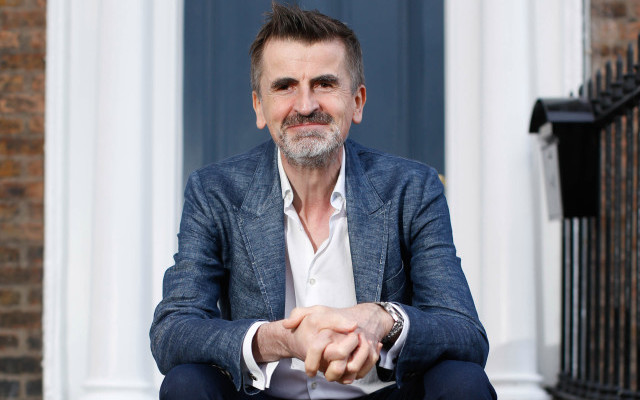
Gary Boyle
Gary Boyle is Vice President of Parkinson’s Europe and sits on the CPP Patient Advisory Council.

Amelia explains that it was crucial for European Parkinson’s voices to be heard on the Patient Advisory Council so that the priorities of the European Parkinson’s community are built into all future programmes. “The needs and wants of the Parkinson’s community in Europe are unique and are often missed from research conversations, which are predominantly conducted in English,” she says.

Amelia Hursey

The result is that representation on the Patient Advisory Council is diverse, with its members spanning the US, Canada, and the UK as well as Europe.

CPP achievements

Another way in which the CPP has improved Parkinson’s research is its championing of the use of digital health technologies in Parkinson’s clinical trials, under its Digital Drug Development Tools Initiative (3DT), which it launched in 2018.

Part of this is what Diane calls the CPP’s flagship project, WATCH PD, a study which used Apple watches and iPhones to monitor people’s Parkinson’s symptoms early on in the disease, including a custom-developed iPhone app and sensors on the limbs to monitor symptoms hourly over a period of 12 months. Although results of the initial study were published in 2024, proving that this digital data was more reliable in monitoring Parkinson’s symptoms than traditional clinical observations, the study has now been extended to gather 60 months of data.

A bright future

Looking ahead, to a year’s time, Diane hopes to have made more progress in another CPP project, GEM-PD. Launched in 2025, this project aims to advance treatment for women with Parkinson’s.

“My dream in a year is that we get much more advocacy, visibility and more data that will help us understand how is Parkinson’s different in women? That isn’t just a paper saying yes, Parkinson’s is different, with data, but how do we get change to really happen. How do we get them enrolled in more trials? How do we meet their needs? Because Parkinson’s in women is not the same as in men.”

Casting her eye forwards to CPP goals for five years’ time, Diane draws on the success of the CPP in collecting and sharing data. She hopes that the speed and legal obstacles around data-sharing between companies will have improved in five years’ time, and that more data will be shared. “We want the biomarkers. We want the exploratory measures. We want the digital data. We want the genetic data, and that’s usually not shared.”

She also wants companies to share samples but acknowledges that this is a long way off. “It’s absolutely crazy to me that patients give CSF [cerebrospinal fluid] and plasma, and then it’s hidden away in individual companies, in a freezer, and no one ever gets to use it. The biomarkers are advancing so fast right now, that sample stored away can be gold mines to tell us, hey, maybe that drug would have worked if you used it in these people. Or, how can this biomarker help us in the next trial?

“It’s one thing to share data, but if we can share samples, I think that’ll take us into a whole new league.”

Finding new Parkinson’s disease treatments is part of the battle against Parkinson’s but work also needs to be done to prevent the condition and reduce its rising occurrence. Diane discusses the environmental factors that contribute to the disease and acknowledges that new data about prevention needs to be collected.

“We have a lot of data, but none of it does things like how far away from a golf course do you live? We need to reevaluate the whole concept of environment for prevention, basically.”

Needless to say, the future of Parkinson’s research is looking bright. “I do feel extremely optimistic about the progress that is happening,” says Diane.

Find out more about Parkinson’s research

Read More

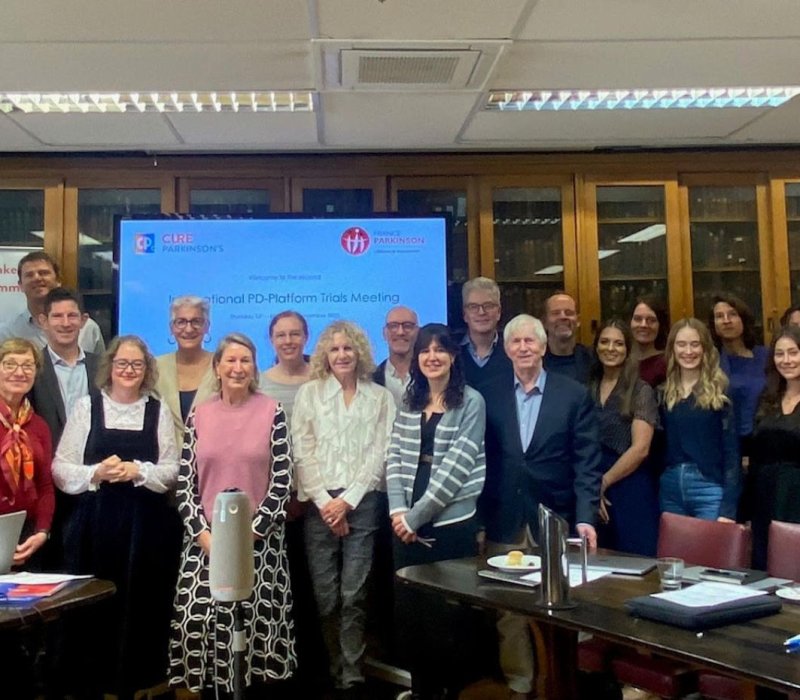
Global Alliance for Parkinson’s Platforms (GAPP) unites Parkinson’s platform trials leaders
News
18 December 2025

Global Alliance for Parkinson’s Platforms (GAPP) unites global trials leaders

UK-based organisation Cure Parkinson’s has united with France Parkinson to form new platform trials organisation Global Alliance for Parkinson’s Platforms...
Read More
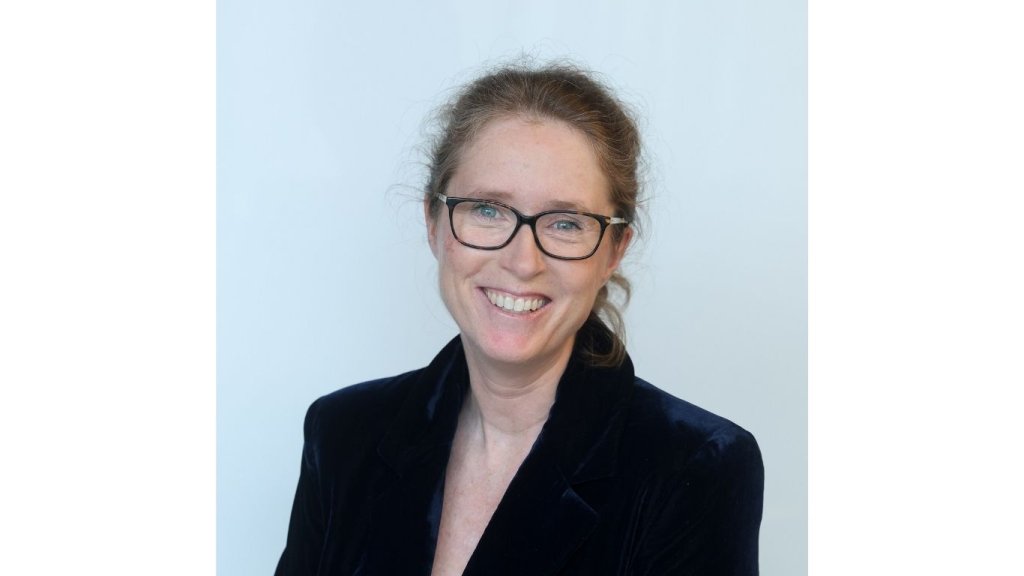
“Parkinson’s requires an interdisciplinary approach”: UCC’s Suzanne Timmons on leading Ireland’s €4m research hub PD-Life
News
19 November 2025

“Parkinson’s requires an interdisciplinary approach”: UCC’s Suzanne Timmons on leading Ireland’s €4m research hub PD-Life

A new University College Cork-led project, PD-Life, has received €4m to create Ireland’s first all-island Parkinson’s research hub. The project...
Read More
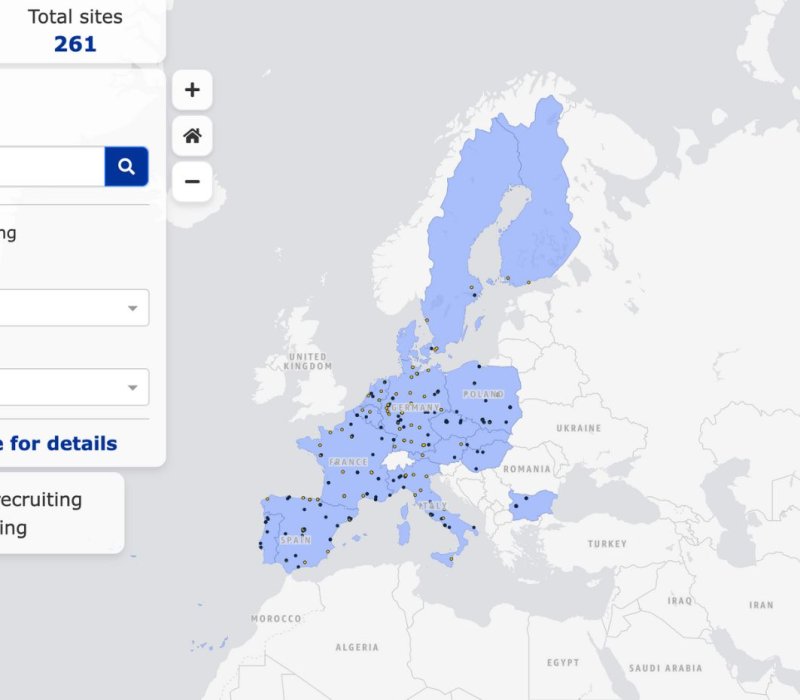
New clinical trials map to show Parkinson's trials across Europe
News
16 May 2025

New clinical trials map shows Parkinson’s trials across Europe

People with Parkinson’s and healthcare professionals can view clinical trials taking place across Europe using a new map on the...
Read More
Home

Person with Parkinson’s denied essential medication during 8-hour detention at Portuguese airport

07 May 2026 By Laura Vickers-Green
News Portugaltravel
Person with Parkinson’s denied essential medication during 8-hour detention at Portuguese airport

A person living with advanced Parkinson’s has spoken of their acute distress and lasting health effects after they were denied crucial Parkinson’s medication for eight hours while being detained at an airport in Portugal.

Inge Oosthuizen, who lives in Bedfordshire in the United Kingdom, was travelling with her husband Marthinus from the UK to Lisbon airport on 18 March 2026.

After a systemic Special Assistance failure by the airline TAP Air Portugal led to lost/mislaid documents, and subsequent administrative failures at Lisbon airport, Inge was detained by Portuguese Border Police (PSP) for sixteen hours.

This included eight hours during which Inge was deprived of her life-essential Parkinson’s medication, levodopa, as well as water and food.

Despite visible signs of distress, including Parkinson’s tremors, nausea and shaking, Inge’s repeated requests for her medication – which was stored in her checked luggage – were ignored by senior officers.

The airport (ANA) has also confirmed that no medical or nursing personnel were summoned by the police, despite Inge spiralling into an acute neurological “OFF” state during her detention.

Inge was released from detention on 19 March, and has since returned to the UK and received medical assistance from her GP, however she is still struggling to restabilise her medication levels.

Inge and her husband Marthinus are now working with organisations like Parkinson’s Europe, as well as their local MP, to raise vital awareness of how European airports and airlines are failing people with Parkinson’s.

Why Parkinson’s medication is time critical

As part of their Get It On Time campaign, Parkinson’s UK explains:

“People with Parkinson’s rely on their medication: not only to take it, but to take it on time. A delay as little as 30 minutes can mean the difference between functioning well and being unable to move, walk, talk or swallow. Missing doses can lead to severe and irreversible harm to their health.”

“In the most severe cases, this can lead to Parkinsonismhyperpyrexia syndrome (muscle rigidity, fever, reduced consciousness and impacts aspects of the nervous system), which can be fatal.”

Not the first time

This isn’t the first time a person with Parkinson’s has received poor treatment at the hands of the aviation industry. Last year, UK broadcaster Mark Mardell was left “humiliated” after being refused from boarding a Turkish Airlines flight because he didn’t have a doctor’s note, a policy of which Mardell was not informed and which was not held by any other airline. Turkish Airlines have since removed this requirement.

Elsewhere, David Allan from Scotland was left “crawling on his hands and knees” after his medication ran out during flight delays at Gatwick airport, while Irish airline Ryanair apologised to passenger Geoff Jackson after he was barred from flying when staff incorrectly interpreted his Parkinson’s symptoms as drunkenness.

Support from the Parkinson’s community

The Parkinson’s Europe team and Board were proud to provide Inge with an open letter of support from Parkinson’s Europe, which we are publishing here.

Please click the image below to read the letter in full:


Our President and Director General will also raise this issue on the global stage at the World Parkinson Congress in Arizona later this month, where we will be discussing the further rollout of the Parkinson Ready program, which provides vital training to public-serving members of staff at places like airports, hotels and railways stations to help keep people with Parkinson’s safe during travel.

The Portuguese patient organisation Associação Portuguesa de Doentes de Parkinson (APDPk) is also contacting the airline and airport involved in this incident to recommend they adopt the Parkinson Ready program, as well as approaching the Hidden Disabilities charity to see if they can expand their airports and airlines scheme to Portugal. The scheme is currently used in over 70 countries, including 23 in Europe, such as the UK, France, Germany, Italy and Poland.

Ana Botas, Vice President of APDPk, said:

“It was a very unfortunate incident. We now look to the future. We are going to contact all the institutions involved so that we can work together to prevent future situations”.

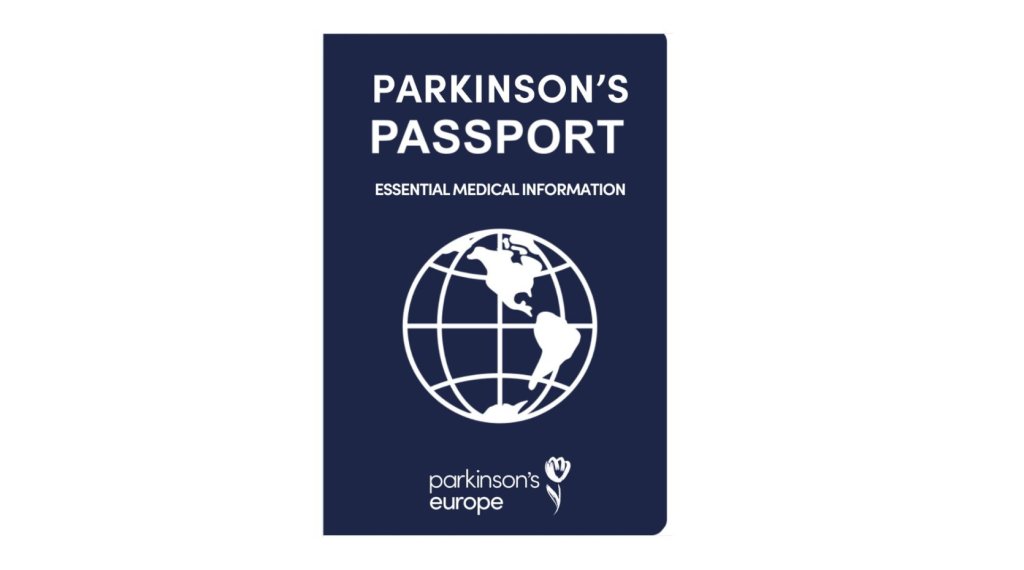
How you can help: use the Parkinson’s Passport

New Parkinson's Passport designed to make travel easier

We are working hard to keep raising awareness of Parkinson’s and help people with Parkinson’s across Europe and beyond to live full, happy lives without prejudice or mistreatment. However, the sad truth is we still have far to go on this journey.

In the meantime, we recommend using our Parkinson’s Passport. This free downloadable resource provides essential medical information and helps others understand what people with Parkinson’s may need outside their own environment – in airports, hotels and other public places.

Find out more about travelling with Parkinson’s

Read More

How we prepare for travel: travel advice for people with Parkinson's, by people with Parkinson's from across Europe
Advice
23 June 2026

Travel advice for people with Parkinson’s – the Parkinson’s community share their best tips

Sunsoaked beaches or famous landmarks? Rest and relaxation or intrepid adventures? There is no doubt travel can open up the...
Read More
A map of Europe.
Advice
24 June 2026

Airports have “more to learn” about accessibility for travellers with hidden disabilities like Parkinson’s, airport organisation admits

Airports have “more to learn” about accessibility for travellers with hidden disabilities like Parkinson’s, an organisation representing European airports has...
Read More
Journalist and radio presenter Mark Mardell.
Stories
09 March 2023

Mark Mardell: “I’ve always tried to be open and honest – it’s what makes me a journalist”

We talk to the BBC presenter about life with Parkinson’s disease
Read More
Home

13 new Parkinson’s books in English, French, German, Italian and more

05 May 2026 By Verity Willcocks
Advice books
13 new Parkinson’s books in English, French, German, Italian and more

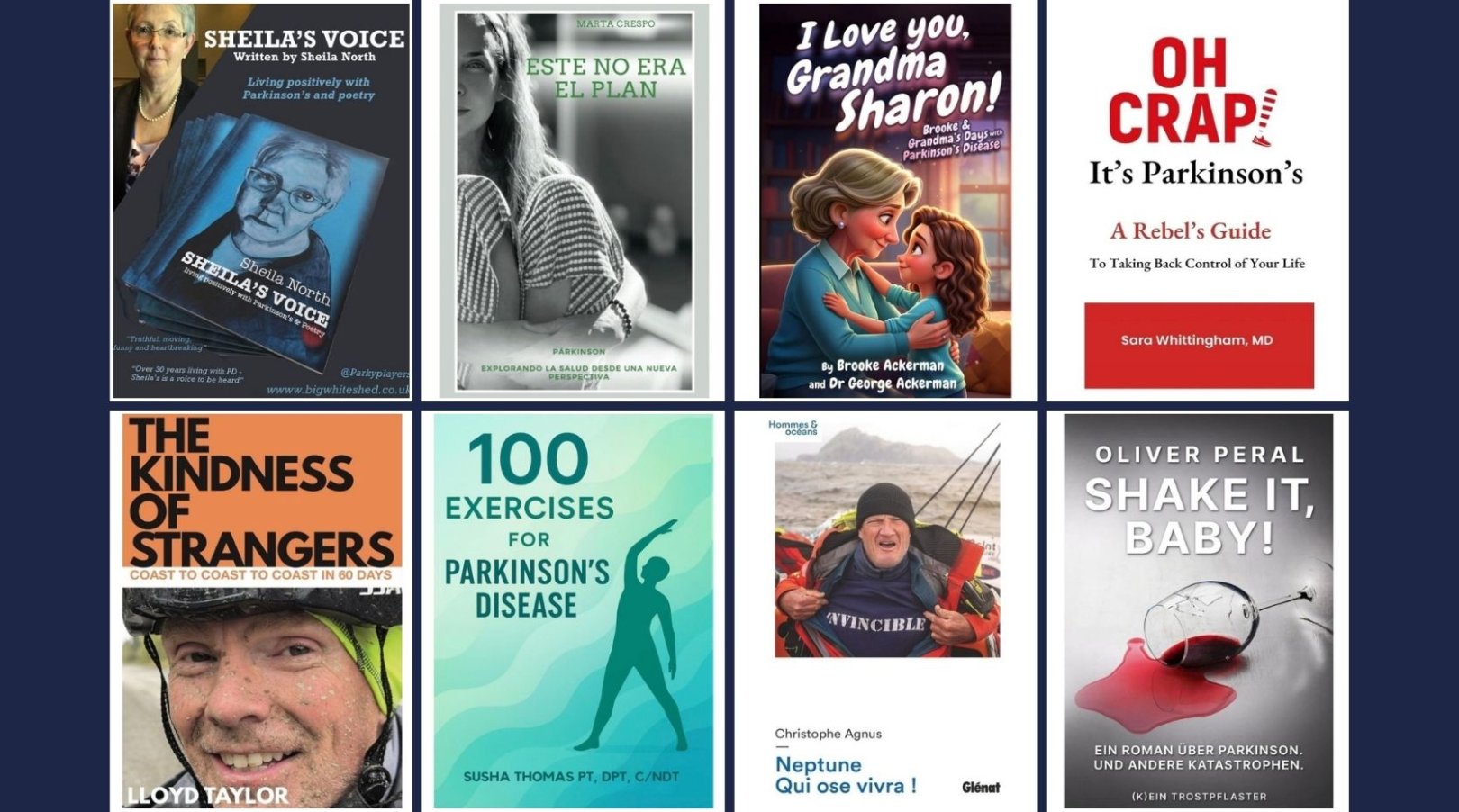
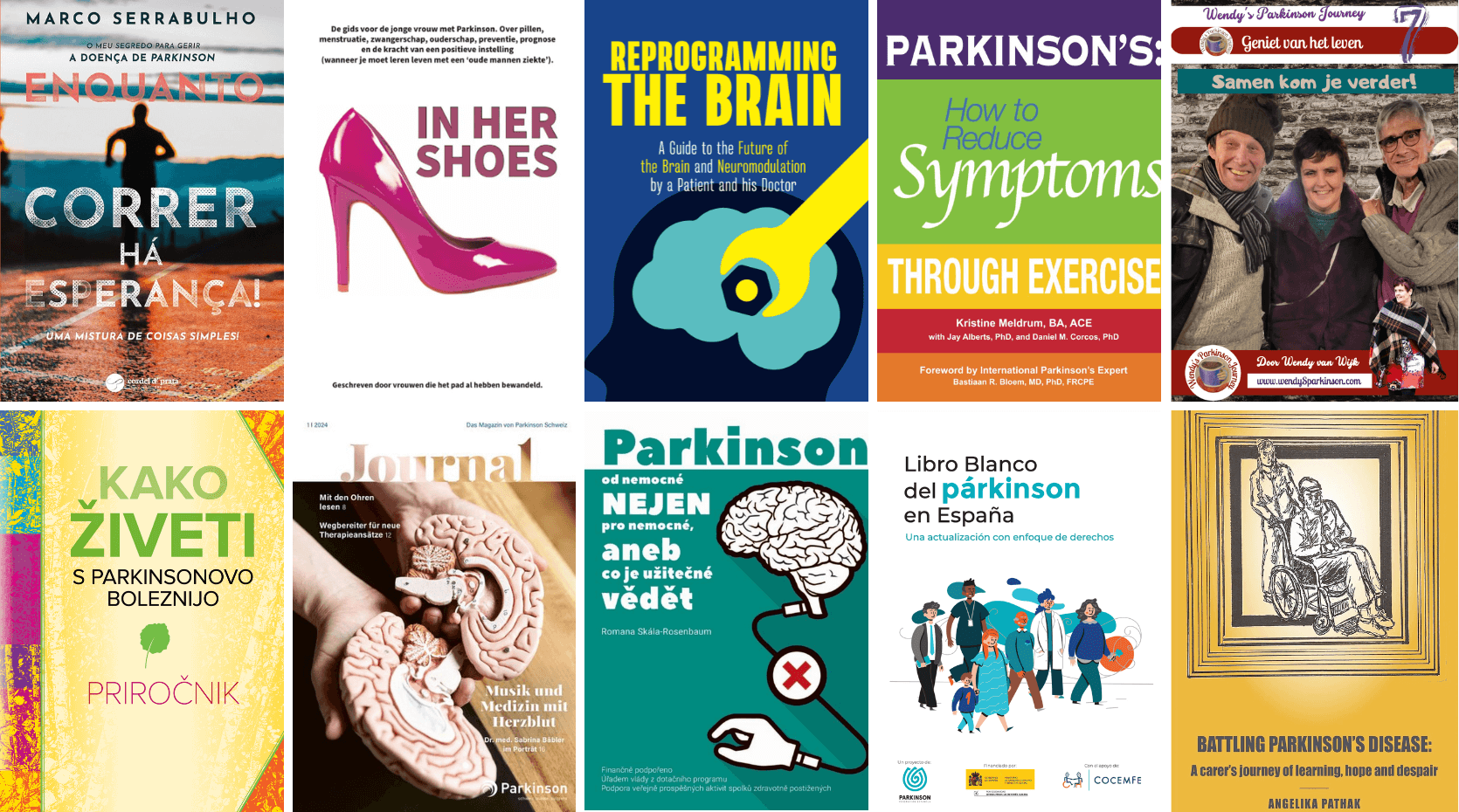
Stock up on summer holiday reads with this bumper roundup of 13 books with a Parkinson’s theme. There are inspiring stories of people with Parkinson’s who have undertaken incredible physical feats, how-to guides on how to live well with the condition and tips on coping with a Parkinson’s diagnosis, a collection of poetry and a book to help explain the condition to children. We’ve also sourced books in multiple languages, including French, Spanish and German.

If you’ve read a great new book about Parkinson’s or know about one that is due for release, please let us know – either tag us on social media, or send us an email with the details to [email protected]. We’d love to increase the non-English books we include so please do get in touch – as well as books we feature relevant journals, comics and other publications.

New Parkinson’s books in English

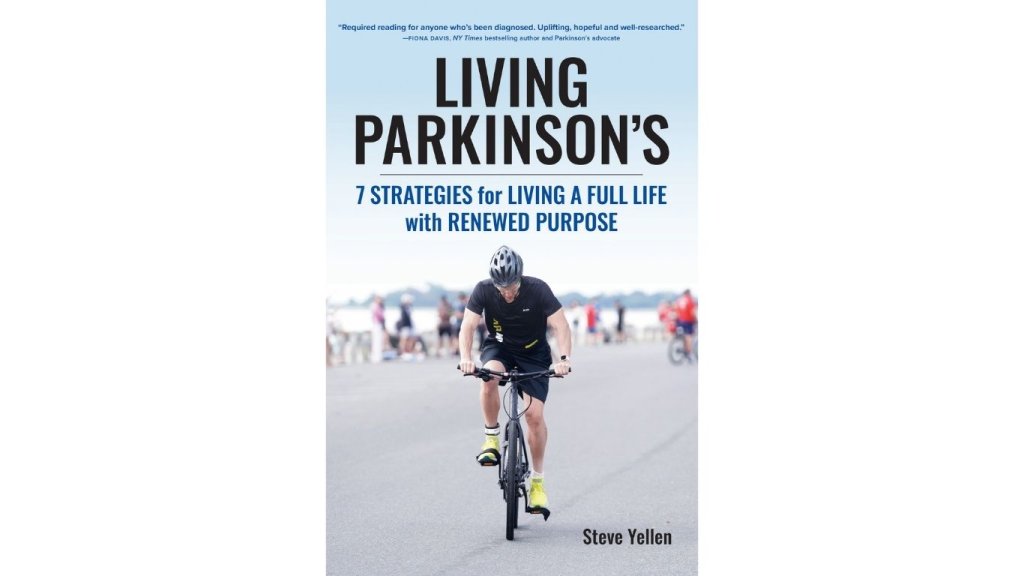
1. Living Parkinson’s: 7 Strategies for Living a Full Life with Renewed Purpose by Steve Yellen

How can you live your best life with Parkinson’s? This is what Steve Yellen, who lives with the condition, wants to help others achieve with his book, Living Parkinson’s. It aims to provide a roadmap to help people with Parkinson’s take control, find purpose and face the condition head-on. The book offers 35 “What You Can Do” actions to jumpstart change, and includes expert insights from neurologists, researchers, therapists and advocates from around the world – including Parkinson’s Europe board member Cathy Molohan.

Buy Living Parkinson’s on Amazon

2. I Love You, Grandma Sharon! by Dr George Ackerman and Brooke Ackerman

Written to explain Parkinson’s to children aged six to 12, I Love You, Grandma Sharon! has been written by Dr George Ackerman, whose late mother Sharon Riff Ackerman, had Parkinson’s, and his daughter Brooke. It details the journeys and adventures of a grandmother and her granddaughter during her grandma’s journey with Parkinson’s. It aims to help guide children through the emotions and questions they may have when they learn that a relative has the condition.

Buy I Love You, Grandma Sharon! on Amazon

3. The Kindness of Strangers: Coast to Coast to Coast in Sixty Days by Lloyd Taylor

In The Kindness of Strangers, Canadian Lloyd Taylor documents his battle with Parkinson’s, and the incredible journey he took on his bike across Canada one summer to fight it. From the rocky outcrops of the Maritimes to the frozen tundra of the Arctic, he recounts his adventure as part of the Spinning Wheels Relay to End Parkinson’s on their journey to inspire hope and raise awareness.

The book tells how Lloyd and his fellow riders battled their condition with courage as they rode through storms and untamed wilderness, with intriguing encounters ranging from Inuit grandmothers at the edge of the North Pole to musician fishermen in Newfoundland.

Buy The Kindness of Strangers on Amazon

4. Oh Crap! It’s Parkinson’s: A Rebel’s Guide to Taking Back Control of Your Life by Sara Whittingham, MD

Written with clarity, compassion and lived authority, Oh Crap! It’s Parkinson’s is a guide for navigating the shock, fear and uncertainty that follow a Parkinson’s diagnosis. Blending personal experience with accessible medical insight, it helps you understand what’s happening in your body while also tackling how to rebuild your life.

As well as clearly explaining Parkinson’s and what it means for daily life, it outlines practical ways to regain a sense of control and offers perspective on identity and how to move forward. Whether you are newly diagnosed, supporting someone you love, or trying to make sense of what comes next, this book is designed to help you take the next step.

Buy the Oh Crap! It’s Parkinson’s ebook on Amazon

5. Sheila’s Voice by Sheila North

We are always moved by people with Parkinson’s ability to respond to their diagnosis with creativity – and even humour. Sheila North has lived with Parkinson’s for over 30 years now. Her poetry collection, Sheila’s Voice, highlights the realities of having the condition and has been described as “truthful, moving, funny and heartbreaking”.

Buy Sheila’s Voice through the Parky Players’ website

6. Twitch: My Life with Parkinson’s by Annemarie O’Connor

In 2021, Irish Examiner columnist, stylist, author and podcaster Annmarie O’Connor was diagnosed with early-onset Parkinson’s. In this memoir she outlines her journey from receiving a life-altering diagnosis to becoming an activist and agent of change for people with the condition.

Buy Twitch on Amazon

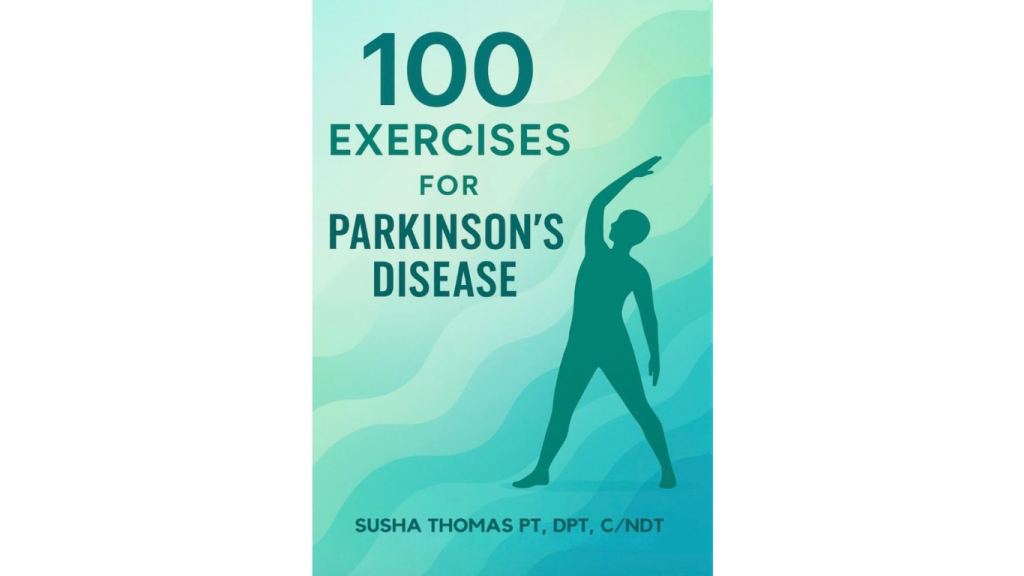
7. 100 Exercises for Parkinson’s Disease by Dr Susha Thomas

The power of exercise to improve life for people living with Parkinson’s is well known. Written by Dr Susha Thomas PT, DPT, C/NDT, a physical therapist and Parkinson’s rehabilitation specialist, 100 Exercises for Parkinson’s Disease provides an easy-to-follow guide to improving strength, flexibility, balance, mobility and confidence and slowing progression, with the exercises designed for lying, sitting or standing positions. The book also includes expert insight on combining therapy, nutrition, and medication for better outcomes.

Buy 100 Exercises for Parkinson’s Disease on Amazon

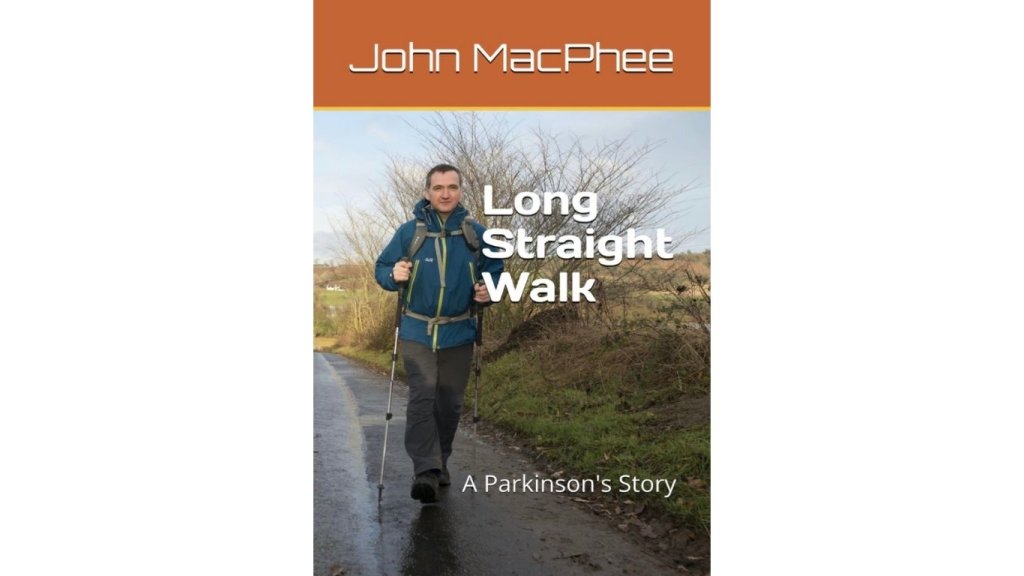
8. Long Straight Walk: A Parkinson’s Story by John MacPhee

After hitting an all-time low following his Parkinson’s diagnosis, John MacPhee decided to do something positive: he walked the length of the UK from South to North in as straight a line as possible. Long Straight Walk follows John on his journey, as he recalls encounters with the people he met along the way, and details how he has come to terms with his diagnosis.

Buy Long Straight Walk on Amazon

9. This Wasn’t the Plan: Exploring Health from a New Perspective by Marta Crespo

For Marta Crespo, being diagnosed with early-onset Parkinson’s not only changed her daily life – it led her to discover a new way of living, facing challenges, and finding purpose through movement and community.

In This Wasn’t the Plan, Marta shares her personal journey, offering an inspiring account of acceptance and the key role that exercise, nutrition, and emotional support play in facing Parkinson’s with dignity and determination. Through practical chapters and real-life stories, this is a life guide for those seeking hope, tools, and connection in the face of adversity.

Buy This Wasn’t the Plan on Amazon

New Parkinson’s books in multiple languages

10. Dreaming Awake by Jordi Cruz

Featured in a previous books round-up, Dreaming Awake tells of the ambition of rock climber with Parkinson’s Jordi Cruz to compete in the 2028 Paralympics, as well as his life with the condition. Free to download and read, his inspiring story has now been translated into French, Italian (pictured), German, Portuguese and Dutch.

Download copies of Dreaming Awake in French, Italian, German, Portuguese and Dutch for free from LinkedIn

New Parkinson’s books in Spanish

11. Este No Era el Plan: Explorando la Salud Desde una Nueva Perspectiva

Este No Era el Plan is a Spanish translation of This Wasn’t the Plan – listed above.

Buy Este No Era el Plan in Spanish on Amazon

New Parkinson’s books in French

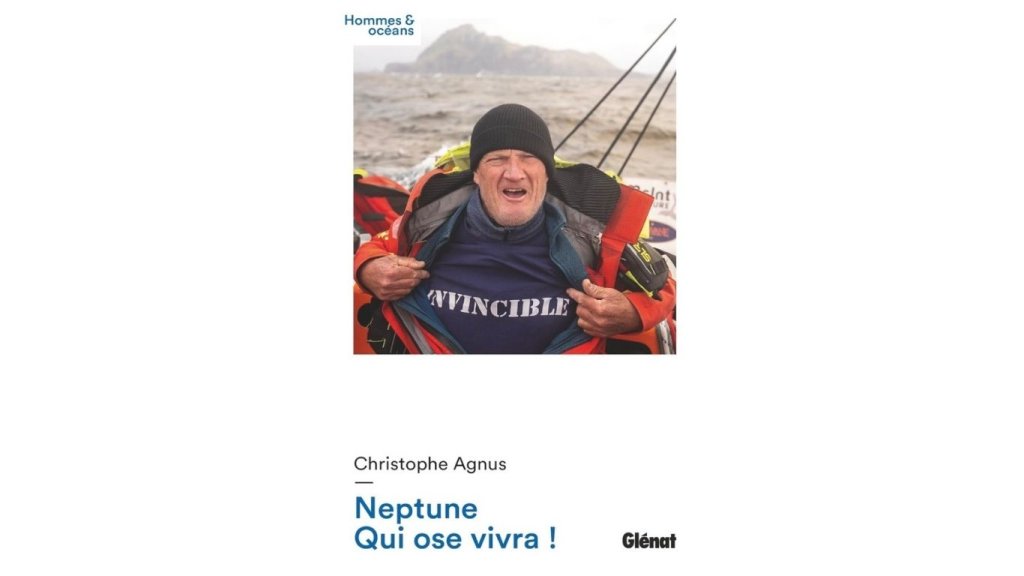
12. Neptune Qui Ose Vivra! by Christophe Agnus

This book (whose title translates as Neptune: He Who Dares to Live!) tells the story of Bertrand Delhom, who lives with Parkinson’s and participated in the Ocean Globe Race 2023/2024, making it the first crewed round-the-world race with a person with Parkinson’s. It was Bertrand’s dream to participate in the race – but it pushed him to his very limits, as this moving account reveals.

Buy Neptune Qui Ose Vivra! on Amazon

New Parkinson’s books in German

13. Shake It, Baby! by Oliver Peral

This humorous semi-autobiographical novel by Oliver Peral is inspired by living with Parkinson’s. Oliver Vega Berger talks his way through life while his body rewrites the rules. Once a week, Oliver attends a fantasy support group with famous fellow Parkinson’s travellers Michael J. Fox, Muhammad Ali, Ozzy Osbourne, Salvador Dalí – and Robin Williams, who cracks jokes even in the darkest moments.

Buy the Shake It, Baby! ebook on Amazon

Read more of our new Parkinson’s books roundups here.

Read More

Cover images of new Parkinson's books for autumn 2025
Advice
05 September 2025

8 new Parkinson’s books for autumn 2025

Looking for new Parkinson’s books to read? Or perhaps a gift for a person affected by Parkinson’s? Our fifth books...
Read More
A collage of covers showing new Parkinson's books for 2024
Advice
09 August 2024

9 new Parkinson’s books in English, Spanish, Dutch and more

From moving memoirs to a helpful handbook and a storybook to explain DBS to children, here's 10 NEW Parkinson's books...
Read More
A selection of Parkinson's book covers
Advice
26 March 2024

13 Parkinson’s books and magazines in English, French, German and more

A selection of Parkinson's books and magazines in various European languages.
Read More
Home

Heated Rivalry fans raise more than $40k (€34k) for Parkinson’s charities after author Rachel Reid reveals Parkinson’s challenges

27 April 2026 By Christy McGhee
News fundraisingMichael J Fox FoundationYoung-onset Parkinson's
Heated Rivalry fans raise more than $40k (€34k) for Parkinson’s charities after author Rachel Reid reveals Parkinson’s challenges

Fans of Rachel Reid’s Game Changers book series and TV show Heated Rivalry are raising thousands of dollars for Parkinson’s charities after the author shared an update about her condition.

Supporters launched fundraisers for the Michael J. Fox Foundation and Parkinson’s Foundation after Reid revealed Unrivaled, the final book in the series, was delayed partly due to her Parkinson’s symptoms.

The book series has earned huge popularity among loyal fans. It also led to Crave’s hit TV adaptation starring Hudson Williams as Shane Hollander and Connor Storrie as Ilya Rozanov.

Heated Rivalry fan-led fundraisers for Parkinson's charity to support author Rachel Reid

In response to Reid’s news, fans have launched campaigns to raise money by activities such as selling handmade products, raffles and pledges.

Unrivaled Loon Heated Rivalry Parkinson’s fundraiser

The fan-led fundraiser Unrivaled Loons aims to raise $8,124 (€6,953) for the Parkinson’s Foundation, which works to improve Parkinson’s care and advance research toward a cure.

Campaign organiser Heather C said she launched the fundraiser “to show support for Rachel, who has given us this wonderful series”. The Parkinson’s Foundation was chosen due to its international programs like the Global Care Network, and free educational resources.

The campaign, which started in March, will run until June 2027, with three phases including  campaigning, pledges, and raffles.

“Our original goal for phase I was $2.5k (€2.1k),” said Heather. After surpassing that goal in the campaign’s first month, the target has stretched to $8,124. “That may seem like a random number, but 81 and 24 are the hockey jersey numbers for the two main characters in Heated Rivalry,” she adds.

Nicole Lopez, Senior Manager of Signature Events for the Parkinson’s Foundation, said the charity is “so grateful to the Unrivaled Loons”.

She said: “Their support is especially meaningful for LGBTQ+ individuals living with Parkinson’s, and it reflects our belief that everyone deserves equitable care and support. It means real help for people today and real hope for what’s ahead.”

‘Rivals For a Reason Chapter 2’ campaign for Michael J. Fox Foundation

Parkinson’s Life also spoke to Katie Liestman, who led the team for fan-led ‘Rivals for a Reason’ project, which raised $39k (€33,329) for the Michael J. Fox Foundation. The project sold elastic friendship bracelets, bag charms, and bracelet cuffs, primarily promoted via Threads, with all proceeds going to charity.

After a successful campaign for The Trevor Project, a suicide prevention charity for young LGBTQ+ people, the team chose to raise funds for Parkinson’s after hearing Reid’s next book release would be delayed.

Reid received a message from director Jacob Tierney about adapting Heated Rivalry for screen soon after her Parkinson’s diagnosis in 2023

Liestman added: “Our team unanimously decided we wanted to support an organisation doing work to combat Parkinson’s.”

The campaign ran between 13 March – 13 April 2026. Final figures are still being confirmed, but Liestman estimates it has raised an incredible $39k for the Michael J. Fox Foundation, thanks to the project’s 1,250 orders, plus corporate donations from companies like Lyft.

Rachel Reid’s Parkinson’s update

Rachel Reid shared an update about Unrivaled in February, announcing her Parkinson’s symptoms were worsening and making writing more difficult, meaning the release date for the seventh book in the Game Changers: Heated Rivalry series, would be pushed back to June 2027.

Reid said she received a message from director Jacob Tierney expressing interest in adapting Heated Rivalry for screen just four days after her Parkinson’s diagnosis in 2023.

In an Instagram post Reid said: “I know this show has been massively successful and star-making, but before all that, it was the thing that kept me going. Just the possibility of a Heated Rivalry TV show was enough to make me feel excited about the future, instead of devastated about my diagnosis. That in itself is the best gift I’ve ever been given.”

Read More

10 of the best physio-approved videos for exercising with Parkinson’s
Advice
14 January 2026

10 of the best physio-approved videos for exercising with Parkinson’s

Physio-led exercise videos for people living with Parkinson’s
Read More
Quotes from celebrities and famous people with Parkinson’s – including Michael J Fox, Superman star Valerie Perrine, and Ozzy Osbourne
Insights
08 December 2025

“Live in the moment”: quotes from celebrities and famous people with Parkinson’s – including Michael J Fox, Linda Ronstadt, Superman star Valerie Perrine, and Ozzy Osbourne

Live for today, make lifestyle changes, and tell people in your own time – these are some of the wise...
Read More
Extraordinary people with Parkinson's: 10 amazing sporting challenges
Stories
10 November 2025

Extraordinary people with Parkinson’s: 10 amazing sporting challenges

We are constantly inspired by the ‘yes, we can’ attitude of the Parkinson’s community. To mark 10 years of Parkinson’s...
Read More
Home

Adaptive DBS responds to a patient’s unique brain activity in real time

We talk to neurologist Dr Martijn Beudel from Amsterdam UMC about how Medtronic’s adaptive DBS technology could deliver more targeted therapy for people with Parkinson’s
23 April 2026 By Verity Willcocks Sponsored by Medtronic
Insights deep brain stimulationParkinson's treatmentsponsored
Adaptive DBS responds to a patient’s unique brain activity in real time

The future of Deep Brain Stimulation (DBS) technology lies in providing more precise and personalised therapy for people with Parkinson’s, a DBS specialist has told Parkinson’s Europe.

Commenting on healthcare technology company Medtronic’s BrainSense™ Adaptive Deep Brain Stimulation therapy, Dr Martijn Beudel, Medical Specialist, Neurology, at Amsterdam UMC (pictured below), said: “I think that all [DBS] technologies will become intelligent and adaptive.”

Dr Martijn Beudel

The Medtronic adaptive DBS therapy differs from existing DBS technology in that it aims to deliver stimulation to the target areas in the brain only when required, instead of providing constant stimulation.

According to Medtronic, its new DBS technology “continuously adapts to a patient’s unique brain activity – in real time – allowing for a personalised and effective therapy throughout the day and night.”

Dr Beudel made the remark after Medtronic announced the success of the first trial of the BrainSense™ Adaptive DBS technology, which Amsterdam UMC and nine other centres in France, the US and Canada took part in between 2021 and 2023.

The Medtronic Adaptive DBS Algorithm for Personalized Therapy in Parkinson’s Disease (ADAPT-PD) trial found that chronic use of its adaptive Deep Brain Stimulation therapy was safe and effective for people with Parkinson’s who were previously stable while receiving continuous DBS. It is now approved for use in Europe and the US.

The ADAPT-PD trial

The trial was open to people with Parkinson’s who were already receiving continuous DBS as well as medication for controlling their symptoms.

Continuous DBS involves surgery where leads are implanted into a patient’s brain, before a small device called a neurostimulator is inserted under the skin in their chest and connected to the leads. The neurostimulator is then programmed to administer electronic signals via the leads to specific areas of the brain with the aim of relieving various Parkinson’s symptoms.

The adaptive DBS technology is only available to those who have a Medtronic Percept™ PC neurostimulator fitted. Altering a person’s continuous DBS mode to the BrainSense™ Adaptive DBS therapy involves updating the neurostimulator software – no further invasive surgery is required.

However, programming this mode takes at least twice as long as standard DBS: “We spend a lot of time finding the brain waves and gradually adjusting the stimulation based on these brain waves,” says Dr Beudel. “It’s even more complex than in continuous DBS, because the degrees of freedom far exceed [those provided by] continuous DBS.”

Dr Beudel explains the potential advantages of adaptive DBS: “By being able to adjust the stimulation according to the needs of the patient, you might stimulate more efficaciously. The other thing is that neurophysiological research has shown that Parkinson’s symptoms are linked to certain brain waves and stimulating when these brain waves occur is more efficacious than stimulating when these brain waves don’t occur.”

In the ADAPT-PD trial, the majority of participants preferred adaptive DBS to continuous DBS.

First, the trial evaluated two different adaptive DBS modes in 45 people with Parkinson’s for 30 days. After this, 44 of the participants chose to continue with adaptive DBS instead of reverting to continuous DBS, and 40 patients received adaptive DBS for more than a year.

More than two-thirds of the trial participants indicated a “strong” or “somewhat” preference for adaptive DBS over their previous continuous DBS settings after noticing their motor symptoms improved or that they experienced fewer symptom fluctuations, according to the trial study, which was published in the Journal of the American Medical Association (JAMA) Neurology.

In addition, the majority of participants receiving adaptive DBS had good ‘on’ time (when symptoms are well controlled) without troublesome dyskinesia (involuntary movement) compared to stable continuous DBS therapy.

“We found out that they felt 1.3 hours more ‘on’ compared to continuous DBS,” says Dr Beudel. “We know that one hour more ‘on’ is a meaningful difference. The patients have more quality of life when they are more ‘on’.”

Dr Beudel outlines the other symptoms that adaptive DBS may help to relieve: “We’ve seen that dyskinesias can improve with adaptive DBS, and that stimulation-induced dysarthria [slurred speech] can improve with adaptive DBS. Dystonia [involuntary muscle spasms] sometimes improves. Those are the main categories.”

One of the trial participants, 56-year-old Jose Mijnals from the Netherlands found that involuntary movement (dyskinesia) in one of her arms has improved after having adaptive DBS therapy as she was able to reduce her Parkinson’s medications to the smallest dose.

In January 2025, Amsterdam UMC became the first centre in the world to use the BrainSense™ Adaptive DBS technology in regular practice. Dr Beudel says that he recommends adaptive DBS to people with Parkinson’s who are already receiving continuous DBS therapy but aren’t seeing much improvement in their symptoms, or who are experiencing troublesome side effects of continuous DBS.

Find out more about BrainSense™ Adaptive DBS therapy.

Are you undergoing BrainSense™ Adaptive DBS therapy? If you are willing to share your experience, please email Francesco De Renzis at Parkinson’s Europe at [email protected]

Parkinson’s Europe is sharing this article for information purposes only; it does not represent Parkinson’s Europe’s views and is not an endorsement by Parkinson’s Europe of any particular treatments, therapies or products.

Read More

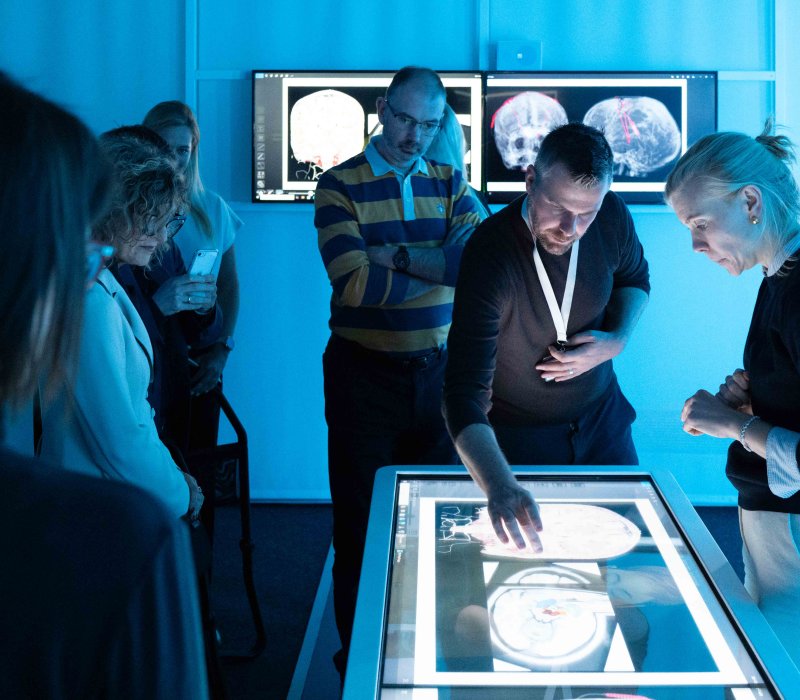
Parkinson’s Europe visits interactive DBS experience in Belgium
News
27 November 2025

Knowledge is power: Parkinson’s Europe visits interactive DBS experience in Belgium

Empowerment, the second pillar of Parkinson’s Europe’s strategy, was the driver behind the Parkinson’s Europe board visiting an innovative educational...
Read More
Janette Sinclair, who is telling us about her DBS experience
Insights
25 May 2025

“It’s been a quiet miracle” Janette Sinclair on her DBS experience

Janette Sinclair tells us about her recent personal experience of Deep Brain Stimulation, which she underwent in January,2025.
Read More
Parkinson’s Life podcast Deep Brain Stimulation surgery guests Gerlach Roomans, Lucy Partington-Smith and Veerle Visser-Vandewalle
Podcasts
03 December 2024 Sponsored by Abbott, Boston Scientific and Medtronic

Podcast: understanding Deep Brain Stimulation and Parkinson’s

“Deep Brain Stimulation (DBS surgery) doesn’t cure Parkinson’s, but it helps a lot,” says Gerlach Roomans, guest speaker on the...
Read More
Home

The Parkinson’s Self-Care Guide: tips and advice for living well

Experts share their tips for the best ways to care for yourself at home with Parkinson’s and those living with the condition tell us what self-care with Parkinson’s means to them.
16 April 2026 By Christy McGhee
Advice complementary therapiesliving with Parkinson's
The Parkinson’s Self-Care Guide: tips and advice for living well

The phrase ‘self-care’ may conjure up Instagram-friendly images of bubble baths, but the concept is much more than a social media buzzword. At heart, it simply means taking time to tend to your own needs, which can feel hard to prioritise amid busy schedules. When applied to Parkinson’s, self-care can also mean the actions and choices you can make at home that support the care provided by your healthcare team.

The World Health Organization defines self-care as ‘the ability of individuals, families and communities to promote health, prevent disease, maintain health, and to cope with illness with or without the support of a health or care worker’.

The idea being individuals can actively help manage their own healthcare, turning the concept into one of empowerment, and working in tandem with healthcare providers. With the Parkinson’s care gap recognised across Europe, the notion of looking after oneself well seems especially important for people living with Parkinson’s.

In practice, self-care can vary from person to person, be it practical habits to support mental and physical health, mood-boosting pampering activities, or complementary therapies such as yoga.

You can find a host of tips on self-help and living well with Parkinson’s on our website, plus articles with practical tips on things like freezing, swallowing and exercising at home with Parkinson’s.

Below, experts explain how people with Parkinson’s can look after themselves in ways that supports and complements their healthcare plan. We also ask people living with Parkinson’s what self-care means to them, rounding off with self-care tips you can try yourself.

It is important to remember that every person living with Parkinson’s deserves the right care from healthcare professionals. So Parkinson’s self-care should always support, not replace, your expert medical care.

Self-care for Parkinson’s: expert advice on supporting your health at home

Parkinson’s self-care for your mind

Dr Angeliki Bogosian, School of Health and Medical Sciences, University of London, UK

“Mindfulness is an increasingly popular approach for supporting emotional wellbeing, and can be particularly beneficial for people living with Parkinson’s. Rather than trying to push thoughts or feelings away, mindfulness teaches us to meet our inner experience with curiosity and kindness.

“Research shows that mindfulness courses can reduce symptoms of depression and anxiety and improve health-related quality of life across a range of long-term conditions, including Parkinson’s.

Self-care for Parkinson’s: mindfulness

“A mindfulness practice is simple at its core: we rest our attention on something steady, often the rhythm of the breath, and gently guide the mind back whenever it wanders. Over time, this helps build a calmer, more grounded relationship with thoughts, emotions and physical sensations. Parkinson’s UK offers guided practices, and you can also try an app like Medito.”

Parkinson’s self-care – movement

Physiotherapist (and President of Parkinson’s Europe), Josefa Domingos, Portugal

“For many people living with Parkinson’s, one of the most frustrating changes is how movement can suddenly feel harder to start or control. They often face challenges with initiating movement, as well as maintaining movement amplitude, speed, and rhythm, due to the loss of automatic motor control.

“Cueing strategies are subtle techniques that provide additional signals to your brain and body, acting as reminders to help you move with greater confidence. These strategies can be very effective for improving mobility and daily functioning. They can be used anywhere, but they are particularly powerful when applied in your own home.

“Auditory cues, such as rhythmic counting, clapping, using a metronome, or listening to music with a strong beat, can help maintain a steady walking rhythm and reduce shuffling. In fact, sound is one of the most effective ways to prompt movement. These cues not only make walking smoother but also boost confidence.

“Visual cues provide spatial guidance. For instance, placing coloured tape or lines on the floor can help a person start or continue walking through doorways or tight spaces. Touching a visual cue on the floor or a chair in front of the person can effectively direct movement and help with getting out of a chair. Tactile cues from a caregiver, such as gently tapping on the back or providing a light push , can also help someone rise from a chair.

“Cognitive cues include techniques such as thinking about shifting weight from side to side, mentally counting steps, or using phrases like ‘think big steps’ and ‘heel first’ as reminders to exaggerate movement and posture. These can support the initiation or maintenance of movement.

“Using cueing strategies and practicing them regularly can help individuals with Parkinson’s to improve their self-management skills, boost their confidence, and promote greater independence in daily activities related to Parkinson’s. These straightforward strategies can transform everyday challenges, such as getting out of bed, rising from a chair, walking across the kitchen, or stepping outside, into manageable routines.”

Parkinson’s self-care – nutrition and gut health

Marta Camacho, Parkinson’s UK Senior Research Fellow, Department of Clinical Neurosciences, University of Cambridge, UK

“Managing constipation is important in any condition but particularly in Parkinson’s. It is not only uncomfortable, but it can also reduce medication effectiveness (by hindering medication absorption). It is is a risk factor for future cognitive problems. Here are practical steps to support your gut health:

  • Know your gut transit time: consider doing the Blue Poop challenge, taking 20 drops of blue food colouring (or eating a good amount natural alternative like corn or beetroot), and timing how long it takes until the first appearance of the chosen marker (a blue stool, undigested corn kernels, or a red/pink hue from beetroot). This measures your whole gut transit time, which ideally should be around 3 days.
  • Drink: drinking adequate amounts of water helps to keep stools soft and reduces straining. Try to drink more in the morning and early afternoon if you wake at night for toilet breaks.
  • Move: Regular, gentle physical activity stimulates the bowels and improves gut motility.
  • No diet fits all: While increasing fibre intake (e.g ground flax seeds, prunes, kiwi) or fermented foods are common recommendations, these do not benefit everyone. Consult your healthcare team and discuss making dietary changes that are right for you.”

Kinga Topolowska, Highly Specialist Neurosciences Dietitian at the National Hospital for Neurology and Neurosurgery (part of UCLH) in London.

“If I were to choose one or two nutrition habits for people living with Parkinson’s to include in their daily self-care, they would be staying well hydrated and eating enough fibre.

“Drinking enough fluids can help prevent some symptoms from getting worse, such as tremor, stiffness, muscle weakness, or dizziness caused by low blood pressure. When your fluid intake is low, you may also feel more tired, get headaches, or find it harder to concentrate.

“Having a glass of water when you notice these signs can help. Most people should aim for 6–8 glasses of fluid a day. This can include water, tea, coffee, juice, milk, soups, smoothies, and even juicy fruits and vegetables.

Parkinson’s self-care – nutrition and gut health

“Constipation is also common in Parkinson’s. Fluids are important, but they work best when combined with fibre. On their own, water or fibre may not have much effect, but together they can make a real difference to your bowel habits.

“You can get fibre from many foods, including fruit, vegetables, wholegrains, nuts, and seeds. Adding a source of fibre to each meal, or choosing fruit as a snack, along with a glass of water, can help keep things moving gently and naturally.”

Self care and Parkinson’s disease: people living with Parkinson’s share ‘what self care means to me’

Emma Lawton, UK

Emma Lawton

“Living with Parkinson’s from 29 years old has slowly reshaped what ‘self-care’ means to me. It is no longer just about getting enough sleep, eating well, or trying to keep up with an exercise routine (to be honest I have never been good at those things!) Over the years, self-care has become something deeper and more personal: the ongoing work of helping myself stay me.

“Parkinson’s can feel like it’s constantly asking you to shrink your world, to avoid the unfamiliar, to stick to what’s predictable. But I’ve learned that holding on to my identity means doing the opposite.

“Self-care now looks like saying yes to new experiences, even small ones: learning a skill I never thought I’d try, going somewhere I’ve never been, meeting people outside my usual circles. Each new thing, no matter how imperfectly I do it, pushes back against the parts of the disease that want to narrow my life.

“Trying new things reminds me that I am still growing, still capable, still more than the symptoms I manage every day. It’s become an act of rebellion and self-preservation. In that sense, self-care isn’t just about maintaining my health. It’s about protecting my Emma-ness.”

Reena Uusmets, Estonia

Reena Uusmets

“I have been living for nine years with young-onset Parkinson’s, diagnosed at 42. My tips for practising self-care include knowing what you’re good at and practising those things every day. I’m good at creating beauty out of darkness meaning I turn negative thoughts, actions, situations into positive. I create my most authentic inspiring poems and songs when I am having hard times. It’s important to be creative and have fun. Sometimes it means I write poems, make social media content about my life with Parkinson’s, play with my cat.

“My morning routine is simple, effective and creatively fun: wake up, take my meds, turn on music with my favorite melodies, start dancing while making my bed, eating breakfast and Cappuccino, singing while picking my outfit of the day.

“I practice an active lifestyle, mindfulness and positive mindset. I do affirmations in the morning and before going to sleep: I am enough, I love myself, I am my best friend. Today is the best day ever! I also visit my local cat shelter; I leave my mobile phone outside, sit in silence and observe cats, letting my mind and body rest.”

Kathrin Wersing, Germany

Kathrin Wersing

“Six years ago, I was diagnosed with Parkinson’s disease at the age of 40. For me, self-care means empowerment, actively dealing with my illness and standing up for my own interests. I often experience how essential it is for us to be well informed about our condition.

“When I know as much about medications, side effects and alternative therapies as I do about psychological, mental and social support options, I can talk to my doctors on an equal footing, exchange ideas with others and manage my life independently.

“For me, self-care also means being active, doing lots of sport, and continuing my hobbies, such as singing and dancing, because that’s good for my soul.”

Lucía Ferro, Spain

“For me, self-care with Parkinson’s is a daily choice to create space—physically, mentally, and emotionally—where I can feel grounded and true to myself. One of the first areas I transformed was my diet. Living in Barcelona made the Mediterranean lifestyle feel natural. So I embraced extra-virgin olive oil, nuts, and daily berries, especially blueberries.

“I became curious about gut health, so I include probiotic and prebiotic foods and avoid refined flours and sugars because my body feels calmer without them. I also choose natural, eco-friendly, vegan products for my home and personal care.

“My inner environment matters just as much. I don’t have a TV, and that silence helps me stay focused and less overstimulated. I carve out quiet moments throughout the day, sometimes with essential oils that help me reconnect with myself. A steady sleep routine—herbal tea, no screens before bed or right when I wake up—has become one of my anchors.

“Movement keeps me balanced: swimming, yoga, meditation, breathing exercises, cycling everywhere on my electric bike, and walking as much as I can.

“An important part of my self-care is sharing my journey on Instagram and doing young-onset Parkinson’s activism. Helping others feel less alone gives meaning to my own experience.”

Matt Eagles, UK

Matt Eagles

“Self-care for me is not beating myself up if I cannot make a prior engagement. Learning sometimes it is important just to sit and chill. Learning to say ‘no’ and not feeling guilty.

“I often need a snooze but now I don’t feel guilty about it, because I know I’ll be a better version of me if I do. Self-care is listening to your body.

“When I am faced by a new experience or appointment that is worrying me and making me nervous, I ask myself ‘What is the best thing that can happen ?’”

Barbara Salsberg Mathews, Canada

Barbara Salsberg Mathews

“In 2023, I posted my philosophy for living with Parkinson’s on X (formerly Twitter), paired with a video of me dancing. It immediately went viral among the global Parkinson’s community, becoming a source of shared inspiration and action. I remember this saying whenever I need a lift:

‘Parkinson’s reminds me how precious life is.
I’m aware of my diminishing energy and time to get things done.
So I’ve removed negative people in my life, I focus on today and what I can leave behind.
If I hear good music you can be sure I’ll be dancing to it.
Parkinson’s can’t stop me from dancing.’”

Urs Bratschi, Switzerland

Urs Bratschi

“I believe it’s incredibly valuable to see Parkinson’s not as a disease, but as a unique trait of one’s body. I actually feel healthy, and I try to lead as active a life as possible. Acknowledge my body’s Parkinson’s symptoms, without giving them more weight than they deserve. I consciously avoid trying to live a ‘normal’ life. Because, in reality, there really is no such thing as normal.

“Since my Parkinson’s diagnosis, friendship has gained immense importance. True friends care for each other’s souls. A good friend doesn’t just know your story – they are part of it.

“Equally important is setting goals. Goals give your life purpose and allow you to actively participate in the adventure of living. Personally, I aim so high that my goals might seem unreachable at first glance. But when you truly want something, you can achieve incredible things, even with Parkinson’s.

“You can also do a lot of good for your body, which can positively influence the course of Parkinson’s. This includes exercise, training your body awareness, meditation, and nutrition. But when it comes to eating, it’s important not only to focus on what’s healthy for the body.

“There’s also a soul, and it has its own needs. Often, what nourishes the body and what nourishes the soul don’t completely align. Finding a balanced approach is key and that sometimes means allowing yourself a slice of chocolate cake.

“Living with Parkinson’s has taught me that health is not just about the absence of illness, but about embracing your body, cherishing your friends, pursuing your goals, and nourishing both body and soul. It is about creating a life that feels full, meaningful, and truly your own.”

Parkinson’s self-care tips: Mary Dalton, Board Member for Move4Parkinson’s

Mary has been living with Parkinson’s for over 10 years, and is a longstanding member of Move4Parkinson’s, Ireland. The organisation provides information and support to people with Parkinson’s on how to improve quality of life through self-management.

Mary’s self-care tips:

  • Write down your plans weekly. This can help you not to make too many appointments and commitments. You can also use this as a symptom tracker.
  • Establish a support network of family and friends you can rely on, keeping in mind that this could be a marathon rather than a sprint.
  • Identify a care team to include doctors, P.D. nurses, local health service and pharmacist.
    Follow the doctor’s advice regarding the dosage and timing of your meds. Always check before adding anything new, including over-the-counter preparations.
  • Exercise daily. Choose something you enjoy as you are more likely to stick to it. Consider joining a group and also check out online resources.
  • Eat healthily. Try out the Mediterranean diet and small meals during the day. Avoid constipation. Stay hydrated.
  • Cultivate good sleep habits and also take a rest or short nap if you need it.
  • Buy some touch lamps.
  • Try something new. Join a choir, learn a language, take up a new hobby. You might discover a hidden talent as well as enjoying yourself.
  • Order your meds a few days before you need them. When travelling always carry your meds with you – not in your checked-in luggage. Bring more than you need and also a copy of your prescription.
  • Consider alternative treatments e.g. acupuncture, massage or mindfulness.
  • Try to avoid stress – easier said than done! Stay positive.
  • Finally – life is short. Take the trip, eat the cake, buy the shoes.”

More information on living well with Parkinson’s.

Read More

Berries: a superfood for Parkinson’s disease
Advice
24 March 2026

Parkinson’s diet and brain function – what is a superfood for Parkinson’s disease?

Dietitian Kinga Topolowska advises on superfoods to help improve long-term brain function for people with Parkinson’s
Read More
15 tips for managing swallowing problems in Parkinson’s disease: expert-approved advice
Advice
23 February 2026

15 expert-approved tips to manage swallowing problems in Parkinson’s

Eating and swallowing problems are common in Parkinson’s. It can be frustrating when these challenges get in the way of...
Read More
Matt Eagles
Stories
07 November 2025

“It takes positivity, courage, and a relentless desire to live your best life”: Parkinson’s advocate Matt Eagles on 50 years since his childhood diagnosis

Matt Eagles is a well known figure in the Parkinson’s community. For many, the 56-year-old is familiar as the founder...
Read More
Home

12 highlights from World Parkinson’s Day 2026

13 April 2026 By Laura Vickers-Green
News globalWorld Parkinson’s Day
12 highlights from World Parkinson’s Day 2026

World Parkinson’s Day 2026 took place over the weekend, and this might have been the biggest one yet. When we co-founded this awareness day back in 1997, who could have predicted it would grow to such a huge global phenomenon?

For the 29th year in a row, 11 April became a day where Parkinson’s became a focal point not just for the Parkinson’s community (after all, every day is World Parkinson’s Day for us) but also for the wider world in general.

In public spaces, on social media, in the press and in community venues across the globe, World Parkinson’s Day 2026 brought people together, to shout loud about Parkinson’s, raising awareness, fundraise for research and charities, share useful information and just spend time together in the name of Parkinson’s.

Here at Parkinson’s Europe, we raised awareness via our Bridge the Care Gap campaign (including a special podcast episode), collecting hundreds of signatures for our Call to Action, and securing support for the campaign from MEPs.

Elsewhere, here are 12 highlights from World Parkinson’s Day 2026 from across the globe:

1. Spark the Night lit buildings up blue around the world

Once again, PD Avengers in the USA masterminded an incredible global “Spark the Night” campaign, with volunteers from over 30 countries contacting their local authorities to ask for landmarks to be lit up blue to raise awareness of Parkinson’s.

From Estonia to Ecuador, Germany to Ghana, Canada to Costa Rica and many more locations across nearly every continent, the world turned blue for Parkinson’s.

Here are three European examples, from Spain, our Slovenian Member Organisation Društvo Trepetlika, and Cardiff Castle in Wales, UK:


View this post on Instagram


A post shared by PD Avengers (@pdavengers)


2. Parkinson’s Ireland “A Walk in the Park for Parkinson’s”

Our Member Organisation, Parkinson’s Ireland, organised a whopping 21 walks at various locations across the country for World Parkinson’s Day 2026. “A Walk in the Park for Parkinson’s” saw hundreds of families coming out together to raise awareness and fundraise for Parkinson’s Ireland, with local councillors also showing up to add their support.

3. Parkinson Vereniging conference at Burgers Zoo, Netherlands

Together with Parkinson Nederland, our Member Organisation Parkinson Vereniging hosted an inspiring conference at Burgers’ Zoo at Arnhem in the Netherlands. The day featured a keynote speech from prominent Parkinson’s researcher and neurologist Bas Bloem, helpful sessions on movement, lifestyle and resilience, musical performances and even a scavenger hunt through the zoo so that younger members of the family could come along to get involved and have fun.

4. The 4th Annual Young Parkies Portugal Conference, Lisbon


View this post on Instagram


A post shared by Young Parkies Portugal (@youngparkiesportugal)

Young Parkies Portugal hosted a vibrant conference in Lisbon, bringing together experts, healthcare professionals, researchers, and people with Early-Onset Parkinson’s for two days dedicated to knowledge, communication, and care. The programme included debates and lectures about topics like early-morning off periods and AI & medicine, plus physical activity sessions and chances to connect with fellow people with Parkinson’s.

5. Parkinson i Mi organised lectures, dancing and flowers in Croatia

Once again, our Member Organisation Parkinson i Mi in Croatia hosted multiple events for World Parkinson’s Day 2026, including stalls on Petro Preradović Square in Zagreb, where volunteers handed out tulips (the symbol of Parkinson’s) to raise awareness, useful lectures from neurology experts, vocal exercises and even ballroom dancing sessions. People with Parkinson’s were also given the important opportunity to raise their voice and share their experiences.

6. Solidarity Fest for Parkinson’s, Barcelona


View this post on Instagram


A post shared by ParkinSongs (@coral.parkinsongs)

Associació Catalana per al Parkinson (another of our Member Organisations) hosted “Solidarity Fest For Parkinson”, an awareness-raising festival-style event in Barcelona full of music, dancing and other family-friendly activities like face-painting, craft classes and a table tennis tournament. This vibrant event also included this brilliant performance from ParkinSongs, a local choir for people living with Parkinson’s.

The Catalan association also put on a morning of activities at the Hospital Sant Pau in Barcelona, including expert lectures addressing important issues such as the variations in the ways Parkinson’s affects different genders.

7. “Dogs for Parkinson” solidarity walks in Belgium

All three of our Belgian Member Organisations joined together with our partner AbbVie to collaborate on Dogs for Parkinson, a series of four community dog walks taking place at locations across the country. The events were open to all – people with Parkinson’s, caregivers, or those without a connection to Parkinson’s who just wanted to show their support with their four-legged canine friends.

There are still two events yet to take place in Antwerp and Ghent – find out more information.

8. France Parkinson “Rendre Visible L’Invisible” video

Our French Member Organisation, France Parkinson, released this hard-hitting, powerful video to show the “harsh reality” of living with Parkinson’s. It features a woman experiencing physical manifestations of some of the common symptoms of Parkinson’s, such as her feet sticking to the ground and becoming harder to lift, her body becoming stiff, her gait faltering, leading her eventually to fall over. The video ends with the woman seemingly stuck inside her own body and mind.

France Parkinson released the video because they believe that – despite almost 300,000 people in France living with Parkinson’s – the seriousness of the condition is being under-estimated by the general public, saying:

“For France Parkinson, recognising the seriousness of Parkinson’s disease is an essential prerequisite for it to be taken seriously by both the public and government authorities.”
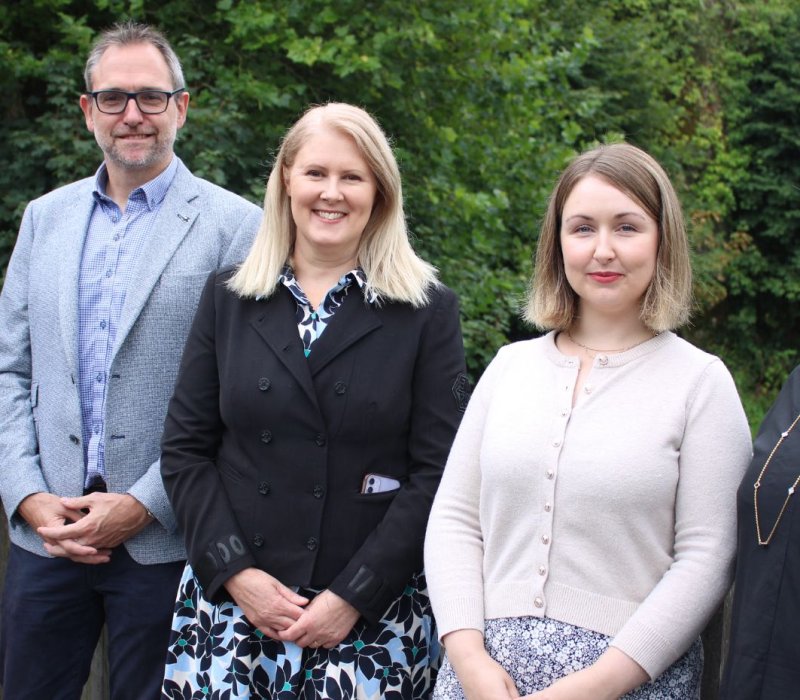
9. “No Soy Parkinson” campaign, Spain
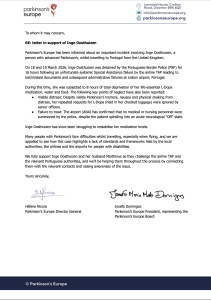
Our Member Organisation Federación Española de Parkinson in Spain released a high-impact campaign called “No Soy Parkinson” (“I am not Parkinson’s”) shining a light on discrimination faced by people with Parkinson’s. The campaign uses powerful storytelling in videos featuring four people living with Parkinson’s (including rock climber Jordi Cruz), who talk frankly about their experiences of facing prejudice from others due to a lack of compassion or understanding about the condition.

10. Cupcakes for Parkinson’s event, Parkinson’s Africa


View this post on Instagram


A post shared by Parkinson’s Africa (@parkinsonsafrica)

Part of Parkinson’s Africa’s campaign for World Parkinson’s Day 2026 included a friendly gathering at a bakery in Lagos, Nigeria, where participants were encouraged to come along wearing blue for Parkinson’s awareness in order to receive a blue cupcake. This was a great way of engaging with the local community to raise awareness, and the turnout was enthusiastic, as the photos above show.

11. Parkinson’s India celebrates 25 years of making a difference

The Indian organisation Parkinson’s and Movement Disorder Society marked World Parkinson’s Day 2026 by releasing a video celebrating their 25th anniversary, telling the story of how they were began as a small group and steadily grew to over a dozen support centres across the country, helping over 40,000 people both in person and online.


12. Screening of “La Vida de a Ratos”, Venezuela

Venezuelan organisation Parkinson Caracas marked World Parkinson’s Day with an open-air screening of new film La Vida de a Ratos (Vivir Con Parkinson) [“Life in Moments (Living with Parkinson’s)”], which tells the emotional journey of Argentine actor Javier Lombardo, who was diagnosed with Parkinson’s at the peak of his career. Before the film, neurologist Dr Isaac Mosquera gave an introductory talk about Parkinson’s.


Other highlights from World Parkinson’s Day 2026

The Movers and Shakers podcast in the UK also recorded a special live episode on World Parkinson’s Day 2026, where they launched their Voice campaign. Our partners Abbott launched a virtual Parkinson’s art exhibition, and we also contributed to our partner Bial’s new Parkinson’s Dialogue campaign.

Next year will be the 30th anniversary of World Parkinson’s Day – so expect campaigns to be bigger and better than ever!


Find out more about World Parkinson’s Day and sign our Call to Action

Read More

World Parkinson's Day 2026
Podcasts
08 April 2026

Podcast: World Parkinson’s Day 2026

Our special World Parkinson's Day 2026 podcast shines a light on Parkinson's nurses and the big difference they can make...
Read More
MEPs Sokol and Pietikäinen support Parkinson's Europe joint call to action
News
10 April 2026

European MEPs support Parkinson’s Europe’s call for better Parkinson’s care

As we mark World Parkinson’s Day 2026, two Members of the European Parliament, MEP Sirpa Pietikäinen and MEP Tomislav Sokol...
Read More
News
01 April 2026

World Parkinson’s Day 2026: what’s happening near you

Every year, the global Parkinson’s community comes together in solidarity to celebrate World Parkinson’s Day on 11 April. Wherever you...
Read More

Posts navigation

Older posts
Newer posts
Our Funders

Special thanks to the organisations who contributed to the funding of this website.

Legal
  • Terms of use
  • Accessibility
  • Medical disclaimer
  • Privacy Policy
  • Cookie Policy
Parkinson's Europe

Lynwood House

Crofton Road

Orpington

Kent BR6 8QE

United Kingdom

[email protected]

Copyright © 2026 Parkinson's Europe.

All Rights Reserved

  • Facebook
  • Instagram
  • LinkedIn
  • Youtube
  • BlueSky
  • Threads