As a first-time attendee of the World Parkinson Congress (WPC) in 2026, and still relatively new to the Parkinson’s community, I had been greatly looking forward to this opportunity to connect, learn, and contribute.
What an experience it turned out to be. From the moment I boarded the plane and met Marie Fuzzati from France Parkinson, to the warm welcome at the hotel by staff trained through the Parkinson Ready Program, and all the way to the final conversations with people with Parkinson’s on the flight home, this journey was truly memorable.
Lesson 1: The power of the Parkinson’s community
Although I had visited Phoenix and the same convention centre a few years ago, this time felt entirely different. For a few days, downtown Phoenix seemed to belong to the Parkinson’s community. People with Parkinson’s, carers, healthcare professionals, researchers, volunteers, and advocates filled the streets with an extraordinary sense of energy and connection.
Whether walking to the convention centre, sitting in a café, or dining nearby, it was effortless to strike up conversations and hear deeply personal stories. Many attendees who live with Parkinson’s shared how liberating it felt to be in a space where they did not need to hide their symptoms or feel self-conscious—where they felt seen, valued, and accepted. The WPC creates a rare environment where vulnerability is not only welcomed but respected.
I was deeply moved by the warmth and care within this community — something I have never seen before! Despite long journeys and jet lag, the level of empathy and openness was remarkable. Listening to powerful testimonies from individuals such as our Board member Cathy Molohan, Omotola Thomas, and André Tal, as well as from many others encountered in quieter moments, was both emotional and inspiring. Their carers and families, including their children, added further depth to these shared experiences. What struck me most was how often hardship was met with humour, dignity, and resilience.
The presence of countless volunteers — always ready with a smile, a kind word, or practical help — contributed significantly to the atmosphere. Their energy and dedication did not go unnoticed.
This experience was both energising and humbling. The community also demonstrated a profound awareness of self-care: early morning exercise sessions, even at 5 a.m., reflected a commitment to physical and mental wellbeing that was inspiring. It was a powerful reminder for me on a personal level of what it truly means to care for one’s body. Thank you for this extra bit of wisdom!
Lesson 2: A palpable sense of momentum
There was a clear and almost tangible sense of urgency throughout the Congress. Across conversations and sessions alike, one message stood out: the collective desire to accelerate progress in the fight against Parkinson’s.
The program was exceptionally rich, offering a wide range of sessions and activities tailored to different levels of knowledge and experience. While it was impossible to attend everything, the organisation of the Congress made it easy to navigate and engage meaningfully.
The quality of the educational sessions was outstanding, particularly in their inclusion of the voices of people with Parkinson’s alongside leading experts. They provided hopes and insights on many fronts. Looking ahead, I hope to see even greater representation from low- and middle-income countries to ensure the Congress continues to reflect a truly global perspective.
There is also an opportunity for improvement in environmental sustainability. As a community that advocates strongly on environmental factors such as pesticide exposure, we must strive for greater consistency in minimising the environmental impact of such large-scale events, including improved recycling practices.
Beyond the sessions, the diversity of activities—from tango and cycling to table tennis, singing, meditation, and art—highlighted the holistic approach to living with Parkinson’s. The opening and closing ceremonies were equally memorable. Through our social media coverage, we aimed to share special moments and bring the spirit of the WPC and this feeling of momentum to those who could not attend.
Lesson 3: The need for a stronger global coalition
A recurring message throughout the 2026 World Parkinson Congress was clear: we need to work together, and we need to do so now. Yet, I realised that the Parkinson’s community remains fragmented in many ways, despite a shared goal of ending the disease.
This fragmentation presents both a challenge and an opportunity. There is significant potential to strengthen global collaboration, align efforts, and avoid duplication of work. Speaking with one voice would greatly enhance the impact of advocacy and action.
Encouragingly, examples such as Australia demonstrate that effective coalition-building is achievable. By aligning on shared values and objectives, local organizations have been able to work collectively and successfully advocate for a national Parkinson’s strategy.
Collaboration is essential not only to define common priorities but also to share best practices. Significant disparities persist between and within countries in access to treatment, care, and support.
The Leadership Forum held alongside World Parkinson Congress 2026 focused on advancing a global advocacy coalition. There was a strong willingness among participating organisations to collaborate. Parkinson’s Europe fully supports this direction and is committed to contributing to tangible progress for the community.
Lesson 4: The value of European collaboration
Europe itself reflects many of the complexities discussed globally. Disparities exist not only between countries but also within them, between urban and rural areas, and across EU and non-EU regions.
In this context, it was particularly meaningful to connect in person with Parkinson’s Europe Member Organisations—and future members—from across the continent, including Belgium, the Canary Islands, France, Ireland, Norway, Spain, and the United Kingdom. Sharing experiences and perspectives, and simply spending time together, reinforced the strength and potential of our network.
Meeting with our industry partners was also essential to better understand their priorities and their achievements in supporting the Parkinson’s Community, whether in research, raising awareness or advocacy. Parkinson’s Europe is excited to further collaborate with them to bring tangible results to people with Parkinson’s and their carers.
These moments of connection, including informal gatherings, created lasting memories and strengthened a shared commitment to deeper collaboration across Europe.
Lesson 5: Let’s not wait
As World Parkinson Congress 2026 ends and we look ahead to the next WPC in Québec, one message is clear: we must not wait to take action. The momentum generated in Phoenix should translate into concrete progress.
The WPC is far more than a conference—it is a powerful, living experience that inspires, energises, and stays with you long after you return home.
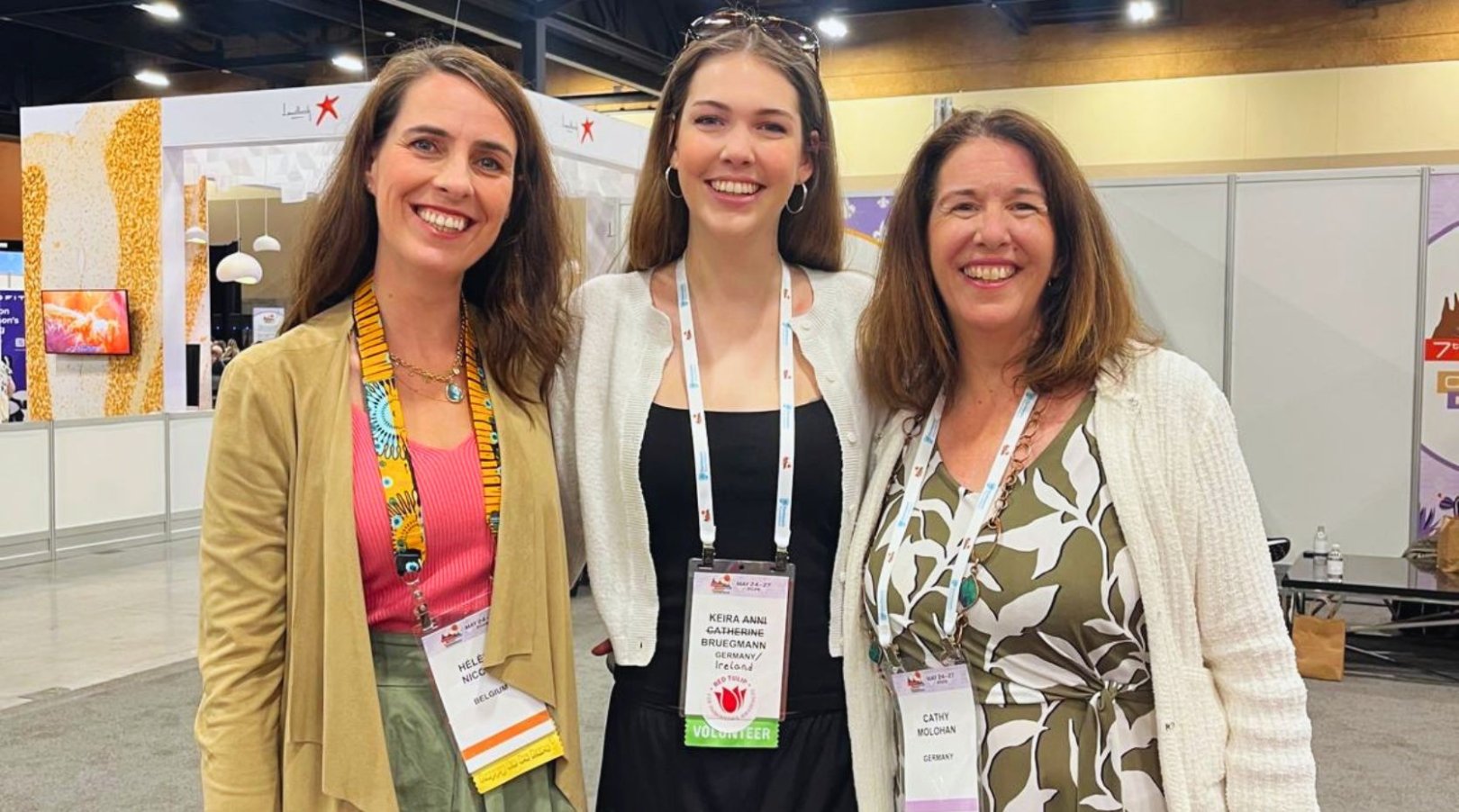
I feel deeply grateful to have attended at this stage in my journey, and to have shared the experience with an exceptional team: Josefa Domingos, Parkinson’s Europe President and a constant driving force; Board Member and “crowd whisperer” Cathy Molohan; Board Member and tireless advocate Claire Bale; and our “lucky charm,” volunteer Keira Brügmann (Cathy’s daughter!).
When my husband asked how I felt amid it all, my answer was simple: “I belong here. I am in the right place, with the right people.”
Together, we have an opportunity—and a responsibility—to achieve meaningful progress.
I will close with a quote from Laura Morer, Director General of the Associació Catalana per al Parkinson, which captures the spirit of the Congress perfectly:
“We returned home inspired and motivated, ready to continue working together on the many opportunities ahead.”