From the perspective of people with Parkinson’s, the last significant treatment breakthrough was when levodopa first became commercially available over 55 years ago. But those living with the condition will be reassured to hear that there are plenty of reasons to be upbeat about Parkinson’s research.
“This is an incredibly exciting time for Parkinson’s therapeutics,” says Diane Stephenson, Vice President, Neurology, at the Critical Path for Parkinson’s (CPP) consortium.
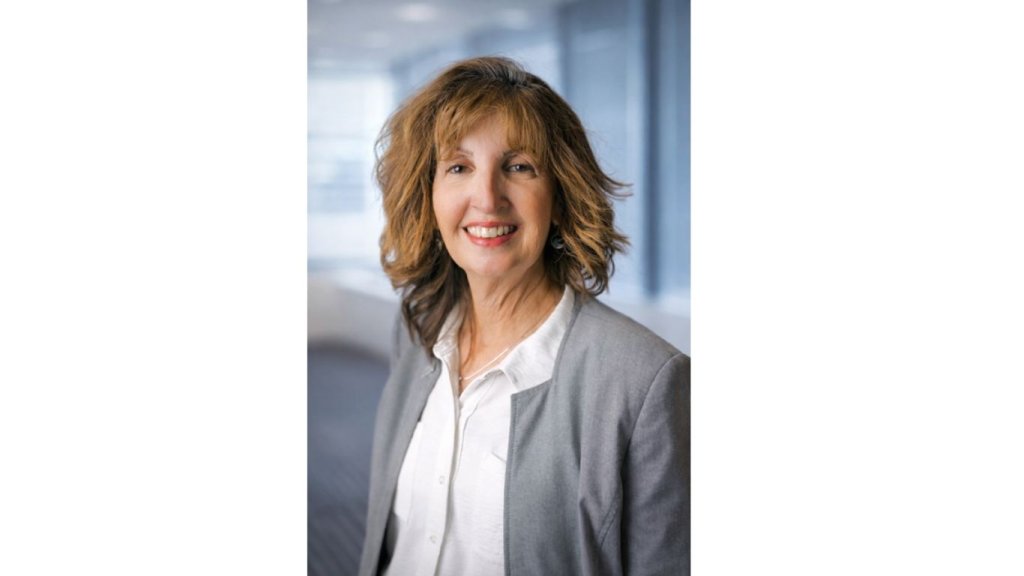
The CPP consortium has been working hard to accelerate the discovery of new Parkinson’s disease treatments for over a decade and recently published its achievements so far in its 10-year Impact report.
“The pipeline of novel treatments in drug development now is at an all-time high,” says Diane.
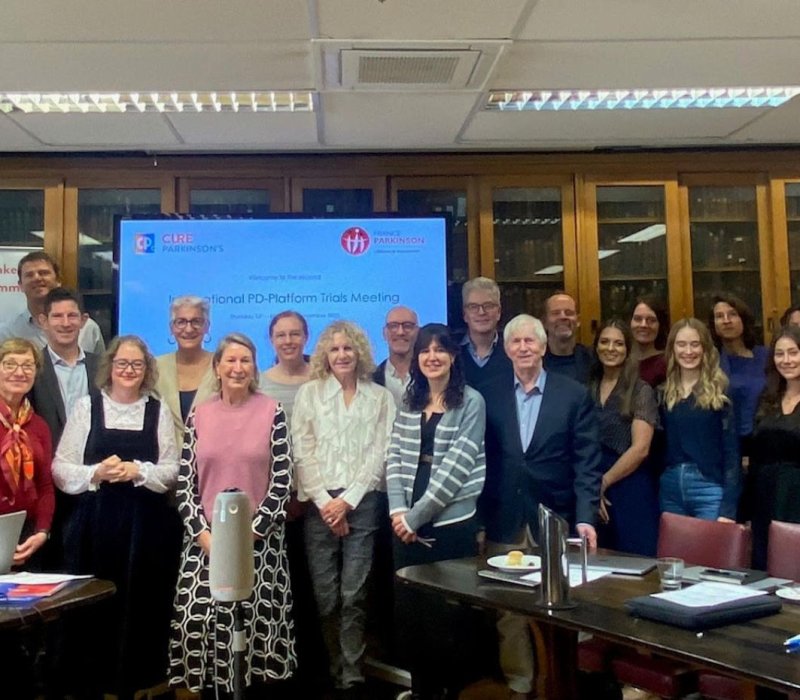
The CPP consortium is a team effort, being made up of three US government agencies, six UK universities, seven biotechnology companies, nine pharmaceutical companies, and nine non-profit organisations including Parkinson’s Europe, Parkinson’s UK, The Michael J. Fox Foundation, Cure Parkinson’s – all with a shared goal of developing new Parkinson’s disease treatments.
Led by the Critical Path Institute, a non-profit organisation dedicated to improving drug development for all kinds of conditions, the CPP works closely with regulating bodies, the US Food and Drug Administration (FDA) and the European Medicines Agency (EMA).
In this article, we speak to Diane, who has spent 35 years working in the Parkinson’s field, as we take a look at the organisation’s achievements so far, including its pivotal progress on biomarkers, the sharing of data from previous clinical trials, and making sure that new clinical trials prioritise the needs of people with Parkinson’s first and foremost.
We also speak to Claire Bale, Associate Director of Research at Parkinson’s UK, which helped set up the CPP. Gary Boyle, Vice President of Parkinson’s Europe, who is a member of the CPP’s Patient Advisory Council, lends his vital perspective of those with lived experiences of Parkinson’s, plus we include insights from Amelia Hursey, Parkinson’s Europe’s Strategic Director.
Setting up the CPP
Parkinson’s UK helped set up the CPP in 2015, with an aim to maximise learnings from data collected during previous Parkinson’s clinical trials.
Claire, who is also a board member at Parkinson’s Europe, says: “Our ambition was to create a collaborative global movement to improve clinical trials for Parkinson’s and speed up the development of new treatments.
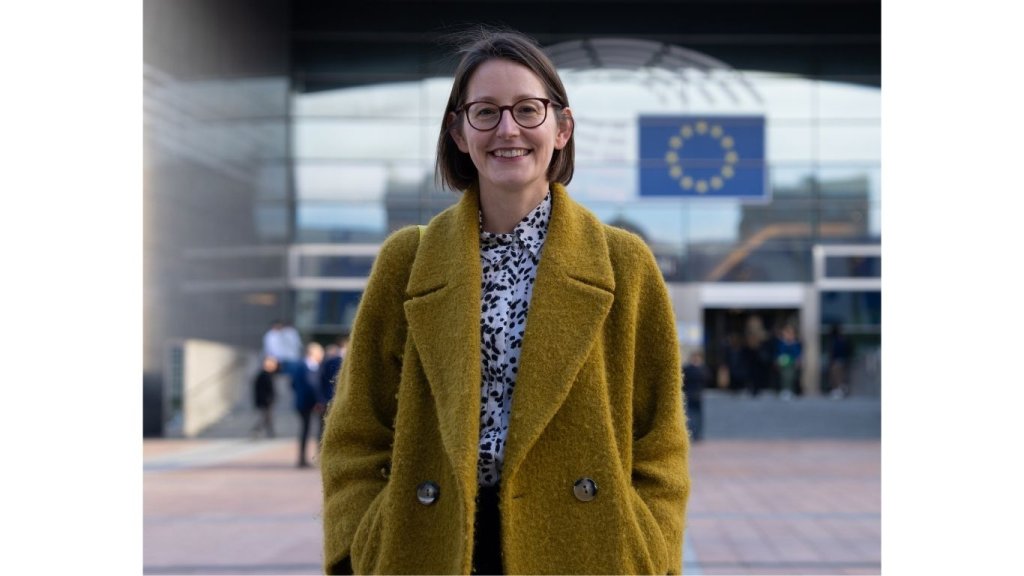
“Before CPP existed, there was no forum for industry, academia and non-profits to work together and share data in this way and we didn’t know if it would work. So the fact that 10 years on, we have 16 industry partners and nine non-profits involved and all committed to working together collaboratively to advance Parkinson’s research is amazing.”
The importance of data-sharing
That initial intention to share data to improve Parkinson’s research has been realised with the Global CPP Integrated Parkinson’s Database. It includes nearly 16,000 patient records from 26 observational studies and clinical trials conducted over the past 30 years. It’s available to academic, industry and global researchers to maximise learnings from ongoing and historic data tools and models and has been accessed by more than 100 users at over 40 organisations in more than 13 countries. It enables researchers to extract subsets of patient-level data to develop disease progression models and simulate clinical trials, thereby improving their design.
“We spent quite a lot of time over many years bringing a lot of data together,” says Diane, who adds that even though this has been sourced from failed trials, their findings still bring the discovery of new Parkinson’s disease treatments closer. “I think patients don’t understand that if they go into a trial and it fails, of course they’re sad and disappointed, but they’re not learning that that information, even if the trial failed, is helping us optimise and make the best chance of success in future trials.”
In the future, the CPP hopes to use the database to develop a data analytics platform and a clinical trial simulation tool to promote data-sharing across organisations and speed the development of new treatments for Parkinson’s disease.
A big step forwards: biomarkers
The database has been pivotal in bringing about progress in the field of biomarkers (where the presence of a disease is detected in biological materials, such as a blood sample) for Parkinson’s. This enables more suitable people to be identified to take part in clinical trials for potential new Parkinson’s disease treatments, which should improve outcomes.
“The kinds of questions that we have posed with this database include better biomarkers,” says Diane. “So why is it that 20% of people in clinical trials didn’t even have loss of dopamine? We found that later, based on data, that a number of people who were put in trials didn’t even have dopamine deficiency because [the companies] weren’t using the DaT [dopamine transporter scan] biomarker to select the patients.”
In the above case, the CPP went to the regulators, which imposed new rules for companies running clinical trials to test potential participants for that biomarker.
“Now, pretty much every company [conducting a trial] has to do that. Otherwise, no drug will work if a fifth of your patient population doesn’t have the disease,” says Diane.
One of CPP’s biggest achievements is the alpha-synuclein seeding assay biomarker, which detects Parkinson’s to a high degree of accuracy.
“We understand now that there are different subtypes of Parkinson’s, and not everybody might have synuclein,” says Diane. “So if you don’t know that, how do you know if your drug’s going to work or not, if you don’t understand the underlying patient?”
Claire from Parkinson’s UK applauds this milestone, saying: “Thanks to CPP, we now have a biomarker – the alpha-synuclein seeding assay – that regulators agree can be used to help select the right patients to take part in clinical trials of new Parkinson’s therapies.
“That’s really transformational because we know that up until now, we’ve been unable to select the right people for trials and that is a massive reason why we don’t yet have disease-modifying treatments for Parkinson’s.”
New Parkinson’s disease treatments
Diane is upbeat about other developments in Parkinson’s research too.
Asked about stem cell research for Parkinson’s, she says she is “cautiously optimistic”. While she shares that this area has “tremendous potential”, she thinks that there isn’t yet “robust and reliable” data to show that stem cell treatment will be beneficial. “Most of [the stem cell treatments] are directed at dopamine and increasing dopamine, which is only one facet of the disease, and it might not affect the psychiatric symptoms and non-motor [symptoms] and cognition and everything else,” she says.
She is more positive about disease-modifying therapies – treatments that would slow the progress of the condition. These are the focus of over half of the 150 or so current targets in Parkinson’s research, she says.
“We now understand a lot more about Parkinson’s and the research and the data, and what we’re doing at Critical Path Institute is really helping inform what are those home-run targets that would halt, slow, or even reverse the progression of Parkinson’s disease?
“There’s enough momentum and energy that in the next five years, we should have disease-modifying treatments approved,” she says.
Expanding on this, she says: “One of the reasons I feel so much promise is the disease-modifying therapies that are in the pipeline now are primarily aimed at halting progression, but some of the targets are pretty amazing, and even having potential for regenerative function, improved function over time, especially gene-based therapies or cell-based therapies; they’re making incredible progress with those.”
In order to move closer to developing a successful disease-modifying treatment, Claire highlights the need for regulator-approved biomarkers that can accurately measure the progression of Parkinson’s in clinical trials, instead of relying on clinical assessments to monitor this, as happens now.
“What we really need is biological tests that can tell us how treatments are affecting the progress of the disease, coupled with digital biomarkers which use data from wearable devices to give a much more complete and objective picture of how the condition is affecting the person’s daily life. If we can crack that in the coming decade, then we really will have the tools we need to deliver disease-modifying therapies for Parkinson’s.”
The challenges of research
When explaining the challenges of Parkinson’s research, Diane focuses on the condition’s multiple causes and numerous symptoms.
“The difficult thing is, it’s not caused by one thing, and different molecular features happen at different stages of the disease. So there’s not a single magic bullet. Dopamine helps in certain things, but definitely not all things, and the symptom domains are so complex that we need a well-defined and data-driven solution that’s really focused on what’s important to patients, because all we do is focused on the voice of patients. If we don’t listen to patients that tell us that the non-motor symptoms are even more bothersome than the motor symptoms, we are going to continue to come up with the same old therapies, and that’s not what patients need.”
Listening to people with Parkinson’s
Finding out what patients need and want is the focus of the CPP’s Patient Advisory Council, which was set up in 2023 to ensure that clinical trials are planned with the best outcomes for people with Parkinson’s in mind.
“We started the Patient Advisory Council at a time where the regulatory agencies we work closely with, the FDA and the EMA, told us that in order to come up with optimised outcome measures, digital tools and technologies, rather than just taking a data-driven approach, we need to make sure that everything we do is centred around what patients need,” says Diane.
One of the CPP’s milestone achievements, the council is a partnership between 11 people with lived experience of Parkinson’s and eight non-profit organisations, including Parkinson’s Europe, which played a part in shaping the council’s role and putting people forward to be part of it.
“Having a seat at the CPP table is so much more than just having a ‘foot in the door’ for the Patient Advisory Council,” says Gary. “It provides a real opportunity to give input, submit ideas, and really become a key player in CPP’s overall strategy.”
As a person with Parkinson’s, he says the importance of the CPP listening to the voices of the community “cannot be over-estimated”. “Without doubt our richest source of input, commentary and feedback comes from those who live this reality, day in, day out. To exclude or to diminish the importance of what people living with Parkinson’s are saying to us would simply mean that any and all of our work would be extremely compromised. We cannot seriously expect to develop a winning strategy if the very people we are designing for are ignored and forgotten.”

Amelia explains that it was crucial for European Parkinson’s voices to be heard on the Patient Advisory Council so that the priorities of the European Parkinson’s community are built into all future programmes. “The needs and wants of the Parkinson’s community in Europe are unique and are often missed from research conversations, which are predominantly conducted in English,” she says.

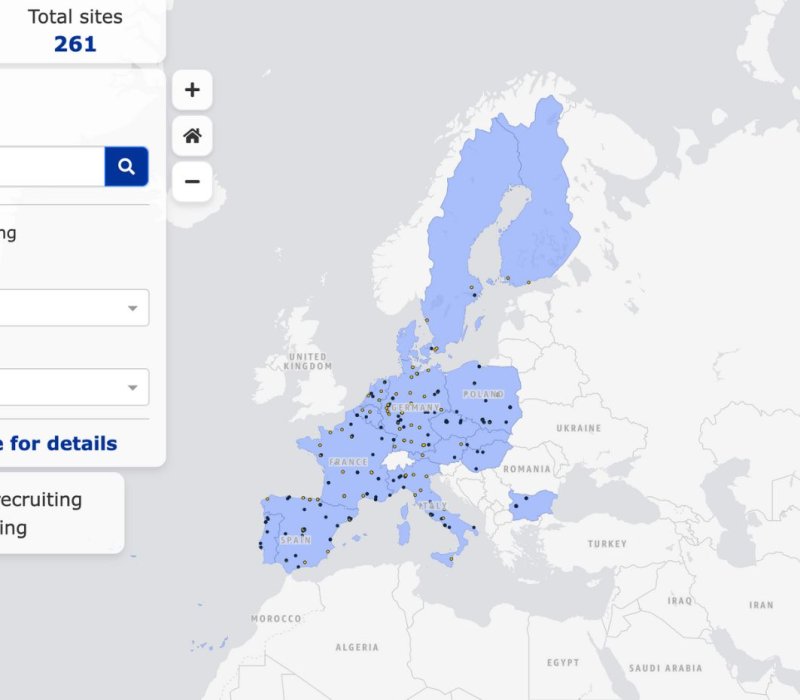
The result is that representation on the Patient Advisory Council is diverse, with its members spanning the US, Canada, and the UK as well as Europe.
CPP achievements
Another way in which the CPP has improved Parkinson’s research is its championing of the use of digital health technologies in Parkinson’s clinical trials, under its Digital Drug Development Tools Initiative (3DT), which it launched in 2018.
Part of this is what Diane calls the CPP’s flagship project, WATCH PD, a study which used Apple watches and iPhones to monitor people’s Parkinson’s symptoms early on in the disease, including a custom-developed iPhone app and sensors on the limbs to monitor symptoms hourly over a period of 12 months. Although results of the initial study were published in 2024, proving that this digital data was more reliable in monitoring Parkinson’s symptoms than traditional clinical observations, the study has now been extended to gather 60 months of data.
A bright future
Looking ahead, to a year’s time, Diane hopes to have made more progress in another CPP project, GEM-PD. Launched in 2025, this project aims to advance treatment for women with Parkinson’s.
“My dream in a year is that we get much more advocacy, visibility and more data that will help us understand how is Parkinson’s different in women? That isn’t just a paper saying yes, Parkinson’s is different, with data, but how do we get change to really happen. How do we get them enrolled in more trials? How do we meet their needs? Because Parkinson’s in women is not the same as in men.”
Casting her eye forwards to CPP goals for five years’ time, Diane draws on the success of the CPP in collecting and sharing data. She hopes that the speed and legal obstacles around data-sharing between companies will have improved in five years’ time, and that more data will be shared. “We want the biomarkers. We want the exploratory measures. We want the digital data. We want the genetic data, and that’s usually not shared.”
She also wants companies to share samples but acknowledges that this is a long way off. “It’s absolutely crazy to me that patients give CSF [cerebrospinal fluid] and plasma, and then it’s hidden away in individual companies, in a freezer, and no one ever gets to use it. The biomarkers are advancing so fast right now, that sample stored away can be gold mines to tell us, hey, maybe that drug would have worked if you used it in these people. Or, how can this biomarker help us in the next trial?
“It’s one thing to share data, but if we can share samples, I think that’ll take us into a whole new league.”
Finding new Parkinson’s disease treatments is part of the battle against Parkinson’s but work also needs to be done to prevent the condition and reduce its rising occurrence. Diane discusses the environmental factors that contribute to the disease and acknowledges that new data about prevention needs to be collected.
“We have a lot of data, but none of it does things like how far away from a golf course do you live? We need to reevaluate the whole concept of environment for prevention, basically.”
Needless to say, the future of Parkinson’s research is looking bright. “I do feel extremely optimistic about the progress that is happening,” says Diane.
Find out more about Parkinson’s research