
Although you may become less mobile as your Parkinson’s progresses, there are many things you can do to make getting around as easy as possible.
Driving
Many people with Parkinson’s are understandably concerned about whether their condition will affect their ability to drive – and the answer is: it depends.
Although some people find that driving is affected by their symptoms and the medication they take, many others continue to drive safely for years after diagnosis – it’s best to ask your doctor for advice.
Legal obligations, insurance and tax
Every country’s driving laws are different, but some common health-related guidelines you’ll likely have to comply with are:
- Notify your national driver and vehicle licensing body that you have Parkinson’s. You might need to ask your doctor for a ‘fit to drive’ check or take a new driving test.
- Inform your car insurance company. In most cases failure to do so will invalidate your cover, and may also be illegal. Unfortunately, many insurance companies will increase the cost of your policy – your local Parkinson’s organisation may have some recommended insurance companies.
- Report any changes in your driving ability to the driver and vehicle licensing body and your insurance company. This includes experiencing drowsiness as a side effect of your medication. If you have any doubts, stop driving and consult your doctor.
What help is available to drivers with Parkinson’s?
This varies from country to country, but may include:
- A free vehicle tax disc if you receive certain health-related benefits
- Funding for car adaptations or buying a more suitable vehicle if you receive certain state benefits
- Parking concessions, usually a variation of the EU Model Parking Card for People with Disabilities (i.e the Blue Badge)
- Specialised driving and mobility centres where you can be assessed, find information and try out equipment.
How can I help myself?
There are various car modifications or specialised vehicles you can try, for instance:
- cars that are easier to drive and have been designed to suit people with disabilities
- cars that provide more space so that you can manoeuvre yourself in and out more easily
- power steering
- an automatic gearbox
- other automatic functions, e.g. electric windows and automated windscreen wipers
- swivel seats or sitting on a sheet of plastic to make it easier to get in and out of your car
- door handles that are simple to open
- hand controls or aids to make steering, braking or acceleration
Always take a mobile phone with you when you drive, so you can call for assistance if you get into difficulties or have an accident.
Further advice
The World Parkinson’s Program Driving Brochure is available in 14 languages
Travel tips
People with Parkinson’s and their carers do, of course, travel – both for pleasure and business. If you’re planning a trip, there’s plenty of useful tips here to help you have a successful journey.
Important
The Parkinson’s Passport
Our handy Parkinson’s Passport is a downloadable booklet to take with you on your travels to show others what support you may require on your journey, from accessibility requirements at your hotel or airport to details of your medication and emergency contact information.
General Parkinson’s travel tips
- Plan your journey to allow plenty of stops to stretch and use the toilet.
- Have a restful day before travelling and after you have arrived.
- Before arrival, identify where the nearest hospital and pharmacy are. You could also ask your doctor if she/he knows of a doctor or neurologist where you are staying in case of an unlikely emergency.
- If you are rather immobile or disabled, take a letter from your doctor stating that you are fit to travel and detailing your medication. The Parkinson’s Passport can help you explain your situation.
- Do not try to do too much each day. Allow time for rest and have a flexible schedule.
- Remember that everyday tasks, such as dressing and eating, may take longer away from your usual surroundings.
Medication travel tips
- Carry water for when you take your medication and to keep you hydrated.
- Ensure that you have plenty of medication – we recommend taking enough for at least three days more than your trip – and include some in your hand luggage and the luggage of anyone you’re travelling with in case you lose your hold luggage.
- For security reasons, always keep medication in its original container.
- Take spare prescriptions, health insurance policy numbers and a list of contact numbers for family, your doctor and anyone looking after your home. Useful contacts can be listed within the Parkinson’s Passport
- Take a letter from your doctor stating you have Parkinson’s and the medication you take, in case airport security questions the quantity of medicines you are carrying.
- Check with the embassy of the country you are visiting for regulations concerning medication you need to take with you – especially if you’re taking several weeks’ supply, as this may need a personal licence.
- If you need to travel with a syringe, check with the airline whether you need special permission for this
- If travelling within the European Economic Area, take a European Health Insurance Card (EHIC). This covers medical treatment you may need whilst in EU countries as well as Iceland, Norway, Liechtenstein and Switzerland. Important! An EHIC card is not an alternative to travel insurance so make sure you have both!
- If you are considering going abroad for planned treatment, be sure to check the necessary information on cross-border healthcare.
- As some medications are known by different names in other countries, it is a good idea to check the local names of the medications you use before travelling.
- Remember to carry spare prescriptions with you.
- If vaccinations are recommended check with your doctor that these are compatible with your Parkinson’s medications.
- If travelling between time zones, plan in advance how you will adapt your medication so you don’t have to work this out when you are tired from travelling.
- Exposing some medications to extreme heat can reduce their effectiveness so store them in a cool place – a small cool bag can be useful when you’re out and about.
Insurance travel tips
- Arrange travel insurance well in advance so you’re covered if you are too unwell to travel on the planned day.
- Check any insurance policy carefully as some illnesses may not be covered – and shop around for a good deal (but make sure any deal has the level of cover you need).
- Check if any disability aids or equipment are covered under your policy.
Accommodation travel tips
- When booking, make sure each company you use or book with is aware that you have Parkinson’s, so that you can arrange special requirements such as a ground floor room, a room near to a lift or a specially adapted bathroom.
- Get written confirmation of any specific facilities or accommodation you have booked.
- Check dining facilities to see if meals are included; for example, if you will be served buffet meals that require you to carry a tray.
Public transport travel tips
- If travelling by plane, train, coach or ship, make sure the company knows that you have Parkinson’s, particularly if you have mobility problems.
- Pre-book any assistance you may need at the airport – such as a wheelchair or help with your luggage – to avoid long walks or waiting in queues.
- Check in early – this may be possible to do online up to 24 hours in advance. Request an aisle seat if your mobility is difficult.
- Investigate public transport and parking facilities where you are going to avoid problems on arrival.
Relocating abroad
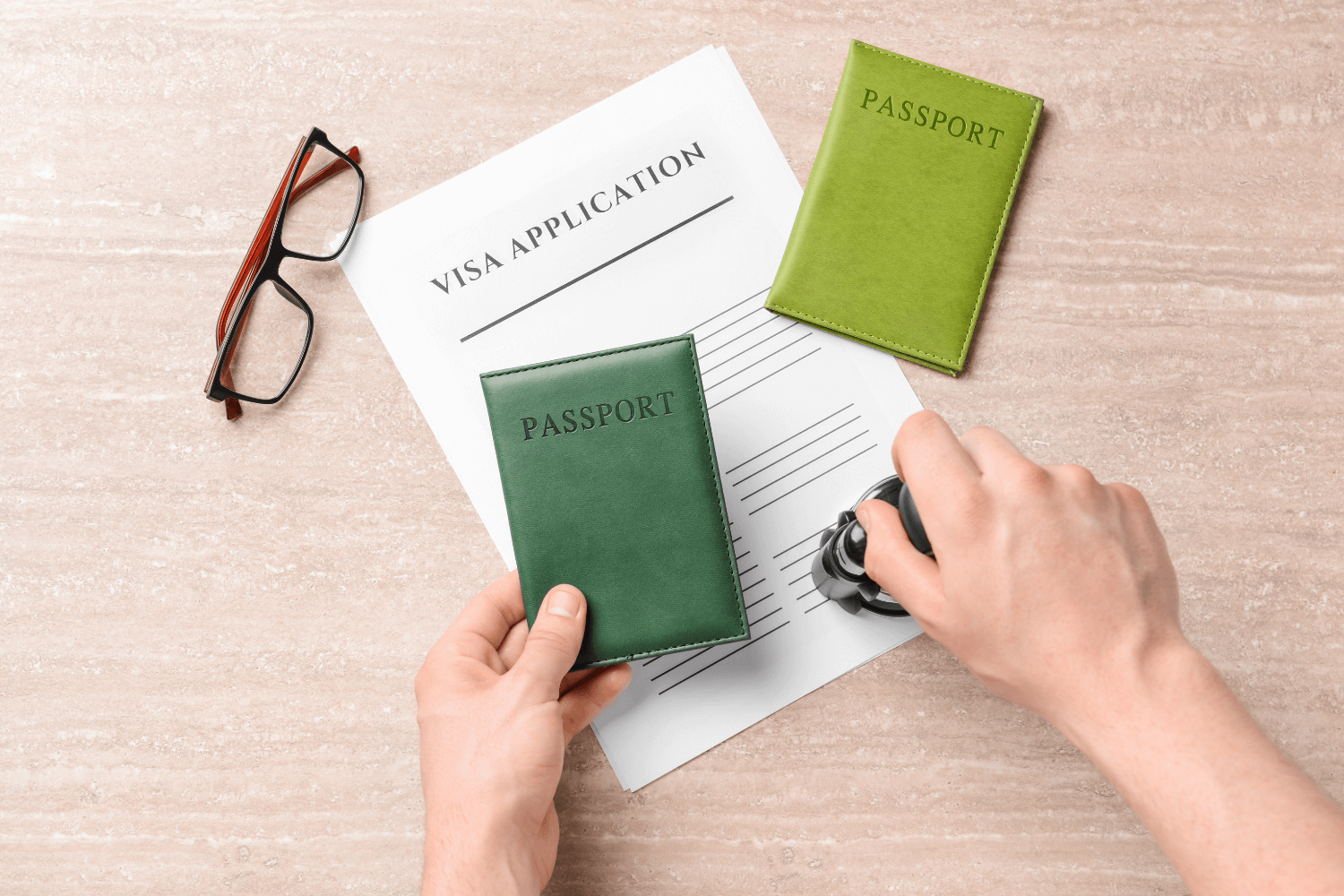
If you’re thinking about moving to a new country, there’s plenty to consider, so plan well in advance.
Key information to research about your new country:
- The country’s embassy
- Government departments for foreign affairs, health, pensions and social security
- Parkinson’s organisations – they can advise you on national and local health services
- Disability organisations in your country that can provide advice on relocating
- Expatriate organisations and websites (ask the consul in your new country for details)
- Laws around immigration such as resident permits and visas
Health and social care questions to answer:
- How is healthcare funded – will you need to pay for healthcare or take out insurance?
- How much does medication cost?
- What Parkinson’s-related health services are there? This varies from country to country
- How far will you need to travel to access the healthcare you need, or may need in future?
- Do you know enough of the local language to be able to communicate your needs in a medical emergency?
Financial and legal matters to consider include:
- Could you cope financially if your circumstances changed, for instance if you were no longer able to work?
- Are you entitled to social care benefits?
- Are your pension rights transferable?
- Will you need to pay for adaptations to your new home?
- Are there driving rules for people with Parkinson’s, and is your driving licence still valid in your new country?
It’s also useful to consider what would happen if you chose to move back to your home country after relocating – you may no longer be automatically entitled to certain healthcare, tax, pension or social care benefits.