Skip to content
  • Facebook
  • Instagram
  • LinkedIn
  • Youtube
  • BlueSky
  • Threads
Log in
Search Donate
  • About Parkinson’s
    • Understanding Parkinson’s
      • What is Parkinson’s?
      • Types of Parkinson’s
      • Causes of Parkinson’s
    • Signs and symptoms
      • Symptoms of Parkinson’s
      • Diagnosis
      • Genetic testing for Parkinson’s disease
    • Facts and figures
      • Parkinson’s statistics
      • Research paper directory
      • Our latest insights
    • Supernav Block 1

      Latest Parkinson's news

      Stay up to date with the latest news stories about Parkinson's over on Parkinson's Life, our online magazine

      Learn more

  • Information and support
    • I have Parkinson’s
      • Newly diagnosed
      • Treatment
      • Complementary therapies
      • Self-help and living well
      • Research
      • Advanced stages of Parkinson’s
    • I am a carer
      • Carer advice and support
      • Carer self-care
      • Planning ahead
    • I am a professional
      • What patients want
      • Resources for healthcare professionals
      • Share your work with the Engagement Network
      • Research Strategy
    • Supernav Block 2

      Self-help and living well

      Find advice on a range of topics to help you live life to the full, from diet and exercise to travel, work, sleep, relationships and leisure activities.

      Learn more

  • About us
    • Who we are
      • Our history
      • Our members
      • Our partners
      • Governance
      • Meet the team
    • What we do
      • Our mission, vision and goals
      • How we are funded
      • Our impact
    • Our work
      • Parkinson’s Europe strategy 2025-2028
      • Defining the impact of Parkinson’s in Europe
      • Helping the European Parkinson’s community grow stronger together
      • Ensuring the voice of the European Parkinson’s community is heard
      • Latest news and updates
    • Supernav Block 3

      Parkinson's Engagement Network

      Join our Engagement Network and be the first to receive opportunities tailored to your interests direct to your inbox

      Learn more

  • Get involved
    • Connect with us
      • Join our Engagement Network
      • Sign up for our newsletter
      • Become a member
      • Contact us
    • Support us
      • Donate
      • Sponsorship and partnership
    • Campaigns
      • World Parkinson’s Day 2026
      • Disease-Modifying Therapy: a new way to slow the progression of Parkinson’s?
      • Parkinson’s treatments when medication becomes less effective
      • Welcome in the Workplace: Parkinson’s and your rights at work
      • Sign our pledge for improved healthcare services for people with Parkinson’s in Europe
      • Advocacy
      • Past campaigns
    • Supernav Block 4

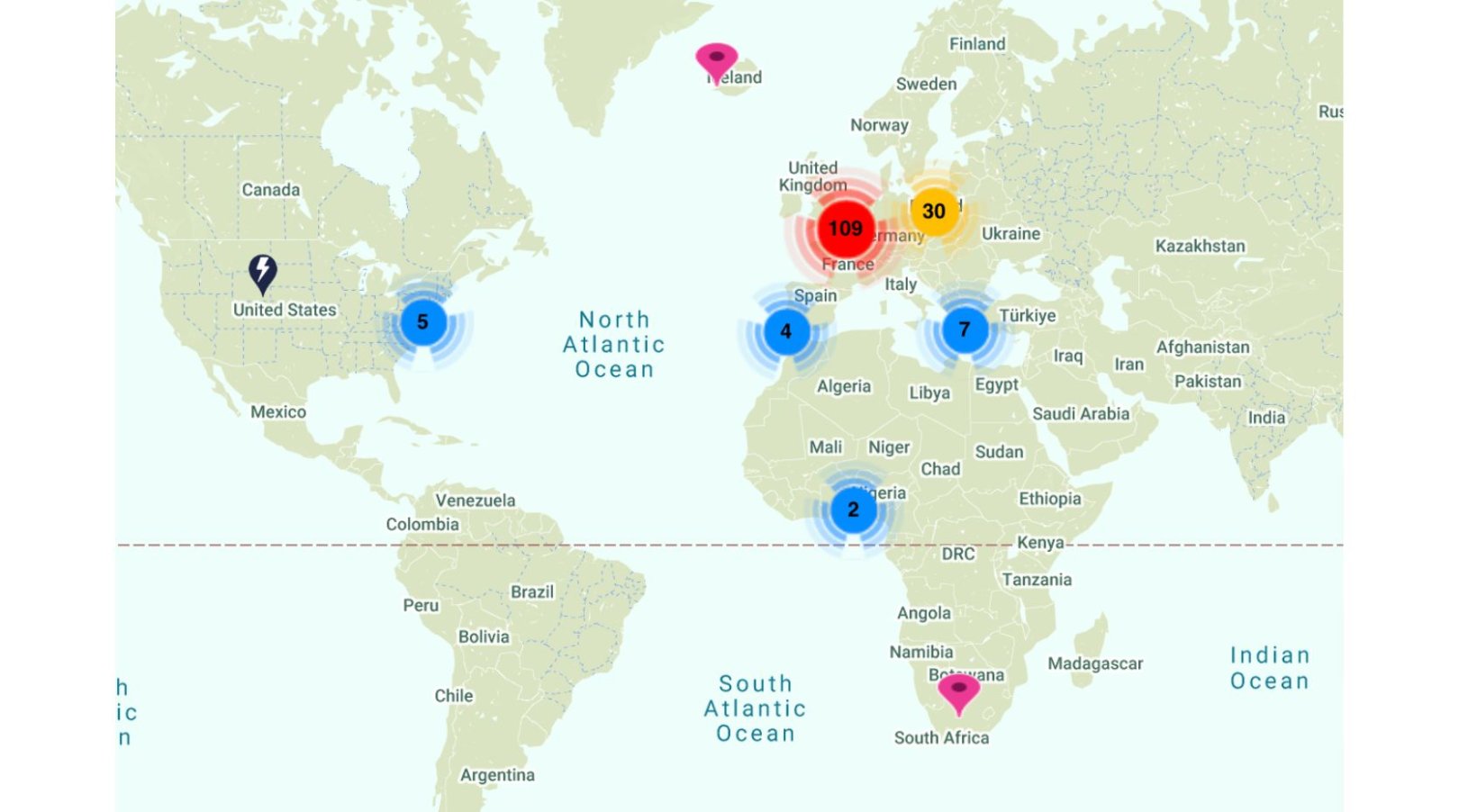
      Find events near you

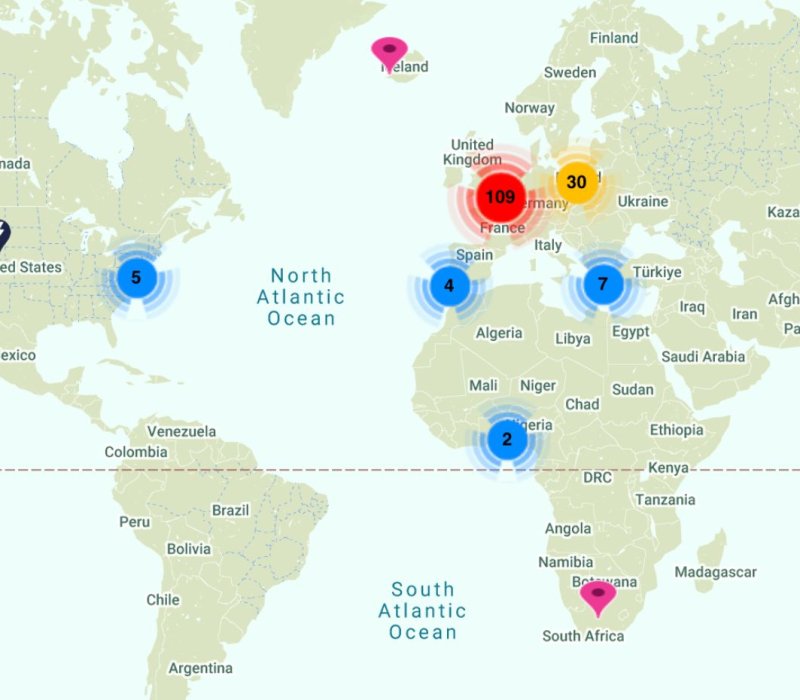
      Our interactive Parkinson's map shows a range of resources across Europe, from member organisations to events, activity groups to research and campaigns

      Learn more

  • Parkinson’s Life
  • In your country
Search Donate

Home

European MEPs support Parkinson’s Europe’s call for better Parkinson’s care

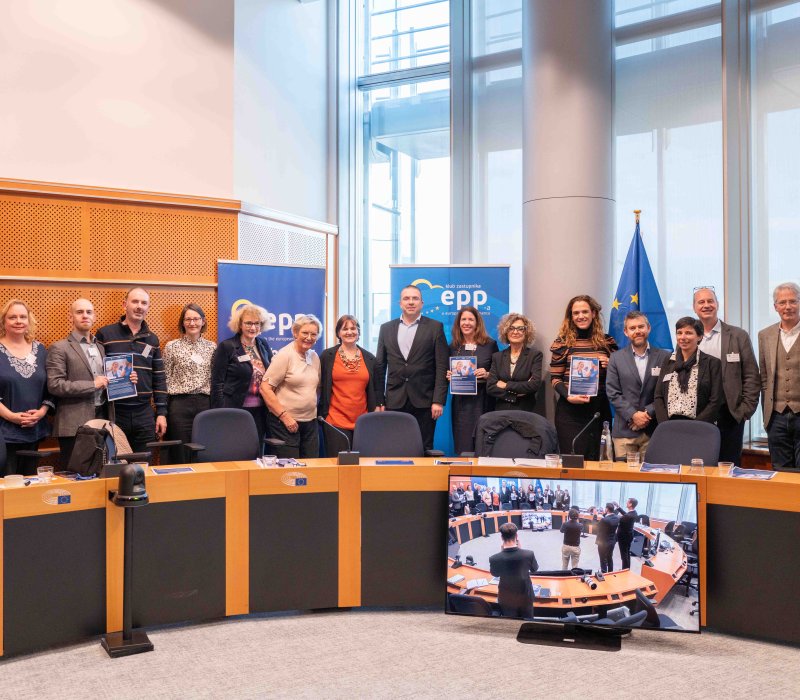
MEP Sirpa Pietikäinen and MEP Tomislav Sokol have added their voices to Parkinson’s Europe’s joint call to action, asking for better healthcare on World Parkinson’s Day 2026  
10 April 2026 By Verity Willcocks
News advocacyWorld Parkinson’s Day
European MEPs support Parkinson’s Europe’s call for better Parkinson’s care

As we mark World Parkinson’s Day 2026, two Members of the European Parliament, MEP Sirpa Pietikäinen and MEP Tomislav Sokol have raised their voices in support of Parkinson’s Europe’s joint call to action for improved healthcare services for people with Parkinson’s in Europe.

Launched on World Movement Disorders Day in November 2024, the call to action was the result of a collaboration between Parkinson’s Europe, the European Federation of Neurological Associations, the International Parkinson and Movement Disorder Society and pharmaceutical company AbbVie.

It defined three areas for urgent improvement: the recruitment and retention of doctors, nurses and allied healthcare professionals who treat people living with Parkinson’s; the establishment of the professional profile of neurodegenerative nurses in all European healthcare systems; and the prioritisation of the adoption of innovative therapies and technologies to optimise timely access to care and supporting efficient and sustainable healthcare systems, notably in remote geographical areas.

Both MEPs outlined why they are backing Parkinson’s Europe’s joint call to action campaign.

In a statement he gave to Parkinson’s Europe, MEP Sokol, from Croatia, who belongs to the European People’s Party (EPP), said: “I support Parkinson’s Europe and this joint call to action because Parkinson’s is the fastest-growing neurological disorder and Europe needs a more coherent approach to improve care.”

MEP Pietikäinen, from Finland, who is also a member of the EPP, told Parkinson’s Europe: “We need better awareness, more effective joint action, and more EU [action] to combat, [find a] cure and help the lives of people with Parkinson’s.”

Both MEPs were united on the need to recruit more healthcare professionals. Asked what the EU needs to do to ‘close the care gap’, MEP Pietikäinen told Parkinson’s Europe: “More healthcare professionals: doctors, nurses, and other professionals to improve the accessibility and quality of the care.”

MEP Sokol spoke of “addressing shortages in the healthcare workforce, strengthening the role of specialised neurodegenerative nurses, and improving access to innovation, modern care pathways and clinical trials, particularly in smaller Member States and in hard-to-reach areas.”

Both MEPs also stressed the need for medications to be accessible for all people with Parkinson’s in Europe as some people with the condition are denied access to certain medications because there aren’t enough specialised healthcare staff to administer them.

MEP Pietikäinen, who has previously spoken about the importance of increasing EU collaboration in the research, development, purchase and storage of medicines, said that Europe needs to act as one to achieve “stronger competence in health”.

She added: “We also need to acknowledge, identify and establish the neurodegenerative nurse qualification in all member states and improve the use of innovative treatments and technologies.”

For his part, MEP Sokol spoke of “reducing inequalities in access to medicines and treatment across the European Union, while supporting research and innovation.”

He also mentioned that progress is now being made in the above area, while outlining the need for a Europe-wide strategy for neurological conditions.

“Important work in this direction is already underway through initiatives such as the recent SANT Committee hearing on brain health, which highlighted the growing burden of neurological diseases and the need for a stronger European policy response. More broadly, Europe needs a strategy for brain health, with due attention to Parkinson’s disease, so that patients with Parkinson’s are not left behind.”

Finally, MEP Sokol acknowledged that the European Parliament has a crucial part to play in helping to bring about the change that is needed.

“The European Parliament has a clear role in keeping these issues high on the European agenda and supporting a coherent European approach that delivers practical improvements for people living with Parkinson’s.”

Parkinson’s Europe’s joint call to action has also been endorsed by 11 national Parkinson’s organisations. You can join them in calling for better healthcare for people with Parkinson’s here.

Read More

World Parkinson's Day 2026
Podcasts
08 April 2026

Podcast: World Parkinson’s Day 2026

Our special World Parkinson's Day 2026 podcast shines a light on Parkinson's nurses and the big difference they can make...
Read More
News
01 April 2026

World Parkinson’s Day 2026: what’s happening near you

Every year, the global Parkinson’s community comes together in solidarity to celebrate World Parkinson’s Day on 11 April. Wherever you...
Read More
EU will “do our part” to improve Parkinson's healthcare, says MEP
News
01 December 2025

EU will “do our part” to improve healthcare for people with Parkinson’s in Europe, says MEP

In an important meeting with the Parkinson’s Europe board on 5 November, Croatian MEP Tomislav Sokol brought hope to the...
Read More
Home

Podcast: World Parkinson’s Day 2026

Our World Parkinson's Day 2026 podcast shines a light on Parkinson's nurses and the big difference they can make to people with Parkinson's.
08 April 2026 By Laura Vickers-Green
Podcasts podcastsWorld Parkinson’s Day
Podcast: World Parkinson’s Day 2026

In this special World Parkinson’s Day 2026 episode of the Parkinson’s Life podcast, we’re shining a light on Parkinson’s nurses, and the enormous difference they can make to the lives of people living with the condition.

Listen below:

“A doctor wants to make us better. But patients want to feel good too.”

Parkinson’s nurses are sign-posters, counsellors, prescribers and researchers. But across Europe, access to this vital role is far from consistent.

To explore what that gap really means, we hear from Karen Lumey, who has lived with Parkinson’s for 14 years in the Netherlands, and her Parkinson’s nurse, Friedhelm Chmell, based in Germany.

Their relationship offers a vivid picture of what good, accessible care looks like.

We also hear from Massimiliano Iachini, who was diagnosed in Turin, Italy, almost 20 years ago and has never had access to a Parkinson’s nurse. For him, the prospect of having one remains, in his own words, “something like a dream.”

How does this relate to World Parkinson’s Day 2026?

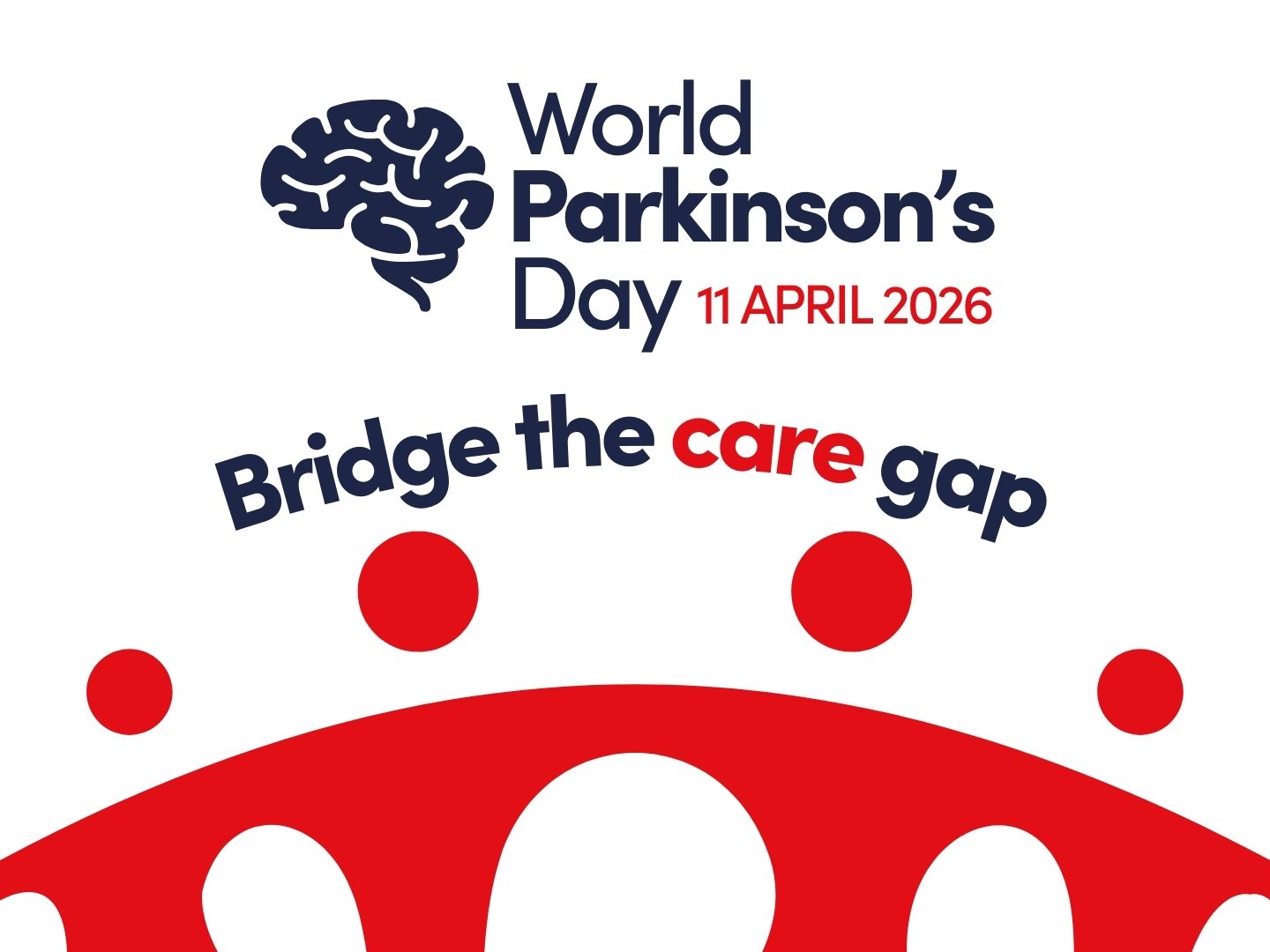
Their stories, like so many others, are the driving force behind Parkinson’s Europe’s World Parkinson’s Day 2026 campaign: bridging the care gap.

We look at why care is so inconsistent across Europe, what the latest research tells us about the impact Parkinson’s nurses have on health outcomes, and what needs to happen at a European policy level to change things.

Find out more about World Parkinson’s Day 2026 and sign our campaign pledge!

Meet your hosts

Amelia Hursey is Strategic Director at Parkinson’s Europe. She has a Master’s in cognitive neuropsychology and has been involved in the neurodegenerative research world for 15 years.

Anthony Zahra is a broadcaster and journalist with more than 20 years’ experience in radio, digital and podcasting.

Listen to the full episode on Spotify, or on your podcast provider of choice. If you like what you’ve heard, please rate and review – it helps make sure others can find us.

Explore more of our Parkinson’s Life podcasts, with episodes covering Parkinson’s research, how to deal with “off” periods, sex and intimacy in Parkinson’s, and genetics and Parkinson’s. Never miss an episode by subscribing to the Parkinson’s Life podcast on Spotify, Apple Music, or your streaming service of choice.

Read More

International Women's Day 2026 podcast
Podcasts
07 March 2026 Sponsored by Merz Therapeutics GmbH

Podcast: Women and Parkinson’s – closing the gender gap

This special podcast episode for International Women’s Day 2026 explores the unique experiences of women with Parkinson’s
Read More
Parkinson's Life podcast interviews person with Parkinson's Rita about Parkinson's, Michael J Fox Foundation's J Solle and Parkinson's UK's David Dexter about genetics
Podcasts
13 October 2025

Podcast: Understanding Parkinson’s and genetics

In this episode of the Parkinson’s Life podcast, we are exploring the world of genetics. Including the role it plays...
Read More
Philippe Boccon-Gibod, Amelia Hursey and Kate Trenam discuss disease-modifying therapy treatments on Parkinson's Life podcast
Podcasts
12 December 2024

Podcast: exploring disease modifying therapies for Parkinson’s

The Parkinson’s Life podcast looks at what Disease Modifying Therapies for Parkinson's could mean for people with Parkinson’s
Read More
Home

“Art means the world to me”: artists with Parkinson’s discuss creativity after Deep Brain Stimulation treatment

As an exhibition of their works opens online, a group of painters with Parkinson's reveal the effect Deep Brain Stimulation (DBS) treatment has had on their artistic abilities
02 April 2026 By Verity Willcocks Sponsored by Abbott
Stories artart exhibitionsponsored
“Art means the world to me”: artists with Parkinson’s discuss creativity after Deep Brain Stimulation treatment
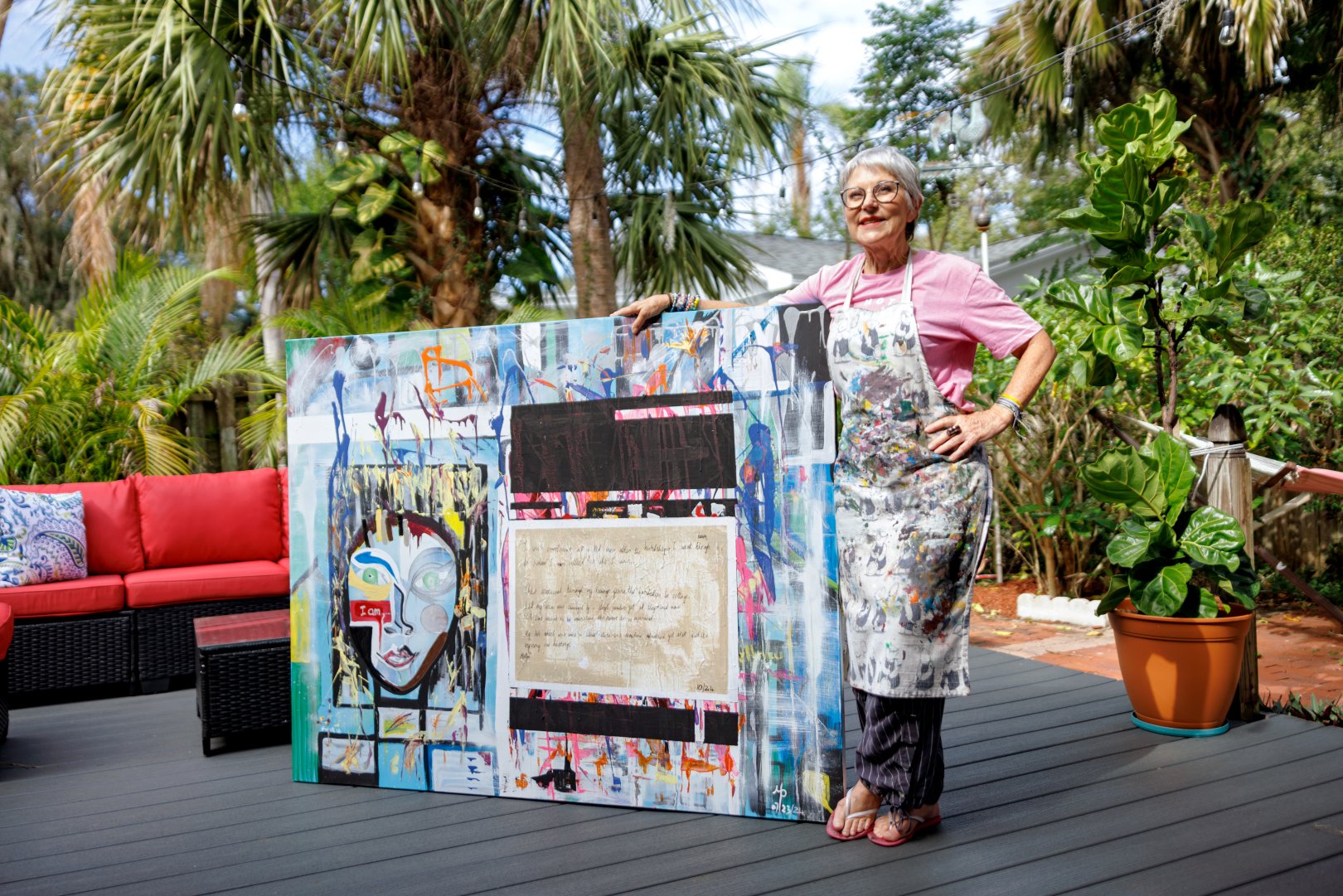
Margie Burns-Kohn, a professional artist from Florida, who was diagnosed with Parkinson's in 2015

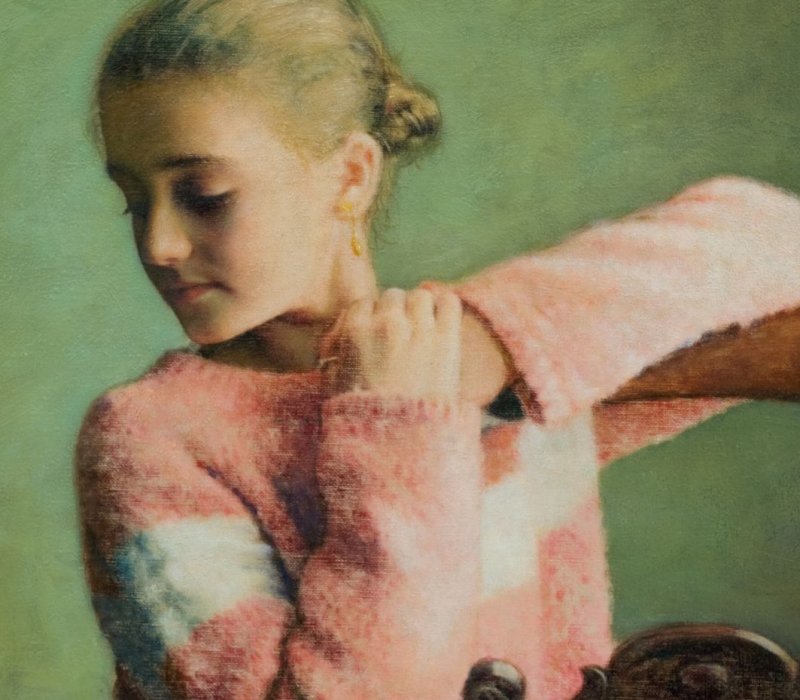
Paintings created by eight talented people with Parkinson’s who have undergone Deep Brain Stimulation (DBS) treatment are being showcased in online exhibition The Art of Parkinson’s, which launched on 1 April 2026 as an initiative sponsored by medical technology company Abbott.

A growing body of research and clinical observation suggests that some people with Parkinson’s experience a surge in creativity due to a combination of neurobiology, Parkinson’s treatment, and their lived experience.

Many of the artists whose work is featured in the exhibition were already painting before their diagnosis or turned to it as a new creative outlet.

Clive Couperthwaite, from Australia, swapped woodworking furniture for watercolour painting when his hand-eye coordination deteriorated due to his condition progressing. Although he was reluctant to try DBS, he went ahead in 2018 and says his “life was transformed.” 

“I went from having difficulty drinking from a cup without spilling to being able to have steady hands and craft and fine-tune the strokes of a paint brush. The changes in my condition were so radical that they felt like I had been the subject of a miracle.”

Discussing his painting post-DBS treatment, he says: “My attempts to capture my surroundings through watercolour painting has been a significant contributor to the quality of life I can now enjoy. DBS has enabled me to find the joy that comes from being able to capture on paper the reflections of nature that appear in the landscapes that surround me.”

Four pieces of Clive’s artwork are included in the exhibition: the acrylic work Hope in the fire (below), and watercolours, Moon Rise, Habitation, and Coming Storm. 

Painting without tremor

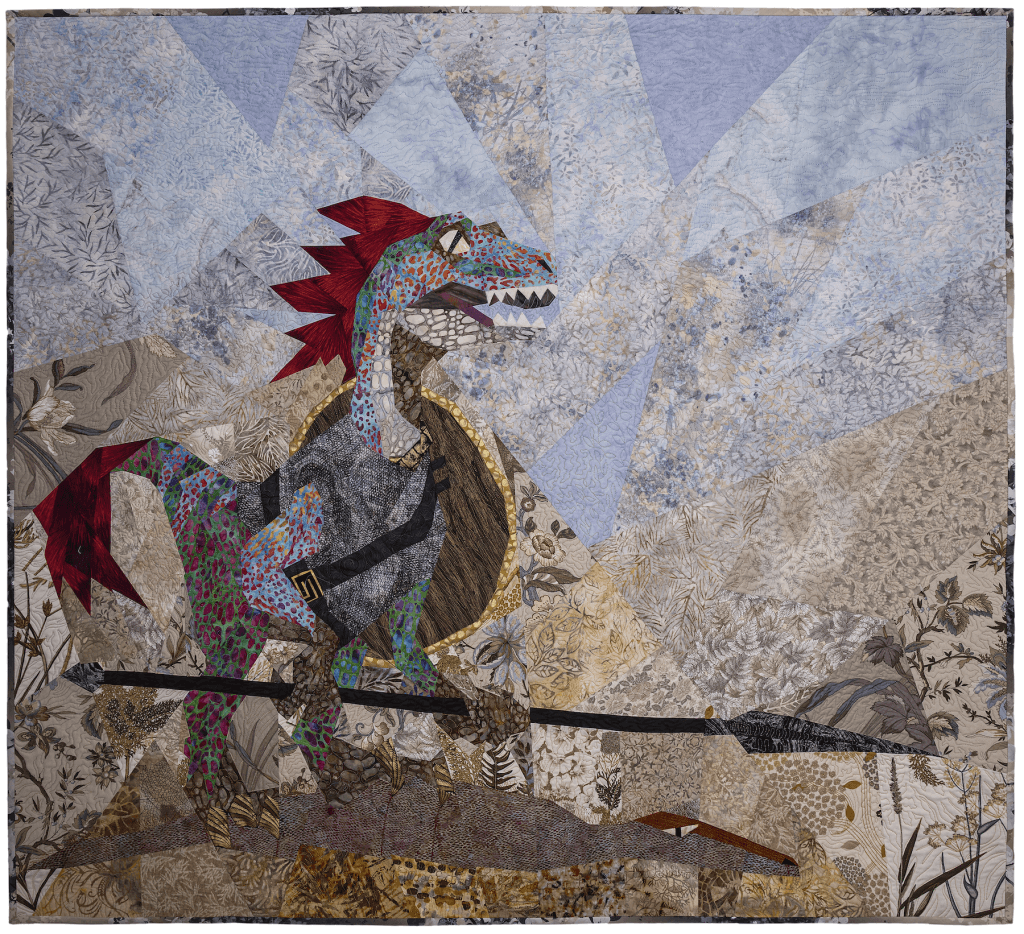
Ann Harwell, from Wendell, North Carolina, is a professional artist. After developing Parkinson’s, her tremors interfered with her work. “I was not able to achieve the precision that was so important to me,” she says. Ann had DBS in 2020 and immediately found that her tremors disappeared, which had a positive effect on her art straight away. 

Two of the three works Ann is showing in the exhibition feature dinosaurs – pictured below is Ann’s work, Mass Instinction. The topic of dinosaurs was inspired by family life: “My husband would say to our sons before putting them to bed: ‘I’d fight a velociraptor with a Lego sword and shield to save you.’ I pictured these dinosaurs as if a meteor had not ended their reign.”

Ann adds: “Parkinson’s feels like one of those dinosaurs pinning me to the ground or engulfing me or grinning with full intention of skewering me with his spear.”

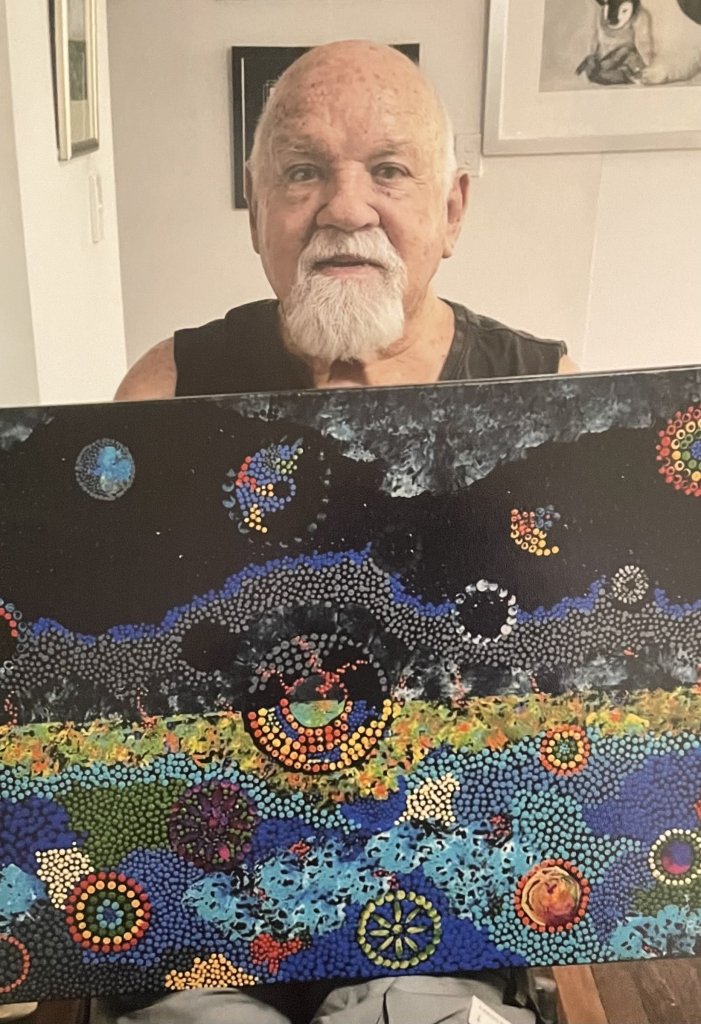
Art had always been a way for Roger Saunders from Queensland, Australia, to relax. But with the onset of Parkinson’s, he felt that his creative abilities had declined. He was therefore thrilled when he regained his talents following DBS treatment in 2020.

Of his exhibition work (pictured below), Shattered by Parkinson’s – REBORN by DBS, he says: “It represents my shattered spirit in two halves. Also, my depression and lack of confidence. The bottom half represents me being reborn with my confidence and abilities.”

Art as a form of expression

“Art means the world to me,” says Margie Burns-Kohn, a professional artist from Maitland, Florida, (pictured, top). 

Diagnosed with Parkinson’s in 2015, she describes life before DBS like this: “When 75-80% of your day is spent being OFF, including bouts of very painful dyskinesia or dystonia which could last anywhere from 15 minutes to 12-plus hours. Your tremors are so bad that you cannot get a fork or spoon to your mouth.” 

Following DBS, Margie’s symptoms improved dramatically: “I have my life back,” she says. 

Margie has used her paintings to express her feelings about the condition through her work. Her Art of Parkinson’s pieces: Exhausted (photography with digital painting), Broken and Hell & Heaven (both acrylic on canvas) capture what she calls the “sheer hell” of being OFF, contrasted with the freedom of feeling ON.

View more artworks by people with Parkinson’s and learn about their stories at The Art of Parkinson’s website.

Abbott is currently looking into showcasing The Art of Parkinson’s as an in-person exhibition in the second half of this year.

Find out more about creativity and Parkinson’s

Read More

Artist and person with Parkinson's Odysseas Oikonomou lives in Athens, Greece
Stories
17 July 2025

“Painting was a deep, lifelong calling”: artist Odysseas Oikonomou on how Parkinson’s has affected his passion

Here, artist Odysseas Oikonomou, a 58-year-old person with Parkinson’s who lives in Athens, Greece, tells Parkinson’s Life how he will...
Read More
Urs Bratschi
Stories
06 June 2025

‘We have one life, and it is up to us to make it meaningful’: Swiss pasta artist Urs Bratschi on embracing life with young-onset Parkinson’s

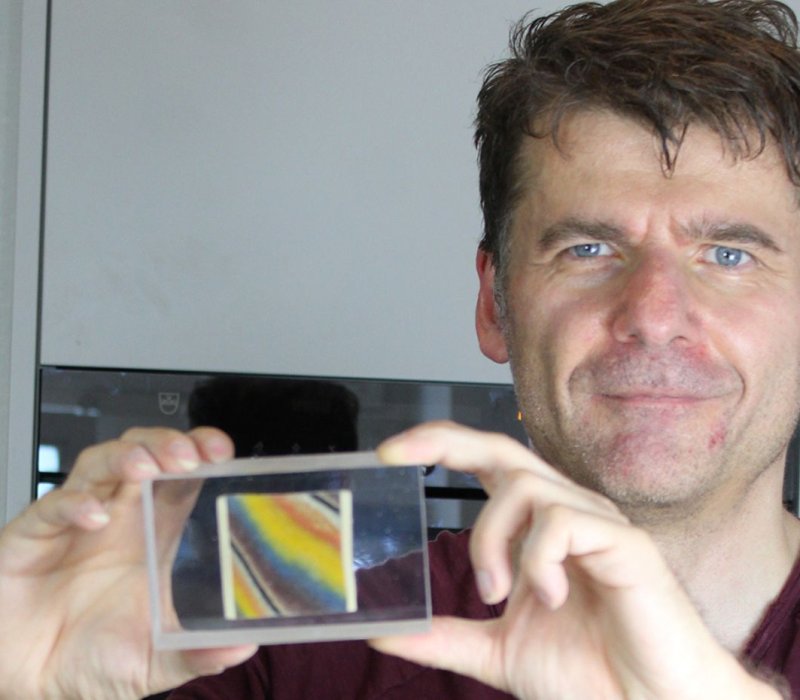
Creating intricately detailed pieces of art from pasta may not be the skill you would expect from a software engineer...
Read More
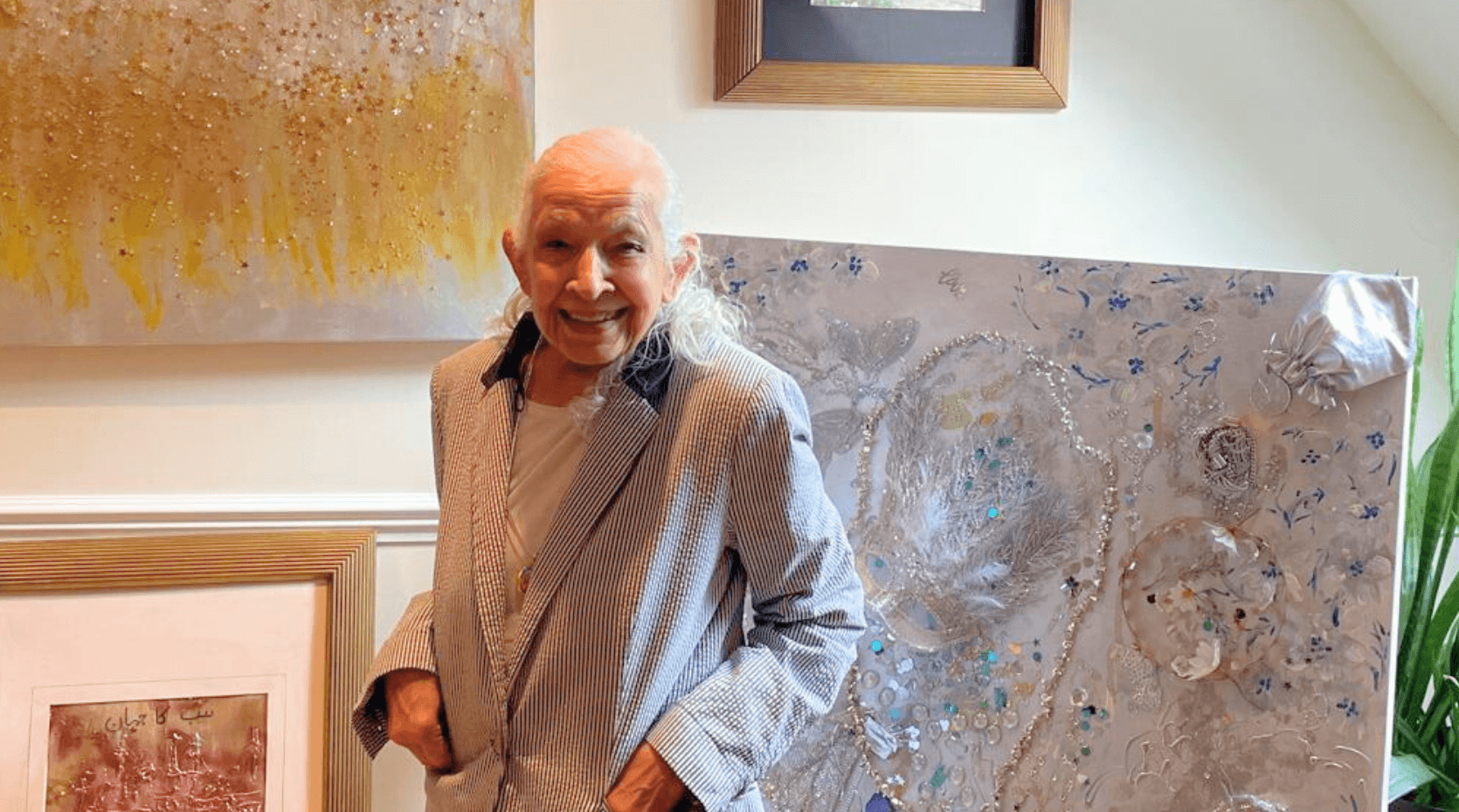
Parkinson's painting: Kanti Khanna with two of her artworks
Stories
25 November 2024

Artistry with Parkinson’s: “While I was painting, the tremors ceased”

Artist Kanti Khanna on discovering her gift for painting after her Parkinson's diagnosis
Read More
Home

World Parkinson’s Day 2026: what’s happening near you

01 April 2026 By Verity Willcocks
News eventsWorld Parkinson’s Day
World Parkinson’s Day 2026: what’s happening near you

Every year, the global Parkinson’s community comes together in solidarity to celebrate World Parkinson’s Day on 11 April.

Wherever you live, there’s sure to be something you can get involved in for World Parkinson’s Day 2026, from in-person events with your nearest Parkinson’s association, to virtual activities like an online bike ride with fellow people with Parkinson’s. Other ways to get involved include learning about the latest research developments at a conference, or taking part in a fundraising walk.

You can also join in our call to action, demanding better care with our Bridge The Care Gap campaign. Find out more and sign our pledge for improved healthcare services for people with Parkinson’s in Europe.

Find out what’s happening near you by consulting our interactive Parkinson’s map and take a look at some of the highlights taking place around the UK, Europe and the world below.

World Parkinson’s Day 2026 events: Global

Spark the Night

PD Avengers’ Spark the Night is back once more, and aims to light up 1,000 buildings across the world in blue in a spectacular act of awareness-raising for Parkinson’s. This year will see New York’s Times Square lit up in blue. In Europe, Madrid’s Plaza de Cibeles and Venice’s civic palaces Ca’Farsetti and Ca’Loredan are among those being lit up. And in Canberra, Australia, the National Museum of Australia will take on a blue hue, as will Christchurch Airport in New Zealand.

Don’t forget you can bring the magic of Spark the Night to your corner of the world with Sparklets – put up blue lights around your porch or on your balcony – every spark counts, no matter how small. Register for Spark the Night or Sparklets here.

World Parkinson’s Day 2026 events: Europe

Belgium

World Parkinson’s Day Conference

On 10 April, Action Parkinson is holding a day-long event from 10:30-16:00. In the morning, Professor Sophie Dethy, neurologist, will discuss cognitive issues and their management. After a cocktail reception, Edwige Salvador Ramos, neuropsychologist and coordinator of Care to Dance, explores neuropsychology and music and dance. This will be followed by a film of Action Parkinson’s activities, and finally Tony Ockerman shares his passion for sport and provides a series of at-home exercises. Registration is €10 – see full programme and payment details here. The conference is at Chaussée de Vleurgat, 109, 1050 Ixelles, between Place Flagey and Avenue Louise.

World Parkinson’s Day 2026

On 11 April, Association Parkinson A.S.B.L. is holding a World Parkinson’s Day event from 09:30-16:30. The morning will feature talks on resilience, evolutionary coaching, the scientific-humanistic committee, and the Parkinson’s School of Life, followed by a discussion session. At 13:00, there will be a book signing with José Deseyn, writer of Living with Parkinson’s: Testimony and advice from a doctor living with the disease. After lunch (€15/person), wellbeing workshops focus on equipment for daily life, plus introductions to kung fu, dance, and compassionate coaching. Registration is free but essential. The conference is at Créagora, Rue de Fernelmont, 40-42 5020 CHAMPION.

Dogs for Parkinson – solidarity walk

AbbVie, Parkili vzw, Action Parkinson asbl, Association Parkinson asbl, and Vlaamse Parkinson liga vzw have organised a Dogs for Parkinson initiative, which will see solidarity walks for World Parkinson’s Day take place across Belgium – dogs not essential! The walks will take place in Namur (4 April), Antwerp (25 April), and Ghent (11 May). Find out more here.

Denmark

International Parkinson’s Week

From 7–11 April inclusive,  Parkinson’s Association Denmark is holding a week of in-person activities, including boxing for Parkinson’s and learning how to manage falls. There are also online events, which include an introduction to the association, a session about rehabilitation, plus a lecture about sex and relationships by a sexologist, and a lecture about apathy by a neuropsychologist. See the schedule for the week here.

France

World Parkinson’s Day events

To mark World Parkinson’s Day, the France Parkinson committees will hold more than 60 events across France from 1 April to 18 May. Check out this map to find out what’s going on near you.

Ireland

A Walk in the Park for Parkinson’s

Parkinson’s Ireland will hold its annual A Walk in the Park for Parkinson’s fundraising event on 11 April. Sponsored by Ireland’s leading home care provider Dovida, it will take place in 21 locations across the country to kick off Parkinson’s Awareness Month. Find out more and register here.

Norway

Parkinson’s Conference, Oslo

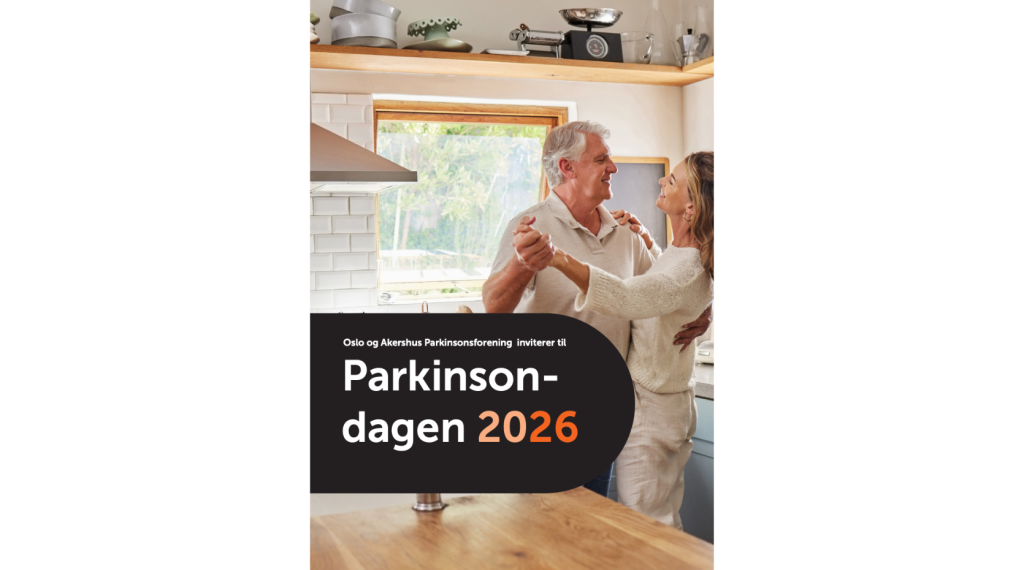
On 9 April, Oslo and Akershus Parkinson’s Association and the Norwegian Parkinson’s Association invite the Parkinson’s community to celebrate International Parkinson’s Day at Oslo’s Klingenberg Cinema. Taking place from 11:30-16:30, there will be a varied programme covering topics ranging from digital healthcare and understanding pain to the latest Parkinson’s research – all delivered by professionals in the Parkinson’s field. Tickets are 350 kr. Find out more and download the programme here.

Portugal

Young Parkies Portugal annual conference

Young Parkies Portugal (YPP) will hold its annual conference on 11 April from 11:00-18:00 at Champalimaud Foundation Auditorium in Lisbon. Discuss the challenges and advances in Parkinson’s care with neuroscientists, doctors and other leading specialists. Register here. This event will be conducted in Portuguese.

Spain

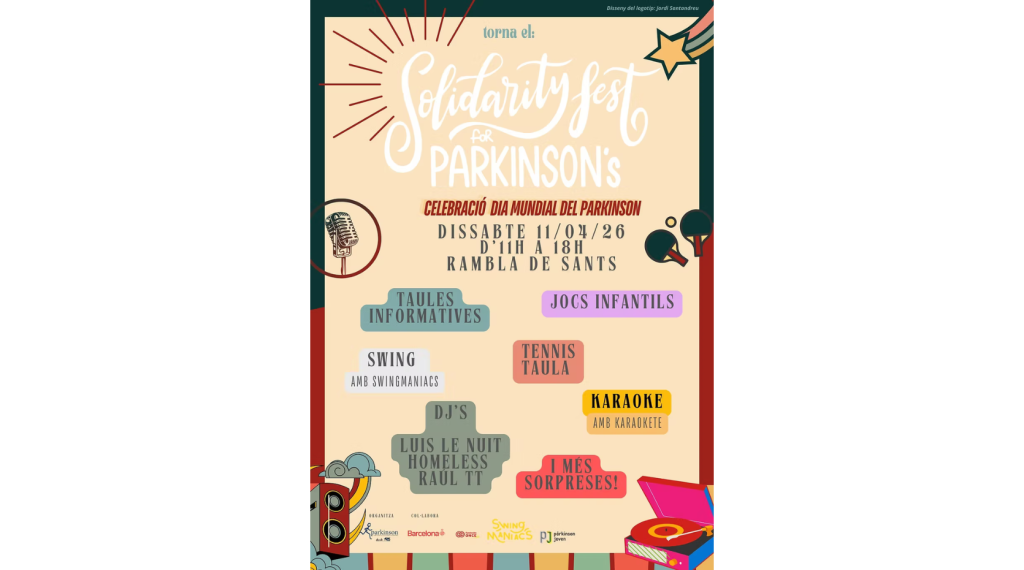
Solidarity Fest for Parkinson’s

On 11 April, the Catalan Association for Parkinson’s will hold the Solidarity Fest for Parkinson’s, a day of awareness and celebration on Barcelona’s Rambla de Sants. From 11:00-18:00, there will be with lots of music and activities, including live DJs, karaoke, table tennis, and information about Parkinson’s.

Portugal

Associação Portuguesa de Doentes de Parkinson (APDPk) is marking World Parkinson’s Day with an event in Porto. It will start with lunch at noon at Bitaites restaurant, before an afternoon of talks in the Águas Santas municipal auditorium from healthcare professionals, a complementary therapist and a nutritionist. The event closes with some music at 17:00.

Slovenia

Month of awareness

Parkinson’s association Trepetlika will hold a month of awareness which will begin with a special train lit up in blue on 9 April, with further events throughout the week. Email [email protected] to find out more.

Switzerland

Parkinson’s Awareness Day

To mark World Parkinson’s Day, the Geneva University Hospitals Neurology Department is holding a day of conferences, testimonials and workshops on 30 April in its Marcel Jenny Auditorium. There will be talks about everything from complementary therapies and medical advances to how Parkinson’s affects families and work, as well as anxiety, music and physio workshops. Register your attendance by 16 April. Find out more here.

UK

Cure Parkinson’s April Dog Walking Challenge

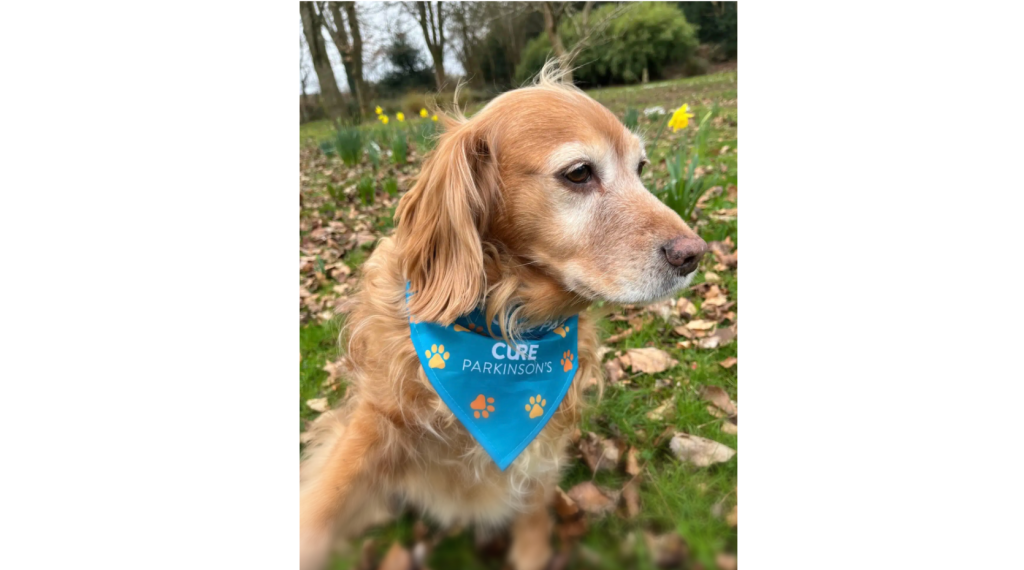
Cure Parkinson’s is challenging the Parkinson’s community to raise funds by walking 100km with their dogs during the month of April. Register here and you’ll receive a T-shirt for you and a bandana for your pooch. There is also a link for setting up a fundraising page on Facebook or JustGiving.

Parkinson’s UK Make it Blue

Take part in Parkinson’s UK’s Make It Blue fundraising and awareness campaign. Why not hold a fundraising coffee morning with blue iced cupcakes? Or ask your colleagues to wear blue to your workplace to raise awareness and funds. See Parkinson’s UK’s resource guide for more ideas.

World Parkinson’s Day 2026 events: rest of the world

Africa

Annual Parkinson’s Disease Symposium

Adewunmi Desalu Parkinson’s Foundation (ADPF) is holding the fourth Annual Parkinson’s Disease Symposium on 11 April at the MUSON Centre, Lagos, Nigeria. This year’s theme is From Innovation to Implementation: Building Resilient Parkinson’s Care Systems in Nigeria and Africa. Register for a place here.

United States of America

IPMDC 2026 Conference

The Inova Parkinson’s and Movement Disorders Center in Fairfax, Virginia, is holding a Parkinson’s conference on 11 April at the Inova Conference Center, 2nd floor, 8100 Innovation Park Drive, Fairfax. Attendees can learn about Parkinson’s updates and treatments, gain tips on managing non-motor symptoms, and listen to a panel discussion about quality of life. Sign up here.

Parkinson’s Unity Walk

On 25 April, join The Michael J. Fox Foundation at 08:30 in New York’s Central Park for a 1.2-mile walk towards a world without Parkinson’s. Local Parkinson’s groups will also put on special events and Parkinson’s experts will provide valuable resources for individuals and families affected by the condition.

World Parkinson’s Day 2026 events: Online

Global indoor cycle for World Parkinson’s Day

On 11 April, global Parkinson’s online indoor cycling club ZWAP (Zwifters Against Parkinson’s Disease) will hold its fourth World Parkinson’s Day indoor group ride for people with Parkinson’s on digital training platform ZWIFT. Participation is open to ZWIFT subscribers. Find out more here.


Read More

PD Avengers' Larry Gifford with Dr Soania Mathur and Tim Hague Sr
Stories
04 March 2026

“You don’t have to be an expert to help”: PD Avengers’ Larry Gifford on why Parkinson’s advocacy gives him purpose

In 2020, three years after being diagnosed with early-onset Parkinson’s, Larry Gifford teamed up with fellow people with Parkinson’s Dr...
Read More
A photo of a World Parkinson's Day event showing a fountain in Rome, Italy lit up in blue for Spark the Night
News
14 April 2025

10 highlights from World Parkinson’s Day events in 2025

Our roundup of photos and videos from the biggest World Parkinson's Day events from 2025
Read More
World Parkinson’s Day 2025: what’s happening this year?
News
02 April 2025

World Parkinson’s Day 2025: what’s happening this year?

Wherever you live, join in with the rest of the Parkinson’s community and raise awareness for World Parkinson’s Day 2025...
Read More
Home

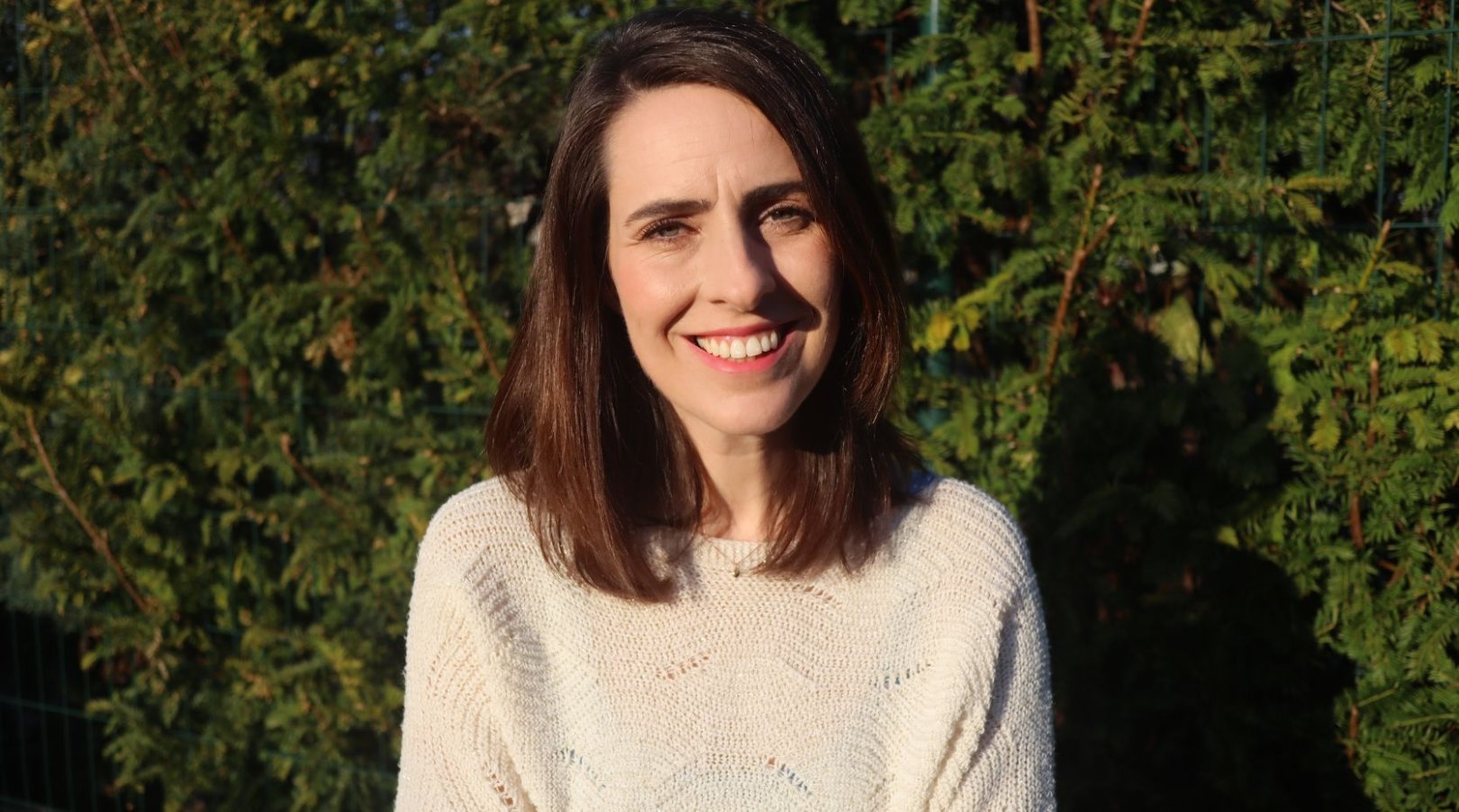
A letter of intent to the Parkinson’s community from our new Director General

An open letter from Parkinson's Europe's new Director General, Hélène Nicora, who lays out her vision for the future.
30 March 2026 By Hélène Nicora
Insights Parkinson's Europe
A letter of intent to the Parkinson’s community from our new Director General

Dear friends and members of the Parkinson’s community,

I am writing to you today with a deep sense of hope and a clear intent as I begin my journey as the new Director General of Parkinson’s Europe. It is a profound honour to take on this responsibility and to work alongside such an incredible team, for a community that is as vibrant as it is vital.

The past: what drew me to this mission

My career has been shaped by two main drivers: high-level European strategy and a deep belief in human empowerment. Over the past 17 years, I have worked across local and international associations, government entities, and multinational companies. My work has always been about taking complex goals and turning them into real-world results.

However, it was the deeply human mission of Parkinson’s Europe that truly resonated with me. My background as a coach specialised in behavioral neuroscience and creativity has always been about helping people live happier lives and find the strength to thrive in the face of adversity. I have spent years helping organisations navigate change and find new ways to reach their goals. Joining Parkinson’s Europe feels like the perfect meeting point for these two paths – a place where I can use my experience in advocacy to unite our community, while leading with empathy to unlock the true potential of our network.

The present: a force that needs a unified direction

In my first few weeks, I have been struck by the incredible resilience of this community. I have witnessed a sense of solidarity so strong it feels like a physical force. Whether you are a person living with Parkinson’s, a tireless family member, a neurologist, a nurse, or a researcher, a passionate advocate, I see people who wake up every morning with a mission. That is where our power lies.

But energy and intent alone are not enough. To truly change things in Europe, we have to move together. Right now, access to care and expertise is a “geographical lottery” – it depends entirely on where you live in Europe. To fix this, we must close ranks. Parkinson’s Europe will focus on building a stronger, more synchronised community where our actions are amplified because we are working as one.

I have also been moved by Parkinson’s Europe’s team. We are a small, remote team of just ten people spread across Europe, but there is a strong passion and commitment to go the extra mile to support the community – a silent force to reckon with. I witnessed the raw honesty of this community – from the tears of frustration of those feeling unheard to the joy of a new breakthrough – has made my commitment absolute.

I feel like I entered a new world: not of appearances but a world of genuine care.

The future: becoming an unstoppable wave

My goal for the future of Parkinson’s Europe is bold: I dream of a day when my position no longer needs to exist. That is the endgame. We must work toward a world where there is not only a cure that is available to everyone but also a future where we can prevent this disease entirely.

Until that day, we will be relentless. Our focus is clear:

  • A unified voice: we will make the Parkinson’s community a force that is impossible to ignore across Europe.
  • Ending the lottery: We will fight to ensure that quality care and treatment are a universal right, not a matter of luck.
  • Changing the story: We will challenge the ‘shaking disease’ stereotype and show the world the complex reality of what living with Parkinson’s actually means.

As I settle into this role, I want to stay connected to your daily lives. My ‘digital door’ is always open. I am here to listen, to learn from your expertise, and to ensure our strategy is a true reflection of your needs.

Individual drops are easily lost, but together, we become an unstoppable wave. Do not give up. We are closing ranks, we are organising, and we are moving forward together.

With hope and determination,

Hélène Nicora

Director General, Parkinson’s Europe

Read More

Jessie Duncan: meet Parkinson's Europe's new Outreach and Engagement Manager
Insights
31 March 2025

Jessie Duncan: meet Parkinson’s Europe’s new Outreach and Engagement Manager

We chat to Jessie Duncan, new Outreach and Engagement Manager at Parkinson’s Europe, to find out about the hard work...
Read More
Meet Parkinson's Europe's new Brussels-based Campaigns and Advocacy Manager, Hildur Kristjana Önnudóttir
Insights
28 April 2025

“I am passionate about access to healthcare and the rights of persons with disabilities”: Campaigns and Advocacy Manager Hildur Kristjana Önnudóttir discusses her new role

Our new Brussels-based Campaigns and Advocacy Manager, Hildur Kristjana Önnudóttir, joined Parkinson’s Europe at the beginning of March. We spoke...
Read More
Visibility and awareness steering group: supporting Parkinson's Europe's new strategy
Insights
04 July 2025

Meet Parkinson’s Europe’s Visibility and Awareness Steering Group

People with Parkinson’s and experts from across Europe are coming together to form Parkinson’s Europe’s new Visibility and Awareness Steering...
Read More
Home

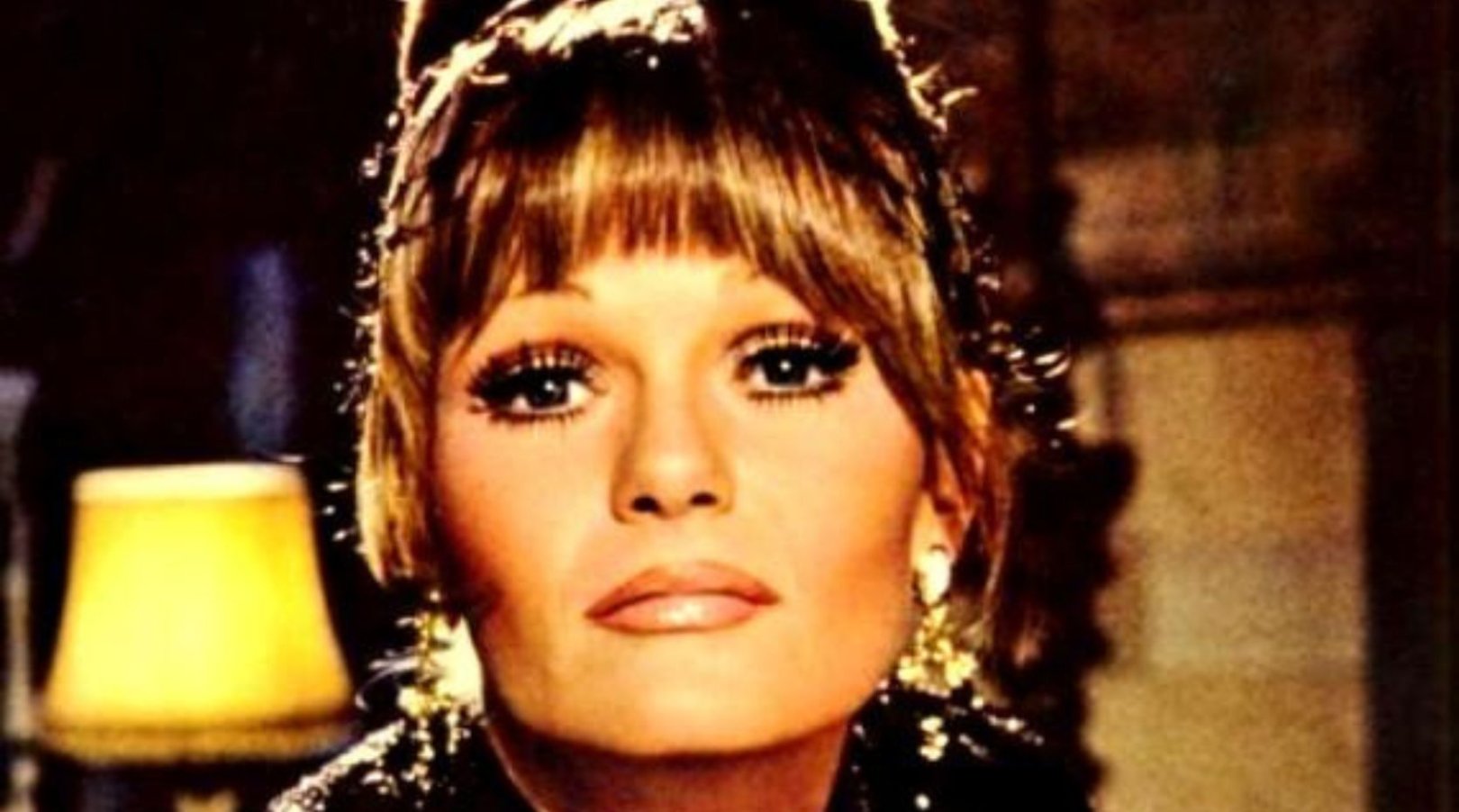
Superman star Valerie Perrine passes away at 82

Lenny and Slaughterhouse-Five actor Valerie Perrine has passed away, after living with Parkinson's for more than 15 years
24 March 2026 By Christy McGhee
News Celebritiesobituary
Superman star Valerie Perrine passes away at 82
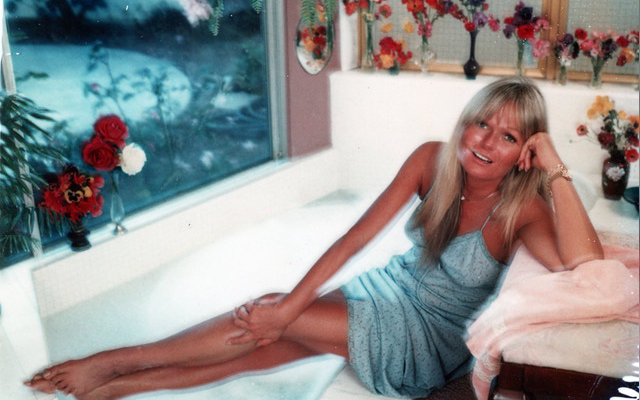
Superman star Valerie Perrine. Credit John Irving, Flickr

Tributes have poured in for Superman star Valerie Perrine, who has passed away after living with Parkinson’s for more than 15 years.

An announcement on her Facebook page said the star had “faced Parkinson’s disease with incredible courage and compassion, never once complaining. She was a true inspiration who lived life to the fullest”.

Superman star

Born in 1943, Perrine starred in Hollywood roles including Honey Bruce in ‘Lenny’, and playing Lex Luther’s companion Eve Teschmacher, alongside Christopher Reeve, in the original 1978 ‘Superman’.

Valerie Perrine became an actor after being spotted at a dinner party.

In an interview with Parkinson’s Life, she said acting was not a career she had pursued, saying: “I was at a small dinner party where an agent was looking for someone to play the role of Montana Wildhack in George Roy Hill’s film production of ‘Slaughterhouse-Five’. The agent saw something in me and thought I would be perfect for the part. That’s how I became an actress.”

Valerie Perrine and Parkinson’s

Perrine was diagnosed with Parkinson’s in 2015. She noticed symptoms years before receiving a diagnosis.

“I first noticed I had a tremor on a movie set. I was carrying dishes in a scene, and we were doing multiple takes. The sound man came over and asked me not to shake them so much,” she said. “That was the first time I noticed I had tremors. I was diagnosed with essential tremors first. Then my Parkinson’s diagnosis came years later.”

Hollywood star Valerie Perrine talks about her Parkinson's experience
“I kept my Parkinson’s a secret at Hollywood for as long as I could,” says Valerie Perrine.

In recent years, she worked with director and close friend Stacey Souther, whom she described as ‘like a son to me’, on the documentary ‘Valerie’.

Speaking to Parkinson’s Life, Souther said: “This film is a love letter to her. I didn’t want her to be forgotten. I wanted her life and legacy to be celebrated and shared with the world.”


Read More

Female celebrities with Parkinson's Disease include actor Lysette Anthony, Hollywood star Valerie Perrine, and Canadian rock singer Martha Johnson
Stories
17 November 2025

10 famous women with Parkinson’s

Can you name a well-known woman with Parkinson’s disease?
Read More
Quotes from celebrities and famous people with Parkinson’s – including Michael J Fox, Superman star Valerie Perrine, and Ozzy Osbourne
Insights
08 December 2025

“Live in the moment”: quotes from celebrities and famous people with Parkinson’s – including Michael J Fox, Linda Ronstadt, Superman star Valerie Perrine, and Ozzy Osbourne

Live for today, make lifestyle changes, and tell people in your own time – these are some of the wise...
Read More
Hollywood star Valerie Perrine talks about her Parkinson's experience
Stories
21 July 2025

Superman star Valerie Perrine: “I don’t dwell on the past or worry about the future”

The Hollywood star tells us about living with Parkinson's disease
Read More
Home

Parkinson’s diet and brain function – what is a superfood for Parkinson’s disease?

Dietitian Kinga Topolowska advises on the best foods to help improve long-term brain function for people with Parkinson’s – supported by scientific research
24 March 2026 By Christy McGhee  Kinga Topolowska 
Advice brain functionRecipes & Nutritionsuperfoods
Parkinson’s diet and brain function – what is a superfood for Parkinson’s disease?

Wondering what kind of foods can help improve brain health and overall wellness for neurological conditions like Parkinson’s? Despite the buzz around the phrase ‘superfoods’, there is no single or best ‘Parkinson’s diet’ experts advise you to follow.

However, guidance suggests a healthy, well-balanced, healthy diet is really important when you are living with Parkinson’s, and can help manage symptoms such as constipation, dyskinesia and stress. As well as considering foods to avoid or restrict, it is also worth considering which nutrition-packed foods you can add to improve your diet.

So what exactly is a superfood for Parkinson’s disease? And can chocolate and coffee really be good for you? We ask Kinga Topolowska, expert dietitian, for her advice on the best superfoods for Parkinson’s and improving brain function. Find out her recommendations and tips

What is a superfood for Parkinson’s Disease?

Kinga Topolowska, a UK-registered dietitian with over a decade of clinical experience, shares her views on the best superfoods for Parkinson’s.

“The brain is our supercomputer, and like any advanced technology, it needs regular care and maintenance,” says Kinga, a Highly Specialist Neurosciences Dietitian at the National Hospital for Neurology and Neurosurgery (part of UCLH) in London.

“This includes continuous learning, physical activity, and good nutrition. In this article, we present six foods that have beneficial effects on brain health, supported by scientific evidence.”

6 of the best dietitian-approved superfoods for Parkinson’s

Nuts

Nuts: a superfood for Parkinson’s disease

Nuts are a very valuable food for the whole body and especially for the brain. They contain healthy fats, such as alpha-linolenic acid, which have been linked to protecting brain cells and may help slow the progression of Parkinson’s disease.

Nuts are also rich in antioxidants. These protect cells from damage and support brain health and memory. Each type of nut has a slightly different mix of nutrients, so it is best to eat a variety. Walnuts are particularly good for the brain (and even look like one!).

Aim for up to 30 grams of mixed nuts per day. If you take levodopa, try to eat nuts 30–60 minutes after your medication so protein does not interfere with absorption.

Nuts also provide fibre, which helps with constipation (especially almonds and pistachios), and minerals such as calcium and magnesium, which support strong bones.

Try: Broccoli, shiitake mushrooms and cashew nut stir-fry

Berries

Berries: a superfood for Parkinson’s disease

Berries are rich in antioxidants, which you can often tell from their bright colours. These compounds help protect the body’s cells from damage and may support brain health.

Berries also contain fibre, which helps keep digestion regular and can ease constipation.

It is a good idea to aim for a “rainbow” of berries, as different colours offer different benefits. Blueberries and raspberries are especially well known for brain health, but all berries deserve a place in your diet.

Try: Rich chocolate fondue with strawberries and pineapple

Green Leafy Vegetables

Green leafy vegetables: a superfood for Parkinson’s disease

Green leafy vegetables are very helpful for people living with Parkinson’s. They are full of vitamins, minerals, and antioxidants that protect brain cells and support thinking and memory.

This is important because Parkinson’s is linked with inflammation and oxidative stress in the brain.

Leafy greens are also high in fibre, which helps keep the bowels moving and can ease constipation — a very common problem in Parkinson’s. A healthy gut may also help your medication work better.

Another benefit is that leafy greens contain natural nitrates, which improve blood flow. This supports brain health and may help with fatigue and low energy.

Try to include a variety of greens such as spinach, kale, spring greens, rocket, and broccoli. Aim for at least one portion a day. You can add them to soups, stews, omelettes, pasta dishes, or smoothies. Mixing different types gives you the widest range of benefits.

Try: Broccoli and salmon crustless quiche or Bread rosettes with spinach, feta and oregano

Oily Fish

Oily fish: a superfood for Parkinson’s disease

Oily fish such as salmon, sardines, mackerel, and trout are excellent for brain health. They are rich in omega-3 fats, which support nerve cells and help reduce inflammation in the brain.

Omega-3s may also support mood and thinking, which is important for people with Parkinson’s.

Aim for two portions of oily fish per week. If you do not eat fish, speak to your dietitian or GP about suitable alternatives like supplements.

Try: Salmon fishcakes with chilli and mayo dressing

Olive Oil

Olive oil: a superfood for Parkinson’s disease

Olive oil is a healthy fat that supports both heart and brain health. It contains antioxidants and anti-inflammatory compounds that help protect cells from damage.

Using olive oil regularly may support long-term brain function and overall wellbeing. Try to use extra-virgin olive oil where possible, as it contains the highest level of protective nutrients.

You can add olive oil to salads, vegetables, soups, and cooked meals to boost both flavour and nutrition.

Try: Sicilian caponata

Water – a surprising superfood for Parkinson’s

Drinking water is especially important for people with Parkinson’s

Water is essential for people living with Parkinson’s. Good hydration helps the brain, muscles, and digestive system work properly. It can improve energy levels, concentration, and may reduce dizziness when standing up.

Water is also very important for managing constipation. Fibre only works well when the body has enough fluid. Without enough water, stools can become hard and difficult to pass.

Try to drink regularly across the day rather than large amounts at once. Small, frequent sips are often easier. Water, herbal teas, and diluted squash all count.

Parkinson’s superfoods diet for improving brain health – daily tips

  • Eat a mix of nuts, berries, greens, fish, and healthy oils across the week
  • Aim for 30 g of nuts per day, taken 30–60 minutes after levodopa
  • Try to include at least one portion of leafy greens daily
  • Have oily fish twice a week
  • Use olive oil in cooking and salads instead of butter or margarine
  • Drink fluids regularly — keep a bottle or cup nearby
  • If you struggle with appetite or fatigue, small frequent meals may work better than large ones

Which superfoods will you enjoy today? Print out our PDF list and stick it somewhere handy – like the fridge or cupboard door – for inspiration

Free PDF: Parkinson’s superfoods list and tips

Is dark chocolate a superfood for people with Parkinson’s?

Some of the compounds present in cocoa powder, like antioxidants and flavonoids, have been suggested to improve brain function, blood flow or even initiate some dopamine production.

Also, dark chocolate is rich in microelements like magnesium, zinc or copper. Small portions of dark chocolate (20-30g), can be a healthy addition, as a part of a balanced diet.

Is tea or coffee a superfood for people with Parkinson’s?

Dopamine is a brain chemical that helps you to move smoothly. In Parkinson’s, the brain has ‘brakes’ that can slow you down and cause tremors. According to research, caffeine in tea and coffee can help take some pressure off these breaks, so dopamine can work a little better. Some research also suggests that it might be more effective with people with a specific genetic predisposition to Parkinson’s.

Tea and coffee also contain antioxidants that help protect brain cells. Green tea has a natural compound called L-theanine, which can help you feel calmer and more focused without causing more tremors.
It’s best to have coffee in moderation (1-3 cups per day) Everyone is different, so notice how it affects you and adjust if needed.

Find out more about diet and nutrition for people with Parkinson’s on our Eating Well With Parkinson’s page and Diet and Nutrition Guide.


Read More

Healthy vs unhealthy foods: Foods to avoid with Parkinson's disease - dietitian-approved advice on what foods to limit and why
Advice
05 January 2026

Foods to avoid with Parkinson’s disease – dietitian-approved advice on what foods to limit and why

Expert dietitian Kinga Topolowska explains how diet can impact Parkinson’s symptoms and medication
Read More
Ultraprocessed foods (UPF) linked to Parkinson's
News
01 July 2025

Ultraprocessed foods (UPF) linked to increased risk of Parkinson’s – but more research needed

Eating ultraprocessed foods (UPF) such as ketchup and soda has been linked to increased risk of developing Parkinson’s, according to...
Read More
One-day menu for people with Parkinson’s featuring salmon baked potatoes and split pea soup
Recipes
21 July 2025

One-day menu for people with Parkinson’s featuring salmon baked potatoes

One-day menu ideas for easy-to-chew meal planning
Read More
Home

Tips to help you manage drooling when you have Parkinson’s

Speech and language therapist Veronica Clark's expert tips and advice for managing drooling problems with Parkinson's
16 March 2026 By Sarah Dawson  Veronica Clark 
Advice drooling
Tips to help you manage drooling when you have Parkinson’s

Many people with Parkinson’s experience problems with saliva control, which can lead to drooling or dribbling.

We produce an average of 1.5 litres of saliva a day and normally we swallow this unconsciously however what can happen with Parkinson’s is that automatic swallow just does not happen often enough and therefore you may end up with the feeling of excess saliva in your mouth.

Excessive saliva and drooling can feel annoying and often embarrassing. However, there are ways you can help manage drooling and saliva control.

Veronica Clark, an independent speech and language therapist specialising in Parkinson’s and founder of Veronica Clark Speech Therapy Services, has approved this advice.

Advice and tips for managing saliva control and drooling problems in Parkinson’s

  1. Take little sips, often

Take regular sips of water. This helps to ‘wash down’ the saliva with fluids.

 2. Focus on swallowing

Make a conscious effort to swallow saliva often. Leave reminders around the house to help you do this or use or use the feeling of excess saliva as a prompt to take that intentional swallow. There are also apps like Swallow Prompt which can beep or vibrate at set intervals to remind you when you need to swallow.

  3. Work those muscles

Make strong swallows during the day to exercise the swallowing muscles and to get rid of excess saliva.

4. Think about your posture

Posture can really make a difference when it comes to saliva control and trying to manage drooling. Try to sit upright and keep your head up – this will help saliva flow to the back of your throat where it can be swallowed. Try to keep your lips closed and breath from your nose.

5. Chew gum

If you have good mouth and swallowing control, chew gum or suck on a sweet. This will remind you to swallow as well as reduce the build-up of saliva in your mouth.

6. Brush your teeth regularly

While it won’t necessarily help to manage drooling, it’s very important to clean your mouth and brush your teeth regularly – particularly after meals – to protect against infections that can set in as a result of stale saliva in the mouth.

7. Try lip seal exercises

There are simple exercises you can try at home which help to improve lip seal. Do each exercise (ideally in front of the mirror) for a count of four, then relax and try to repeat at least five times:

  • Close your lips as tightly as you can
  • Hold a wide smile
  • Hold your lips as if you are going to kiss someone or blow a whistle.

Another exercise to fit into your day is to try sitting for five minutes with a lolly stick or pen held between your lips and swallow every 30 seconds.

If drooling is excessive or affecting quality of life, speak to your doctor about medical treatments that you may be eligible to receive like injections into your salivary glands delivered every few months to reduce the production of saliva thus making it easier to control. Your speech therapist can also help to advise on which strategies might work best for you.

Find out more about Parkinson’s and swallowing problems, and diet and nutrition advice for living well with Parkinson’s.

Read More

Expert advice: what to expect at a clinical swallowing evaluation for Parkinson’s
Advice
01 July 2026

Expert advice: what to expect at a clinical swallowing evaluation for Parkinson’s

If you’ve been experiencing problems with eating and swallowing, you’ll understand the anxiety and often embarrassment these difficulties can cause....
Read More
15 tips for managing swallowing problems in Parkinson’s disease: expert-approved advice
Advice
23 February 2026

15 expert-approved tips to manage swallowing problems in Parkinson’s

Eating and swallowing problems are common in Parkinson’s. It can be frustrating when these challenges get in the way of...
Read More
Healthy vs unhealthy foods: Foods to avoid with Parkinson's disease - dietitian-approved advice on what foods to limit and why
Advice
05 January 2026

Foods to avoid with Parkinson’s disease – dietitian-approved advice on what foods to limit and why

Expert dietitian Kinga Topolowska explains how diet can impact Parkinson’s symptoms and medication
Read More
Home

Podcast: Women and Parkinson’s – closing the gender gap

This special podcast episode for International Women’s Day 2026 explores the unique experiences of women with Parkinson’s
07 March 2026 By Laura Vickers-Green Sponsored by Merz Therapeutics GmbH
Podcasts podcastssponsoredWomen and Parkinson's
Podcast: Women and Parkinson’s – closing the gender gap
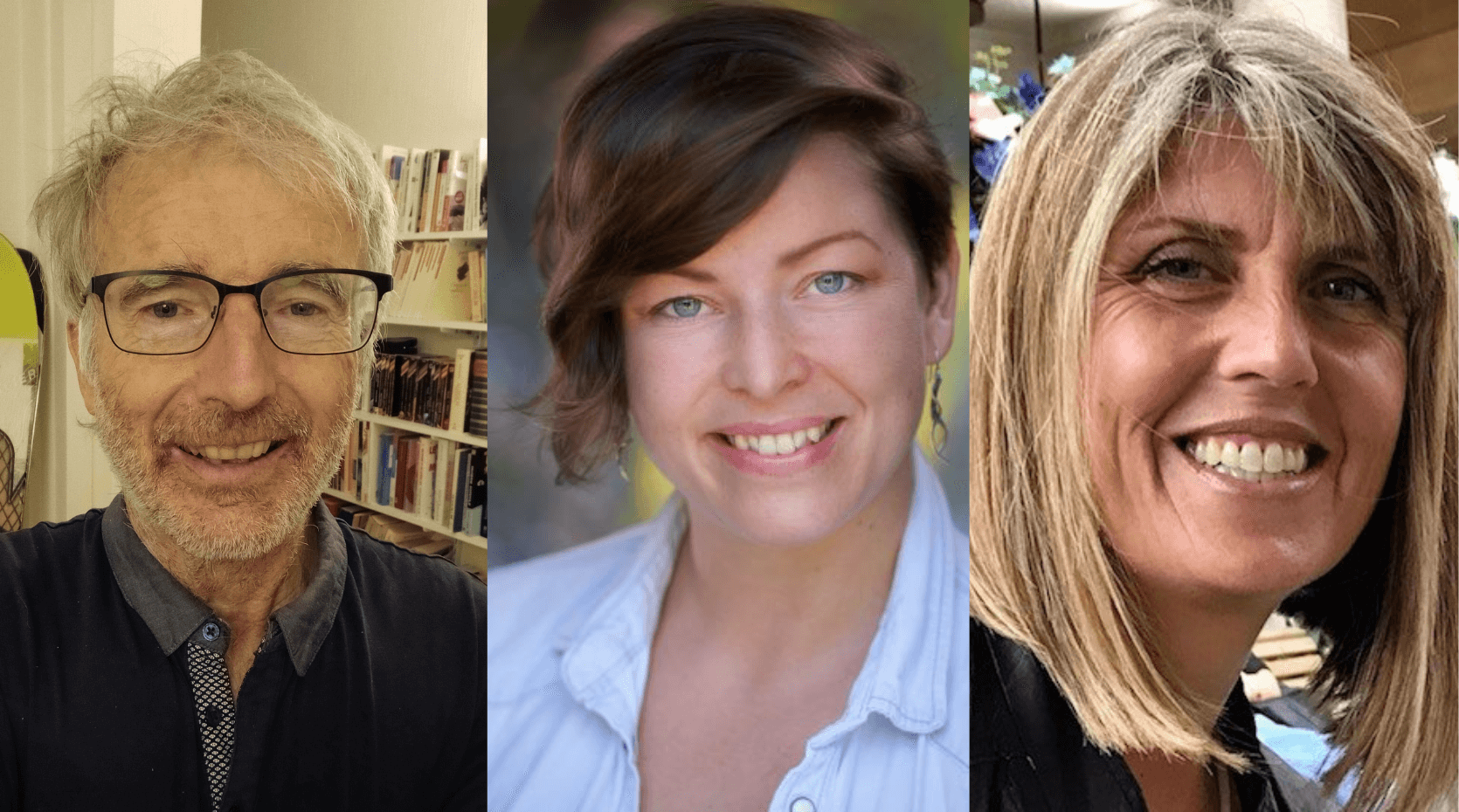
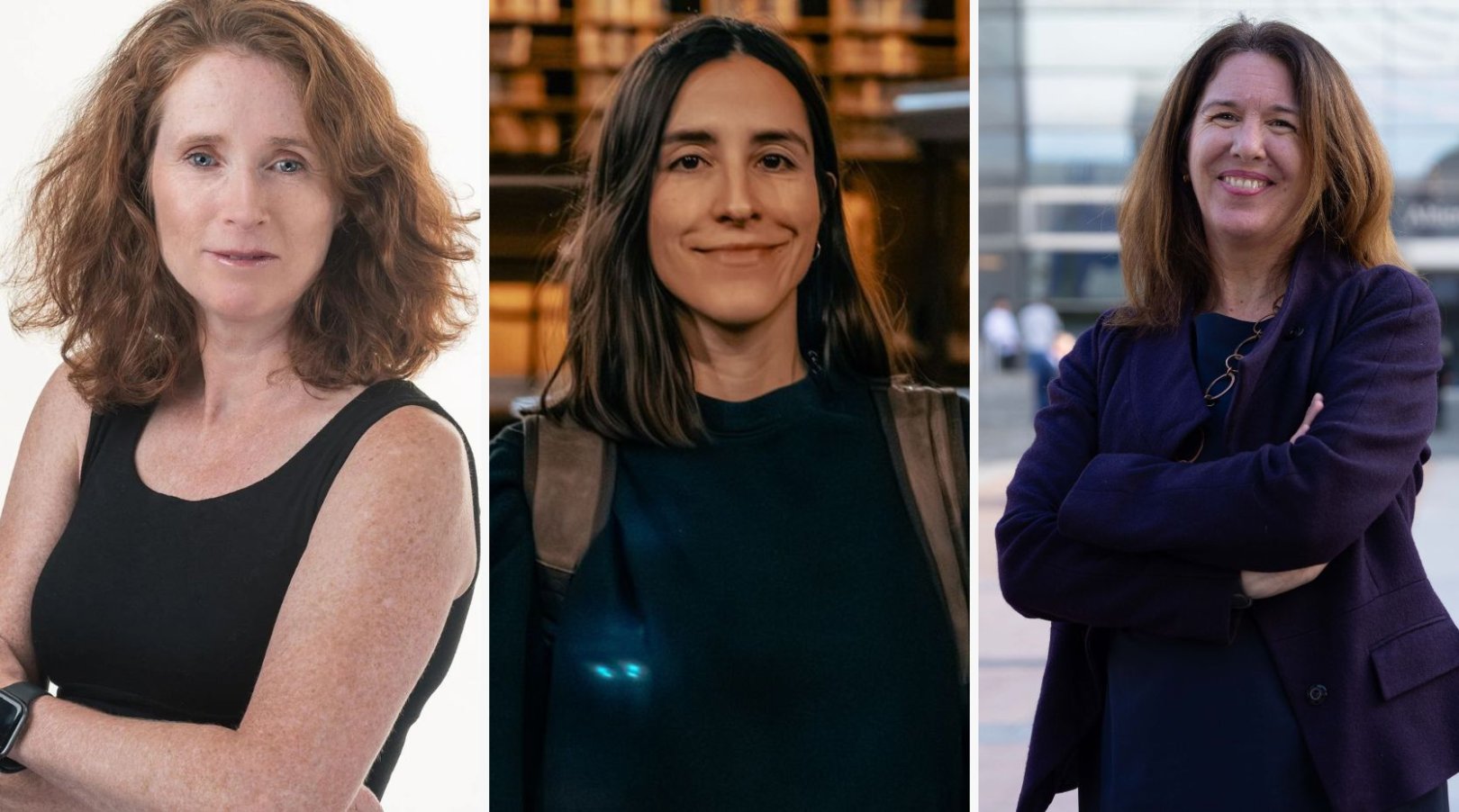
Left to right: Richelle Flanagan, Silvia Enriquez, Cathy Molohan

This podcast has been organised and funded by Merz Therapeutics GmbH

Fresh from the Parkinson’s Life podcast is a special episode for International Women’s Day 2026, where we explore the unique and often overlooked experiences of women living with Parkinson’s.

Guests discuss the way Parkinson’s is impacted by hormones and the menstrual cycle, to menopause, bone health, HRT, and the persistent gaps in research and clinical trials.

“90% of women said their neurologist had never asked them about the impact of hormones on their symptoms.”

Richelle Flanagan is a registered dietician who has lived with young onset Parkinson’s for nearly ten years.

Drawing on her own experience, she founded an app to help women with Parkinson’s track their symptoms across their stages of life.

She is joined by Silvia Enriquez, a neurologist and clinical researcher specialising in biomarkers at Vall d’Hebron Hospital in Barcelona, with a particular interest in sex differences in Parkinson’s symptoms and clinical trials.

And Cathy Molohan, who is a board member of Parkinson’s Europe and a passionate advocate for women with Parkinson’s, and has been living with the condition for nearly fifteen years.

Together, our three guests explore what the data tells us, what’s still missing, and what needs to change, from the consulting room to the clinical trial.

Find more inspiration for International Women’s Day 2026 by exploring our Women and Parkinson’s articles.

Meet your host

Anthony Zahra is a broadcaster and journalist with more than 20 years’ experience in radio, digital and podcasting.

Listen to the full episode on Spotify, or on your podcast provider of choice. If you like what you’ve heard, please rate and review – it helps make sure others can find us.

Explore more of our Parkinson’s Life podcasts, with episodes covering Parkinson’s research, how to deal with “off” periods, sex and intimacy in Parkinson’s, and genetics and Parkinson’s. Never miss an episode by subscribing to the Parkinson’s Life podcast on Spotify, Apple Music, or your streaming service of choice.

This podcast has been organised and funded by Merz Therapeutics GmbH. The content of this episode was up to date and accurate at the time of recording in February 2026. Parkinson’s Europe is sharing this article for information purposes only; it does not represent Parkinson’s Europe’s views and is not an endorsement by Parkinson’s Europe of any particular treatments, therapies or products.

Read More

Parkinson's Life podcast interviews person with Parkinson's Rita about Parkinson's, Michael J Fox Foundation's J Solle and Parkinson's UK's David Dexter about genetics
Podcasts
13 October 2025

Podcast: Understanding Parkinson’s and genetics

In this episode of the Parkinson’s Life podcast, we are exploring the world of genetics. Including the role it plays...
Read More
Philippe Boccon-Gibod, Amelia Hursey and Kate Trenam discuss disease-modifying therapy treatments on Parkinson's Life podcast
Podcasts
12 December 2024

Podcast: exploring disease modifying therapies for Parkinson’s

The Parkinson’s Life podcast looks at what Disease Modifying Therapies for Parkinson's could mean for people with Parkinson’s
Read More
Inspiring women in the Parkinson's community: Maryum 'May May' Ali
Insights
29 July 2025

10 inspiring women in the Parkinson’s community

As we celebrate 10 years of Parkinson’s Life, we look back at the trailblazing women who have made a difference...
Read More
Home

“You don’t have to be an expert to help”: PD Avengers’ Larry Gifford on why Parkinson’s advocacy gives him purpose

PD Avengers’ President Larry Gifford shares the campaign group’s plans for World Parkinson’s Day 2026, and sets a new, ambitious goal to reach 100,000 members
04 March 2026 By Verity Willcocks
Stories advocacyPD AvengersWorld Parkinson’s Day
“You don’t have to be an expert to help”: PD Avengers’ Larry Gifford on why Parkinson’s advocacy gives him purpose
PD Avengers' Larry Gifford with Dr Soania Mathur and Tim Hague Sr

In 2020, three years after being diagnosed with early-onset Parkinson’s, Larry Gifford teamed up with fellow people with Parkinson’s Dr Soania Mathur and Tim Hague Sr to found advocacy group PD Avengers. Now, six years after it began, this ‘global alliance to end Parkinson’s’ has reached an impressive 10,000 members and wide-ranging list of activities.

Over the years, PD Avengers has campaigned on banning pesticides and championed America’s National Plan to End Parkinson’s Act. Its annual World Parkinson’s Day campaign, Spark the Night, is a growing global event that sees buildings and landmarks lit up in blue to help raise awareness of the condition.

“What I’m most proud of isn’t one event – it’s that we’ve helped turn awareness into coordinated global action,” says Larry, 45, who lives in Vancouver, Canada.

Parkinson’s Life spoke to Larry to find out what the group’s membership milestone means, reflect on the group’s key achievements, and learn what PD Avengers is planning for this year’s World Parkinson’s Day and beyond.

Why did you set up PD Avengers and how has it evolved?

“Inspired by the book Ending Parkinson’s Disease by Drs. Ray Dorsey, Michael Okun, Bas Bloem, and Todd Sherer – and its framework of PACT: Prevent, Advocate, Care, Treat – a small group of advocates, most of whom live with Parkinson’s, came together in 2020 with one shared goal: accelerate progress towards ending the disease.

“Many of us first met at the World Parkinson Congress in Kyoto in 2019. There were 12 of us at that first gathering in 2020. As we began to grasp the scale of the challenge, someone joked that we sounded like cartoon superheroes trying to take down a global villain. Someone else replied, ‘The PD Avengers.’ The name stuck.
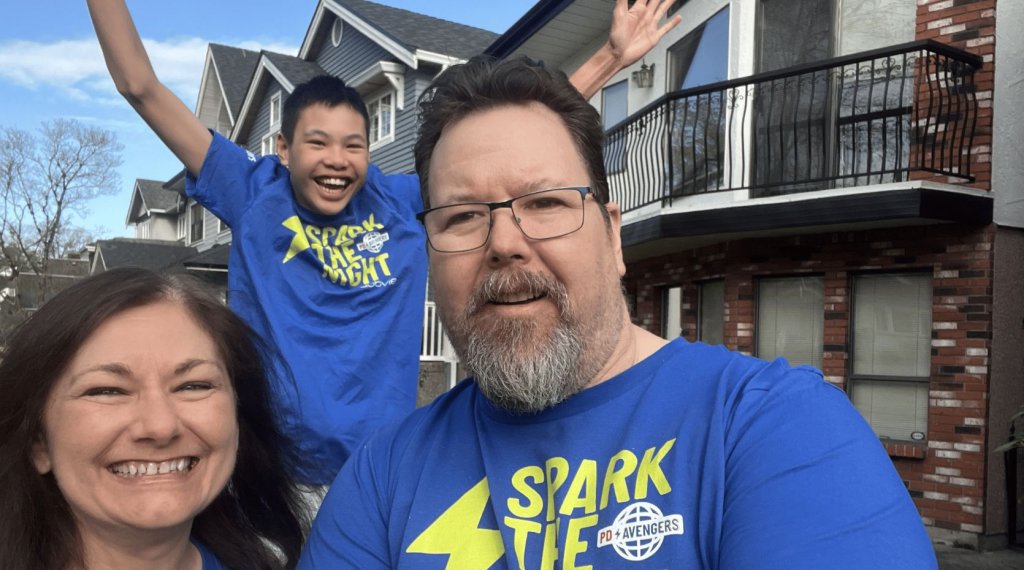
PD Avengers’ Larry Gifford on why Parkinson's advocacy gives him purpose

“What began as a conversation has grown into a global alliance grounded in three pillars: wellness, advocacy and research. We believe every person living with Parkinson’s deserves equitable access to therapies and resources.

“We believe our community has been too quiet for too long and must now be a louder, more persistent voice demanding change in how Parkinson’s is understood, funded and treated. And we believe Parkinson’s can ultimately be eliminated through prevention and research, including identifying and reducing environmental risk factors.”

PD Avengers has 10,000 members – congratulations! Why do you think you have struck a chord with so many around the world?

“I think we’ve struck a chord because PD Avengers is unapologetically patient-led and action-orientated. People are tired of “some day”. We are built around urgency – uniting voices to push for better research, better care and real prevention – while giving people practical ways to participate without needing permission.

“You don’t have to be an expert to help. You can join for free, attend a meeting, share a campaign, light up a landmark, or simply amplify a message. That combination of purpose and accessibility travels well across borders and cultures.

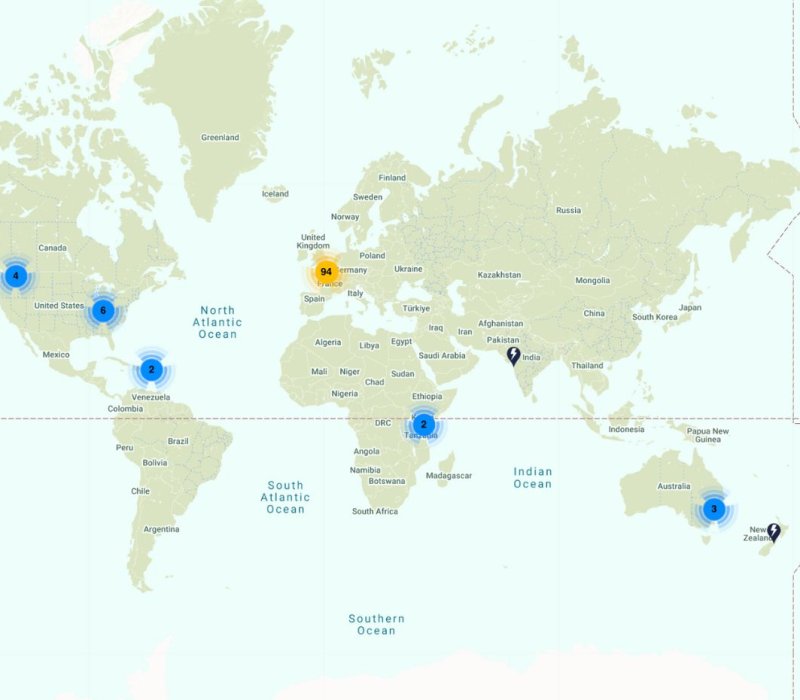
“As of February 2026, our database includes 10,646 PD Avengers worldwide. Of those, 96% have selected a country, with the largest numbers being in the United States (5,707), Canada (1,619), the UK (1,122), Germany (381), Australia (294), Austria (147), Italy (76), Ireland (73), New Zealand (63), and Spain (56).

“That global footprint reflects something bigger: people living with Parkinson’s – and those who care about them – are ready to move from awareness to action.”

Which PD Avengers achievement are you most proud of?

“We were created to add urgency – and that urgency has translated into action. Our members have led work on medication equity, investigating access to dopamine replacement therapies in developing nations.

“We have advanced global conversations around sleep and Parkinson’s, and contributed to research on the unmet needs of women living with Parkinson’s, including collaborations with UCLA and the International Parkinson and Movement Disorder Society, and Fox Insight surveys exploring women’s lived experiences.

“We’ve elevated awareness around environmental risk factors through initiatives like BanParaquat, advocating for stronger protections against toxic chemicals linked to Parkinson’s. We’ve collaborated with the World Health Organization, LSVT Global, Parkinson’s Africa, and partnered with the World Parkinson Coalition to roll out a Parkinson’s Ready programme in Vancouver, helping local organisations better understand and support people living with Parkinson’s.

“In 2021, we joined with the authors of Ending Parkinson’s Disease to rally more than 50,000 red letters to the White House calling for a US National Parkinson’s Plan.

“In 2022, we introduced ‘The Spark’, a global awareness symbol. Last year, Spark the Night had grown to 650 illuminated sites in 17 countries, spanning 31 US states, seven Canadian provinces, and 253 cities worldwide.

“In 2023 and 2024, we helped to champion the Dr. Emmanuel Bilirakis and Honorable Jennifer Wexton National Plan to End Parkinson’s Act into US law. This law calls for an integrated national plan to prevent, diagnose, treat and cure Parkinson’s, ameliorate symptoms, and slow or stop progression. This plan will include not only Parkinson’s but will also encompass all other neurodegenerative Parkinsonisms, such as multiple system atrophy, corticobasal degeneration, progressive supranuclear palsy and Parkinson’s-related dementia.

“This National Plan to End Parkinson’s will be developed with input from the Advisory Council on Parkinson’s research, care and services, which will include people living with Parkinson’s, caregivers, healthcare providers, researchers, advocacy organisations and representatives from federal agencies.” 

In your 10,000-member announcement, you listed these plans. What progress has been made?

  • Volunteer Coordinator
    “We wanted to move from ‘people want to help’ to ‘people are deployed and supported’. I’m happy to say Lucie Phlippoteau has filled this role, and we now have more than 100 volunteers globally helping us Spark the Night.”
  • Grow our board from three to six members
    “We’ve added two new board members: R. Bernard Coley (care partner) and Esther Labib-Kiyarash (person with Parkinson’s). One additional board seat will be filled later this year.”
  • Medical Advisors
    “Dr Ray Dorsey and Dr Michael Okun – now authors of The Parkinson’s Plan, which is dedicated to the PD Avengers – serve as our Medical Advisors, helping bridge the patient community with scientific leadership.”
  • Amplify local voices
    “We continue to operationalise “Think Global, Act Local,” empowering communities to advocate for services and policy change where they live. We are also building state and regional “strike forces” to coordinate advocates in areas where legislation is being debated or voted on, so when policy windows open, we are organised, informed and ready to act.”
  • Raise higher stakes
    “Ten thousand voices give us leverage. We are pushing for stronger policy asks, larger research collaborations and deeper wellness programming.”
  • Celebrate you
    “We’re spotlighting member stories globally to reflect the diversity and power of this movement.”

What can the Parkinson’s community expect from Spark the Night 2026? 

“Registration is open, and [our focus for World Parkinson’s Day on] 11 April 2026 centres on Spark the Night. Our goals include 1,000 illuminated buildings, 1,000 Sparklets across 50 countries and participation in 300+ cities.

“Choosing a favourite building is nearly impossible – it’s like asking which spark matters most. From the Old Mutual Building in Nairobi, to the Empire State Building, Niagara Falls, the Fountain of the Naiads in Rome, and Cristo Rei in Portugal, we have illuminated some of the world’s most recognisable landmarks. Professional football and soccer stadiums have joined in as well.

“This year, we are teaming up with PMD Alliance for a month-long Parkinson’s awareness billboard in Times Square (42nd and 7th Avenue).

“[Introduced last year, for anyone to get involved in,] Sparklets are grassroots expressions of solidarity – a blue porch light, a decorated window, a workplace display – small visible acts that connect to a global campaign.

“What I love most about Spark the Night is that it’s public, visual solidarity. When your city lights up blue, Parkinson’s stops being invisible – and people are reminded they are not alone.”

What are PD Avengers’ other plans for World Parkinson’s Day 2026?

“We are again launching the Sit-to-Stand Challenge, inviting individuals and groups to log their sit-to-stands with a collective goal of 2 million in 2026.

“From 5–11 April, we will also host a daily two-hour live stream showcasing global projects, research and advocacy across the Parkinson’s community.”

Are you doing SparkArt in 2026?

“We’re taking a short pause this winter and spring, but SparkArt will return this summer. It is always inspiring to see how people reinterpret ‘The Spark’ through art – each piece reflecting awareness, hope and cultural perspective from around the world.”

How does your own Parkinson’s diagnosis influence your work?

“I was diagnosed with early-onset Parkinson’s in August 2017 at age 45, and had DBS (Deep Brain Stimulation surgery), in 2023. In many ways, PD Avengers feels like a natural extension of the podcast Rebecca and I hosted, When Life Gives You Parkinson’s. We were sharing our journey so others could better navigate theirs. This work is personal because I know what it feels like to need answers – and community. It also gives me purpose to wake up each day and advocate for the more than 12 million people worldwide who’ve heard the words, ‘You’ve got Parkinson’s.’”
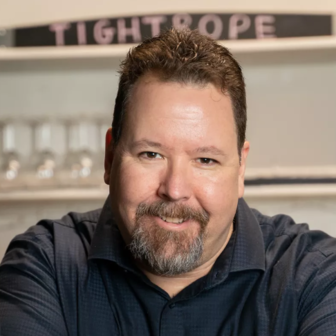
PD Avengers' Larry Gifford

What lifestyle steps help you manage Parkinson’s?

“I’m not a natural gym rat. But I have changed my diet and lost 13kg. I have cut out 95% of dairy, reduced alcohol significantly, limited beef to special occasions, eat a lot of vegetables (many raw), and eliminated soda, lunch meat, sandwiches and most snacking. I nap daily. DBS has allowed me to reduce my medication significantly.

Find out more about living well with Parkinson’s

“I build new neural pathways through teaching and performing – and I’ve recently started stand-up. Most importantly, I draw energy from family, friends and the Parkinson’s community.”

You play many roles in the Parkinson’s community. How do they connect?

“Whether I’m serving as President of PD Avengers, hosting On Time for the Brian Grant Foundation, sitting on the Michael J. Fox Foundation Patient Council, or contributing to the Journal of Parkinson’s Disease, the through-line is the same: use every platform available to elevate patient voices and push urgency where decisions are made.

“I also serve on the steering committee of the Cures Collective, which brings together organisations focused on neurodegenerative diseases such as ALS, Frontotemporal Dementia, Parkinson’s, MS, Huntington’s and Alzheimer’s. Today, one in four people are expected to be diagnosed with a neurodegenerative disease in their lifetime. While researchers recognise the deep interconnections among these conditions, efforts to understand and combat them often remain fragmented – divided by silos in research, funding, care and policy.

“There is no unified strategy that bridges science, clinical care, public awareness and legislative action, and opportunities for collaboration among key stakeholders – researchers, clinicians, industry leaders, patients and policymakers – are still limited. With neurodegenerative diseases projected to become the second leading cause of death globally by 2040, the time for fragmented approaches is over.”

Your next goal is for PD Avengers to reach 100,000 members. How will you get there?

“We believe growth follows impact. The path to 100,000 is simple: invite someone, share your story, show up when you can. Spark the Night and Sparklets are designed to be low-barrier, high-visibility entry points – one person, one light, one city at a time. Slow growth is real growth.”

 

Read More

Healthy vs unhealthy foods: Foods to avoid with Parkinson's disease - dietitian-approved advice on what foods to limit and why
Advice
05 January 2026

Foods to avoid with Parkinson’s disease – dietitian-approved advice on what foods to limit and why

Expert dietitian Kinga Topolowska explains how diet can impact Parkinson’s symptoms and medication
Read More
A photo of a World Parkinson's Day event showing a fountain in Rome, Italy lit up in blue for Spark the Night
News
14 April 2025

10 highlights from World Parkinson’s Day events in 2025

Our roundup of photos and videos from the biggest World Parkinson's Day events from 2025
Read More
Parkinson's group PD Avengers seeks Spark the Night campaign support
News
11 February 2025

Parkinson’s group PD Avengers seeks Spark the Night campaign support

Patient-led Parkinson’s advocacy organisation, PD Avengers, is calling for the Parkinson’s community to sign up to its 2025 World Parkinson’s...
Read More
Home

15 expert-approved tips to manage swallowing problems in Parkinson’s

Speech and language therapist Veronica Clark's expert guidance on managing eating and swallowing problems with Parkinson's
23 February 2026 By Sarah Dawson  Veronica Clark 
Advice chewing and swallowing problems
15 expert-approved tips to manage swallowing problems in Parkinson’s

Eating and swallowing problems are common in Parkinson’s. It can be frustrating when these challenges get in the way of enjoying the things you usually love, like meals with family and friends.

Swallowing difficulties are individual, and solutions vary from person to person, but following these tips on diet, drinking and eating techniques can really help.

Veronica Clark, an independent speech and language therapist specialising in Parkinson’s and founder of Veronica Clark Speech Therapy Services, has approved this advice.

Advice and tips for managing swallowing problems in Parkinson’s

  1. Take regular sips of water while eating. Try refilling your glass when it is half empty, so that you do not have to tilt your head so far back when drinking. Some people may find it easier to use a straw when drinking.
  2. Take a break between mouthfuls and always empty your mouth fully before taking another sip of your drink or another bite of food. Focus on a strong swallow when eating, and double swallow if food doesn’t fully go down the first time.
  3. Try eating smaller portions in one sitting but have more meals and frequent snacks. You may find this more manageable than the traditional three large meals a day.
  4. Use a metal teaspoon rather than a plastic dessert spoon. This will encourage small mouthfuls and help you feel the sensation of the teaspoon in your mouth.
  5. Relax and enjoy your meal. Try not to get anxious beforehand. If you are relaxed, your throat is likely to be relaxed too, which will make swallowing easier.
  6. Relax your throat muscle by yawning before a meal and in the middle of your meal if needed.
  7. Sit upright for ten minutes before eating, while eating and for 30 minutes afterwards. Good posture helps with eating, swallowing and digestion.
  8. Keep your chin level or in a natural position when swallowing. Try not to tip your head up or tuck it down unless this has been recommended by a speech and language therapist.
  9. Don’t tilt your head back when eating. This makes swallowing more difficult and less safe as it opens up your airway which needs to be closed when swallowing in order to protect your lungs.
  10. Try not to eat meals when you are ‘off’ as eating will be more difficult and choking more likely. Time medications to allow good swallow function at mealtimes.Tips for swallowing
  11. Try not to eat when you are tired.
  12. Keep distractions to a minimum at mealtimes. Concentrate only on eating and turn off the television or radio.
  13. If you wear dentures, make sure they are a good fit and don’t feel uncomfortable when you’re chewing.
  14. Involve your family and friends. Make sure they are aware of the problems you experience and the need for you to take your time.
  15. Don’t rule out eating out. Just do some forward planning and check the menu in advance. You may like to book a secluded table if you want some privacy, and remember to take any special eating aids you use with you.

Find out more about Parkinson’s and swallowing problems, and diet and nutrition advice for living well with Parkinson’s.

Read More

Dysphagia: what foods to eat and what to avoid when you have problems swallowing
Advice
20 July 2026

Dysphagia: what foods to eat and what to avoid when you have problems swallowing

We all know the importance of eating a healthy diet, and while there’s no specific diet suggested for people with...
Read More
Expert advice: what to expect at a clinical swallowing evaluation for Parkinson’s
Advice
01 July 2026

Expert advice: what to expect at a clinical swallowing evaluation for Parkinson’s

If you’ve been experiencing problems with eating and swallowing, you’ll understand the anxiety and often embarrassment these difficulties can cause....
Read More
Tips to manage drooling
Advice
16 March 2026

Tips to help you manage drooling when you have Parkinson’s

Parkinson’s and drooling: tips and exercises that can help
Read More
Home

Civil rights icon and Parkinson’s advocate Jesse Jackson passes away aged 84

17 February 2026 By Christy McGhee
News Jesse JacksonobituaryProgressive Supranuclear Palsy
Civil rights icon and Parkinson’s advocate Jesse Jackson passes away aged 84

US civil rights leader and Parkinson’s advocate Jesse Jackson has passed away at the age of 84, according to a statement released by his family.

Jackson announced he had been diagnosed with Parkinson’s in 2017, a condition his father had also lived with.

Calling the condition “not a stop sign, but a warning light that I must make lifestyle changes”, Jackson vowed to use his voice to find a cure for Parkinson’s.

However, in November 2025 it was announced his diagnosis had since been confirmed as Progressive Supranuclear Palsy (PSP) the previous April.

What is Progressive Supranuclear Palsy (PSP)?

Tributes to Jesse Jackson

In a statement, the family paid tribute to his ‘tireless’ work, saying: “His unwavering commitment to justice, equality, and human rights helped shape a global movement for freedom and dignity.”

Jackson leaves behind wife Jacqueline and their children Santita, Jesse Jr., Jonathan, Yusef, Jacqueline, daughter Ashley, and grandchildren.

Jackson’s family announced his passing on Tuesday morning, via a social media post from the Rainbow PUSH Coalition (RPC), an international membership organisation for social change, formed by Jackson in 1996.

Born in South Carolina, US, Jackson’s political career began in the 1960s when he started to work for Martin Luther King Jr. He swiftly became a prominent civil rights leader, playing a significant role in US politics over the subsequent 50 years.

Parkinson’s Europe sends the Jackson family our condolences at this very sad time.

Parkinson’s Europe’s Strategic Director Amelia Hursey said: “We’re sad for Jesse’s family for their loss of such a courageous figure, and pay tribute to all he did to speak up for the Parkinson’s community.

“Parkinson’s and Progressive Supranuclear Palsy are both progressive conditions with no known cure. We don’t yet fully understand what causes them or how we might be able to slow them down, however we will continue to support the hunt for a cure and to improve the lives of people already affected.”

Read Jesse Jackson’s family statement in full:

Jackson Family Statement on the Passing of Reverend Jesse Louis Jackson, Sr.
(Chicago, Illinois)
It is with profound sadness that we announce the passing of Civil Rights leader and founder of the Rainbow PUSH Coalition, the Honorable Reverend Jesse Louis Jackson, Sr. He died peacefully on Tuesday morning, surrounded by his family. His unwavering commitment to justice, equality, and human rights helped shape a global movement for freedom and dignity. A tireless change agent, he elevated the voices of the voiceless – from his Presidential campaigns in the 1980s to mobilizing millions to register to vote – leaving an indelible mark on history.

Reverend Jackson is survived by his wife, Jacqueline; their children – Santita, Jesse Jr., Jonathan, Yusef, Jacqueline: daughter Ashley Jackson, and grandchildren. He was preceded in death by his mother, Helen Burns Jackson; father, Noah Louis Robinson; and stepfather, Charles Henry Jackson.

“Our father was a servant leader – not only to our family, but to the oppressed, the voiceless, and the overlooked around the world,” said the Jackson family. *We shared him with the world, and in return, the world became part of our extended family. His unwavering belief in justice, equality, and love uplifted millions, and we ask you to honor his memory by continuing the fight for the values he lived by.”

Public observances will be held in Chicago. Final arrangements for Reverend Jackson’s celebration of life services, including all public events, will be released by the Rainbow PUSH Coalition at www.rainbowpush.org and www.jessejacksonleeacy.com.


Read More

Words of encouragement for someone with Parkinson's: Inspiring and powerful quotes about Parkinson’s disease, by people living with Parkinson's
Stories
09 December 2025

29 powerful quotes about Parkinson’s disease – words of encouragement from people living with Parkinson’s

Words of wisdom to mark World Parkinson’s Day
Read More
Women’s Brain Foundation: research must take a sex- and gender-informed approach
News
06 May 2025

Women’s Brain Foundation: Parkinson’s research must consider sex, gender and ethnicity

The Women’s Brain Foundation (WBF) is calling for people to sign and share a new petition demanding a sex- and...
Read More
Civil rights icon and Parkinson’s advocate Jesse Jackson passes away at the age of 84
News
23 November 2017

Rev Jesse Jackson vows to “use his voice to find a cure” for Parkinson’s

The civil rights leader reflects on his Parkinson’s diagnosis
Read More

Posts navigation

Older posts
Newer posts
Our Funders

Special thanks to the organisations who contributed to the funding of this website.

Legal
  • Terms of use
  • Accessibility
  • Medical disclaimer
  • Privacy Policy
  • Cookie Policy
Parkinson's Europe

Lynwood House

Crofton Road

Orpington

Kent BR6 8QE

United Kingdom

[email protected]

Copyright © 2026 Parkinson's Europe.

All Rights Reserved

  • Facebook
  • Instagram
  • LinkedIn
  • Youtube
  • BlueSky
  • Threads