We all know the importance of eating a healthy diet, and while there’s no specific diet suggested for people with Parkinson’s, you do need to make sure your body is getting all the nutrition it needs.
Eating and swallowing problems (also known as dysphagia) are common in Parkinson’s. This can make it harder to eat the unrestricted diet you may have been used to.
However, it’s important to continue eating normally for as long as it is safe to do so. Here we suggest some of the foods to eat and some to avoid, to help make eating and swallowing easier for people with Parkinson’s.
Veronica Clark, an independent speech and language therapist specialising in Parkinson’s and founder of Veronica Clark Speech Therapy Services, has approved this advice.
Food and drink to try if you have difficulty swallowing:
- Swap white bread for wholemeal bread. Wholemeal is less likely to get stuck around your mouth.
- Try pasta or noodles instead of bread as the carbohydrate in a meal
- Thick drinks such as milkshakes and smoothies may be easier to control and swallow than thin drinks. In some cases, thickeners can be added to thin drinks to reduce the likelihood of choking. This should only be done after an assessment with a speech and language therapist.
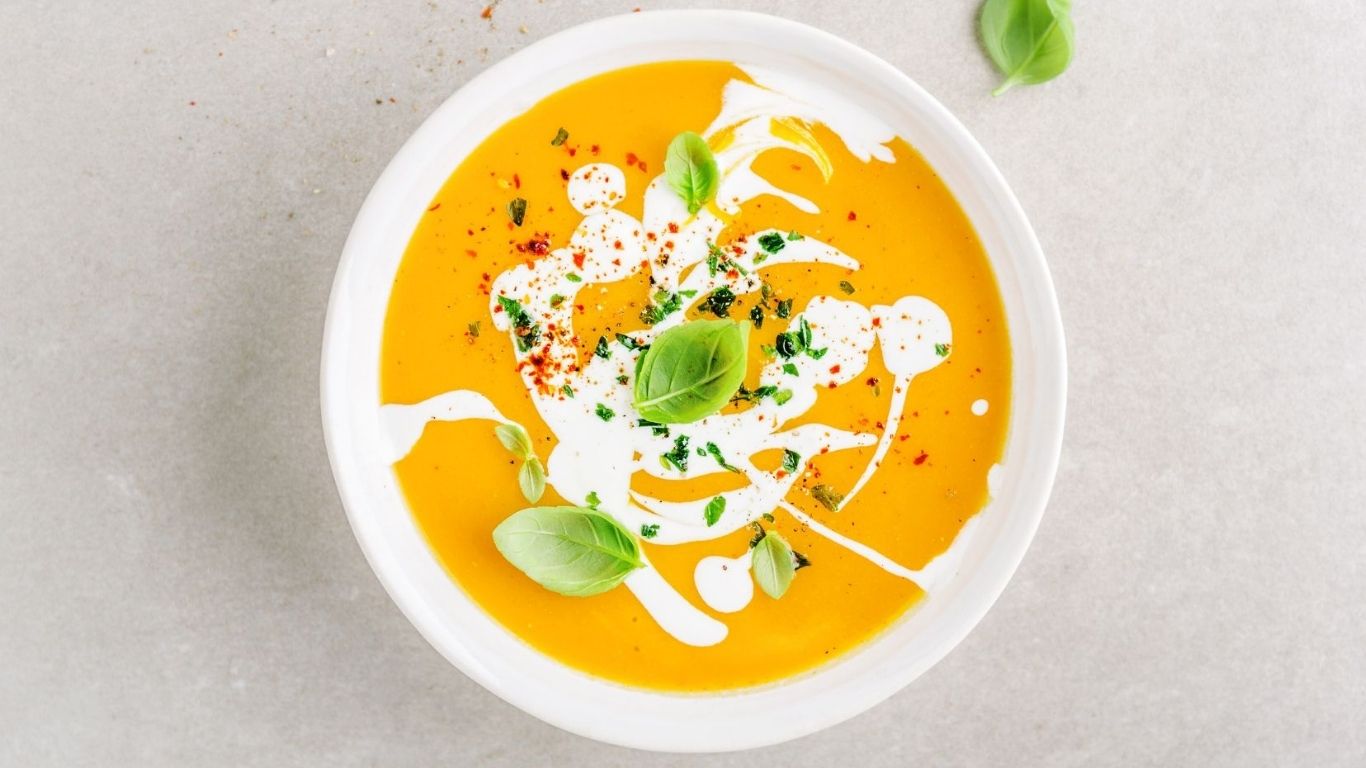
- More moist and soft foods can be easier to eat, such as soups, omelette, well-cooked meats in sauces or casseroles and vegetables that are cooked until they are soft.
- Pasta is a good choice, but avoid spaghetti.
- For sweet options choose custards, jelly, pureed fruit, yoghurt, ice cream and mashed banana.
- A soft diet, or a diet that includes more soft and moist food, can make swallowing easier but only follow a pureed diet if advised to by your doctor, or speech and language therapist.
Food and drink to avoid if you have difficulty swallowing:
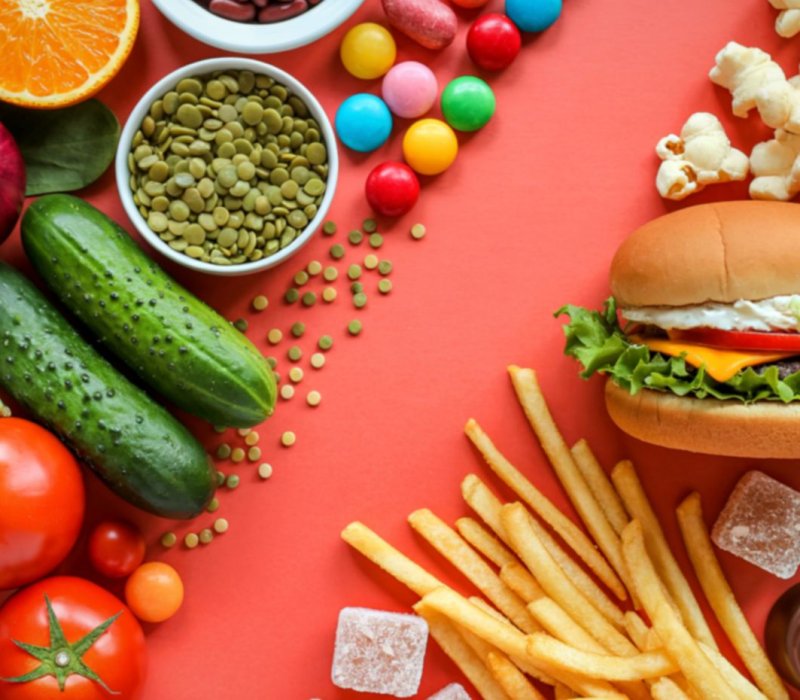
- Dry, crumbly or hard foods are more difficult to swallow and more likely to cause choking or leave residue inside the mouth and throat after swallowing.
- Avoid foods with mixed consistencies. For example cornflakes floating in milk, or minestrone-type soups where the liquid sits separately from the solid. Soups are a good choice, especially if they are thick and creamy, rather than thin and watery or chunky.
- Foods that stick to the roof of the mouth or get caught around the mouth,. For example, tomatoes with the skin on, biscuits, bran flakes and hard-boiled eggs.
- ‘Sticky’ foods such as white bread and mashed potato.
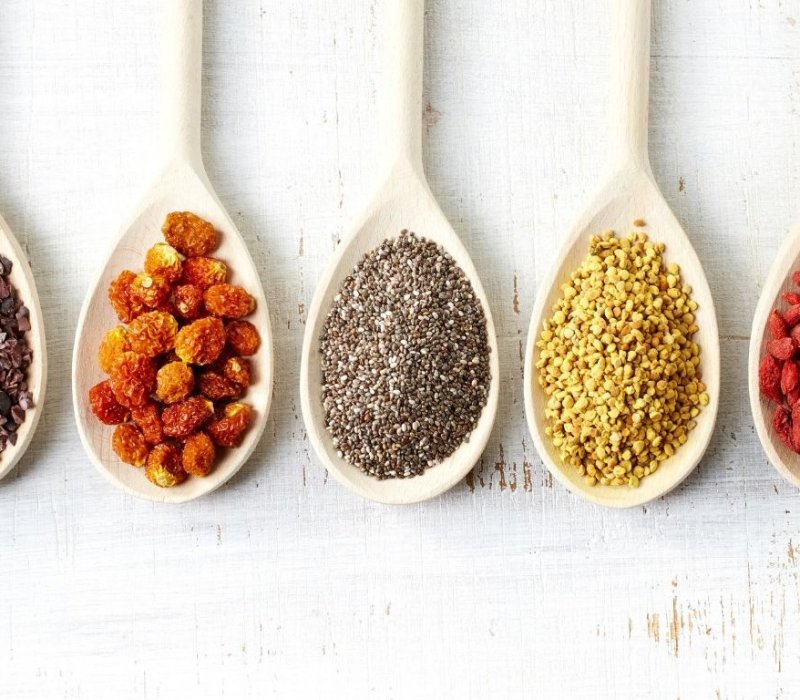
- Nuts, grains and seeds.
- Tough, fibrous fruit and vegetables like pineapple, oranges, green beans and salad leaves
If you are experiencing swallowing difficulties and wish to make changes to your diet it is always advisable to seek the help of a speech and language therapist. They can assess your individual symptoms and give more individualised advice.