Can eating the right foods help with non-motor Parkinson’s symptoms like anxiety? Anxiety and panic disorders – where people experience nervousness, worrying and fear – are common Parkinson’s symptoms. These symptoms can be very hard to live with, often having an impact on both your mental and physical health.
With diet and nutrition being well-known for having an important influence on symptoms, Parkinson’s Life explores whether eating specific foods – such as seafood – or ingredients rich in certain vitamins like B6, can have an effect on anxiety and Parkinson’s.
What is a superfood for Parkinson’s? See our expert advice
We know that people with Parkinson’s can often experience non-motor symptoms such as anxiety and panic disorders. However, there is evidence to suggest that a diet rich in certain nutrients can help alleviate some of these difficulties.
It is not possible to treat symptoms with food alone. However, what we eat can improve how well our cells are nourished, and support the brain and the rest of the body to have an optimal environment to function.
We ask Kinga Topolowska, expert dietitian, for her advice on the best foods to prevent or reduce anxiety when you have Parkinson’s. Find out her recommendations and tips.
Best foods for anxiety when you have Parkinson’s
Different foods provide different chemicals that can help reduce the risk of anxiety. These include:
Iron-rich foods
Iron deficiency can affect mood levels as well as fatigue and reduce quality of life. Foods rich in iron include beef, beef liver, pork, poultry, and seafood such as halibut, haddock, perch, salmon, tuna, clams, and oysters. These contain heme iron, which is found in animal meat and is more readily absorbed than plant-derived, non-heme iron. Too much iron can interfere with levodopa absorption, and because these foods are also high in protein, they can block levodopa. If you use levodopa, be sure to take it at least 30 minutes before eating these foods. Fish and seafood are good choices for people with Parkinson’s because they also contain brain-supportive omega-3 fatty acids.
Plant foods high in iron include soybeans, tofu, lentils, spinach, chard, garbanzo beans. These have the non-heme form of iron, which is less well absorbed than heme iron. Acidity helps boost iron absorption, so having lemon juice or vinegar salad dressing, or an orange, in the same meal with beans and leafy greens, will help boost iron absorption from the plant food.
According to the Food and Nutrition Information Center of the United States Department for Agriculture, the Recommended Dietary Allowance for iron is 8mg per day for men aged 19 and older, 18mg per day for women between the ages of 19 to 50, and 8mg per day for women aged 51 and older.
RECIPES: See our collection of Parkinson’s-friendly recipes
Remember that products rich in calcium (like dairy products, milk, cheese) and caffeine/theine (coffee, tea, caffeinated drinks) significantly reduce iron absorption. So it is best to avoid them at the same meal as iron-rich foods.
Vitamin C (bright coloured vegetables – peppers, potatoes) on the other hand help with getting the most of iron-rich foods.
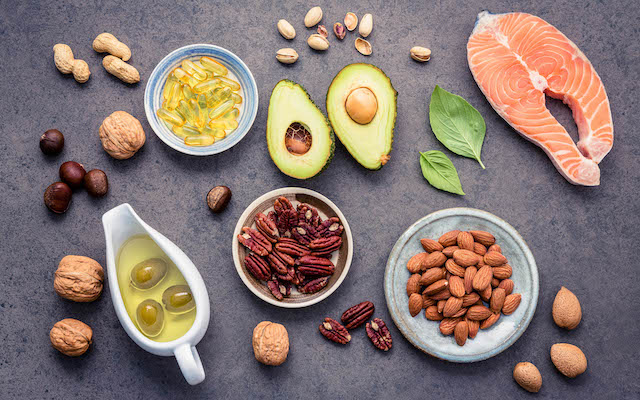
Food high in vitamin B6
Vitamin B6 takes part in many chemical processes related to mood and nervous system. Tuna, turkey, beef, chicken, salmon, sweet potato, potatoes, sunflower seeds, spinach and other dark leafy greens, and bananas are all good sources of vitamin B6.
Tuna, beef, poultry, salmon, and spinach are good iron sources also, so these foods provide the benefit of both nutrients.
>The RDA of vitamin B6 is 1.3mg for men between the ages of 14 to 50 and women between the ages of 19 to 50. Men above the age of 50 require 1.7mg, while women of the same age need 1.5mg.
Foods rich in vitamin D
There are few foods that contain vitamin D, and of these, salmon is by far the best – a salmon steak of 115g contains 128% of the RDA. Sardines, cow’s milk, tuna, egg yolks, and shiitake mushrooms have smaller but still important amounts. Salmon is a great food to eat two to three times weekly and it’s also a source of vitamin B6 and iron too.
Sunlight is a very good source of vitamin D. When sunlight is available, exposing your face and arms for around 10 minutes a day will provide sufficient amounts.
The RDA for vitamin D for all adults between the ages of 19 to 70 years is 600 IU per day. For those above the age of 71 the RDA is 800 IU per day. If taking supplements choose the vitamin D3 form, which is more easily absorbed than the D2 form.
Magnesium-rich foods (especially magnesium glycinate)
These foods help with brain processes which affect anxiety symptoms. The foods richest in magnesium are: seeds (pumpkin, chia), nuts (almonds, cashews, Brazil nuts), legumes (peanuts, edamame, black or kidney beans), green leafy vegetables (spinach, Swiss chard, kale, broccoli), and wholegrains/starchy foods (rice, bread, oats, potatoes, bananas).
Tryptophan and complex carbohydrates
These foods support serotonin, the “feel-good hormone” produced in the brainstem and gut. When foods rich in tryptophan are combined with carbohydrates, it boosts the absorption of serotonin.
Tryptophan rich foods include: poultry and meat (turkey, chicken, beef), fish (salmon, tuna, cod and mackerel), dairy and eggs (eggs, milk, cheddar cheese and yogurt), seeds and nuts (pumpkin, chia, sesame seeds and peanuts). Carbohydrates that can be added: oats, brown, rice, sweet potato, quinoa, buckwheat and whole-grain bread).
Physical activity and sun exposure are also natural ways to increase your serotonin level.
Omega-3
The richest sources of Omega-3 are marine fish (two portions per week of mackerel, kippers, pilchards, trout, salmon, herring or sardines) and its oils, but it can also come from micro-algae. Some foods are also fortified with Omega-3 fatty acids.
What if you feel anxious after eating?
There are various reasons why someone might feel anxious after a meal:
- Quick changes in blood sugar levels. After a meal heavy in carbohydrates, sugar levels can rise and drop quickly, causing your body to feel stressed and release some adrenaline that can give you a feeling similar to a panic attack. To minimise this risk, avoid very large meals based mostly on starches/carbohydrates (bread, rice, potatoes, pasta), add protein sources (meat, fish, dairy, eggs, pulses, tofu), fibre sources (fruit/vegetables) and healthy sources of fat (olive oil, rapeseed or nut oils, avocado, oily fish, flaxseeds, seeds and nuts). This should slower digestion and reduce ‘sugar crash’ effect.
- Eating large portions too quickly. This can cause your stomach or bowels to distend and push on other organs like the heart, resulting in discomfort in the chest.
- Swallowing difficulties can also trigger fear and heightened awareness of the possibility of food travelling the wrong way. If those difficulties are severely affecting you, ask to see a Speech and Language Therapist to discuss the safest textures for you, to minimise risk of choking on food or aspirating.
- Also, some people might have fears related to certain foods, driven by previous experiences or misinformation spread on the internet about exclusion diets (e.g. gluten free, lactose free, sugar free). If you notice that effect, please ask to speak to a dietitian, who will explain it all based on scientific evidence.
- Having balanced meals and eating them slowly, mindfully can help to feel more relaxed afterwards.
What foods cause anxiety and panic attacks?
It is rare that one food causes anxiety and panic, especially if eaten in moderation. Sometimes it is the dose that drives this effect. There are some foods and drinks that may make you feel anxious or more likely to have a panic attack:
- Alcohol: anxiety and poor sleep after consuming alcohol are often reported, so it’s best avoided. However if you wish to have some, have it in moderation and not on an empty stomach.
- Caffeinated drinks and stimulants (coffee, tea, energy drinks): these can mimic some symptoms of panic attacks like racing heart, tremor, sweating or shallow breathing. It is safe to have them, but the dose makes a difference. If someone is sensitive to the effects of caffeine, it is better to choose decaffeinated options.
- Sugar: rapid rise and fall of blood sugar levels can lead to symptoms of shakiness, sweatiness and dizziness. Large amounts of predominantly sugar-based foods and drinks (like boiled sweets, jelly sweets, regular fizzy drinks) can cause rapid sugar spikes and drops. These should be limited and consumed only as a part of a balanced meal, which will help to slow down the digestion process.
Is seafood good for Parkinson’s symptoms like anxiety?
The majority of seafood is good for you and eaten in moderation, will not cause issues (unless you have an allergy). Having large amounts of fish rich in mercury (swordfish, shark, king mackerel) can mimic worsening of Parkinson’s-like symptoms, leading to anxiety. Keeping intake of these low will minimise the risk.
Are bananas good for anxiety?
Bananas are a great source of vitamin B6 and magnesium, and as mentioned earlier, those can have a beneficial influence on anxiety symptoms. They also contain many other helpful chemicals, like potassium, fibre, inulin and prebiotics, which can further support brain health.
Find out more about diet and nutrition for people with Parkinson’s on our Eating Well With Parkinson’s page and Diet and Nutrition Guide.