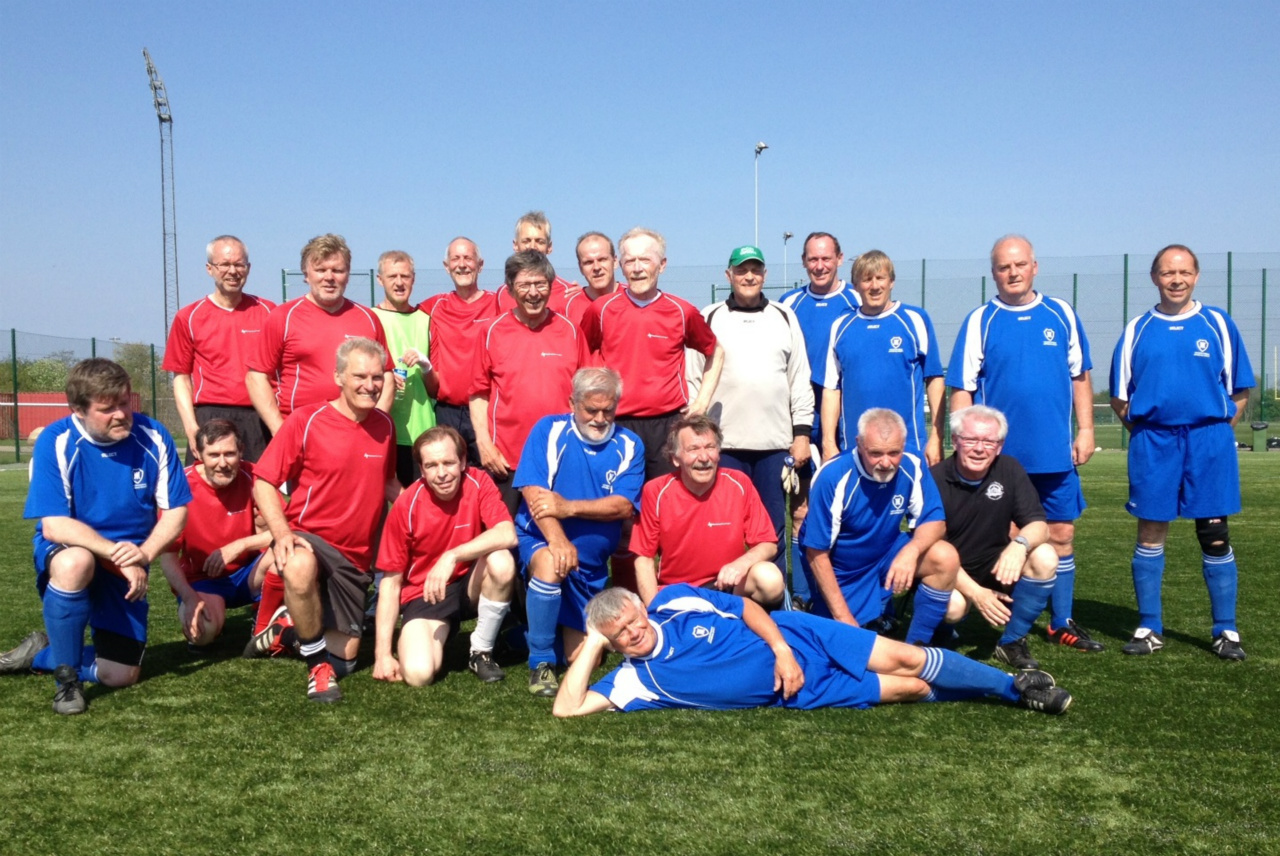
In January this year, experts in advanced Parkinson’s from around Europe attended a roundtable hosted by AbbVie and Parkinson’s Europe to discuss how to improve care for people in the advanced stages of the condition.
Including representatives from countries (France, the Netherlands, Spain, Sweden and the UK) where best practices are in place regarding Parkinson’s care, it discovered that even in these countries there are serious problems to overcome in order to improve care for people with advanced Parkinson’s.
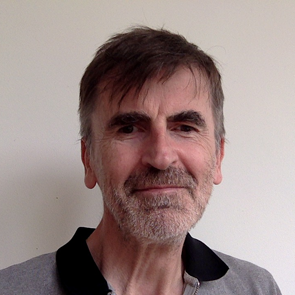
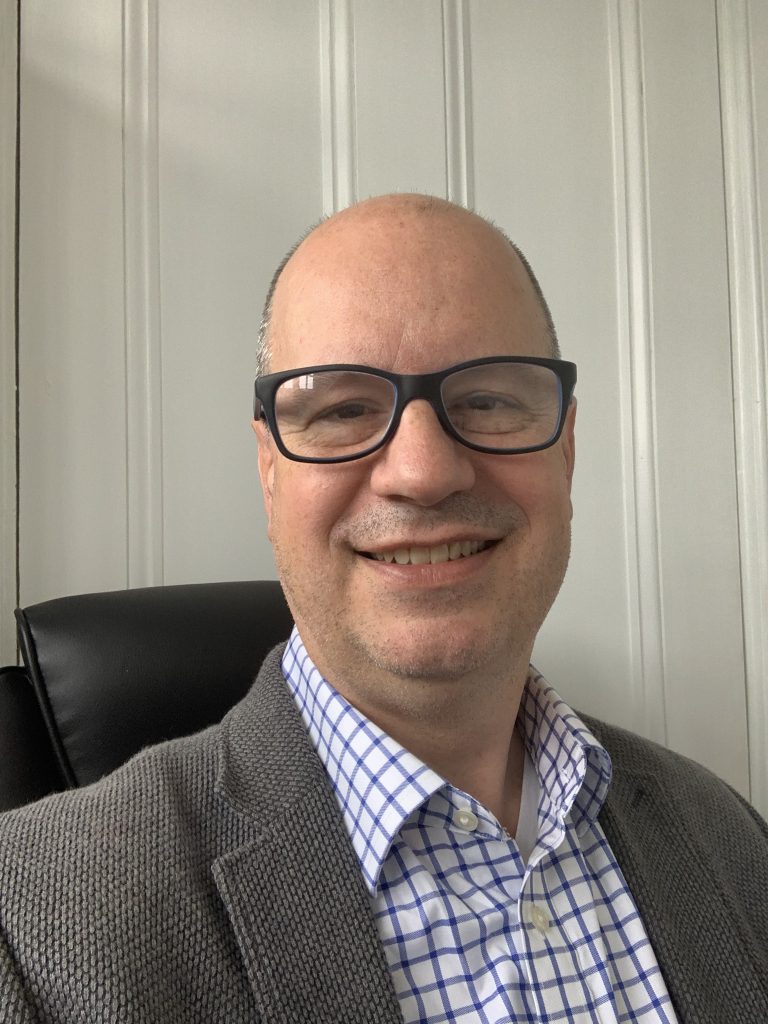
Parkinson’s Europe spoke to four of the representatives who attended the roundtable meeting from France, Sweden and the UK to find out more.
Inadequate resources for advanced Parkinson’s
The availability of expert staff is a huge factor affecting the care of people with advanced Parkinson’s, and this overlaps with how access to care varies geographically within each of the above countries. For instance, all three countries report a shortage of neurologists and nurses.
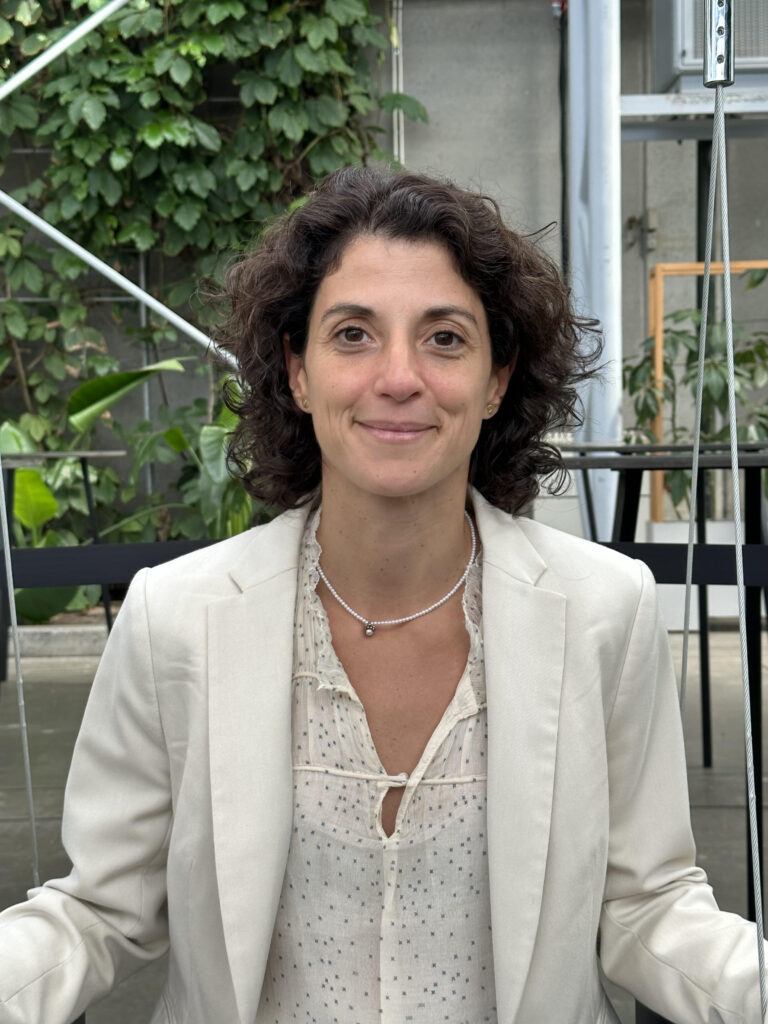
Asked if Sweden has enough neurologists and nurses, Ioanna Markaki, Senior Consultant and Associate Professor in Neurology at the Karolinska Institute in Stockholm, Sweden, says: “No, no. The number cannot match the patients’ needs.”
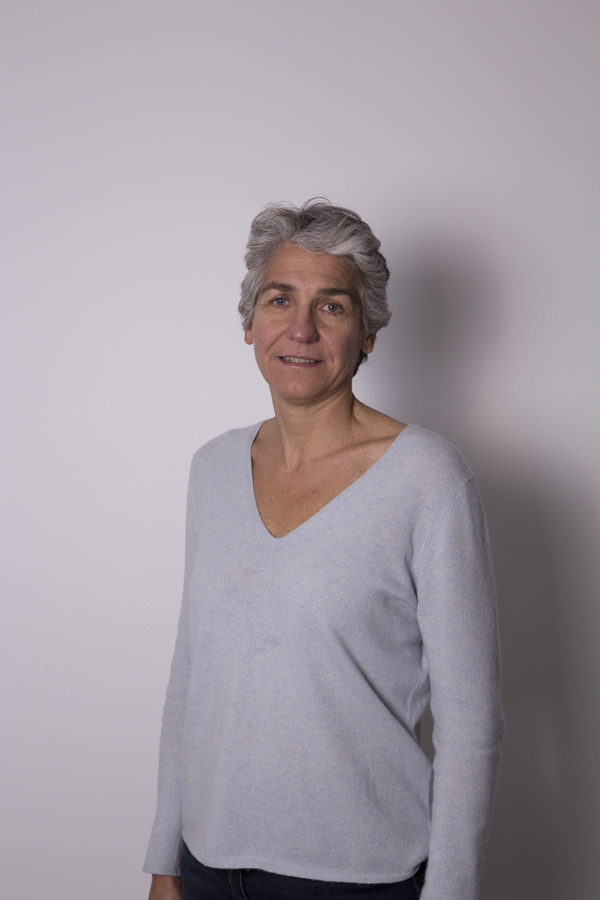
Marie Fuzzati, Scientific Director at France Parkinson, says: “If you feel someone would really need to see their neurologist within a week because there’s a big problem, it’s impossible.”
She predicts that this will continue to be a problem in the future too. “Future generations [of doctors] are not turning to neurology,” she says.
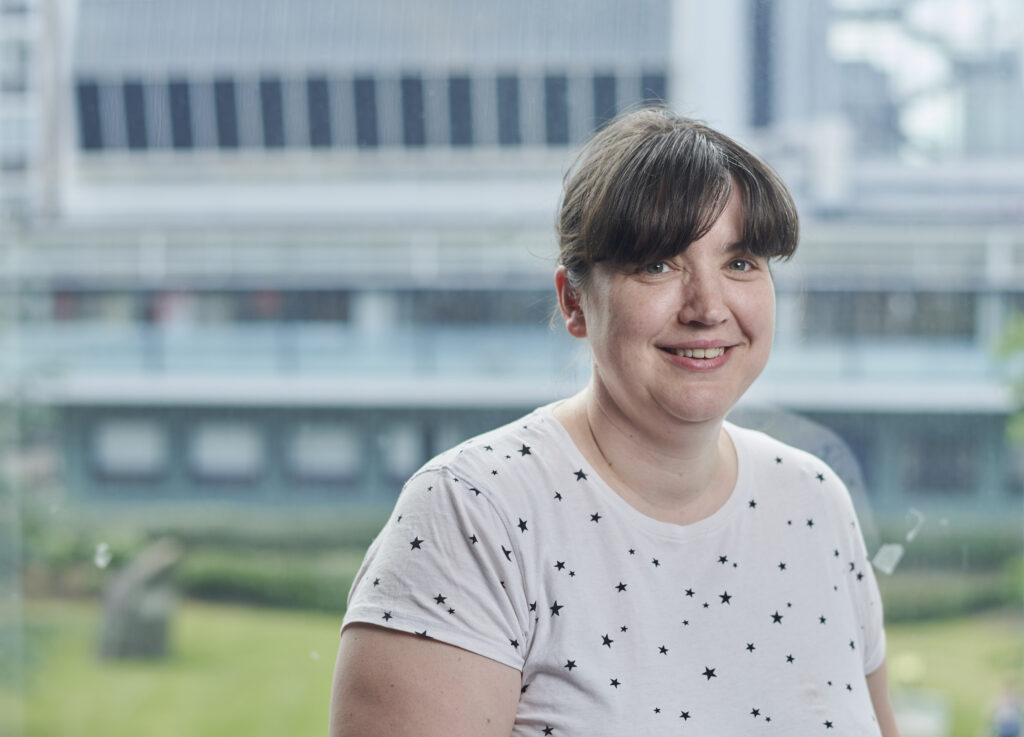
Speaking for the UK, Katherine French, Head of Service Improvements and Grants at Parkinson’s UK, says: “Historically, I think we’ve got the lowest rate of neurologists,” adding that rural areas struggle to recruit.
This of course means that people with the condition do not see a neurologist or a nurse as often as they should.
Markaki says: “According to the Ministry of Health, the patients need to meet a specialist [a neurologist or a nurse] at least once per year. The goal is two times per year.”
However, she says, this goal is not usually met.
There is a similar situation in the UK. French says: “We have a huge issue with waiting lists across the UK. NICE [the National Institute for Health and Care Excellence which provides national guidance to improve healthcare] recommends [people are seen] every six to 12 months, but we’ve got some services where people are waiting anywhere from a year to two years to be seen for a routine follow-up appointment.”
Fuzzati says that in France the target is to see people with Parkinson’s at least once a year, with some people being seen twice a year. “The problem is it’s not dependent on how well their treatment is working. It’s just a set thing: ‘OK, I’ll see you in one year.’”
In these circumstances, making the best use of staff resources is key. At Markaki’s clinic, they try to prioritise seeing Parkinson’s patients according to need. “Most of the time we can meet patients that need it two times per year in person, but the resources are increasingly squeezed. We don’t have a set number of visits for each patient, so there is some flexibility to allocate resources according to need, but it’s becoming increasingly harder,” she says.
Sign our pledge for improved healthcare services for people with Parkinson’s in Europe
In the UK, some services are moving towards seeing everyone once a year rather than sticking to every six months, and allowing people with Parkinson’s to get in touch if they have an issue in the meantime. This allows neurologists and nurses to spend more time looking after those in the advanced stages of the condition.
Fuzzati would like France to adopt a similar practice. “Maybe for people with early-stage Parkinson’s, once a year, once every two years, may be enough – they may not need to see a neurologist that often. Maybe there’s a reevaluation to be done between seeing more advanced people more often,” she says.
This would allow staff to give better care to those in the advanced stages of the condition, she says. “I think a longer visit to the neurologist would be a good thing – often it’s 15-20 minutes; it’s not enough to really get the whole picture when people are more advanced.”
Geographical variations
In all three countries, whether you live in the countryside or a city will have an impact on what services you can access as a person with advanced Parkinson’s.
There is a concentration of expertise in urban centres, which means if you live in a rural area you will need to travel for treatment – which may be difficult if you have advanced Parkinson’s, although France and the UK have hospital taxi services.
Markaki says that care for people with advanced Parkinson’s is “very good” in Stockholm. “There’s a good network of general and private neurologists that have easy access to specialists in movement disorders, but this is not the case in the rest of Sweden,” she says.
Pia Rousu, a registered nurse at the Academic Specialist Centre of Neurology in Sweden, says: “Unfortunately, this means that those living in large cities are offered advanced treatment more often, as knowledge and resources are not available in smaller and remote cities.”
Markaki says that “a big barrier to referral is that in rural areas the neurologists in the smaller hospitals are not trained in advanced therapies and therefore do not have experience in them. So, they don’t feel that they can refer the patients [to advanced care] and care for them in their own clinic.”
This means that the care of advanced people with Parkinson’s is referred to a larger, tertiary hospital, which, Markaki says, causes a “bottleneck”, with the hospital unable to cope with the number of Parkinson’s patients.
On paper, it sounds like France caters well for people with advanced Parkinson’s.
Fuzzati says: “In France, we’re lucky to have 25 expert centres spread around the country, with neurologists specialised in Parkinson’s, and they also have specialised nurses, physiotherapists, speech language therapists, psychologists, so people who are cared for there have a complete team.”
The centres mostly look after those in the middle and more advanced stages of Parkinson’s but their staff also visit new patients. Advanced patients are referred to an expert centre by their local neurologist once their oral treatment is no longer working so that they can be considered for more advanced treatments like the apomorphine pump or deep brain stimulation.
But resources are squeezed. “There are still too many patients and not enough centres,” says Fuzzati.
“They have an emergency line at the 25 centres, but it’s often difficult to give an appointment rapidly.”
Furthermore, she says that not enough neurologists in France outside of the 25 centres specialise in Parkinson’s, and this affects the standard of care for those in the advanced stages of the condition. “They tend to just increase dosage of medication when they should be referring someone to a specialist. That’s where we feel that a Parkinson’s nurse should come into play, to say, ‘OK, that’s enough. Now you need to see a specialist who’s going to help you get your best quality of life.’”
The UK also has a huge amount of geographical variation – and not just between rural and urban centres.
French says in the UK there is a “huge postcode lottery” because healthcare is devolved in each of its four nations. “We have four very different health and social care structures that are funded very differently,” she says.
“Access to some services is better in some of the nations than others. For example, people can get DBS in Northern Ireland, but they have to travel to England [for treatment]. And sometimes the travel puts people off, so they’re not accessing a service because there’s other barriers in their way.”
She adds: “There are huge inconsistencies in the way services are delivered, and services are commissioned. One of our challenges here in the UK is that there’s a real misconception that Parkinson’s care fits under neurology, but actually, we have a huge percentage of the population who receive their care under what we call Care of the Elderly. So even just within one[hospital] trust, we can have a huge variation in a service. So, if you’re under neurology, you might be able to access A, B and C; if you’re under Care of the Elderly, you might actually get D, E and F.”
She gives another example of this in relation to Parkinson’s nurses. “We have some hospital-based nurses who are restricted to only seeing people under, say, Dr Smith or Dr Jones. So, if you see the other doctor, you can’t necessarily access that service. And then we have some community-based services where it’s based on a defined geography – if you happen to live a mile or two miles out of that defined geography, you can’t access that service even though it might be closer to you.”
Nurses
The report on the roundtable, Addressing barriers to care for people with advanced Parkinson’s, noted that Parkinson’s nurses are key when it comes to improving care for those with advanced Parkinson’s, stating that their involvement: “coordinates the care pathway, strengthens in-home support, facilitates patient communication and accelerates identification of disease progression and referral to specialists to consider advanced treatment options”.
For instance, Rousu says that her role means that she is more likely than a neurologist to refer someone for advanced care in Sweden: “The Parkinson’s nurse always keeps track of her own medication changes and often also the neurologists’. In practice, this means that we are the ones who can monitor the effects and side effects of medicines and also can make an assessment when it is time for a more advanced treatment.”
But there is a mixed picture as regards access to nurses’ services.
Referring to the provision of Parkinson’s nurses in the UK, French says: “Although we know there are huge gaps, we are probably exceptionally lucky compared to the rest of Europe for the coverage we have. At the moment, to some degree, most people can access a service.”
However, there are problems with heavy caseloads, says French: “A lot of nurses work independently; they are the only nurse in their area. And there’s a huge reliance [on them]. In the UK, the recommended caseload is one nurse per 300 patients, but we know that quite a significant number of nurses have massively in excess of that, which affects the quality of the service they can provide. A lot of the time they are just firefighting.”
The ability of advanced people with Parkinson’s to travel to see a nurse affects this: “If the patients were coming to the nurse or the consultant, they might be able to see as many as 10 in a day, whereas if you’ve got to travel [to the patient], like we see up in Scotland, you might only actually get to see two, because it’s two hours’ travel between each patient.”
There is also a problem looming in the future as approximately 40 per cent of Parkinson’s nurses in the UK want to retire in the next five years.
Markaki says that Sweden has a similar problem, with an ageing nursing workforce, and, like the UK, they are finding that not enough nurses are choosing to specialise in Parkinson’s.
The situation in France is completely different. “There’s no such thing as a Parkinson’s nurse in France,” says Fuzzati. Instead, there are nurses in advanced practice, but they do not specialise in neurology or Parkinson’s. France Parkinson is currently involved in a study to investigate how using nurses who are specialised in neurology can improve care for people with advanced Parkinson’s.
“We’re doing a pilot study in the north of France, where we have nurses specialised in neurology, so they’re not only trained in Parkinson’s, but they’re also trained in caring for people with multiple sclerosis and/or people with epilepsy.”
In the trial, which is being conducted in Brittany, where it can be difficult for people with Parkinson’s to access neurologists and hospital care, the nurses are coordinating with the hospital, the local neurologist, and others involved in caring for a person with Parkinson’s, such as physiotherapists.
“They go to people’s homes, and they get to know the people better. So, they are better prepared, ready to listen to people and to detect when it’s urgent for the person to have an appointment with a specialist neurologist,” says Fuzzati. “The hope is that when people truly need a visit with the specialist neurologist in advanced care, then they don’t have to wait for six months, they can be referred more rapidly because the nurse has identified this need.”
If the trial is found to work well, it is possible that these more specialised nurses could be introduced across France, which would improve care for those with advanced Parkinson’s.
In France, access to care in rural areas is more difficult, and volunteers from France Parkinson, who have Parkinson’s themselves, call or visit people with Parkinson’s – particularly if they are isolated – to check that they are OK.

Multi-disciplinary teams for advanced Parkinson’s
The roundtable identified that access to a multi-disciplinary team can improve quality of life for those in the advanced stages of Parkinson’s.
Asked what the most important thing to change to improve care of people with advanced Parkinson’s is, Fuzzati replied: “A nurse coordinator in contact with the person at home and the various specialists. The person with Parkinson’s is connected to a multi-disciplinary team that can really, really help the person – that will be the priority.”
However, Fuzzati says: “We also have a lack of specialised [staff] – physiotherapists, speech therapists and psychologists. Often, people who try to find a therapist have trouble finding one, or finding one who understands the disease, and that can actually do something. So, all those resources are lacking.”
Referring to the UK, French says this sort of team can relieve some of the burden on nurses: “Whilst the nurse can coordinate everything, she doesn’t necessarily have to be the person who does everything.”
In the UK, French says there is a lack of data on access to multi-disciplinary care for advanced people with Parkinson’s. “We know when we talk to health and social care professionals, a lot of them are working in that way, but it’s not commissioned or funded in that way. They are working in that way, but in a more informal way.”
She gives examples of multi-disciplinary teams in the cities of Derby and Hull and the north of England that are providing a good service for people with advanced Parkinson’s.
“In South Tees, there is actually quite an innovative service – a multidisciplinary team for advanced Parkinson’s. So, the clinic just sees patients with advanced Parkinson’s.”
In Sweden, again Stockholm has great provision. As for the rest of the country, a recent survey by the Swedish Parkinson’s Association showed that access to a multi-disciplinary team varies hugely, and that many people with Parkinson’s have no access at all.
Markaki says that advanced people with Parkinson’s are able to access specialised rehabilitation clinics where they receive an intensive rehabilitation programme for five weeks, once a year. At these clinics, advanced people with Parkinson’s receive a lot of education about Parkinson’s, and they get access to a psychiatrist, as well as rehabilitation physicians. Alternatively, they can do a lighter, residential programme or follow an exercise plan at home.
Telemedicine
After it took off during the Covid pandemic, telemedicine is listed in the report as being one of the ways to effectively overcome some of the barriers to care for people with advanced Parkinson’s.
In France, Fuzzati says: “It’s not used as much as it should be probably. It can be improved, but certainly since Covid it has increased.” However, Fuzzati believes that while it is fine when a person with Parkinson’s is stable, for others it cannot replace an in-person appointment. “If they have true difficulties, I think face-to-face is better,” she says.
In Sweden, “telemedicine helps a lot,” says Markaki, when discussing how they can offer patients an appointment if they request one.
Also, she says that nurses only make home visits in “exceptional cases” because of the long distances involved. “It can take a nurse two hours at least when she can most of the time do exactly the same job in 20 minutes with telemedicine.”
They also use telemedicine when treating advanced patients, which means they can be treated at home.
Rousu says: “As a Parkinson’s nurse, I am able to change existing Parkinson’s medicines, and I am the one titrating advanced treatment. Almost all titrations with advanced processing are done via video or phone.”
Markaki’s team are also helping to spread how telemedicine can make better use of resources and have acted to bridge the knowledge gap between rural Parkinson’s services and those in tertiary hospitals in the cities.
For instance, Markaki’s team showed staff from a rural hospital how they use telemedicine to help treat advanced patients. “We showed them how we work, and it increased their confidence. They reached out to their tertiary hospital and now they have started titrating at the home clinic.”
For Rousu, telemedicine has helped her provide improved care for patients. She says: “Since the pandemic, we have more video meetings than before. This is good because there is a lack of resources and therefore time. Video meetings allow us to give more patients the opportunity to get the right symptom relief.”
French gives an update on the use of telemedicine in the UK: “Telemedicine was used during the pandemic as a way to provide support to patients to keep them safe. However, it was acknowledged by Parkinson’s services that for some groups of patients it is still important to see them in person, especially where there may be a deterioration.”
As well as the above areas, the roundtable report highlighted an additional problem relating to gaps in patient home support systems. It also recommended an increase in the use of wearable technology and stated that the implementation of “harmonised but tailored accreditation systems” to set standards and drive improvements could enhance care.
Finally, the report recommended that its solutions be replicated in other countries, and the impact of these changes measured so that this evidence could be used to back up calls for an increased workforce and more funding for improved care of people with advanced Parkinson’s.
Read our full report of the advanced Parkinson’s roundtable