Find advice on a range of topics to help you live life to the full, from diet and exercise to travel, work, sleep, relationships and leisure activities.
Our interactive Parkinson's map shows a range of resources across Europe, from member organisations to events, activity groups to research and campaigns
Non-motor symptoms may have the most effect on everyday quality of life for people with Parkinson’s, according to anecdotal findings from over 2,500 people with the condition and their carers logging their symptoms on the Parkinson’s app Parkinson’s ON.
Fatigue was the most commonly reported symptom, while mood and sleep problems came second and third respectively in a list of the 20 most common Parkinson’s symptoms out of 160,000 symptom reports made by the app’s users in the nine months since it was launched. Tremor, a motor symptom, came fourth.
Another interesting finding, from the app’s ‘daily check-in’ feature which asks people how their day was, was that the more active people were, the better their day was.
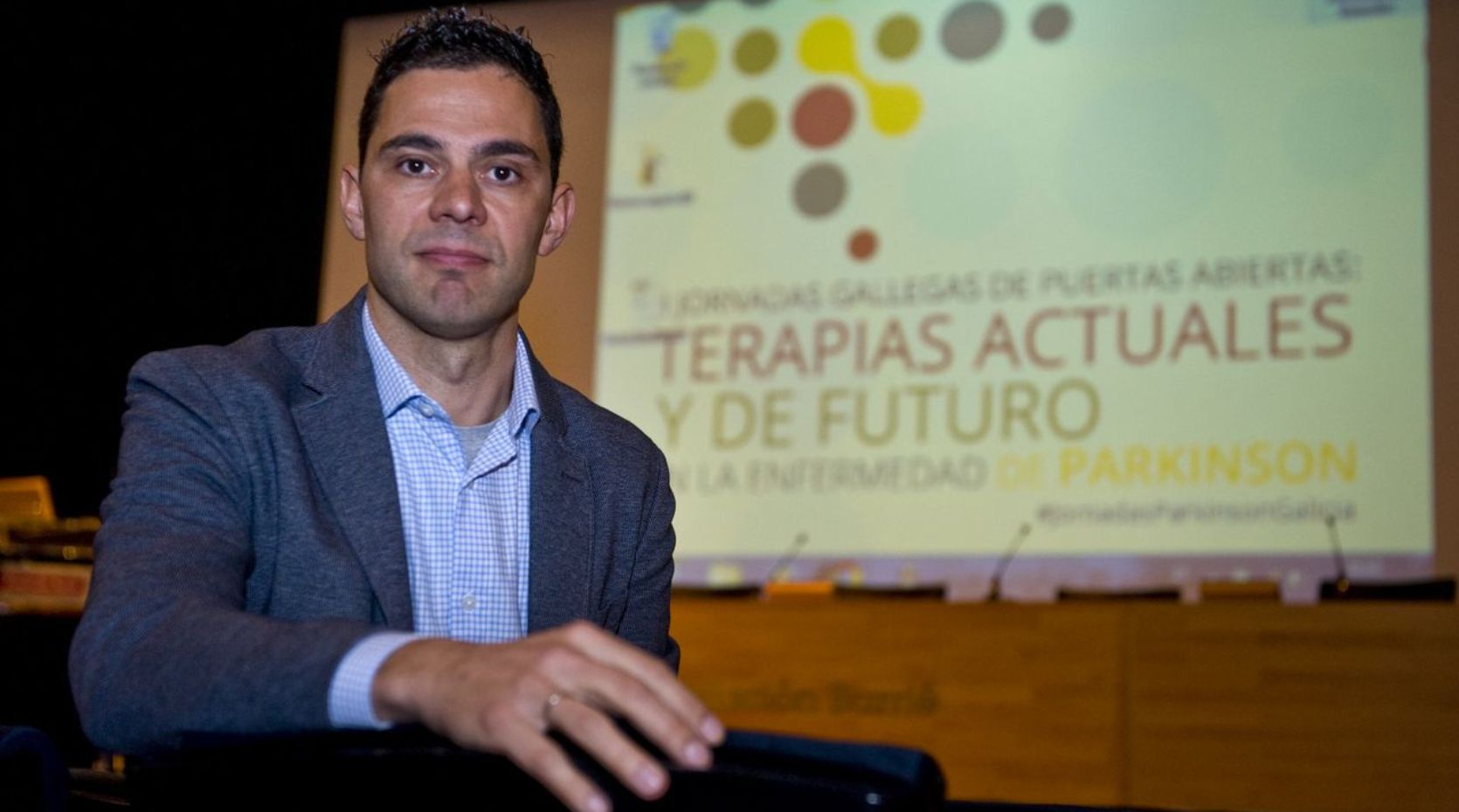
Although not part of a clinical study, these are among the insights made by Kuhan Pushparatnam, a person with Parkinson’s who self-funded and launched the free app late last year.
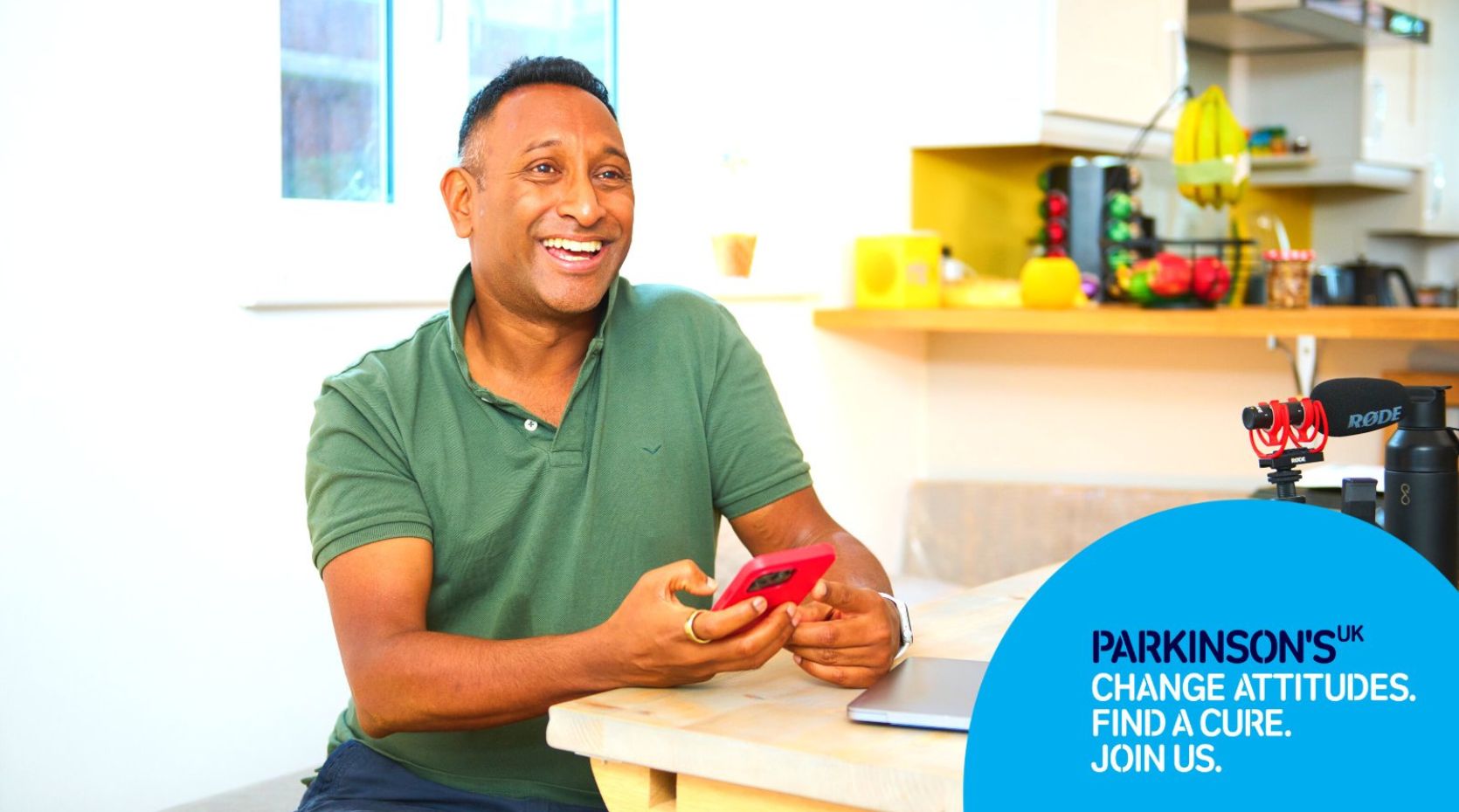
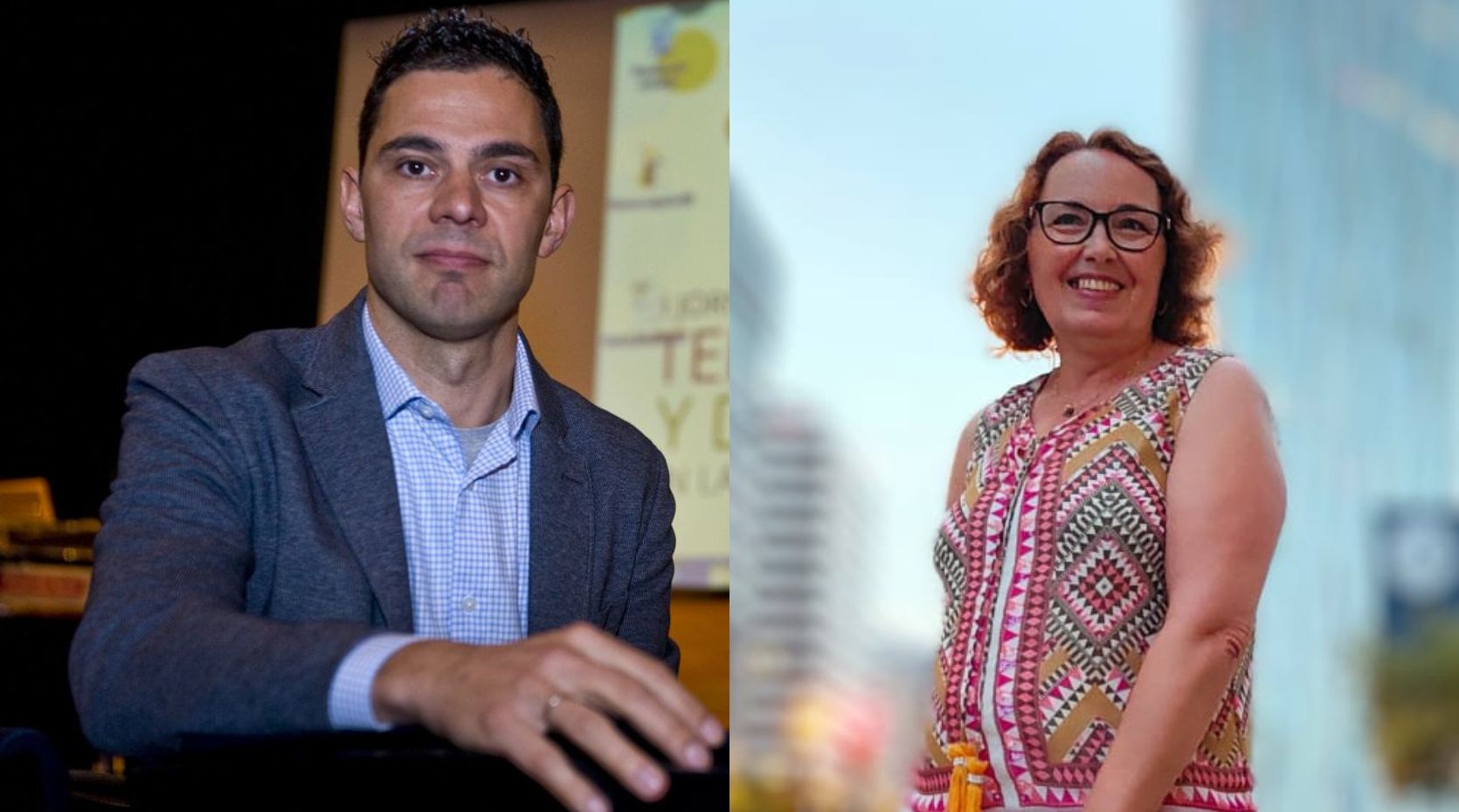
Kuhan Pushparatnam, creator of the Parkinson’s ON app
Kuhan, who is also co-host of podcast 2 Parkies in a Pod, was diagnosed with the condition in 2013 at the age of 38. Drawing on his experience of developing products in the mobile industry, he launched his Parkinson’s app to help people with the condition get a sense of control over their lives.
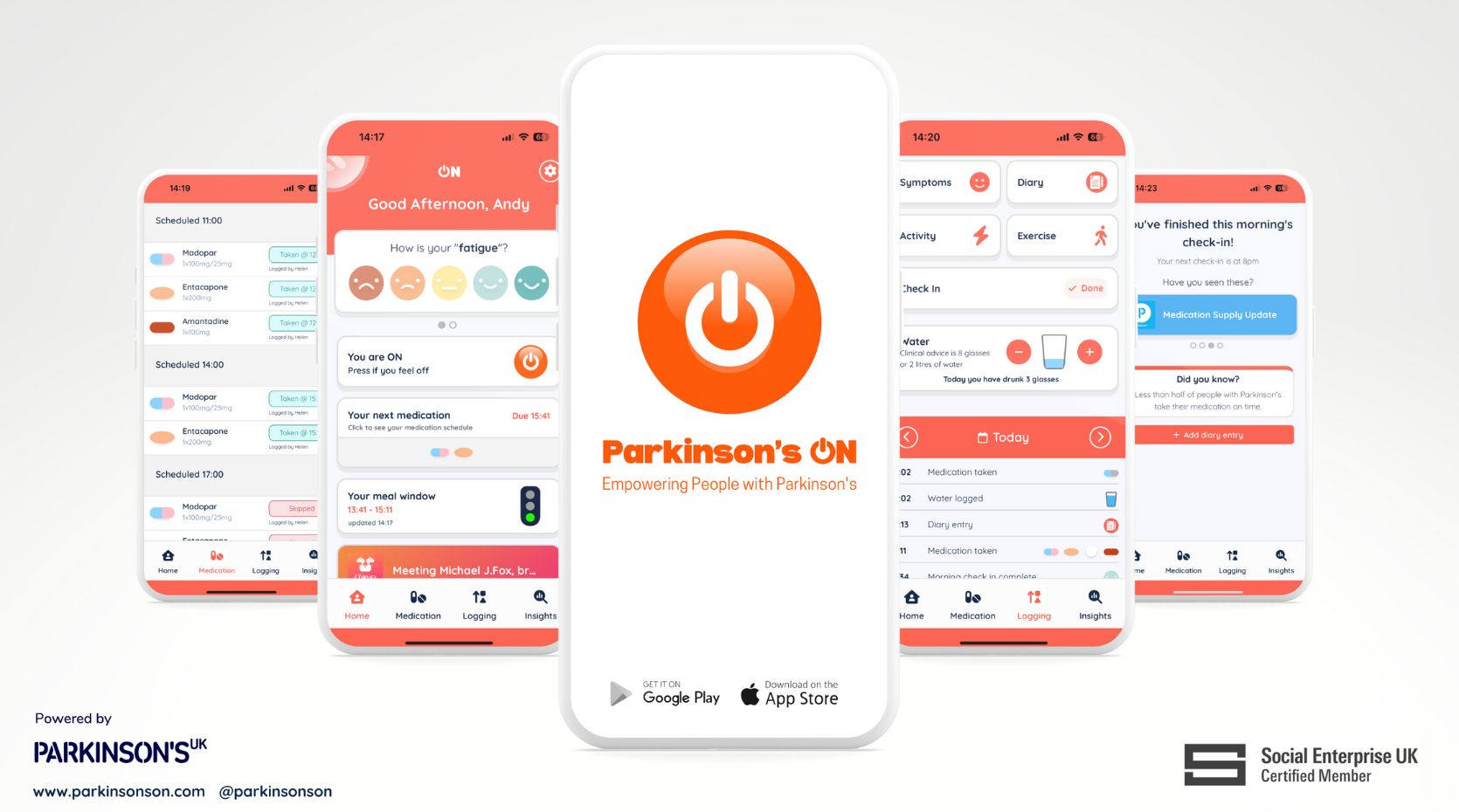
Apart from enabling users to log their daily symptoms, the Parkinson’s app helps people with Parkinson’s to take their medication on time and record their activities. Recently updated with the support of Parkinson’s UK, it now features a new audio format to enable improved access to Parkinson’s UK news, information and research content. The latest version also allows users to plan mealtimes around medication and to track OFF periods. There is also a diary function and wellbeing resources.
Kuhan says: “I’ve always believed tech, when done right, can be a great enabler in daily life. So, I set out to build a simple, ‘Parky-friendly’ app that would not only empower those of us living with the condition, but ultimately allow for a better, more informed quality of care.
“I also wanted people to better understand their Parkinson’s. I wanted both the big picture and the individual portrait. The anonymised data gleaned from Parkinson’s ON app is starting to paint that big picture. Even though no two people have the same set of symptoms, the analysis reveals how the condition varies by age and gender. I really hope these insights can help not only our community and their healthcare teams, but also researchers grappling with their understanding of this degenerative condition.”
Improving the lives of people with Parkinson’s – “We want to grow and go further”
We speak to Laura Morer Benages, Director General of our new member organisation, the Catalan Parkinson’s Association, about plans to collaborate as it celebrates 40 years of improving the lives of people with Parkinson's
Founded in 1985, the Catalan Parkinson’s Association (ACAP) was Spain’s first association for people with Parkinson’s and their families. It began when neurologist Dr. Tolsoa suggested two patients create a meeting point for the Parkinson’s community.
From its early days holding support meetings and conferences, the organisation has grown to organise activities such as physiotherapy, speech therapy and psychology. It is now preparing to celebrate its 40th year of improving the lives of people with Parkinson’s.
Laura Morer Benages, Director General of the Catalan Parkinson’s Association, tells Parkinson’s Europe how the organisation is keen to collaborate with others.
What does ACAP offer, and how has it evolved over the years?
“The main purpose of the organisation is to improve the quality of life of people with Parkinson’s and their families. We do this through activities and services aimed at improving everyday life, as well as raising awareness and exerting political pressure to highlight the unmet needs of the Parkinson’s community.
“Over the years there have been changes of headquarters, larger each time as our membership grew. ACAP has added therapies and services, and recreational and social activities.
“Thanks to the efforts of volunteers, professionals, affected people and caregivers, the association has been growing in activities that help improve the quality of life of families living with Parkinson’s.
“ACAP currently has its own dedicated space where therapies and activities are carried out for people with Parkinson’s and caregivers. Our central office is in Barcelona, and we have branches across Catalonia. We offer services at the centre, people’s homes and remotely.
“The association was awarded public utility status by the Government of Spain’s Ministry of the Interior in 1999.”
How does the organisation work to improve the lives of people with Parkinson’s?
“The association is made up of members, plus a board of directors, who are elected every four years. The board is made up of people with Parkinson’s and their families, and they serve on a voluntary basis. We also work with the network of Parkinson’s specialist professionals who provide direct care, and management professionals.
“We provide therapeutic services and activities at the central office in Barcelona. There are also professionals who provide support to the different branches: administration, social care, communication, projects and management. As in Barcelona, the branches have specialist professionals who provide direct care: physiotherapists, speech therapists, psychologists, music therapists, art therapists and other therapeutic options.
“We work collaboratively with other non-profit organisations who share our objectives, the public sector and also private companies.”
What has been the highlight of 2024 for the Catalan Parkinson’s Association so far?
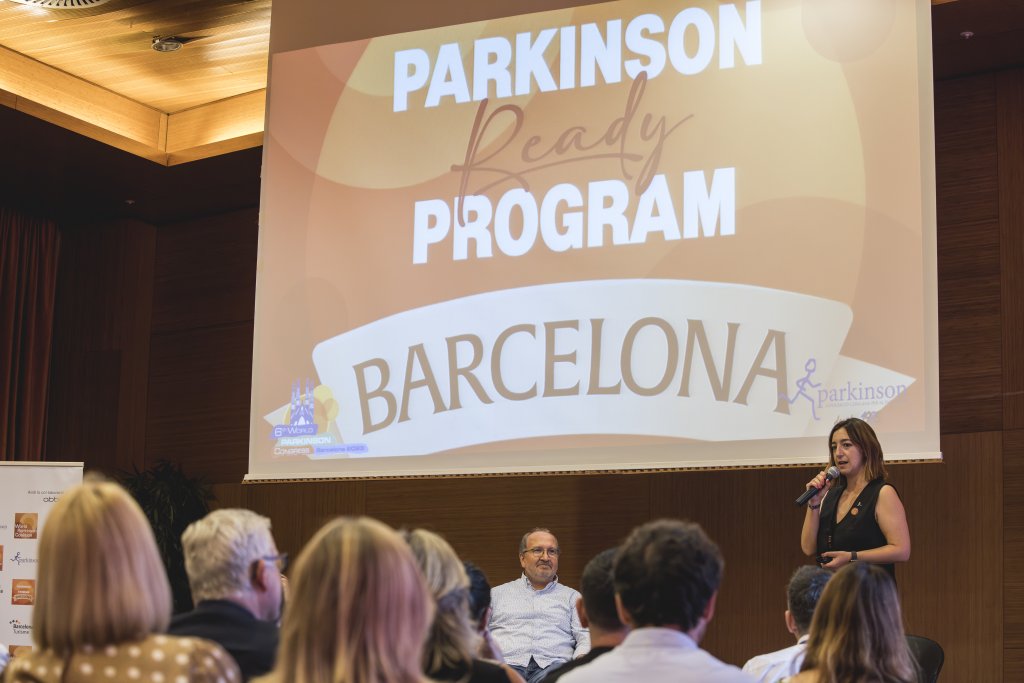
“This year, 2024, has been a very special year. After Barcelona hosted the World Parkinson’s Congress in 2023, we’ve taken advantage of new alliances. This has helped us to start new projects and increase the number of activities offered to people with Parkinson’s and their families. We continue to promote the Parkinson’s Ready program for new groups, and are preparing the 40th anniversary of our association next year.”
What are the Catalan Parkinson’s Association’s plans for 2025?
“We want to celebrate the association’s 40th anniversary with a day focused on Parkinson’s, with specialists from all over the country.
“We are also planning a big party that will be not only a fun meeting point for the members but also a festive way to raise awareness and funds for our projects.”
Why did you decide to join Parkinson’s Europe?
“One of our aims is to collaborate with all those organisations with which we can collaborate for a common goal, or learn and share knowledge. All this has led us to want to be part of Parkinson’s Europe. We are very grateful to be part of this great family that works for people with Parkinson’s and their families.”
What would you most like PE members to know about the Catalan Parkinson’s Association?
“For almost 40 years, our work has focused on improving the lives of people with Parkinson’s through therapies and activities. We want to grow and go further by innovating and being sustainable. We are learning from the experience and projects of other organisations, and raising the voice of the rights of people with Parkinson’s.”
How can Deep Brain Stimulation (DBS) help people with Parkinson’s manage their symptoms? Germany-based consultant Dr Michael Barbe explains how Medtronic’s Percept™ RC Neurostimulator device may provide “another piece of the puzzle” for treatment of the condition.
01 October 2024
Laura Vickers-Green Sponsored by Medtronic
“Deep brain stimulation treatment takes teamwork,” explains Dr Michael Barbe, a consultant in the neurology department at the University Hospital of Cologne, Germany. “It’s not just down to one person – it’s an interplay between the person with Parkinson’s, the surgeon and the neurologist.”
Deep Brain Stimulation (or DBS) is a surgical treatment option that some people with Parkinson’s can consider implementing into their care regimen alongside medication and supportive therapies. The treatment works by sending electrical signals through thin wires to specific parts of the brain that control movement.
Alongside his daily work – which involves helping people with the programming of DBS devices, among other responsibilities – Dr Barbe undertakes extensive research to find out more about how to optimise this treatment.
“I see DBS as a great potential option for selected people,” he explains. “In neurology, it can be hard to find good treatments – often, we can diagnose conditions but we might not have any treatments to offer. With Parkinson’s and DBS, this is different, which is why I’ve chosen to go deeper into this topic.”
Customisable care for people with Parkinson’s
Dr Barbe says that clinicians must assess a candidate’s suitability for DBS individually and then work out which device is most appropriate for each person’s needs. In fact, he and his team offer three different Deep Brain Stimulation treatment options to members of the Parkinson’s community. Among these is the Percept™ RC Neurostimulator created by global medical technology company Medtronic.
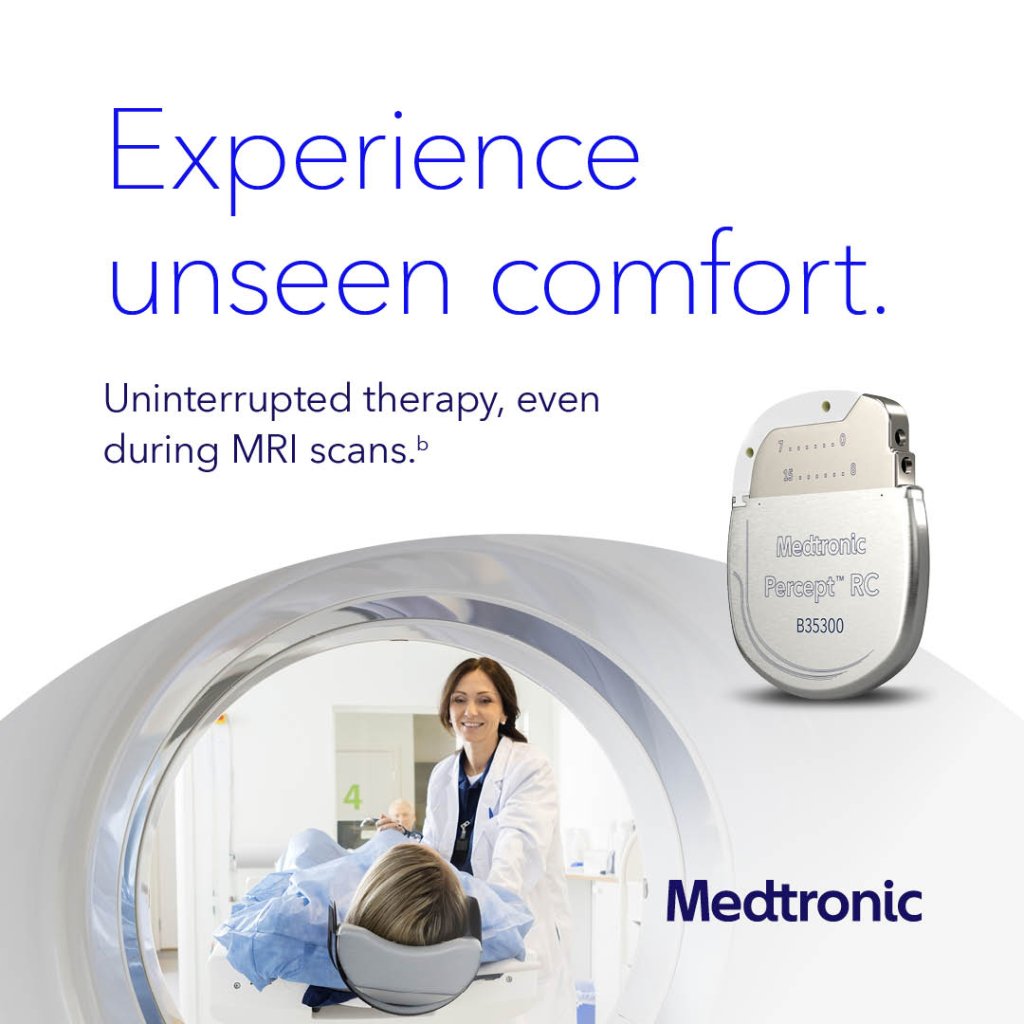
Forming part of its complete technology portfolio, this device is an innovative DBS system with advanced programming capacity. While it is smaller and thinner than any previous model, Dr Barbe says that from a clinician’s perspective, the most “striking” feature is its sensing capability.
The device uses BrainSense™ technology to gather real-time data, offering insights into a person’s condition both inside and outside of a clinical setting – which can then feed into discussions around care options. Dr Barbe says that having access to this data “gives you another piece of the puzzle to find the best treatment for your patients”.
With a greater battery capacity than previous versions, the device can also be recharged quickly. “We already had access to a Medtronic device that was capable of sensing – but it wasn’t rechargeable,” recalls Dr Barbe. “The advantage of this latest version is that it combines rechargeability and sensing.”
Dr Iciar Avilés Olmos, a consultant neurologist at the Clínica Universidad de Navarra, Spain, first came across the Percept™ RC Neurostimulator in June 2020 after it obtained its CE marking. “The whole team was curious about it,” she recalls. “The BrainSense™ technology allows you to identify changes that when linked to clinical symptoms help programme the stimulation in a way that is customisable to evolving patient needs.”
Deep Brain Stimulation is “a powerful treatment option”
So, what might these evolving needs look like for people with Parkinson’s? According to Dr Barbe, DBS may be most suitable for those whose motor and non-motor symptoms have become difficult to manage with medication.
“That means that you will experience ‘on’ and ‘off’ cycles, which can occur after the ‘honeymoon phase’ when treatment has been working very well,” he explains. “Statistically, a lot of people after five to eight years of the onset of the condition experience these fluctuations – and they can be hard to treat with medication only.”
This is when deep brain stimulation might be a viable option: “The key benefits of DBS are that it can help reduce motor fluctuations, reduce the amount of medication required, improve tremor – and ultimately improve the quality of life for people with Parkinson’s,” says Dr Barbe.
“Whenever people show up for their first DBS session, I always tell them that it’s not a cure for the condition – but it can help manage the symptoms and often reduce medication postoperatively. This is why it can be a powerful treatment option,” he concludes.
This article was sponsored by Medtronic, a medical device company working on groundbreaking healthcare technology solutions for the most complex and challenging conditions.
Parkinson’s Europe is sharing this article for information purposes only. The article does not represent Parkinson’s Europe’s views and is not an endorsement by Parkinson’s Europe of any particular treatments, therapies or products.
What can we learn from Parkinson’s UK’s physical activity strategy?
Guest post: Parkinson's UK share the secrets to their success in helping people with Parkinson's get active, from online classes to free gym memberships.
In 2018 Parkinson’s UK ran a small pilot that examined the barriers that people with the condition face when trying to be active. Fast forward to 2024 and the charity has a flourishing UK-wide physical activity strategy, a dedicated delivery team and a wide range of resources, partners and support to help people become and stay active. Tim Morton, Parkinson’s UK’s Physical Activity Lead, shares the secret to their success.
Where it all began: the UK Parkinson’s community
The growth in our focus on physical activity has been driven by the demand from the collective Parkinson’s community, backed up by support from our CEO and the Board of Trustees.
The Parkinson’s community is justifiably demanding. They understand that Parkinson’s UK is at the forefront of research to find a cure for the condition (we are the largest funder of research in Europe), but they also want to know what we are doing to help them right now, today. Our ‘Get Active Stay Active’ strategy is very much focused on outputs and delivery; helping people to understand the benefits of being active and giving them the opportunities to exercise safely.
By engaging with the Parkinson’s community (which includes healthcare and activity professionals as well as people affected by the condition) we were able to make the case for increased internal and external funding for physical activity delivery, and clearly demonstrate that being active has significant immediate and long term benefits. It’s something that practically anyone with Parkinson’s can do, and as we know can be as important as medication in helping people live well with the condition.
Our work focuses mainly on education and awareness and opportunities to be active. By working collaboratively with the Parkinson’s community we manage to address current and future needs, and develop resources that are appropriate for everyone with the condition.
Resources
Our current resources include dedicated web pages, a suite of active at home videos, hard copy guides, case studies, a training course for activity providers and an online lookup tool that lists Parkinson’s specific activities by location, all of which are free to access. Our resources can be viewed here.
The physical activity team includes staff who focus on partnership development, engagement, grants and communications, and we work closely with charity colleagues from the research, corporate engagement, communications and fundraising teams.
Grants and partnerships
An important part of our delivery is the Physical Activity Grants Programme. This enables us to fund hundreds of small projects across the UK that support people to be active that currently deliver over 60 different sports or activities. Thousands of people have taken part in new activities or increased the amount they are active as a result of our funding, including walking football, tennis, seated exercise classes, dance and even snooker.
We’ve also had a lot of success in developing partnerships with National Governing Bodies and leisure providers. This has led to a big increase in the amount and variety of opportunities to be active we can offer, and in one case over 3500 people with Parkinson’s and their carers taking advantage of free gym memberships.
What has been the key to our success?
We’ve really focused on two areas, listening to the Parkinson’s community and making the clear case within the charity that being physically active is vitally important for people with Parkinson’s, so it should play a leading part in our strategic ambitions. We also strive to make sure that physical activity is used as a tool to increase our community engagement. This includes reaching people who are newly diagnosed, who have young onset Parkinson’s, and those from underrepresented parts of the community.
As a result of our engagement with the collective Parkinson’s community, we have really been able to focus on providing opportunities to be active (grants & partnerships) and education for those who deliver sessions for people living with Parkinson’s.
Our work has seen grassroots sports clubs and other community leisure providers gain the skills and confidence to deliver safe and appropriate sessions. Through the launch of our education offer we have seen thousands of people access webinars and courses, and we now have a large workforce who are Parkinson’s aware and understand the benefits of being active with the condition.
Where next for Parkinson’s UK?
In 2024 and 2025 we will be working closely with the Parkinson’s community to develop new resources including videos, a podcast and a campaign to encourage more people to visit our dedicated web pages. We’ll be enhancing our online learning offer for activity providers; funding training for volunteers and expanding our grants programme to support more providers and participants.
Exercise challenges: 12 people going the extra mile for Parkinson’s
Not only are they living with a progressive, incurable condition, but some people with Parkinson’s are meeting it face on by taking on incredible physical challenges. Here are 12 people with Parkinson’s who are pushing themselves to their limits
Not only are they living with a progressive, incurable condition, but some people with Parkinson’s are meeting it face on by taking on incredible exercise challenges. Here are 12 people with Parkinson’s who are pushing themselves to their limits
1. Gary Shaughnessy: “Live life, love life, beat Parkinson’s”
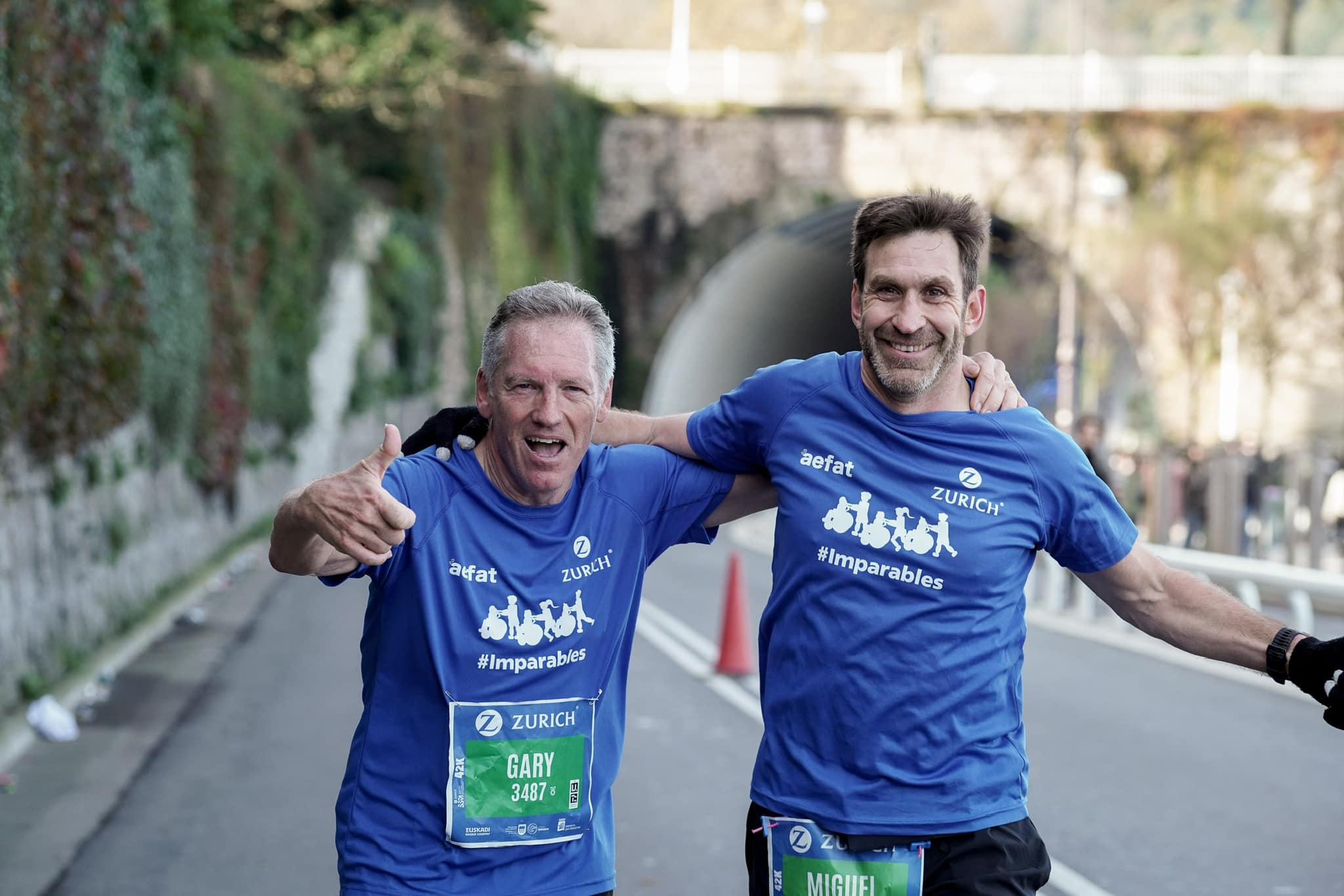
Diagnosed with Parkinson’s in 2015, Gary Shaughnessy CBE, now 58, has undertaken several gruelling exercise challenges over the years to raise money for Parkinson’s UK, where he is chair of the board of trustees. By the end of this year and with the support of friends, he plans to have covered 2,025 miles by taking part in a number of challenges.
In April, he ran the London Marathon. He then completed the Three Lakes Kayak Challenge, kayaking along three lakes in three different nations in three days, starting at Lyn Tegid Lake in Wales, before kayaking along Lake Windermere in England, and finishing with Scotland’s Loch Awe. In the same month, he whizzed along Europe’s longest zip wire – almost a mile long – at Zip World Penrhyn Quarry in Bethesda, North Wales.
In May, he cycled 569 miles over seven days from Hadrian’s Wall in the north of England to Hastings on England’s south coast. In June, he ran 10 marathons in 10 days – nine of them in southern England, and the other at Lake Zurich in Switzerland.
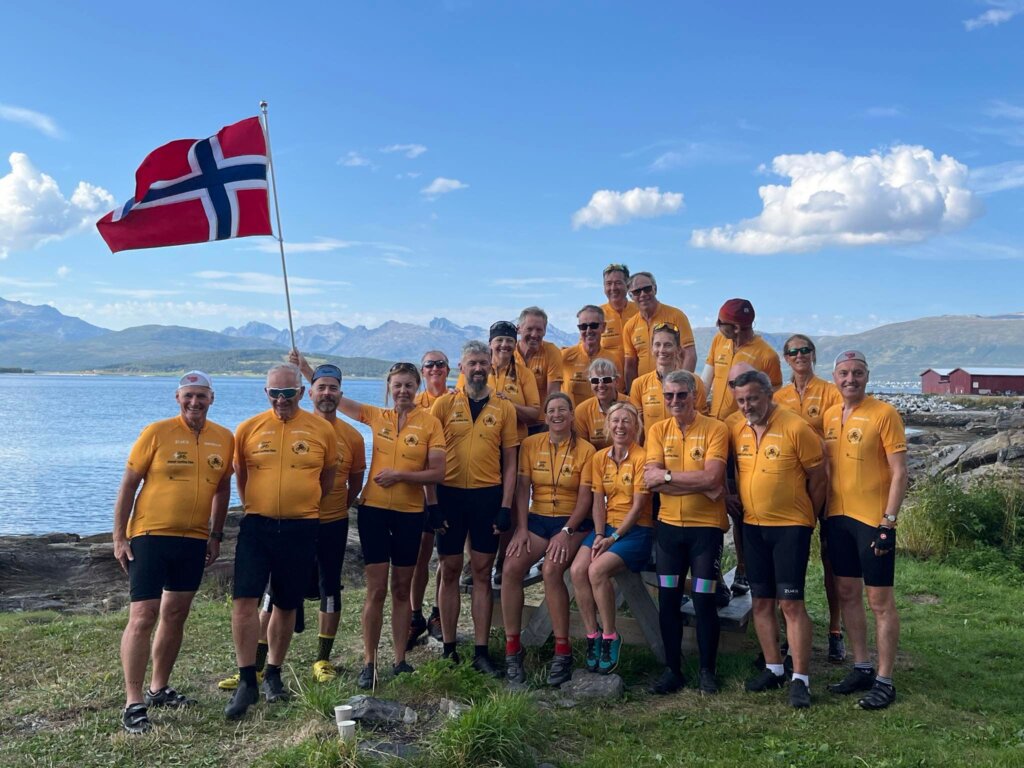
In August, he cycled through Norway in the Arctic Circle alongside 13 other people with Parkinson’s. Then, at the beginning of September, he took part in a marathon relay in Silchester, England, and led the winning team, which clocked up 22.7 miles in two hours.
On 9 November, he will take part in the Westport Sea2Summit race, in Westport, Ireland, which combines running, cycling, and hiking up Croagh Patrick mountain. Then, on 24 November, Gary will run in the Zurich San Sebastian marathon. Phew!
Asked why he does it, Gary says: “I have had wonderful support from friends, family and colleagues, and the sport gives me purpose and joy, as well as an opportunity to raise my voice and awareness of Parkinson’s. When I run, I don’t feel like I have Parkinson’s, and when I cycle, I feel like I have Parkinson’s-lite. As I take on these challenges, I get to poke Parkinson’s in the eye and have fun doing it.”
Visit Gary’s website to watch videos of Gary’s exercise challenges and to donate. All donations are matched by the Z Zurich Foundation. His motto is “Live life, love life, beat Parkinson’s.”
2. Keith Wilson: “My motivation is to try and stay alert physically and mentally”
Despite being diagnosed with Parkinson’s four years ago, keen runner and climber Keith Wilson, 73, from Darlington in the UK, has not let his diagnosis slow him down – quite the opposite.
This year, he’s completed three big exercise challenges. In April, he and some friends spent five days cycling 440 km around the Zuiderzee in the Netherlands, pedalling for around eight hours a day and only stopping for short breaks.
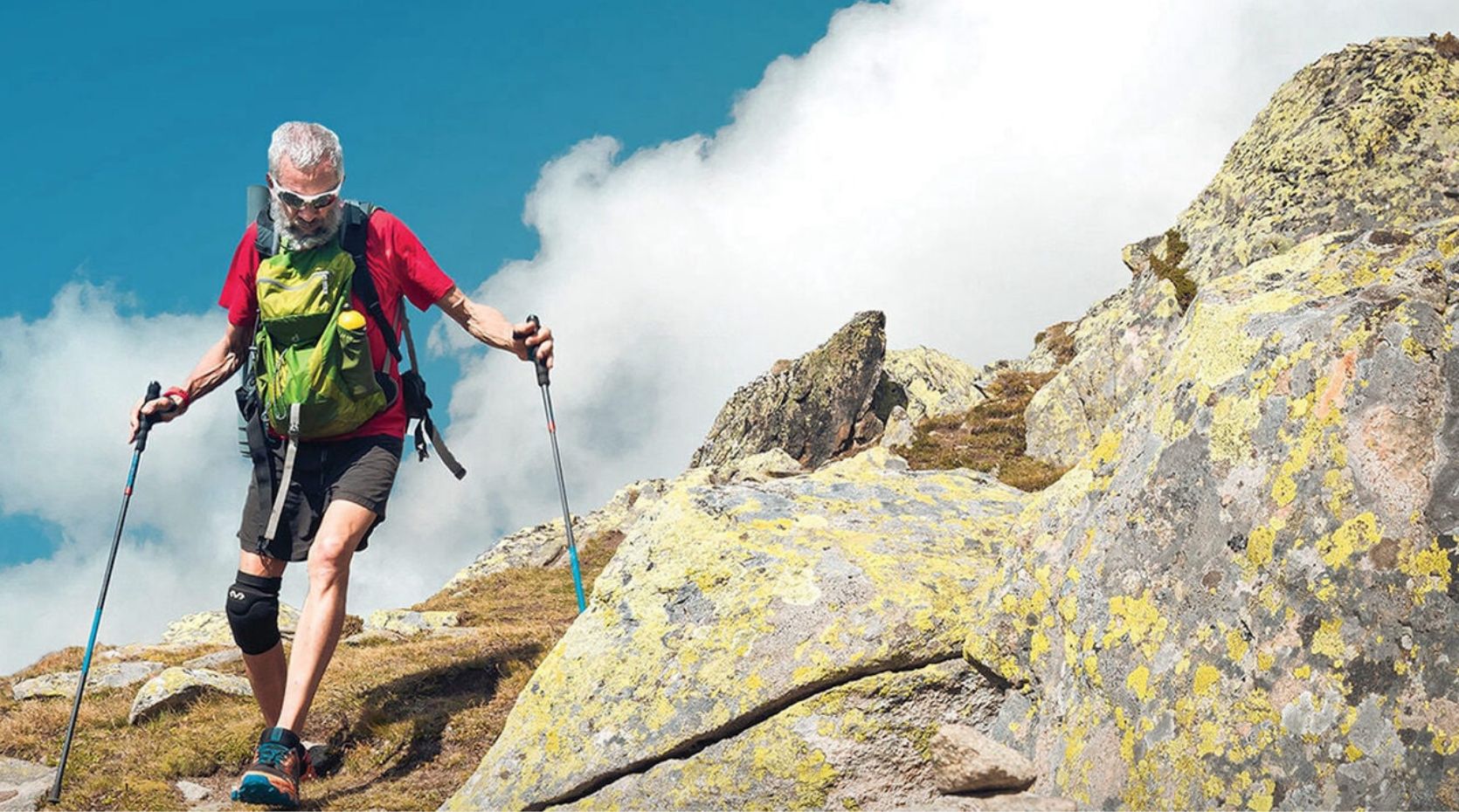
In June, he tackled the 221-km Haute Route from Chamonix in France to Zermatt in Switzerland, which is considered one of the world’s hardest treks. Over ten days, he and his companions traversed rugged, snow-topped mountain paths, often in adverse conditions, and overnighted in remote mountain huts. “I think the Haute Route was probably the limit of my current abilities,” says Keith, adding: “On the longest day, we started at half past eight [in the morning] and finished at a quarter to 11 [at night].”
Earlier in September, he walked Scotland’s 154-km West Highland Way from Glasgow to Fort William in the Highlands in five days, averaging around eight hours of walking a day.
“When I was first diagnosed, I thought it marked the end of my adventures and I was headed for a life as a couch potato,” says Keith. Now he says his challenges are driven by a need for adrenaline and natural dopamine. “It keeps me going. It gives me a dopamine hit doing them and a dopamine boost planning them and reflecting on them. My motivation is to try and stay alert physically and mentally.”
3. Olivier Deharynck: “My passion is not only a hobby, but also a powerful medicine”
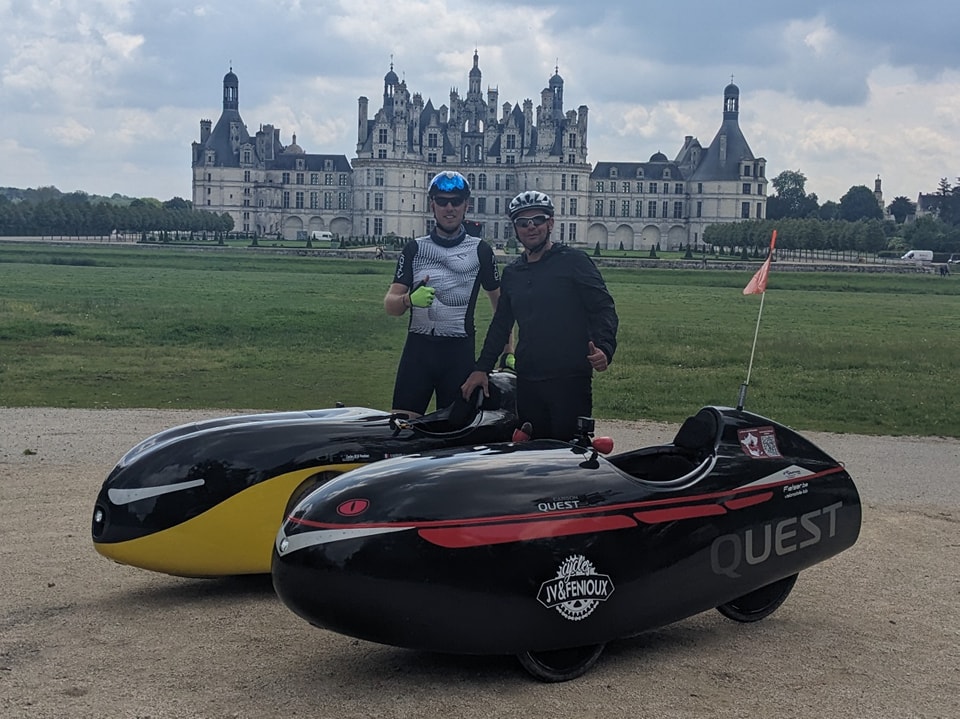
Olivier Deharynck, a 52-year-old triathlete from Genval in Belgium, took on two physically demanding challenges in two consecutive months this year. In May, he cycled approximately 1,600 km on a velomobile (a three-wheeled recumbent bicycle) in ten days from Nivelles, Belgium, to Montpellier University Hospital in France.
Then, in June, he challenged himself to Nordic-walk 108 km from Liège, Belgium, to Dinant, Belgium, in 24 hours. Olivier says: “Despite the daily challenges that Parkinson’s brings, I choose to see the positive in every situation. As a passionate triathlete, I have discovered that my passion is not only a hobby, but also a powerful medicine. My goal is to share this experience with others, to convince them of the importance of sport in the fight against illness and to encourage them to adopt an active lifestyle.”
4. Dejan Đuran: “In those moments on the bike, I feel alive”
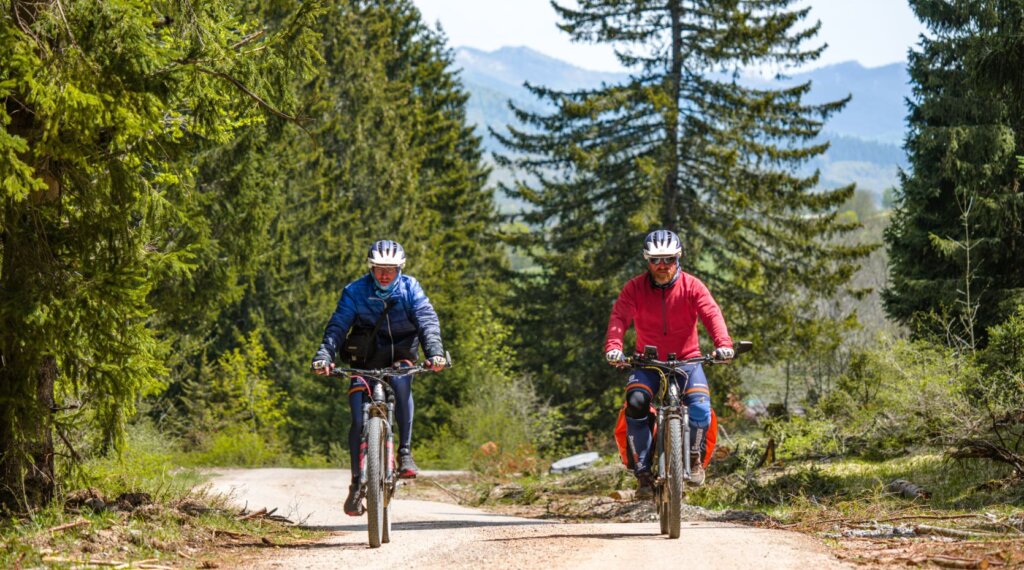
When his Parkinson’s symptoms made hiking too difficult, Dejan Đuran from Croatia turned to an electric bike so he could still exercise while enjoying nature. Now, apart from running his own Parkinson’s organisation, Living with Parkinson’s – Cycling, he dedicates much of his time to undertaking long-distance bike rides to raise awareness about the condition.
“My first long ride, in 2022, was the Via Adriatica, a route spanning 1,600 km in Croatia. It was a turning point for me. I was scared of the route and scared of my disease. My son Luka came along as my support, and it was the adventure of a lifetime. I felt like I was truly living again after a long time.
“After the Via Adriatica, I undertook the ‘Forrest Gump’ project, which didn’t have a specific goal – just to ride as far as possible. I passed through seven countries and covered 3,700 km. Last year, I rode the EuroVelo 6, covering 4,700 km, starting from the Atlantic and ending at the Black Sea.”
Earlier this year, Dejan cycled part of the EuroVelo 13 route, starting at the end of April in Bulgaria and finishing in Rostock, Germany, at the end of July, having covered 5,500 km.
“In those moments, on the bike, I feel alive, I feel like I can overcome any obstacle. And that is a feeling I can’t find anywhere else. Therefore, it’s perhaps not surprising that I choose longer and longer routes,” says Dejan.
“The goal of all my projects is to raise awareness about living with the disease and to promote the possibilities for people with neurodegenerative diseases. From the projects, the motto ‘Start now and immediately’ was born. This is the most important message I want to convey: don’t wait for tomorrow, start now and immediately, because tomorrow may not exist.”
5. Ivo de Bisschop: “I am always looking for challenges”
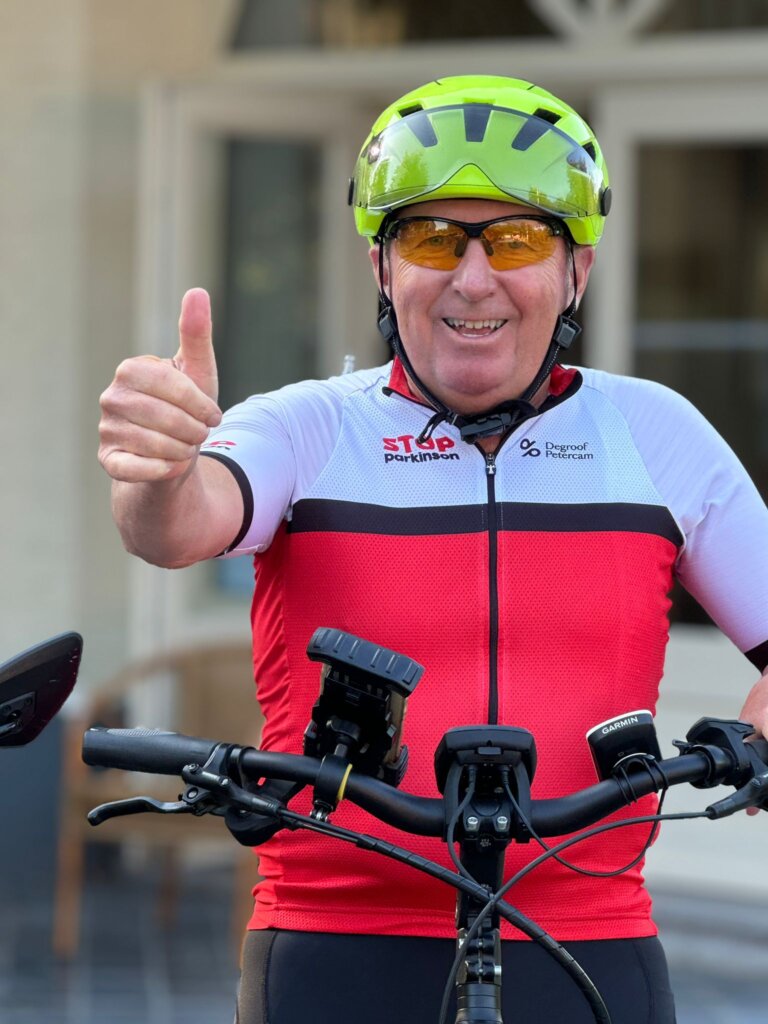
On 27 August, 69-year-old Ivo de Bisschop, chair of Belgian Parkinson’s association Stop Parkinson, and some friends set off on the Peloton Parkinson exercise challenge, a five-day, 450-km bike ride from Eupen to Ostend along the Belgian border to raise awareness of Parkinson’s.
Diagnosed with the condition in April 2017, in 2020, Ivo walked all the way around Belgium, clocking up 1,500 km in 49 days. He then had the idea for a Peloton Parkinson exercise challenge, to cycle along the Belgian border from Ostend to Eupen, which first took place last year. This year, he decided to cycle the same route in reverse, and raised approximately 15,000 euros.
Asked about the highlight of the ride, he said: “The reception in Dilsen on day one and in Ostend on day five was magnificent – many people formed a guard of honour, and an orchestra and the mayor were there too.”
He added: “I am always looking for challenges, and exercise is the only thing we as Parkinson’s patients can do as a defence against Parkinson’s.”
6. Bertrand Delhom: “Everyone with Parkinson’s needs to fulfil themselves”
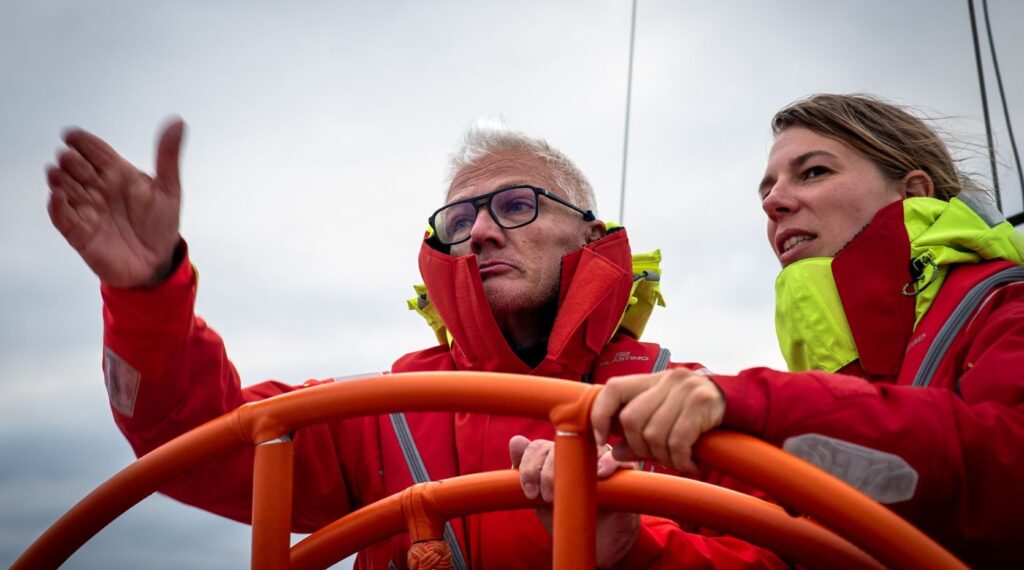
In April this year, 60-year-old Frenchman Bertrand Delhom became the first person with Parkinson’s to sail around the globe. As part of a team taking part in the eight-month Ocean Globe Race, Bertrand achieved this feat just four days after World Parkinson’s Day 2024.
Despite having Parkinson’s, Bertrand was a ‘normal’ team member, carrying out two watches a day, as well as helping with cooking and stewardship. Balance issues meant that he restricted himself to certain parts of the boat.
Always a passionate sailor, Bertrand took on the challenge to raise awareness and “change the way we look at Parkinson’s”. “How you act enormously affects your Parkinson’s and its progression, hence why it is important to fulfil one’s self,” he says. “For me, it was sailing on a world tour, but for others it could be dancing or drawing. Regardless of the activity, everyone diagnosed with Parkinson’s needs to find something that will help them fulfil themselves.”
Bertrand’s latest ambition is to take part in the Transat Jacques Vabre boat race from Le Havre to Martinique in the Caribbean.
Read more about Bertrand’s round-the-world adventure in this year’s Ocean Globe Race
7. Patrick Morrissey: “You can pretty much achieve anything”
In June this year, Patrick Morrissey, an American man with Parkinson’s, rowed 2,800 miles across the Pacific Ocean, when he joined a team competing in the World’s Toughest Row race. As part of a four-man team called Human Powered Potential, Patrick – who had never rowed before taking up the challenge – spent 41 days at sea rowing from Monterey, California, to Hanalei, Kaua’i in Hawaii. He endured a punishing schedule where two team members rowed in alternating shifts of 24 hours a day, with two hours on, two hours off. Although Patrick would find that his tremor would sometimes disappear completely when he was rowing, at other times during the race he had to take extra rest.
When they began, the team set a goal to raise US $2,800 – a dollar for each mile they planned to cover – for The Michael J. Fox Foundation for Parkinson’s Research. But after smashing that goal, they set a new one of US $41,000 – a dollar for each day they spent at sea.
Morrissey told CNN after the race: “If you put the right people around you” – in a boat or not – “you can pretty much achieve anything.”
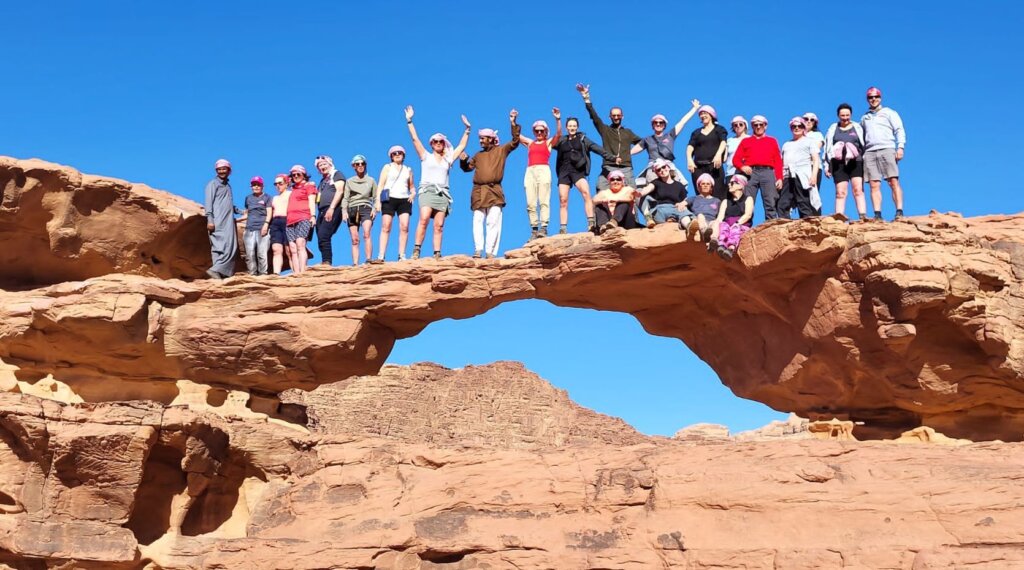
8. Belgian Parkinson’s organisation Parkili: “Those who participate will be faced with an intense and unforgettable adventure”
The 2023 trek took the Parkili team through the Jordanian desert
On 19 October, 16 people with Parkinson’s from Belgian Parkinson’s organisation Parkili will attempt to climb the Himalayas in Nepal to raise awareness of the condition. The team, whose ages range from 39 to 67, are aiming to reach Tsergo Ri, at 4,984 metres altitude, and will be accompanied by nine ‘buddies’ who will offer medical support throughout the 12-day trek.
Describing the expedition, Parkili says: “Moving mountains for Parkinson’s together is a unique experience, creating friendships and a feeling of personal empowerment for life. Those who participate will be faced with an intense and unforgettable adventure and a sense of achievement, which will not only boost their own mental and physical resilience but will also inspire others to make dreams come true and keep moving.”
9. Robin Walker: “There was an overwhelming atmosphere of positive energy”
This summer, 14 cyclists with Parkinson’s took up the Arctic Circle Challenge to cycle 635 km across Norway. Organised by Norwegian cycling club ZWAP (Zwifters Against Parkinson’s), the adventure saw the team – whose 22 members came from Canada and the UK as well as Norway – pedal from Bodø, one of the world’s Northernmost cities, to Tromsø, the capital of the Arctic, over eight days, starting on 3 August.
Robin Walker, 68, from the UK, was one of the people with Parkinson’s taking part, and increased his already energetic fitness regimen for six months in the run-up to the challenge. The month before it began, he completed 15 rides totalling 942 km. “This may seem daunting to some, but it was what was needed to succeed,” says Robin, who took part to raise money for Cure Parkinson’s.
Speaking of the highlights of the ride, he said: “What struck me more than anything was the wonderful positivity of everyone involved. Parkinson’s disease is an incurable, degenerative neurological condition, and we all face some pretty unpleasant symptoms in the future, but there was an overwhelming atmosphere of positive energy, good humour and mutual support that powered us through to the finish in Tromsø. As a group it gave us the opportunity to raise awareness of the link between Parkinson’s and exercise, and to raise funds to help find a cure.”
10. Guillaume Brachet: “‘Guillaume vs. Parkinson: back to ze Loire!’ was a symbol”
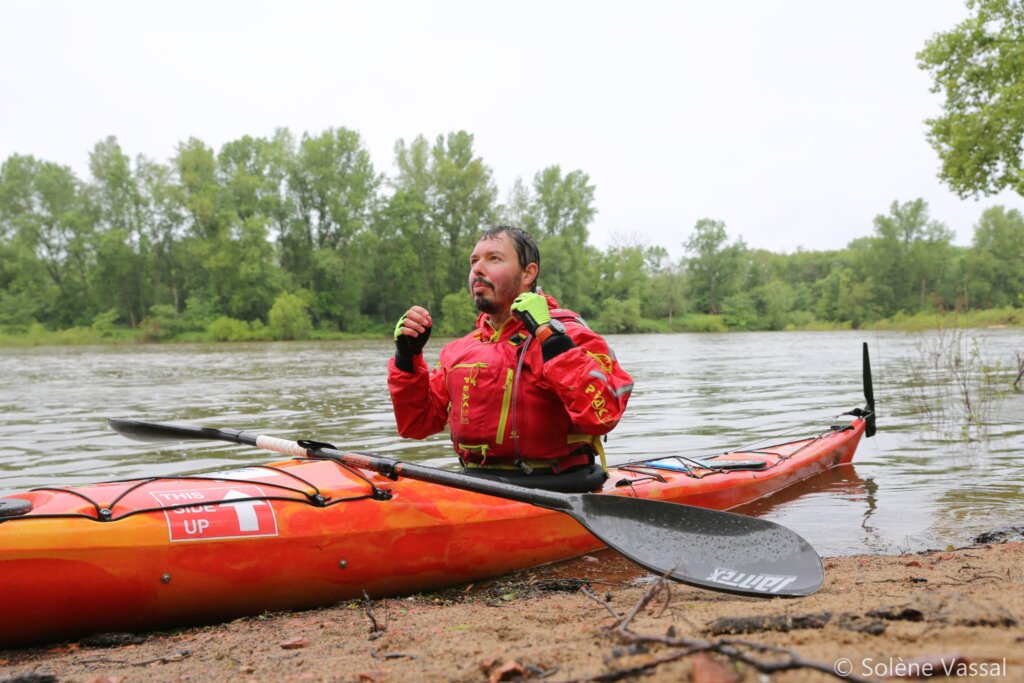
Two years after he travelled solo up France’s Loire River by kayak on his ‘Parkinson sur Loire’ challenge, 35-year-old Frenchman and person with Parkinson’s Guillaume Brachet was back on the Loire in his kayak again last summer. This time, he was competing in the Loire 725, a seven-day, 725-km kayak race on the river, alongside teammates Antoine Dubost and Benoît Rossignol.
“‘Parkinson sur Loire’ was about fundraising. I was literally rowing against the flow, and very much on my own,” says Guillaume. “In 2024, ‘Guillaume vs. Parkinson: back to ze Loire!’ was a symbol. Not raising money, not on my own anymore, and going with the flow. And a tribute to Michael J. Fox again.”
This time, he had to paddle nonstop for 15 hours a day, with two to three hours of sleep in between. Unfortunately, at the end of day six, after 95 hours on the water, 631 km in, Guillaume had to withdraw from the challenge because the physical toll became too much.
“Upon reaching the last 100 km, the conditions got harder. Gusts of wind were sending me right or left, the lack of sleep didn’t allow enough rest, and the levodopa was becoming inefficient for the vast majority of the time spent on the water. I ended up capsizing in the waves, and my teammates would have had to look after me if I had carried on. Antoine did the last 94 km alone to bring the team across the finish line.”
Despite this setback Guillaume plans to return to the Loire next year. “The Loire 725 is up again, but not as a single race. It’s going to be an event including seven races – a race a day for a week. I’ll take part in one or two of them,” he says.
11. Sarah Frow: “My challenge gave me a voice to talk about my YOPD journey”
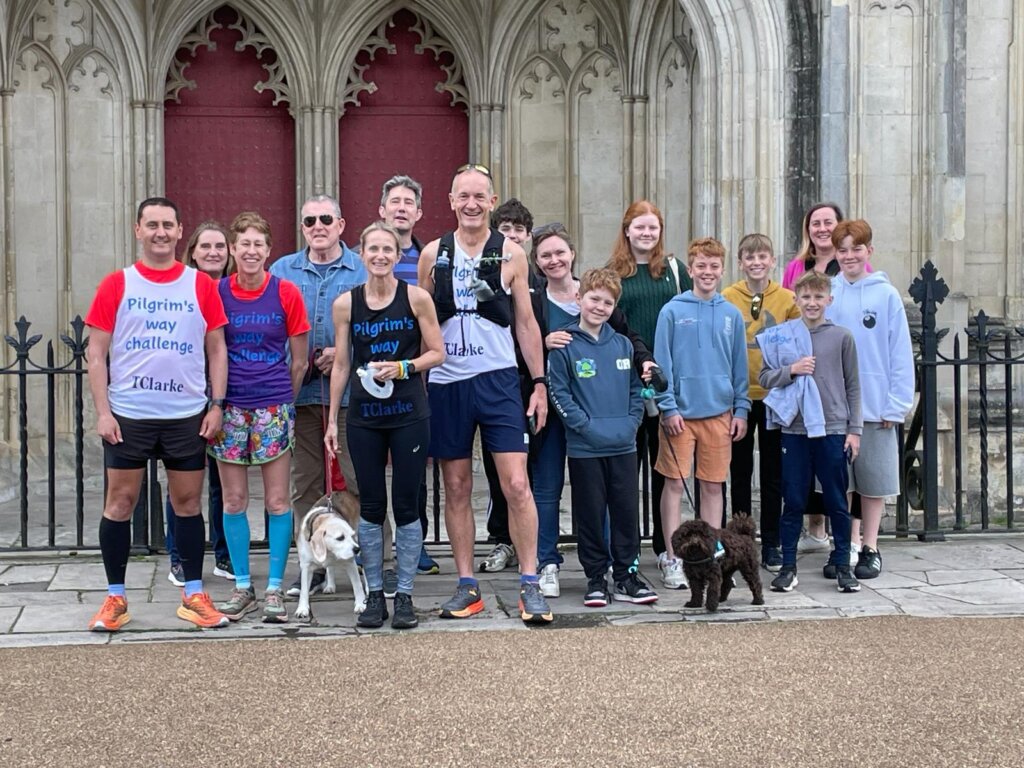
It was the incredible feat of another person with Parkinson’s, Krish Nair climbing Everest last year, that inspired Sarah Frow, a 47-year-old personal trainer with Young Onset Parkinson’s (YOPD), to undertake her own exercise challenge: running 225 km along the Pilgrims’ Way in Kent in the UK.
Sarah planned to run for six days – running at least 33km each day – from Winchester Cathedral to Canterbury Cathedral to raise £20,000 for the Parkinson’s Centre for Integrated Therapy (PICT) at the University of Kent.
After eight months of training, Sarah set off in May. Although she has completed ultra-marathons in the past, this was the hardest physical challenge she’d ever done, and she was also feeling the pressure of expectation.
“I didn’t want to let anyone down. My challenge gave me a voice to talk about my YOPD journey. The University of Kent enabled me to speak to TV and radio, so there was no backing out. I had to achieve – so many people had sponsored me!”
Although she suffered from fatigue and fell over once, she says she “loved every second”. “It was a beautiful route. It was also a special moment when I arrived at Canterbury Cathedral to be welcomed by familiar faces.”
What is even better is that she has more than doubled her fundraising target, with a current total of £42,500 raised for PICT.
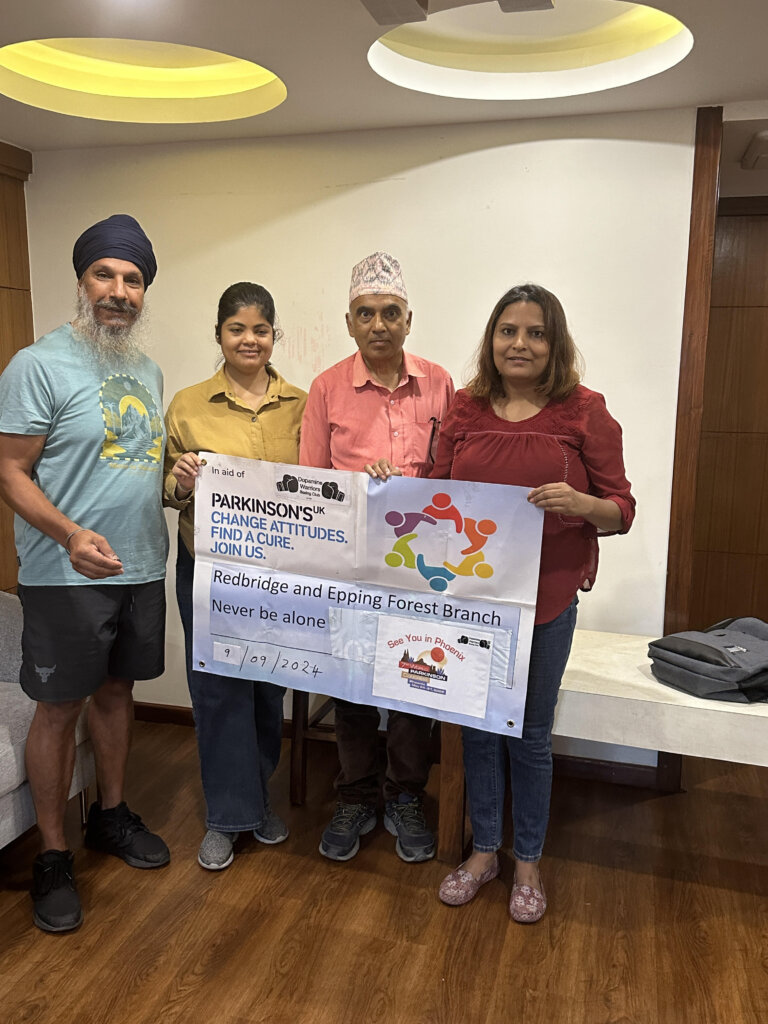
On 9 September, Jagdeep Aujla, from Ilford in the UK, embarked on a 240-km trek in the Annapurna Mountain range in Nepal to raise money for Parkinson’s UK. Diagnosed with Parkinson’s in 2021, Jagdeep, who is in his fifties, is due to finish his challenge on 1 October.
This is not the first challenge Jagdeep has undertaken. In 2022, the IT manager and Parkinson’s boxing teacher climbed 5,895 metres to the top of Africa’s Mount Kilimanjaro, raising over £10,000 for Parkinson’s UK.
Jagdeep says: “It’s vital to raise awareness and funding for research, if not for my generation [then] for future generations.” He is also spreading the word about the importance of exercise for people with Parkinson’s: “I reached out to others with Parkinson’s in Nepal and showed them important exercises to slow the progression,” he says.
“My other objective is to help ethnic minorities who are missing out on the opportunities of exercise and possible research involvement.”
Updating Parkinson’s Europe during this year’s challenge, Jagdeep said: “The trek day two is going very well. The Parkinson’s side is not winning.” Good luck, Jagdeep!
Since Deep Brain Stimulation (DBS) was first invented as an advanced treatment for Parkinson’s in the late 1980s, much has changed.
When Professor Lennart Stieglitz, neurosurgeon and Senior Attending Physician at Zurich’s University Hospital in Switzerland, started his career 19 years ago, it was viewed differently. “DBS was a last-resort therapy for elderly and very advanced Parkinson’s patients,” he says.
Since then, the technology has evolved and the available clinical data has expanded, and now Deep Brain Stimulation is being offered to people with Parkinson’s at an earlier stage.
“Today, we know that patients benefit from this treatment whenever you start it – and for all their life. This means that, for us, the appropriate time to discuss DBS is as soon as wearing off, dyskinesias or something like that appears,” he says. “At the moment, it is, in my opinion, the state-of-the-art treatment for advanced Parkinson’s disease.”
DBS surgery is one of the treatment options offered when a person’s Parkinson’s symptoms are no longer responding well to medication.
It involves an incision being made in the skull before thin wires (electrodes) are inserted into the brain. Next, a small device called a pulse generator is inserted under the skin in the chest or abdomen. At a certain point after surgery, the high-frequency stimulation is switched on and its effects on a person’s Parkinson’s symptoms are monitored. The stimulation is then gradually increased, usually over a period of many months, to achieve optimum levels and the best quality of life. Since Parkinson’s is a progressive condition, the DBS therapy can also be continuously adjusted and personalised according to the patient’s journey.
Deep Brain Stimulation can improve motor symptoms such as tremor, slowness and stiffness, but it does not treat non-motor symptoms. It usually means that people with Parkinson’s are able to reduce their medication – by as much as two thirds, says Professor Stieglitz.
Plenty of people with Parkinson’s have enjoyed tremendous benefits as a result – to the extent that some have a second birthday where they celebrate the date of their surgery.
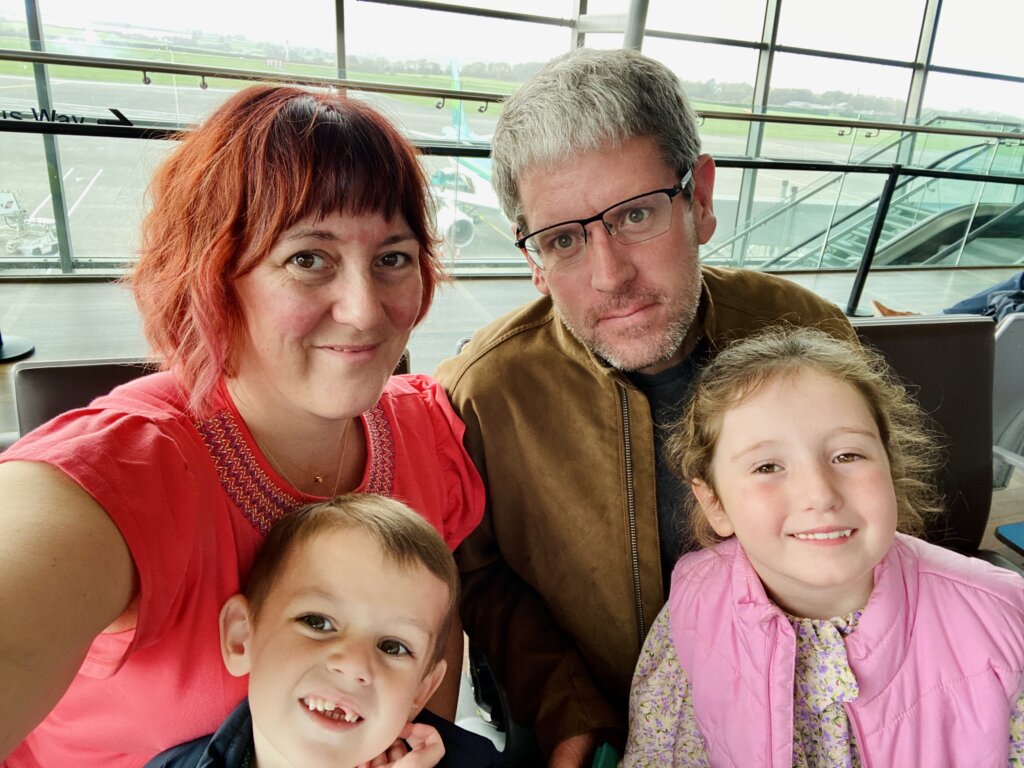
Ivan O’Regan, who has Parkinson’s and recently received Deep Brain Stimulation surgery, and his family.
Ivan O’Regan, a 44-year-old accountant from Ireland, hasn’t looked back since having DBS in February 2022. Before that, he had had an apomorphine pump since 2017, but by 2020 using it was making him vomit and causing stomach cysts. His mental health was also suffering. “I would have preferred to be sitting there, unable to move, than to put on the pump – that’s the way things were,” he says.
Since having DBS, his Parkinson’s symptoms and quality of life have vastly improved. “If I hadn’t had DBS,” he says, “I don’t know what we would have done. It’s like night and day.”
Yet despite the benefits of Deep Brain Stimulation, misinformation or a general lack of awareness persists – and fears of what could go wrong are common among those thinking of having the procedure done.
Dr Alexandra Boogers, currently clinical fellow and neurologist at the University of Toronto, Canada, was one of the founders of the DBS Select education programme at Health House centre in Leuven, Belgium. She has a wealth of experience in educating people with Parkinson’s about the surgery, the risks involved, the possible side effects and, crucially, what benefits they might expect from DBS.
Asked what concerns people with Parkinson’s tend to have, she says it varies: “One of the fears is obviously that it is a brain surgery and [that] something [in the brain] would be damaged, meaning that the individual would come out of the surgery in a worse shape.”
She continues: “The majority of the patients have this general reluctance of undergoing surgery.”
Essential in allaying this fear is making sure that people with Parkinson’s are well educated about all aspects of DBS.
“When educating, we do not look away from any details,” says Dr Boogers. “I talk about everything – every possible complication, every possible benefit, every possible side effect. Interestingly, sometimes I get the feedback that I spend more time discussing side effects than the benefits; but that is because I believe people should be very well informed.”
Professor Stieglitz, who has carried out approximately 500 DBS procedures – performing two a week on average – agrees that educating people with Parkinson’s before DBS surgery is vital for dispelling anxiety.
At Zurich University Hospital, a Parkinson’s nurse is often the first healthcare professional to raise the possibility of having DBS to a person with Parkinson’s. Having looked after them since diagnosis, nurses are likely to have a close relationship with the patient and will answer any questions they may have about it. Prospective DBS patients at Zurich University Hospital are also given a lengthy booklet to read – and, crucially, time to reflect.
The whole Deep Brain Stimulation process – from suggesting it as a potential treatment, educating the person, performing the preliminary tests that need to be carried out to establish if someone is a suitable candidate for the procedure, to actually having it done – may take about six months.
“We discuss this process several times before the patients have to decide,” says Professor Stieglitz. “And we give them a lot of information. My experience is that when I talk to patients about possible DBS, they have no fear anymore. I try to close the gaps, so they are really well informed – so after this it is not a problem at all.”
Dr Boogers is careful to reassure people with Parkinson’s by telling them what will happen in each eventuality. “I split it up first of all into risks related to the surgery: bleeding, infection, anaesthesia, antibiotics,” she says.
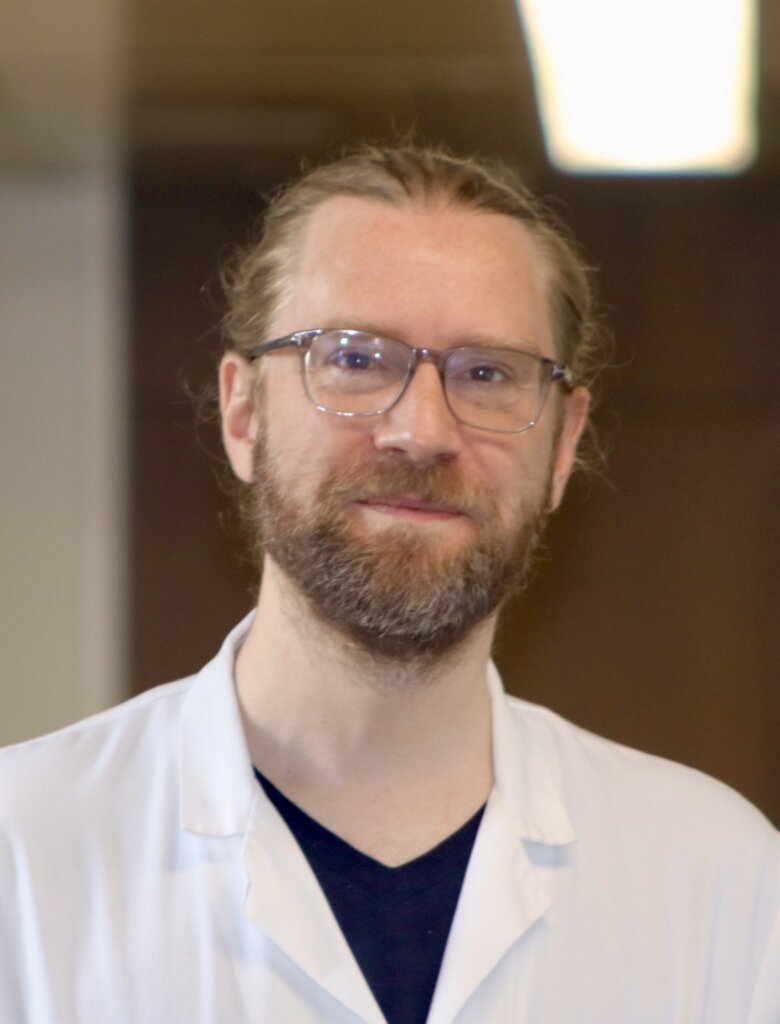
Professor Lennart Stieglitz, neurosurgeon and Senior Attending Physician at Zurich’s University Hospital in Switzerland, who has performed hundreds of Deep Brain Stimulation surgeries
Balancing risks and opportunities
As with any operation, a DBS procedure comes with certain risks, but these are in line with other surgeries (e.g. for bleeding or infection). Cerebral bleeding is an aspect of surgery that people with Parkinson’s worry about; however, this is rare, occurring in only one to three per cent of cases. At Zurich University Hospital, it’s one per cent.
Professor Stieglitz says: “In the 500 cases I have done, I have seen two patients with severe symptomatic bleeding, and both recovered well.”
Infection rates can vary from one centre to another, but in general these are low as well. At Zurich University Hospital, the risk of DBS patients contracting an infection that will require surgical treatment and either partial or complete removal of implants is one to two per cent.
Dr Boogers says: “When discussing side effects, I emphasise how we can mitigate them. If infection happens, we need IV antibiotics; so people with Parkinson’s must be sure to inform hospital staff of any allergies to antibiotics.”
Even if a patient contracts an infection that results in the device being removed, it does not mean they cannot have DBS again. Dr Boogers says, “At the earliest, three months later we consider reimplantation.”
Professor Stieglitz recounts a recent case – just one in the last 300 surgeries at Zurich University Hospital – where they had to explant the DBS system after a person with Parkinson’s developed an infection seven months after their DBS surgery. Despite this, the person in question is keen to undergo DBS once again this autumn.
“He benefited from the therapy extremely well, and so he’s very unhappy that at the moment he’s living without it.”
Professor Stieglitz also says that people with Parkinson’s have a higher risk of delirium after being anaesthetised. “This is one thing that we inform the patients about.”
Other concerns about Deep Brain Stimulation
An important fear that people with Parkinson’s have relates to having suicidal thoughts after surgery – although, according to Dr Boogers, this is extremely rare.
“If you google deep brain stimulation, you may find stories that can come across as very overwhelming,” she says.
Dr Boogers emphasises that anyone affected would need to get in touch with their DBS consultant, who can then investigate why the thoughts are materialising.
Another concern some people with Parkinson’s may have relates to being wheelchair-bound after the procedure. However, data shows that this is very rare.
Dr Boogers says, “That is a highly infrequent situation. That would basically mean that the surgery had a complication, that inserting the electrode led to a massive bleed which caused significant damage. Now, a bleed caused by insertion of the electrode is extremely rare – it’s lower than one per cent. And if there is a bleed then it’s usually asymptomatic, meaning that we pick it up on the CT scan, but we don’t actually see any symptoms related to it. So, these massive things that [people think could] go wrong actually almost never happen.”
Those considering DBS can also worry that they won’t feel a benefit afterwards – in other words that it may not work. Dr Boogers says: “If the lead is well positioned, motor symptoms always improve to a certain extent. And then we have to define what ‘works’ actually means for the patient. For one patient, DBS ‘working’ could mean going to the grocery store and buying groceries using a walker. And maybe for another patient, ‘working’ could mean they are able to fly to the other side of the world, to be independent.”
Realistic expectations
It is essential that people with Parkinson’s have realistic expectations about what DBS can do for them. Broadly speaking, what they can do when they’re on medication before the surgery is what they can do after the surgery. In other words, the surgery won’t improve the quality of their ‘on’ time, but it should increase the quantity.
Dr Boogers gives an example: “I saw a patient last week who said, ‘I’m 65, I’m working full time, I have a shop. And I want to have DBS because I want to be able to work full time in my shop when I’m 75.’ Unfortunately, this is not realistic.”
She continues: “But if your expectation is that in 10 years from now you still want to be able to take care of yourself in a way that you would only need minimal help from others? That is something that DBS may be able to help with.”
DBS patients also need to know that while DBS can improve their quality of life, the treatment does not slow progression of Parkinson’s.
Professor Stieglitz says: “DBS works the same from when you begin using it. The problem is that Parkinson’s changes over time and, at some point, new symptoms can come into play (like swallowing disorders, balance disorders or even dementia), and these symptoms don’t respond to medications or DBS.”
Dr Alexandra Boogers, currently clinical fellow and neurologist at the University of Toronto, Canada, was one of the founders of the DBS Select education programme at Health House centre in Leuven, Belgium
A conversation about side effects
In the same way that any medication can come with side effects, people also need to have an open conversation with a healthcare professional about unwanted effects DBS may have in their case – and which overall outcome they want to achieve. Some people with Parkinson’s might for example experience balance problems and slurred speech – this is something Ivan has experienced: “My speech has probably deteriorated a bit, probably more so over the last six months. I’m not quite sure whether or not that would have happened if I didn’t have DBS.”
Dr Boogers says advancements in DBS technology mean that in some cases they are able to minimise these side effects by adjusting the stimulation.
“Often, I let the patient decide: what is more important to you? Do you want to be free of tremor but have a bit of slurred speech? Or do you want your speech to be clear, but with some tremor left?”
Improving family life
Another factor to be aware of is that DBS can be so effective that it changes someone’s life drastically – and therefore the relationship they have with loved ones.
Professor Stieglitz says: “From the beginning, we tell the patient that this is a disease affecting not one person, but the whole family. Relationships might change and role models in the family might change after the treatment, and they have to be prepared,” he says.
For Ivan and his partner Eleanor, DBS improved his symptoms so much that they believe that the treatment saved their relationship.
Before DBS, Ivan admits that he often told Eleanor that he had the apomorphine pump on when he didn’t. “Due to the side effects of the pump, I often chose not to use it, preferring to remain in an ‘off’ state where I was unable to move,” he says. “This led to situations where Eleanor would find me ‘stuck’ on a chair when I was supposed to be taking care of our two young children. My unreliability and the burden it placed on Eleanor put a considerable strain on our relationship,” he says.
Thankfully, DBS changed all that.
“The most significant improvement has been the restoration of trust in our relationship,” says Ivan of the benefits DBS has brought him and his family. “I’m always moving now, which has eliminated the unpredictability that was so challenging for us before. We can now plan activities together, such as day trips or holidays, without the constant worry of my symptoms interfering. The improvement in my condition has had a profound effect on our family life,” he says.
Another thing to consider is that having a DBS, and thus typically reducing the medication intake, reduces the risk of getting the timing or dosage wrong – something which can be a concern for older patients or people with dementia.
Making the decision to have Deep Brain Stimulation
Asked what advice he would give someone who is worried about having DBS surgery, Professor Stieglitz says: “I would say to them, try to get as much information about it as you can.”
Although there is an optimal window for DBS, Stieglitz says the window is sufficiently large that people with Parkinson’s have plenty of time to gather all the facts they need to decide if DBS surgery is right for them.
“There is definitely enough time to read, to get information, to talk to different specialists or even to patients. If the patients want that, we put them in contact with other patients who have been treated before, so they can get their information first hand.”
Professor Stieglitz’s long list of patients happy to share what DBS has done for them speaks for itself as to the benefits the treatment can offer people with Parkinson’s. As a result, they and people like Ivan are now enjoying an improvement in symptoms that is often no less than life-changing.
Carl Beech was diagnosed with Young-Onset Parkinson’s just last year, in 2023, at the age of 51. However, he is already making big waves in the Parkinson’s community, thanks to his recent invention of a wearable device (called a Beech Band) which aims to reduce speech issues like stammer. It may also help with other Parkinson’s symptoms like freezing, and symptoms of separate conditions, like tics in Tourette’s.
The inspiration behind the Beech Band
After his Parkinson’s led him to slur his speech, Carl developed a serious speech issue, including a stammer which became much worse during “off” periods. But then one night in June, while he was “sat eating a double decker and watching Apocalypse Now“, he had a eureka moment and discovered a tapping technique that allowed him to speak:
“I found out that not only a beat but tapping myself had a profound impact on me,” Carl explained.
“I discovered I could beat to syllables or just a constant beat worked. And I could tap gently anywhere. Since then I realised the comforting and distracting nature of it took my mind off the problem.”
That night, not only did Carl decide to share this technique with the Parkinson’s community via his Instagram profile, he developed a vision for a wearable device that could automate this technique:
“I realised that we need something that’s accessible to all. Particularly for those who tremor and can’t tap or find multitasking hard. Just a simple, cheap comforting tap/vibration at a certain frequency and speed that all can use with no fiddly controls, no apps, no advanced software. Something that those who are digitally excluded can use. That those who have fine motor control issues can operate. Regardless, we can all use this technique.”
How does the Beech Band work?
The Beech Band is a wrist band device with a haptic pulse, which essentially mimics the feeling of tapping a finger against your skin, just as Carl had been doing when he discovered it helped his stammer. This tapping is a form “cueing”, a technique that has been proven to help alleviate Parkinson’s symptoms.
While the Beech Band uses tactile cueing with its rhythmic pulsing, cueing can also be auditory and visual. For example, people with Parkinson’s might use the beat of a song to help improve their walking/gait, or put coloured tape on the floor to help with feet placement, and prevent freezing.
Together with his friend Nick Whiteley, Carl created a prototype which proved his theory correct:
Can the device be used for more than just stammer?
Carl and Nick have been through several prototypes, refining the Beech Band’s pulsing rhythm to a “sweet spot” of efficacy, and reducing the volume of the pulsing. They’ve also discovered the band helps with gait problems and dyskinesia (involuntary movements).
The pair are continuing to research the capabilities of the device, with the goal of being as honest as possible about how long and in which situations it will work. For instance, he stresses that it’s currently not a device to use all the time for alleviating stammer:
“My feeling is that for speech it’s for situations where you need a Get Out Of Jail card. Going into a shop. Ordering at a restaurant. Otherwise your brain will get used to it.”
Carl does have higher hopes for the device’s longevity for other symptoms such as gait. And he’s also had interesting results when testing if the band can alleviate more than one symptom at once:
“If I use the device for speaking, I can sometimes bring dyskinesia under control at the same time. But I can’t use it to cure my gait and speech [at the same time]. It’s almost like I can direct where I want that pulse to be fixing stuff.”
Why Carl isn’t developing a digital device or app
Spending three decades working in the charity sector has inspired Carl to keep the Beech Band as simple and affordable as possible.
“I’ve seen people struggle for most of my working life and not having access to the help that they need,” Carl explained. “When it came to discovering the Beech Band, one of my principles was that I wanted it accessible for everyone. A level playing field. We could produce something that looks amazing and is super high-tech but it just puts it out of the reach of people who need it. So we’re creating one simple product. It’s people before profit. Helping those who need it most.”
It’s hoped that the finished device will retail at around £15 to keep it affordable, with the potential of bringing the costs down if the device can eventually be produced at scale.
Powered by the people
Carl has already had an enthusiastic response to his Beech Band. A GoFundMe set up to raise the £10,000 startup funds met its goal within a week. The goal has now been doubled to £20,000, (at the time of writing, £16,000 has been raised), with assurances that “every pound raised over the 10k will be a ‘pay it forward’ fund to enable us to give a free device to those in financial hardship.”
He’s also been hosting Zoom chats and sharing videos sent in by followers who have discovered that the Beech band tapping technique has helped their own symptoms. The technique has proven effective not just for Parkinson’s, but Essential Tremor, Tourettes and anxiety:
Carl has high hopes for his Beech Band device. Recent updates include aspirations to make more adjustable versions of the device for greater personalisation, and confirmation that he and Nick have selected a manufacturer based in their native Great Britain.
They hope to release the first batch of Beech Bands by the end of the year. Speaking on a recent video, Carl said:
“We’re hoping that by Christmas we’ll have the first thousand, maybe more. And next year we’re going into full production. We are working like the wind to get this to you.”
In the meantime, there will soon be a Beech Band website where you can register your interest and potentially pre-order a device, as well as additional free resources.
“The website is also going to contain all the tapping techniques I’ve discovered, the methodology behind them and how you use them. That will all be freely available.”
As we bid farewell to the summer and start to look towards autumn, the Parkinson’s calendar is looking exciting indeed, with a huge array of Parkinson’s-related events taking place across Europe. From music, art and sport to large-scale research events, with options to enjoy some of them virtually online as well as in person, there really is something for everyone coming up in the next few weeks:
SEPTEMBER
ParkinsonSchule weekly lectures — Germany
Weekly from Wednesday 4 September 2024
This incredible resource for people with Parkinson’s begins today: a weekly lecture series hosted by a wide range of experts on a variety of Parkinson’s-related topics, from symptoms and treatment options to nutrition, sport, and how to access benefits available for people with Parkinson’s in Germany. There’s 35 lectures listed so far, leading all the way to May 2025, so plenty of options to get involved.
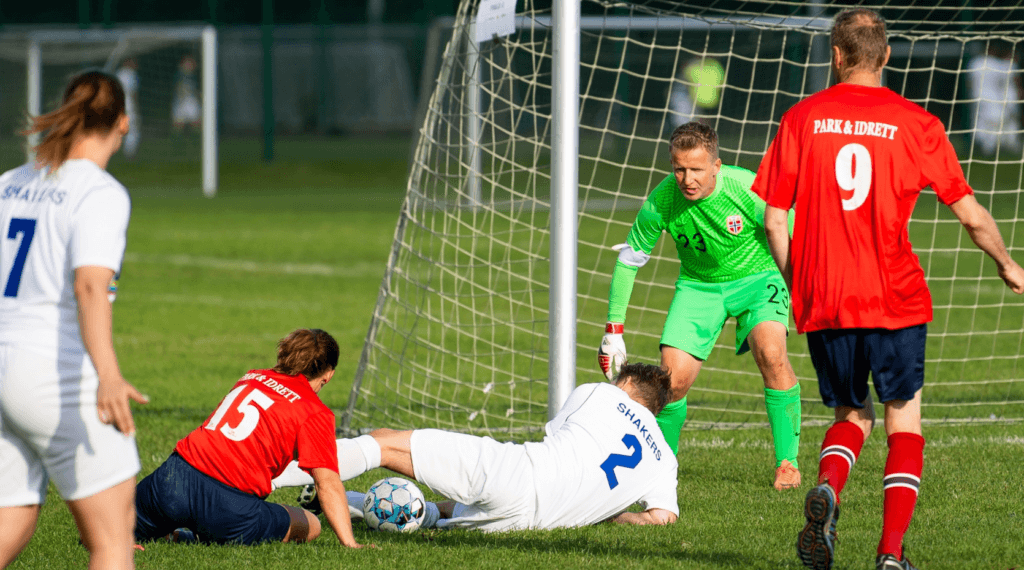
The Ray Kennedy Cup is a Parkinson’s football tournament set up in memory of the English football player Ray Kennedy, who was diagnosed with Young Onset Parkinson’s in 1984 at the age of 32. This year, the competition is taking place in Moss, Norway, with teams from across Europe — including Norway, Sweden, Denmark, England, Wales and the Basque Country — taking part.
Swiss Medical Orchestra Benefit Concert for Parkinson Schweiz — Switzerland
Saturday 7 September (Geneva) and Sunday 8 September (Bern)
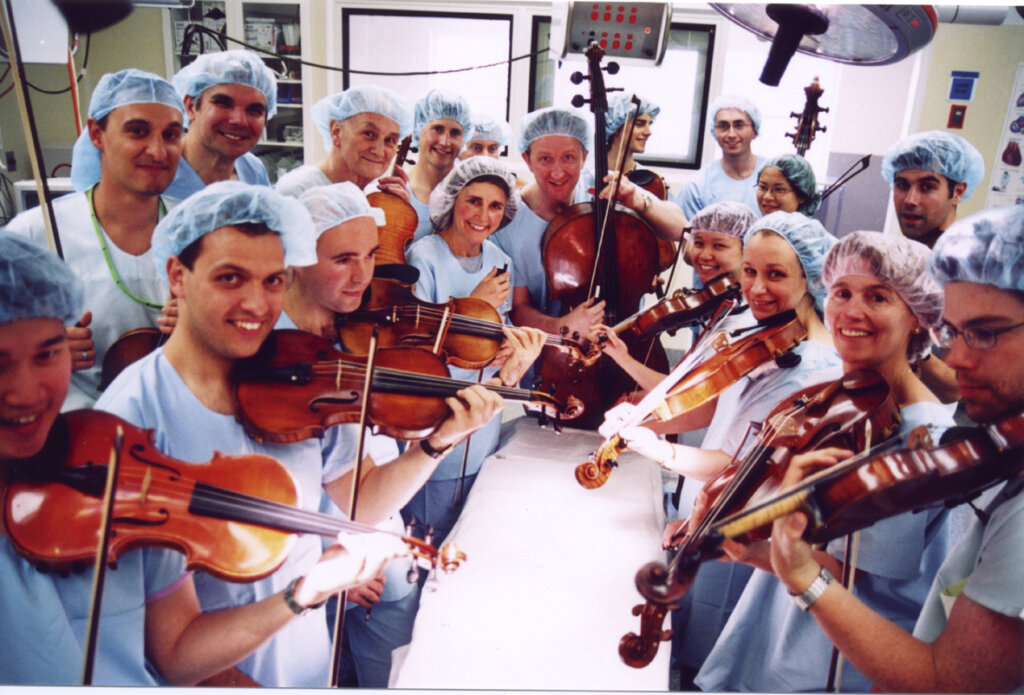
Parkinson’s events don’t come much more perfect than this: a charity concert to raise vital funds for patient organisation Parkinson Schweiz, with the orchestra consisting of 200 doctors from all over Switzerland! There are two opportunities to enjoy this concert: one evening at Victoria Hall in Geneva, followed by another evening at Kulturcasino in Bern.
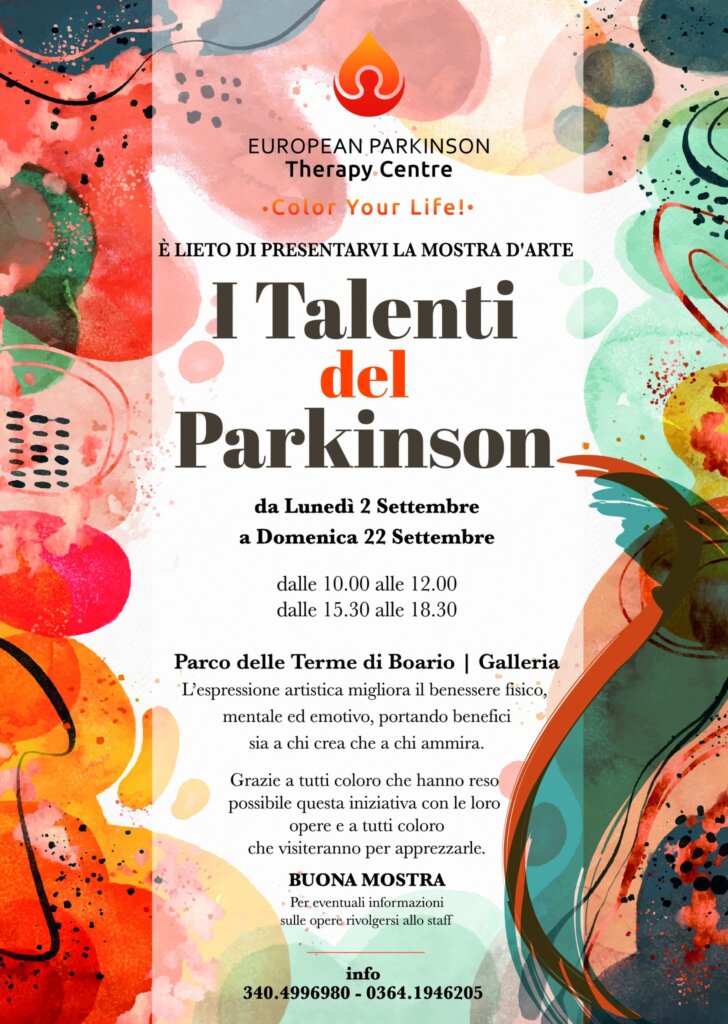
This art exhibition is being hosted by the European Parkinson Therapy Centre at the Boario Terme Park, located north-east of Milan near Lake Iseo, and will feature works of art created by people with Parkinson’s. It’s a celebration of how art and creativity has been shown to help improve the wellbeing of people with Parkinson’s, with the exhibition free to attend, and open daily between now and Sunday 22 September.
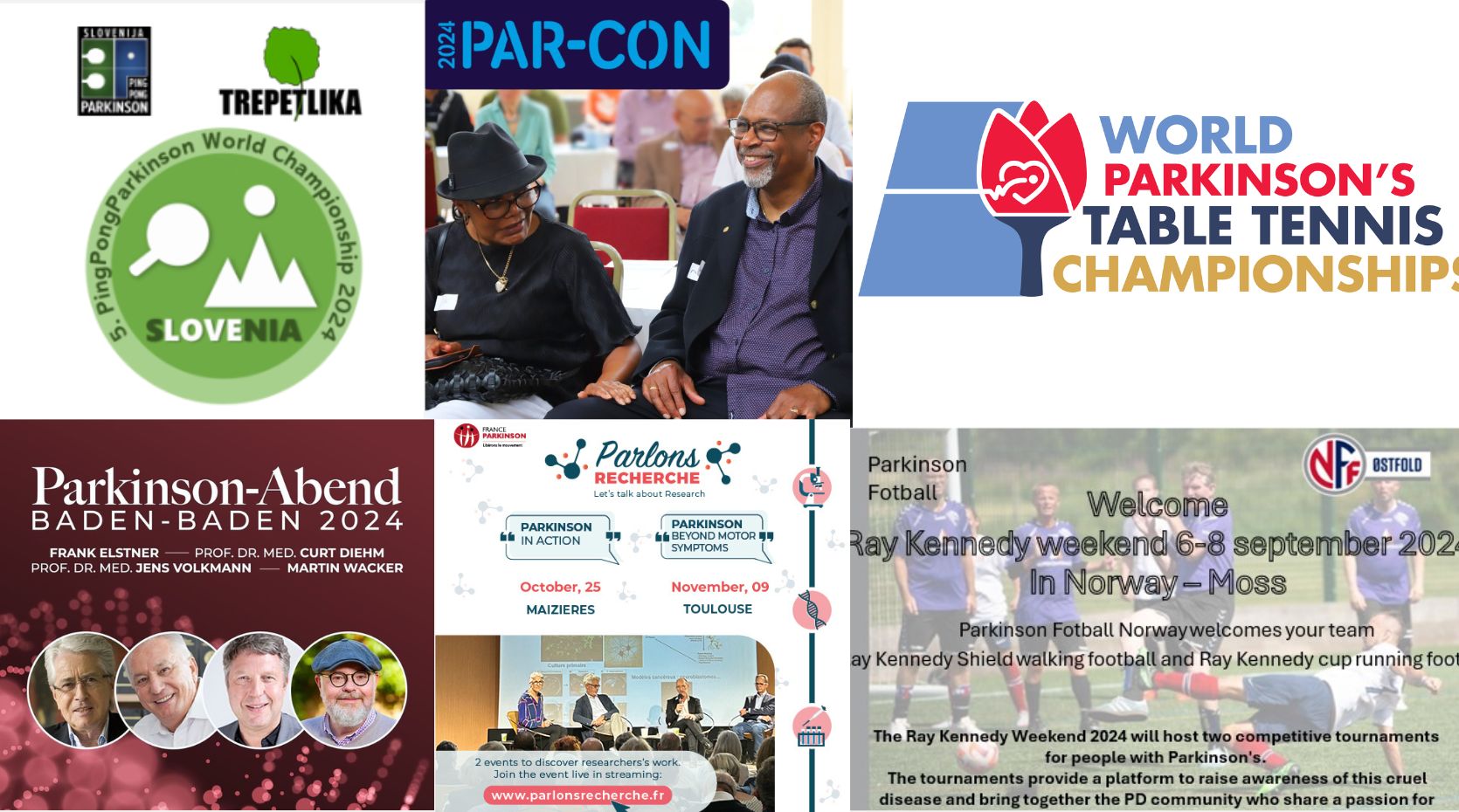
As Parkinson’s events go, this is a must for your calendar: Par-Con is Parkinson’s UK’s free, 2-day in-person (at Royal Armouries Museum, Leeds) and online event for the Parkinson’s community to hear from expert speakers, connect with others and learn more about living well with Parkinson’s. As well as updates on the latest Parkinson’s research and technology, there’ll be physical activity sessions, Q&As and even the Community Awards (hosted by Paul Mayhew-Archer).
This fundraising evening in aid of Parkinson Stiftung takes place in Baden-Baden in south-west Germany, and will include panel discussions from a range of Parkinson’s experts, including neurologists, sportspeople and journalists. There will also be comedy and musical performances and a four-course dinner. Tickets are 285 EUR, with all proceeds going to Parkinson Stiftung.
The fifth Ping Pong Parkinson World Championship is taking place is Laško, Slovenia and will be hosted by Društvo Trepetlika. As well as singles and doubles tournaments for both men and women, there will also be a chance for non-competing players to take part in some spatial PingPongParkinson therapeutic training. There are currently 300 players registered to take part from over 20 countries, and registration is still open.
World Parkinson’s Table Tennis Championships — France
23-27 October
Part of the World Table Tennis for Health Festival will once again include the World Parkinson’s Table Tennis Championships. This year, the tournament takes place at Maizières-lès-Metz in France (at the same time as France Parkinson’s first Parlons Recherche Event, see below) and registration is still open if you would like to compete.
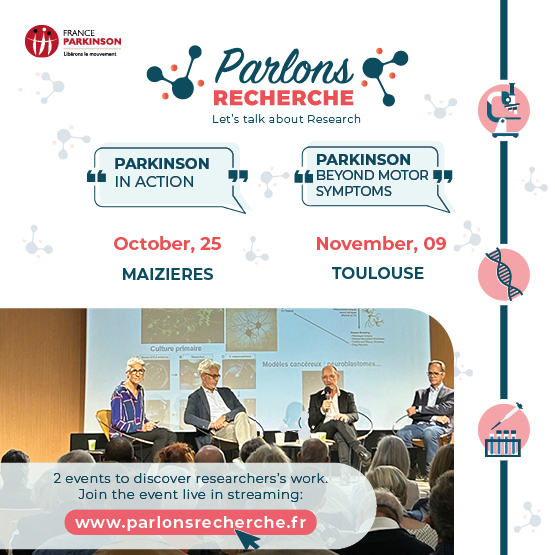
Another big hitter in the Parkinson’s events calendar is this double event exploring advances in Parkinson’s research, organised for the third year running by France Parkinson, available both in person and online. The two-hour conferences will see researchers presenting their latest projects and answering your questions, with the first event in Maizières-lès-Metz focussing on nutrition and exercise, and the second event in Toulouse looking at non-motor symptoms in Parkinson’s.
Parkinson’s can be an unpredictable and ever-changing condition, so getting your physical activity at a level that works for you can be an ongoing challenge, and leave you asking: “When and how often should you change your exercise routine?”
As an experienced neuro physiotherapist specialising in Parkinson’s and other movement disorders, our President Josefa Domingos has spent the last two decades helping people with Parkinson’s to answer that very question, so we asked her for her expert tips:
What reasons are there to change your exercise routine?
“Here are some criteria I suggest people use to assess whether their current exercise routine remains beneficial and if changes are needed:
When it is no longer effective for their current health needs or goals.
This means that either a) the patient and/or family don’t perceive any benefits, b) the person feels bad after exercise, or c) it doesn’t help to achieve the person’s goal.
When it is no longer safe
For instance, if a person feels unease during the activities and feels worse afterwards.
When they believe they can’t do it
For instance, because of their skill level or health status.
When they stop enjoying it
When it’s no longer accessible
For reasons like time, location, costs, and how sustainable your routine is
When scientific evidence identifies safety issues with your current choice of exercise“
7 questions to ask yourself before changing your exercise routine
“The question of how often to change your exercise routine depends on many factors, so I recommend regularly asking yourself the following questions to help ensure that your current activities align with your needs and safety:
Am I enjoying this?
Does the activity bring you joy, or is it causing stress or discomfort? Exercise should be something you look forward to.
Is it safe for me?
Consider the safety of the environment, the intensity of the exercise, and whether you’re using proper techniques. Is there a risk of falling or injury?
Am I noticing positive changes?
For instance, are you experiencing improved mood, energy levels, balance, or overall quality of life?
Do I have the right support?
Support is crucial to maintaining an exercise routine successfully. Do you have a workout buddy, trainer, or group that provides encouragement and assistance when needed?
Is my routine flexible enough to adapt to my needs?
Can you adjust your exercise schedule or modify activities if your symptoms change or medication timing varies?
Does it align with my health goals?
Are the activities you’re doing helping you reach your fitness or mobility goals, or do you need to adjust your routine?
Am I taking adequate rest and recovery time?
This is so important. Are you allowing yourself enough time to rest and recover between sessions to avoid overexertion and burnout?
What is the criteria for changing from high intensity to low intensity exercise?
I would use the same questions as I suggested for the need for a change in general (see above).
Should people with Parkinson’s who want to take up a new sport seek medical advice first?
Yes, it’s highly recommended. All exercise guidelines suggest undergoing a full medical assessment before beginning any new sport or exercise program. This is especially crucial for people with Parkinson’s due to the potential impact of symptoms on physical activity.
If you can’t get an assessment immediately, make it a priority to schedule one as soon as possible to ensure that you’re taking up the new sport safely and with the right precautions in place.
30% of people use coffee and cannabis for Parkinson’s, study finds
A new study in the Journal of Parkinson's reports that over a third of people use natural health aids like coffee and cannabis for Parkinson's - but less than half had discussed this with their doctor.
A study recently published in the Journal of Parkinson’s has discovered that more than one third of people with Parkinson’s are using natural health products to help treat their condition’s symptoms. The results of this study has also revealed, however, that a worrying percentage of these people are not revealing to their healthcare professionals that they’re using products like coffee, turmeric and cannabis for Parkinson’s.
The study — whose authors include Sandra Diadhiou from Université Laval in Canada, and Professor Bas Bloem from Radboud University Medical Center in the Netherlands— surveyed 367 people with Parkinson’s from across the Netherlands, all of whom are part of the PRIME-NL (Proactive and Integrated Management and Empowerment of Parkinson’s Disease – Netherlands) database.
The goal of the study was not only to find out about the prevalence of using natural health products to alleviate Parkinson’s symptoms, but also to discover if respondents were aware of potential interactions between natural health products and their Parkinson’s medication, and whether they’d discussed using natural health products with their doctor.
The results showed that:
36% of respondents confirmed they were using natural health aids like coffee and cannabis for Parkinson’s
Of these, coffee was the most popular product in use (16% of respondents), followed by cannabis (13%) and turmeric (10%).
Other supplements used included velvet bean and chamomile.
39% of natural health product users were aware of possible interactions with prescribed Parkinson’s medication.
Only 39% of users had discussed these supplements with their healthcare provider.
The results of the survey led the study to make two recommendations: firstly, that there is “the need for additional research efforts into the health benefits and safety of these products”, and secondly, that “open discussions with their healthcare providers are encouraged to ensure efficacy and safety.”
A previous survey by the Michael J Fox Foundation in the USA during 2022 showed that, of almost 2,000 people surveyed, 70% were using medical cannabis for Parkinson’s, but a third hadn’t yet told their doctor.
“With homoeopathic and natural product treatments it’s rare to be able to purchase products over the counter that have a high enough concentration level of the active compound to have a therapeutic effect. For instance, using Cannabinoids or CBD (an active ingredient in cannabis that is derived from the hemp plant) as a relaxant can work, however knowing what the concentration is within the item you consume and how much you would need to have a therapeutic effect is very hard to evaluate.”
Parkinson’s UK is currently running a research trial to see if Cannabidiol (CBD) can be used by people with Parkinson’s to treat hallucinations and delusions.
Coffee for Parkinson’s: the facts so far
There is a decidedly mixed consensus around how effective coffee is as a treatment for Parkinson’s symptoms.
While some studies suggested that caffeine might help slow the development of symptoms, other research found that certain symptoms improved when treated with caffeine, but others got slightly worse.
A more recent study, which appeared in the Annals of Neurology journal in May 2024, concluded that caffeine does not improve symptoms.
Turmeric for Parkinson’s: the facts so far
Turmeric is a spice made from the ground rootstalk of the curcuma plant, and an active ingredient of turmeric is curcumin, which has long been believed to have medicinal properties.
This article in Science of Parkinson’s gives an excellent explainer of how and why turmeric has been thought to help certain Parkinson’s symptoms, which include its antioxidant, anti-inflammatory and neuroprotective properties. We’ve also previously reported on a Japanese study which found turmeric oil could be beneficial in treating Parkinson’s.
Spain's COPPADIS study covers 700 people with Parkinson's, producing over 100 papers and abstracts to help us understand Parkinson's better. Here, we speak to its founder, Diego Santos García, and one of the study's members, Paqui Ruiz.
It began as a draft created during a large Parkinson’s conference by a group of neurologists, members of the Spanish Movement Disorders Group (GETM) and the Spanish Society of Neurology (SEN), who wanted to investigate subjects including the evolution of Parkinson’s, quality of life of people with the condition, the burden on caregivers, and Parkinson’s biomarkers and causes.
The name COPPADIS stands for Cohort of Patients with Parkinson’s Disease in Spain, and today the study covers almost 700 people with Parkinson’s, as well as over 250 caregivers and 200 controls.
What started as a conversation has turned into something of real magnitude: the study has produced over 100 abstracts and papers, with one particularly interesting study in the Journal of Clinical Medicine explore sex differences in motor and non-motor Parkinson’s symptoms.
We talk to the study’s co-ordinator, Diego Santos García, and one of the study’s members, Paqui Ruiz, about what the study has achieved for Parkinson’s in Spain.
Diego Santos García, co-ordinator of COPPADIS
What’s your background?
I’m a Spanish neurologist, and the Coordinator of the Movement Disorders Unit from the Department of Neurology in CHUAC (Complejo Hospitalario Universitario de A Coruña in Galicia) and also I work in Hospital San Rafael, A Coruña.
I am Head of Research Group on Parkinson’s disease and Movement Disorders at the Biomedical Research Institute of A Coruña (INIBIC), President of the DEGEN Foundation, and Member of the Advisory Committee of the Spanish Parkinson’s Federation.
As well as COPPADIS, I’m coordinator of different projects including SAFINONMOTOR, OPEN-PD, VOPARK, and INLEVO-LIFE PD.
Actions aimed to patients have always been a priority for me, such as CONOCE EL PARKINSON, among others initiatives.
How and why was COPPADIS created?
The project was born with the intention to evaluate very comprehensively a population of patients with Parkinson’s in Spain for studying in detail the natural progression of the disease. It is one of the most complete international cohorts, with almost 700 patients included.
What is your role in this group?
I have had the pleasure of being able to coordinate and lead the project. It has helped me learn the great importance of being able to carry out networking or group work, joining efforts. More than 100 researchers from 35 centres in Spain have participated and we have carried out international collaborations.
What are the key achievements that you would like to highlight?
More than 70 abstracts have been presented at congresses and more than 40 articles have been published, in addition to having received several awards.
We have observed very interesting findings on motor aspects of the disease but also on non-motor symptoms, quality of life and autonomy for activities of daily living.
For example, we have observed that there are sex differences in Parkinson’s, such as fatigue or depression are more frequent in women. We also published a paper finding that non-motor symptoms are very prevalent and impact on quality of life of patients, and that motor complications are very frequent even in the early stages of the disease and are associated with a greater non-motor symptoms burden.
We found that depression affects 50% of patients throughout the course of the condition, and is related to impulse control behaviours, which we presented at the MDS Congress in 2018.
We’ve also learned not only that the patient’s condition impacts on the caregiver, but also vice versa: the caregiver’s overload impacts over the patient.
You can find lots more information about the findings of our research here.
We currently have three articles under review, one of them very interesting about the importance of educational level as a protective factor in the development of cognitive impairment in patients with Parkinson’s.
What is the COPPADIS group currently working on? What can we expect in the future?
Recruitment of participants ended in 2023, but we are waiting for the resolution of a public convocation for a research project from the Carlos III Institute. We have already carried out part of the COPPADIS project thanks to a grant from this institution. If we obtain it, we will perform DNA and microRNA genetic analyses of patient samples from the COPPADIS cohort.
One of the objectives is to try to obtain a panel of microRNAs that could predict the outcome of the disease. On the other hand, the project contemplated a five-year follow-up but we are considering making a new cut assessment at 10 years (in 2026 and 2027).
I’d like to thanks the Degen Foundation and other institutions helping as to develop the Project and specially thanks to the patients, caregivers and other participants.
Paqui Ruiz, a person with Parkinson’s and member of the COPPADIS study
Please tell us about yourself.
Most of the people close to me know me as Paqui Ruiz. I am 59 years old and live on the island of Tenerife. I was diagnosed with Parkinson’s in July 2012. I am president of the association Con P de Parkinson for women with Parkinson’s disease. I am also an ambassador for the Degén Foundation and the Davis Phinney Foundation.
How did you hear about the COPPADIS study? And how and when did you get involved?
I found out through my neurologist at the University Hospital of the Canary Islands in 2015, who invited my husband and me to participate in the study.
Have you had previous experience in participating in similar studies?
Subsequently, I have participated in other studies, but not as large as COPPADIS.
Why did you participate in this study? What was your involvement?
I agreed to take part in the study because, knowing that I have such a complex and incurable disease, my contribution and that of other participants could help researchers to learn more about this disease. The study did not only take into account the physical state of the person, but also the cognitive state of the person.
Once a year for five years I had appointments of more than two hours with my neurologist. I had to go without taking any medication and I did all the tests and repeated them again with the medication. My husband also had to participate by answering questions.
What were the study’s outcomes? Do they make sense to you as a person diagnosed with Parkinson’s?
The results were very positive, both as a patient with Parkinson’s disease and as a woman with Parkinson’s disease, because the study confirmed that Parkinson’s disease affects men and women differently.
What were the benefits of participating in this study to you as a person with Parkinson’s?
Because the more you know about Parkinson’s the sooner you can find a way to reverse or control the disease.
Back in the spring, we brought you a list of recently published Parkinson’s books. The response was absolutely fantastic: not only did many of you engage with the authors and enjoy reading the books, it also led to us receiving even more recommendations for new Parkinson’s books that have been published in 2024.
As ever, this list contains books in multiple languages to try and serve as much of our European audience as possible, including English, Dutch, Spanish and Greek. If your language isn’t covered below, check out the original list (linked above) for more ideas.
Please do keep your recommendations of new Parkinson’s books coming – either tag us on social media, or send us an email with details to [email protected]
New Parkinson’s books in English
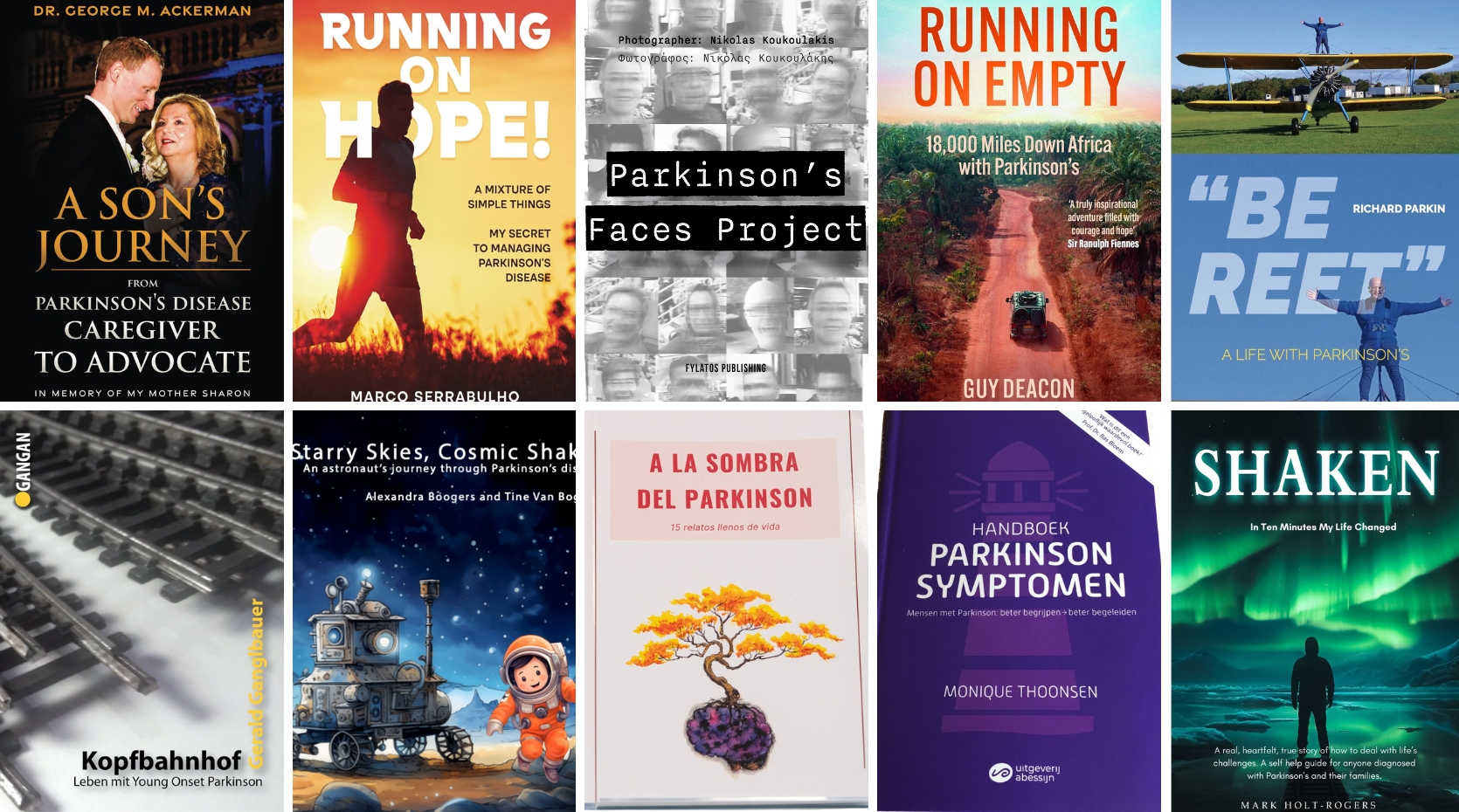
Running on Empty: 18,000 Miles Down Africa with Parkinson’s by Guy Deacon
This heroic and adrenaline-packed book recounts Guy’s 18,000-mile trip from his home in the UK to the tip of Cape Town, driving the full length of Africa through 25 different countries to raise awareness of Parkinson’s. Guy was diagnosed with Parkinson’s back in 2010, and the book tells the story of how he managed this monumental trip around his condition, with his adventures including “five breakdowns, one emergency evacuation and 3650 prescription pills”.
Buy Running on Empty for £6.40 (or equivalent currency) on Amazon
Starry Skies, Cosmic Shakes: An Astronaut’s Journey through Parkinson’s disease by Alexandra Boogers and Tine Van Bogaert
This charity children’s book explores the topics of Parkinson’s and Deep Brain Stimulation (DBS) surgery in a way that allows families to start a conversation with children about Parkinson’s in a friendly, non-scary and accessible way. Written by two Belgian neurology professionals, neurologist Alexandra Boogers and neuroscientist Tine Van Bogaert, Starry Skies, Cosmic Shakes is a story of an astronaut called Alex who gets diagnosed with Parkinson’s, begins to take medication, and eventually has DBS surgery.
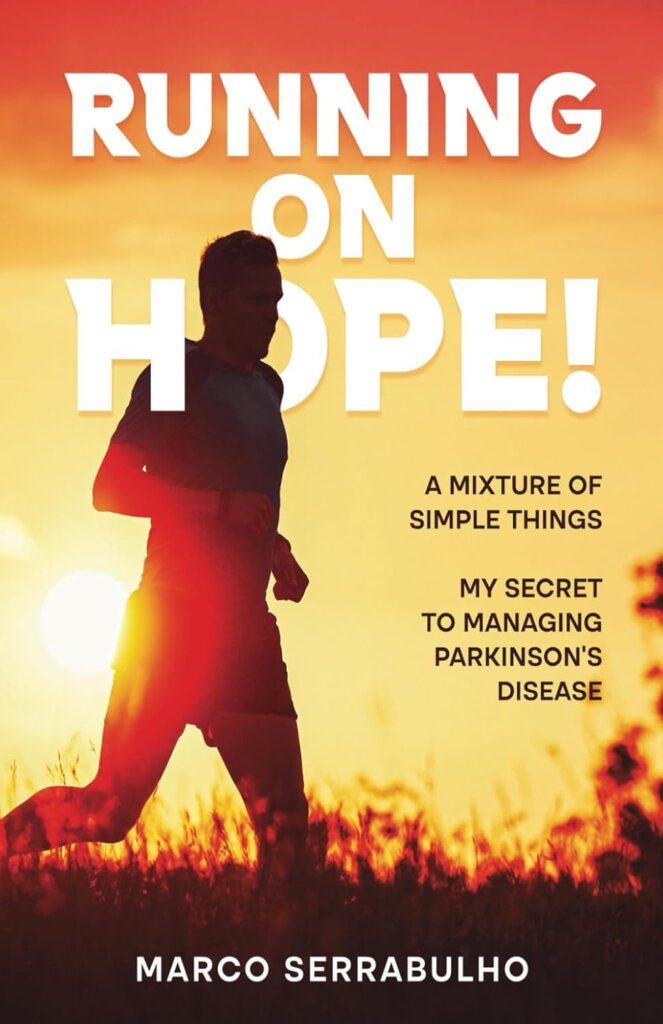
Running on Hope! My secret to manage Parkinson’s Disease by Marco Serrabulho
We wrote about this book’s original Portuguese version in our last books roundup, and now it has been translated into English. The book details Serrabulho’s struggles after being diagnosed with YOPD (Young Onset Parkinson’s) 14 years ago at the age of 34. Part of the book deals with how he has used running as a way to cope with his condition, and its inspirational story led to the original Portuguese book winning the Editor’s Choice prize for best non-fiction book of 2023.
Buy for £14.19 (or the equivalent in your local currency) on Amazon
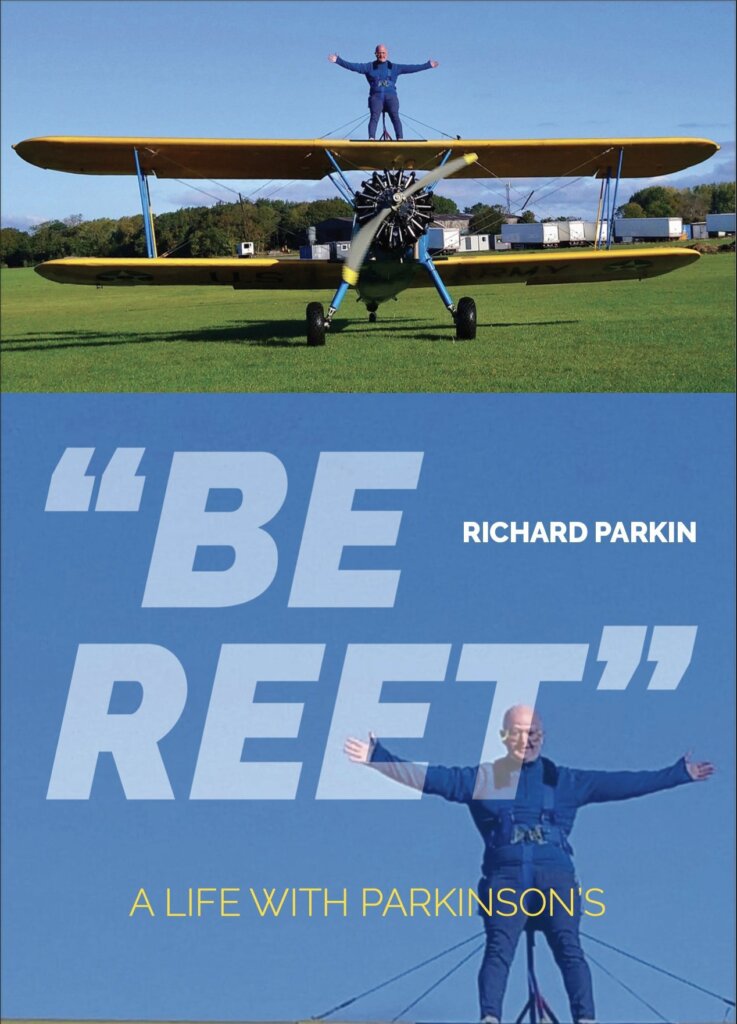
Be Reet: A Life with Parkinson’s by Richard Parkin
Hailing from West Yorkshire in the UK, Richard Parkin has released a book about his life since being diagnosed with Parkinson’s nine years ago, hoping to help raise awareness for the condition. The often uplifting book details his diagnosis and how he has adapted to life with Parkinson’s, and what he does to ensure he doesn’t endure his life, he enjoys it.
Copies of the book are available by contacting Richard at [email protected]
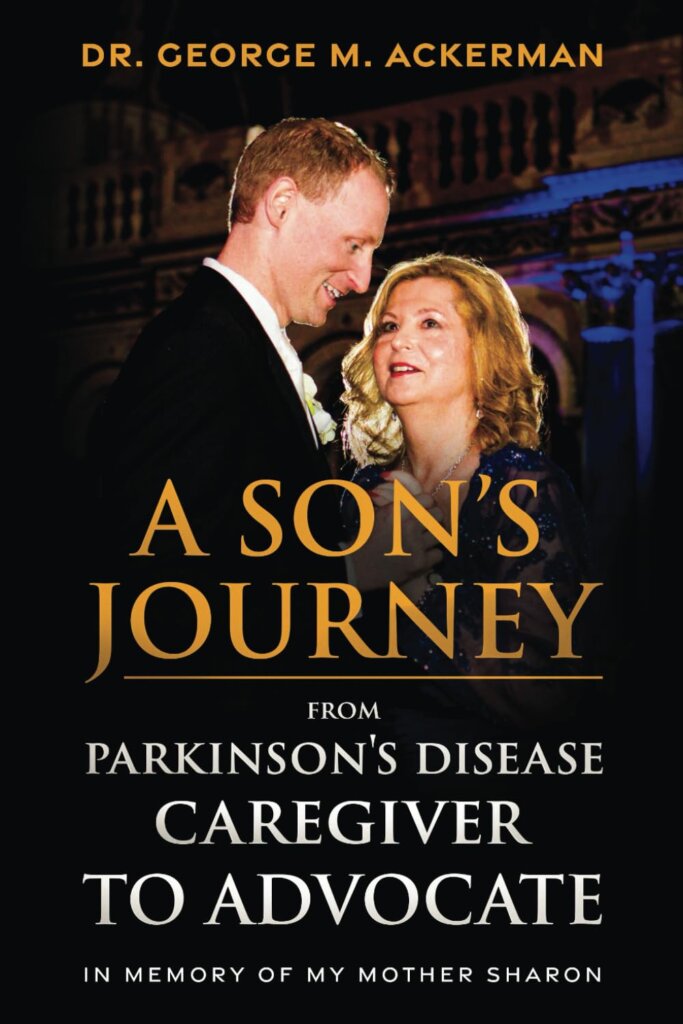
A Son’s Journey: From Parkinson’s Disease Caregiver to Advocate by Dr George M Ackerman
George Ackerman is a well-known and beloved figure in the Parkinson’s community online, running the website Together for Sharon to honour the memory of his late mother, who died in 2020 after living with Parkinson’s for many years. His latest attempt to raise global awareness for Parkinson’s is this poignant and honest book, which tells the story both of his mother’s battle with Parkinson’s and George’s experience as Sharon’s caregiver.
Buy a Kindle edition of the book for £8.85 (or the equivalent in your local currency) on Amazon.
SHAKEN: In ten minutes my life changed by Mark Holt-Rogers
Wellbeing specialist Mark Holt-Rogers has been living with Parkinson’s for over a decade, and this book is his self-help guide to living with the condition, based on his own experiences. The book includes coping strategies, insights into life with Parkinson’s for caregivers and family members, and Mark’s own account of adapting to living with Parkinson’s.
Buy the paperback for £9.99 (or the equivalent in your local currency) on Amazon
New Parkinson’s books in Dutch (and English)
Handboek Parkinson Symptomen: Mensen met Parkinson beter begrijpen en daardoor beter begeleiden by Monique Thoonsen
Physiotherapist Monique Thoonsen has spent much of her career working with people with Parkinson’s, and in 2021 she was diagnosed with the condition herself. This book is the result of her in-depth knowledge of Parkinson’s, raising awareness of the many possible symptoms of the condition, and how to deal with each one.
Buy the book for € 19,99 on Uitgeverij Abessijn here in Dutch and here in English
New Parkinson’s books in Greek (and English)
Parkinson’s Faces Project by Nikolas Koukoulakis
As well as being a power lifter and person with Parkinson’s, Nikolas Koukoulakis is also a talented photographer, and he has created this book of captivating black-and-white portraits of athletes with Parkinson’s from around the world. The photographs give a striking glimpse into the subjects’ personal stories with Parkinson’s, from diagnosis to the current day, and also feature uplifting quotes (in both Greek and English).
A La Sombra Del Parkinson: 15 Relatos Llenos de Vida by Various
This book was put together by 15 friends with early-onset Parkinson’s, telling their individual stories of what it was like to be diagnosed with Parkinson’s at such young ages, from struggling to get a diagnosis to finding companionship in the Parkinson’s community. Indeed, the book itself came out of a WhatsApp group of people with Parkinson’s in Spain, and is full of the positivity of friendship and camaraderie.
To buy the book (€ 15 + shipping), contact the authors on Facebook or Instagram
Not-so-new Parkinson’s books still worth reading!
We’ve also been recommended two other books since our last article which were published in previous years but still well worth looking up:
Kopfbahnhof: Leben mit Young Onset Parkinson by Gerald Ganglbauer
This latest book from Austrian-Australian writer Gerald Ganglbauer, who was diagnosed with Parkinson’s almost 20 years ago at 48 years old, was published in 2020. It’s a personal account of his life with Parkinson’s, detailing his travel adventures, reunions and personal relationships in an open, honest and understated way.
Just Wobbling Along: My First Five Years with Parkinson’s Disease by Helga Mellor Macfarlane
Published in 2020, this hilarious and heartbreaking read tells Helga’s deeply personal and honest account of daily life during the first five years of having Parkinson’s, after being diagnosed in her early fifties. It’s disarmingly honest and full of Helga’s determination and joyous personality.
Buy as a paperback for £15.99 or e-book for £4.99 on Amazon
Not Afraid to Fall by Brian Hall
Brian’s Parkinson’s symptoms appeared at just 14 years old, and this book recounts how his Parkinson’s has been a formative part of his life in New England, USA over the past five decades. It especially focusses on how he has used physical activity and exercise to help treat his Parkinson’s symptoms, from mountain biking and sailing to golf and ocean swimming, and is also filled with advice for living with Parkinson’s.
Buy a paperback for £15.93 or Kindle edition for £6.28 on Amazon
If you’ve got any recommendations of Parkinson’s books, email us at [email protected]