If there’s one thing we can all agree on, it’s that exercise is beneficial for health – especially so if you have Parkinson’s – but, as with all things, exercising with Parkinson’s comes with its own unique set of challenges.
Whether it’s something preventing you from getting started with exercise, or struggling to get back into physical activity after an injury or illness, barriers can hold us back and be incredibly disheartening.
But never fear: we’ve asked a Parkinson’s exercise expert for help!
Josefa Domingos doesn’t just have two decades of experience as a physical therapist working exclusively with people with Parkinson’s – she’s also been the National Health Coordinator at the Portuguese Parkinson’s Patients Association since 2006, co-founded the Young Parkies Portugal charity, and has just achieved a PhD in Practicalities of Community-based exercise in Parkinson’s.
As if that weren’t enough, Josefa is also President of Parkinson’s Europe!
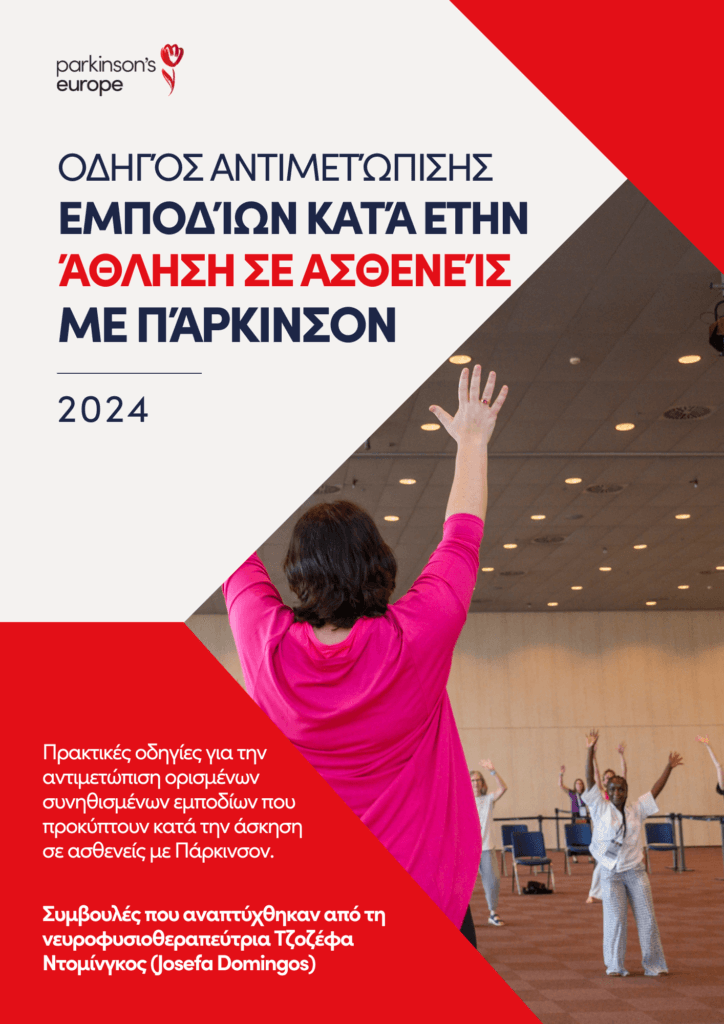
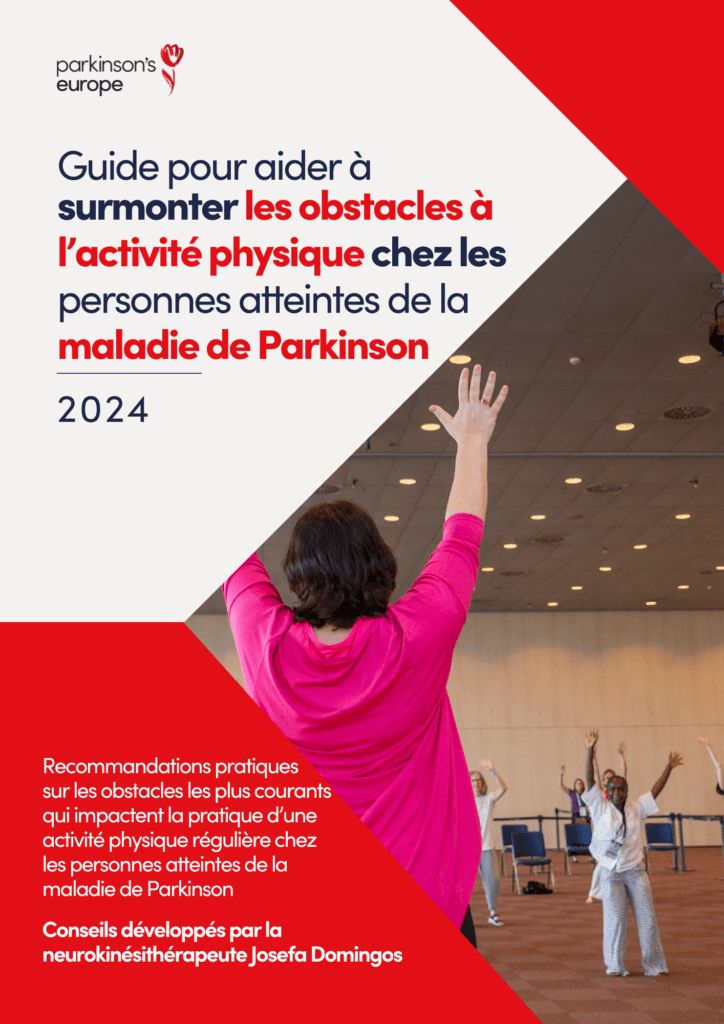
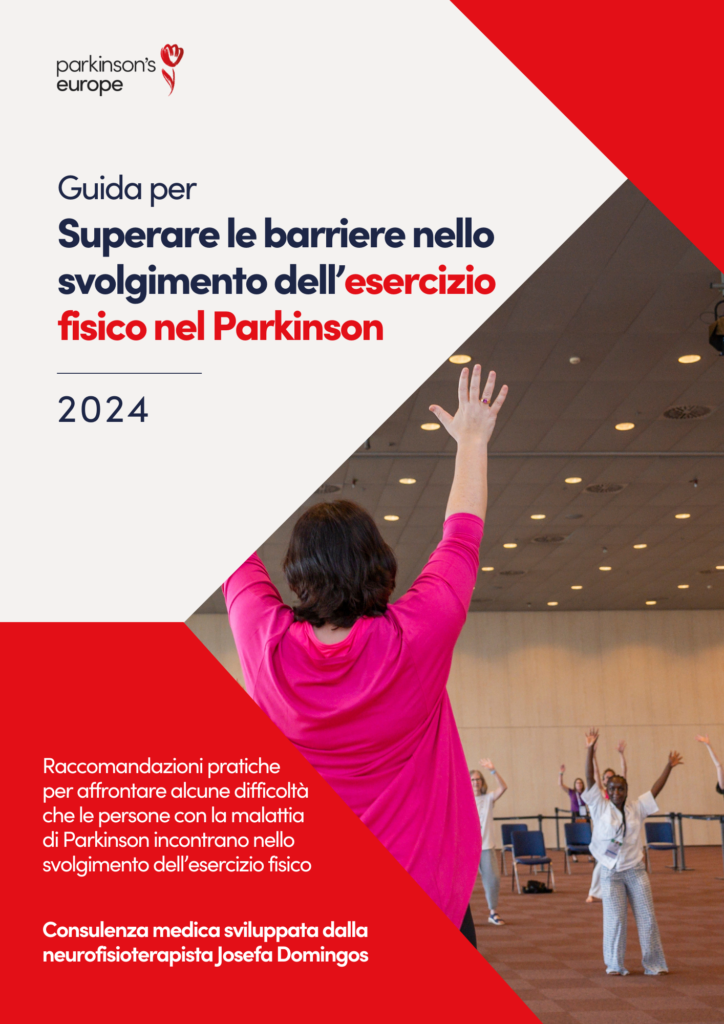
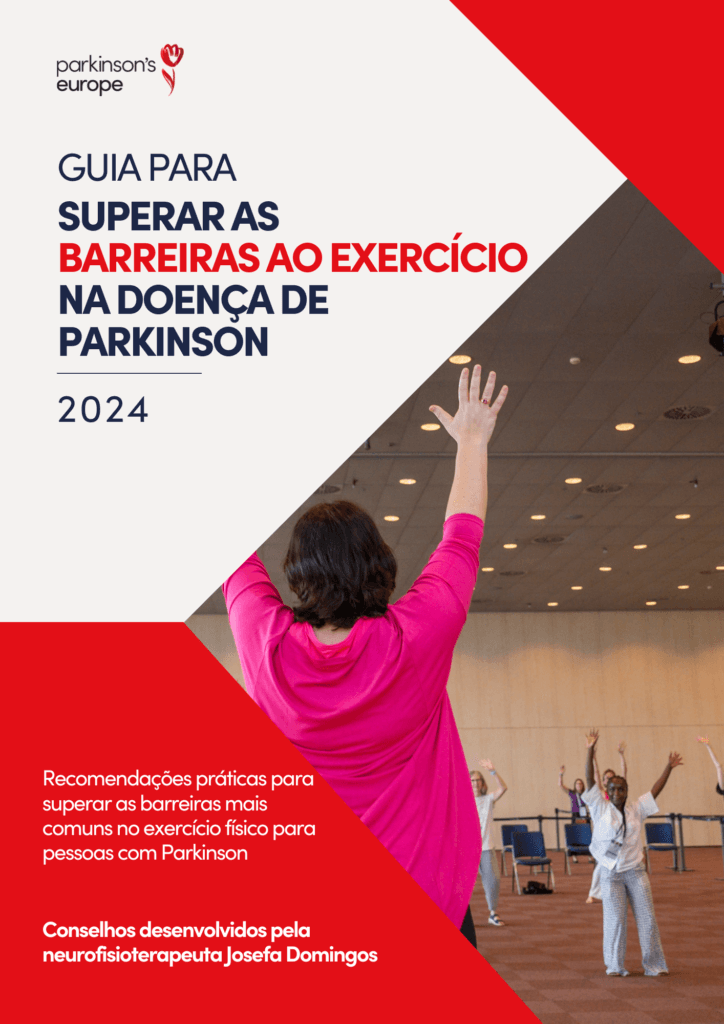
FREE guide to overcoming barriers to exercise with Parkinson’s – in NINE languages
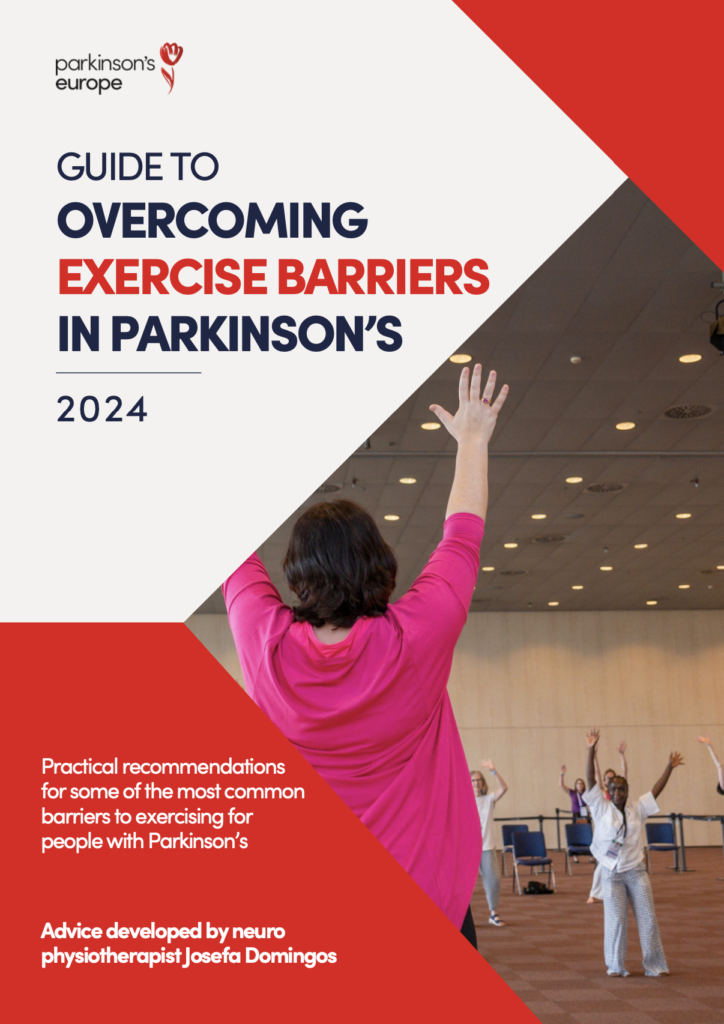
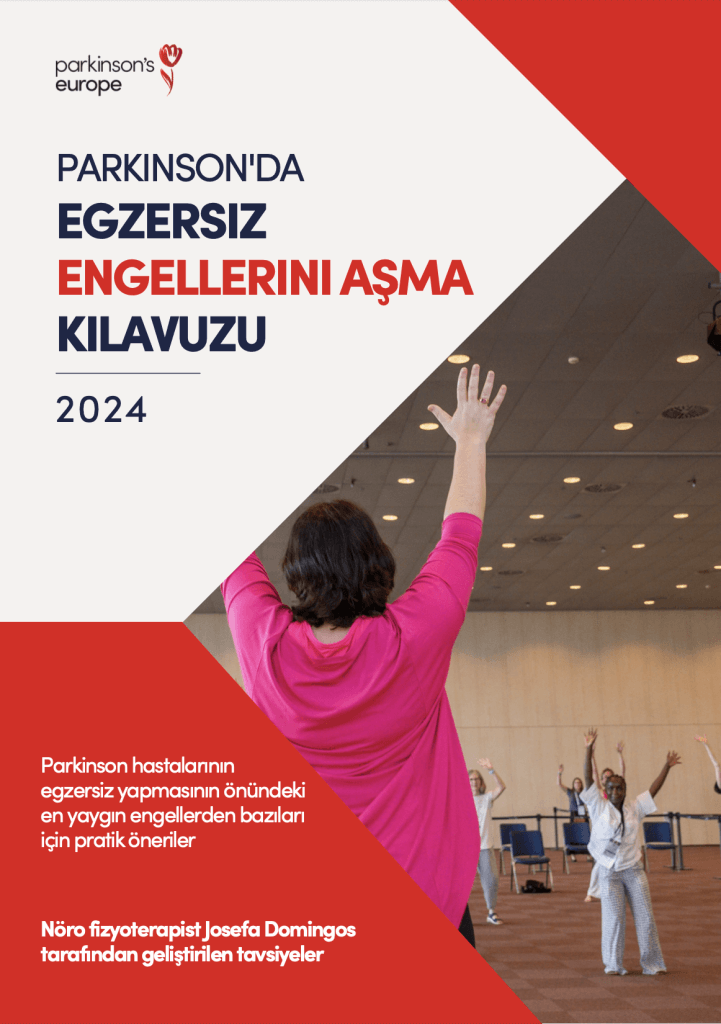
We asked Josefa for her top advice on overcoming common barriers to exercising with Parkinson’s. You can read our interview with Josefa below, but we’ve also put together a free guide to exercise and Parkinson’s, which you can download at the end of this article.
Thanks to the kindness of several volunteers, you can now download this guide in eight languages: English, Dansk / Danish, Deutsch / German, Español / Spanish, Ελληνική / Greek, Français / French, Italiano / Italian, Português / Portuguese and Türkçe / Turkish.
What are the top three reasons why people with Parkinson’s might not consider exercise or sport?
The research literature frequently points to three main factors that can limit people with Parkinson’s from engaging in exercise: low self-efficacy, fear of falling, and reduced expectations of positive outcomes.
However, any barrier could be a sufficient reason for someone with Parkinson’s to avoid exercise. It’s whatever problem or barrier is challenging you.
And what has been your own experience of the main barriers to people with Parkinson’s and exercise, getting active, and playing sports?
There’s several, and these can be grouped into three main areas: health, personal, and environmental factors.
Each of these three areas plays a critical role in shaping the ability and willingness of people with Parkinson’s to engage in physical activity.
Okay, let’s start with health-related barriers to exercise and Parkinson’s – what are they?
Motor symptoms like tremors, rigidity, and bradykinesia can make movement challenging and uncomfortable.
Additionally, non-motor symptoms such as motivation fluctuations, anxiety, depression, fatigue, and apathy often undermine the consistency required for regular exercise.
Also, medication and disease-related issues like unpredictable on-off phenomena can create uncertainty about when someone will have the energy and mood to exercise, making it difficult to maintain a regular routine.
And what ways can people overcome these health-related issues?
One way is to work closely with experts – for instance, if you’re struggling to exercise because of a specific symptom, your doctor might be able to adjust your medication to help, or if mental health issues are affecting your motivation to exercise, address this with a therapist or counsellor.
Integrating exercise into your daily routine at a time when your medication is generally working the best can also help make exercise a regular habit, but on the flip side you also need to listen to your body, for example trying gentler exercise like yoga and walking when fatigue levels are high, or taking advantage of high-energy days by trying higher-intensity aerobic exercises like cycling or dance.
There’s more advice in the free guide below.
What about personal barriers to exercise?
Factors like low self-efficacy, fear of falling, reduced balance confidence, low expectations of exercise benefits, and physical discomfort can all deter individuals from engaging in physical activities.
A history of limited participation in sports or low levels of previous physical activity can also contribute to a lack of confidence.
Time constraints, often arising from other responsibilities, can further restrict opportunities for exercise.
What advice can you give to overcome these personal barriers to exercise?
Getting an exercise buddy can really help your confidence and reduce fears of falling, or listening to music can help distract you from any discomfort and make your exercise experience more enjoyable. Keeping a diary of your progress can also help grow your confidence and increase your expectations.
Time constraints are always challenging – but even doing short bursts of 10 minutes, or even 1-minute exercise “snacking” – can be just as beneficial. And you can also incorporate exercise into your daily activities, such as gardening, cleaning, walking the dog or going on a hike with your family.
There’s lots more advice in the free guide below.
And finally, what are the environmental reasons for issues around exercise and Parkinson’s?
There are several. A lack of social support from family or friends can lead to isolation and reduce motivation. Not having a workout partner or “exercise buddy” can make it less likely for individuals to commit to regular activity.
Concerns about exercising in public due to visible symptoms and their progression might lead to feelings of discomfort or embarrassment.
And practical issues like limited access to exercise facilities, transportation difficulties, bad weather, cultural barriers, financial constraints, and crowded environments can all also deter regular exercise.
How can we overcome these environmental barriers?
One major thing is using online exercise videos and virtual classes – this removes several barriers, including transportation, bad weather, relying on limited local availability of classes, and the sometimes daunting prospect of exercising in front of others or in crowded rooms.
It can also help with cultural challenges, for instance many online videos have subtitling for a diverse range of languages, and overcoming some cultural differences such as single-sex classes, but I’d recommend also making needs like these clear to local providers and asking them to accommodate them.
There’s more advice in the free guide below.
What about after injury or other set-backs: is there anything specific that you would advise people with Parkinson’s to consider?
Get a good assessment and guidance from a qualified Parkinson’s health or exercise professional before restarting. Also, it’s important to find ways to stay active even when dealing with an injury. For example, if you’ve injured your arm, focus on leg exercises like using a stationary bike or walking. This approach helps maintain fitness and mobility while allowing the injured area to heal. Try to be creative to stay active despite the set-backs.
Your FREE guide to overcoming barriers to exercise with Parkinson’s
Download our ten-page guide to exercise and Parkinson’s below – and please spread the word about this guide on social media so as many people as possible can benefit.
Find the guide below in the following languages:
- English
- Dansk / Danish
- Deutsch / German
- Español / Spanish
- Ελληνική / Greek
- Français / French
- Italiano / Italian
- Português / Portuguese
English
Dansk / Danish
Deutsch / German
Español / Spanish
Ελληνική / Greek
Français / French
Italiano / Italian
Português / Portuguese
Türkçe / Turkish
Find more information and advice about exercising with Parkinson’s on our Physical Activity and Exercise page, and find an activity you enjoy on our Sports & Exercise hub.