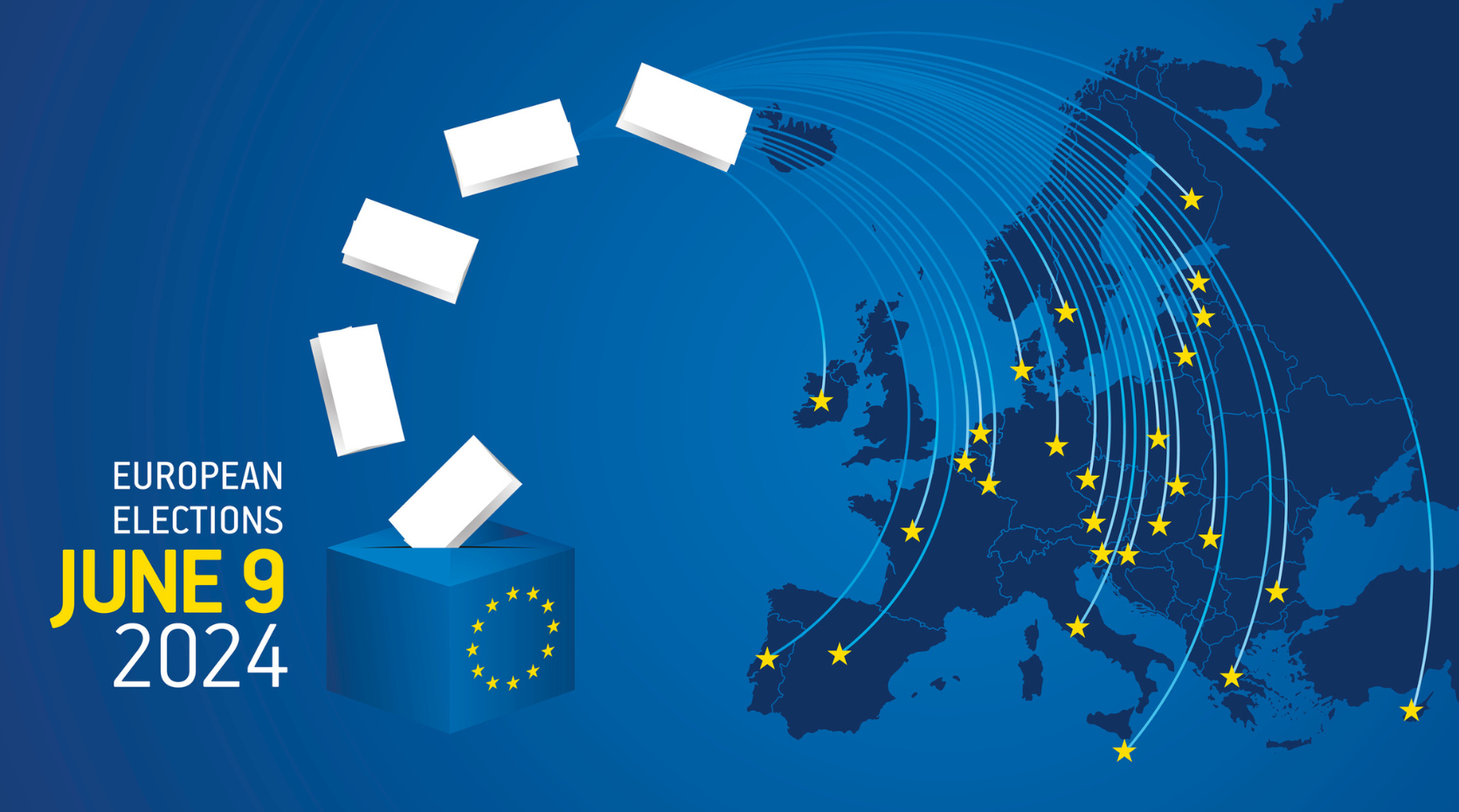
Between 6-9 June, the 2024 European Elections will take place, and many of us across Europe will cast our vote for members to represent us at the European Parliament (MEPs).
The elections hold significant implications for people living with Parkinson’s on issues such as healthcare policies, research funding to cross border healthcare and patients rights, so this is a great opportunity to support those candidates that are aligned to the needs and priorities of the Parkinson’s community.
As the time to vote draws close, we’re looking at how the results might impact those living with Parkinson’s in Europe.
We start by asking Gary Boyle, Vice President of Parkinson’s Europe, for his perspective:

1. Why do you think the European Elections 2024 are important to the Parkinson’s community in Europe?
With respect to promoting awareness, providing information and increasing education on life with Parkinson’s. The European elections are the most opportune time to bring our needs and wants to a very wide geographical and political audience. We need to get into the hearts and minds of decision makers and politicians who will decide the next key objectives for Europe. Politicians will be calling to all doors across the continent looking for our No.1 Vote. If we have a strong message and a strong network to support, we can influence the direction of European policy, hopefully in our direction.
2. Why is it important for people living with Parkinson’s to vote/engage with politics?
We need as many advocates as possible to champion the lives of people living with Parkinson’s, as otherwise we will not be a priority for the next assembly of MEPs in Brussels. Casting our votes in the upcoming EU Election is our individual opportunity to influence EU policy. We cannot have a situation whereby Parkinson’s is the fastest growing neurological condition on the planet, yet it is not seen as a key priority for the European Parliament.
3. What does a new Parliament mean to people living with Parkinson’s?
A new Parliament is a new opportunity for all of us living with Parkinson’s. If we get our message straight and we all get on message, we will enhance our chances of being ‘top of mind’ with policy makers and decision makers when it comes to allocating EU resources. We need to emphasise that resource allocation is an investment in our future, which will significantly reduce future costs.
4. What key changes would you like to see the new Parliament bring about after the 2024 European Elections?
It would be great to see the new Parliament take action to reduce the bureaucracy that exists in the EU. If it could only reduce the antiquated process of bringing new drugs to the market, that in itself would be a wonderful win for many, many people across the continent, not just us living with Parkinson’s.
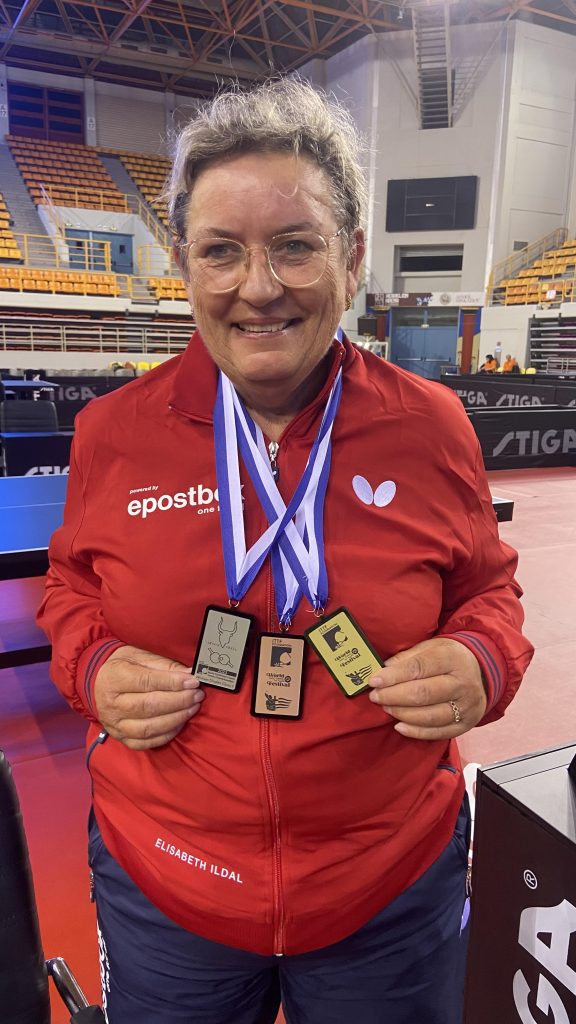
Next we speak to Elisabeth IIdal, founder of our latest Member Organisation Cure4Parkinsons and also running as a candidate for the European Parliament.
1. Why did you decide to run for European Parliament?
I am running for a seat in the European Parliament as I want to raise awareness and strongly argue for the needs of research funding for this incurable disease.
2. Why is it important for people living with Parkinson’s to vote/engage with politics?
It is extremely important that People vote in order to get the right politicians into the European Parliament, who will argue for further research funding and quality of life for people with Parkinson’s.
3. What does a new Parliament mean to people living with Parkinson’s?
A new Parliament means new people in the seats in the European Parliament. If the Parkinson’s Movement shouts higher and stronger, we have a chance to raise awareness and a new focus on Parkinson’s. To argue for establishment of further European corporations programs, in order to speed up the treatment.
4. What key changes would you like to see the new Parliament bring about?
As Parkinson’s is the fastest growing brain disease in the world, I will fight to bring Parkinson’s to the top of the agenda in the European Parliament.

And finally we asked Director General of Parkinson’s Europe his thoughts on the upcoming European Elections 2024 and how this might impact on Parkinson’s community in Europe:
‘The upcoming European Elections 2024 are both a threat and an opportunity for Parkinson’s Europe and Parkinson’s. On the one hand, there is a deep concern that health policy will decrease in importance in the new EU-Brussels environment due to the expected shift to the political right, who will likely be more interested in immigration and powers back to the national level. We therefore need to do everything possible to mitigate this threat and build a stronger profile for Parkinson’s and build awareness amongst the new EU decision-makers.
But it is also an opportunity as there will be a massive change in decision-makers in Brussels not only because of the elections but also a new Commission – the Executive body of the EU – coming in at the end of the year. This change allows us to re-introduce ourselves and develop new friends and contacts with health-minded decision makers to keep health policy alive for the coming next 5 years.
Parkinson’s Europe is looking to establish a Parkinson’s parliamentary interest-group with Members of the European Parliament which would act as a solid platform to raise our profile and educate and influence EU decision-makers. We will continue to call upon our friends in Brussels, namely EFNA – the European Federation of Neurological Associations) and EPF (the European Patients Forum) as well as the Word Health Organization (WHO)in Europe Chapter to continue to put pressure on the EU to speed up an action plan within the NCD platform to undertake specific-disease related actions’
To find out more about how the elections work, how many MEPs are elected, what are the main political groups and most importantly how you can vote, visit the European Elections 2024 website. And if you are interested in getting more involved, there are election toolkits created by both the European Federation of Neurological Associations (EFNA) and the European Patients Forum (EPF).