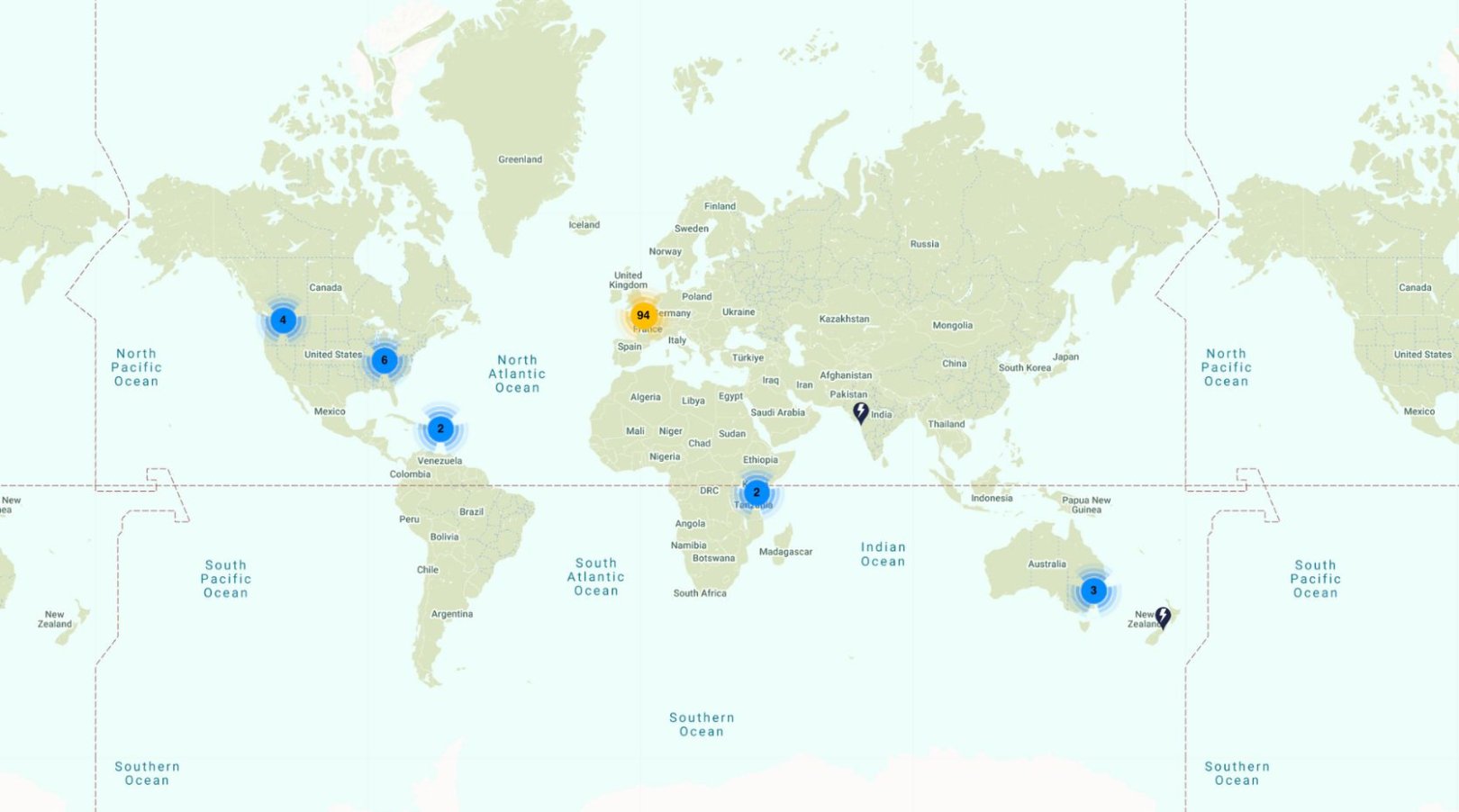
Wherever you live, join in with the rest of the Parkinson’s community and raise awareness for World Parkinson’s Day 2025 by taking part in one of the special events on or around 11 April.
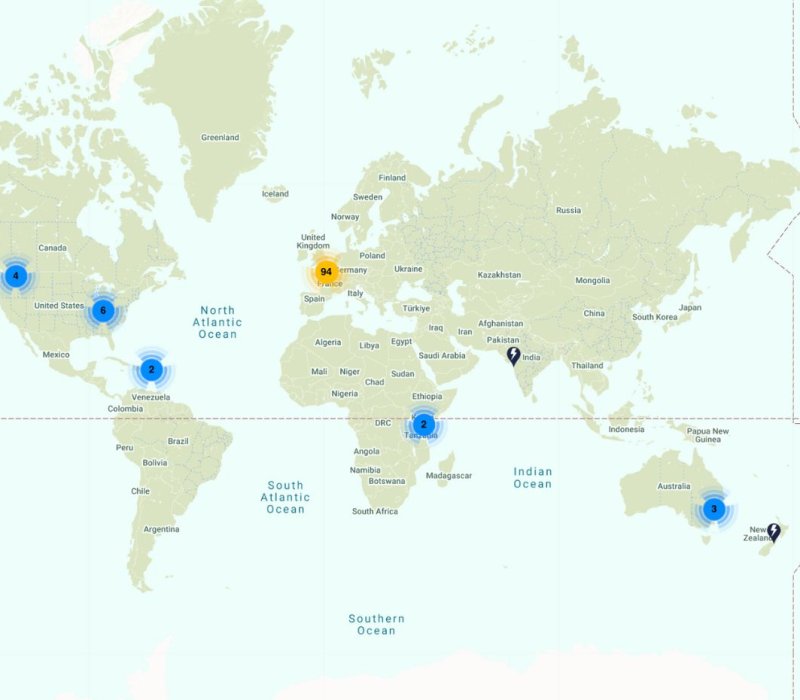
Find out what is happening near you by consulting our handy interactive Parkinson’s map or explore the World Parkinson’s Day 2025 events highlights around the UK, Europe and the world below.
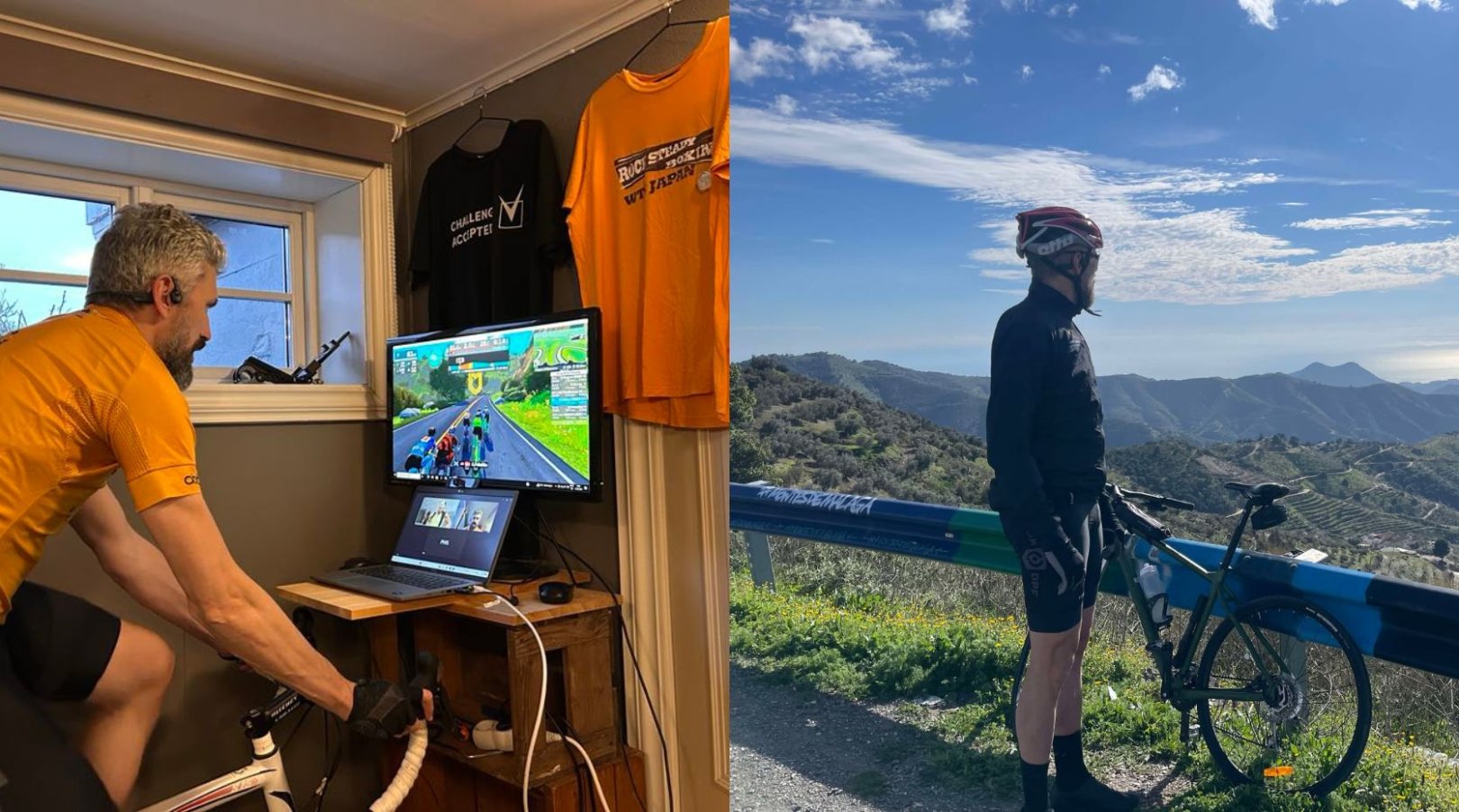
There are plenty of Parkinson’s events to get involved with online, too – you could take part in a Sit to Stand challenge, discover the latest developments in Parkinson’s research by tuning into a webinar, or sign a petition against pesticide use.
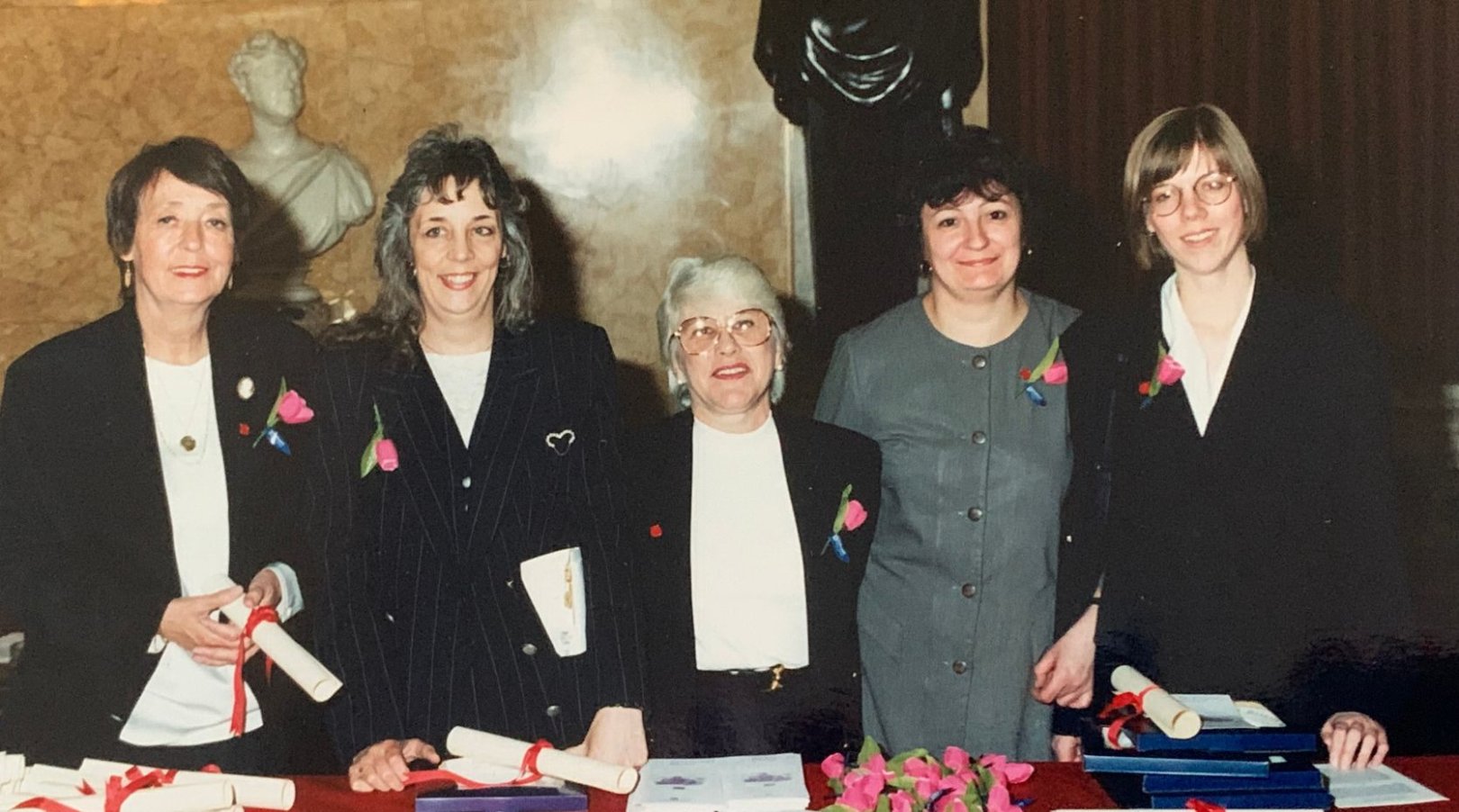
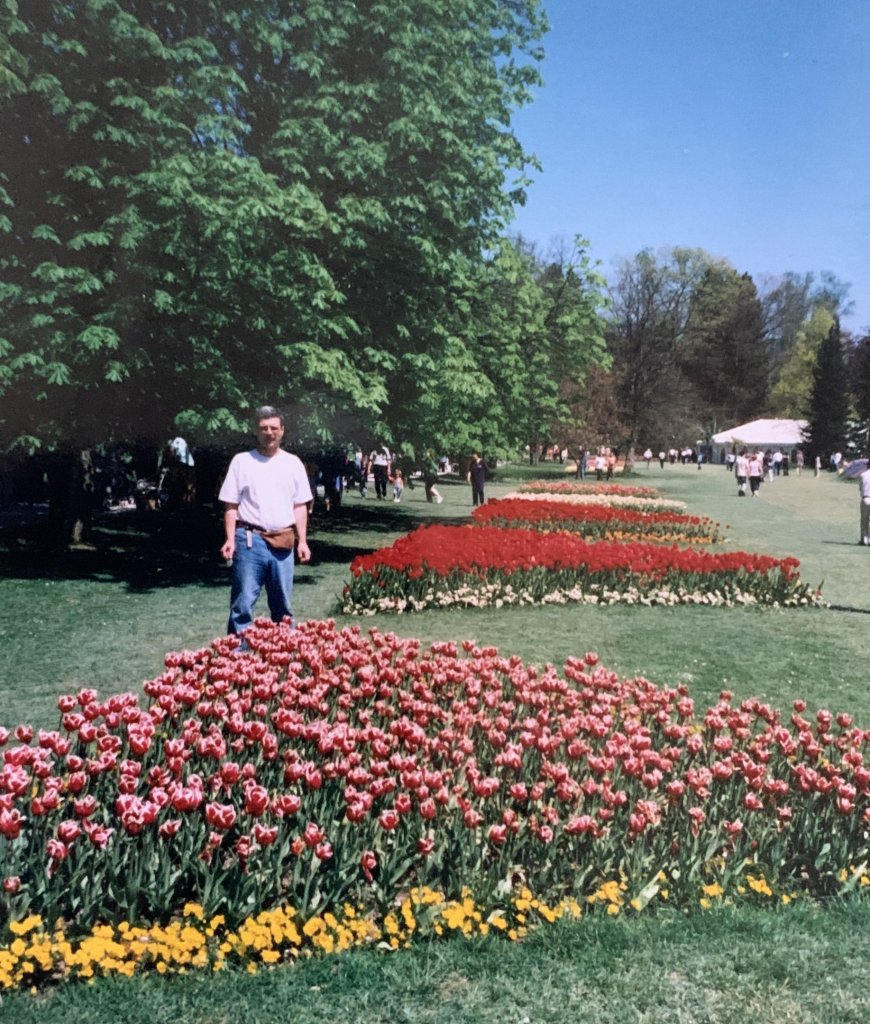
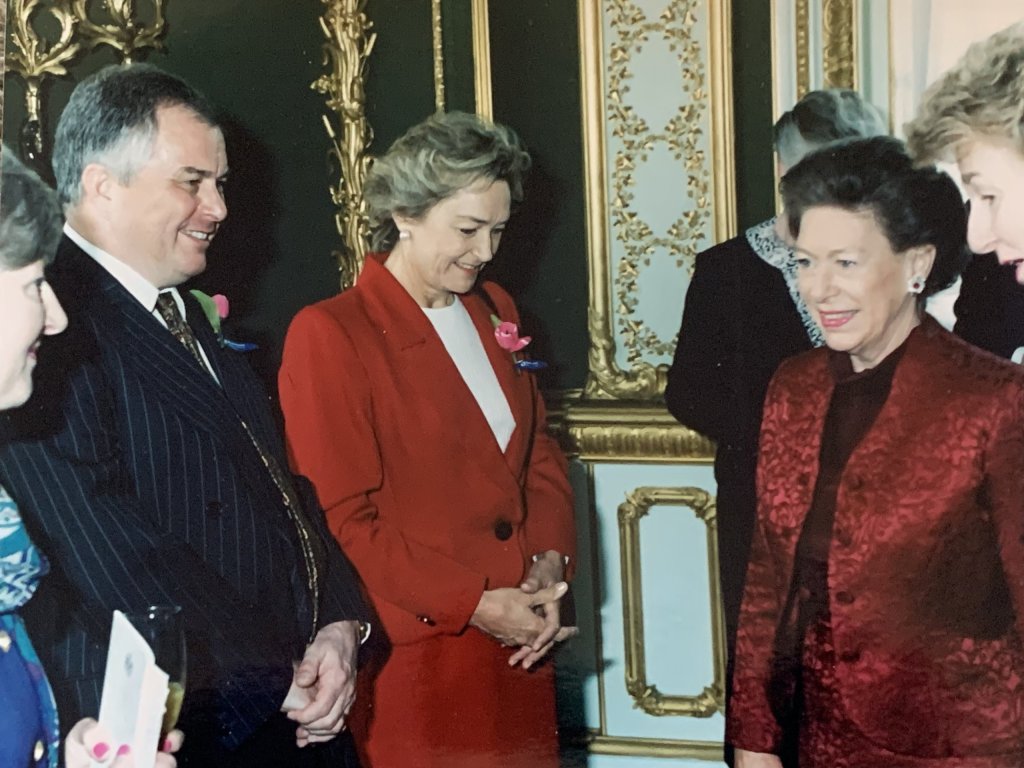
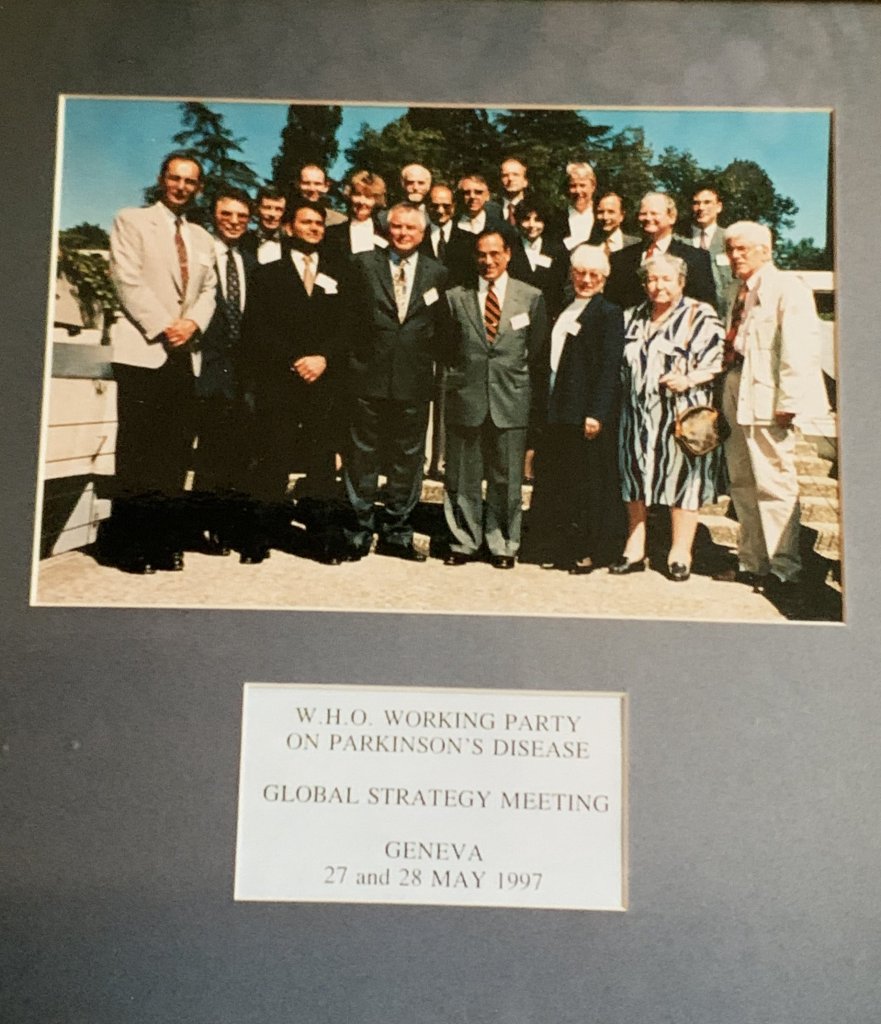
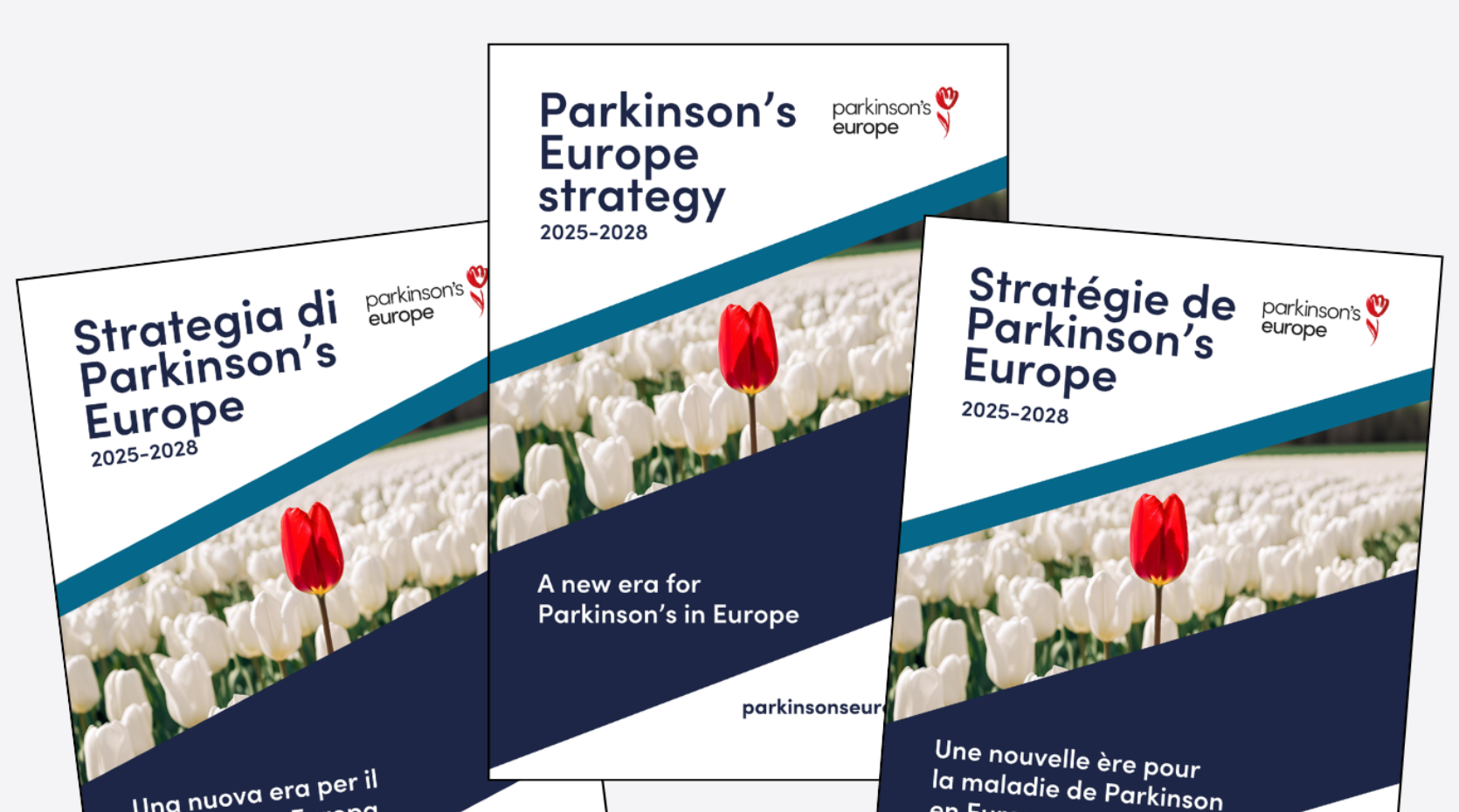
And do not miss the special episode of our Parkinson’s Europe podcast where our founder, Lizzie Graham, and our Operations Director Dominic, tell us some fascinating stories from Parkinson’s Europe’s past, including how the history of the tulip symbol is linked to World Parkinson’s Day. However you choose to mark it, enjoy the day!
World Parkinson’s Day 2025 events: Europe
All of Europe

Spark the Night
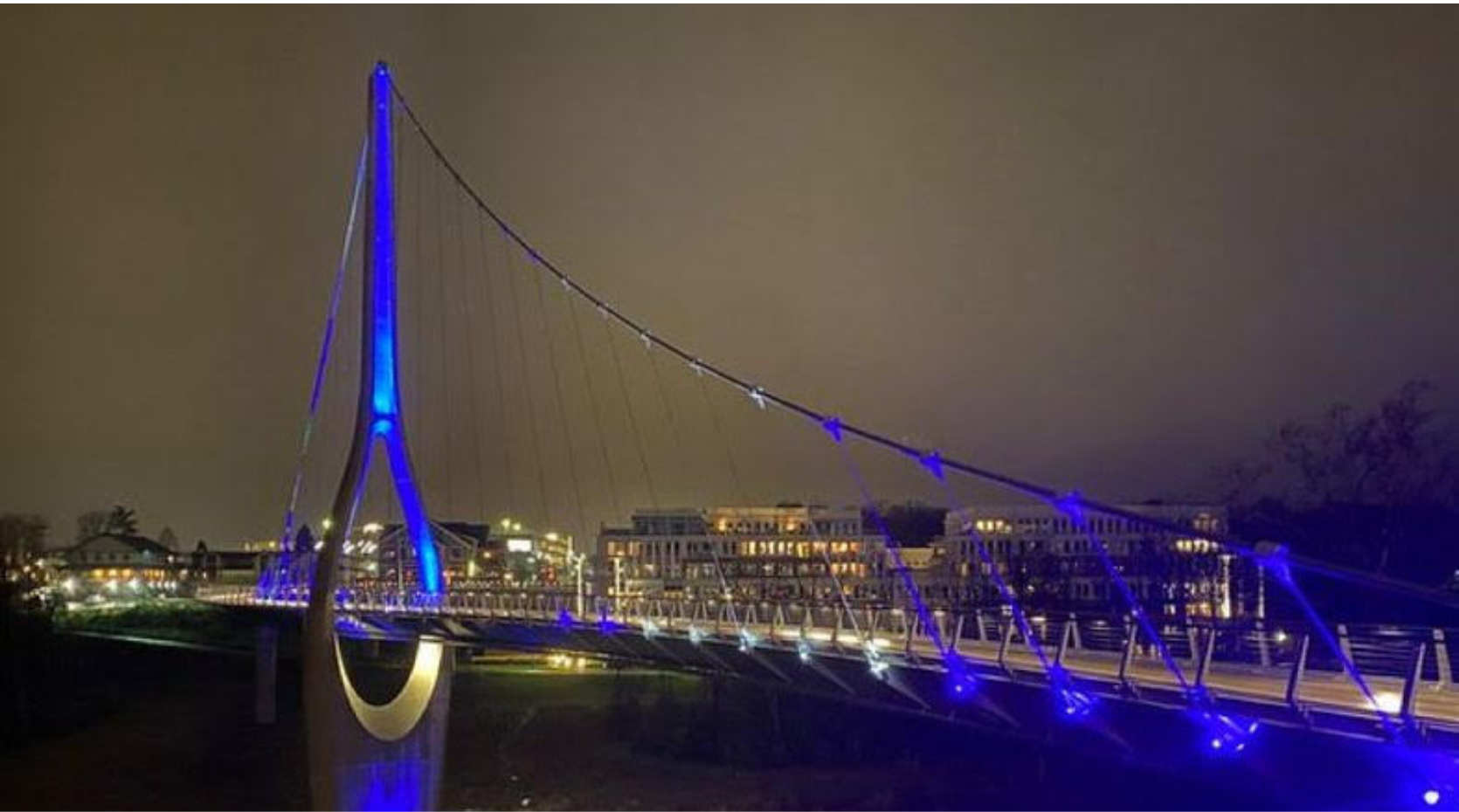
US-based advocacy organisation the PD Avengers is holding its Spark the Night event, lighting up landmarks in blue all over the world on the night of 11 April. Partnering with AbbVie, the event will see iconic buildings, bridges and towers lit up in a powerful display of hope, solidarity and visibility for the Parkinson’s community. In the US, this will include the One World Trade Centre in New York, while in Europe, Lisbon’s Cristo Rei will be lit up in blue, as will Turin’s National Museum of Cinema, Cardiff Castle in Wales, and many more.
Belgium
World Parkinson’s Day Conference
Action Parkinson is hosting a conference in Ixelles, which will include a lecture by neurologist Dr Priscilla Van Meerbeeck, tips for your living space from local occupational therapists, and a lecture on acupuncture by physiotherapist Aurélie Schils. Registration is 10 euros – see full programme and payment details here. The conference is at Chaussée de Vleurgat, 109, 1050 Ixelles, between Place Flagey and Avenue Louise.
Denmark
SparkTheNight and dinner
Danish Parkinson’s association Cure4Parkinson is marking World Parkinson’s Day by taking part in Spark The Night in Copenhagen, as well as holding a two-course dinner at 7pm at Café Du & Jeg, Vedbæk, with entertainment by local singer Jeanette Debb. Price per ticket is DKK 125 excluding drinks. For a ticket, email [email protected]. Tickets are subject to availability.
France
World Parkinson’s Day events
To mark World Parkinson’s Day, France Parkinson has organised more than 60 events throughout France until 31 May. Find out what’s happening near you by clicking on their map.
Germany
German Parkinson’s Foundation virtual information event
German Parkinson’s foundation Parkinson Stiftung is hosting an online conference on 11 April from 3-7pm focusing on sport and sleep. Contributing will be Wolfgang Wendlik, a person with Parkinson’s who is training for a triathlon, and Andreas Moroff, who discusses the benefits of table tennis. The topic of sleep and how to improve it will be tackled by Professor Claudia Högl from Innsbruck University Hospital in a live episode of ‘Moving Matters – The Parkinson Foundation Podcast’. As in previous years, three medical experts will present various topics and answer questions from the audience.
PingPongParkinson World Parkinson’s Day event
Join PingPongParkinson in Hanau, near Frankfurt, from 2pm on 11 April for an afternoon of dancing, table tennis and boxing in Hanau marketplace and the town square, as well as lighting the Brothers Grimm Monument blue for the SparkTheNight campaign.
Ireland
Walk for Parkinson’s
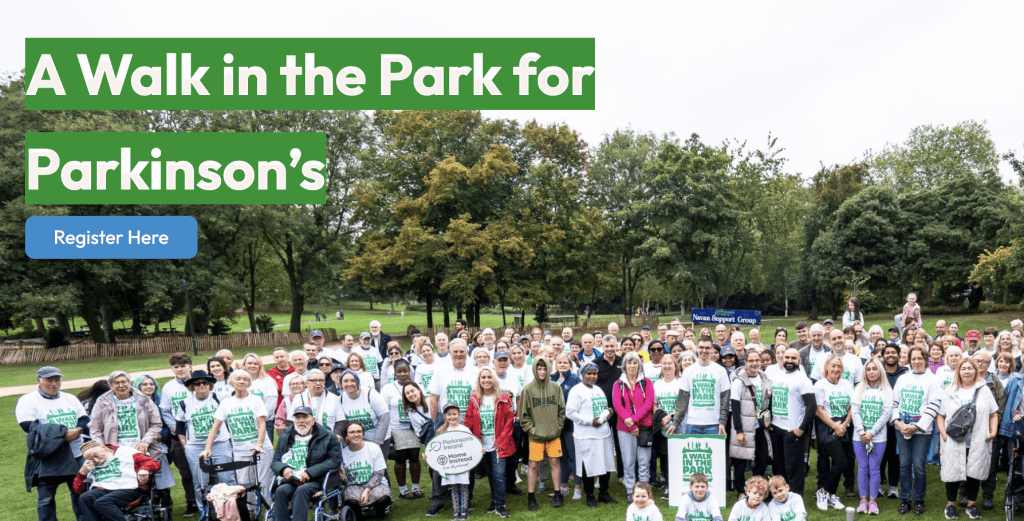
Parkinson’s Ireland is marking World Parkinson’s Day by holding a series of walks in its ‘A Walk in the Park for Parkinson’s’ campaign. From 5th April onwards, the walks are taking place in the following locations: Dublin, Meath, Kildare, Laois, Offaly, Tipperary, Wexford, Waterford, Cork, Limerick, Roscommon, Mayo, Sligo and Donegal. Find out about dates and exact locations here.
Italy
Parkinson’s conference
On 11 April, a Parkinson’s conference concentrating on the practical, legal and bureaucratic aspects of the condition will take place at Hotel Barrage in Pinerolo, organised by initiative group I Tremolini, the Italian Association of Young Parkinson’s Patients (AIGP) and the Waldensian Diaconate – Health Services. Attendance is free but places must be booked. Find out more here.
The Netherlands
Pesticide Free Day
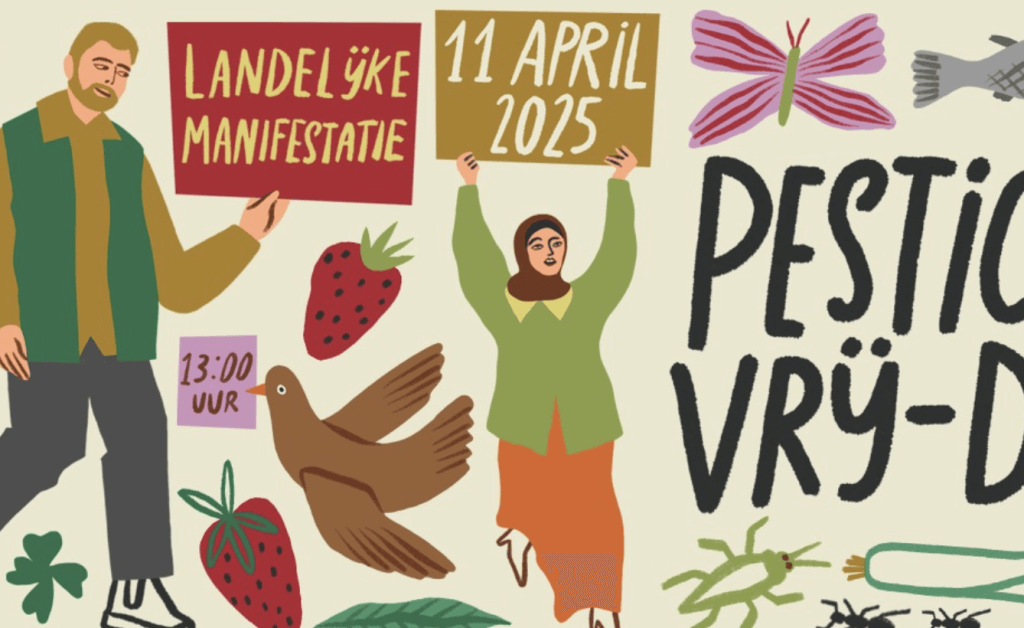
Support Parkinson Vereniging and the Pesticide Action Network Netherlands in their battle to reduce pesticide use – believed to contribute to the development of Parkinson’s – in the Netherlands. You can do this by signing the Call to Action petition and manifesto they will present to members of the Netherlands’ House of Representatives in the Hague on World Parkinson’s Day. You can also join in their march and watch the Call to Action handover – all taking place from 1-3.30pm on 11 April. Find out more here.
Portugal
National Congress for Parkinson’s Patients 2025
Portuguese Parkinson’s association APDPk will celebrate World Parkinson’s Day with a whole day of activities in Maia near Porto from 10:30am-5pm on 12 April. These will include lectures on the latest developments in Parkinson’s diagnosis and research, and workshops on physiotherapy and music therapy. Register for the free event at Auditório Manuel Correia, Rua Joaquim de Vasconcelos 174, Águas Santas, Portugal – Maia, by email: [email protected]t or by telephone: 939 053 378.
Spain
World Parkinson’s Day 2025
Parkinson Madrid is holding a free World Parkinson’s Day event with talks from experts including Pablo Rábano, Olga Mateo Sierra and Pilar Sánchez-Pobre Bejarano from 10am-1:15pm on 7 April at the city’s CaixaForum auditorium. Topics include second-line treatments for Parkinson’s, surgery for Parkinson’s, and improving Parkinson’s care in Madrid. The event ends with the presentation of the Parkinson Madrid 2025 Awards. Register your attendance by email: [email protected] or by telephone: 914340406.
Switzerland
Art, creativity and Parkinson’s event
Parkinson Schweiz is holding a conference focusing on art, creativity and Parkinson’s at Università della Svizzera italiana, Aula Magna USI, West Campus, Lugano, from 2-6pm on 11 April. Topics covered will include dopamine and creativity, dance as a cure, and experiencing art from the viewpoints of the artist and patient.
UK
Movers & Shakers ‘Big Sing’ London event
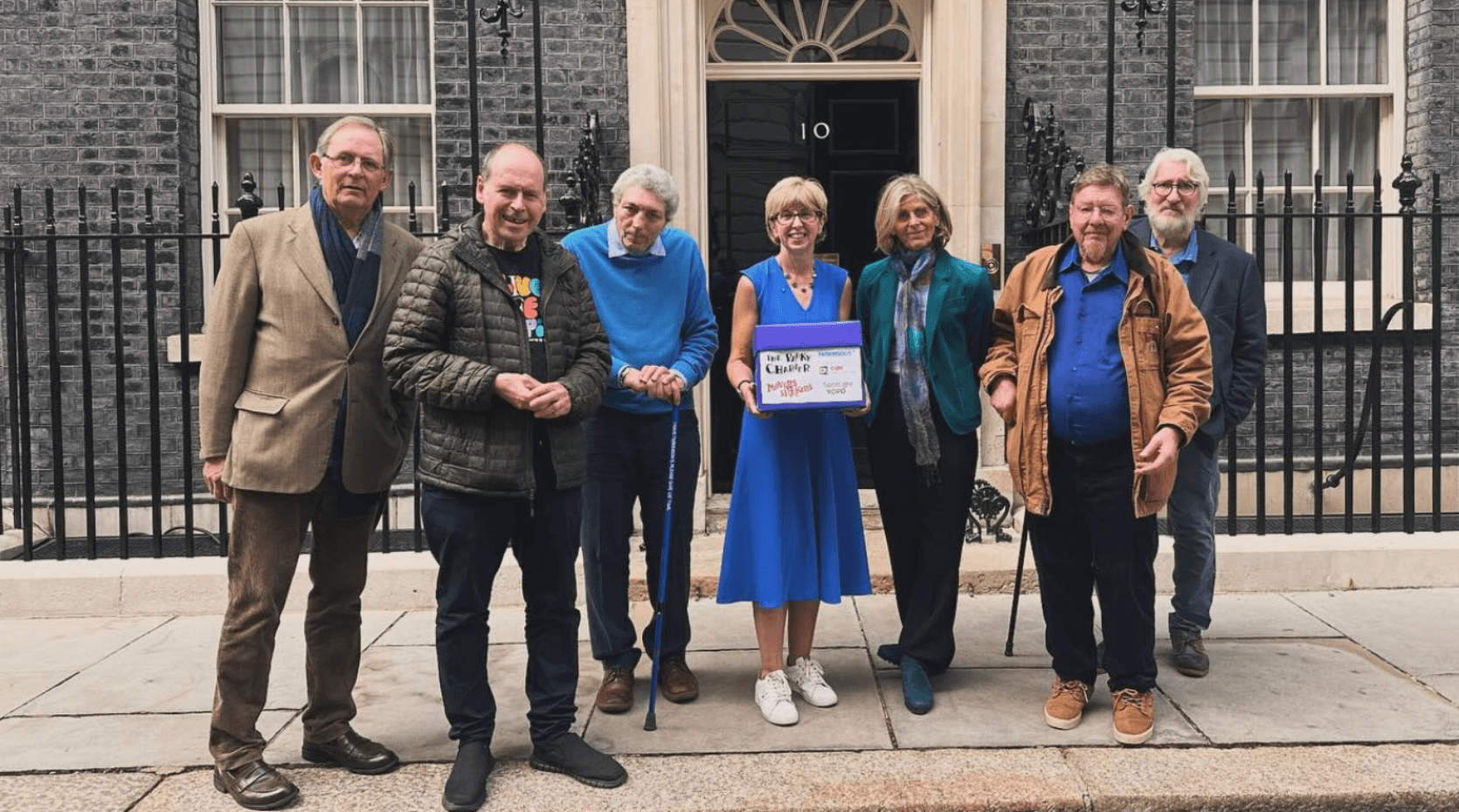
Take part in The Big Sing, an interactive singing experience with the ‘Movers & Shakers’ of the podcast of the same name – including former UK TV broadcaster Jeremy Paxman, journalist Mark Mardell and comedy writer Paul Mayhew-Archer – as well as Parkinson’s UK, Cure Parkinson’s and Spotlight YOPD. On 11 April, go to Old Palace Yard, Westminster – opposite the Houses of Parliament – at 12pm for a 12:15pm start – no singing experience required! It will last for 30-45 minutes and culminate in the Movers & Shakers’ Parkinson’s anthem ‘We Will Survive’. Afterwards, enjoy refreshments and entertainment at the new Parkinson’s UK offices. If you would like to join in, fill in this Cure Parkinson’s form.

Parkinsongs with Impropera and Emma Lawton
Enjoy improvised opera and a lot of laughs at this evening show on World Parkinson’s Day in London. Impropera describe themselves as ‘the world’s only and probably best’ improvising opera company, who respond to live requests from the audience. “We are always trying to do proper opera,” explains Artistic Director David Pearl. “It just never quite happens.” Featuring special guest, artist, keynote speaker and stand-up comedian Emma Lawton. Time and location: 11 April, 7:30–9pm at Guy’s Chapel, Henriette Raphael House, London SE1 1UL. Tickets cost £16.96.
Free Parkinson’s gym membership in Carshalton
Everyone Active at Westcroft Leisure Centre in Carshalton is holding a special World Parkinson’s Day afternoon event on 11 April – including the chance to register for FREE Everyone Active Parkinson’s membership. From 12:30-1:30pm, watch their popular Parkinson’s Circuits Class. Then, from 1:30-3pm, you can learn about Everyone Active’s GP Exercise Referral Scheme, get free advice from Sutton Health & Care’s Neuro-Physio Team and apply for a free Parkinson’s membership.
World Parkinson’s Day 2025 events: rest of the world
Africa
Cultural Parkinson’s event
Parkinson’s Support Group of Kenya is holding a World Parkinson’s Day event at Visa Oshwal Community Centre, Nairobi, from 10am-2pm on 12 April. It will feature a band, performances by the Sarakasi Acrobats, a play ‘What I Didn’t Say’ and screenings of ‘Shaking Hands with the Devil’ and ‘Uhuru’, as well as information stalls. Buy tickets to attend from Nadia Butt on 0768747948.
United States of America
One-hour punchathon
Rock Steady Boxing is holding a Fight Back Fundraiser with a one-hour ‘punchathon’ on 11 April. The event will take place from 1-2pm at 6847 Hillsdale Court, Indianapolis, IN 46250.
Step it up
Senior living provider the Heritage Community of Kalamazoo in Michigan is joining Indiana’s National Institute for Fitness and Sport (NIFS) in Pump it for Parkinson’s from 1:30-10:30pm on 10 April to raise awareness of the condition and highlight how exercise can ease its symptoms. The Heritage Community will host a NuStep-A-Thon at Kalamazoo’s Memory Care Learning Center (300 Golden Dr, Kalamazoo, Michigan, US, 49001) using the NuStep cross trainer, challenging its residents and staff to contribute to America’s nationwide goal of 25 million steps!
Canada
Take part in a Sit ’n Stand Challenge!
The Parkinson Association of Alberta wants you to dedicate April to Stand Up to Parkinson’s by taking part in its Sit ’n Stand Challenge! Aiming for 100,000 Sit ’n Stands in April, the Association is inviting people with Parkinson’s, their carers, families and friends to its Stand Up Events in Calgary (7 April) and Edmonton (11 April), when they aim to complete 10,000 Sit ’n Stands in 24 hours, as well as providing fun mental and speech activities. Track your Sit ’n Stands on their tracking log.
Walk and raise funds for Parkinson’s
Parkinson Canada is running a 50km walk challenge in April to raise funds, with more than £36,000 raised already! Join in here.
India
Dancing to My Truth event
India’s Parkinson’s Disease and Movement Disorder Society is inviting the Parkinson’s community to its dance event, Dancing to My Truth, starting at 2pm on 7 April at Mumbai’s Swatantryaveer Savarkar Auditorium.
World Parkinson’s Day 2025 events: global/online
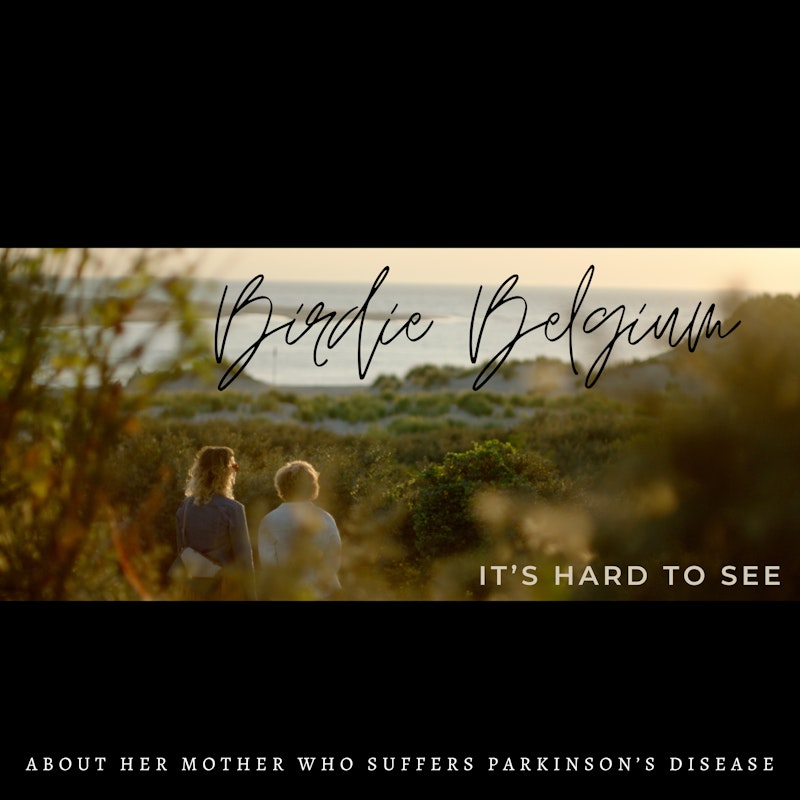
Tune into Birdie Belgium’s Parkinson’s song
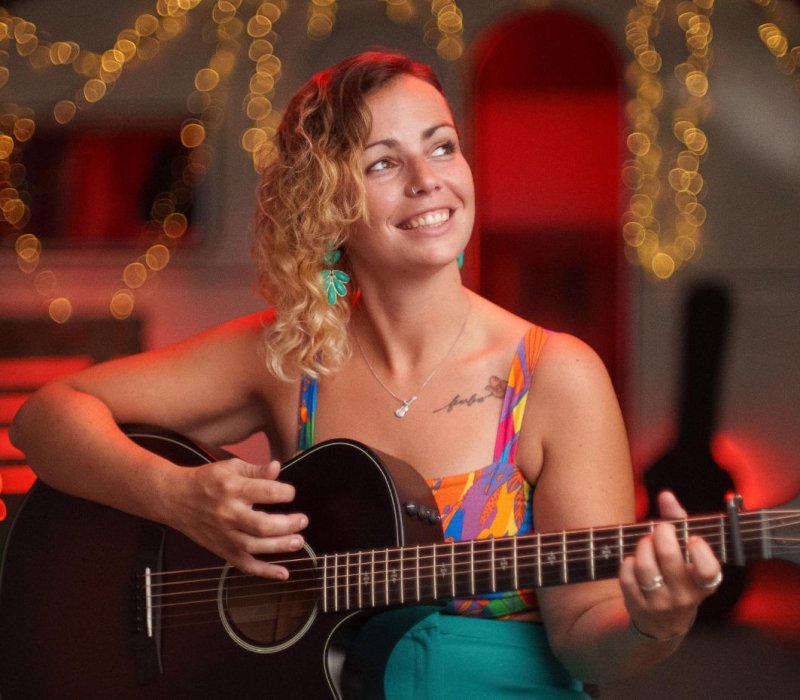
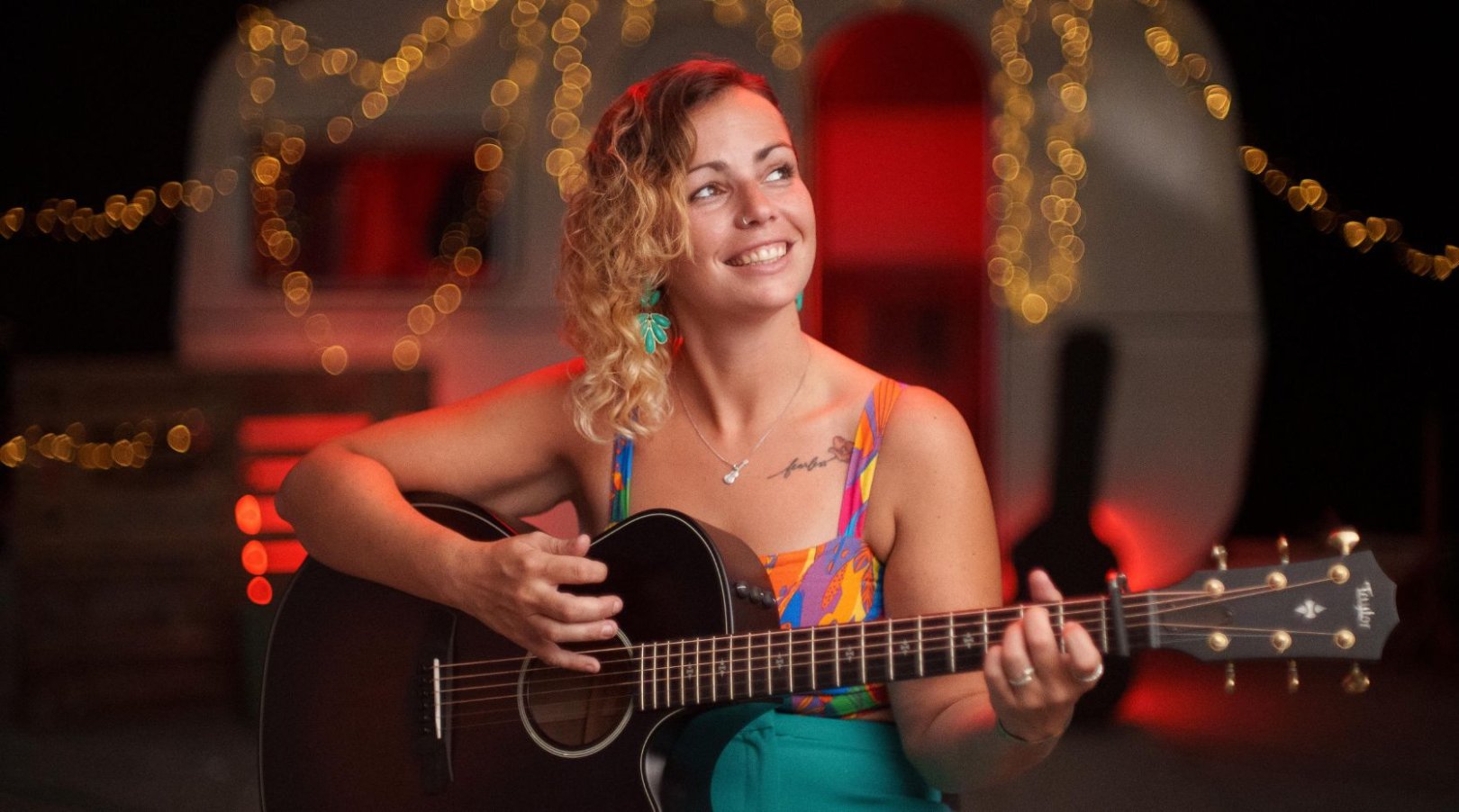
On World Parkinson’s Day, Birdie Belgium is releasing a beautiful song in English called ‘It’s Hard to See’, about her mum’s journey with Parkinson’s. Pre-save the song on Spotify or iTunes.
Sit to Stand for Parkinson’s
Join in with the Stand Up to Parkinson’s Sit to Stand challenge from your own home on 11 April. The aim is to collectively complete two million sit to stands in 24 hours. See how many you can do and log your total on the Stand Up to Parkinson’s website.
INSIGHT into Parkinson’s Online Conference
Discover the latest research, treatments, medical advancements and strategies to live well with Parkinson’s with PD Warrior’s free, three-day online INSIGHT into Parkinson’s Online Conference, taking place from 11–13 April. Register for free live access.