10 highlights from World Parkinson’s Day events in 2025

Our roundup of photos and videos from the biggest World Parkinson's Day events, campaigns and fundraisers from 2025
14 April 2025 Laura Vickers-Green
News
A fountain lit up for Spark the Night in Rome, Italy

Last Friday 11 April we once again saw the Parkinson’s community unite to raise up each other’s voices for the 2025 edition of World Parkinson’s Day, with events, campaigns and other special awareness-raising activities taking place across the globe in solidarity with people with Parkinson’s everywhere.

2025 truly seemed like the biggest World Parkinson’s Day ever, with social media coming alive with organisations and individuals sharing their World Parkinson’s day messages, events, photos and video – it was almost impossible to keep up with you all!

We’ve rounded up some of the best moments from World Parkinson’s Day 2025 so you can look back at the major events that happened on the day:

Worldwide events for World Parkinson’s Day

1. Spark the Night

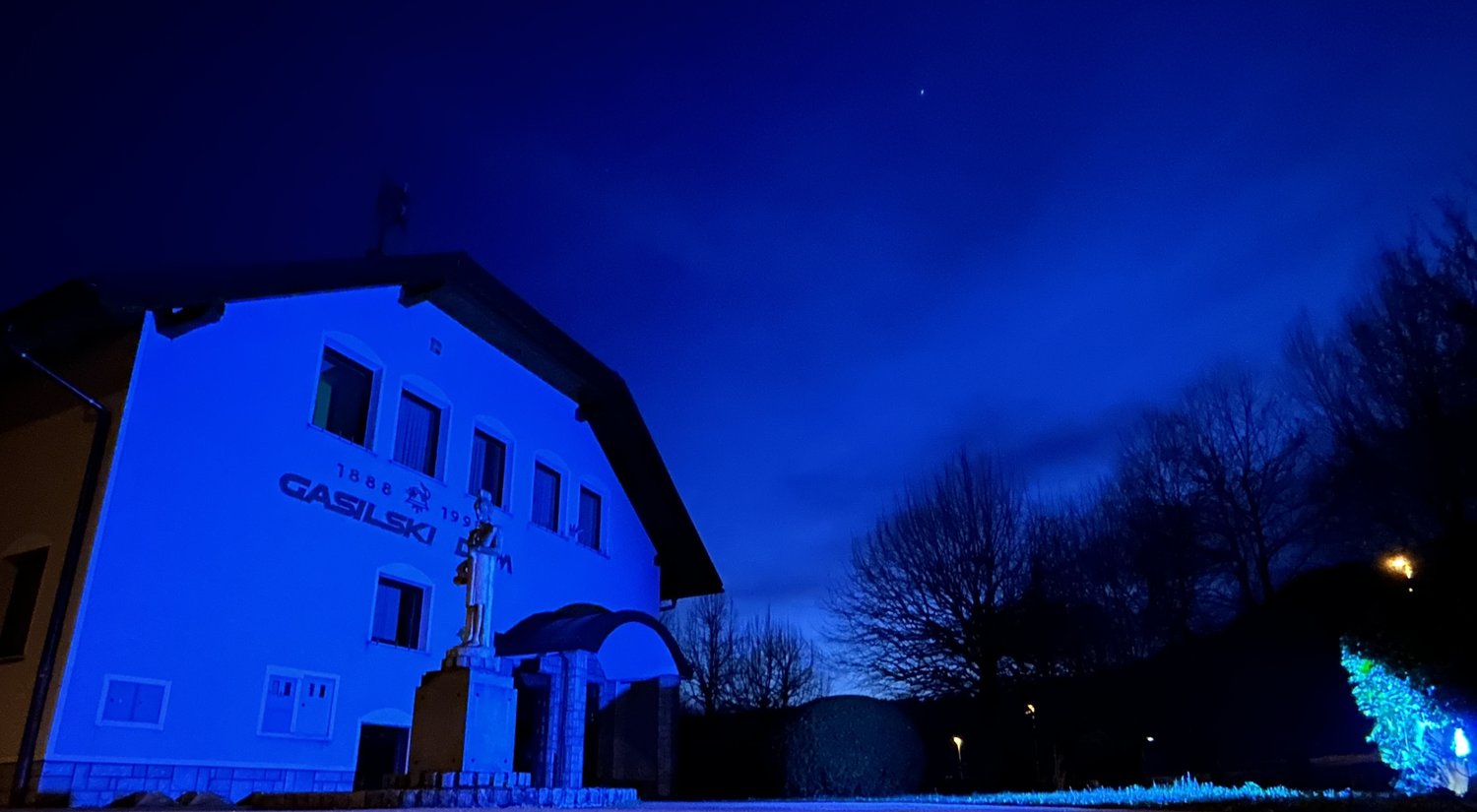
This year’s Spark The Night campaign was bigger than ever, with volunteers from dozens of countries across the world contacting their local councils and district representatives to ask them to light up notable buildings and landmarks in blue to raise awareness for World Parkinson’s Day. From the Netherlands to New York, Germany to Ghana, Slovenia to Saskatoon and beyond, the night sky was lit up in blue for people with Parkinson’s.

Here’s just a few of the highlights shared on social media:


Društvo Trepetlika (the Slovenia Parkinson’s organisation) trip to Gasilska brigada in Ljubljana, Slovenia:

A photo of a World Parkinson's Day event in Slovenia, featuring the old fire house lit up in blue for Spark the Night

Rome, Italy


View this post on Instagram


A post shared by SkyView de pier (@skyviewdepier)


View this post on Instagram


A post shared by Paqui Ruiz (@by_pruiz)

2. The Sit-to-Stand Challenge


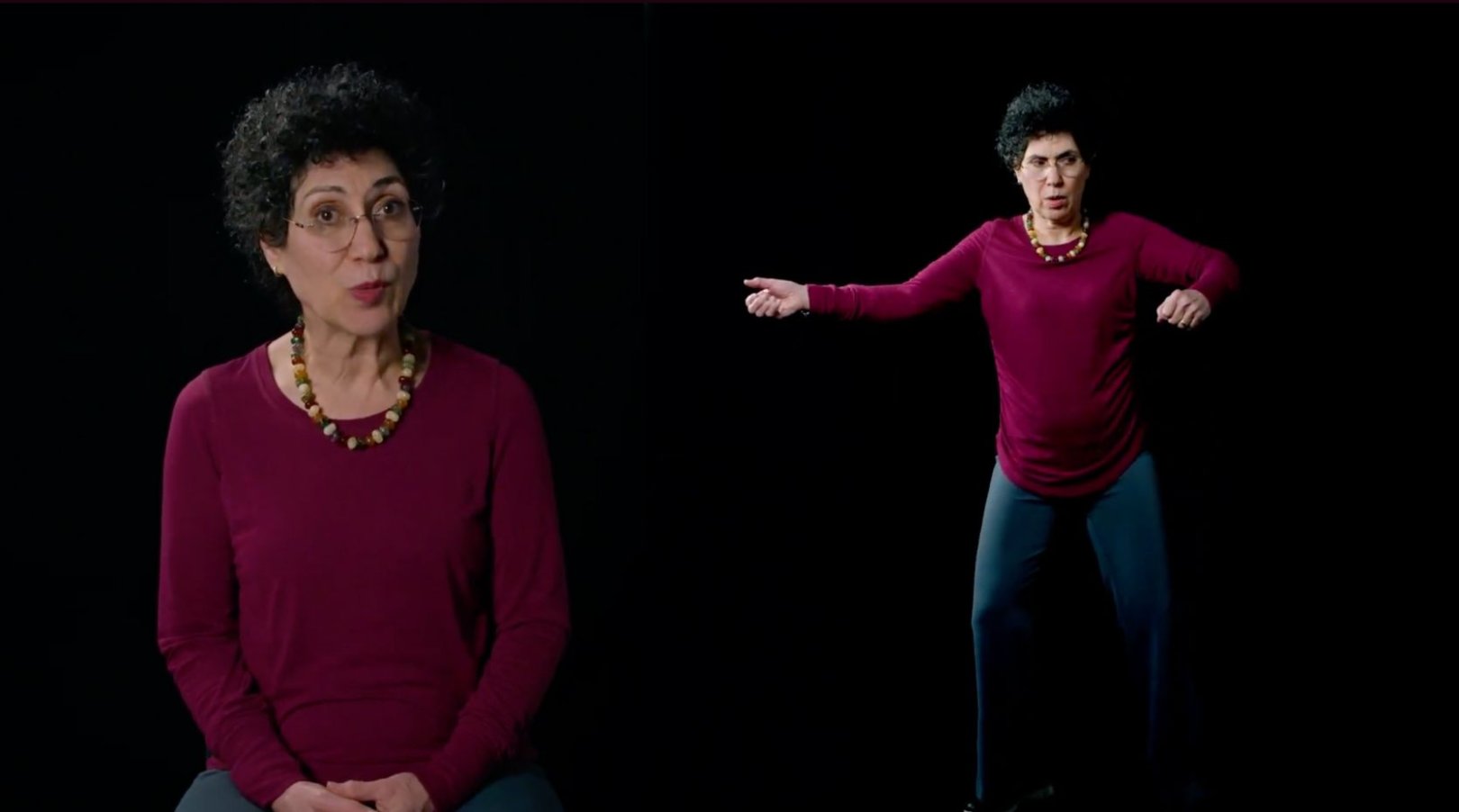
Stand Up To Parkinson’s was back for another year with its global exercise challenge, encouraging people around the world to collectively complete as many “sit to stand” exercises as possible for Parkinson’s awareness. Their website counter current sits at almost 1 million sit-to-stands completed worldwide – with groups like the North Carolina branch of Rock Steady Boxing submitting over 12,000 reps between them!

3. Insight into Parkinson’s conference (Australia)


View this post on Instagram


A post shared by PD Warrior (@pdwarrior4parkinsons)

This mammoth three-day virtual conference from PD Warrior in Australia had expert-led sessions giving insight into exercise, living well with Parkinson’s, Parkinson’s research updates and much more. Around 6,000 people tuned in live from across the world to listen to speakers including Professor Michael Okun, Professor Ray Dorsey and Dr Laurie Mischley.

World Parkinson’s Day events in 2025 across Europe and beyond

4. The history of the tulip, as told by Parkinson’s Europe

We took a touching trip back in time to the first ever World Parkinson’s Day with our co-founder Lizzie Graham, who told the story of how the tulip became the symbol of Parkinson’s across the world in both a special podcast episode and an article for Parkinson’s Life.

5. Birdie Belgium releases “It’s Hard to See” single – Belgium

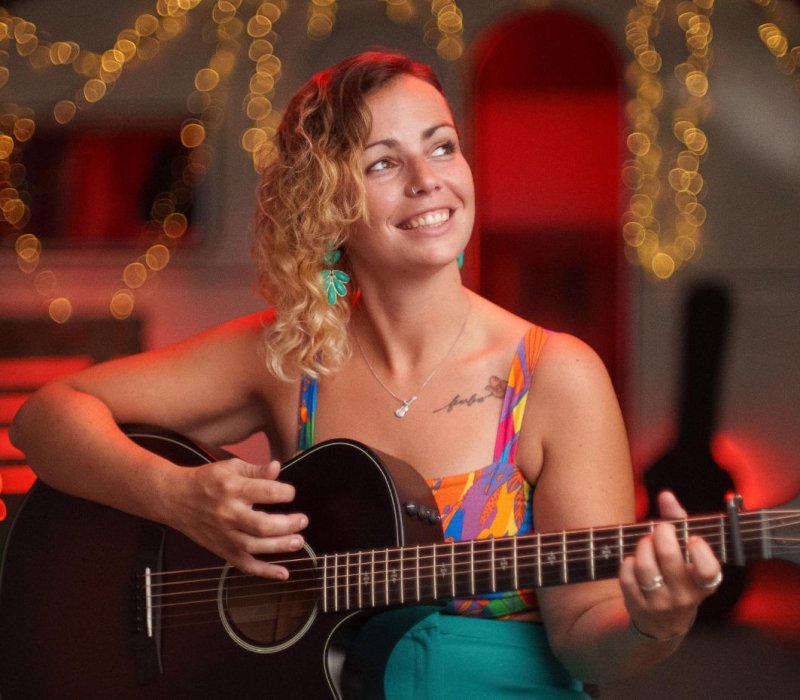
World Parkinson’s Day was also a special day for singer-songwriter Birdie Belgium, who released her single “It’s Hard to See” in honour of her mum Hilde’s 14-year struggle with Parkinson’s. We interviewed Birdie about her song earlier this month – and half of all proceeds from CD sales go to Prof. Bas Bloem’s research on the benefits of art for people with Parkinson’s.

6. Pesticide-Free Day demonstration at The Hague, the Netherlands


Over 1,000 people from 100 organisations (including Parkinson Vereniging) marched through The Hague in the Netherlands to call on politicians to do more to tackle pesticides (some of which have been linked with Parkinson’s) and work towards a pesticide-free future.

It wasn’t just the Netherlands taking a stand against pesticides on World Parkinson’s Day – France Parkinson also released a statement joining the call for the EU to reconsider its approval of the pesticide glyphosate, a pesticide which research has shown may be a cause of Parkinson’s.


7. “Big Sing” event by the Movers and Shakers podcast at the Houses of Parliament, UK

This goosebump-giving moment shows hundreds of people gathered outside the Houses of Parliament in London, UK singing a special Parkinson’s-themed version of Gloria Gaynor’s 1970s classic “I Will Survive”, all to raise awareness of the Movers and Shakers podcast’s petition to adopt their “Parky Charter” and increase funding for people with Parkinson’s in the UK.

8. National Parkinson’s Congress, Portugal


Portuguese Parkinson’s association APDPk celebrated World Parkinson’s Day with its annual conference in Porto, featuring lectures on the latest developments in Parkinson’s diagnosis and research, workshops on physiotherapy and music therapy, and the above performance by the tulip choir.

9. World Parkinson’s Day event in Poland

In Poland, the Brain Disease Foundation hosted this hybrid conference at the Polish Press Agency in Warsaw, featuring a range of neurology experts, representatives from the Ministry of Health, and people with Parkinson’s. They addressed Parkinson’s care in Poland in comparison to the rest of Europe, considering what treatments are available and what systemic change is needed to improve the quality of life for people living with Parkinson’s in Poland. You can watch the entire hour-long broadcast above.

10. World Parkinson’s Day procession, Kenya

Among several events taking place across Africa, the Parkinson’s Support Group of Kenya held an impressive programme of events to mark World Parkinson’s Day in Nairobi (as well as further afield in Kilifi), including a march for Parkinson’s awareness, musical and dance performances, and free eye tests for people living with Parkinson’s. Parkinson’s advocate Dr Tash Fothergill-Misbah from Transforming Parkinson’s Care in Africa was also present to help raise awareness of the needs of people with Parkinson’s across Kenya and the wider continent.

Did you join in with any World Parkinson’s Day events in 2025? Keep up the good work by signing up to our mailing list and Engagement Network so you never miss the latest news, events and opportunities.

Podcast: World Parkinson’s Day – an idea that blossomed and bloomed

09 April 2025 Anthony Zahra
Podcasts

As the Parkinson’s Life podcast marks World Parkinson’s Day 2025, the latest episode speaks to Lizzie Graham, co-founder of Parkinson’s Europe and former Secretary General.

Lizzie was one of the key driving forces behind the creation of Parkinson’s Europe, then called the European Parkinson’s Disease Association (EPDA), back in the early 1990s.

She was also instrumental in launching the very first World Parkinson’s Day in 1997, recalling how they gained support from the likes of Princess Diana, Muhammad Ali, and Pope John Paul II.

Lizzie remembers the poignant moment that she says has spurred her on to continue working in the field of Parkinson’s, recalling: “I realised then what a horrible condition it is.” Lizzie’s son, Parkinson’s Europe’s Operations Director, Dominic Graham, also appears on the episode, sharing how proud he is of his mum’s “selfless” work.

As well as raising awareness about Parkinson’s, the first World Parkinson’s Day saw the launch of the Parkinson’s Europe Charter, a document which sets out the rights of people with Parkinson’s.

Lizzie says those original five principles have formed the basis for all the work Parkinson’s Europe has done since.

Sharing plans for World Parkinson’s Day

We also meet Jessie Duncan, European Outreach and Engagement Manager at Parkinson’s Europe, who tells us what’s happening across Europe to mark World Parkinson’s Day.

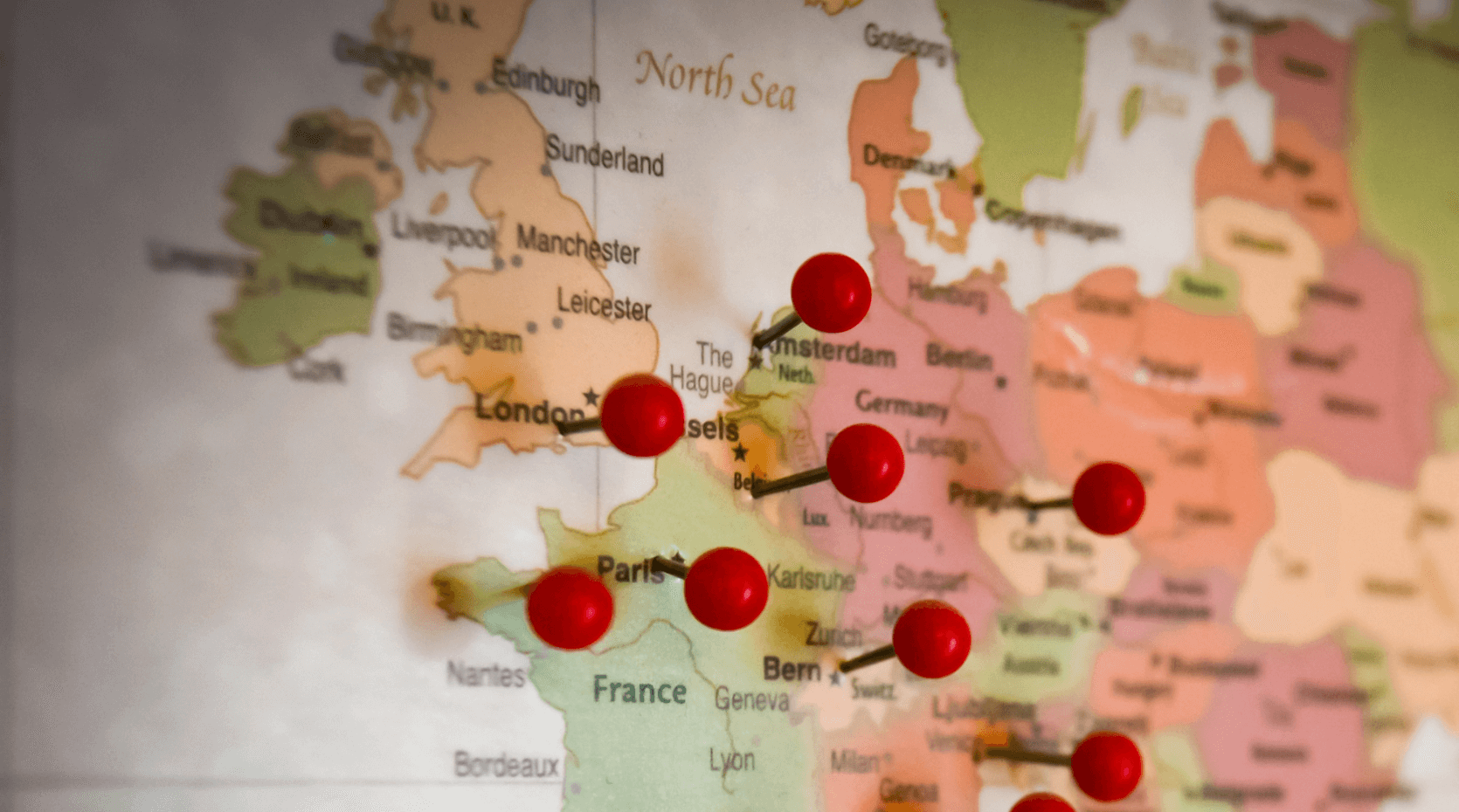
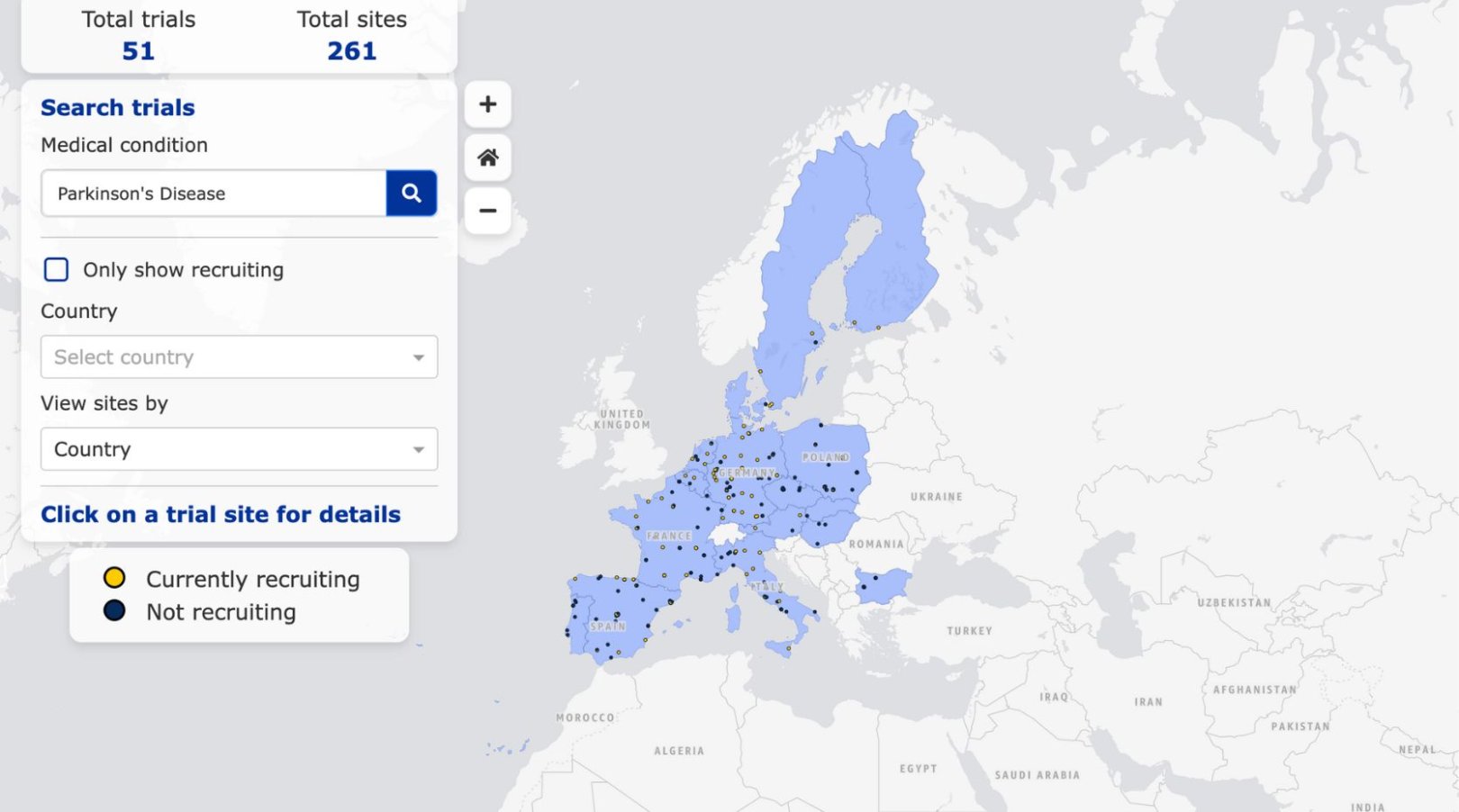
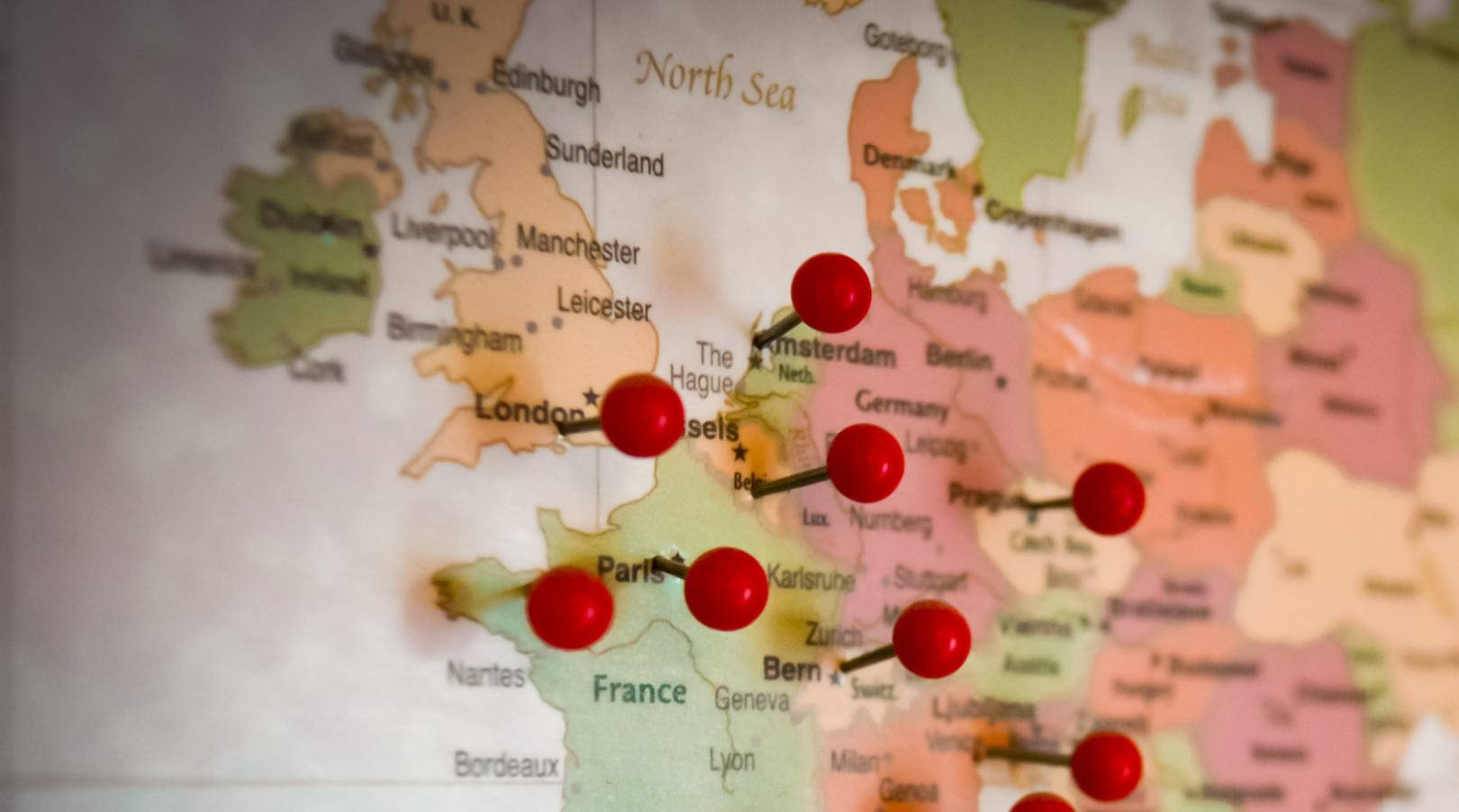
We would love to hear about your plans for World Parkinson’s Day. Parkinson’s Europe has launched an interactive map, highlighting the many events that are taking place on and around April 11th. To get your event added, let us know about it by emailing: [email protected].

And we would love to hear your Parkinson’s stories, too. Get in touch via social media to share your story, or email [email protected]. As Parkinson’s Life podcast host Amelia puts it: “World Parkinson’s Day is for everyone, not just people with Parkinson’s.”

Meet your hosts:
Amelia Hursey is Strategic Director at Parkinson’s Europe. She has a master’s in cognitive neuropsychology and has been involved in the neurodegenerative research world for 15 years.

Anthony Zahra is a broadcaster and journalist with more than 20 years’ experience in radio, digital and podcasting.

Listen to the full episode on Spotify, or on your podcast provider of choice. If you like what you’ve heard, please rate and review – it helps make sure others can find us.

Explore more of our Parkinson’s Life podcasts, with episodes covering Parkinson’s research, how to deal with “off” periods, sex and intimacy in Parkinson’s, and women and Parkinson’s. Never miss an episode by subscribing to the Parkinson’s Life podcast on Spotify, Apple Music, or your streaming service of choice.

Parkinson’s Europe is sharing this article for information purposes only; it does not represent Parkinson’s Europe’s views and is not an endorsement by Parkinson’s Europe of any particular treatments, therapies or products.

Europe and the world face challenge as neurological diseases rise, says EAN President

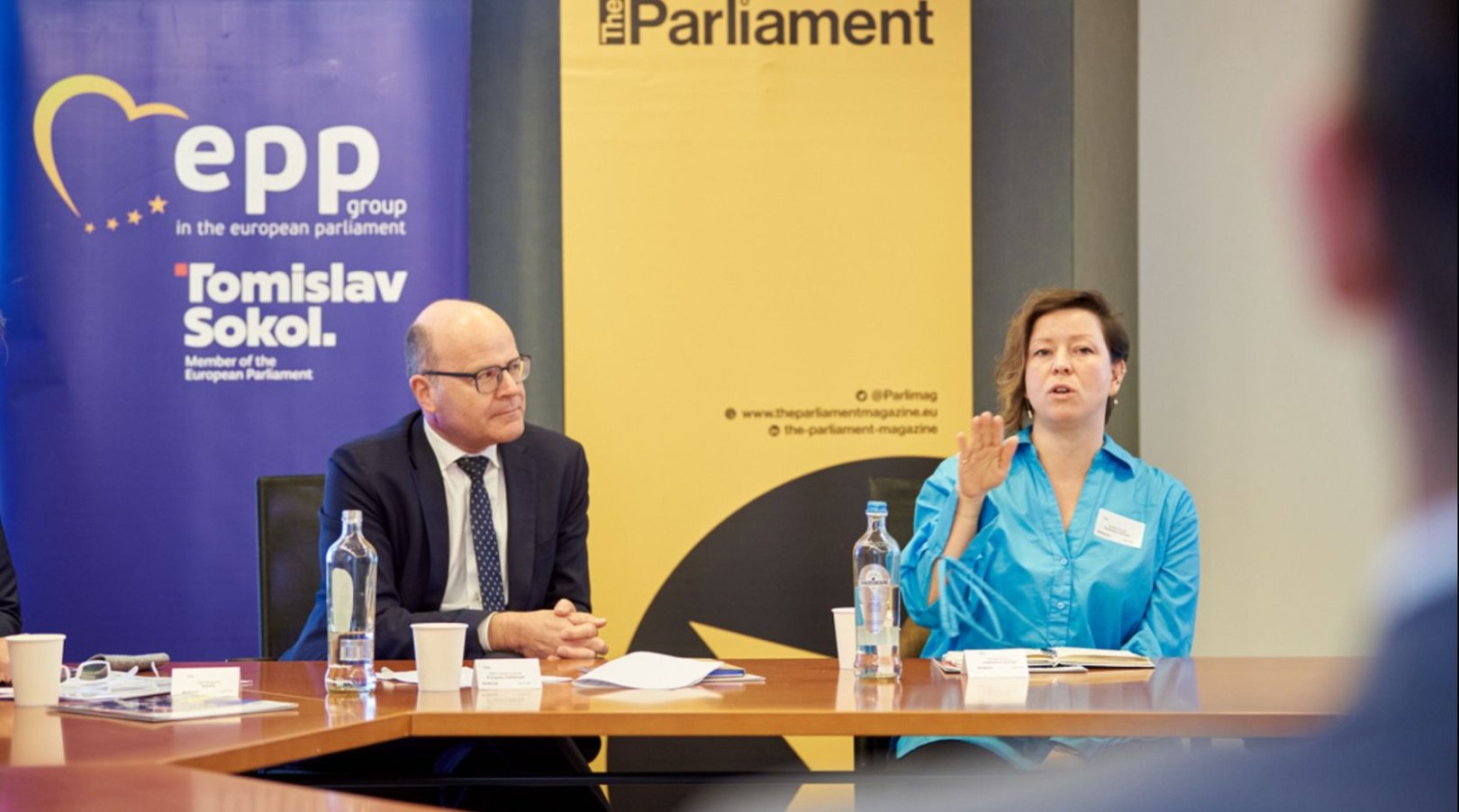
To mark Brain Awareness Week, Parkinson’s Europe spoke to the President of the European Academy of Neurology Elena Moro about its Brain Health Mission and advocacy work
12 March 2025 Verity Willcocks
Insights
Elena Moro

Europe and the rest of the world are facing a “pandemic” of neurological diseases, says Elena Moro, the President of the European Academy of Neurology (EAN), with the economic burden of neurological diseases in Europe alone estimated at €1,7 trillion in 2020.

This figure – covering the costs of medical care, rehabilitation, lost productivity, and caregiving for individuals with neurological diseases including Parkinson’s – is more than the combined costs of cardiovascular disease, cancer and diabetes, according to the EAN.

“That is a massive cost that we cannot afford because the same neurodegenerative diseases are increasing, and the number of neurologists is decreasing,” says Moro. “How can you treat or manage all these people living with their neurological disorder if you don’t start thinking about prevention or managing the diseases a little better?”

Keen to help tackle this immense challenge, the EAN decided to play a more proactive role in improving brain health in Europe.

Moro explains that the idea came to fruition around four years ago, when Claudio Bassetti was EAN president. “He wrote a paper in which he stressed the need for a holistic approach to the brain,” she says.

“We decided to start in a very structured way, with people dedicated to developing a specific plan, which has been published and has five pillars,” says Moro.

The EAN’s Brain Health Mission plan

The EAN’s strategy for improving brain health was published in the European Journal of Neurology in January this year, in an article called “A roadmap toward promoting and improving brain health in Europe and closing the awareness and funding gap”. Its five pillars were listed as: “advancing a global brain health approach; supporting policymaking; fostering research; promoting education; and raising awareness of prevention and treatment”.

Of these, Moro highlights the need for more brain research as particularly important: “There’s a lot of areas that we don’t understand very well. We need to pin down all these determinants of health, and especially brain health, and how to be more effective in dealing with that.

“If we invest a little more in research, in understanding these basic areas, we will take the advantage in preventing and in making neurodegenerative disorders, including Parkinson’s disease, less disabling.”

Brain health matters

“What is written in the roadmap is the framework, right now we are starting to fill the framework with initiatives that we think are the preliminary important action to build further on it,” says Moro. “We have established quite practical initiatives, and we are building on this.”

One of the EAN’s activities, Moro explains, is to work very closely with Europe’s 48 national neurological societies and support them in persuading their respective governments of the urgent need to develop and implement a brain health plan for every European country.

“In Europe, only three countries have a brain health plan. One is Norway. One is Italy, and the other is Switzerland. So, you can imagine that there’s a lot of work to do,” she says.

Moro also adds that each country will need a different plan according to their specific characteristics and population.

“It is different if you live in Norway, or if you live in Egypt, for example. Some cultural factors such as religion, and environmental factors will be different. Several factors have to be taken into account.”

The EAN is also working hard to get global governments to pay attention to brain health. “We went to the G7 last year in Italy; we are going to the G7 in Canada [in June]. We are working with the American Academy, and with the World Neurological Federation, the main international neurological society, to stimulate this area at a political level.”

The message to governments is this, says Moro: “The brain is an investment. You have a treasure, you have to invest in your citizens, and the best way to invest is to preserve their brains, because without the brain, there’s nothing, no economy, nothing.”

The EAN will also spread this message at the EAN Congress in Finland this June. “We have 9,000 people coming, all the neurologists in the societies in Europe. We have several initiatives during the Congress, especially concentrating on the younger generation.”

The EAN, along with partners in the Brain Health Mission, is also working to support the WHO’s 10-year Intersectoral Global Action Plan for Epilepsy and other Neurological Disorders (iGAP), which aims to address the burden of epilepsy and other neurological disorders and improve access to care and treatment for affected individuals, families, and communities worldwide, as well as raise awareness and reduce stigma.

Asked if governments are realising the urgency of the need to improve brain health, Moro says: “I think they’re realising that this is very serious, because the costs [of neurological diseases] are increasing, the number of people living is increasing, and we are not increasing as neurologists. There’s no other solution visible to cope with this neurological pandemic.”