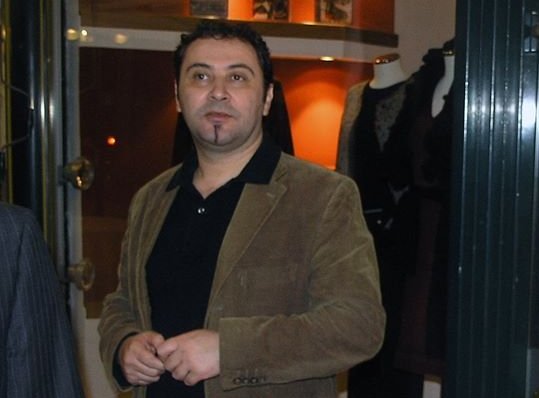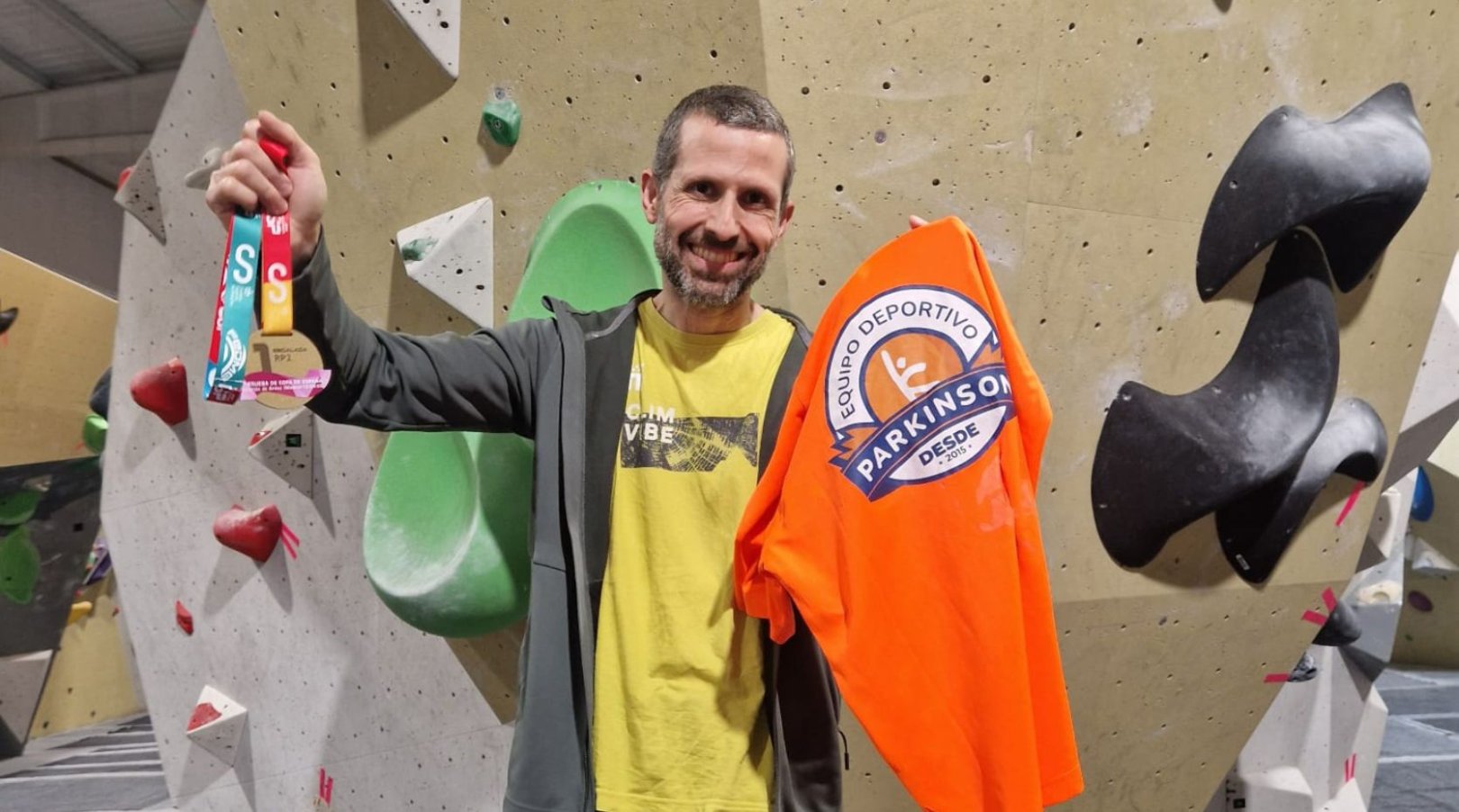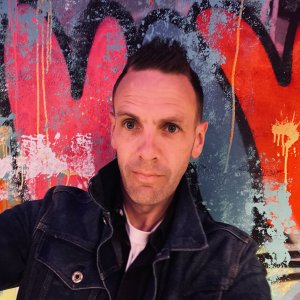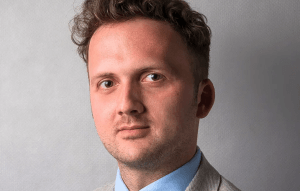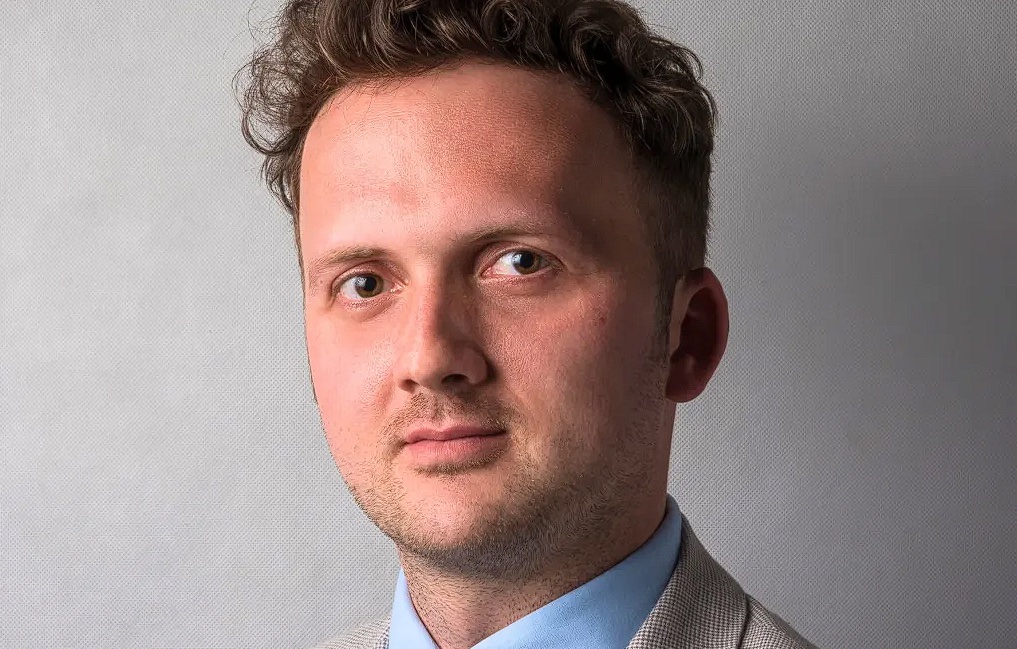
Pawel Kaczmarek is someone with a big vision shaped by various perspectives – a person with young-onset Parkinson’s living in Poland, an advocate working for change, and a busy professional exploring how new technologies could change the way people with neurodegenerative conditions access the workplace.
As a new member of the European Federation of Neurological Associations’ (EFNA) Community Advisory Board (CAB), he tells Parkinson’s Life how he is bringing the Polish perspective to discussions about neurological care.
Hi Pawel! Tell us a bit about yourself
“My name is Paweł Kaczmarek, I live in Poznań, Poland, and I am 40 years old. I work mainly as a Grantsmanship Expert at the Poznań Science and Technology Park (PPNT), where I help researchers and entrepreneurs get international funding, especially from EU sources like Horizon Europe. I also work as a Trainer and Researcher, helping early-stage researchers develop strategic approaches to their careers.
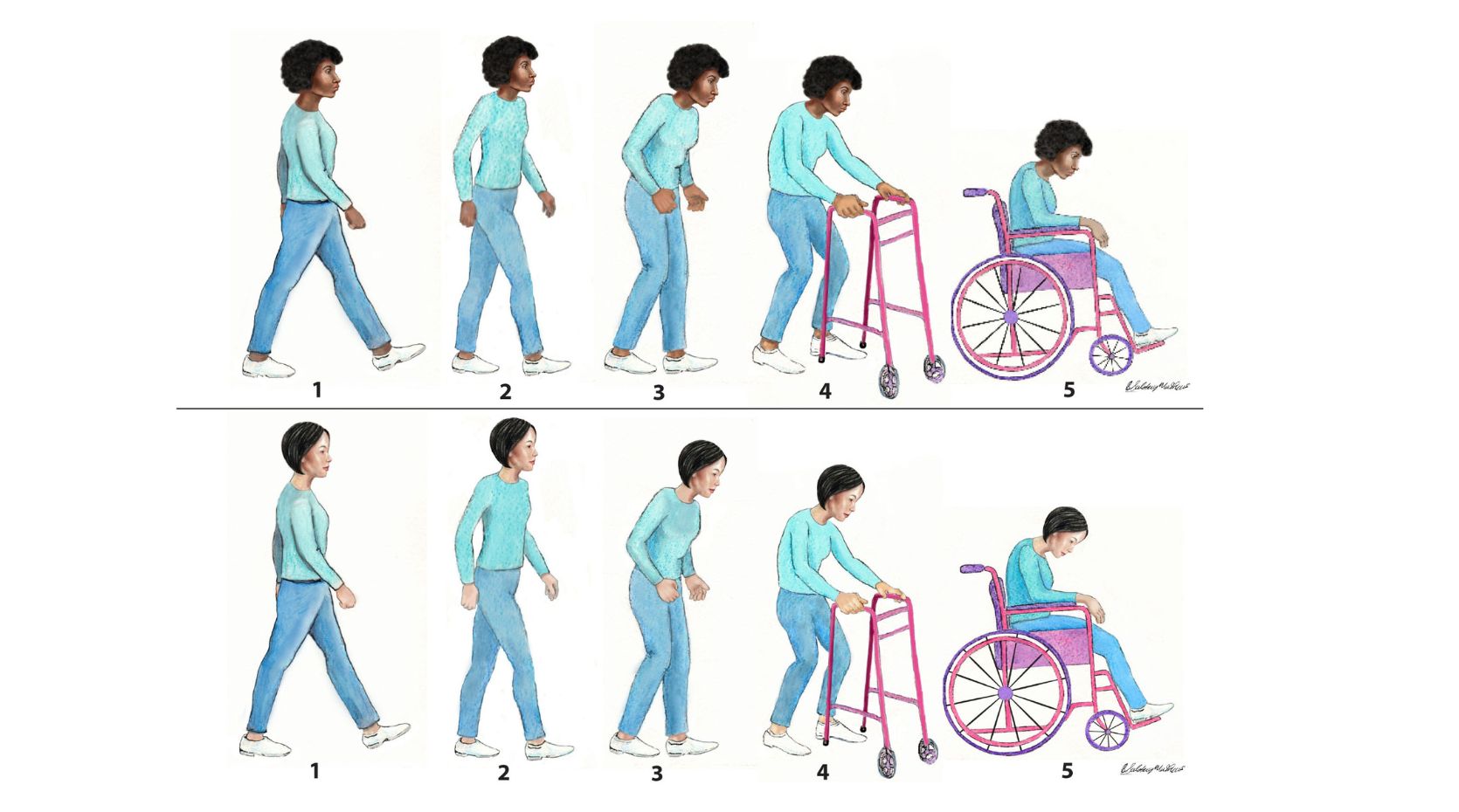
“For me, work is not just a job. It is really my main form of therapy, and how I resist the effects of Young Onset Parkinson’s Disease (YOPD). Right now, my Parkinson’s has progressed, making me sensitive to stress and temperature, causing unpredictable ‘off’ periods, and creating focus and multitasking challenges. This means doing my usual tasks reliably is tough.
“So, I am currently talking with my employer, PPNT, about repositioning my role. We are hoping to create an innovative setup, using special hardware and AI-driven software tools, to allow me to continue contributing effectively. My bigger goal here is to show other businesses that highly skilled people with neurodegenerative conditions are still valuable assets.”
How has your Parkinson’s journey been so far?
“My official diagnosis came in 2020, right when the pandemic was hitting hard and hospitals were about to close down. But the journey to get that diagnosis was long and really frustrating. Looking back, I probably should have been diagnosed four or five years earlier, but my initial symptoms were mistaken for other things.
“For years, I knew something wasn’t right, but doctors couldn’t pinpoint the problem. When tests came back clear, even some people close to me started wondering if I was just imagining it. That delay definitely impacted getting started on the right treatment.
“Since the diagnosis, a lot has changed. The disease is now in an advanced stage, bringing daily physical and sometimes cognitive challenges. But it has also completely reshaped my outlook and given me a strong drive. I have jumped on new treatments early – I am currently using an infusion therapy and was actually the third person in Poland to start it. I am always looking for ways to adapt.
“Living with advanced YOPD has definitely had a big impact on my life and on my family. But it has also given me a really strong sense of purpose and resilience. Continuing my professional work is absolutely essential for me. It is my way of feeling valuable through contributing.
“I have clearly noticed that if Parkinson’s gets the upper hand temporarily and I cannot work or be active, my overall health goes downhill much faster. It really shows the power of the mind-body connection and having a purpose. Refusing to be defined by the disease and staying engaged is how I cope and fight back. This whole experience has also deeply motivated me to advocate for others.”
What is it like living as a person with Parkinson’s in Poland?
“It is a bit of a mixed bag when it comes to healthcare. Poland generally keeps up with the latest medicines. Most pharmaceuticals available globally are funded here, and getting access to treatments like DBS is not always the biggest initial problem. The difficulties often start later, with the setup, long-term management, and maintenance of these advanced therapies.
“Other critical support services are seriously lacking. Consistent, specialised physiotherapy for Parkinson’s is hard to come by. There is a real lack of holistic care. And there is virtually no assistive technology readily available to manage daily Parkinson’s symptoms.
“A major issue is the geographical lottery. Specialised centres and knowledgeable doctors are mostly in big cities. Outside the main urban areas, finding that expertise is much harder, and in some regions, the chances are practically zero.
“It also feels like neurological patients have slipped off the government’s radar, despite promises from politicians. There does not seem to be much strategic focus on neurodegenerative conditions or brain health policies. I worry about this, especially because I suspect many cases, particularly among younger people, go undiagnosed or misdiagnosed.
“When you add environmental factors like Poland’s poor air quality in winter, the potential long-term effects of COVID, and the heavy use of pesticides and herbicides during my generation’s childhood, I think this neglect could have serious consequences later.”
What is public awareness of Parkinson’s like in Poland?
“It is improving, but Parkinson’s is still mostly seen as an ‘old person’s disease’ with primarily motor symptoms, probably because Pope John Paul II was such a visible figure. We do not have a well-known younger person with Parkinson’s in the public eye here, like Michael J. Fox. So meeting someone younger with YOPD can be quite shocking to people. This leads to misunderstandings and sometimes makes it hard for younger people to have their early symptoms taken seriously.
“We have some great foundations, like Fundacja Choroby Mózgu (Brain Conditions Foundation), doing vital work. But they often struggle with limited resources and staffing, which restricts their reach and international engagement.
“Being diagnosed young brings its own set of challenges. It hits your career, potential family plans, social life, and finances differently. You are facing the prospect of living with a progressive disease for decades. Plus, navigating work, social settings, and even the healthcare system when you don’t fit the expected patient image can feel isolating. We definitely need more support and resources specifically for the YOPD community in Poland.”
Please tell us more about the advocacy work you have been doing for young-onset Parkinson’s in Poland.
“My advocacy really grew out of a feeling of resistance. I started simply by explaining to people in my daily life – colleagues at work, students in my PhD classes, people in local shops – why I might be moving strangely or seem ‘off’. That simple act of explaining led to contact with the Fundacja Choroby Mózgu. After that, things started to gain momentum.
“I got opportunities to share my story more widely – in newspaper articles, on YouTube, soon in weekly magazines, and even in professional journals for doctors. The response showed how much need there was for this visibility. After one online article, almost 40 families reached out, saying my story motivated them to look into newer treatment options for their loved ones.
“As an early user of the infusion therapy, I also act as an ambassador, not just by using it, but by being active in international online groups. I share my real-world experience, answer questions, and try to address the hopes and fears of others considering the treatment. My visibility has also led to connections with neuro-tech companies and scientists, opening up conversations about patient needs.”
What does your advocacy look like in the workplace?
“A big part of my advocacy now is pioneering workplace adaptation. I’m working closely with my employer to develop AI-assisted tools to help me continue working effectively, hoping this can become a model for others.
“I taught myself some basic coding to create tools for my hobbies in history and archaeology. One project, using AI analysis, led me to develop a rather bold theory about an ancient “Swamp Algorithm” – a hidden hydrological system in my region. Amazingly, just weeks later, findings published by university scientists in PNAS partially confirmed some aspects of my theory, which was a great boost and showed the potential of these unconventional approaches.
“I was recently invited to join Parkinson’s Europe’s Awareness and Visibility Steering Group, which allows me to contribute on an even broader European level. So, raising awareness for me has been about consistently sharing my story in all these different ways – showing that life, work, and even discovery are still possible despite YOPD.”
“My drive to join EFNA really came from a deep need to fight back. I applied for the CAB because I often see a lack of representation from my part of Europe in these key international forums – it sometimes feels like there’s still a ‘mental iron curtain’ dividing us. And that curtain often blocks understanding on both sides. So, I wanted to bring a voice from Poland and Central Europe, share our unique challenges, and help make European patient advocacy more inclusive.
“Being part of the EFNA CAB means a great deal to me. It is a fantastic chance to connect with passionate advocates from all over Europe, gain new skills, and bring a Polish viewpoint to discussions about neurological care. It allows me to help amplify the voice of the Parkinson’s community, especially those with YOPD, and use my experiences to push for real improvements in awareness, care access, and research focus, both here in Poland and across Europe.”
What do you hope to achieve by working with EFNA?
“While the formal training is useful, the biggest benefit for me is connecting with the people. Hearing their diverse perspectives from different countries and conditions, and getting that crucial ‘bigger picture’ overview. You can’t easily get that strategic insight looking only from within one country. When you’re tackling something as complex as improving neurological care across Europe, having that overview, building awareness, finding allies, and coordinating efforts is absolutely key.
“So, my plan is really to leverage this network and strategic perspective. I bring my years of experience working with EU research funds like Horizon Europe, my knowledge of the research and innovation landscape, and policy insights. In return, EFNA gives me a platform to connect, share the specific challenges we face in Poland (like the lack of strong, internationally-focused YOPD organisations), and collaborate more effectively than I could alone.
“I plan to use this EFNA engagement to work more effectively with patient groups and policymakers here in Poland, bringing in that broader European context. I want to contribute my expertise to EFNA’s strategic thinking on research funding and patient involvement. And I’ll keep encouraging researchers locally, using insights from the European network.
“Ultimately, it’s about building stronger connections across borders to share practical solutions, like the workplace adaptation project I’m working on. And to advocate together for common goals.”
What are your plans for the future?
“My main plan is to keep working professionally for as long as I possibly can. As I’ve learned, staying active and feeling like I’m contributing is absolutely vital for my overall wellbeing and to resist the disease’s effects.
“I definitely want to deepen my advocacy work, using the skills and connections from EFNA and Parkinson’s Europe to be more impactful. A major focus will be getting the AI-assisted workplace adaptation project at PPNT successfully implemented and then sharing that model widely.
“I want to keep advocating for how AI and other technologies can empower people with Parkinson’s and other disabilities. And I’ll continue my citizen science projects too – it’s another way to demonstrate capability.
“My biggest hope for collaboration is that we can build much stronger, more active links between the Polish Parkinson’s community and others across Europe. We need to share our experiences navigating different healthcare systems, advocate for better research funding and equal access to treatments, exchange ideas, and speak with a unified voice to influence European health policy. Sharing concrete examples, like the workplace project I mentioned, could be really useful.
“Organisations like EFNA and Parkinson’s Europe are essential hubs for this, and I truly hope we can build vibrant networks to offer mutual support, and take coordinated action to make life better for everyone affected by Parkinson’s, no matter their age or where they live.”