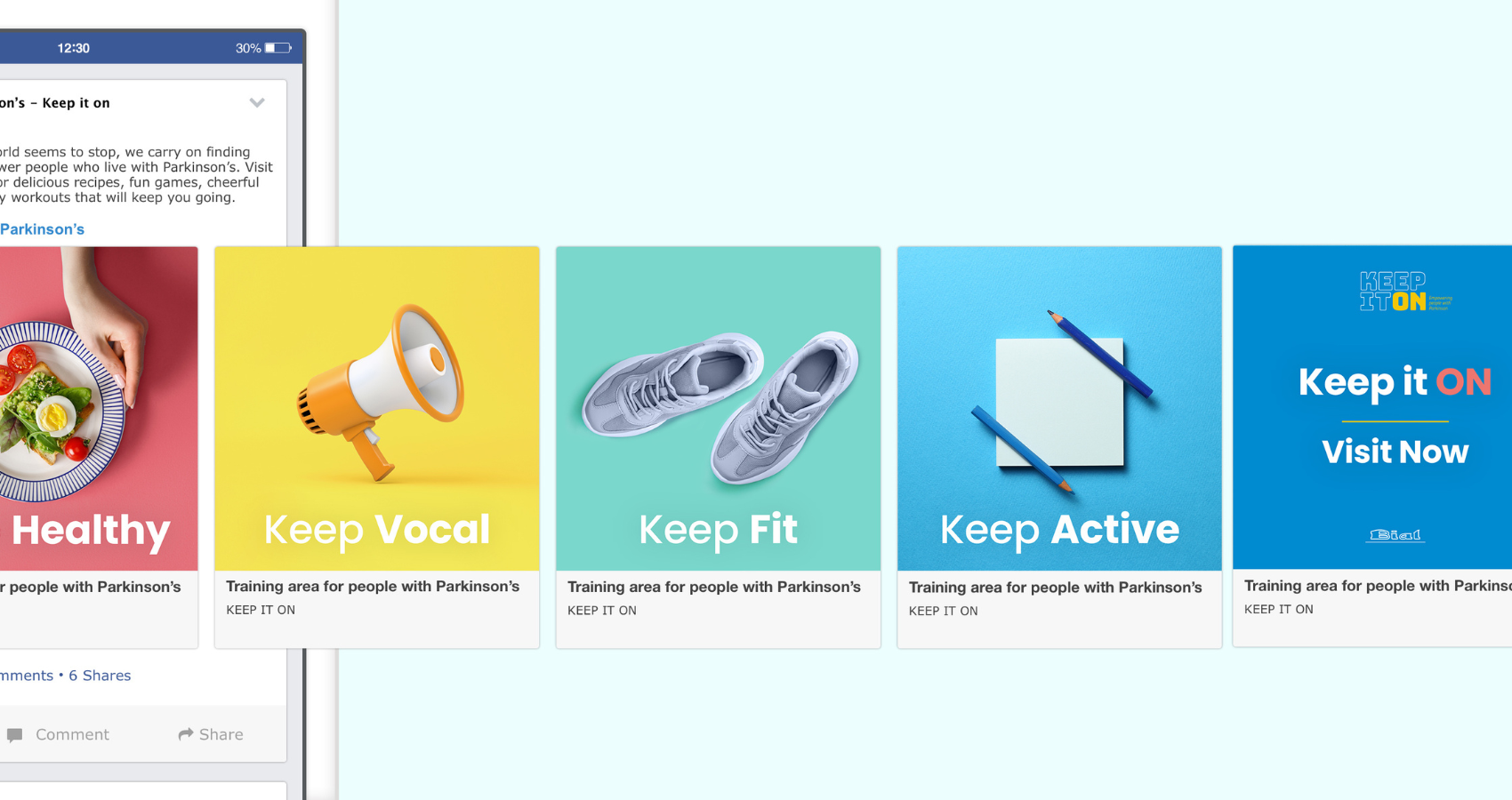
Find advice on a range of topics to help you live life to the full, from diet and exercise to travel, work, sleep, relationships and leisure activities.
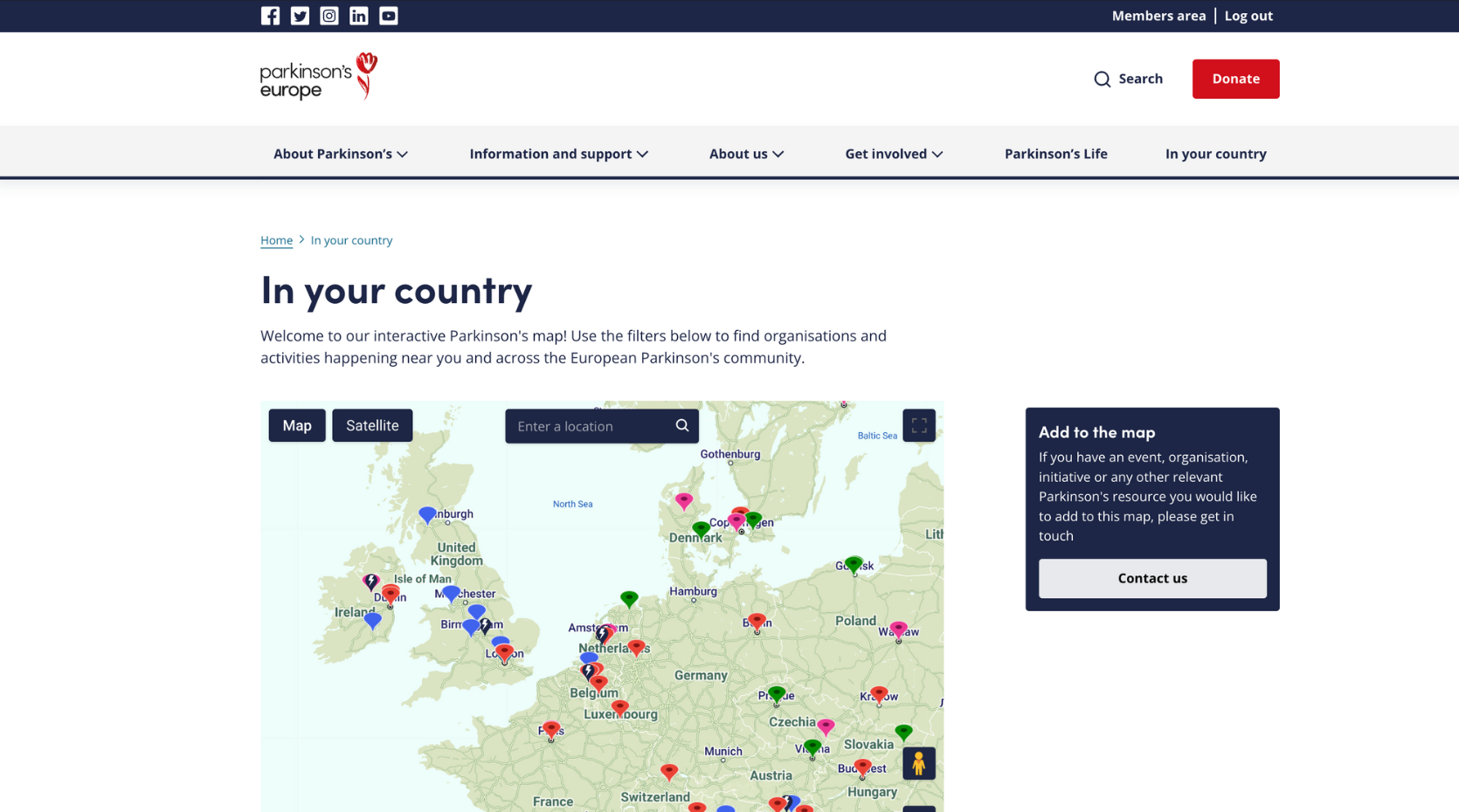
Our interactive Parkinson's map shows a range of resources across Europe, from member organisations to events, activity groups to research and campaigns
Results from a one-year, phase 2 clinical trial of the Type 2 diabetes drug lixisenatide suggest that the treatment may slow the progression of motor (or movement) symptoms in Parkinson’s disease.
The LixiPark trial took place in France, led by Professors Olivier Rascol and Wassilios Meissner at the University Hospital of Toulouse and University Hospital of Bordeaux, and involved 156 people with early-stage Parkinson’s across 21 research centres of the French NS-Park network.
It was co-funded by Cure Parkinson’s in the UK, the Van Andel Institute in Michigan, USA, and the French Ministry of Health, with the study’s results published in this month’s New England Journal of Medicine.
In the research trial, which took place over one year, participants were treated with either lixisenatide — a diabetes medicine that helps manage blood sugar levels — or a placebo in addition to their usual Parkinson’s medication. The results of the randomized, double-blinded study showed that the progression of motor symptoms in those receiving the lixisenatide treatment slowed, while motor symptoms in participants receiving the placebo continued to progress.
The difference between the two groups was statistically significant, indicating that lixisenatide may be able to delay the progression of motor symptoms in people with Parkinson’s. The findings were consistent at the end of the 12-month treatment period and two months after treatment stopped.
What is lixisenatide?
Lixisenatide belongs to a group of medicines called GLP-1R agonists approved for the treatment of Type 2 diabetes. Lixisenatide mimics the action of a gut hormone which is released when we eat food, helping the body to make more insulin and slowing down digestion so it takes longer for the body to absorb sugar.
Importantly, the LixiPark trial is actually the second trial using a GLP-1R agonist to slow the progression of Parkinson’s motor symptoms: after a promising Phase 2 trial back in 2017, Cure Parkinson’s are currently finishing a Phase 3 trial of the diabetes drug exenatide in the UK, with results expected this summer. This most recent lixisenatide trial, however, was done on a much larger scale.
There is also a known link between Parkinson’s and Type 2 diabetes, with research suggesting that people with Type 2 diabetes have a higher risk of developing Parkinson’s, and those that do develop Parkinson’s often experience a more rapid progression of their symptoms. Elsewhere, research shows that people with diabetes who are treated with GLP-1R agonists have a reduced risk of developing Parkinson’s.
Next steps
Despite these promising results, there are currently no GLP-1R agonists — lixisenatide included — approved for the treatment of Parkinson’s. Further testing is needed, likely a Phase 3 trial, as well as further study on other GLP-1R agonists, including the outcome of the current Phase 3 exenatide trial.
There may well be a mountain still to climb, but LixiPark trial leaders Wassilios Meissner and Olivier Rascol are hopeful, saying in a joint statement:
“For 30 years, we have been trying to understand how to slow the decline associated with Parkinson’s disease over time. In this context, the positive results of the Lixipark phase 2 trial showing less progression of motor symptoms of Parkinson’s disease over a year constitute a significant step forward in the future management of the disease. We look forward to confirming these encouraging results in the future, in order to translate such findings into clinical practice.”
Science World Vancouver lit up blue for World Parkinson's Day
Wherever you are in the world, you can join in with other people with Parkinson’s and raise awareness for World Parkinson’s Day 2024 by taking part in one of the special events on 11 April.
Find out what’s happening near you by consulting our handy interactive Parkinson’s map or take a look at the highlights around the UK, Europe and the world below.
There’s plenty happening online, too – you could take part in a Sit ’n Stand challenge, turn your world blue, or keep up with the latest developments in Parkinson’s treatments with a webinar.
At Parkinson’s Europe, we’re getting active for World Parkinson’s Day and beyond by focusing on all the benefits exercise can bring people with Parkinson’s. Find out more about our #SummerOfSport and our new Sports and Exercise Hub (coming soon!) that’s sure to keep you motivated and inspired to live well with the condition.
World Parkinson’s Day 2024 events: Europe
All of Europe
Spark the Night
US-based advocacy organisation the PD Avengers is holding a Spark the Night event that will see landmarks lit up all over the world on the night of 11 April. Partnering with Abbott and AbbVie, the event will see over 300 iconic buildings, bridges and towers lit up in blue as a powerful symbol of hope, solidarity and visibility for the Parkinson’s community. In the US, this will include The Empire State Building and the New York Stock Exchange, while in Europe, the Mole Antonelliana in Turin, Italy, the Sophienkirche in Berlin, the Waldstadion and Deutsche Bank Park Futbol Stadium in Frankfurt, and the Petřín Tower in Prague will be lit up in blue.
Belgium
World Parkinson’s Day 2024 conference
Action Parkinson will hold a World Parkinson’s Day conference on 19 April in Ixelles, Brussels. It will include a talk by neurologist Matthieu Rutgers on the benefits of exercise, as well as new developments in treatment. There will also be workshops on sophrology and rhythm. Find out more here.
Czech Republic
Go bowling
Parkinson’s association Společnost Parkinson, z.s. is celebrating World Parkinson’s Day and its 30th anniversary with a lunch and bowling tournament for people with Parkinson’s and their families.
France
Get involved
To commemorate World Parkinson’s Day, the committees of the France Parkinson Association are organising over 60 events throughout France from now until 31 May 2024.
German Parkinson’s association Kubia in Dusseldorf is marking World Parkinson’s Day with a conference on the benefits of dance for people with Parkinson’s at the city’s Tanzhaus NRW.
Ireland
Virtual Education Conference
Discover the latest about Parkinson’s, plus diet tips and the condition’s cognitive and emotional aspects by logging onto Parkinson’s Ireland’s Virtual Education Conference on 13 April. Guest speakers include Professor Graham Hughes, consultant physician in geriatric and general medicine in Dublin; Richelle Flanagan, dietitian and woman with Parkinson’s; Professor Iracema Leroi, consultant geriatric psychiatrist at St James’ Hospital, Dublin; and Parkinson’s Nurse Specialist Kathy Foley.
Norway
Parkinson’s Week
To mark World Parkinson’s Day and the 40th anniversary of the Norwegian Parkinson’s Association, it is starting a Parkinson’s Week on 9 April, which will be launched that evening with a special concert by Bjørn Eidsvåg followed by presentations on Parkinson’s at the Hotel Norge in Bergen. Registration is essential. You can also watch the Parkinson’s presentations online.
The Netherlands
World Parkinson’s Day 2024 Symposium
Parkinson Vereniging is holding a World Parkinson’s Day Symposium: ‘Good care, my care’ in Nieuwegein on 13 April, with Professor Bas Bloem, neurologist at Radboud University, among the guest speakers. Topics include self-management and finding the right care. There will also be a parallel afternoon programme for people with Young-Onset Parkinson’s. For more information and to register, visit the Parkinson Vereniging website.
Steps for Stapril
Parkinson NL wants people with Parkinson’s to join in with its fundraising step challenge of 10,000 steps a day throughout April, with the money being invested in Parkinson’s research and innovations. You can even convert other activities – such as a yoga class – into steps using its conversion tool. Find out more on the Parkinson’s NL website.
Portugal
Live well with Parkinson’s
Focus on your wellbeing with Parkinson’s at the National Congress of Parkinson’s Disease on 13 April in Leiria. A choir performance will open the event, which will feature talks about nutrition and non-pharmacological therapies, as well as Pilates sessions. Find out more from Association Parkinson Portugal.
Sweden
Parkinson’s symposium
On World Parkinson’s Day, MultiPark and Parkinson Skåne will be running a free afternoon symposium in Lund with medical experts giving presentations on Parkinson’s therapies. The deadline to register is Sunday 7 April.
UK
Go blue with Parkinson’s UK
Help Parkinson’s UK raise awareness by joining in with its ‘Make It Blue’ campaign – whether that’s lighting up buildings with blue lights, wearing blue for a day, dyeing your hair blue or holding a blue bake sale! Download their Make It Blue guide for more information.
Sign the Parky Charter
Parkinson’s UK, Spotlight YOPD and Cure Parkinson’s have joined forces with the presenters of the popular Movers and Shakers podcast to call on the UK government to adopt a 5-point Parky Charter to improve the lives of people with Parkinson’s. You can support the Parky Charter by signing the petition, which will be presented to No. 10 Downing Street on World Parkinson’s Day.
Get moving with PD Warriors
Living with Parkinson’s in Bristol, UK? PD Warrior is an exercise programme specially designed for people with Parkinson’s and these sessions (plus shadow-boxing) are free all week to mark World Parkinson’s Day.
Join a Parkinson’s Nordic walk
If you’re based in Nottingham, why not join other people with Parkinson’s for a Nordic walk in the green surrounds of the University of Nottingham on World Parkinson’s Day 2024?
World Parkinson’s Day 2024 events: rest of the world
Africa
Online Parkinson’s webinar
Join Adewunmi Desalu Parkinson’s Foundation online on World Parkinson’s Day for a webinar packed with the latest insights about navigating Parkinson’s care and diagnosis, as well as practical tips on accessing Parkinson’s specialists and support services.
America
Parkinson’s Educational Day
The American Parkinson Disease Association Virginia is holding a Parkinson’s Educational Day on World Parkinson’s Day in association with The Parkinson’s Activity and Resource Center, and the University of Virginia’s neurology department. Learn about advance surgical treatment options, the future of medications and treatments, and how you can take control of your Parkinson’s. Attend in person or watch on Zoom. Registration is required.
Baseball in Detroit
Watch the Detroit Tigers at Comerica Park on the afternoon of World Parkinson’s Day and celebrate the work of the Kirk Gibson Foundation in improving the quality of life for people with Parkinson’s with its exercise-based programmes.
Australia
Parkinson’s Queensland
Take part in Parkinson’s Queensland’s Really Big Walk, turn buildings purple for World Parkinson’s Day, or join Laps for Parkinson’s.
Canada
Sit ’n Stand Challenge
Be part of Parkinson’s Association Alberta’s Sit ’n Stand Challenge as they collectively aim to perform 100,000 Sit ’n Stands across Canada in 24 hours, and a million in the month of April, to stand up to Parkinson’s for World Parkinson’s Day. Attend in person or register online and join in from home.
India
Bangalore Parkinson’s event
Bangalore’s Parkinson’s Disease and Movement Disorders Clinic is running a World Parkinson’s Day event on 6 April, with talks by medical experts about the latest research and treatments, first-hand accounts from people living with Parkinson’s, and panel discussions on a range of topics.
Find out more about World Parkinson’s Day 2024, plus the history of World Parkinson’s Day and why it’s so important, on our World Parkinson’s Day page
Taking your Parkinson’s medication on time is crucial. So why is it such a problem in hospitals across Europe?
People with Parkinson’s across Europe are experiencing distressing hospital stays, when failure to receive their Parkinson’s medication on time has a serious impact on their health. Could new UK hospitals guidance from the Parkinson’s Excellence Network improve a Europe-wide problem?
When Alexandra Karadimou’s father Konstantinos – who has Parkinson’s – was admitted to hospital in Greece with a urinary infection last year, it quickly turned into a nightmare for her family. At first, things seemed positive, as Alexandra’s mother Stella was by Konstantinos’ side, but when they both caught Covid, they placed Alexandra’s father into isolation.
“For a patient like my father that is unable even to drink water himself, this is unacceptable,” Alexandra explained. “My mother was on the phone all day long asking the doctors and the nurses to allow her in or at least to ensure that he is taking his medication.”
Failure to administer Konstantinos’ Parkinson’s medication on time meant that Alexandra’s father was eventually sent home dehydrated and unable to speak or eat.
“My mother brought him back to life, she used to feed him with a teaspoon and same for water. It took more than a month to get back to his daily routine, eating and drinking as before. We believed that we were losing him.”
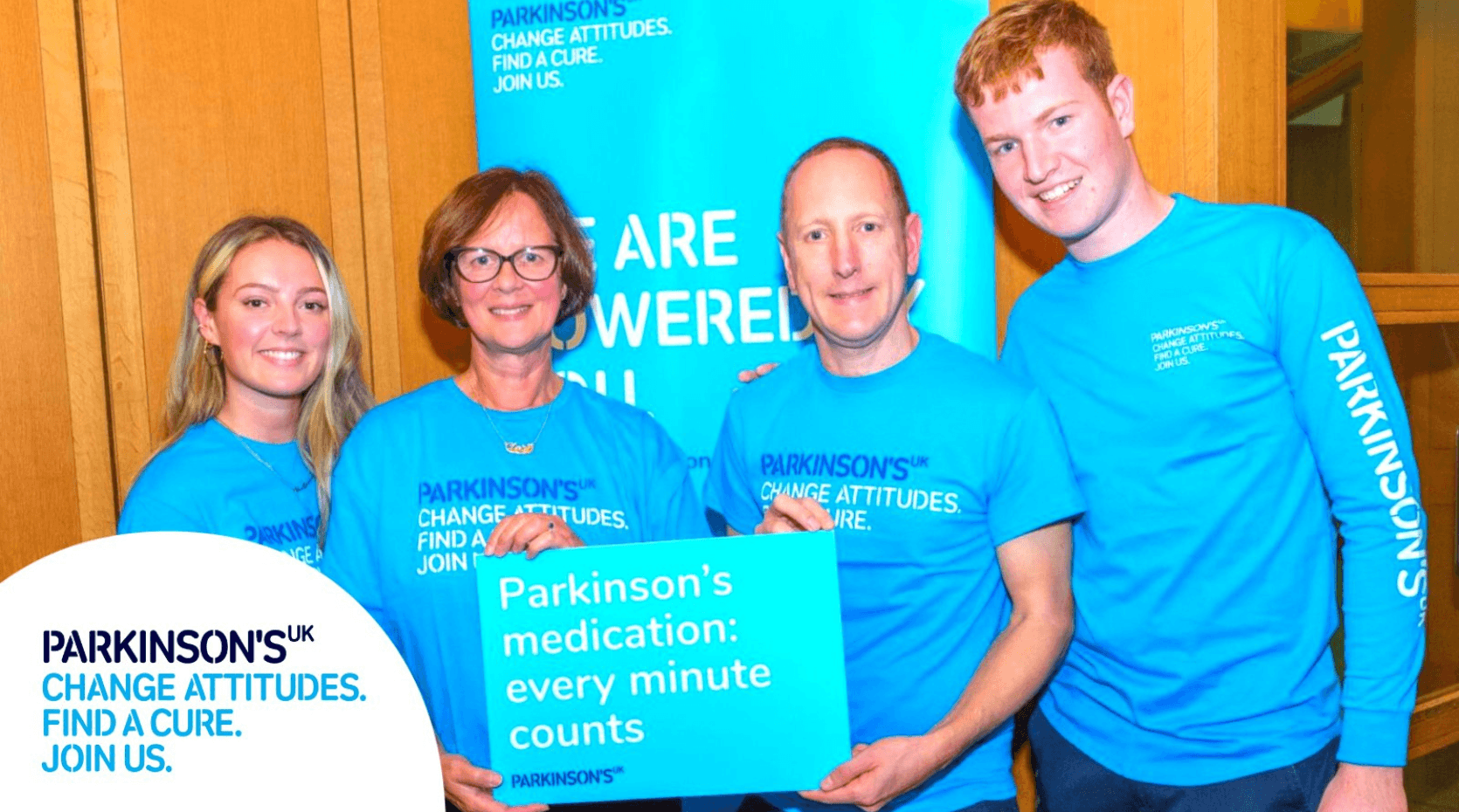
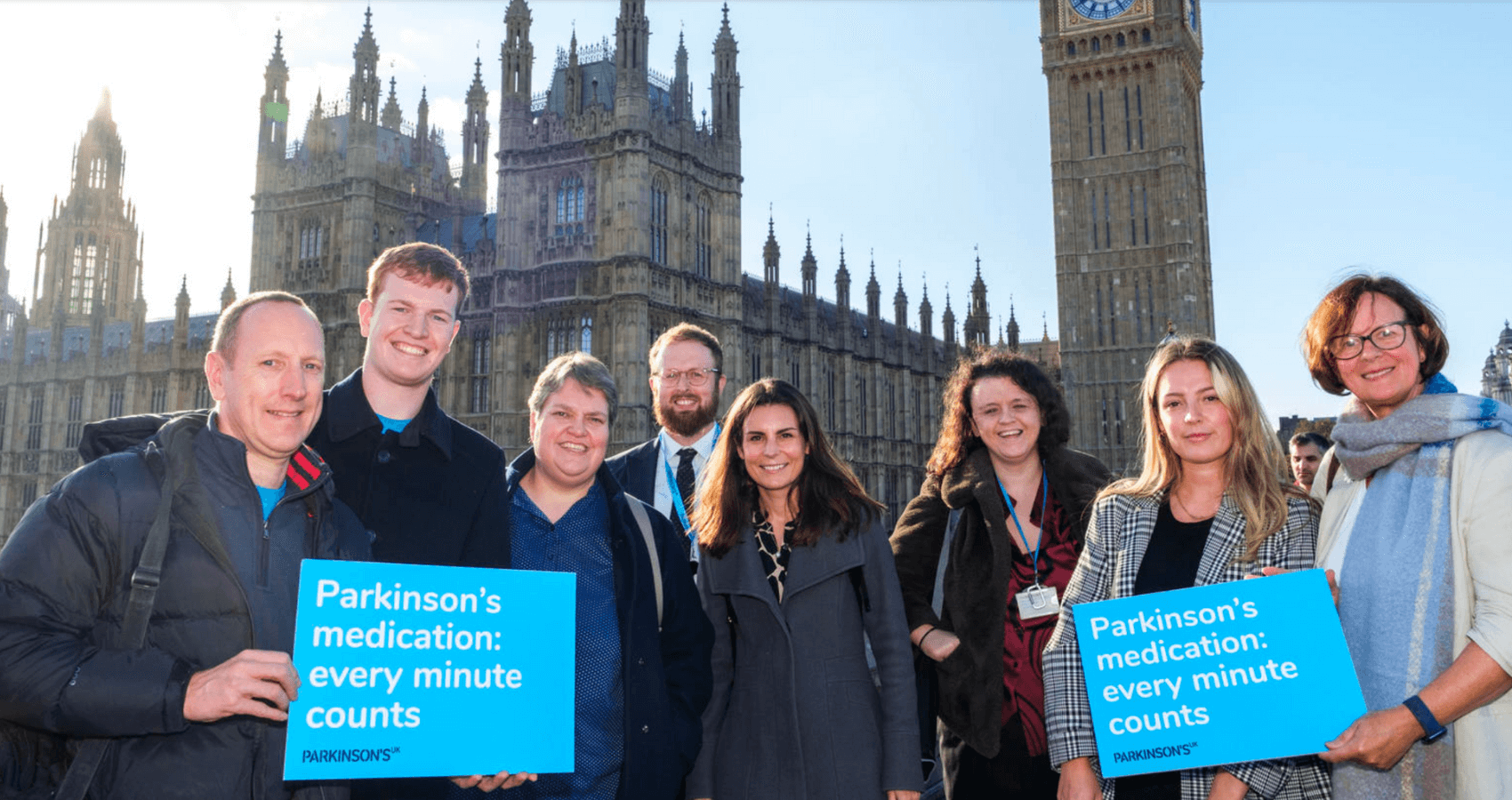
Sadly, this experience is all too common for the families of people with Parkinson’s across Europe. In Parkinson’s UK’s Get It On Time report, hospital patients spoke of how not getting their Parkinson’s medication on time “delayed my recovery and left me traumatised,” with the report revealing that a shocking 58% of people with Parkinson’s who were admitted to UK hospitals in 2022 didn’t get their medication on time.
Similarly, a study in The Netherlands found that incorrect medication was one of the most important factors for deterioration of people with Parkinson’s during hospital stays, with over one-quarter of patients receiving incorrect Parkinson’s medication. In Ireland, a study at University College Cork found that Parkinson’s medications were being missed entirely or given late in over 30% of the hospital patients whose treatment they monitored.
Parkinson’s Nurse Specialist Lisa Wynn, who works with Parkinson’s Ireland, says that getting Parkinson’s medication on time is “a crucial aspect to living well with Parkinson’s”, explaining:
“Medication manages symptoms, for most, very effectively but it only does so for a period of time. To avoid a spiral of symptoms such as tremor or anxiety, medications, at set times, are to ensure a near consistent level of dopamine is maintained in the bloodstream.”
At a time when health services across Europe are struggling, it’s easy to believe this issue will only get worse, however there is some hope in sight.
As far back as 2020, trials in Scotland and Minnesota, USA found that significant improvements could be made to the timely administration of Parkinson’s medications in hospital thanks to things like e-prescription, alert systems, and adding common Parkinson’s medications to automated medication dispensing machines on key hospital units.
Perhaps the biggest step forward, however, has been the Get It On Time campaign organised by Parkinson’s UK. This has more recently included producing several guides for hospital staff, including ones about time-critical Parkinson’s medication both for hospital pharmacy staff and nurse in charge or ward staff, and advice on electronic prescribing. They’ve also produced some practical awareness-raising resources for healthcare professionals including campaign posters and stickers for hospital staff to use on patients’ notes to highlight that time-critical medication is needed.
Parkinson’s UK’s Get It On Time campaign
Lisa Wynn describes the Get It On Time resources as an “invaluable tool to assist those who may not be familiar with Parkinson’s and the recommended medication guidelines,” adding:
“To have accessibility to these materials will not only increase essential education and awareness to those healthcare professionals caring for people with Parkinson’s, but will in turn reflect positively on the care experience, recuperation and positive health outcomes for those people with Parkinson’s and their care partners.”
The question remains as to how the wider European healthcare system can implement these kinds of improvements – and soon – to avoid more painful and distressing experiences like the one Konstantinos’ family endured.
Perhaps if Get It On Time’s resources were translated and distributed among healthcare professionals across Europe, it could inspire more widespread improvements? Or do we as the Parkinson’s community need to develop initiatives tailored more specifically to each European country’s healthcare system and resources?
Europe doesn’t have an answer yet, but for Alexandra, these improvements can’t come soon enough:
“I do understand that in the hospital it is difficult to have a nurse 24/7, but still they must give priority to patients that cannot do without their medicine. If instead of Parkinson’s my father had diabetes, he would be dead. I mean, it should be illegal to neglect patient medication; they can easily lose their life.”
This month, Parkinson’s Europe has launched a brand-new and improved website to serve the European Parkinson’s community, and it has a range of exciting new features to help people with Parkinson’s, healthcare professionals and Parkinson’s organisations find the information they need and collaborate together on projects and research.
Five key new features of the new Parkinson’s Europe website include:
1. An interactive Parkinson’s map
The Parkinson’s map will help you identify your nearest Parkinson’s organisation, discover important events (including World Parkinson’s Day 2024 on 11 April), and even find a nearby Parkinson’s sports group to join. This brand-new map already has over 100 pins, and will be added to on a regular basis, so keep checking back to find important new contacts in the Parkinson’s community.
2. A new home for Parkinson’s Life magazine
Parkinson’s Europe launched its online magazine, Parkinson’s Life, back in 2015, and until now this magazine had its own separate website. It’s become such an important source of news, stories and insights for the Parkinson’s community, Parkinson’s Life now has a new home on the main Parkinson’s Europe website. You’ll also find the latest and most popular articles on the homepage.
Parkinson’s Life will continue to be a crucial go-to hub for the latest Parkinson’s news, with new stories added every week.
3. Exclusive Member Area for Parkinson’s Europe Member Organisations
The beating heart of Parkinson’s Europe is its many Member Organisations across the continent, who collaborate with and support each other all year round, so they now have an exclusive Member Area where they can access and share resources, catch up on the latest information and events, and liaise with the Parkinson’s Europe team on campaigns, advocacy and more.
4. A dynamic new homepage
The homepage is now a handy hub which is regularly updated to signpost visitors to the latest news, campaigns, and other important information.
5. A new, easy way to donate to Parkinson’s Europe
It now takes just a couple of clicks to set up a one-off or monthly donation to help Parkinson’s Europe continue supporting the 1.2 million people with Parkinson’s in Europe. The new donations tool is fast, secure and easy to use.
All of the information and advice about living well with Parkinson’s has also been refreshed and updated for the new website, ensuring it reflects the most up-to-date knowledge about the condition.
The new website is possible due to the generosity of eight partner organisations who contributed vital funding for the development work that needed to be done.
“Quality and reliable information can be the first step for people to find help with their condition. We are proud to support Parkinson’s Europe, which is driving better care and support for patients. The website is a fundamental resource for people affected by Parkinson’s and this initiative embodies our mission to improve patient wellbeing using a digital solution.”
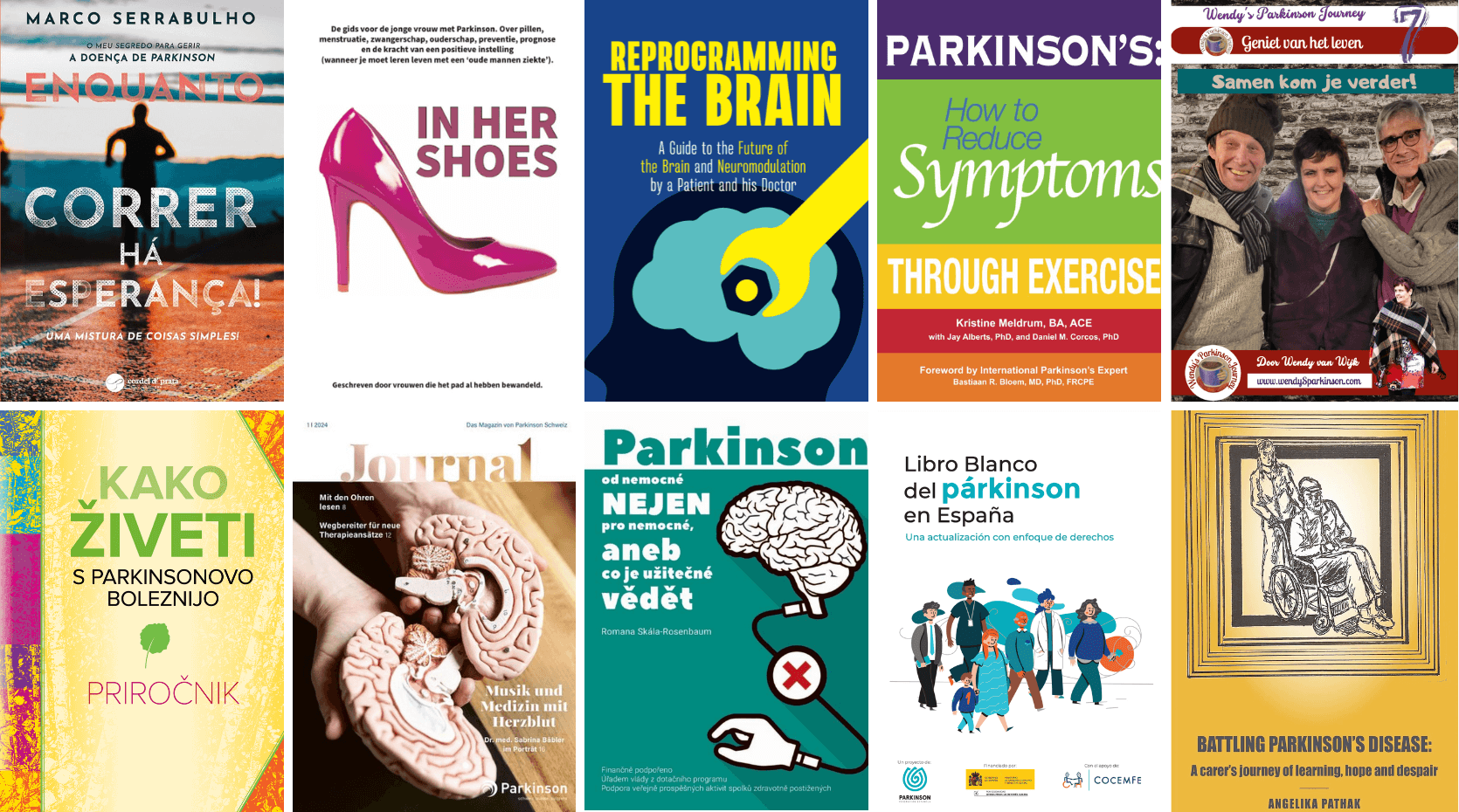
13 Parkinson’s books and magazines in English, French, German and more
From guides telling you how to best manage your condition to personal memoirs of living with Parkinson’s, here’s a selection of books and magazines in various languages.
We’re frequently asked for recommendations of Parkinson’s books and magazines – and as a European organisation, we’re always on the lookout for publications in various languages to suit our very multilingual community. Here’s a roundup of some of the more recently published Parkinson’s books, magazine and guides in seven different languages, from Czech to Spanish, Portuguese to Dutch, and beyond.
Czech Parkinson’s books
Kako Ziveti S Parkinsonovo Boleznijo Prirocnik [How to Live with Parkinson’s Disease Handbook]by the Trepetlika Association
This 202-page book contains 26 articles written by Slovenian experts about the disease and its treatment.
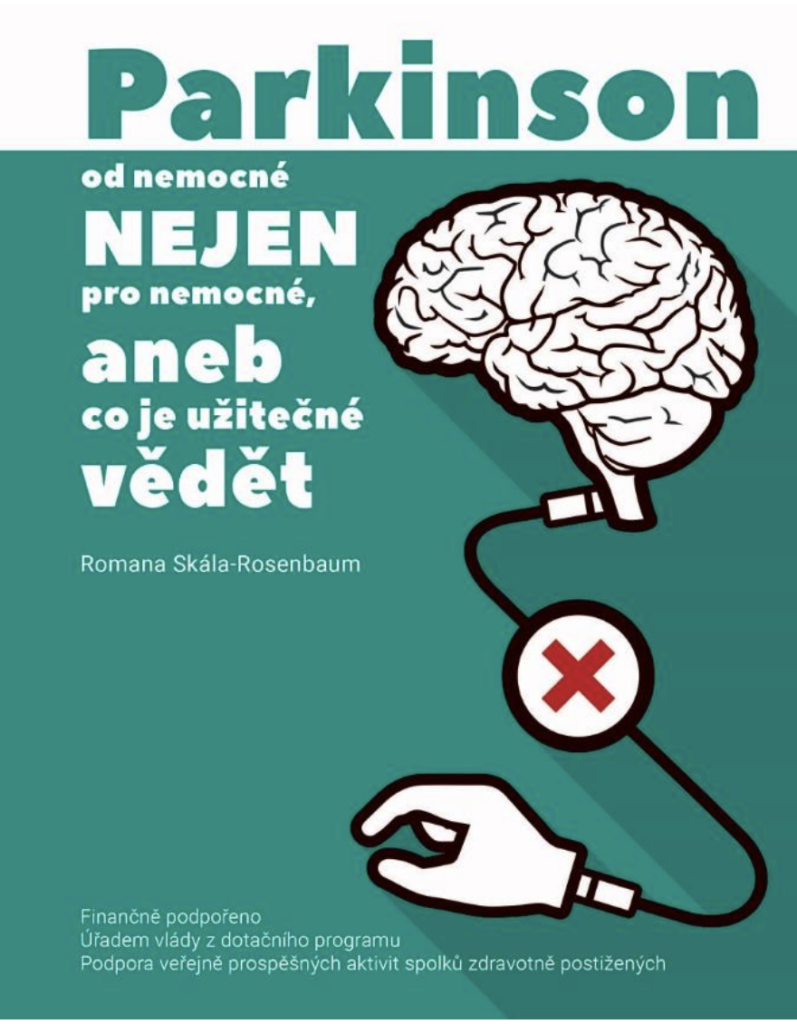
Parkinson od nemocné nejen pro nemocné, aneb co je užitečné vědět [Parkinson’s tips by a patient] by Romana Skala-Rosenbaum
Skala-Rosenbaum has been living with Parkinson’s for more than 20 years, and this book aims to show how individual symptoms can affect a person’s activities and to provide tips on how to manage them.
Email Parkinson-Help Z.S. at [email protected] to be emailed a free pdf copy of the book
Dutch Parkinson’s books
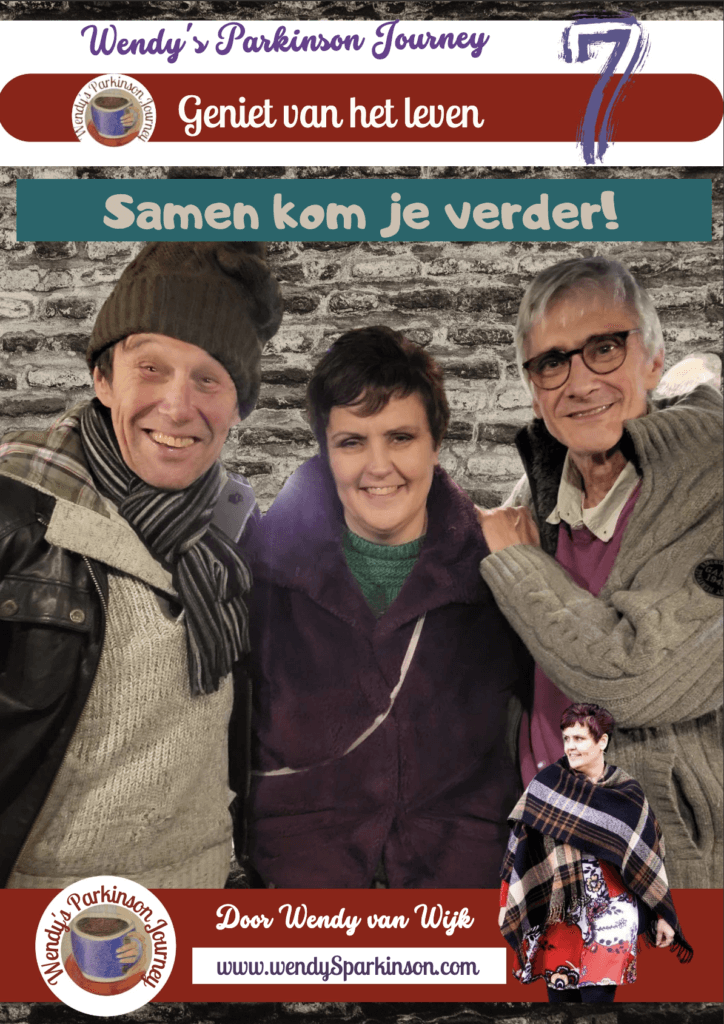
Wendy’s Parkinson Journey Geniet van het leven [Wendy’s Parkinson Journey: Enjoy life]
Written by Wendy van Wijk-Lugthart, a woman with Parkinson’s, this online magazine – also available in English – comes out three times a year. With a focus on positivity and sharing tips on how to live well with the condition, it contains interviews with people with Parkinson’s, as well as caregivers and healthcare professionals. It costs €4,15 per magazine or €10 for an annual online subscription for three magazines.
IK Beef Dus Ik Leef [I Tremble So I Live] by Kees de Bot and Marjolijn Verspoor
In this 66-page book, de Bot and Verspoor provide an insight into the daily life of a person with Parkinson’s and his partner. Neurologist A.A. van der Plaas called it: “Very entertaining and highly recommended.”
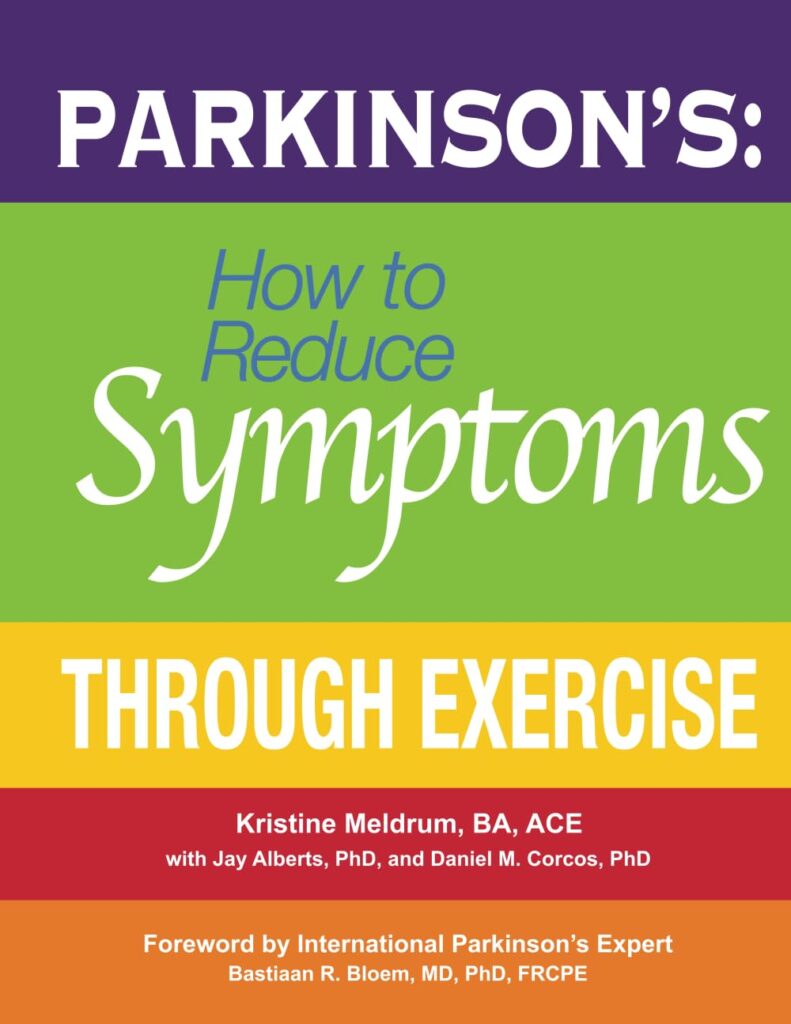
Parkinson’s: How to Reduce Symptoms Through Exercise by Kristine Meldrum, Jay Alberts, PhD and Daniel M Corcos, PhD.
With a foreword by Professor Baastian R. Bloem, this book is designed to help anyone with Parkinson’s wanting to incorporate exercise into their daily life to reduce their symptoms.
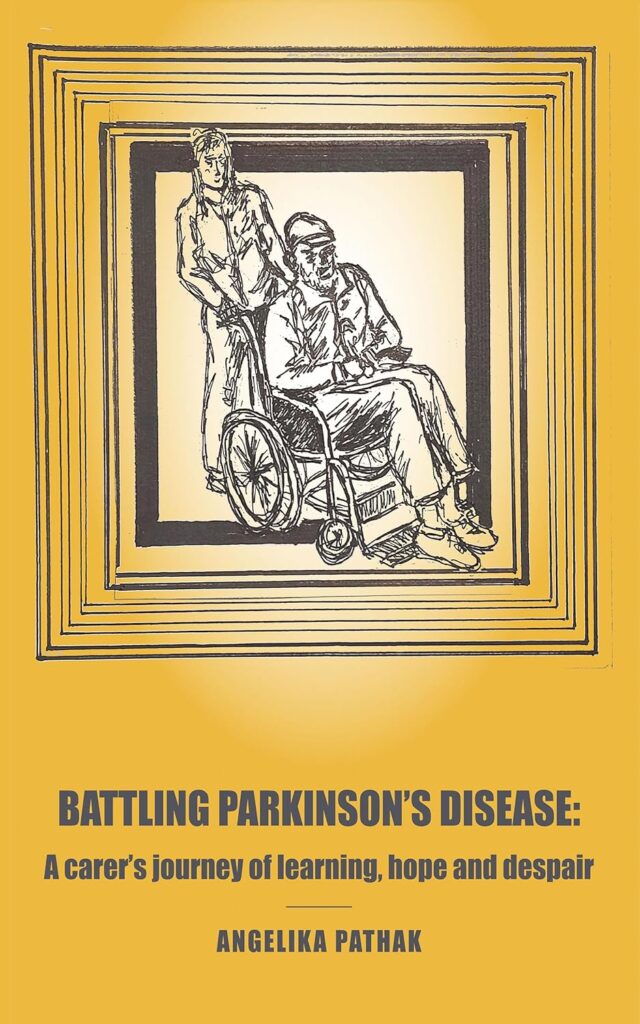
Battling Parkinson’s Disease: A Carer’s Journey of Learning, Hope and Despair by Angelika Pathak
In this self-published memoir, Angelika Pathak tells her story of caring for her husband with Parkinson’s, who was diagnosed four years before his death in 2019.
Buy a Kindle edition of the ebook for £3.50 from Amazon
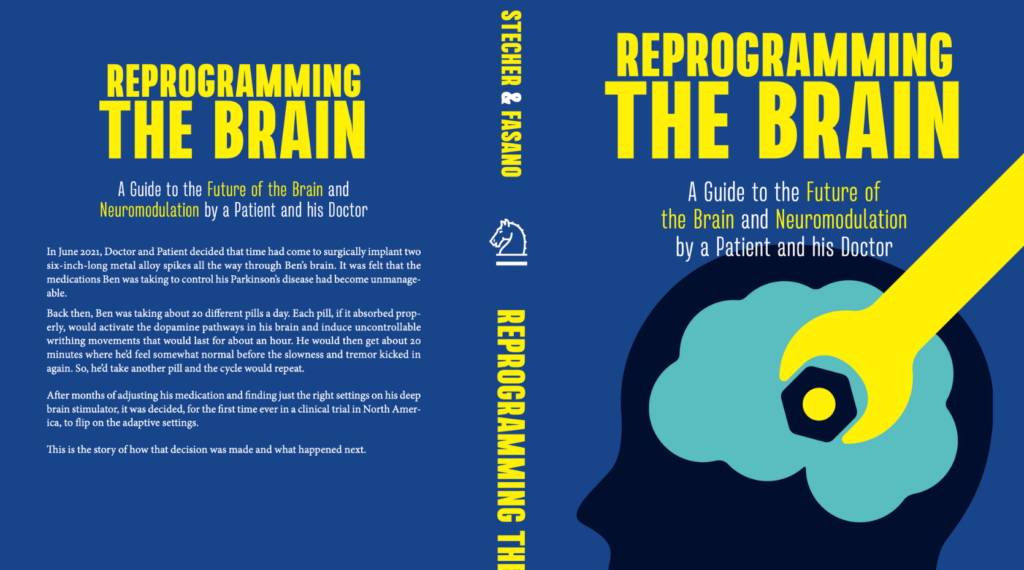
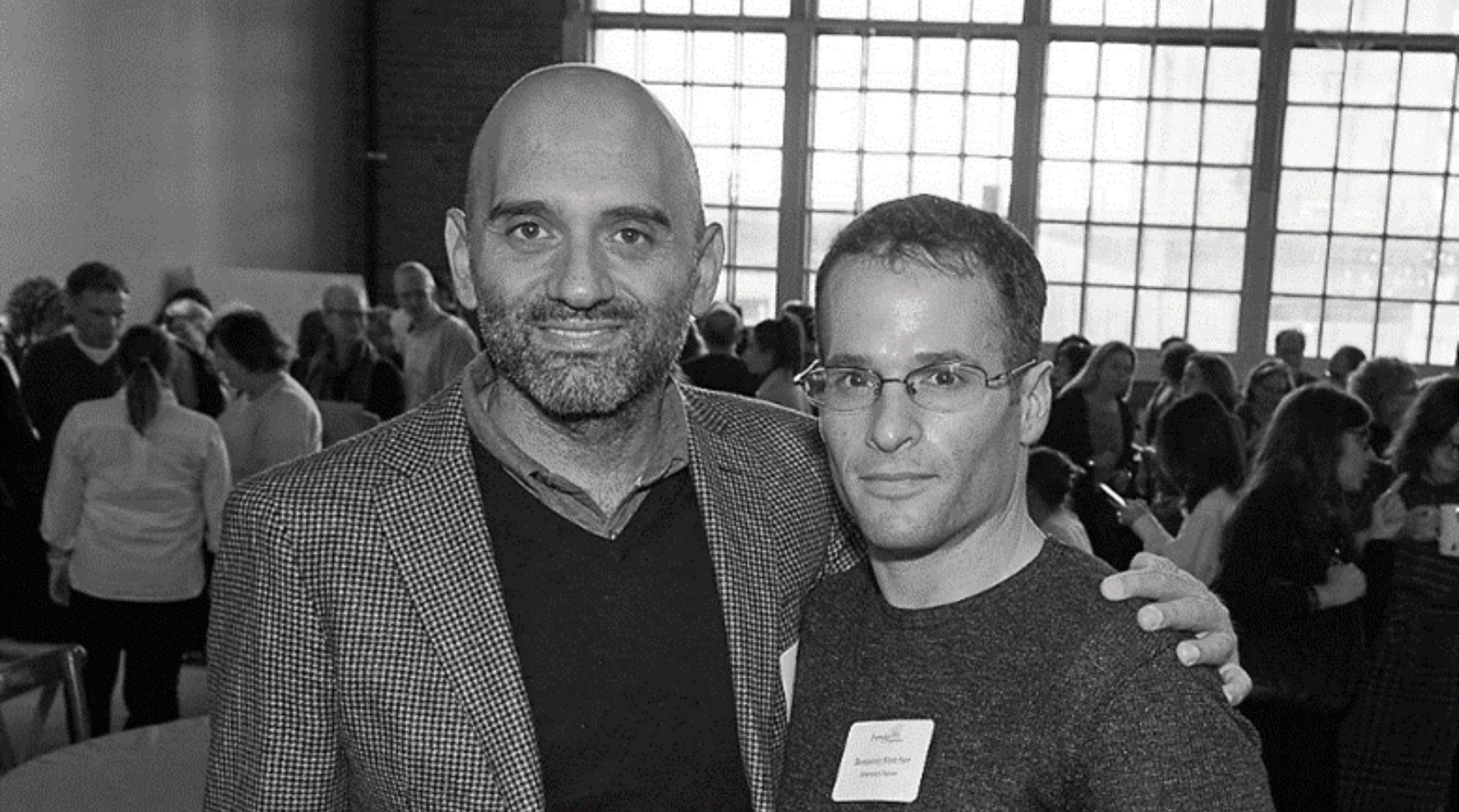
Reprogramming the Brain by Benjamin Stecher and Alfonso Fasano
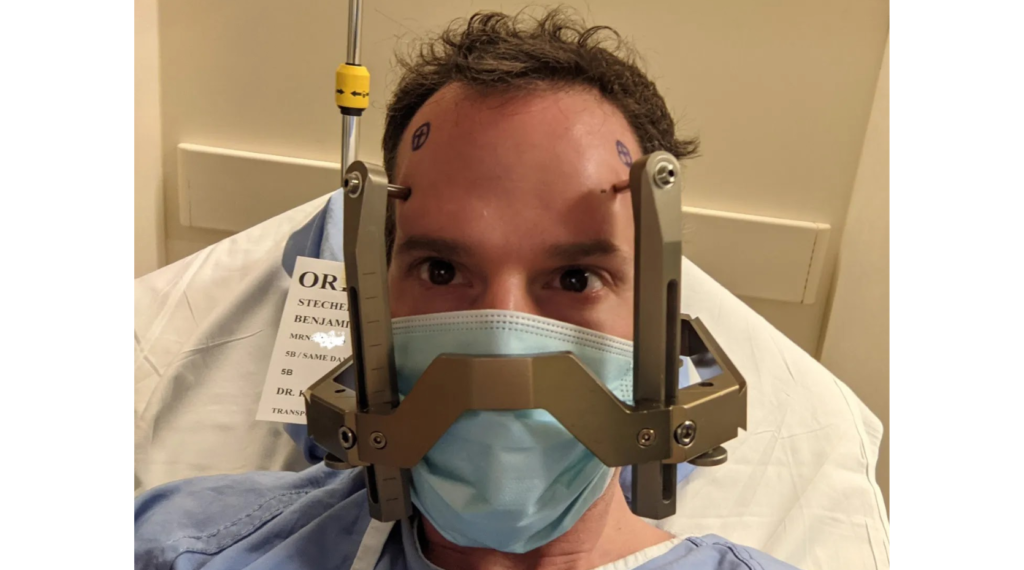
Having grown up in Canada, 39-year-old Stecher was 29 when he was diagnosed with Young Onset Parkinson’s. After his symptoms became unmanageable with medication, he had Deep Brain Stimulation in June 2021, and by taking part in medical technology company Medtronic’s ADAPT-PD (Adaptive DBS Algorithm for Personalised Therapy in Parkinson’s Disease) trial, became the first patient in a North America trial to use the adaptive setting of one of the latest DBS devices.
He has now written a new Parkinson’s book, Reprogramming the Brain, with his clinician, Dr Alfonso Fasano, detailing how they came to that decision after months of adjusting his medication and the settings on his deep brain stimulator, and what happened after that. Published on 30 March 2024, this new Parkinson’s book is also a guide to DBS treatment and the future of this technology.
Reprogramming the Brain by Benjamin Stecher and Alfonso Fasano will be published by Springer, on 30 March 2024, priced £19.99
French Parkinson’s books
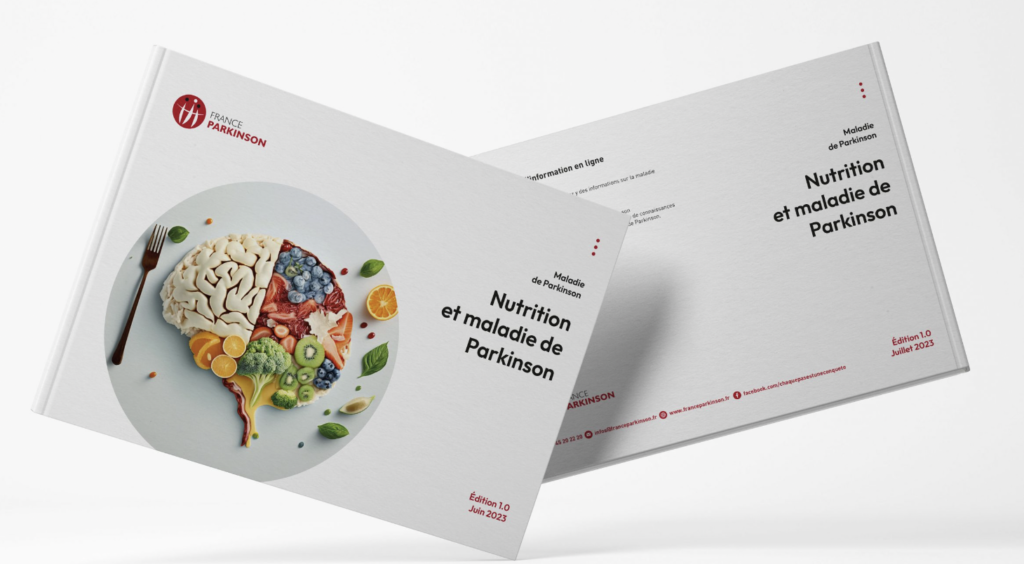
Nutrition et maladie de Parkinson [Nutrition and Parkinson’s disease] by France Parkinson association
Developed with people living with Parkinson’s and health professionals, speech therapists and dieticians, France Parkinson’s booklet Nutrition et maladie de Parkinson hopes to provide better understanding of nutrition and the condition. It explains digestion and how symptoms can influence nutrition and vice versa.
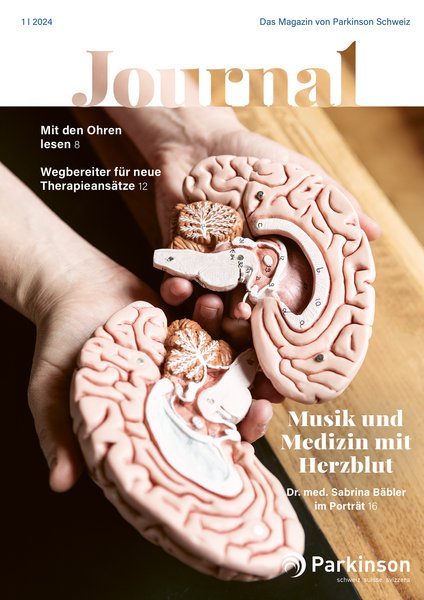
Every three months, Parkinson Schweiz publishes its Journal, a downloadable magazine on various subjects including nutrition, smart tech, the need for healthcare reform and more.
Buy the Journal from Parkinson Schweiz – free for members, or CHF8 for non-members
Portuguese
Enquanto Correr Há Esperança! [As Long As We Run, There is Hope] by Marco Serrabulho
Winner of an Editor’s Choice prize for best non-fiction book of 2023, this book details Serrabulho’s struggles as a YOPD sufferer who was diagnosed 14 years ago at the age of 34. In it, he talks about how his lifestyle – and especially running – has helped him keep the condition under control. It is also a practical guide to help the recently diagnosed. Serrabulho says: “It’s a book about hope, resilience, and showing that Parkinson’s and happiness aren’t opposing things in life.”
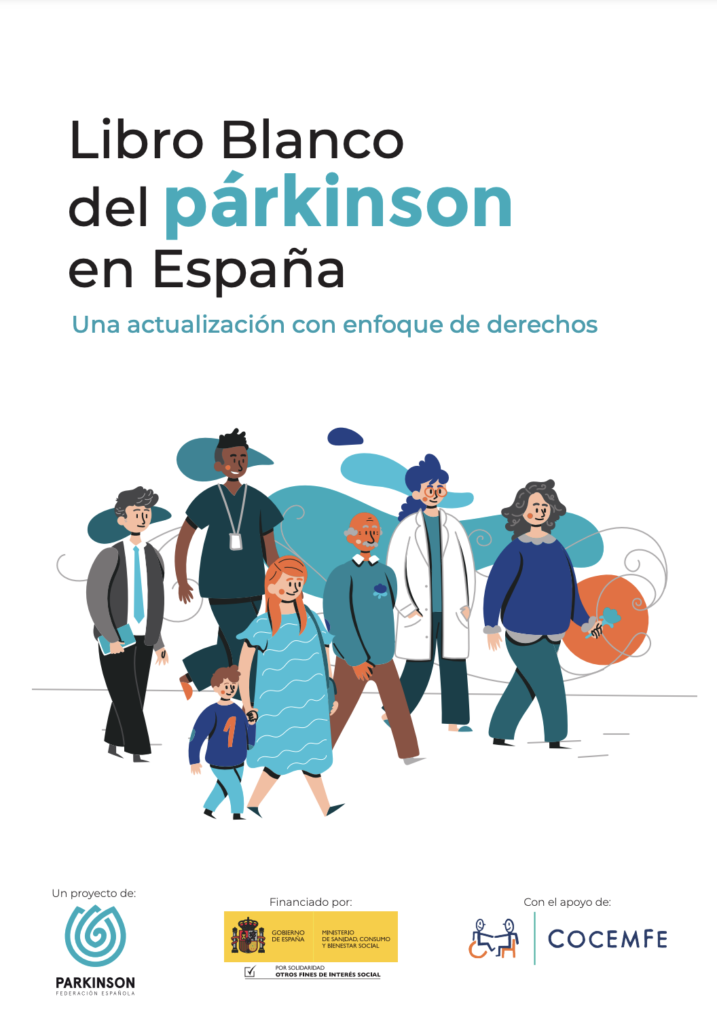
Libro Bianco del Parkinson en Espana [Parkinson’s White Paper in Spain] by the Spanish Parkinson’s Federation
Published last year, this document represents a detailed analysis of the current socio-health context of Parkinson’s focusing on those who live with the disease in Spain and their various experiences.
Ben Stecher on his new Parkinson’s book: “I owe everything that I have now to advocacy”
Parkinson's advocate Ben Stecher has written a book about his experience as one of the first people to try a cutting-edge, more personalised form of DBS treatment as part of Medtronic’s ADAPT-PD trial.
Parkinson’s advocate Ben Stecher is about to release his second Parkinson’s book.
Having grown up in Canada, 39-year-old Stecher was 29 when he was diagnosed with Young Onset Parkinson’s. After his symptoms became unmanageable with medication, he had Deep Brain Stimulation in June 2021, and by taking part in medical technology company Medtronic’s ADAPT-PD (Adaptive DBS Algorithm for Personalised Therapy in Parkinson’s Disease) trial, became the first patient in a North America trial to use the adaptive setting of one of the latest DBS devices.
He has now written a new Parkinson’s book, Reprogramming the Brain, with his clinician, Dr Alfonso Fasano, Professor of Medicine (Neurology) at the University of Toronto, Canada, detailing how they came to that decision after months of adjusting his medication and the settings on his deep brain stimulator, and what happened after that. Published on 30 March 2024, this new Parkinson’s book is also a guide to DBS treatment and the future of this technology.
We talk to Ben about his new book:
You were diagnosed in 2013 when you were 29. What were your first symptoms?
My first symptoms were when I was 25 or 26 years of age. I had a mild tremor in my hand and in my foot, and some bradykinesia as well. The symptoms slowly progressed and progressed until I realised something was wrong with me and I needed to go to a doctor. At the time, I was working in China as an education consultant, helping Chinese kids get into American universities. I came home on a trip in November and that’s when I got my diagnosis. I had an aunt who’s a GP – she spotted my problem to begin with. She was the one who referred me to a Movement Disorder Specialist, so I was able to get my diagnosis pretty much straight away. I didn’t go through all the trouble that most people go through.
Did your diagnosis lead you to change your direction in your life and work?
Initially, no, because my symptoms were pretty mild at the time. I thought naively that ‘if this is Parkinson’s, I can deal with it.’ So, I went back to China and spent two or three more years there, trying to slog away, trying to ignore my disease to some degree. But then I slowly started to realise how much trouble I was in, and I started to plan more for my future. I realised that I needed to come back home to deal with this and find a more permanent solution to this problem.
What did you do once you were home?
I started to become a little more vocal in the Parkinson’s community. But I began by educating myself. I spent a lot of time trying to read the literature, trying to read the research publications, really trying to understand what was on the cutting edge of this disease. However, I soon realised that I needed to speak to these individuals as well because there’s only so much you can learn just by reading their papers. I started to travel the world, and I visited labs all over the place, asking a lot of probing questions, asking what they’re working on, what this disease really is and what future therapies were on the horizon.
Why did you have DBS?
My whole day was spent going on/off, on/off. So, I thought, ‘OK, I need a better solution for this.’ About three years ago, Fasano and I started to talk more seriously about deep brain stimulation therapy. I decided to have it done as part of the Medtronic ADAPT-PD trial because it offered DBS with an adaptive setting – meaning that as well as continuous stimulation, it could provide varying levels of stimulation instead as needed. I thought adaptive DBS would eventually be the better option for most people with Parkinson’s. As our symptoms fluctuate throughout the days, weeks and months, we need something that can adapt to our ever-changing needs. The ability to fine-tune these devices to better meet the needs of individuals was the tipping point for me. In June 2021, I got the surgery done. It took some fine-tuning, but once we found the right continuous DBS settings for me, we turned on the adaptive settings. I felt an instant improvement over the previous continuous settings, so it seems like this trial was the right one for me.
How did it work for you?
It pretty much cleared up almost all my symptoms, although there are still some that come on from time to time. I had a mild tremor from time to time which still flares up but is nowhere near as bad as it was previously. My bradykinesia’s almost completely gone now, so’s my dystonia and my dyskinesia as well. I don’t have to take medication anymore. However, there are some side effects: my gait is a little bit more impaired than it was before, although if I focus on it, concentrate, I can deal with that. I’d say overall my symptoms are so much better than they were prior to the surgery that it’s like night and day for me.
How did the idea for the new Parkinson’s book come about?
There was a point at which I realised that there was a lot of information out there about DBS and about neuromodulation that has never been written down before. I approached Fasano with this idea. We’ve interweaved both our stories together into a narrative. Although the bulk of the book is my story, it’s also about the patients I’ve met along the way. I’ve mentioned a lot of people that are battling this disease: some good stories and bad stories about people who’ve had DBS in particular. But then we also sprinkle in Fasano’s takes on the future of this field and the future of neuromodulation therapies.
In the book, you describe that your treatment was the first time in a clinical trial in North America that the adaptive settings of DBS were turned on. Please explain what this is compared to “normal” DBS.
I have the new system from Medtronic called the Percept™ PC neurostimulator device. It allows for a clinician to go in and record from my brain the beta waves that emanate from everyone’s brains. Basically, there are three properties of electricity: frequency, amplitude and the shape of the wave. On the previous models the amplitude was always steady. This one is able to modulate the amplitude based on the sensing data that it reads out to the computer chip which is part of the battery placed under the skin above my right pectoral.
So, it’s always adapting to what you need at the time?
Yes. It’s not a perfect system yet, and in the future, there will be even better ones, but this is what we have today.
What difference did you notice from when you first had DBS to when you changed to the adaptive setting?
There’s a number of things: I noticed that I didn’t need to go in for as many adjustments anymore, so the time between clinical visits was spaced out further and further and, more importantly, it felt like my symptoms were better controlled. I felt that they were better managed.
So, your quality of life is much improved? Are there things you can do now that you couldn’t before?
Yes, before my DBS surgery, I was basically confined to my parents’ basement. I thought my life was quickly spiralling downwards, and afterwards I felt liberated. Like, I could jump on a plane and go anywhere in the world to get where I wanted to go.
DBS is only going to get better and better in the future. We talk a lot about the future of this technology as well in the book. And I can say pretty confidently that soon patients won’t have to go through the ardures that I had to go through. Soon, some of the things that I had to go through are going to look pretty barbaric.
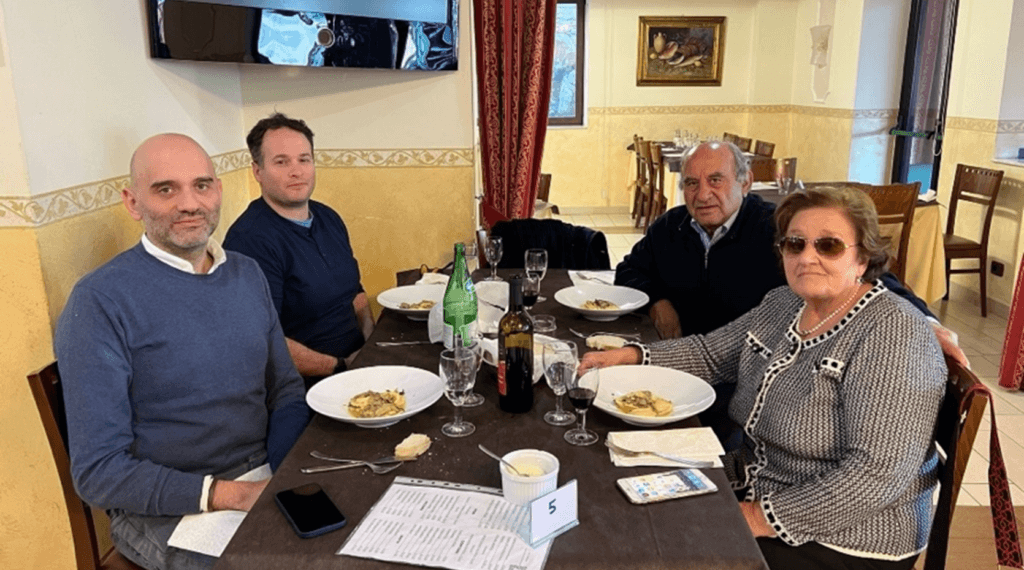
Ben Stecher and Professor Fasano, with Prof Fasano’s parents
What do you hope people will get out of this new Parkinson’s book?
I hope it inspires more advocates to pursue the path that I went down. I don’t think it’s for everybody, but if you have it in you to take years out of your life to first learn about this disease, then I think you’ll find that advocacy is very rewarding in a lot of different ways for you personally.
How much of your time do you spend advocating for people with Parkinson’s?
It’s my life, my full-time job. I chair the patient advisory board at Rune Labs, a software and data analytics company for precision neurology. Twice a month, I meet with the CEO Brian Peppin, and I give a lot of very critical feedback to the company about what they’re doing, and what the business’s practice is. I also set up my own company VeracityBio, which is trying to tackle the problems of biomedical literature by using new AI-driven, LLM solutions. I also write a blog on my website, Tomorrow Edition.
It’s literally how I function in this world – through my advocacy, through the work that I do. I owe everything that I have now to advocacy. I got this device through my advocacy – that’s part of the reason that I was allowed to be in this trial, because I am a vocal advocate for myself and for others – and it’s helped in keeping my relationship with Dr Fasano. All those reasons are why I feel I can do the things I want to do with my life again, and why I feel so good as well.
What do you hope to do with your life?
I’ve had a lot of thoughts – I’m actually debating that at the moment. I’m about to turn 40 in August of this year and am thinking about going back to China and becoming an advocate there. I speak Mandarin so I feel I could have an impact in a world like that.
Reprogramming the Brain by Benjamin Stecher and Alfonso Fasano will be published by Springer, on 30 March 2024, priced £19.99
Stecher’s first book Brain Fables: The Hidden History of Neurodegenerative Diseases and a Blueprint to Conquer Them came out in 2020, priced £11.99, and is also available to purchase
Predict-PD Parkinson’s study exceeds 10,000 participant milestone
This first-of-its-kind study, which aims to identify people at higher risk of Parkinson’s before symptoms appear, also gave key learnings about improving diversity in research
A groundbreaking Parkinson’s research project in the UK called Predict-PD has surpassed its goal to recruit 10,000 participants.
Predict-PD was launched in March 2020 by Queen Mary University of London (QMUL) and University College London (UCL), with funding from Parkinson’s UK, and was one of the first studies to focus on the earliest phases of Parkinson’s.
It set out to recruit 10,000 people aged between 60 and 80 years old who do not have Parkinson’s, aiming to identify those at high risk of the condition before symptoms appear, and it has achieved this goal within four years.
The study got a significant boost after collaborating with health and technology company uMed, who helped to recruit over 7,000 participants through its network of 500 primary care group providers in the UK.
Professor Alastair Noyce, the Predict-PD study’s Principal Investigator (PI), said:
“Recruitment has progressed at a pace we never expected. We are another step closer to understanding who in the general population might be more likely to be diagnosed with Parkinson’s and expedite the discovery of improved treatments and, ultimately, a cure for this debilitating condition.”
uMed also helped to increase the number of participants from ethnic minority groups from 3% to 10%, a significant improvement given that people from minority backgrounds continue to be underrepresented in Parkinson’s research across Europe and North America.
Dr Matt Wilson, uMed’s founder and CEO, explained that the Predict-PD study achieved this “by targeting eligible participants, who identified as being from an ethnic minority, with images of ethnically diverse patients in study communications. Tailoring communications in this way resulted in a significant increase in the proportion of participants coming from a minority background.”
Dr Katherine Fletcher, Research Communications Lead at Parkinson’s UK, has described how achieving greater diversity in studies like Predict-PD benefits everyone:
“We know Parkinson’s doesn’t discriminate. It is vital that research is representative of the whole Parkinson’s community, something that currently is not the case. Having a wider pool of the UK population involved in clinical trials means we can ultimately learn more about the progression of Parkinson’s, speed up diagnosis and access to new and better treatments for all.”
Find out more about the study and sign up for the trial on the Predict-PD website.
The popular Movers and Shakers podcast – about living with Parkinson’s – was yesterday crowned Podcast of the Year at the Broadcasting Press Guild Awards.
This weekly Movers and Shakers podcast was launched in 2023, and features a group of famous friends sharing their experiences of living with Parkinson’s, with episodes recorded around a table in a London pub. Its stars include former BBC stars Jeremy Paxman (Newsnight, University Challenge), Rory Cellan-Jones (BBC News), Gillian Lacey-Solymar (Working Lunch) and Mark Mardell (The World This Weekend), with comedy writer Paul Mayhew Archer (who co-wrote The Vicar of Dibley) and High Court judge Sir Nick Mostyn.
Movers and Shakers was up against some impressive competition at the BPG Audio Awards, with its fellow nominees including The Rest is Entertainment with Marina Hyde and Richard Osman, Anita Anand and William Dalrymple’s history podcast Empire, and the second series of controversial BBC Sounds podcast I’m Not A Monster: The Shamima Begum Story.
In fact, the competition was so stiff that the chair of the award’s judges, journalist Simon O’Hagan, said: “Any one of our nominees would have made a worthy winner – the final votes by the judges was that close.”
The whole cast of the Movers and Shakers podcast were thrilled with the award, with former BBC Technology correspondent Rory Cellan-Jones saying:
“We could not be more excited to win this award, especially given the stellar competition. But we accept this on behalf of the Parkinson’s community and many who have written to us to say at last their concerns are being heard.”
The award is a boost for the podcast’s mission to entertain, inform and transform the currently patchy care and treatment of people with Parkinson’s in the UK. This includes their current campaign, The Parky Charter – developed with Parkinson’s UK, Spotlight YOPD and Cure Parkinson’s – which lists five things that people with Parkinson’s need from the government but are not getting. They are currently collecting signatures of support for this charter from the Parkinson’s community, before presenting the charter and petition to 10 Downing Street on World Parkinson’s Day this 11 April.
Speaking to Parkinson’s Lifelast year, Movers and Shakers co-host Paul Mayhew-Archer described the heartwarming response the podcast had with its listeners:
“I think there are a lot of very lonely people out there who think nobody really understands Parkinson’s. We’re saying: ‘We’re here, and it’s similar for us.’ ”
Gillian Lacey-Solymar added:
“It’s overwhelming that we have connected with so many people out there. I think they are grateful that we’re talking about the condition and perhaps that we don’t take ourselves too seriously.”
Mark Mardell described how taking part in the podcast gave him a “jolt of recognition, that someone else has the same weird symptoms, the same strange thoughts and fears”, urging listeners to “Join us and you won’t be alone.”
The Movers and Shakers podcast is available on Audible, Apple Podcasts, Spotify and Google Podcasts – find out more, listen to episode extras and sign the Parky Charter on the Movers and Shakers website.
With the aim of raising awareness in the run-up to World Parkinson’s Day, advocacy group PD Avengers is running the SparkArt competition again this year. Since the beginning of the year, it has run a monthly competition for original, unpublished artworks, with two winners picked each month and having their SparkArt featured on items in the PD Avengers’ World Parkinson’s Day Swag Shop – as well as receiving a complimentary piece of ‘swag’. As the last contest takes place in March, there’s still time to submit your artwork – scroll down to see how to enter.
In the meantime, we spoke to PD Avengers’ president and co-founder Larry Gifford to find out more.
What is the purpose of the SparkArt competition?
The purpose of SparkArt is to ignite creativity, foster artistic expression and make a positive impact. Through this initiative, artists of all levels are encouraged to showcase their creativity, unleash their imagination, create meaningful artwork and share their talents with others.
In this way, SparkArt brings together a diverse community of artists and art enthusiasts, fostering connections, collaboration and camaraderie. Overall, SparkArt seeks to spark joy, spark inspiration and spark change through the universal language of art.
This year, we’d like to say a special thanks to Abbott for supporting the patient initiative and helping to celebrate the winners.
Have you had a good response to the competition this year?
We have had a terrific response thus far. Dozens and dozens of submissions have been submitted. As a global organisation we receive entries from Germany, Spain, Japan and Nigeria.
Who won the January competition and what was so special about those entries?
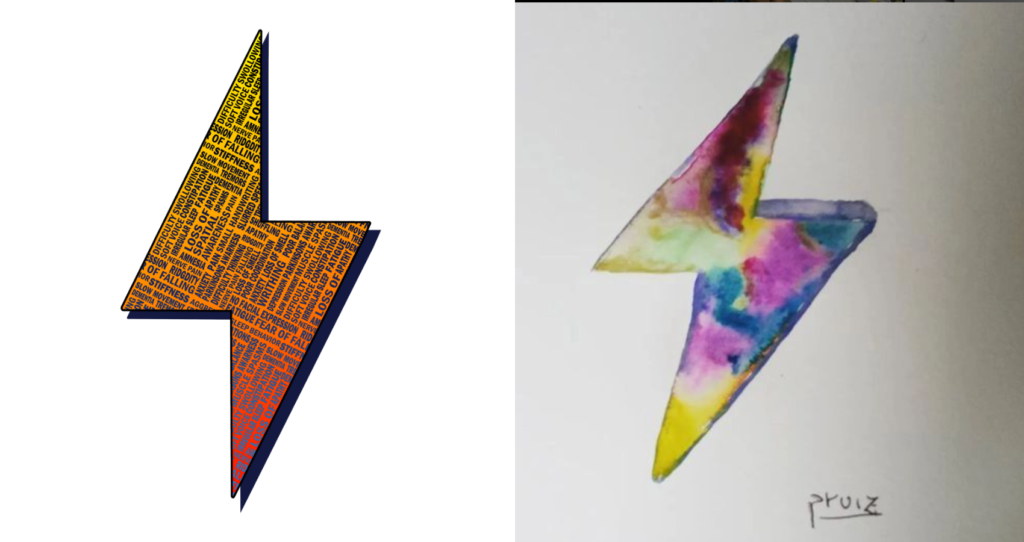
There were two winners in January. Steve Williams’ artwork saw the Spark filled with symptoms of Parkinson’s. Ultimately, a Parkinson’s spark designed with the symptoms of the disease carries profound meaning, serving as a reminder of the complexities and realities of living with Parkinson’s while also highlighting the resilience and hope within the community.
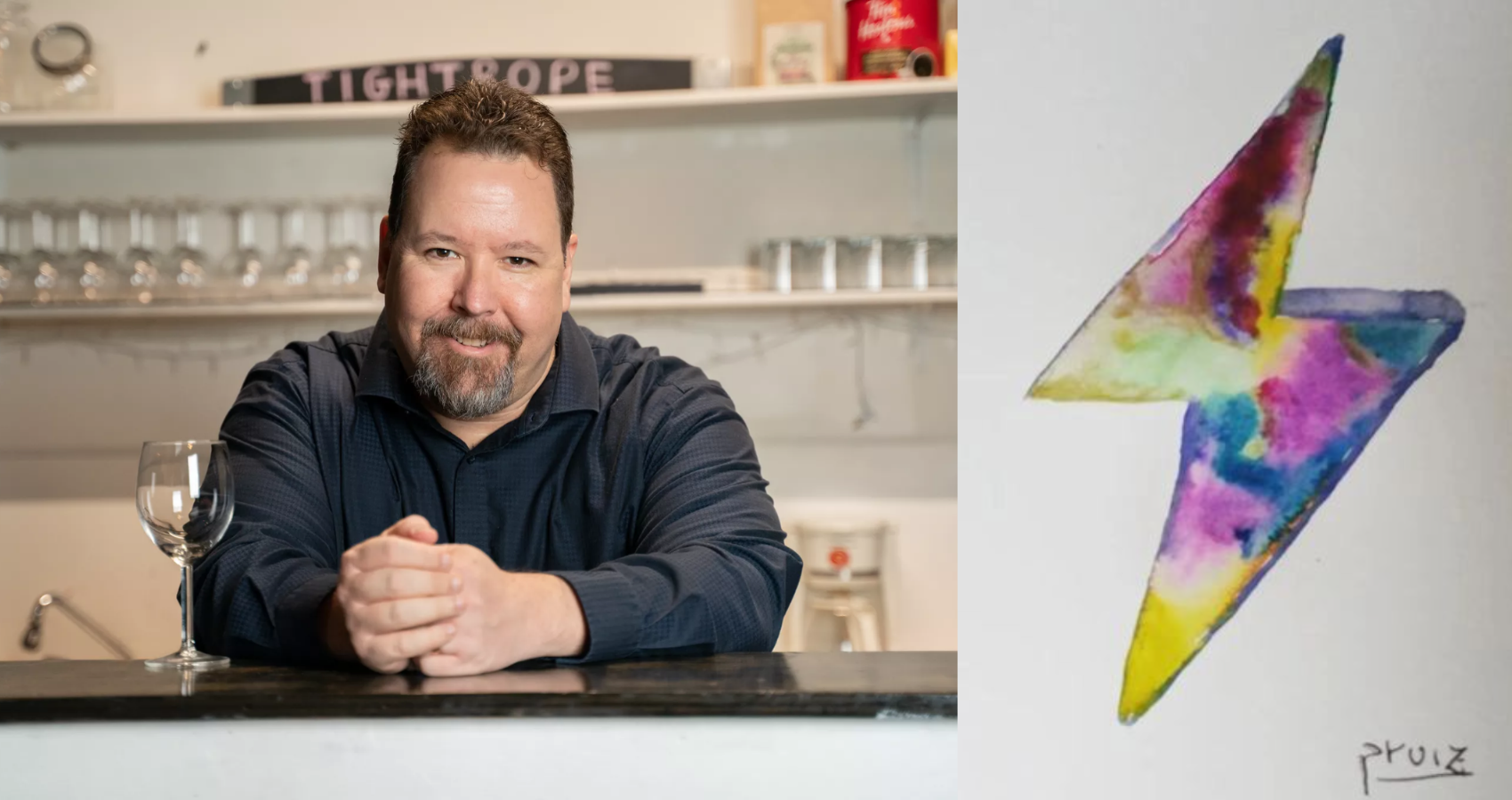
The second winner was Paqui Ruiz of Con P de Parkinson. In her work, Paqui used watercolours to create a colourful and rustic yellow, purple and blue spark with the colours bleeding into each other. To me, this image is inviting you to embrace the colourful chaos of creativity, allowing you to explore the intersections of your thoughts and feelings to spark something truly unique and beautiful.
Left: Steve Williams’ winning “symptoms of Parkinson’s” entry. Right: Paqui Ruiz’ winning rainbow watercolour entry
Why should people enter?
I can think of four reasons:
Self-expression with a twist: SparkArt isn’t just about expressing yourself; it’s like wearing a neon-coloured, polka-dotted onesie to a formal dinner party – it’s all about standing out and having fun doing it!
Stress relief, Bob Ross-style: Picture yourself painting while channelling your inner Bob Ross. It’s like giving your stress the paintbrush treatment and turning it into a masterpiece of tranquillity.
Personal growth, cartoon edition: Imagine growing as an artist the way cartoon characters evolve throughout a series – starting as a doodle and ending up as a full-blown, three-dimensional character with unexpected plot twists and lots of character development along the way.
Creative problem-solving, MacGyver-approved: Engaging in SparkArt is like being the MacGyver of creativity – turning everyday objects into art supplies, improvising solutions to artistic challenges, and saving the day with nothing but a glue stick and a dream.
So, jump into the world of SparkArt and embrace the silliness – it’s like adding an extra splash of confetti to life’s canvas.
What do winners receive?
Winning Sparks will be put on mugs, note cards and posters. The PD Avengers will make sure the winners get their choice for free!
How to enter the SparkArt Contest
Download the SparkArt template from the PD Avengers website, where you can also view other entries and check out the rules.
Complete your entry, then either upload it to a social media platform (YouTube, Facebook, Twitter, Instagram, LinkedIn, or TikTok), using the hashtag #SparkArt #PDAvengers or #Abbott, or email it to PD Avengers directly at [email protected]. Or you can post entries to PD Avengers 2593 Grant Street, Vancouver, BC Canada V5K 3G6.
The closing date for the March competition is 5pm Pacific Time, 31 March 2024.
Using technology to improve quality of life for people with Parkinson’s disease
How can innovative technology help people with Parkinson’s to better manage their symptoms? Charco Neurotech CEO Lucy Jung, movement disorder specialist Dr Alistair Mackett and Elaine Payne, who lives with the condition, share their perspectives on how the company’s CUE1 device is helping support those in the community
14 March 2024
Verity Willcocks Sponsored by Charco Neurotech
Back in 2014, five years before she co-founded UK technology company Charco Neurotech, Lucy Jung was working on a project designed to help people with Parkinson’s through tech – when she was suddenly diagnosed with a benign brain tumour.
“When you become a patient yourself, everything goes beyond what you know in the textbooks,” Jung reflects. “I was intolerant to my medication, so I struggled a lot with the side effects of my surgery.”
The experience was eye-opening: “I promised myself that if I did get out of hospital, I would make sure any research I did had a real-life impact,” she says.
In 2019, she and her team founded Charco Neurotech – a company focused on creating non-invasive technology to help improve the quality of life of people with Parkinson’s. “We thought, ‘If there is a chance that we can help people with Parkinson’s, even to a small degree, then that’s what we should do.’”
Helping people with Parkinson’s to be “ready to move”
Lucy Jung (right) and her team at Charco aim to take a patient-centric and empathetic approach to their work.
Charco’s central focus has been the CUE1, a small wearable medical device designed to help alleviate Parkinson’s symptoms. Affixed to the body in a non-invasive way, the device distributes fine-tuned vibrations that can reduce the severity of symptoms such as freezing of gait and slowness in those with the condition.
Explaining how this works, Jung says: “The device has a ‘cueing’ ability that can help with initiating and sustaining rhythmic movements. This allows the body to be in a ready-to-move status and helps reduce stiffness and rigidity.”
Launched in 2021, the device is currently being used by more than 3,000 people. User feedback suggests that the CUE1 has also helped to manage involuntary moment, posture and even sleep quality, says Jung. The device can be used on its own or linked to Charco’s CUE app – where people can set medication reminders and adjust the stimulation settings to best suit their needs.
The low-risk nature of the device is something that drew the attention of Dr Alistair Mackett, a movement disorder specialist based in Cambridge, UK. “I’ve always been interested in technology and how it can be utilised in health care,” he explains. After attending a Charco workshop and learning more about CUE1, Mackett began introducing the device in his treatment offerings for those with the condition.
He highlights that one of his patients reported “a measurable benefit” to their symptoms after using the device – without side effects. “Many people with Parkinson’s have to take a lot of medication that can have side effects, so anything that might help with that is really interesting to me,” he says.
“I have used it for people with Parkinson’s who are really struggling with symptoms – they need something else in addition to what I’m offering them,” he adds. “So while I’m not saying this is a replacement for medication, it may be a useful addition.”
“You need to find what works for you”
Elaine Payne says the CUE1 device has helped her to “smile and talk to people” again.
Charco aims to “bring smiles to people with Parkinson’s” – a reference to the common symptom of facial masking, explains Jung.
This has been a tangible benefit described by 67-year-old Elaine Payne, who runs a local support group for people with Parkinson’s in the West Midlands, UK. Diagnosed with the condition nine years ago, she recalls: “My first question was: ‘Is it terminal?’ I didn’t know anything about Parkinson’s.”
After her husband learned about Charco through social media, Payne connected with someone from the company who ended up visiting her local group to share information about the CUE1. “Around 50 people turned up – and we all applied for the device,” she explains. “Since then, [Charco representatives] have been up multiple times to check how we’re getting on, which is nice.”
Payne says she finds the device “very easy – it just buzzes away in the background” – and has noticed its impact on a range of symptoms. “It helps fine-tune your movements,” she explains. “I can smile and talk to people, my arm can swing again and my handwriting is a lot better.”
She notes that there is no one way to use the device. “We’re all different. You need to play around with the settings and find what works for you.”
For Mackett, this speaks to the complexity of Parkinson’s. “It’s such a unique condition – to date, I’ve never met people who have identical symptoms,” he says.
Looking ahead
Dr Alistair Mackett at the Charco offices in Cambridge, UK. Image credit: Dahee Han.
In light of its early successes, the team at Charco is keen to undertake more research to learn how to optimise the device for people in different stages of the condition.
“What else can the device do? How are people using it? Who does it benefit the most? And how can we use that information to help the people who are not necessarily seeing the same benefits? These are the questions we’re currently investigating,” Jung explains.
Mackett adds that the team has received approval to proceed with a CUE1 study that will help them “understand more systematically the best way to use it”.
Jung and the rest of the Charco team remain committed to having a patient-centric and empathetic approach to their work. “The CUE1 is the first step,” she says. “But there is a lot more support we can offer to people with Parkinson’s and those around them – that’s our key focus in the years to come.”
This article is sponsored by Charco Neurotech, the technology company behind the CUE1 – a wearable medical device designed to help alleviate gait impairment and support movement in people with Parkinson’s.
Parkinson’s Europe is sharing this article for information purposes only; it does not represent Parkinson’s Europe’s views and is not an endorsement by Parkinson’s Europe of any particular treatments, therapies or products.
World first as hormone study in women with Parkinson’s launches
A study by Ireland’s University College Cork will investigate hormonal fluctuations in women with Parkinson’s using the My Moves Matter App invented by Richelle Flanagan, a woman with Parkinson’s. Here, we interview Flanagan about her experiences with Parkinson’s, and her hopes that her app can help personalise care for people with the condition
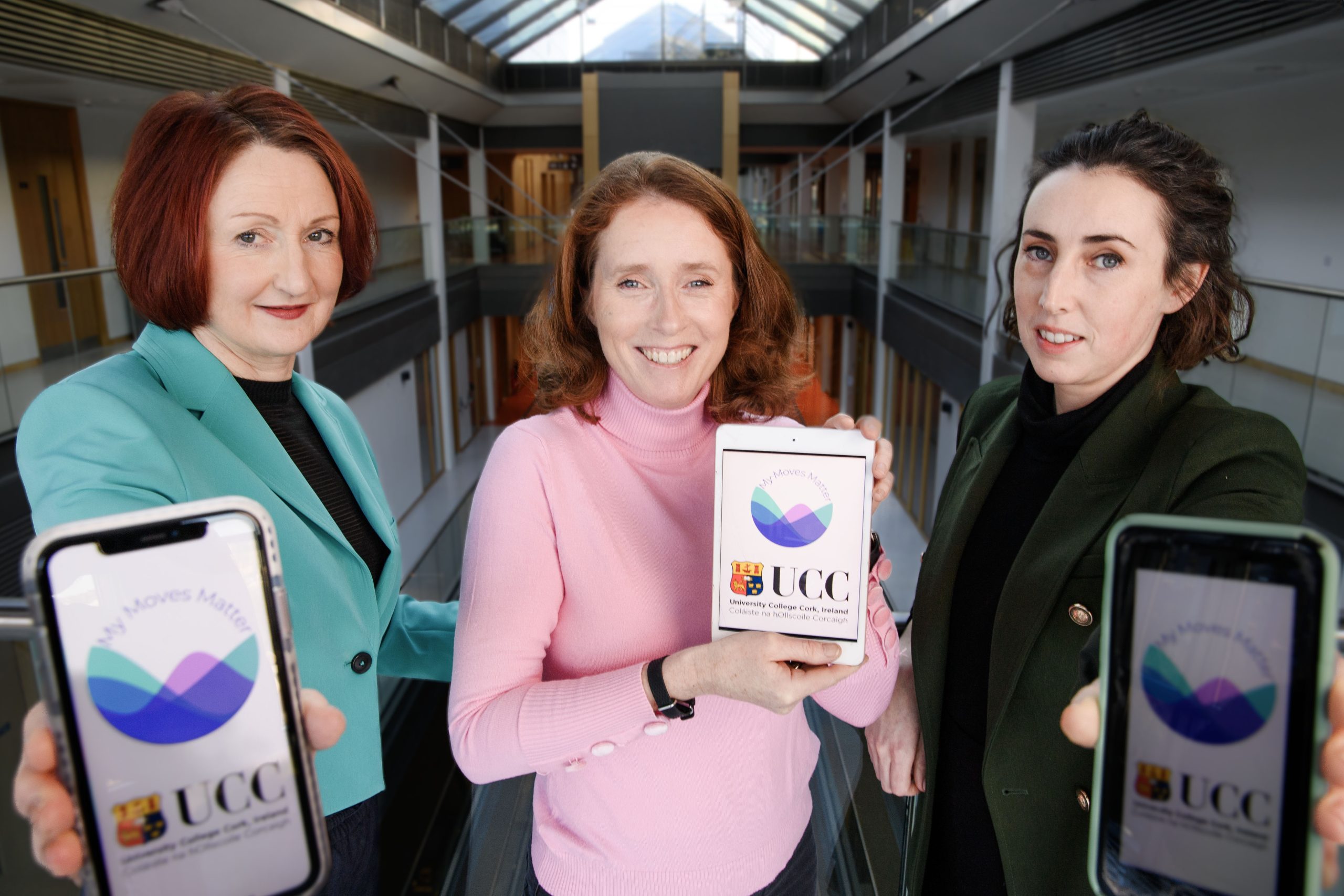
Richelle Flanagan (centre) with Professor Aideen Sullivan (left) and Research fellow Lucy Collins-Stack of the University College Cork
The impact of hormonal fluctuations on women with Parkinson’s is to be investigated in the first-ever study of its kind in the world.
The study by Ireland’s University College Cork (UCC) and led by Professor Aideen Sullivan and Research fellow Lucy Collins-Stack is being undertaken in collaboration with Richelle Flanagan, inventor of the Parkinson’s self-care app My Moves Matter, which will be used by women who take part in the study.
Supported by the Health Innovation Hub Ireland (HiHi) and Enterprise Ireland, the study will be anonymous and can be done remotely from anywhere in the world as participants can take part entirely online and through the app. Women of all ages with Parkinson’s can participate – from those who are menstruating to those who are pregnant, perimenopausal, menopausal and post-menopausal – with a view to improving care for women with Parkinson’s.
Flanagan is an Irish dietitian who was diagnosed with Young Onset Parkinson’s Disease shortly after the birth of her daughter.
The story of the app began when Flanagan noticed that her Parkinson’s symptoms worsened around the time of her period.
“My symptoms were worsening across my menstrual cycle. I have micrographia, and it also translates into typing. As a dietitian, I was working in my clinic and I would notice that my handwriting would be worse than usual and the same with typing the week before my period, so it would make it difficult to write and to type, and for my job I needed to be able to do that. The other thing is, in terms of non-motor symptoms, the fatigue would be a lot worse. Women who don’t have Parkinson’s report PMS symptoms of brain fog, forgetfulness and irritability, so I’d have all of those normal things as a woman with PMS, but then I’d have the extra burden of it affecting my Parkinson’s symptoms.”
After meeting other women with Parkinson’s at the WPC in Kyoto, and on social media, she realised that other women had also noticed their symptoms worsening before and during menstruation.
This led to Flanagan and two of her female friends with Parkinson’s, Kat Hill and Sree Sripathy, setting up the Women’s Parkinson’s Project. “We decided to do a survey of women around the world in 2021, and 80 per cent of them reported the same problem. It was a bit of an aha moment. Basically, women have been reporting that their medications don’t work as effectively either the week before or the week of their menstrual bleed.
“We hosted a webinar with Cure Parkinson’s, and there was a huge response. There were a lot of other issues, not just around the menstrual cycle. That’s where the paper, “Unmet Needs of Women with Parkinson’s” arose. I co-authored that with three neurologists: Indu Subramanian, Adrienne Keener and Elena Moro, and two other women living with Young Onset Parkinson’s, Annelien Oosterbaan and Soania Mathur. We realised we needed to have a means for women to be able to track their menstrual symptoms across their cycle, so they could basically validate what they’re feeling and be able to share this with their neurologist.”
The idea for the app was born, and it started to come to fruition when Flanagan won funding from a digital health hackathon in 2021, in which she pitched the idea of a health app which would allow women with Parkinson’s to track their symptoms over their cycle.
“We came up with what we call a neuro-friendly app design, so big buttons and the ability to log symptoms through voice, text, voice recordings, photos or videos,” she says.
Following its launch at last year’s World Parkinson Congress, the app currently has more than 800 users worldwide.
Flanagan hopes that with women recording their symptoms in real time on the app, the UCC study will finally provide proof that women’s hormones can negatively affect their Parkinson’s symptoms, so that a set of clinical guidelines can be developed and used to provide more personalised care for women in this situation.
In the long term, Flanagan hopes to secure more funding for the app to make it easier for users – male as well as female – to see patterns in their symptoms which they can relay to their neurologist, who can then adjust their treatment plan accordingly. This is something that Flanagan has personal experience of already, thanks to the app.
“I could see that my off times were coming a bit earlier, and I noticed my handwriting getting worse, so I took a photo of it, uploaded it onto the app and timestamped it and put in micrography and tagged my handwriting. Then I was able to look back, and I could see that I was going off half an hour earlier than my medication had been set. I brought that to my neurologist and was able to say, ‘Look, I’m definitely going off earlier,’ and they adjusted my medication and added an extra one in at the end of the day.
“My vision for the app is ultimately that it’ll be something that is prescribe-able to patients with Parkinson’s. It would be free to them, and they would get access to services through the app. In order to deliver therapeutics through an app you need to have evidence that it works.”
A French version of the app will be tested further during an upcoming study Flanagan is doing with Professor Elena Moro, funded by a grant from France Parkinson. For that trial, which will be run in four neurological centres in Europe, women’s symptoms will not only be tracked during the first phase, but they will be treated according to the app’s findings in a second phase.
For the current study at UCC, women will be asked to track their symptoms for four months. “That is a big ask but we hope that the app is easy enough and intuitive enough that it’ll encourage them to do it, but we ask for four months because we know that menstrual cycles fluctuate, so we need to have a few of them. The app is free to download on the Apple and Google Play Stores, and women will have to complete some surveys at the beginning and at the end. The data is anonymous, and the UCC will be analysing the findings.”
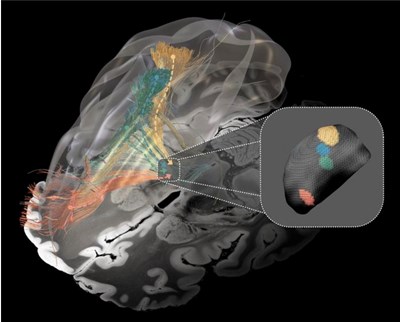
Researchers have created a map of disrupted brain networks which could make Deep Brain Stimulation (DBS) more effective in Parkinson’s and other disorders.
DBS works by implanting small electrodes into specific areas in the brain, which then emit electrical pulses to that area. When successful, it can help alleviate symptoms in those who have Parkinson’s, as well as other conditions. However, DBS is not always successful, and even small discrepancies in electrode placement can lead to it being less effective.
The researchers were led by neuroscientists Prof. Andreas Horn and Dr Ningfei Li at Charité and Brigham and Women’s Hospital. “Our goal was to better understand where in the brain possible ‘brakes’ can be released through neuromodulation to normalise the symptoms of Parkinson’s disease, for example,” says Dr Li.
The team’s research focused on the small area of the brain which is targeted in DBS: the subthalamic nucleus in the basal ganglia. They analysed data from 534 DBS electrodes implanted in 261 patients, of whom 127 had Parkinson’s, and used software to reconstruct the location of each. Computer simulation was used to map neural tracts that were activated in patients, including those who had less than optimal outcomes.
Using these results, they were able to identify specific brain circuits that had become dysfunctional in Parkinson’s, as well as three other disorders. The production of the map means that as the first step, the researchers have succeeded in localising the exact networks in the forebrain and midbrain that are crucial in treating Parkinson’s.
It is hoped that the map may help health professionals achieve more optimal results when using DBS.
Parkinson’s Europe is sharing this article for information purposes only; it does not represent Parkinson’s Europe’s views and is not an endorsement by Parkinson’s Europe of any particular treatments, therapies or products.