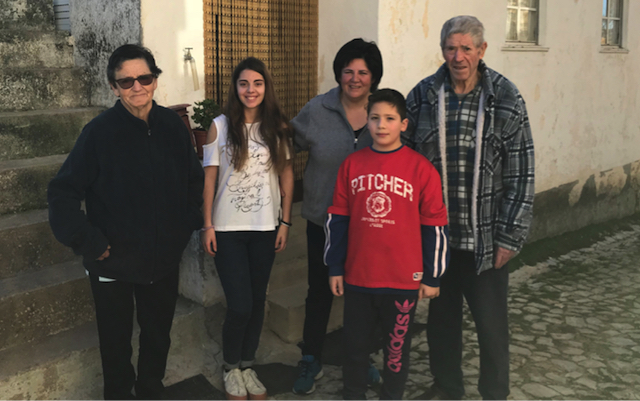
Maria Alice was only 24 when she was diagnosed with Parkinson’s. This is the story of how DBS surgery turned her life around
In 1995, Maria Alice, a cook living in Portugal, noticed that her fingers and thumbs were shaking. She had also started to have trouble sleeping. Concerned, she went to the doctor. She was only 24.
“I was a 24-year-old woman. My life was great and I had my job – I was a cook in a private school. I had friends, a social life. I went out, had fun and I just loved to dance. I didn’t know what I was expecting, but it certainly wasn’t Parkinson’s disease.”
Her reaction to her diagnosis was disbelief, then shock and denial. As the disease progressed, her tremors worsened, leaving her with difficulty walking. On top of that, her medication gave her dyskinesia, causing involuntary twitches and nervous tics. She became embarrassed to leave the house for fear of other people’s reactions. Work became impossible.
Maria says: “Bad things happen. But I still had my pride. I could choose to sit in perpetual sadness, or I could choose to treasure the most precious gift I have: life itself.”
Discovering alternative treatments
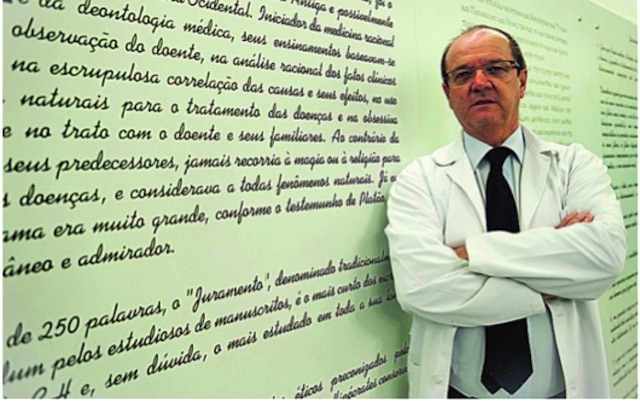
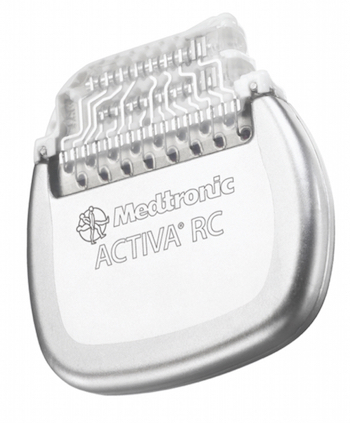
After living with her symptoms for 16 years, Maria Alice decided to seek help. She met with Professor Rui Vaz at Hospital São João in Porto, Portugal, and found, to her relief, that she was a good candidate for deep brain stimulation therapy (DBS), a treatment for the movement symptoms of Parkinson’s, including tremor, stiffness, or difficulty moving.
Professor Rui Vaz explains: “We are used to DBS having significant impact on the quality of life of patients. We see them becoming able to do normal daily activities like dressing, washing, going out, and even driving. It gives them back much of the happiness that the disease has stolen. This is why this surgery is highly rewarding.”
Maria was hopeful: “Of course, I had great hopes when the doctor explained how DBS works and how it could help.”
Taking her life back
Maria underwent the surgery in 2009. The treatment turned Maria’s life around, improving her mobility and enabling her to feel “normal” again.
She says: “The surgery exceeded my expectations. After surgery I slowly I started to get back to my old life. It was better than winning the lottery. Before, I always felt ashamed being around people without being able to control those involuntary movements, but now I can go to any place with my friends and feel normal beside them.”
“I stopped twitching, I could dress myself, I could walk and I could even dance again!”
In 2012, three years after the operation, her mobility had improved significantly and she moved to a village near Pedrogão Grande, Portugal, to help take care of her parents and their animals.
Five years later, when devastating forest fires struck the area, she was able to save her family, and prevent greater damage to their house and livestock – something she says she would have been physically unable to do before the therapy. She says: “It was all very fast and there was nobody else around. But I was able to save everything”.
Reflecting on the effect of the treatment on Maria and other people with Parkinson’s, Professor Rui Vaz says: “I believe it’s our duty to continue working together on the development of this therapy so that in the future we can treat more patients with movement disorders.”
Maria is adamant that the treatment has changed her life. She says: “When you have nearly lost so much, you learn to treasure the little things. I feel great because I have my house, my independence and I am very happy. I now look forward to the future – I hope to have peace, tranquillity and of course, some dancing.”
Parkinson’s Europe is sharing this article for information purposes only; it does not represent Parkinson’s Europe’s views and is not an endorsement by Parkinson’s Europe of any particular treatments, therapies or products.