Could Parkinson’s be diagnosed through voice recordings in the future?

A machine learning tool has correctly identified people with Parkinson’s in a US study
23 February 2024 Verity Willcocks
News

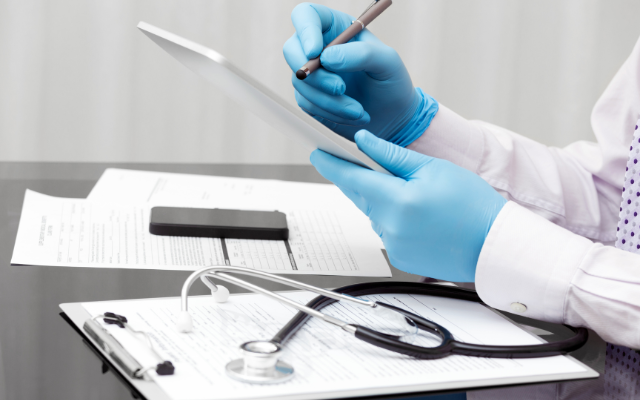
A machine learning tool that can identify people with Parkinson’s by analysing recordings of their voice could bring much-needed earlier diagnosis for those with the condition, US scientists have reported.

Although Parkinson’s is known to affect the voice, early changes are difficult for the human ear to detect.

In the study, a team of scientists from the University of Arkansas for Medical Sciences (UAMS) processed telephone voice recordings from 40 people with Parkinson’s and 41 people without the disorder. The participants had been asked to say the vowel “a” out loud for about three seconds over a digital voicemail message.

When their responses were analysed by the machine learning tool, it was able to accurately spot those with Parkinson’s with a high degree of accuracy.

In the study entitled A Machine Learning Method to Process Voice Samples for Identification of Parkinson’s Disease and published in Scientific Reports, the researchers wrote of “the potential of the proposed approach and the feasibility of using low-quality recordings for clinical applications.”

Parkinson’s Europe is sharing this article for information purposes only; it does not represent Parkinson’s Europe’s views and is not an endorsement by Parkinson’s Europe of any particular treatments, therapies or products.

Podcast: maintaining quality of life with Parkinson’s disease and sialorrhea (drooling)

In this episode of our multi-award-winning podcast, a neurologist and a person with Parkinson’s sit down to discuss sialorrhea – or drooling – and how to manage this “under-reported symptom”
21 February 2024 Laura Vickers-Green Sponsored by Merz Therapeutics GmbH
AdvicePodcasts

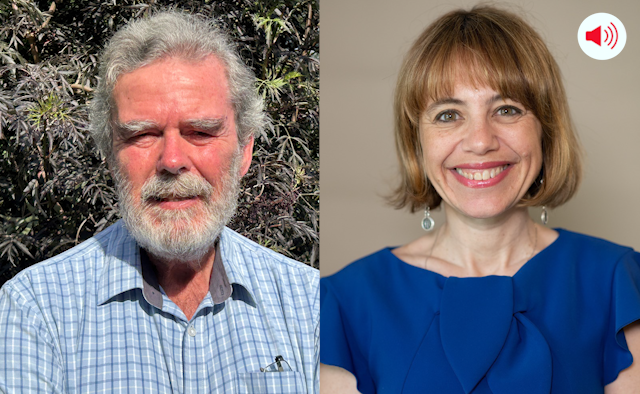
“The drooling has been with me for several years now,” says UK-based David Bateson, who was diagnosed with Parkinson’s back in 2015. “Sometimes it’s easy for me to deal with, and sometimes it’s not – it comes and goes, like the weather.”

Also referred to as sialorrhea, drooling is a common symptom experienced by many people with Parkinson’s. Joining David to discuss the symptom on an episode of the Parkinson’s Life podcast, sponsored by Merz Therapeutics GmbH, is Italian neurologist Dr Francesca Morgante.

“Sialorrhea consists of the excessive presence of saliva in the mouth that can lead to drooling,” she explains. “It can be socially embarrassing and also lead to speech and swallowing difficulties.”

While it may frequently affect people at different stages of the condition, Francesca – a neurologist based at St George’s, University of London – says that sialorrhea is “quite under-reported and also under-investigated by neurologists and other health professionals”.

Joining forces to discuss sialorrhea

Francesca has been treating David for several years. “Interestingly, when I met David for the first time,” she recalls, “he did not report the drooling to me…and I did not ask either. So, that tells us a lot about how the symptom is under-estimated and under-reported.”

Despite this, sialorrhea can impact those who experience it. “It was one of the things that directly led me to retire from work early,” reflects David. “It can undermine your self-confidence very quickly and sometimes your ability to go and earn a living.”

Keen to raise awareness of the impact that drooling can have on people with the condition, David and Francesca joined forces to tackle key questions about Parkinson’s and sialorrhea – and to share their perspectives on maintaining quality of life with the symptom.

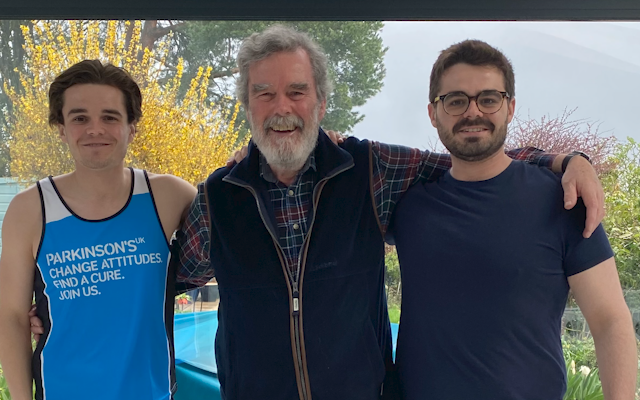
David with his sons, James (left) and Michael (right), who he mentions in the podcast.

David Bateson images credit: Anna Bateson

Parkinson’s Europe is sharing this article for information purposes only; it does not represent Parkinson’s Europe’s views and is not an endorsement by Parkinson’s Europe of any particular treatments, therapies or products.

Tai Chi can improve cognition in Parkinson’s, study finds

A new study has found that doing Tai Chi for a year improved non-motor symptoms in people with Parkinson’s
16 February 2024 Verity Willcocks
News

Tai Chi can improve cognition in people with Parkinson’s, a study has found.

In a study of 95 people with early-stage Parkinson’s in China, one group of 32 practised Tai Chi, while another group of 31 did brisk walking. Both groups did these activities for one hour twice a week over the course of a year. A control group of 32 people with the condition did not exercise.

After six months, the Tai Chi group experienced lessened non-motor symptoms, including less daytime sleepiness, than the non-exercising control group. And after a year, the Tai Chi group was found to have improved cognition, as measured by the Parkinson’s disease cognitive rating scale, when compared to the non-exercising group.

“Enhanced brain network function, reduced inflammatory and oxidative stress biomarkers, and the chance of decreasing the vulnerability of dopaminergic neurons to neurodegeneration might be the possible mechanisms of Tai Chi’s beneficial effects on non-motor symptoms,” the researchers from Ruijin Hospital, Shanghai Jiao Tong University School of Medicine and other Shanghai-based medical institutes wrote in their study entitled Tai Chi Improves Non-Motor Symptoms of Parkinson’s Disease: One-Year Randomized Controlled Study with the Investigation of Mechanisms. The report was published in the journal Parkinsonism & Related Disorders.

Tai Chi has previously been found to improve motor symptoms by improving balance and reducing falls, as well as improving gait and posture.

Parkinson’s Europe is sharing this article for information purposes only; it does not represent Parkinson’s Europe’s views and is not an endorsement by Parkinson’s Europe of any particular treatments, therapies or products.

Scientists propose new model for detecting Parkinson’s

Scientists in Canada propose that their new model focusing on biological factors should drive research
09 February 2024 Verity Willcocks
News

Canadian scientists have proposed a new model for detecting Parkinson’s which focuses on biological factors rather than observations of motor symptoms.

Scientists from the Krembil Brain Institute at the University Health Network in Toronto, Canada, made the proposal for the new model, called ‘SynNeurGe’, in a recent article published in Lancet Neurology.

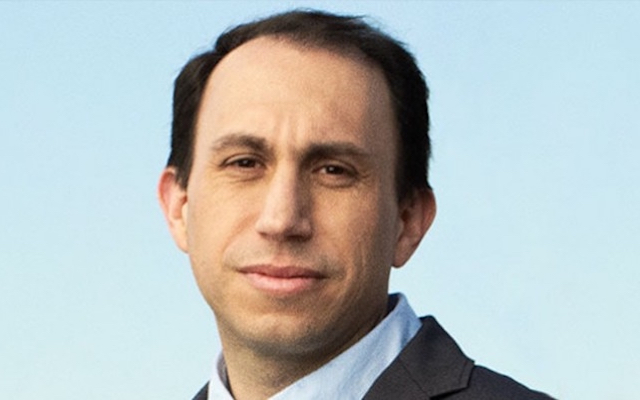
Dr Anthony Lang, neurologist & senior scientist at UHN’s Krembil Brain Institute in Toronto is leading an international team proposing a new, biologically based model for classifying Parkinson’s disease © UHN’s Krembil Brain Institute

Dr Anthony Lang, a neurologist and senior scientist at the Krembil Brain Institute, who led the research team, says: “We know Parkinson’s exists in the brain for one to two decades, or longer, before the clinical manifestations present, so, we believe current research must be driven by biological determinants of the disease, rather than limited clinical descriptions of its signs and symptoms.”

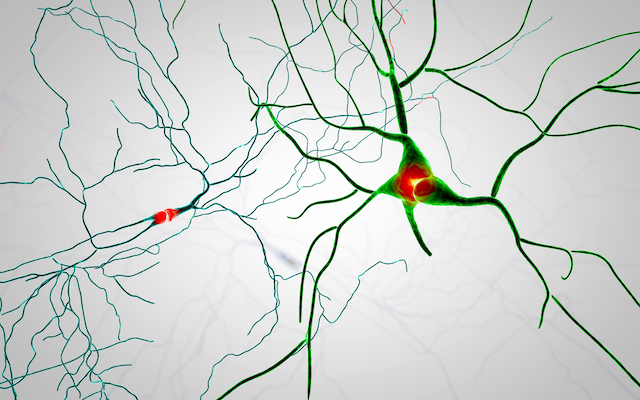
Instead, tests that can detect biomarkers underpin the proposed new model. For instance, there is now a test which can indicate the build-up of the protein α-synuclein which leads to neuron degeneration in people with Parkinson’s.

The SynNeurGe model emphasises the important interactions between three biological factors that contribute to Parkinson’s:

  • the presence of pathologic α-synuclein in the brain (S);
  • evidence of neurodegeneration, which occurs as the disease progresses (N); and
  • the presence of gene variants that cause or strongly predispose a person to the disease (G).

According to the team, this “S-N-G” classification system better accounts for the biological heterogeneity of Parkinson’s and the many ways in which it can present.

“We need to recognise that Parkinson’s can differ dramatically between patients,” explains Dr Lang. “We are not dealing with a single disorder. Our model provides a much broader, more holistic view of the disease and its causes.”

Cautioning that the model is currently intended for research purposes and is not yet ready for use in clinic settings, Dr Lang outlined his hopes that such a model would help to focus research.

“Without looking at the biology, you can’t get answers. And without answers, we won’t have much-needed breakthroughs in Parkinson’s,” he says.

Parkinson’s Europe is sharing this article for information purposes only; it does not represent Parkinson’s Europe’s views and is not an endorsement by Parkinson’s Europe of any particular treatments, therapies or products.

“A lot of people still don’t know what Parkinson’s is – especially in Denmark”

We speak to the founder of our latest Member Organisation, Elisabeth Ildal, about her charity Cure4Parkinson, table tennis, and her political ambition
08 February 2024 Laura Vickers-Green
Stories

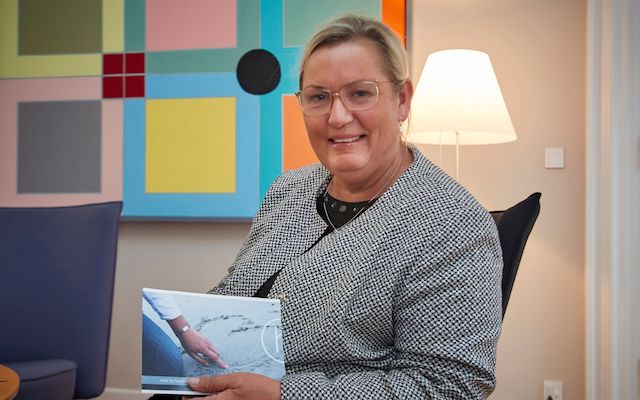
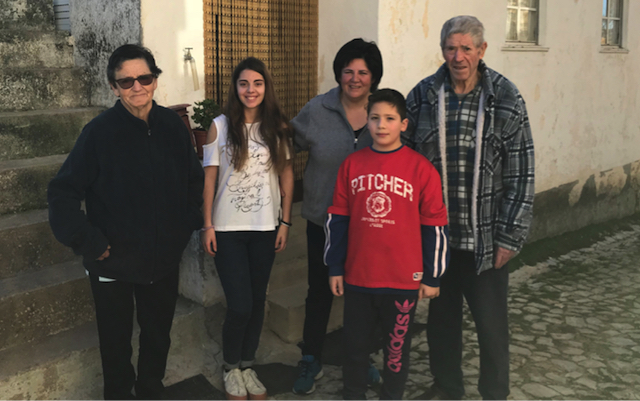
It was three and a half years after diagnosis in 2013 that Elisabeth Ildal, now 64, decided to found Danish Parkinson’s organisation Cure4Parkinson. After attending the World Parkinson Congress in Portland, Oregon, in the US in September 2016, she spent a few weeks at an exercise rehab centre in Montebello, Spain.

“In three weeks, I improved my level of function 22%. I was totally convinced that there was something about training that helped Parkinson’s, so in November when I came home, I founded Cure4Parkinson because I wanted to help.”

A keen table-tennis player since she was 13 – and now a World Parkinson’s Table Tennis Championships medallist – Ildal decided in 2016 to open Denmark’s first private exercise centre just for people with Parkinson’s. “It was really fantastic. People with Parkinson’s can do fitness, table tennis, boxing, biking. Now the Centre has moved to Rudersdal, another district of Denmark. It is run by Peter Zimmerman and Rachid Haj, and we renamed it the Rudersdal Neuro Table Tennis Centre. There is table tennis Monday and Thursday, and they have fitness, boxing and yoga Monday and Wednesday.”

Elisabeth wearing the medals she won at the World Parkinson’s Table Tennis Championships in Crete, Greece, in November 2023

There is a social side too. “They have coffee and cake; they’re also having Christmas parties and summer parties,” says Ildal.

Ildal hopes that, in the future, there will be enough resources to open the centre to people with other neurological conditions, such as Alzheimer’s.

Ildal outlines what she and the other four Cure4Parkinson board members and their helpers do as an organisation. “We put on events, we go to meetings with politicians, we aim to increase awareness because a lot of people still don’t know what Parkinson’s is – especially in Denmark,” she says. “We held a concert on 27 November for Light of Day 2023 in Copenhagen, collecting money for research.

“In Denmark, we have a little sunshine island called Bornholm. Once a year, there is a meeting where all the politicians come to the island – it’s a big event, so we go there. I write a lot to the media and talk with politicians, and I try to make my own city council listen.

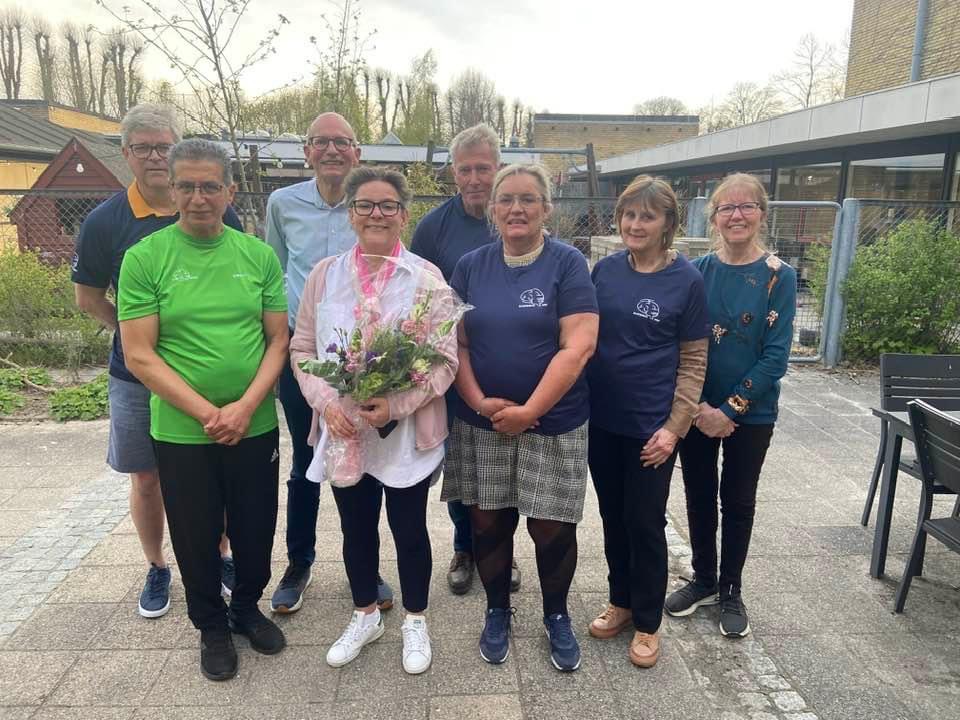
The mayor of Rudersdal Ann Sofie Orth (front row, centre) visits Elisabeth and her fellow board members and exercise trainers Rachid Haj (front, left) and Peter Zimmermann (back row, second from left) at the Rudersdal Neuro Centre

“Cure4Parkinson is also campaigning for rehab centres and table tennis to be available to people with Parkinson’s on prescription. We help where we can: we have just donated a table-tennis table to Sano in Denmark, which is an expert rehab centre for people with Parkinson’s,” says Ildal.

Believing that there’s power in numbers, Cure4Parkinson has recently joined Parkinson’s Europe as a member as well as the Danish Parkinson Association.

Ildal is also running for the European Parliament this summer – if successful, Parkinson’s would be one of her priorities. “For me, running for this is a platform to talk about Parkinson’s. That is what my motivation is – so that I can have a platform to talk about Parkinson’s and table tennis.”

Deep Brain Stimulation access needs improvement, Parkinson’s Europe survey finds

A Parkinson’s Europe survey run in partnership with Medtronic found delays in DBS treatment for people with Parkinson’s and a shortage of information
02 February 2024 Verity Willcocks
Insights

Findings of a Parkinson’s Europe survey looking into accessibility to Deep Brain Stimulation (DBS) for people with the condition in Europe suggest that there is room for improvement.

A survey supported by and developed in partnership with Medtronic collected 1642 responses, of which 1601 were from people in the UK, France, Italy, Germany, Spain and Portugal or elsewhere in Europe. Approximately 14 per cent of the total (229 respondents) had had DBS. Of these, more than 75 per cent were satisfied with their treatment and 85 per cent would recommend it to others.

However, the survey found that more than a third (35 per cent) of respondents who had had the treatment had been on a waiting list for it, while 83 per cent said their referral had taken between one to twelve months.

DBS is usually not considered until four years after a person has been diagnosed. However, according to the survey, more than three quarters of those who had had DBS had it more than seven years after diagnosis, suggesting a delay in referral and/or treatment.

Of the remaining 86 per cent (1413 respondents) who had not had DBS, just over a third (34 per cent or approximately 480 people) of them had discussed using device-aided therapies (DATs) with a healthcare professional – in most cases, a neurologist. These discussions were taking place at least four years after diagnosis, and DBS was the DAT discussed the earliest.

Those who had not had DBS – including those who had talked about it with a healthcare professional – said they were concerned about the possibility of the treatment having side effects, of it being ineffective, the possibility of surgical complications, and not having enough information about it.

Finding out how much people with Parkinson’s know about DBS was another aim of the survey. A question asking if those who had not had DBS would consider it yielded mixed responses, suggesting that people with Parkinson’s may not have enough information about the treatment.

Just over 300 would say yes to having DBS now either with or without hesitation, while around 400 would say yes either with or without hesitation in the future. But a larger proportion (around 450 people) said they would ‘possibly’ consider it in the future and around 300 would ‘possibly’ consider it now. These tentative responses suggest that people either lack sufficient information or have not been spoken to about it by their healthcare professional. Just over 200 people said they would never consider it.

The survey took place from 26 September 2022 to 5 February 2023. Its findings were analysed by researchers overseen by Professor Anette Schrag at the University of London. 89.7 per cent of the respondents were over 55 years old; 50.06 per cent were male, and 49.5 were female, with the remainder preferring to self-describe.

Read the full survey insights on our Our Latest Insights page

Parkinson’s Europe is sharing this article for information purposes only; it does not represent Parkinson’s Europe’s views and is not an endorsement by Parkinson’s Europe of any particular treatments, therapies or products.

Is home-based care coming for people with Parkinson’s in the UK?

Positive findings for the Home Based Care programme created by University Hospitals Plymouth NHS Trust and the University of Plymouth
26 January 2024 Verity Willcocks
News
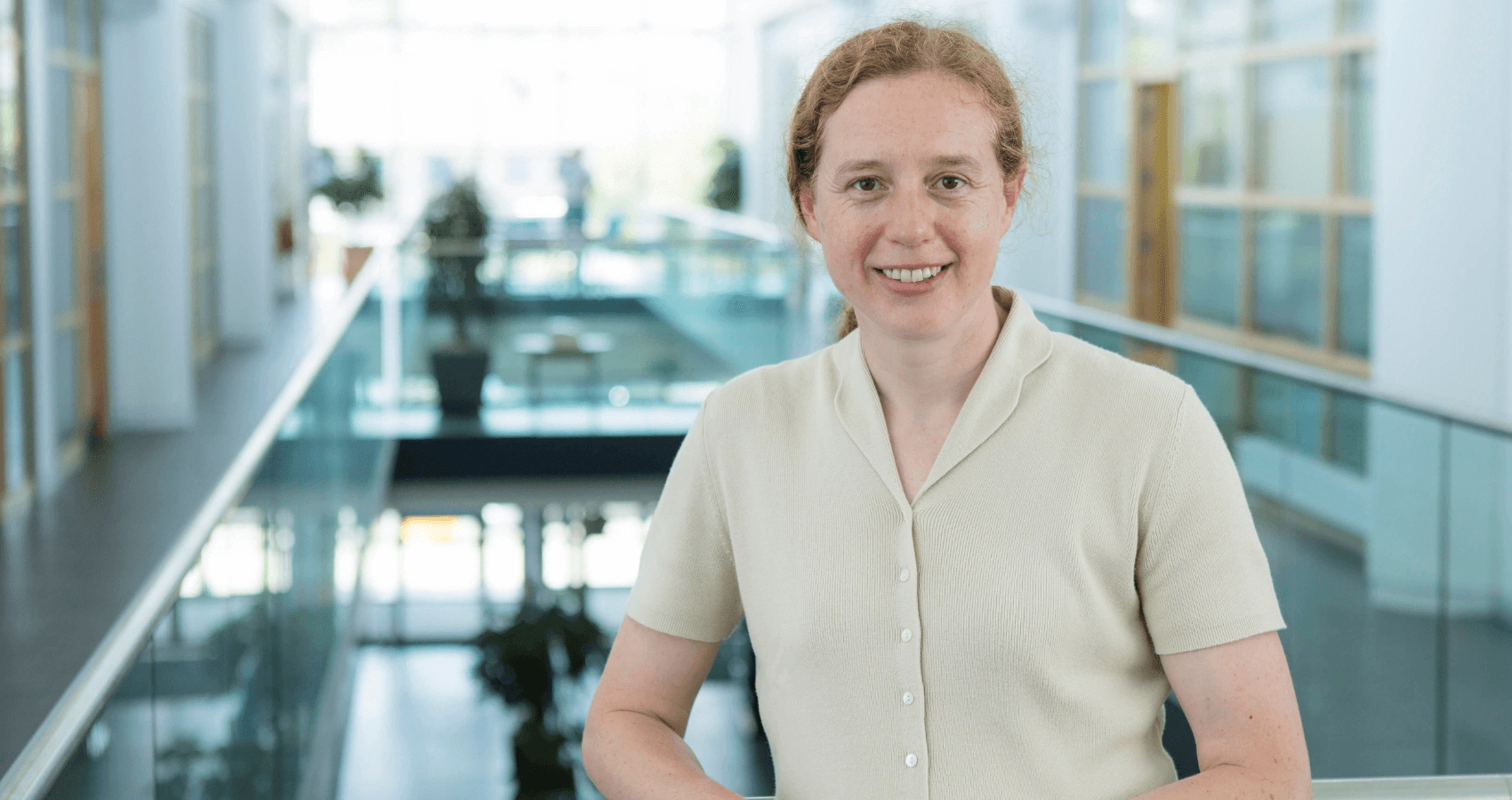
Professor Camille Carroll

A pioneering Parkinson’s programme where people with the condition are supported in managing and monitoring their symptoms at home may be introduced throughout the UK.

Researchers found that people’s symptoms were stable, they felt more listened to by – and able to seek help from – health professionals and reported a far greater sense of autonomy and empowerment than they had under previous treatment plans after six months on the new Home Based Care programme created by researchers from the University of Plymouth and the Department of Neurology at University Hospitals Plymouth NHS Trust in southwest England.

The quality of care provided to patients was also found to have met 93 per cent of the national audit standards developed by Parkinson’s UK, which supported the programme’s creation along with The Health Foundation.

Based on the findings, which have been published in a study entitled Real-World Evaluation of the Feasibility, Acceptability and Safety of a Remote, Self-Management Parkinson’s Disease Care Pathway: A Healthcare Improvement Initiative by Kehagia, Carroll et al in the Journal of Parkinson’s Disease, the team behind the programme say they are exploring ways in which the NHS can roll it out nationally, thanks to funding from NHS England’s Digital Health Partnership Award.

Launched in 2019, the Home Based Care pathway combines at-home monitoring using wrist-worn sensors with support and information on how to recognise and manage different Parkinson’s symptoms, as well as allowing people to reach out to healthcare practitioners for support when they need it. It was guided throughout by discussions with people living with Parkinson’s, their families and carers, to ensure it meets their needs and priorities.

The current study is based on health checks and feedback received from 100 patients being treated by the Parkinson’s service within the Department of Neurology at University Hospitals Plymouth NHS Trust.

Professor Camille Carroll, Professor of Clinical Neuroscience at the University of Plymouth and Newcastle University, Honorary Consultant Neurologist at University Hospitals Plymouth NHS Trust and Joint Clinical Director of the Parkinson’s Excellence Network, is the project lead and senior author on the new study.

She said:

“There is currently a significant unmet need for effective and efficiently delivered care for people living with Parkinson’s. Through this new care pathway, we have shown the benefits of empowering people with knowledge and understanding of their condition. These benefits are felt not only by the people with Parkinson’s and their partners, but also the healthcare teams and organisations providing their care. With support from NHSE Transformation, we are now creating a digital version of this care pathway, which we hope will eventually enable it to be made available through Parkinson’s services across the UK.”

Parkinson’s Europe is sharing this article for information purposes only; it does not represent Parkinson’s Europe’s views and is not an endorsement by Parkinson’s Europe of any particular treatments, therapies or products.

“Major step” in Parkinson’s research as new staging framework announced

Leading scientists and patient organisations have worked together to release a research framework for defining and staging Parkinson’s based on biology, rather than clinical symptoms. The impact of this framework could accelerate research, improve the development of new drugs and help diagnose Parkinson’s before physical symptoms emerge.
25 January 2024 Laura Vickers-Green
News

An international working group of Parkinson’s experts and patient organisations has proposed a significant new research framework that – for the first time – stages Parkinson’s and defines it based on its underlying biology.

This new framework has been published in a paper in the January issue of The Lancet, after being developed by the Critical Path for Parkinson’s Consortium (CPP), which was founded by the Critical Path Institute and Parkinson’s UK, with collaboration from organisations including The Michael J Fox Foundation and Parkinson’s Europe.

What is the new Parkinson’s framework?

The new proposal outlines how two medical tests could be used to accelerate research by more accurately identifying Parkinson’s in clinical trials. The two tests are:

  • a new test that can identify a protein called alpha-synuclein (which Parkinson’s causes to clump together, damaging the brain) in spinal fluid taken via a lumbar puncture – making this test the earliest known indicator of Parkinson’s
  • a brain scan called a DaTSCAN that can tell if there is a lack of a chemical called dopamine in the brain, another crucial sign of Parkinson’s

Importantly, both tests can help to identify Parkinson’s in people even before symptoms emerge, which The Michael J Fox Foundation describes as a ‘paradigm shift after nearly two centuries of relying on outward, primarily movement-based symptoms’ to detect the condition.

This new biological framework for Parkinson’s can then be used in a system for staging the disease that accounts for Parkinson’s risk, diagnosis, and functional impairment ranging from slight to severe. A person’s Parkinson’s “stage” is based on a combination of their genetic risk factors and the results of the two tests above (i.e the presence of alpha-synuclein in the spinal fluid, and depleted levels of dopamine in the brain).

Accelerating research

While this new staging system isn’t being used for Parkinson’s treatment just yet, the framework will help with clinical trials. Claire Bale from Parkinson’s UK explains how:

‘A huge challenge for Parkinson’s clinical trials is that the condition is currently diagnosed and monitored based on symptoms which can vary from person to person, and from hour to hour.

For trials to be successful, it is important that the right people are identified to take part, and that we can measure whether the treatment has the desired effects.

Having tests that can tell us what is happening inside the brain has the potential to revolutionise clinical trials. They will allow us to select the right people and better measure the potential of the treatment under investigation.’

Being able to begin clinical trials in people with Parkinson’s who aren’t even showing physical symptoms yet could ultimately lead to therapies that prevent the onset of those symptoms entirely.

Just the beginning

This new framework is an exciting milestone for Parkinson’s, but members of the Critical Path for Parkinson’s Consortium view it as the starting point in an ongoing effort to develop the scientific knowledge that will help to identify, treat and ultimately cure Parkinson’s.

Peter DiBiaso, co-author of the paper and member of The Michael J Fox Foundation’s Patient Council, says:

‘It’s still early, but this framework will have an immediate impact in terms of how we’re designing clinical protocols and optimising research that can lead to better treatments that patients are waiting for. We know there’s a lot of work to be done, but this is the most important first step the field can take together to rapidly advance breakthroughs for patients and families.’

Professor David Dexter, Director of Research at Parkinson’s UK, says

‘This initial framework is just the beginning. These two tests are a great start but there are lots of exciting advances happening in this field at the moment… The ultimate goal is to accelerate the development of new treatments that can transform the lives of people with the condition.’

And finally, Tanya Simuni, MD< – lead author of the research paper and director of the Parkinson’s Disease Movement Disorders Center at Northwestern University – says:

‘Our shared hope is that this new framework will foster innovation in clinical development, making trials more efficient and streamlining regulatory review… The success that the Alzheimer’s field has had with its biological framework provides the inspiration and motivation to achieve similar accelerated timelines in Parkinson’s. Ten years from now, we hope we will look back and say this framework was the key that finally opened the door to next-generation treatments in Parkinson’s.’

Read the full research paper on The Lancet

Scientists develop new test for early Parkinson’s detection

US scientists have developed a test which can detect abnormal clumping of proteins in the brains of people with Parkinson’s
19 January 2024 Verity Willcocks
News

Researchers in the US have developed a test which can detect the abnormal clumping of alpha-synuclein proteins that occurs in the brains of people with Parkinson’s.

Scientists from the Brigham and Women’s Hospital, the second largest teaching hospital of Harvard Medical School in the US, and Harvard’s Wyss Institute discovered that their test was able to spot very small amounts of clumped alpha synuclein.

They believe that not only could this help diagnose Parkinson’s, but it could detect it at an earlier stage, before symptoms are present. The results have been published in their study Toward the Quantification of [Alpha]-Synuclein Aggregates with Digital Seed Amplification Assays in American scientific journal PNAS.

The corresponding author of the study, David Walt PhD, of the Department of Pathology at the Brigham and a Core Faculty member at the Wyss Institute, said: “This work is an important step toward our goal to develop a method to detect and quantify a key marker of Parkinson’s disease to help clinicians identify patients much earlier, and thus keep Parkinson’s and related neurodegenerative disorders much more effectively at bay.”

Parkinson’s Europe is sharing this article for information purposes only; it does not represent Parkinson’s Europe’s views and is not an endorsement by Parkinson’s Europe of any particular treatments, therapies or products.

4 women in the Parkinson’s community who inspired us in 2023

10 January 2024 Verity Willcocks
Stories

The world of Parkinson’s is full of inspiring people. Here we highlight four women who are improving the lives of others.


We discovered a lot of wonderful people in the Parkinson’s community last year – from filmmakers to fitness leaders, podcasters to poets – and people’s dedication, creativity and resourcefulness never ceases to inspire us. Women role models in the community are particularly important, as despite there being millions of women with Parkinson’s in the world, their needs are often neglected, and their experiences frequently go unheard.

Here are four pioneering women we discovered making a real difference to the Parkinson’s community in 2023:

Mime over matter: “I aim to live life fully”

Retired teacher and artist Barbara Salsberg Mathews.
Barbara Salsberg Mathews.

After finding out she had Parkinson’s, former teacher, mime performer and artist Barbara Salsberg Mathews began to use mime to help her overcome symptoms such as arm weakness which meant that she would spill drinks, and poor gait. And instead of focusing on her own battle with the condition, she decided to share these tricks with other people with Parkinson’s.

“When teaching, I use three techniques. I focus on fine motor skills so that people can learn how to control and isolate every part of their body, including their faces. Then, imagery is very important to help override any mental resistance. And the last technique I use is motor memory. It’s through repeating motions over and over again that the brain remembers.”

Read about Barbara Salsberg Mathews

“We opened the door for people with Parkinson’s to be seen and heard”

Parkinson’s Europe co-founder, Lizzie Graham.

This year saw Parkinson’s Europe’s Lizzie Graham win a very much deserved Robin Elliott Award for Distinguished Contribution to the Parkinson Community at the World Parkinson Congress in Barcelona. One of four winners to be honoured with the award, it was a fitting tribute to Lizzie’s 34 years of tireless work to improve the lives of people with Parkinson’s across Europe and beyond. A true inspiration, she has played a central role in Parkinson’s Europe’s successes and achievements.

Read more about Lizzie Graham.

“I hope this campaign will bring people with Parkinson’s together”

Tania Park
Photo credit: Gerwyn Roberts

When Parkinson’s Africa launched ‘23 in 23’, an awareness and fundraising campaign to encourage the Parkinson’s community to take up a fundraising challenge or fun activity, its new CEO Tania Park set an inspiring example by completing 23 personal challenges to raise 10 per cent of the fundraising target.

These included climbing the Rila mountain range in Bulgaria, competing in walking football tournament the Cure Parkinson’s Cup (and being on the winning team), and climbing North Africa’s highest peak, Mount Toubkal.
“I hope the campaign will bring the global Parkinson’s community together, empower people to feel a sense of accomplishment and raise money that can be used to help Africans affected by Parkinson’s – whether it be used to provide free medication, support or care,” said Tania.

Read about Tania Park.

“The earlier you can start exercising from diagnosis, the better”

A close-up portrait of Stephanie Wallis

For over 21 years, Stephanie Wallis has worked in rehabilitation fitness. After witnessing the benefits exercise can give people with a health condition, she set up UK-based organisation, Stepping Stones Health and Well-being. She now helps people with Parkinson’s improve their physical and mental fitness and quality of life through exercise – all in a friendly and supportive environment.

“I had seen first-hand the benefits that exercise can have, especially for people with Parkinson’s. I wanted to provide classes that people could feel comfortable in, knowing they wouldn’t have to worry about whether they were able to do an exercise or not. I wanted to create a setting where people could meet others going through similar experiences and offer support to one another.”

Read about Stephanie Wallis


Read more:

International Women’s Day: “Everyone benefits from raising awareness”

Director of Clinical Development at Cure Parkinson’s awarded MBE

Dr Richard Wyse of Cure Parkinson’s has been made an MBE in the King’s New Year’s Honours List
09 January 2024 Verity Willcocks
News

The Director of Clinical Development at Cure Parkinson’s , Dr Richard Wyse, has been awarded an MBE in the King’s New Year’s Honours List.

Dr Wyse has received the honour for services to medicine in Parkinson’s disease.

Since Dr Wyse joined Cure Parkinson’s in 2007, he has created the International Linked Clinical Trials (iLCT) programme, which is considered to be ground-breaking in transforming how neurological research is carried out.

Its aim is to accelerate the development of new treatments with the potential to slow, stop or reverse Parkinson’s. Now run in partnership with Van Andel Institute in the US, it focuses on trialling drugs that have potential disease-modifying properties, many of which are already in use to treat other conditions. These are then evaluated and ranked by a committee of world-leading Parkinson’s specialists convened by Dr Wyse.

Since its creation, the iLCT has completed 20 clinical trials of new potential treatments for Parkinson’s, with 21 more trials ongoing, and many more in the pipeline.

Dr Wyse has also been instrumental in inspiring the first multi-arm trial in Parkinson’s, which commenced in Australia in 2020. Furthermore, on a voluntary basis, he regularly advises research-based organisations dealing with other neurodegenerative conditions.

Helen Matthews, CEO of Cure Parkinson’s, said: “We are so delighted that Richard’s vision, hard work, creative thinking, scientific skill and sheer determination to find a cure has been so deservedly recognised. His contribution to the field of Parkinson’s research is completely unique and has inspired so many. Congratulations, Richard!”

Parkinson’s Europe is sharing this article for information purposes only; it does not represent Parkinson’s Europe’s views and is not an endorsement by Parkinson’s Europe of any particular treatments, therapies or products.

Dutch scientists call for stricter testing of pesticides

A group of Dutch scientists have released an article calling for all pesticides to be tested to ensure they're not dangerous to our health or the environment
06 January 2024 Verity Willcocks
News

Scientists including Professor Bas Bloem of Radboud University Medical Center, as well as researchers from the Netherlands Institute for Neuroscience and the Dutch National Institute for Public Health and the Environment are calling for all pesticides to undergo strict tests to find out if they are safe to use or not. Although there is increasing evidence that pesticide exposure may play a role in the development of Parkinson’s, this has not been proved.

In an article entitled Towards Improved Screening of Toxins for Parkinson’s Risk, published in December in npj Parkinson’s Disease, the scientists proposed that both existing and new pesticides undergo a four-stage testing process to test their safety.

They propose that database research must first be carried out to show whether there are indications that a substance could damage brain cells. If so, the next stage is for laboratory research to test the effects of the pesticide on brain cells. If researchers find indications of undesirable properties in those experiments too, they must test the substances in animal species that bear little resemblance to humans, such as worms or flies. The final step involves exposing mice and rats to the pesticide.

One of the article’s authors, Prof. Bloem, said: “We are still largely in the dark about the safety of these drugs. The current admission criteria for pesticides provide insufficient insight into the risk of Parkinson’s and other brain diseases. We now propose a clear plan of action to properly assess safety.”

The researchers are now entering into discussions with industry and regulatory authorities to take their proposals forward.

The news comes after the European Commission consented to the use of the pesticide glyphosate for a further 10 years in November.

Parkinson’s Europe is sharing this article for information purposes only; it does not represent Parkinson’s Europe’s views and is not an endorsement by Parkinson’s Europe of any particular treatments, therapies or products.