Falls and Parkinson’s at a glance
Key causes: movement and posture issues, low blood pressure, eye problems, hazards around the home
Treatment and support: physiotherapist, occupational therapist, podiatrist
Falls can happen for a number of reasons, and many can be prevented with the right support and adjustments.
Not everyone with Parkinson’s is susceptible to falls, although statistically people with Parkinson’s are more likely to fall over than people without this condition.
Some people with Parkinson’s find their pattern of walking (gait) changes. For example, you may walk more slowly, shuffle, or experience freezing, when you stop and are unable to move for a few seconds. These changes in walking pattern can affect your balance and make falls more likely, particularly as Parkinson’s progresses.
Falls tend to happen most when movement changes suddenly, for example when you turn around, or when you do more than one thing at a time, such as carrying an item whilst walking.
Falling can happen in any direction. Falls forwards are common, but people with Parkinson’s may also fall backwards or sideways, particularly when turning, stepping back, or lowering themselves into a chair. Sideways falls carry a higher risk of hip fracture.
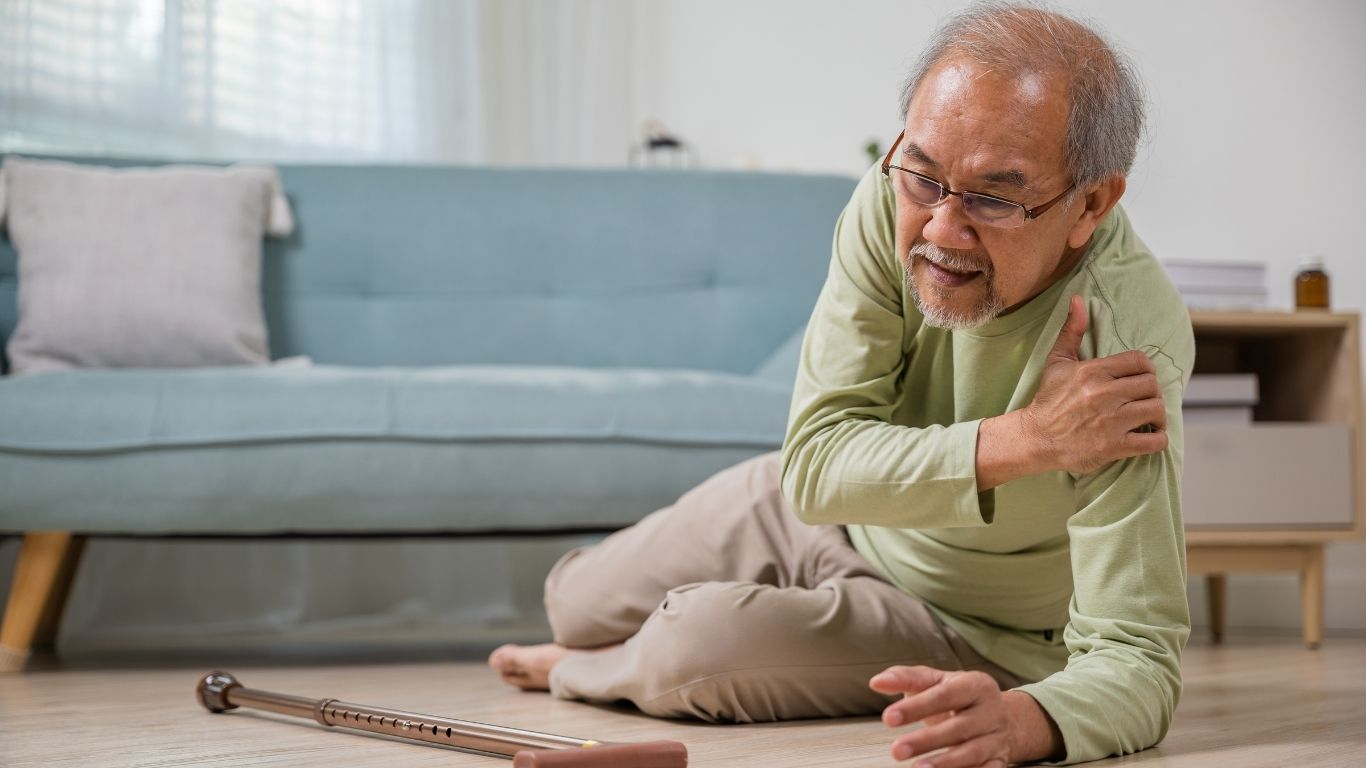
Falls can lead to bruises, cuts, or even fractures and broken bones, so it is important to be aware of the likely causes of falls and understand how to minimise the risks.
People with and without Parkinson’s may be more susceptible to falls if they have limited movement, are old or frail, have dementia or depression or if they take medications that cause drowsiness.
On this page you can find information about why people with Parkinson’s may fall, and how to prevent and reduce the risk of falling at home and when out and about.
What causes falls in Parkinson’s?
Poor balance (postural instability) and freezing are probably the most common causes but there may be many contributing factors to why people with Parkinson’s may fall.
Movement and posture issues:
- Stooped posture – the stooped posture that often occurs as Parkinson’s progresses increases the risk of falling forwards.
- Postural instability and balance – Parkinson’s affects the area of the brain that controls walking and helps to adjust your balance. This means you may struggle to quickly adjust position and save yourself from falling, or maintain balance when you shift your weight. For example, you may be unable to put your arms out to balance yourself when walking, or take an additional short step to avoid falling when tripping.
- Rigidity, which can be a symptom of Parkinson’s can cause muscle stiffness and make walking more difficult.
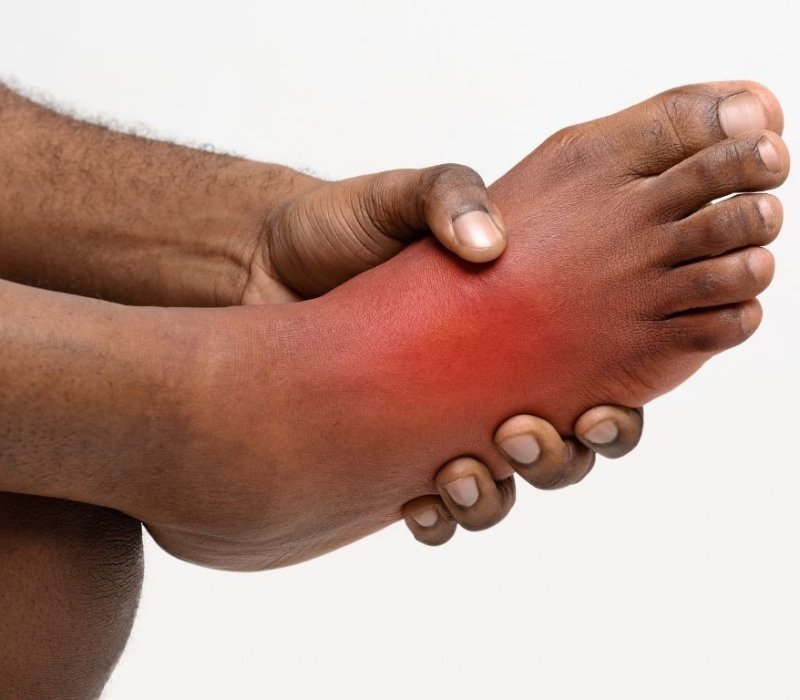
- Dystonia (involuntary muscle spasms) can also affect the toes and feet, placing the person at greater risk.
- Freezing of gait – freezing (when you involuntarily suddenly stop walking or are unable to initiate a movement as your feet feel ‘glued’ to the floor) can make you feel unsteady and therefore more likely to fall.
- Falls can also be caused by severe involuntary movements (dyskinesia). Anxiety can make these movements more severe, increasing the likelihood of a fall.
- Muscle weakness and loss of muscle mass can develop with age and reduced activity. Weak leg muscles make it harder to recover balance which increases fall risk but progressive strength training can help.
Low blood pressure (orthostatic or postural hypotension)
When we move from lying or sitting to standing up, our blood vessels should automatically adjust to keep our blood pressure even.
But sometimes this does not happen, due to disease progression or as a result of dehydration, illness or medication side effects, and we feel light-headed as blood flow to the brain is reduced. This can lead to fainting and falls.
So it is important to get up slowly, and don’t try to start walking immediately. Make sure you discuss any faintness you feel with your doctor.
Eyesight and falls
In some people Parkinson’s can cause eye problems such as blurred vision or difficulty judging spaces. This can make it more difficult to safely move past objects or through narrow spaces and so the risk of falling is increased.
It is important to discuss any eye problems with your doctor as these could be a side effect of medication, and always have regular eye check-ups.
Hazards in your home or at work
Many falls can be avoided with careful planning and organisation. Even the smallest hazard, like laundry left on the floor, can lead to a fall and injury.
Falls are more likely to occur if you experience urinal urgency and have to rush to the bathroom, particularly during the night. An occupational therapist will be able to advise on ways to reduce risks.
How to prevent falls
Falls can be upsetting, painful, and debilitating, so it is important to reduce the risk of falls as much as you can. The first step is to work out why you might be at risk and then take action on those reasons. Most falls have more than one cause, and most of those causes can be improved.
Get your Parkinson’s medication working as well as possible
- Take all your Parkinson’s medications as prescribed, so that symptoms such as poor gait and freezing are well controlled. When your medication starts to work less well (‘wearing off’ periods), you may have trouble moving, which could cause falls. If you experience sudden ‘off’ periods, speak to your specialist or Parkinson’s nurse.
- Some Parkinson’s medications may unintentionally lower blood pressure and this can cause dizziness and increase the risk of falling. If this happens you should ask your doctor or nurse to check your blood pressure both when standing and sitting. Your doctor may be able to advise on medication to help with low blood pressure and dizziness, although this can be complicated because of possible interference with Parkinson’s medications.
- Parkinson’s medications can also aggravate falls by causing dyskinesia (involuntary movements). Again, it is important to tell your doctor if you fall so that your medication can be adjusted if necessary.
Look out for dizziness and low blood pressure
- Identify if any of the Parkinson’s medications is lowering your blood pressure causing dizziness on standing and increasing your risk of falling.
- If this happens, ask your doctor or nurse to check your blood pressure lying down and again after standing. This is because checking it while you are sitting may miss the problem.
- Avoid dizziness by pausing between movements. For example, when getting out of bed let your feet dangle over the side of the bed for at least one minute before standing and then rise slowly. When getting up from a chair, pause for a few moments. Only start walking when you feel steady.
Protect your bones
If you fall often, you are more likely to break a bone, especially if you have osteoporosis, which makes bones thinner and weaker. Ask your doctor for a bone health check. If osteoporosis is diagnosed, they will be able to give you advice on minimising its effects, or refer you to another professional who can help.
Tell someone every time you fall
- If you have recently had a fall then, statistically, you are much more likely to have another within the next six months.
- Tell your doctor, your Parkinson’s nurse and the people who care for you about every fall, including the near-misses where you caught yourself in time. It can feel embarrassing, or like something not worth mentioning, but each one is a clue to what needs to change.
- It helps to keep a simple record: when you fell, what you were doing, whether your medication was working at the time, and whether you were hurt. Bring it to your appointment.
Keep moving
Staying active is one of the most effective ways to prevent falls.See our advice on how to help reduce walking problems with Parkinson’s, to further reduce the risk of falls.
Who can help if you are experiencing falls?
There are a lot of things you can do to help yourself, but there are also experienced professionals who can provide useful advice.
Depending on where you live, your doctor may be your first contact and they may refer you to another expert. In some countries a Parkinson’s Disease Nurse Specialist or nurse who specialises in neurology will also be able to advise.
Physiotherapists
A physiotherapist will address specific problems related to:
- posture
- gait (and freezing of gait)
- balance and falls
- transfers (i.e moving from a chair or bed)
- reaching and grasping.
- physical capacity
- cognitive challenges during movement
They will be able to suggest an exercise programme and movement strategies to make everyday tasks as easy and safe as possible. Exercises are very important in preventing or reducing the risks of instability and falling.
A physiotherapist can also advise your carer on appropriate ways of helping you to move, for example getting out of bed safely.
If you fall frequently, a physiotherapist can teach you different ways to get yourself up and moving again, and help restore your confidence.
The following strategies may also be helpful:
Getting up from lying on the floor
Getting up from the floor after falling
Occupational therapists
An occupational therapist will be able to help you maintain as much independence as possible in your everyday life. They will be able to assess your home and daily routine, then suggest ways of making activities as safe and as manageable as possible.
Often very simple adjustments to the set-up of your kitchen or bathroom, for example, can make a big difference to your mobility, quality of life and risk of falling. They can also advise on:
- practical aids, equipment or adaptations that might help you
- suggestions to improve your ability to carry out specific tasks such as dressing or cooking
How can I help myself avoid falls?
It is important that you do not allow a fear of falling to stop you doing things, provided that you are careful. Keeping active is good for your mobility and independence, and doing the things you like is good for your morale. Try not to let falls curb your activities too much, as this can have a negative impact on your quality of life.
The following suggestions may help you adapt your daily routine to minimise the risk of falls:
Exercise
- Try to exercise daily to keep your muscles strong and body active. Muscles need regular physical activity to prevent them from becoming stiff and weak.
- What matters is what you do, how challenging it is, and how often and not simply that you are doing something.
- Tai Chi has good evidence for improving balance. Dance, boxing-style classes, Nordic walking, group exercise classes, gym-based strength work and water-based exercise can all deliver the same key ingredients, challenge to your balance, strength, and practice of walking and turning.
- Yoga, Pilates, hydrotherapy and the Alexander technique may help with flexibility, posture and general wellbeing, though there is less evidence that they reduce falls on their own.
- Exercise is not equally safe for everyone. If you have frequent falls, freezing of gait, or problems with memory and concentration, general exercise advice is not enough, you need a programme designed for you, and supervision. Ask to be referred to a physiotherapist who has experience of Parkinson’s.
Equipment and footwear
- Various walking aids are available. Not all are suitable for people with Parkinson’s and some can increase the risk of falls, so it is important to get advice from a physiotherapist or occupational therapist.
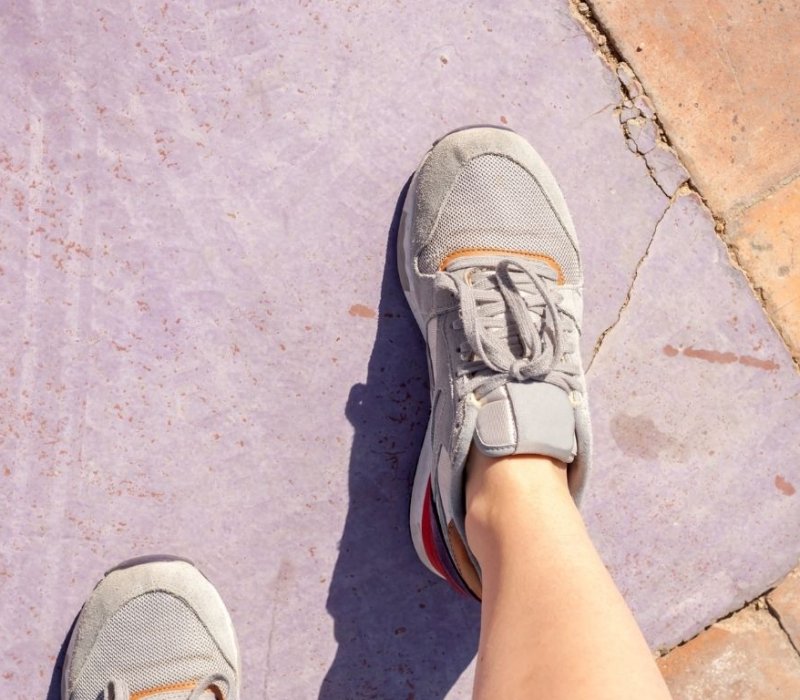
- Try to avoid unsupportive, floppy shoes – supportive shoes with low heels or flat soles are usually more beneficial. Depending on where you live, a physiotherapist, occupational therapist or podiatrist will be able to advise on suitable footwear. They can also advise on hip pads, which may help to prevent fractures if you do fall.
- Walking aids may help if balance is a problem, but they must be the correct height for you. They can also be a hindrance and cause you to trip, so it is best to get advice from a physiotherapist.
Freezing
For information and tips to overcome involuntary stopping or an inability to initiate movement (which may cause falls), see Freezing.
Hazards in the home – preventing falls
- Minimise clutter so there are fewer obstacles to negotiate when moving around. Position furniture to make your path as easy as possible, and keep things in the same place so that your path stays familiar.
- Either avoid loose rugs or ensure that they are securely anchored. Wall-to-wall carpeting is generally safer than rugs, although care should be taken over carpets with a pattern or pile that can be visually misleading. While some patterns can help by providing a visual cue when walking, others can give the impression of a step when there isn’t one. Two different but adjacent carpets can also be confusing visually.
- Remove loose wires or ensure that they are safely tucked away, for example behind furniture close to walls.
- Make sure that there is good lighting, especially on stairs, in halls or around any entrances. You should have a light switch at the top and bottom of any stairs, and a light switch within easy reach of your bed in case you need to get up in the night.
- Stick coloured tape to the edge of steps to make them more visible and less slippery.
- Install rails, grab bars, non-slip tape or mats in small or tricky spaces, such as stairs, baths, the bathroom floor, or near the toilet.
- Remove or replace swinging doors which may knock you over.
- Remember to not rush to a phone or doorbell rings, take your time to answer it, as stress can increase risk fall..
Tips for walking well
A physiotherapist can advise on specific problems, but the following general tips may be helpful:
- When walking, concentrate on each step and minimise any distractions. You may need to ask those with you not to talk or distract you while walking.
- When you have a severe fall risk, try to not do two things at once, such as carrying something, talking on the phone or watching television as you walk.
- Consciously lift your feet and don’t let them drag or shuffle. With each step, put your foot back on the ground from heel to toe.
- Try to walk with your feet slightly wider apart and with longer strides to help with your centre of gravity.
- Get into an even rhythm when walking. Try counting in your head with each step, singing, or simply marching on the spot before setting off. Keep an even pace, and if you speed up, consciously slow back to a gentle, even pace.
- If you freeze and someone is with you, ask them to place their foot in front of yours. Step over it carefully, raising your foot high off the ground so you do not trip. This motion can trigger walking again and may avoid you stumbling and falling. If you are alone, imagine an object in front of you to step over.
- If you need to turn, do so slowly. Do not pivot on the spot, as you are more likely to tilt and fall sideways. Instead walk in a wide semicircle. Try imagining you are walking around the numerals on a clock face.
- If you want to reverse, do not walk backwards but turn in a u-shape, using a semi-circular path.
- To change direction, look the way you now want to go, pause and orientate yourself before setting off.
- When you’re out and about, also consider planning routes, rest stops, quieter times of day, particular attention to uneven pavements and kerbs, escalators and revolving doors, crowds, poor light, carrying shopping, and slippery surfaces in wet or icy weather.
Cueing to avoid falls
It is easy to get distracted when walking, and steps may then get progressively smaller until you’re shuffling, or you may freeze on the spot. This tends to happen when trying to turn in tight spaces, pass through doorways or in a crowded space.
You can use cues to help you to concentrate, so it is easier to keep your feet moving at a steady, even pace.
There are various types of cue, all of which use a part of the brain that is not affected by Parkinson’s. Such cues give information about the length and number of steps you take:
Visual cues
- Use lines on the floor where carpet patterns are confusing or where falls are most likely.
- Lines on the ground, on the edges of steps, or in doorways can be useful, as they prompt you to step over if freezing is a problem.
- Tape across a threshold can help you to focus and step through a doorway. Alternatively concentrating on marching can help.
- Some patterned carpets, and the cracks between tiles or paving stones, can also help to focus your attention on the quality of your walking and to keep the step size regular.
- An occupational therapist or physiotherapist (depending on where you live) will be able to advise on appropriate placing of these aids.
Rhythmical cues
A steady beat from a metronome or suitable music can help. The rhythm should be a comfortable pace, the beat prompting you to lift your feet and step. The pace can be varied according to where you are, for example you will probably walk faster when outside, and slower in your home.
Attentional strategies
You may find it helpful to rehearse certain movements in your mind and focus on the sequence. For example, concentrating on putting your heel down firmly on the ground as your foot makes contact will help you to step evenly.
Imagining a line to step over may help you to negotiate narrow entrances. Attentional strategies require concentration though, which can be difficult if there are external distractions.
When to seek advice urgently for falls
- Falls that begin early, within the first one to three years of diagnosis, especially backward falls. These may suggest a different condition and should be reviewed by a specialist.
- A sudden increase in falls. This often has a treatable cause such as an infection, dehydration, pain, a new medication, or change in Parkinson’s medication.
- Any fall causing a head injury, especially if you take blood-thinning medication.
- Fainting or blackouts, rather than tripping or losing balance.
What to do in case you do fall
Make it easy to call for help. For example:
- Consider having a fall alarm or detection system in place, so you can call for help if needed. Different alarm types can be worn as a pendant, watch, bracelet, or clipped onto shirts, so in an emergency you can call for help at the press of a button.
- Keep a mobile phone or cordless landline on your person.
- Consider a voice-activated home assistant device, such as an Alexa.
Prepare in advance:
- Keep a bag of essential items near your front door in case you need to leave home unexpectedly after a fall. For example, your medications, devices and toiletries
- Have a list of your conditions, medications and key contacts by the front door to help easily communicate your needs in an emergency.
After a fall:
- Always see your doctor, who can help make sure you are alright, and discuss how to prevent future falls.
References and acknowledgements
We would like to thank the following:
- Prof Jorik Nonnekes (Radboud University Nijmegen Medical Centre, The Netherlands) for his help in reviewing an earlier version of this information.
- Parkinson’s UK for permission to use the following source(s) in compiling this information: Falls & dizziness.
- Physiotherapist Parkinson’s Specialist (Egas Moniz School of Health & Science, Lisbon) Prof Josefa Domingos for reviewing this information
Content last reviewed: July 2026