Shuffling gait a glance
Also known as: Parkinsonian gait, festinating gait, shuffling gait
Key symptoms: stooping, unsteady walk, shuffling steps, reduced stride and arm swing
Treatments: therapy, medication management
Walking changes are common in Parkinson’s, and gait (our manner or pattern of walking) can be affected in a number of ways.
A normal gait is upright, with an even stride, arms swinging at our sides, with good balance. Gait changes in Parkinson’s (or Parkinsonian gait) describes a distinctive, less steady walk that arises from changes in posture, slowness of movement (bradykinesia) and a shortened stride. This unsteady way of walking is sometimes known as festinating gait or shuffling gait.
Below you can find information about the symptoms of shuffling gait and walking problems in Parkinson’s, treatments, and how you can provide relief at home.
Signs and symptoms of shuffling gait and walking problems in Parkinson’s
A shuffling gait in Parkinson’s is characterised by some, but not necessarily all, of the following:
- a tendency to lean unnaturally forwards in a stooped position when walking
- the head dropping forwards, with shoulders down, hips and knees bent
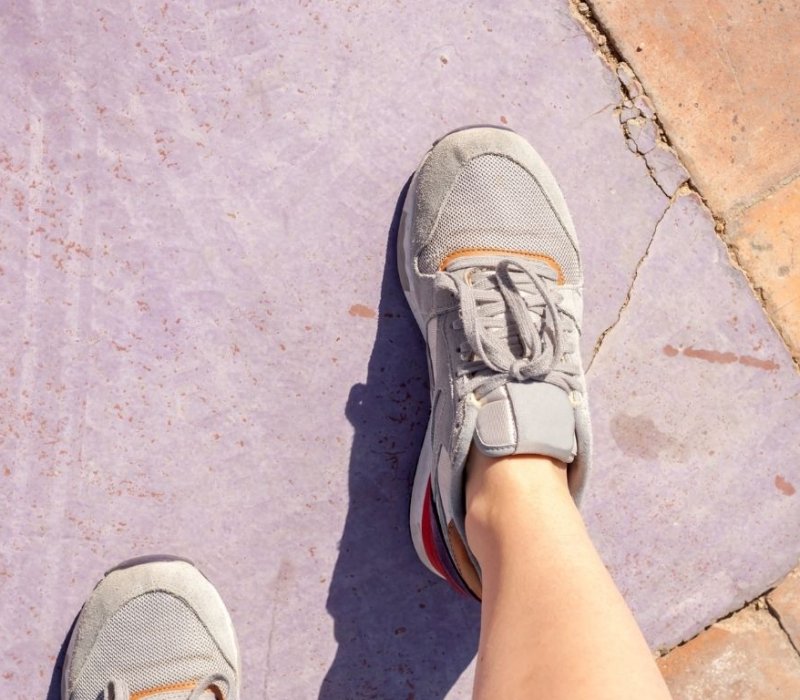
- steps being taken on the front of the feet
- feet dragging on the ground, resulting in shuffling steps
- a reduced length of stride
- a reduced arm swing, particularly on the side on which Parkinson’s is most noticeable.
If you develop these type of gait difficulties, you may experience some of the following problems:
- slowness
- start hesitation – a hesitation in initiating movements such as walking
- difficulty making a turn due to slowness, stiffness or instability
- difficulty making transfers, e.g. getting out of a chair or bed
- freezing – a sudden inability to start or continue walking, as if glued to the spot
- postural instability (poor balance) which makes falls more likely
- festination – progressively shorter but accelerated steps forward, often in a shuffling manner or as if falling forwards, in an attempt to maintain the position of the feet beneath the forward moving trunk. This tends to occur in later Parkinson’s.
Does shuffling gait get worse over time?
Some features of Parkinsonian gait are likely to become more pronounced over time, particularly balance difficulties, reduced step length, festination, stooped posture and freezing.
Your range of movements may change over the years and you may become less active as a result, which can reduce muscle strength and reflexes. This in turn can lead to musculoskeletal changes that exacerbate poor posture and stooped stance and so increases the risk of falls.
If you become less mobile or feel unsteady it is easy to lose confidence because of a fear of falling. This may impact on your social activities and quality of life, so it is important to seek advice on how to improve gait.
How common is a shuffling gait and other walking problems in Parkinson’s?
Walking changes are common in Parkinson’s and tend to become more noticeable over time, but they vary a lot from person to person. Freezing of gait is one of the better-studied gait problems, with an estimated overall prevalence of about 40%. However it is much more common in people who have lived with Parkinson’s for longer.
Because walking problems can increase the risk of falls and reduce confidence, it is important to discuss any changes in walking with a Parkinson’s healthcare professional, physiotherapist, or occupational therapist.
What causes walking problems in Parkinson’s?
In Parkinson’s, walking problems are often caused by changes in how the brain controls movement. Movements can become slower and smaller, which is why steps may become shorter, the feet may shuffle, and the arms may swing less when walking.
Balance and posture can also be affected, making it harder to stay upright, turn safely, or react quickly if you feel unsteady.
Some walking problems may become more noticeable when medication is wearing off, especially if you have ‘OFF’ periods.
If your walking changes during the day, or becomes worse before your next dose, it is important to discuss this with your Parkinson’s doctor, as medication adjustments may help.
Exercise and physiotherapy can also help improve step size, posture, balance, confidence, and walking safety.
Is a shuffling gait always linked to Parkinson’s disease?
In Parkinson’s, shuffling often happens because movements become slower and smaller. This can lead to short steps, reduced foot clearance, reduced arm swing, and difficulty starting or turning.
But other conditions can also cause a person to shuffle or drag their feet. These include balance problems, pain, arthritis or joint stiffness, muscle weakness, foot or ankle problems, peripheral neuropathy, stroke or vascular changes in the brain, normal pressure hydrocephalus, medication side effects, vision or vestibular problems, and fear of falling.
Treatments for gait problems
Treating and managing shuffling and gait problems in Parkinson’s can include:
Managing your medications with your doctor
Unfortunately, problems with gait, posture and balance tend not to respond as well to medications as other common motor symptoms, such as tremor, rigidity and bradykinesia. In addition, higher doses of medication over time to manage progressing symptoms can sometimes increase problems with gait.
Nevertheless, there are lots of things you can do to help yourself and there are also experienced professionals who can offer very useful advice. Each case will be different and it is hard to generalise ,but depending on where you live your doctor will normally be your first contact and they may refer you to one or more of the professionals listed below.
Physiotherapists
A physiotherapist will be able to advise on compensation strategies and exercises to improve your gait, balance and posture. They can help by breaking down the sequence of walking, so you focus on each individual component and consciously carry out each movement.
A physiotherapist can advise on the use of various compensation strategies (including cueing) to help reduce freezing and the fear of falls, and the safe use of mobility aids such as walking sticks so that these are used correctly.
They can also help you to improve your mobility in general and will work with you to identify problems you experience in everyday activities, such as getting out of a chair or bed, advising on strategies and exercises to help overcome these.
Occupational therapists
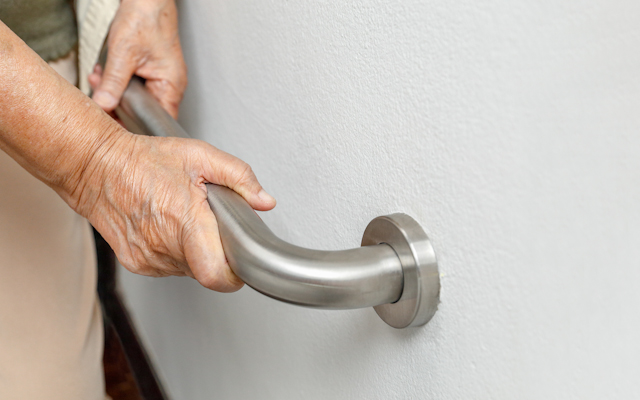
An occupational therapist will be able to advise on adaptations to the environment to facilitate walking around the house. They can also recommend suitable walking aids and how to use them if needed. It is important that any aid, e.g. walking frame or stick, is the correct height for you and used correctly so that your balance and safety are not compromised.
Podiatrists
A podiatrist will be able to advise on the best footwear to help your walking. For example, heel height and the material of shoe soles.
Parkinson’s Disease Nurse Specialists (PDNS)
In some countries, there may be PDNS or nurses who specialise in neurology and have experience in dealing with gait problems. Your doctor will be able to advise on this.
What can I do at home to help relieve shuffling gait?
It is important to look at how you can help yourself by adjusting the way you walk and using cues which can help. The following suggestions may help you:
- Focus on maintaining good, upright posture when walking.
- Increase awareness of your posture by standing against a wall with your head, shoulders, hips and heels all making contact with the wall.
- Lift your toes and place your heel firmly on the ground after each step – this will help you take longer steps.
- Practice taking longer strides with a wider base between them. Try to keep focussed on stride length so that it does not gradually shorten.
- Concentrate on swinging your arms at your side.
- Avoid doing other activities at the same time as walking, e.g. talking.
- Avoid shoes with a high heel or a crepe sole as these may ‘catch’ on the ground.
- Use auditory, visual and cognitive cues that have been recommended to you. Rhythmical counting can help keep your stride even. Marking a line to step over can help initiate walking. Imagining lines on the floor of a confined space can help prevent loss of balance or freezing.
- Seek advice on exercises to strengthen muscles that will help you maintain an upright posture and lower limb strength.
- Do mobility exercises each day to improve function and reduce rigidity or stiffness.
References and acknowledgements
We would like to thank the following:
- Prof Jorik Nonnekes (Radboud University Nijmegen Medical Centre, The Netherlands) for his help in reviewing an earlier version of this information.
- Physiotherapist Parkinson’s Specialist (Egas Moniz School of Health & science, Lisbon) Prof Josefa Domingos for reviewing this information
Content last reviewed: June 2026