Turning back ‘on’: how can people with Parkinson’s disease manage ‘off’ periods?

02 November 2023 Sarah McGrath Sponsored by BIAL
Insights

As Parkinson’s progresses, ‘off’ periods can become more common – so how can people with the condition respond when these states occur? Neurologist Dr Werner Poewe and Dr Sara Riggare, a researcher living with the condition, share their perspectives on managing ‘off’ periods and discuss the solutions available


Dr Sara Riggare first experienced Parkinson’s symptoms when she was only 13 years old – but she didn’t receive a diagnosis until nearly two decades later, at the age of 32. “It was a pretty hard blow,” she admits.

Since then, the Sweden-based researcher and former engineer has used her experience to further understanding of the condition. She recently completed her doctorate, in which her thesis focused on Parkinson’s and patient-led research. “I’ve tried to help myself and others living with chronic conditions – I want to bring researchers and people with these conditions closer together,” she explains.

For Sara and other people with Parkinson’s, living with the condition means having to deal with ‘off’ periods – when symptoms return as a result of medication not working the way it should.

“There is a spectrum of problems than can occur during ‘off’ periods,” says Dr Werner Poewe, director of neurology at Innsbruck Medical University, Austria – whose brother was diagnosed with the condition a few years ago.

“There are a lot of things people can do to reduce ‘off’ periods,” he explains. “Number one is recognising the problem. That may sound straightforward, but it’s not. For any healthcare provider, this is about working out when problems tend to occur and trying to recognise the pattern.”

Sara, for example, finds that her symptoms are worse when she wakes up in the morning. “Everything takes much more effort,” she says. “I’m clumsier, I’m slower, I’m sluggish. I have to focus really hard to move.”

Tackling ‘off’ periods was initially a challenge for her. “It’s difficult to know what to expect until you’ve had them yourself,” she says. “It was surprising to me at first, how all-encompassing they are – both on the body and the brain.” But as her condition has progressed, Sara has found ways to manage these ‘off’ states.

A holistic approach to addressing ‘off’ periods

Both Werner and Sara agree that it’s important to practice habits that reduce the frequency of ‘off’ periods. “It’s about having a balanced life in terms of stress, sleep, activity, diet,” says Sara. “Basically, what is good for everybody is especially important for people with Parkinson’s.”

She also carefully times her medication intake to prevent the effects from wearing off and causing her Parkinson’s symptoms to flare up again: “Managing my medications and optimising their impact has helped make my ‘off’ periods less severe.”
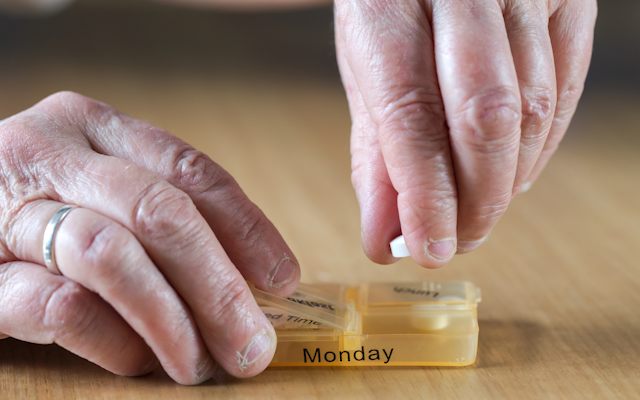
A pair of hands holding a pill box.
Sara and Werner agree that carefully timing medication intake may help with ‘off’ period management.

Werner emphasises the importance of scheduling levodopa intake to limit fluctuations, and ensuring that this medication is combined with specific enzyme inhibitors – which work to prevent the breakdown of levodopa before it reaches the brain – and dopamine agonists that mimic the way the dopamine chemical works.

“In the early stages of the condition, I usually recommend that people take their doses of levodopa (a common Parkinson’s medication) four hours apart,” he says. “After that point, most of the drug is cleared from the circulation.”

The pair agree that each individual must explore which management options are best suited for them. “Understand your own ‘off’ periods as well as you can,” says Sara. “Are they caused by medication? Are they caused by something external? Try to read up about potential explanations.”

“It’s all about someone with Parkinson’s being able to decide for themselves what is the right way forward,” adds Werner.

Turning to on-demand remedies

While there are measures that people can take to try to prevent ‘off’ periods, including taking notes on warning signs and carefully timing medication intake, Werner notes: “People with Parkinson’s may have done everything they can and still get periods from time to time when they’re not switching ‘on’.”

For people who experience intermittent ‘off’ states – from partial or complete medication failure to unpredictable ‘offs’ – fast-acting remedies may be beneficial.

These on-demand therapies come in various forms, all designed to help stop ‘off’ periods in their tracks. Fast-acting versions of levodopa, for example, can be inhaled or mixed with water for drinking. Different forms of apomorphine, a type of dopamine agonist, may also provide relief – whether placed under the tongue or injected into the skin.

As Werner notes: “These on-demand treatments can be very beneficial, because they work rapidly to get people out of unpleasant situations.”

But, as with all medications, it’s important to consider potential drawbacks and side effects. “Some people don’t like to inject themselves with a subcutaneous (under the skin) device,” says Werner. “Others may be irritative to sublingual (under the tongue) treatment – there might be reddening, pain or even little ulcers in the mouth. Some people who inhale levodopa, meanwhile, complain about feeling the need to cough.”

The variety of available therapies can help people with Parkinson’s tailor treatment to their preferences – and better supplement their everyday fixed medication regimen.

While Werner says it’s important for people with the condition to “be prepared and have on-demand strategies in place” in case an unexpected situation arises, he also emphasises that there is no one-size-fits-all approach to managing ‘off’ periods.

Sara agrees, saying: “Do not put all of your eggs in one basket.”

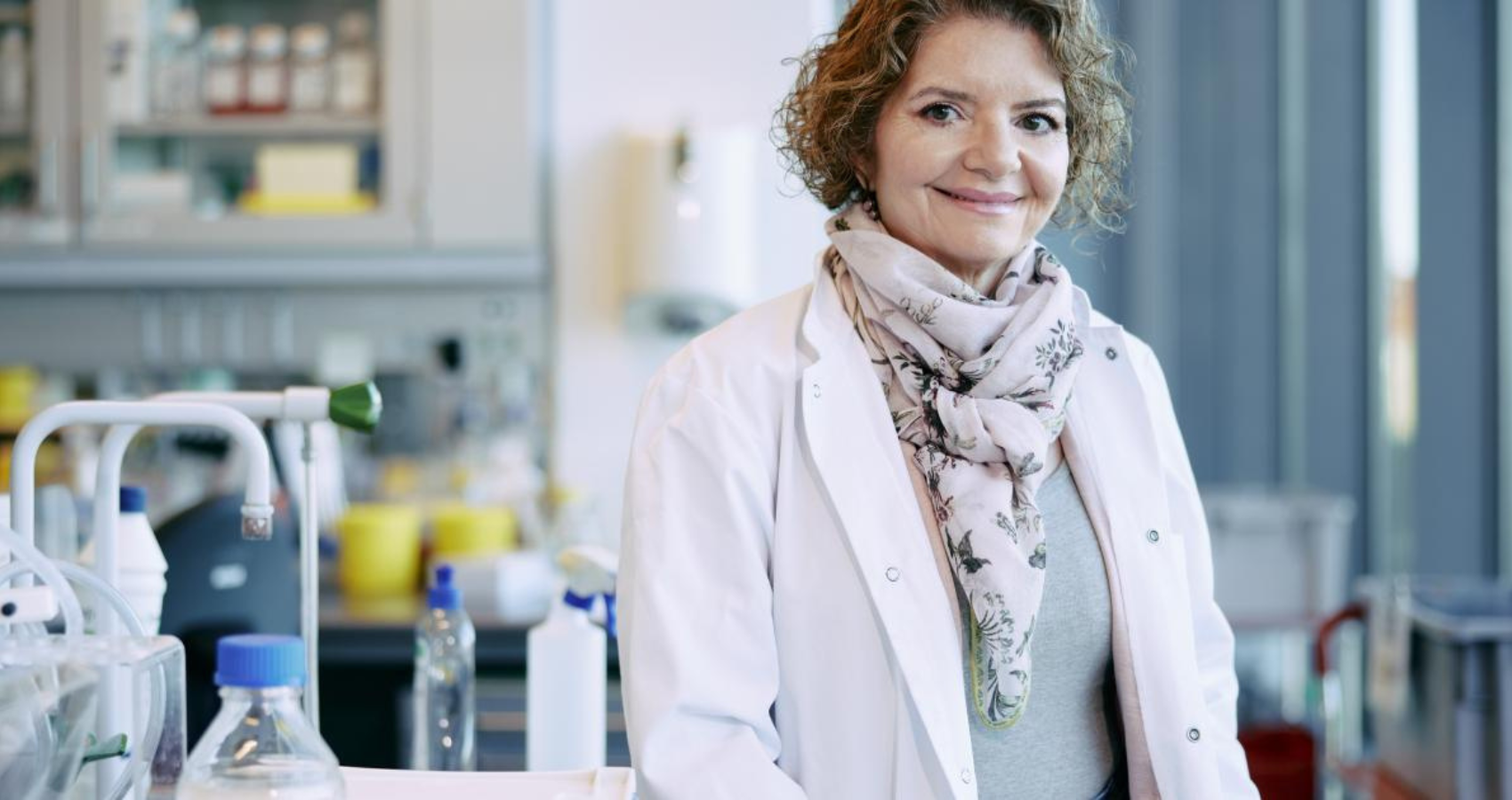
Lead image: Dr Sara Riggare, photographed by Helena Conning.


Parkinson’s Europe is sharing this article for information purposes only; it does not represent Parkinson’s Europe’s views and is not an endorsement by Parkinson’s Europe of any particular treatments, therapies or products.
Interview: The Funny Side of Parkinson’s with Paul Mayhew-Archer

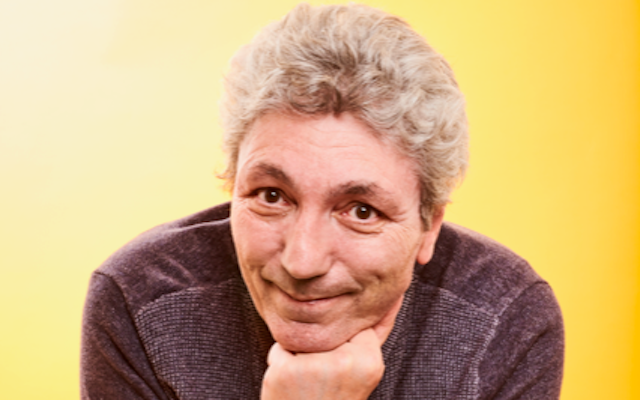
Comedy writer and person with Parkinson’s Paul Mayhew-Archer provides light relief for those with the condition
20 October 2023 Verity Willcocks
Stories

Best known as the co-writer of classic British comedy TV series The Vicar of Dibley and the film Esio Trot, Paul Mayhew-Archer has been making people laugh for more than 40 years. Now, following his Parkinson’s diagnosis 12 years ago, he is determined to help others see the funny side of the condition.

As well as writing, he made an award-winning documentary, Parkinson’s: The Funny Side (still available on BBC iPlayer and YouTube), and he tours the UK doing talks about Parkinson’s and performing his comedy shows The Funny Side of Parkinson’s and Incurable Optimist – including a performance at last summer’s World Parkinson Congress.

He is also one of the celebrities and people with Parkinson’s behind the regular Movers and Shakers podcast about life with the condition, which is co-presented by former TV broadcasters Jeremy Paxman, Rory Cellan-Jones, Mark Mardell and Gillian Lacey-Solymar, and retired judge Sir Nick Mostyn.

Paul spoke to Parkinson’s Europe as he prepares to perform The Funny Side of Parkinson’s in an online show at the end of October.

You were diagnosed in 2011. What were your symptoms?

My arm wasn’t swinging naturally – it sort of hung in front of me. Also, the neurologist said: “Your facial muscles are somewhat frozen, for example, you seem to be finding it quite difficult to smile.” And I found myself saying: “Well, that could be because you have just told me I’ve got Parkinson’s.” I didn’t know it was a symptom then, but my handwriting was very small. And I was moving more slowly. Whereas I used to walk ahead of my wife, my wife was saying: “Come on, Paul, hurry up.”

When did you first spot a funny side to having the condition?

In that very moment with the neurologist. Extraordinary. I remember going down the stairs after the appointment thinking: ‘This is funny!’ And I don’t know why. I suppose because I’ve worked in comedy for 40 years, and in a sense, you can’t do comedy without having a subject. I suddenly thought: ‘Here’s a subject.’ I just remember thinking: ‘There’s something odd about this – and funnily odd.’ I can’t explain it, but it’s been incredibly important. It’s helped me enormously.

How has it helped you?

The comedy has helped with my Parkinson’s. It keeps me cheerful, and hearing people laugh is incredibly rewarding so that when I’m performing, my pain in my back goes away; I don’t notice it. Meanwhile, Parkinson’s has helped with my comedy because I hadn’t performed for 40 years.

Comedy has helped with my Parkinson’s. It keeps me cheerful, and hearing people laugh is incredibly rewarding

You’ve done lots of writing and behind-the-scenes work.

I’d done lots of performing at school and at university. I started writing plays when I was teaching – I taught for three years. And I wrote some plays for the children at school and some for the teachers and I did a bit of performing then – and then stopped altogether. I didn’t really have the confidence to perform – certainly didn’t have the confidence to do stand-up or anything like that. Parkinson’s gave me that opportunity because it gave me a subject; it gave me something to write about that was different from anything that anybody else was writing about.

Do you think having Parkinson’s has made you more fearless?

Yes, certainly. And, amazingly, I discovered that people with Parkinson’s have a real sense of humour and are really keen to find the subject funny. There are 40 symptoms you can write jokes about. Also, the great thing about Parkinson’s is that a lot of the symptoms are to do with sex and bowels and all the things that are embarrassing and funny!

You performed your show at this summer’s World Parkinson Congress. What was that like?

I loved it. I was put in a room which seated about 200 people, and then so many people turned up we had to be moved to a room for more than 400 people – that made me feel fantastic. I see the show as a way of celebrating our strength in dealing with Parkinson’s. Different people have different ways of dealing with Parkinson’s and do amazing feats like climb Everest or cross oceans or cycle rides. I’m useless at any of those. Jokes I can do, so that’s my thing. Also, I’m trying to spread the word about Parkinson’s and educate people about it in a very accessible, friendly, cheerful, non-threatening way.

I see the show as a way of celebrating our strength in dealing with Parkinson’s

I’m assuming your symptoms have got worse in the past 12 years, but are you still able to see the funny side?

I tend not to talk about those times. I do jokes about the freezing that I have now – freezing is irritating and when I go off my hands are useless, that’s another thing that’s irritating. And my mood can be more miserable now at times, and that makes it more difficult for my wife. And I tend to get obsessive about things. So, there are all sorts of tell-tale signs of the Parkinson’s that affect me in many ways.

You’re part of the Movers and Shakers podcast – how often do you meet up with your co-presenters?

We meet up quite a lot. The most recent episodes – to be released very soon – were very interesting. One was with our partners, so we handed over the show to them and they were interviewed. Then the second was with our offspring, so my son did an interview as well as some of the children of the other members. They were very touching and moving because we get an insight into how they feel about Parkinson’s, about us dealing with it. They will be well worth listening to because I think they reflect what a lot of people are feeling who live with Parkinson’s.

When you’re having a down day, how do you cheer yourself up?

I probably try and search for some chocolate. I just try and think of positive things and remember funny moments that have happened. And I’ve been working on a film script about people with Parkinson’s who fall in love at dance class – I’m rewriting that – and if I think of a joke for that that cheers me up.

You can watch Parkinson’s: The Funny Side with Paul Mayhew-Archer online on Sunday, 29 October at 1700-18:30 GMT. The Movers and Shakers podcast is available on various platforms including Spotify and Apple

Parkinson’s Europe is sharing this article for information purposes only; it does not represent Parkinson’s Europe’s views and is not an endorsement by Parkinson’s Europe of any particular treatments, therapies or products.

‘Shaking Hands with the Devil’ – the short film exploring Parkinson’s disease and stigma

19 October 2023 Sophie Parrott
Stories

Research associate Dr Natasha Fothergill-Misbah and wildlife photographer David Plummer teamed up to create the short Parkinson’s awareness film, ‘Shaking Hands with the Devil’. They explain why they decided to collaborate, what they hope people will gain from watching their documentary – and why stigma around the condition is such a pressing issue in low- and middle-income countries


More than 10 million people are living with Parkinson’s around the world. Yet, global awareness of the condition and its symptoms remains relatively low – particularly in low- and middle-income countries.

The stigma that can arise from limited understanding of Parkinson’s is a topic that Dr Natasha Fothergill-Misbah has studied extensively through her work as a researcher. When completing her PhD, Natasha looked at the lived experiences of people with the condition in Kenya. She found that many people with Parkinson’s, in Kenya and beyond, had experienced stigmatisation.

In early 2023, Natasha – who now works as a research associate at Newcastle University, UK – was introduced to wildlife photographer David Plummer through a mutual connection. David, who was diagnosed with Parkinson’s in 2009, says he experienced stigmatisation and persecution first-hand as a result of his condition, in a country he had visited for work.

It was David’s personal experience, and Natasha’s background in Parkinson’s research, that prompted the pair to create the awareness documentary ‘Shaking Hands with the Devil’.

First released in August 2023, the short film follows David on his travels through Kenya – a low-middle income country in Africa – as he meets people who have reported being “marginalised, stigmatised and persecuted for having Parkinson’s”.

We spoke to Natasha and David to find out more about the project.

Please tell us about your documentary.

Natasha: ‘Shaking Hands with the Devil’ is about people with Parkinson’s who live in Kenya, and their experiences of stigma. It looks at how individuals manage and negotiate their condition with limited access to medicines. It also sheds light on others’ perceptions of their condition and the subsequent discrimination that those with Parkinson’s experience in day-to-day life.

David: We produced this film to explore the effects of stigma on both people with Parkinson’s and their families. Stigmatisation can result in persecution in parts of the world, but in this documentary, we focused on the lived experiences of people in Kenya.

How did ‘Shaking Hands with the Devil’ come about?

Natasha: As a researcher and Parkinson’s advocate I’m linked to several organisations, including The Cure Parkinson’s Trust. It is through a connection at this charity that I was introduced to David. We wanted to see if there was something we could do to tackle stigma and misinformation around Parkinson’s.

So, we came up with the idea to make a documentary. My role in producing it was to facilitate access to people with Parkinson’s who could share their stories with us – and to act as an on-the-ground contact. 

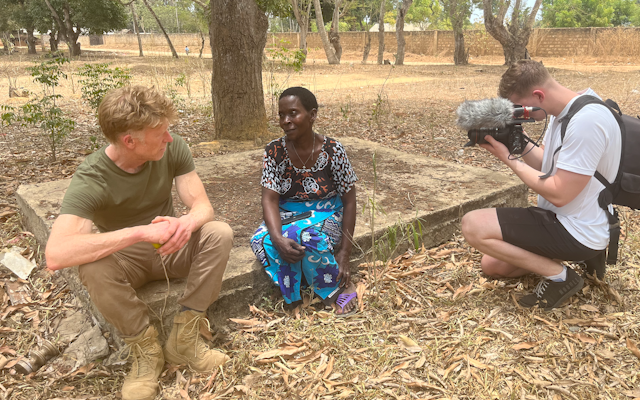
David Plummer filming in Kenya.
“We produced this film to explore the effects of stigma,” David explains.

David: When I visited another country for work, I experienced stigmatisation and persecution on several occasions as a result of my Parkinson’s. I cut my business trip short.

After I returned to the UK, I was put in touch with Natasha. Between us, we decided to produce a documentary to highlight her invaluable research into the heart of the subject itself. The short film is a personal journey through my own eyes and shares real-life accounts from the people who are interviewed.

What do you hope to achieve with the documentary?

Natasha: We hope to improve viewers’ understanding of stigma related to Parkinson’s. On the ground in Kenya, we aim to raise awareness that Parkinson’s is a neurological condition. We also want to be able to showcase this to the policymakers and government officials, to really highlight the issue and push for change.

David: One million people watching the film and being shocked by the situation is not enough. But one key individual, who is in a position of power within their country, could see the short film and put steps in place to properly action change.

Can you share some examples of empowering stories that came across during the filming process?

Natasha: One of the most striking things for me was the joy that it brought the people with Parkinson’s to be interviewed by David, who also lives with the condition. To see someone else with Parkinson’s and know that they were not alone was a moving experience.

You could also see how difficult the lives of the interviewees were because they didn’t have access to medication. I think it brought them hope to see how treatment could help to manage the condition.

David: For me, the most poignant stories are told through our documentary.

The 'Shaking Hands with the Devil' documentary was filmed in Kenya.
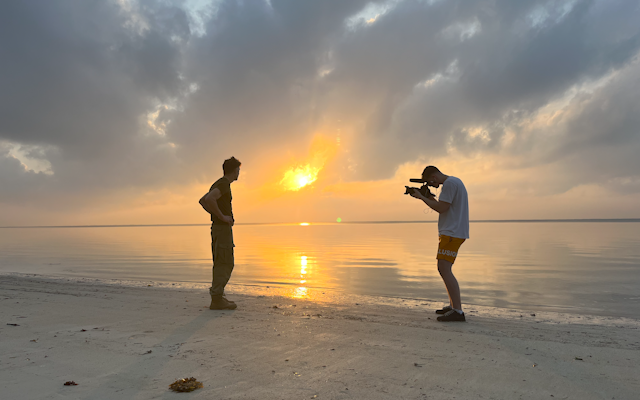
The opening scene of the documentary was filmed on a beach in Mombasa.

What are the key messages you want viewers to take away from the documentary?

David: It’s hard enough dealing with Parkinson’s as it is. But in low- and middle-income nations, where you might have scant access to medication, the situation for people with the condition is not acceptable.

Natasha: We would like people to be aware of the challenges people in the Parkinson’s community are facing around the world. Of course, there are issues everywhere related to the condition – and stigma – but when we’re thinking about advanced therapies and research to develop new treatments, it’s important to remember that even the most basic medications aren’t available for people in many parts of the world.

If you’re moved by the documentary and you know organisations and individuals that could make a difference, please do reach out and share it with them. The whole point of this film is to raise awareness of the situation, not only in the country but globally as well.

David Plummer in Kenya.
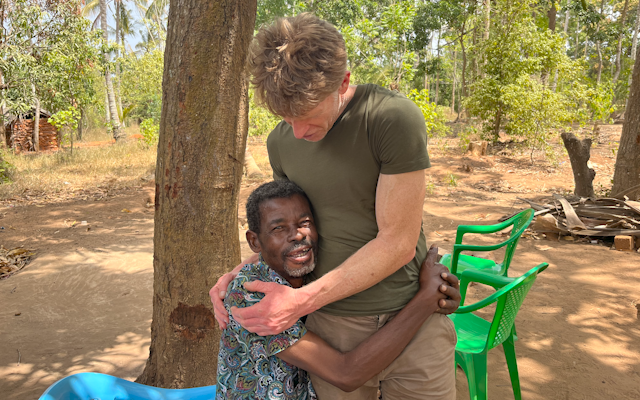
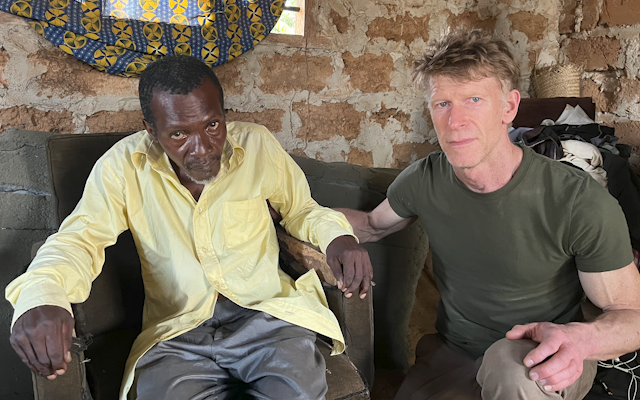
David photographed with one of the participants from the short documentary.

Parkinson’s Europe receives funding for website redevelopment

Parkinson's Europe has secured funding to redevelop its website as part of its ambitions to better serve the Parkinson's community and to amplify the voice of millions of people with Parkinson's throughout Europe and beyond
18 October 2023 Verity Willcocks
News

Eight organisations* have awarded funding to the project that will enable the redesign of Parkinson’s Europe’s existing site to improve the information architecture as well as enhance the visual appeal and provide better-quality user experience and accessibility for people with Parkinson’s.

The design agency appointed has already begun to undertake the work. As part of the project, Parkinson’s Europe will consult with people with Parkinsons, their families and caregivers on an ongoing basis to seek their views on aspects of the site. The new site will provide a one-stop shop for all Parkinson’s Europe-related information and will also integrate its existing lifestyle magazine Parkinson’s Life. This integration will allow users to seamlessly access a variety of content – ranging from information about Parkinsons to lifestyle features that showcase the voices of people with Parkinson’s from around Europe and the world.

Dominic Graham, Operations Director for Parkinson’s Europe said:

“We would like to thank those organisations that have provided us with the much-needed funding to support this project. The funds will allow us to take the next steps in our ambitions to create a better hub for the European and global Parkinson’s community. We know a new site will enable significantly more people with Parkinson’s and their families – not to mention healthcare professionals and those working in the field of Parkinson’s – to benefit from better and more relevant content about Parkinson’s.”

Simonetta Balbi, President of Boston Scientific Foundation Europe, one of the organisations providing funding, said:

“Quality and reliable information can be the first step for people to find help with their condition. We are proud to support Parkinson’s Europe, which is driving better care and support for patients. The website is a fundamental resource for people affected by Parkinson’s and this initiative embodies our mission to improve patient wellbeing using a digital solution.”

Parkinson’s Europe’s existing website and its sister site, Parkinson’s Life, have become two of the ‘go to’ places for people with Parkinson’s and their carers, as well as those working in the field of Parkinson’s who want to know more about the situation across Europe. Audiences have valued Parkinson’s Europe’s factual information about Parkinson’s and how to manage the condition for years, while Parkinson’s organisations and groups across Europe regularly use the site to find out more about what other Parkinson’s organisations are doing around the globe. In addition, those interested in research can see the latest news in the field.

*Organisations that have contributed to funding the development of the new Parkinson’s Europe Website are: Bial; Boston Scientific Foundation Europe; Britannia; Merz Therapeutics GmbH; Novartis; Roche; Servier; UCB.

Scientists discover a cause of Parkinson’s

Researchers have made a significant breakthrough on how the condition spreads in the brain
13 October 2023 Verity Willcocks
News
Professor Shohreh Issazadeh-Navikas, University of Copenhagen

Researchers from the University of Copenhagen have unveiled new insights into the workings of the brain in those with Parkinson’s.

Professor Shohreh Issazadeh-Navikas, leader of the study, which was published in Molecular Psychiatry, said: “For the first time, we can show that mitochondria, the vital energy producers within brain cells, particularly neurons, undergo damage, leading to disruptions in mitochondrial DNA. This initiates and spreads the disease like a wildfire through the brain.”

Seeking to understand why this damage occurred and how it contributed to the condition, they found that: “Small fragments of – actually DNA – from the mitochondria are released into the cell. When these fragments of damaged DNA are misplaced, they become toxic to the cell, prompting nerve cells to expel this toxic mitochondrial DNA,” explains Shohreh Issazadeh-Navikas. This toxic DNA then spreads through the brain cells.

Shohreh Issazadeh-Navikas hopes that their discovery will lead to the development of future treatments and better diagnostics for Parkinson’s, with the possibility that damaged mitochondrial DNA could be detected in blood samples and used as an early biomarker of the disease.

The researchers now plan to investigate if this DNA damage could also be used to indicate different stages of the condition and to detect progression.

Read Mitochondrial DNA Damage Triggers Spread of Parkinson’s Disease-Like Pathology in Molecular Psychiatry

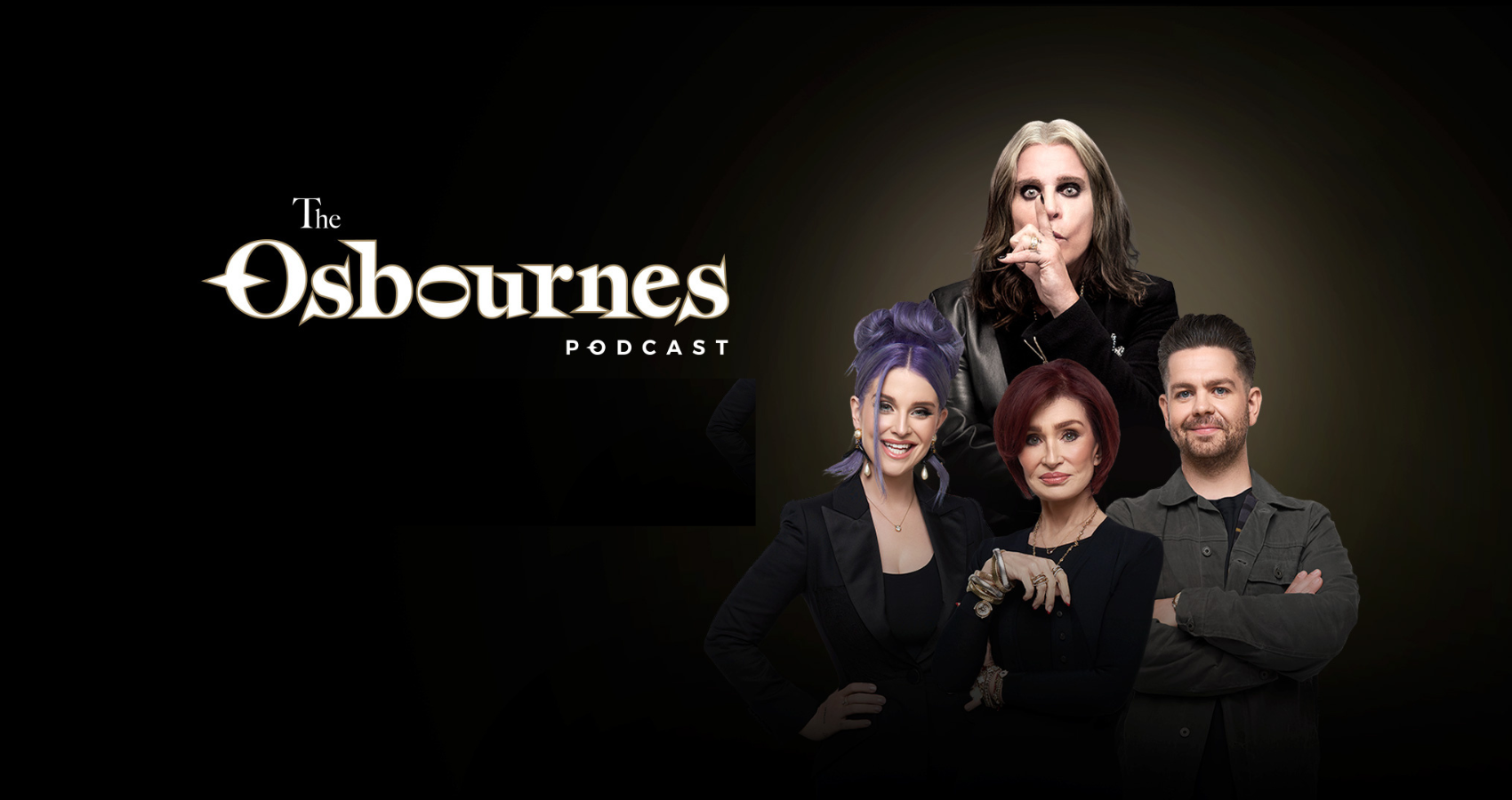
Ozzy Osbourne to take up Tai Chi

Rock star and person with Parkinson’s Ozzy Osbourne is to take up Tai Chi to improve his balance
06 October 2023 Verity Willcocks
News

UK rock star and person with Parkinson’s Ozzy Osbourne plans to take up Tai Chi in a bid to improve his balance, he revealed this week.

The Black Sabbath star, 74, who was diagnosed with Parkinson’s in 2003, but did not reveal the news to the public until 2020, told his family in this week’s edition of their regular podcast The Osbournes that he planned to take up the ancient art. “I’m going to try to; it’s good for balance,” he said.

The news was welcomed by his son, Jack, and daughter, Kelly, who said she had been trying to get their dad to take up Tai Chi for a long time.

After suffering with other health issues as well as Parkinson’s, Osbourne is now embarking on a physio programme. “It’s a new adventure,” he said.

Based on 6,000-year-old Chinese teachings, Tai Chi combines movement, meditation and breath regulation in a series of co-ordinated, rhythmical exercises performed in a slow, relaxed manner.

So, what benefits can it bring to those with Parkinson’s? A 2021 review of 17 randomized controlled trials found that practising Tai Chi had a “statistically significant effect” on gait velocity, with improvements seen on the Unified Parkinson’s Disease Rating Scale (UPDRS) motor score, the activities-specific balance confidence (ABC) score, and the Berg Balance Scale (BBS).

The review concluded that “Tai Chi is a relatively safe activity that can result in gains in general motor function and improve bradykinesia and balance.”

Find out more about The Osbournes Podcast

How can people with Parkinson’s disease recognise and anticipate ‘off’ periods?

14 September 2023 Sarah McGrath Sponsored by Bial
Insights

Neurologist Dr Andrea Pilotto and Dr Maria de Leon, a movement disorder specialist living with Parkinson’s, talk about how to anticipate ‘off’ periods – and why having “a good rapport with your doctor is key”


“All at once, your body just stops working, and you struggle to speak or swallow. You’re frozen.”

This is what a sudden ‘off’ period feels like to Dr Maria de Leon, a US-based movement disorder specialist who has been living with Parkinson’s for 16 years.

‘Off’ periods can be a common experience for people with the condition. These moments occur when medication is not as effective as it should be, and it becomes more difficult to manage symptoms. They can take a number of different forms – from wearing ‘off’ slowly to partial or complete medication failure.

The impact of ‘off’ periods on symptoms varies from person to person, says Dr Andrea Pilotto, a neurologist from Italy whose research focuses on people with neurodegenerative conditions. “Every person with Parkinson’s is quite different,” he explains.

Can you recognise an oncoming ‘off’ period?

The unique experiences of those with the condition can make it challenging for individuals to anticipate when an ‘off’ period might happen – but there may be some recognisable patterns, according to Andrea.

“These periods tend to start around one or two years after people start taking levodopa,” he says. He adds that periods of stress and struggles with mental health can also be potential factors that impact the onset of ‘off’ periods.

For Maria, the frequency of ‘off’ periods has changed throughout her diagnosis. “When I first started taking levodopa after my diagnosis, one dose would last me 48 hours,” she says. “But before I started new treatments, my medication would start wearing off after only four hours. Now, I wake up in the morning really stiff – not able to get out of bed or get dressed until I take my medication.”

Maria explains that she can recognise certain warning signs of an oncoming ‘off’ period: “The first thing that always gets affected is my cognition. If I’m not really ‘on’, I start getting irritable when people ask me to multitask because it’s hard for me to process information.” She points to swallowing problems and difficulties with stiffness as additional flags.

However, ‘off’ states cannot always be predicted. Among the different types are unpredictable ‘off’ periods – which arise suddenly and without warning. For Maria, these states became more common as her condition progressed: “It used to be more of a gradual onset, but around a year ago it started becoming more sudden and more severe. I was really struggling.”

However, as both experts outline, there are tactics that may help people with Parkinson’s to keep ‘off’ periods at bay – and maintain a good quality of life.

“Awareness around different phases of ‘on’ and ‘off’ periods is important”

When it comes to extending ‘on’ periods – the times during which medication is effective – both Andrea and Maria encourage people to try different treatment combinations to see what works best for them. “I’ve been on a mixture of medications since the beginning,” says Maria. “I always tell my own patients, ‘Make sure you work with different combinations.’”

But they also recommend looking beyond medication. “It’s important to engage in physical and mental activity,” says Andrea. Maria agrees, saying: “I think it’s essential to try and learn new things – to interact with others and to engage in as much exercise as possible.”

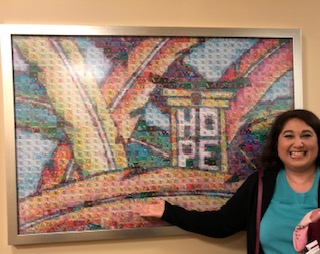
Dr Maria de Leon standing in front of a puzzle on display in a frame.
Maria stresses the importance of mental and physical activity.

Both experts also highlight that journaling the occurrence of ‘off’ periods is vital to recognising the warning signs – and developing a treatment plan. “Electronic and paper diaries help people realise the important symptoms that come up,” Andrea explains. “Awareness around different phases of ‘on’ and ‘off’ periods is important – but it is something that is still underestimated by a lot of clinicians.”

“Write down and record everything,” Maria adds. “Answer questions like: What time do you take your medicine? How long does it last? What symptoms improve? Does your medication suddenly stop working, or is it gradual? How often does this happen?”

These notes will help to provide doctors with a clearer overview of one’s symptoms and ‘off’ periods, she says – and, in turn, enable the person with Parkinson’s to take control of their condition.

“Having a good rapport with your doctor is key”

In fact, both Maria and Andrea emphasise that maintaining open communication with healthcare providers is vital.

Alongside her combined treatment approaches, Maria credits a close relationship with her doctor for helping her to manage the condition and understand how ‘off’ periods impact her. “Having a good rapport with your doctor is key. I’ve been very lucky because my physician is also a colleague and a friend; I’ve had other doctors who just tried to give me a lot of medicine without knowing anything about me,” she says.

“It’s like any relationship – you have to establish rules and guidelines. It’s that mutual respect and communication,” she continues. “What you need is somebody that can look at you not just from a medical perspective but also from your personal situation.”

“Most people don’t know that ‘off’ periods are related to therapy,” adds Andrea. “If they do, they can understand and recognise their ‘on’ and ‘off’ states – and work with their healthcare providers to find the best strategy for them.”


Parkinson’s Europe is sharing this article for information purposes only; it does not represent Parkinson’s Europe’s views and is not an endorsement by Parkinson’s Europe of any particular treatments, therapies or products.
“I want to help people understand what it’s like to live with Parkinson’s disease”

14 September 2023 Sophie Parrott
Stories

We hear from US-based Jimmy Choi about going viral on TikTok, tackling fitness challenges – and inspiring online audiences to ask questions about Parkinson’s


Please tell us a bit about yourself and your experience of Parkinson’s.

I’m a 48-year-old self-proclaimed ‘fitness junkie’ who lives in Chicago, Illinois, US. I have a lovely family, including my wife of 23 years and two children. They are my inspiration and drive in life.

At the age of 27, I was diagnosed with young onset Parkinson’s. Receiving this news was truly devastating and, like many people of that age, I didn’t know how to handle it. I immediately went into hiding and closed myself off for several reasons – one being that I wanted to further my career to ensure that my family would be financially supported in the future.

I spent the majority of my working years in the tech sector but now I’m retired. Today, I spend my time as a motivational speaker for the Parkinson’s community and engaging with the fitness community through social media.

I started my fitness journey around 11 years ago. Since then, I’ve completed several challenges, including marathons, an ultra-marathon and a stint on the sports entertainment show ‘American Ninja Warrior’ – and I’ve broken three Guinness World Records.

Jimmy Choi
Jimmy photographed ahead of his fifth and final appearance on the ‘American Ninja Warrior’ show.

Tell us about your TikTok channel. Why did you start it? 

When the pandemic hit and the gyms closed, I – like many others – had nothing else to do besides try to stay fit at home. That’s when I started my TikTok channel, ‘jcfoxninja’.

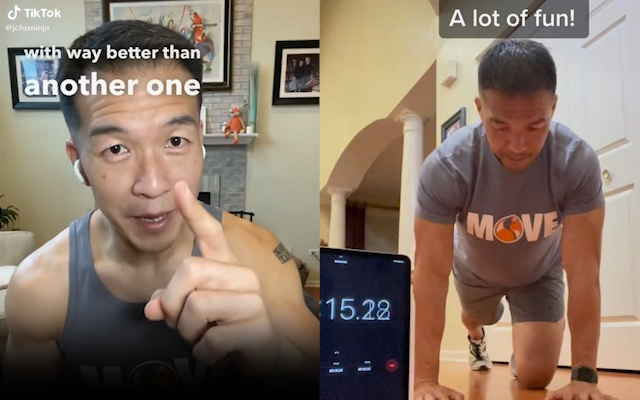
One day, my kids and I were scrolling through TikTok when we came across a load of fitness-related content – creators were coming up with unique ways to keep fit. For example, strength trainers would lift family members or pets and rock climbers would find challenging ways to climb the stairs. I decided to create a ‘duet’ – a side-by-side video showing my attempt to complete a challenge compared with someone else’s.

When people watch my videos, they see my tremors and my shaking, and they sometimes ask me questions about it. So, I took this as a great opportunity to educate the public about Parkinson’s – whether it’s sharing interesting facts or describing what my body goes through with the condition.

What kind of TikTok videos do you create?

I post a lot about fitness. I always say that if I can convince just one person to be active – to get out of the house, go outside, stay active – I will have done my job. My first viral TikTok was a video of me participating in the ‘50 Push Up Challenge’ and my channel has taken off ever since – I’ve amassed around nine million likes on my videos!

Exercise aside, I like to post about my other hobbies, which include cooking. There’s a lot of hand-eye coordination involved in the kitchen – especially when it comes to using kitchen tools. And nutrition and diet are really important to living well with the condition.

I also share content about my family and the moments that I share with them. Each of these topics provides a different insight into my everyday experience of living with Parkinson’s – and also shows audiences how I overcome certain situations.

How has the Parkinson’s community responded to your TikTok videos?

The response from the Parkinson’s community has been overwhelming – so many people have reached out to ask for advice or anecdotes.

What has also been surprising is the number of people from the fitness community who have gotten in touch – along with people facing some kind of adversity on their own journey. They say: ‘Wow, I really need to adopt this same positive mindset’ or ‘I don’t have Parkinson’s, but I really should apply this to what I’m trying to achieve in my own life’.

One highlight was a video I created about medications – particularly about how difficult it can be for a person with tremors to access pills in a medicine bottle. The video went viral, and other creators started sharing ideas which then translated into computer drawings of pill bottles that could better support people with the condition. The 3D printing community jumped in to show their support and, within a couple of days, I had a few of these newly designed bottles sent to me.

It was incredible that one viral social media post inspired the creation of an actual product to help people with the condition retrieve their pills more easily.

What are your future goals for TikTok?

I think it will be really important to take the whole Parkinson’s awareness aspect to the next level. If we put Parkinson’s aside for a minute – from a fitness perspective, a 48-year-old like me is going to have more difficulties doing exercise-related activities. If you add Parkinson’s on top of that, it will get harder as you age and the condition progresses.

Jimmy Choi participating in a fitness challenge on TikTok.
“People see my tremors and my shaking, and they sometimes ask me questions,” Jimmy explains.

This year, my focus will be to shift into the wellness space, covering important topics such as lifestyle changes and wellbeing. I also want to branch out and create videos that help people who don’t live with Parkinson’s to understand what it might feel like.

This might involve using a specific fitness move and comparing it to a symptom of the condition, like dyskinesia – a side effect of Parkinson’s medication in which the body becomes uncontrollable. People could do this move to get a sense of what it might feel like to live with Parkinson’s.

Hopefully, people who don’t have a connection to the condition can see those videos and gain a little more compassion – not just for people with Parkinson’s, but for anybody dealing with some type of adversity.

On a personal level, my main goal moving forward is just to stay active and stay safe, so that I can continue spending time with my friends and my family – and raising awareness of Parkinson’s.

“We had to open ourselves up as a family living with Parkinson’s disease”

03 August 2023 Sophie Parrott
Stories

After years of keeping his Parkinson’s diagnosis private, Ray Feeney finally disclosed the news publicly. He and his wife, Ana María Tamayo, discuss the importance of opening up about the condition as a family – and the value of honest communication


“About a year before my diagnosis, I started to notice that when I was typing on my computer, the fourth finger on my right hand would sometimes become disobedient. It wouldn’t follow my desire to type something – and it would just bounce up and down on the keyboard,” recalls Ray Feeney.

The former Catholic priest – who is originally from County Galway, Ireland – went to see a neurologist to try and get to the bottom of what he was experiencing. “She gave me a clinical examination, and I also underwent a brain scan and a procedure called electromyography, which is a test that checks whether you have a tremor to see whether I had a tremor,” says Ray.

After the tests had been completed, the neurologist told Ray – who lives in Peru with his wife, Ana María Tamayo, and their two children – that the results seemed to indicate that he had Parkinson’s.

He may have received this diagnosis back in 2011, but Ray says he remembers that day clearly: “What I felt at the time was a sense of emotional freezing; I didn’t know how to think, and my mind went blank.”

“When I was diagnosed, my doctor said to me: ‘Ray, I want to give you some advice. Please be careful who you tell that you’ve got Parkinson’s’. Because here in Peru, there is a lot of prejudice against people with this condition.

“I was in two minds about what to do with her advice. Since she was the authority, I followed her guidance – but I didn’t feel comfortable because, naturally, I wanted to let people know about my diagnosis,” he adds.

Ray Feeney and Ana María Tamayo with their two children.
Ray and Ana María with their two children, Patrick and Sofia.

“I decided to declare to the world that I had Parkinson’s”

For several years, Ray kept his diagnosis to himself, only divulging the news to close family members. “What didn’t help was the physical reality of it – I looked more or less the same, and to the untrained eye, it was very hard to detect that I had Parkinson’s,” he says. “So I was in that kind of limbo for a long time, and it felt uncomfortable.”

Around five years ago, Ray says that he grew tired of bottling it up. This led him to write a post on Facebook sharing the news of his condition. “I decided to come out of my Parkinson’s ‘closet’ and declare to the world that I had Parkinson’s,” Ray explains. “It was a gesture to say: ‘I’m tired of this – I want to be me, and I want to get on with life’.”

He recalls how the Facebook post was met with positive and moving comments: “It was an energising experience that gave me the courage to follow my own intuition along with my wife’s guidance.”

Ana María, meanwhile, says she felt “relieved” after Ray disclosed his condition publicly: “I think it was very brave of him to write that post on Facebook. It was a big and important step – particularly because we live, to some extent, in a culture where men aren’t supposed to publicly share issues regarding health.”

Ray Feeney and Ana María Tamayo with their daughter
At first, Ray only shared news of his Parkinson’s diagnosis with close family.

Advice from a loved one

Like many partners, Ana María has played an important role in supporting her husband throughout his journey with Parkinson’s – including when he chose to share the news of his condition online. “I realised that we had to open ourselves up as a family living with Parkinson’s – not just Ray as a person who had been diagnosed with the condition but as a family,” she explains.

Because the condition can affect both the individual and their loved ones, Ana María says educating both parties on Parkinson’s is crucial. “Look for quality and reliable information,” she says. She adds that it’s equally important to keep pursuing passions and hobbies that give you pleasure.

Communication with family members is also key in Ana María’s eyes. “If you have children, explain the basics to them. They need to know – otherwise, they might get frightened,” she says.

“Parkinson’s impacts the people whom you share every day with. It’s important to be aware of that. If you share things and are open, you can build health in your family.”

Parkinson’s may progress undetected for years

Newly diagnosed? You may have had Parkinson’s for 10 years, study finds
21 July 2023 Verity Willcocks
News
Professor Louis-Éric Trudeau

Once you start to suffer from Parkinson’s motor symptoms, you may have had the condition for as long as 10 years or more, a new study by the Université of Montréal (UdeM) in Canada suggests.

A team led by UdeM neuroscientist Louis-Éric Trudeau showed that the brain is surprisingly resilient during the asymptomatic period of Parkinson’s, before diagnosis.
Parkinson’s is a disease of the central nervous system caused by the loss of dopamine-producing cells in the brain.
In a UdeM study on mice, Trudeau and his researchers used genetic manipulations to stop neurons from releasing dopamine. As dopamine is important for movement, it was expected that the mice would lose motor function as a result. Instead, the study found that movement circuits in the brains of mice were unaffected despite an almost total loss of active secretion of dopamine.

“This observation went against our initial hypothesis, but that’s often the way it is in science, and it forced us to re-evaluate our certainties about what dopamine really does in the brain,” said Trudeau, a professor in UdeM’s Department of Pharmacology and Physiology and Department of Neurosciences.

Meanwhile, measurements of overall dopamine levels in the brains of the mice were found to be normal.

These results suggest that the activity of movement circuits in the brain requires only low basal levels of dopamine.

The team believe it is therefore likely that in the early stages of Parkinson’s, basal dopamine levels in the brain remain sufficiently high for many years despite the gradual loss of dopamine-producing neurons. It is only when a minimum threshold is exceeded that motor changes appear.

Read the full study published in Nature Communications.

“I hope this campaign will bring the global Parkinson’s disease community together”

20 July 2023 Sophie Parrott
Stories

Tania Park, CEO of Parkinson’s Africa, talks about launching the ‘23 in 23’ awareness initiative to support people in the community – and the challenges she has set out to complete this year


Please tell us about yourself and your involvement in the Parkinson’s community.

I joined Parkinson’s Africa as CEO in October 2022. I am honoured and humbled to lead such an exceptional organisation, which was created with the specific need, passion and goal to have a positive impact on the lives of African people affected by Parkinson’s.

Although we are a small organisation, we have big ambitions and aspirations. I am excited that we have a clear grasp of the need as well as the priority order in which we should work to achieve our main strategic priorities.

There will be challenges ahead, but ideally, we can build sustainable paths to support our partners in the design, development and implementation of programmes that have a long-term impact on people with Parkinson’s and their loved ones.

In my spare time, I enjoy being outdoors, climbing, biking, running and paddle boarding as well as spending time with friends and family. I use my passion for physical activity to network, connect with others and encourage people to raise money for charitable causes.

Parkinson's Africa founder Omotola Thomas with two others at a Parkinson's UK event.
Parkinson’s Africa founder Omotola Thomas speaking at a Parkinson’s UK event.

 Can you tell us about the ‘23 in 23’ campaign and what it aims to achieve?

23 in 23’ is an awareness and fundraising campaign launched by Parkinson’s Africa. It seeks to encourage the global community to undertake a challenge or fun activity that will have a positive impact on the lives of those affected by the condition and help to raise money for Parkinson’s Africa or other Parkinson’s-related charities.

The activities could include baking and selling cakes, taking part in a personal challenge, speaking about Parkinson’s at a school, organising an awareness event or simply talking about the condition with others to raise awareness.

The idea with this campaign is for people to feel empowered to raise money for our activities and challenges while also engaging with larger groups and broadening their reach.

What is your involvement in the campaign?

I created the campaign along with the fundraising tool, but I’m also responsible for engaging key stakeholders – such as funders, partner organisations, people and companies – and marketing the campaign. I have also set myself the personal goal of self-funding and completing 23 challenges while raising 10% of the overall fundraising objective.

I hope I can persuade other key individuals and supporters to join me in mobilising the community and turning this fundraising drive into an ongoing campaign that will provide a sustainable income for our programmes in the coming years.

Please share some examples of the challenges that you aim to tackle as part of the 23 challenges in 2023.

I have completed a number of exciting challenges this year.

The highlights include climbing parts of the Rila mountain range in Bulgaria, which was a tough but amazing experience.

I also participated in the Cure Parkinson’s Cup, a walking football tournament, in March of this year – joining a team named Parkysaurus FC. We won the cup, which was an emotional occasion for me.

After being inspired by this experience, Parkinson’s Africa founder Omotola Thomas and I organised a walking football tournament for Parkinson’s awareness – alongside delivery partners including the Adewunmi Desalu Parkinson’s Foundation (ADPF). Around 300 people took part in this campaign, which was fun and helped us to stay active.

I gave up sugar for a month while trying to train for physical tasks and maintain my energy levels. While it was difficult, it was a helpful conversation starter about why I was doing some of these challenges.

Finally, I summited Mount Toubkal, which is the highest peak in North Africa. Ahead of this challenge, I knew it would be a huge push for me both physically and mentally and possibly a once-in-a-lifetime opportunity after having had two hips reconstructed and a knee injury. I also knew it would be an emotional journey because every step would remind me of why I was doing it and help me to not give up.

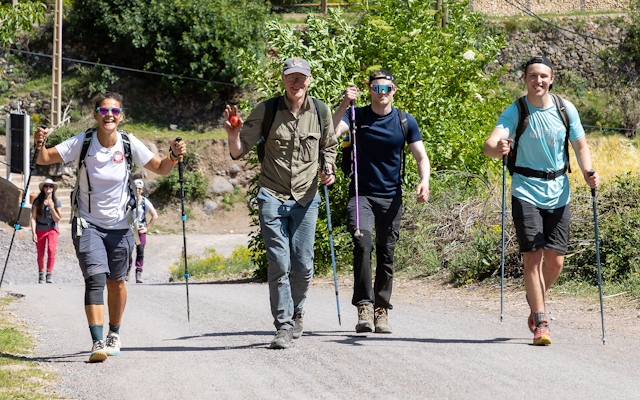
A photo of Tania Park and three others hiking on a path.
Tania challenged herself to summit Mount Toubkal, the highest peak in North Africa. Photo credit: Gerwyn Roberts.

Who else has pledged to take part in challenges as part of this campaign?

A few of my friends are participating in various challenges, but they have not publicly disclosed them. I am working incredibly hard to get partners and organisations to participate in this campaign, too.

We have, for example, joined forces with the World Parkinson’s Program to maximise fundraising efforts and raise money to provide free Parkinson’s medication. We are also arranging a fundraising dinner in November 2023 as part of the campaign.

How do you hope the campaign will benefit the Parkinson’s community going forward?

I hope the campaign will bring the global Parkinson’s community together, empower people to feel a sense of accomplishment and raise money that can be used to help Africans affected by Parkinson’s – whether it be used to provide free medication, support or care.

I also hope that people who live with or are affected by Parkinson’s will feel encouraged to take on challenges that are outside of their comfort zones. By striving to complete these challenges, the community may find that they enjoy them and want to do more of them – particularly if they think it is good for their physical or mental health.

Why are campaigns like this important in supporting the Parkinson’s community and raising awareness?

We shouldn’t underestimate the power of a simple chat about Parkinson’s and its impact. I was astounded to find that, among the seven people who came on a hike with me earlier this year, two people were directly impacted by Parkinson’s. By talking about it and hearing about their experiences, we were able to learn so much. It helped raise awareness about the condition among the rest of the group members.

To make a long-lasting and sustainable difference, funds play a crucial role – which is why campaigns like this are important. Of course, there is no better approach than raising money by completing a task or challenge that is positive and enjoyable.

Tania Park
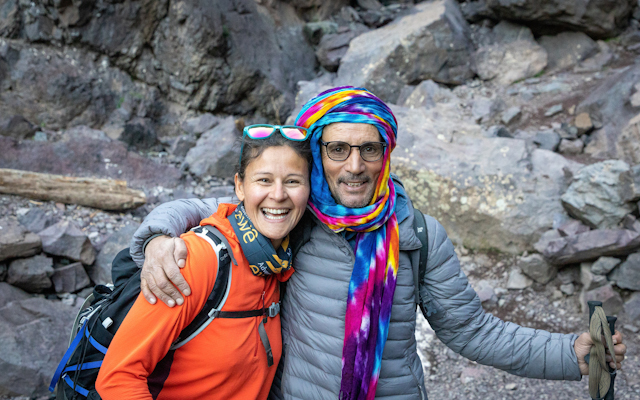
Tania and another participant on the Mount Toubkal trek. Photo credit: Gerwyn Roberts.


Lead image: Participants of the Walking Football Parkinson’s Cup 2023, including Tania Park, organised by Parkinson’s Africa and Adewunmi Desalu Parkinson’s Disease, supported by Waka Football Nigeria team, and funded by the Vitol Foundation. Credit: Akala Akinwiunmi.

Parkinson’s Africa puts best foot forward with first Walking Football Parkinson’s Cup

Parkinson’s Africa raises awareness with Walking Football Parkinson’s Cup in Nigeria
18 July 2023 Verity Willcocks
News
Parkinson’s Africa trustee Omotola Thomas (front, left) and Parkinson’s Africa CEO Tania Park (front, lying down) with winning team, Dream Boys

Last month, the very first Walking Football Parkinson’s Cup took place in Nigeria, Africa.

Organised by advocacy groups Parkinson’s Africa and Adewunmi Desalu Parkinson’s Disease, and supported by walking football organisation Waka Football Association Nigeria, the event on 24 June in the Nigerian city of Lagos was held to improve awareness about Parkinson’s.

More than 200 people attended the city’s Eagle Club to take part in the Walking Football Parkinson’s Cup tournament and to learn about the condition.

Parkinson’s Africa trustee Omotola Thomas kicked off the event, which started with a short demo and a walking football match by the Nigerian walking football national team.

The tournament then began – 12 teams took part, with round one’s successful teams going through to round two and whose winners proceeded to the finals.

During the event, men and women with Parkinson’s spoke about their experiences living with the condition.

There was also a walking football drill demonstrated by people with Parkinson’s. Four attackers represented symptoms (tremor, dyskinesia, constipation, apathy), while defenders (representing medication, clinical support, social and physical support, and nutrition) fought back, with the goalkeeper representing the human body. The drill demonstrated that with more attackers and fewer defenders, the greater stress the body is under and vice versa.

After 28 games had been played and 54 goals scored, the Dream Boys team strolled away with the Walking Football Parkinson’s Cup, with Sahara taking the runners-up prize, and Hope Boys securing the third place by beating the Bring Back Our Language (BBOL) squad.

The event was funded by the Vitol Foundation.