
We’ve created this resource for you in collaboration with people affected by Parkinson’s and the industry teams behind the Device Assisted Treatments and Therapies (or DATTs) we explain. We hope this toolkit makes you feel more empowered to go and have conversations with your clinicians about what treatments you may need as your Parkinson’s progresses.
Use our interactive resource below to explore how DATTs might benefit you, or scroll down to browse our FAQs manually.
Interactive DATT info resource
! TECHNICAL TERM KLAXON !
FAQs: General DATTs advice
What do I do when I feel like my Parkinson's medications are not working well?
The first thing to do is check that you are taking your medication when you were instructed to by your clinician.
If the answer is no, see if you can try and follow the instructions you received from your clinicians about how and when you should take your medication, to see if that helps.
If that doesn’t help or you are already taking your medications as instructed, then start noting down examples of when you feel like your medications are not working well so you can share this complete picture with your clinician.
This will help both of you decide what might be the best options for you moving forward and speed up the process of being able to try other treatments.
The other thing you can do is read this resource to learn more about all of the Device Assisted Treatments and Therapies (or DATTs) that are approved for use in Europe.
Are there other treatment options when my Parkinson's tablets stop working as well as I want them to?
Yes there are. There are a number of different treatment systems available, from different ways of getting levodopa and dopamine agonists into your body (i.e. via infusion pump or injection pen) to having surgery.
Not all treatments are available everywhere in Europe. Your medical system may also only be able to cover costs for certain treatments.
The best idea is to read through the information on our website and then have a chat with your treating clinician.
What non-tablet Parkinson's treatments are there?
There are a number of treatments that you don’t have to take in tablet form.
Some medications can come in liquid form or a skin patch, and there are new versions of levodopa that can be inhaled, and apomorphine comes as a dissolvable film that can be placed under the tongue.
Beyond these, there are also injection pens, infusion pumps, and brain surgery. You can find out more about them in this resource.
Why are there different types of DATTs?
There are different types of DATTs because they all work in slightly different ways, and also because they were developed and went through the research and licensing process at different times.
This means there are a number of different versions of some of the DATTs. You can find out about all of this by reading more of this resource.
Could I use more than one DATT and would I still take my other Parkinson's medication?
Potentially yes, however this would need to be decided by you and your clinician.
Each DATT comes with its own set of guidelines and recommendations, and it also depends on what treatment combinations will best support you to live as full a life as possible.
Are these Parkinson's treatments available in my country?
Unfortunately, not all Parkinson's treatments are available in every country. This is due to each country having its own rules and regulations around healthcare and medical treatment.
We are working hard with our industry partners to list where in Europe that each of the different DATTs are available, and we will try to keep that information up to date in this resource.
The following gives some information about treatment availability, but is not an exhaustive list:
Countries where Deep Brain Stimulation is available
Countries where infusion pump treatment is available
Convatec's infusion set is available from the following European countries:
Norway
Sweden
Denmark
Finland
UK
Germany
Switzerland
Austria
Belgium
Netherlands
Greece
France
Italy
Spain
Countries where Focused Ultrasound is available
What are some some simple questions I can ask my clinician about DATTs and non-oral Parkinson's treatments?
These simple questions are really dependent on what information you have to share with your clinician about what you are struggling with.
However a good place to start is:
- As taking tablets doesn’t seem to work for me as well any more, are there any other treatments I can have access to?
- What information can I share with you to help you decide whether I should try Device Assisted Treatments and Therapies?
- Is there something in my medical history that means I wouldn’t be allowed to be treated with certain DATTs?
- Am I eligible for surgical treatments like Deep Brain Stimulation (DBS) or Focused Ultrasound?
- What’s involved in an Apomorphine challenge?
- What are the rules surrounding which treatment I could try first?
- If I have a surgical treatment, will it make me ineligible for having an infusion pump or other DATTs?
- Why do I only have access to some of the DATTs available in Europe?
You can also download a PDF of these questions to take along to your appointment with you.
FAQs: Deep Brain Stimulation
What is Deep Brain Stimulation?
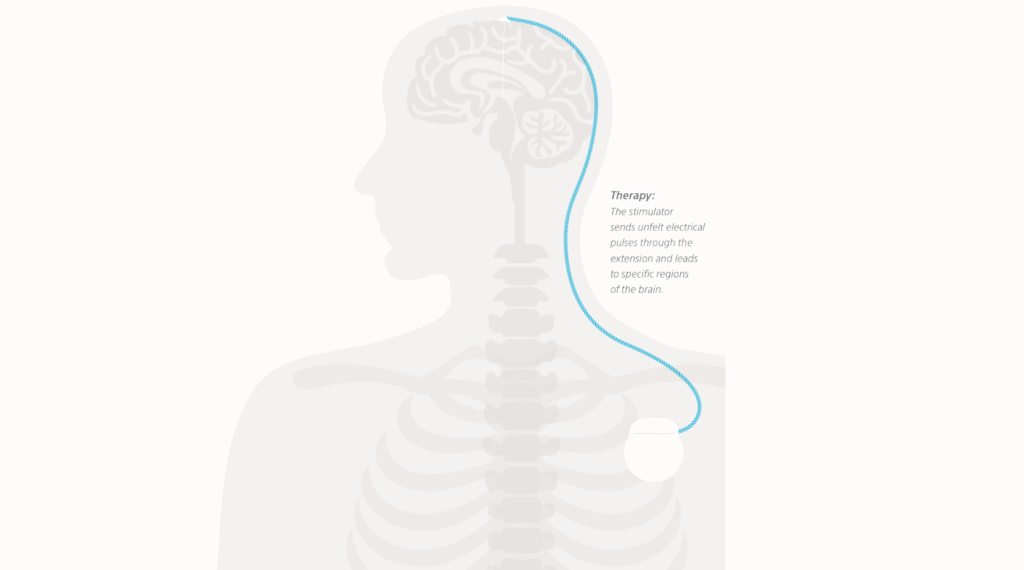
Deep Brain Stimulation (or DBS) is the most common surgical treatment for Parkinson’s, with more than 200,000 patients implanted worldwide so far.
It uses a small, pacemaker-like device (stimulator) to send electronic signals to a precise area in the brain that controls movement via very thin wires (leads). Stimulation of these areas appears to block the brain messages that cause disabling motor symptoms and so can provide greater symptom control.
The stimulator is usually implanted in your chest or abdomen, with leads going up through your neck and linked to electrodes implanted in the brain. The stimulator uses a battery which can be rechargeable or non-rechargeable. The procedure is fully reversible.
What are the pros and cons of Deep Brain Stimulation?
The most common benefits of DBS are reduction of Parkinson’s motor symptoms including rigidity and tremor, reduction in medication intake and overall increased quality of life.
Risks of DBS are linked to surgery complication and post-operation infections, similarly to any other surgery, as well as to possible side effects such as changes in voice and personality.
Where can I find more information about Deep Brain Stimulation?
You can find further information and resources about DBS via the companies which make the devices:
Abbott
Boston Scientific
France: troublesdumouvement.fr
The Netherlands: neuromodulatie.nl
Germany: tiefehirnstimulation-info.de
UK and Ireland: brain-stimulation.co.uk
Sweden: Djuphjarnstimulering.se
Spain: estimulacion-cerebral-profunda.es
Italy: stimolazione-Cerebrale.it
Medtronic
DBS therapy for Parkinson's brochure
More information
FAQs: injection pen
What is an injection pen?
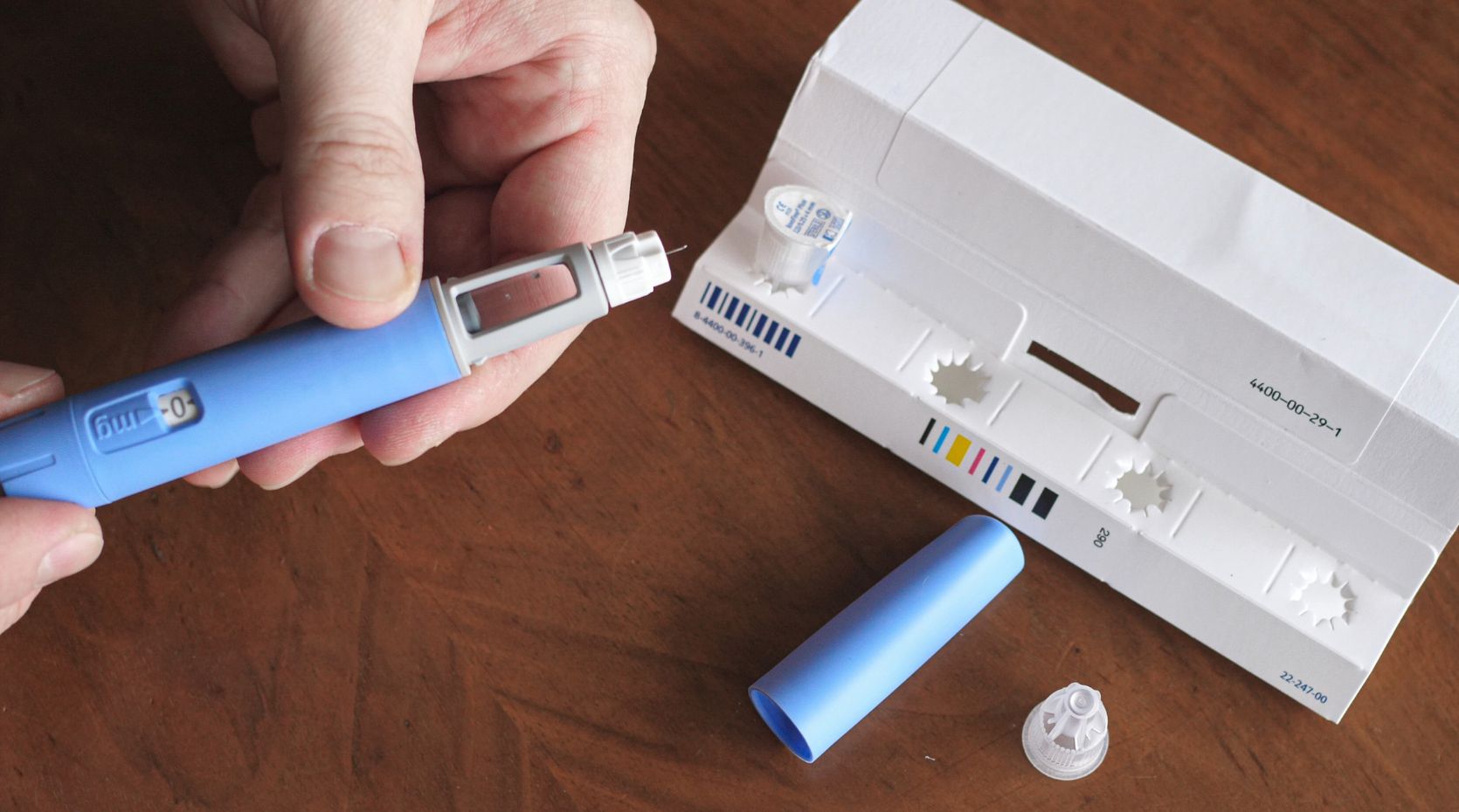
An injection pen is a device designed to provide you with a self-administered injection of the Parkinson’s medication apomorphine. This reduces the length of an OFF periods and the associated symptoms.
An injection pen system is normally composed of:
- A pen, which features a wheel for adjusting medication dose and a display
- Disposable needles
- Cartridges containing the apomorphine medication
Injections can be self-managed or with the help of a caregiver. Injection sites are normally on your thigh, upper arm, or abdomen.
What are the pros and cons of an injection pen?
The benefits of using an apomorphine injection pen are fast reduction of OFF periods and control of associated symptoms compared to oral tablets.
Common risks are related to skin reactions and possible infections, and difficulties in performing the injection by yourself or a caregiver.
Where can I find more information about the injection pen?
You can find further information and resources about the injection pen via the companies which produce them:
EVER Pharma
Welcome to D-mine® Pen User Guide
Parkinson's UK
You can also ask your healthcare professional for more information about the injection pen as a treatment for Parkinson's.
FAQs: infusion pump
What is an infusion pump?
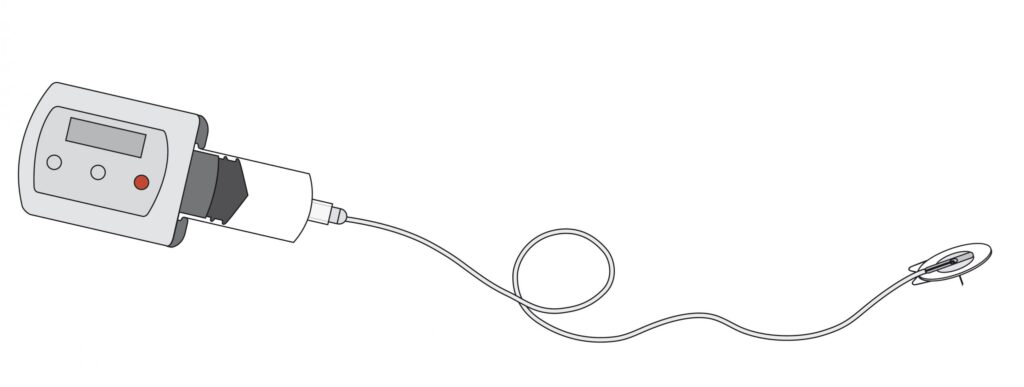
A pump is a device designed to provide you with a continuous infusion of Parkinson's medicine via a needle inserted in your small intestine or under your skin.
This allows the medicine to bypass the gastrointestinal tract and be absorbed more rapidly by your body, reducing the fluctuations and wearing off linked to oral tablets.
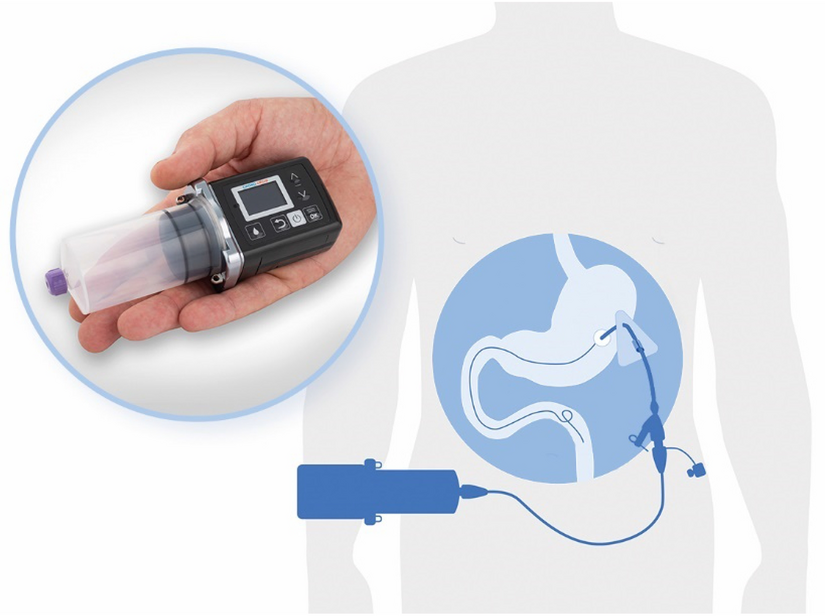
The Parkinson’s medications delivered via a pump system are:
- Levodopa/Carbidopa (delivered either in the small intestine or under the skin)
- Levodopa/Carbidopa/Entacapone (delivered in the small intestine)
- Apomorphine (delivered under the skin)
A pump system is normally composed of:
- The pump device, which can include a reservoir for the medication
- A needle, which can be inserted either in your small intestine (with a small surgical procedure) or under your skin (self-managed) and then removed, leaving
- A cannula (thin tube) in the intestine or under the skin for the medication to be delivered through
- Vials, cassettes or cartridges containing the medication
The pump device is normally worn attached to your belt or in a dedicated case/bag.
Pump devices have a display and button to control settings and adjust the medication flow.
Medication dose change will always be managed by a clinician.
What are the pros and cons of a pump?
Benefits
The benefits of using a pump are the reduction of fluctuations linked to the wearing off of medication doses and the more stable controlling of Parkinson’s symptoms.
To explain further: when treating Parkinson's with tablets, so-called "off episodes" or fluctuations can occur after some time. This means that the effect of the medication varies: periods of good mobility (“On”) alternate with periods when symptoms become more pronounced (“Off”). This often happens because tablets are not always absorbed evenly by the body and their effect may wear off before the next dose takes effect.
A medication pump, which delivers the Parkinson’s medicine directly into the intestine or under the skin, can reduce these fluctuations. The pump provides the medication continuously, so the level of the active substance in the blood remains more stable. As a result, fewer “Off” episodes occur, and mobility stays more consistent overall.
Risks
Common risks are related to skin reactions and possible infections on the infusion site, and difficulties in handling the pump by yourself or a caregiver. Other side effects may also occur - if you experience any unusual or severe symptoms, please consult your healthcare provider.
Where can I find more information about infusion pumps?
You can find further information and resources about infusion pumps via the companies which produce them:
Britannia Pharmaceuticals
APO-go POD and Crono PAR4 20 2-Day Set Up Guide
LECIGON Patient Information Leaflet
LECIGON User Guide - PEG-J Tube
Convatec
Video: Neria™ Guard
Animation: Infusion Care - Infusion sets for subcutaneous infusion treatment
EVER Pharma
FAQs: MR-guided Focused Ultrasound
What is MR-guided Focused Ultrasound?
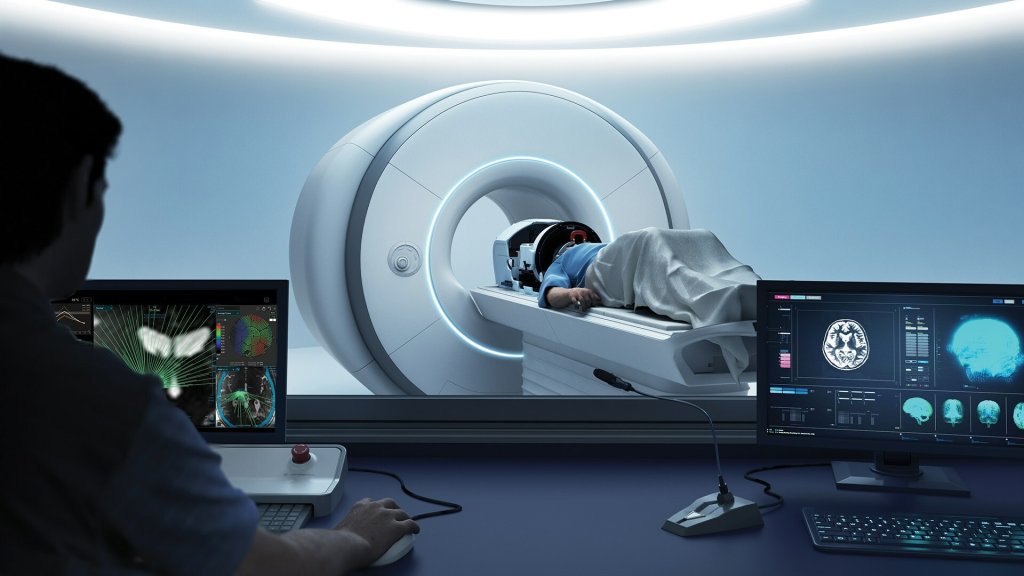
MR-guided Focused Ultrasound (MRgFUS) is an incisionless, one-day procedure with short recovery time for people living with Parkinson’s.
It uses ultrasound waves, guided by MRI (Magnetic Resonance Imaging), to precisely treat areas of the brain.
The procedure is currently unilateral (treating one side of the body). The patient is awake during the procedure, which lasts for around 2-3 hours, and can normally go back to normal life within a few days after therapy.
What are the pros and cons of MR-guided Focused Ultrasound?
The benefits of the procedure are reduction of motor symptoms and motor complications and improvement in quality of life.
Side effects (such as gait and speech) are common, but most are mild to moderate and progressively resolved.
Where can I find more information about MR-guided Focused Ultrasound?
You can find further information and resources about MR-guided Focused Ultrasound on the website of the companies that provide this technology:
Insightec