,
Also known as: involuntary muscle spasmsDystonia at a glance
Key symptoms: painful muscle spasms affecting feet, hands, neck, eyelids, vocal cords, and jaw area
Treatments: medication, therapies, surgery, at-home strategies
Dystonia describes the painful involuntary muscle spasms that occur when your muscles do not relax after they have tightened or shortened. It is defined by the movement disorder society as sustained or intermittent abnormal movements, postures, or both.
Dystonic movements and postures are typically patterned and repetitive and may be tremulous or jerky. They are often initiated or worsened by voluntary action, and frequently associated with overflow movements.
Why this happens is not fully understood, but it seems to be related to reduced dopamine levels in the brain, which affects how effectively the brain can communicate with muscles.
Dystonia causes varying degrees of pain, from mild to severe. It can affect anything from one specific body part to most of the body. It can occur at any age, but is more common in people who are diagnosed with Parkinson’s before they are 40.
Types of dystonia
Dystonia can affect:
- one part of the body – known as focal dystonia
- two parts – known as segmental dystonia
- several parts – known as multifocal dystonia
- most of the body – known as generalised dystonia.
Dystonia symptoms:
The signs and symptoms of dystonia (involuntary muscle spasms) include:
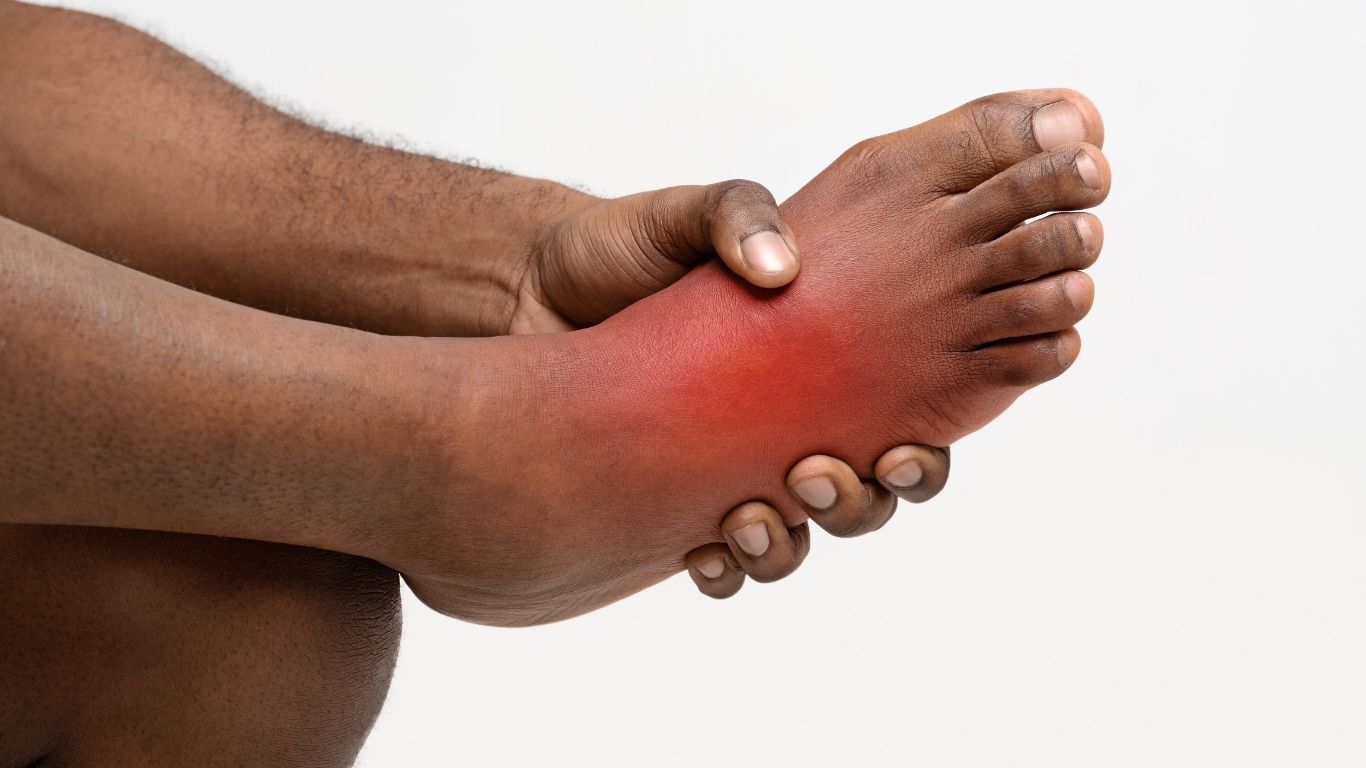
- Feet and legs: the most common involuntary muscle spasms in Parkinson’s. Typically the toes curl up into a claw-like position, the foot turns inwards at the ankle, and occasionally the big toe sticks up. This position, caused by spasms in the calf muscles, can be very uncomfortable. It can also cause temporary difficulties in walking or exercising.
- Hands: ‘writer’s cramp’ in the hands (a type of focal dystonia) only occurs during handwriting.
- Neck: cervical dystonia (spasmodic torticollis) affects the neck muscles. This causes the head to twist to one side, forwards or occasionally backwards.
- Eyelids: the eyelid muscles may contract and make the eye close involuntarily (known as blepharospasm). This is often experienced as excessive blinking, intolerance to light, a burning feeling in the eye or irritation. It usually starts in one eye and often spreads to both.
- Vocal cords: dystonia affecting the vocal cords or speech muscles (known as spasmodic or laryngeal dystonia) makes speaking difficult or strained.
- Jaw area and side of the face: oromandibular dystonia affects the jaw area, tongue, mouth or one side of the face. The jaw may be pulled either open or shut, and speech and swallowing can be difficult.
How is it diagnosed?
Dystonia can be diagnosed by a neurologist. They will ask you about your symptoms, any other conditions you have, and any medicines you are taking. They may also ask about your family history, take blood and urine tests, and arrange a brain scan.
How common is dystonia (involuntary muscle spasms)?
Dystonia can occur at any age, but it is more common in people who are diagnosed with Parkinson’s before they are 40.
It tends to affect the side of you which is most affected by Parkinson’s symptoms, although it can affect more than one part of the body. If Parkinson’s onset is after the age of around 40, dystonia usually remains focal (affects a single area). But if onset is below the age of around 40, dystonia is likely to affect a number of parts of the body, or become generalised (affect most of the body).
What causes dystonia?
It is not fully understood why this occurs, but it seems to be related to changes in the messages that the basal ganglia area of the brain sends to the muscles. These messages or signals become irregular, often due to reduced dopamine levels.
As a result, opposing muscles contract simultaneously and repeatedly over a prolonged period of time which leads to painful involuntary twisting and difficulty controlling movement.
Medication
Dystonia in Parkinson’s may be a symptom of the condition, but it can also be a side effect of the medication levodopa.
- Off-dystonia is caused by medication wearing off (when levodopa becomes less effective before the next dose is due). This is particularly common in the morning and you may have difficulty getting out of bed until the next dose of medication starts to take effect.
- On-dystonia can also occur when levodopa reaches its peak of effectiveness and there is too much dopamine in your brain. This over-stimulates your muscles and causes spasms.
Is dystonia always linked to Parkinson’s disease?
Dystonia is a medical condition in its own right. One type is a genetic or hereditary condition called ‘primary’ dystonia, meaning it runs in families.
It can also be a symptom of several other conditions (secondary or symptomatic dystonia). These can include Parkinson’s, and can be a side effect of medications like levodopa.
Dystonia or muscle cramps?
Muscle cramps and dystonia can be confusing as they can feel very similar. Both muscle cramps and dystonia occur when one of your muscles, or a group of muscles, tightens or shortens involuntarily.
Although you may not always be able to tell the difference between them, they are caused by separate problems and are therefore treated differently.
Muscle cramps in Parkinson’s are generally caused by muscular rigidity and reduced movement (bradykinesia) rather than by muscles contracting. But, like dystonia, contractions can also be painful and very distressing.
Normal painkillers do not usually relieve them, but the contractions often respond well to stretching, massage and using a hot water bottle or heated pad. You can also try placing weight on the foot. Movement and exercise may also help to release stiffness. If these do not help, then your doctor may prescribe specific pharmacological options.
Dystonia (involuntary muscle spasms) treatments:
For treatment of dystonia to be effective, it is essential to understand the trigger or cause.
Certain medications may be effective for some people but not for others. Some work by interfering with neurotransmitters in the brain and disrupting the messages they send to muscles. Others work by relaxing the muscles to reduce shaking and improve muscle control. Always speak to your doctor before making any changes to your medication.
Depending on the cause and severity of your dystonia, your doctor may suggest the following strategies:
- A controlled release form of levodopa at night, to alleviate or prevent off-dystonia in the morning. Medication is released slowly over a four to six hour period to stabilise levels of levodopa in your bloodstream.
- Crushing your first dose of medication each day so it takes effect faster. This must be done only if suggested by your doctor or nurse, as not all tablets work effectively when crushed. A dissolvable or rescue medication may also be prescribed.
- Smaller, more frequent doses of medication.
- The addition of a COMT inhibitor or dopamine agonist to improve the effectiveness of levodopa and reduce the likelihood of off-dystonia.
- If dystonia does not respond to changes in Parkinson’s medication, then muscle relaxants or benzodiazepines may be prescribed. These reduce communication between the brain and the nervous system.
- Botulinum toxin (botox) can be injected into the affected muscle to block the release of the chemical messenger acetylcholine and prevent it from stimulating the muscle contractions. The injected muscles are weakened and so dystonic spasms are reduced. However, the treatment needs to be repeated every two or three months to remain effective. Unfortunately some people develop a resistance to this treatment over a period of time.
- Surgical procedures such as Deep Brain Stimulation (DBS) have been found to help in managing dystonia in those who do not respond to medication. These are not appropriate for everyone, so you will need to discuss surgical options with your doctor.
Therapies
Physiotherapy and occupational therapy may also help. A physiotherapist can use massage or exercises to help retrain muscles. Occupational therapy may also help with everyday tasks and activities that dystonia makes challenging. Both can share small physical gestures called sensory tricks that help some people find temporary relief from dystonia. These gentle actions can sometimes help interrupt a spasm or reduce the intensity of a movement.
Remember that not all of these strategies will work for everyone, so it is important to communicate well with your doctor so that, together, you can find the best solution for you.
If the dystonia is levodopa-related, it is a good idea to keep a ‘motor diary’ to record when dystonic spasms occur and how they relate to the timing of medications. This information can help your doctor adjust dosage and/or timings of medication to better manage your dystonia.
What can I do at home to relieve dystonia?
There are things you can do to help yourself at home. Dystonia affects everyone differently, so you may need to try a variety of ‘tricks’ to see what works for you.
- Spasms may be reduced by touching the affected part of the body either before or during any movement known to trigger dystonia. Although this may not prevent or stop a spasm, touching can distract or trick the brain and reduce the length and intensity of a muscle contraction. For example, for foot dystonia, strategies such as using toe separators, wearing toe socks, or walking on softer or slightly uneven surfaces may sometimes help reduce toe curling or the feeling that the foot is locking up.
- Simple massage, exerting pressure on the foot, or the use of a hot water bottle or heated pad can also help, as can movement and exercise
- For eye spasms, some people find lying down, singing, yawning, laughing, chewing, putting pressure on the eyebrows or just talking can help. Spasms in the vocal cords may respond to yawning or sneezing
- Simply relaxing may also help, so try taking a bath, having a massage or a calming activity such as yoga.
References and acknowledgements
We would like to thank the following:
- Parkinson’s UK for permission to use the following source(s) in compiling this information: Muscle Cramps and Dystonia
- Physiotherapist Parkinson’s Specialist (Egas Moniz School of Health & Science, Lisbon) Prof Josefa Domingos for reviewing this information
Content last reviewed: July 2026