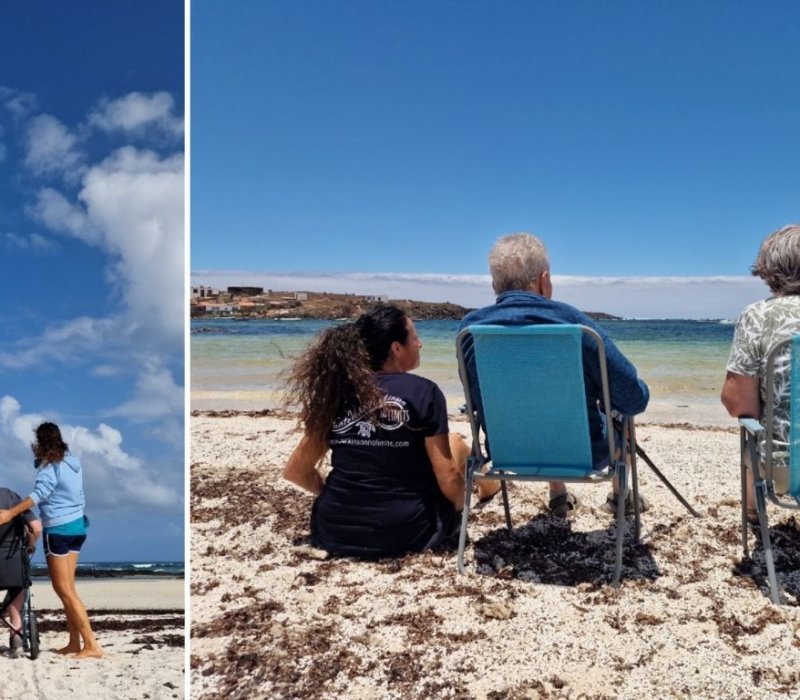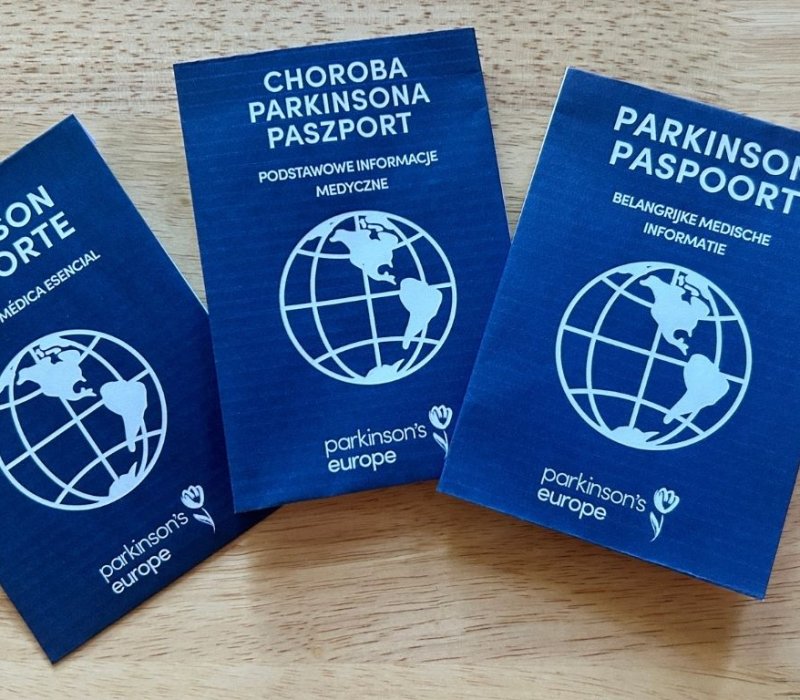
With summer just around the corner, and the new-look Parkinson’s Passport available in multiple languages, it is a great time to plan a break. Parkinson’s Life spoke to author and campaigner Timo Montonen to hear his top tips for travelling with Parkinson’s.
Travel tips for people with Parkinson’s
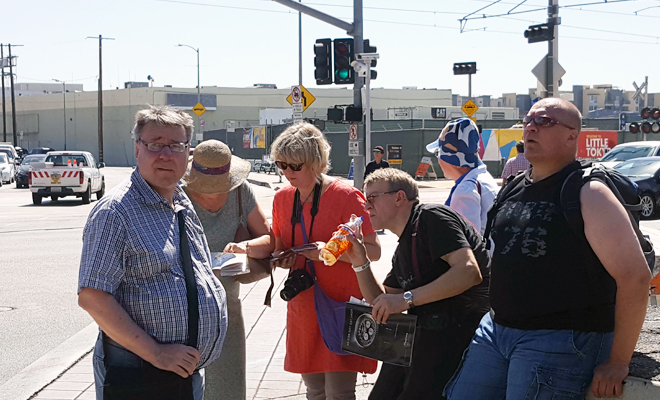
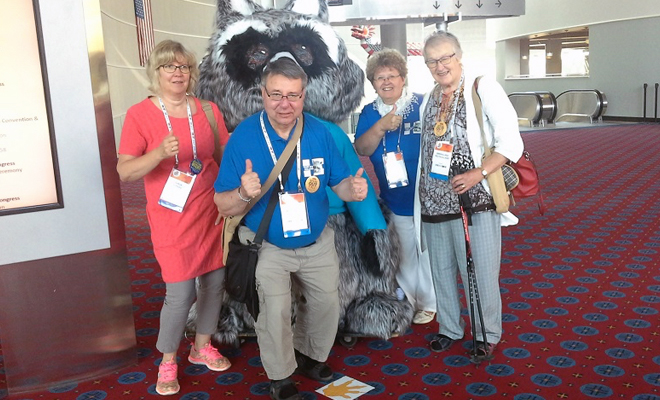
“Like hundreds of other people with Parkinson’s, I planned to attend the fourth World Parkinson Congress (WPC) in Portland. But living in Finland, I was faced with a long-distance trip across the Atlantic to the US – which I decided would be better with a team of friends. Besides, it’s more fun, safer and cheaper to travel in a group.
“We travelled by planes and vans to the west coast, visiting San Francisco, Los Angeles and Las Vegas on the way to Portland. The two-week journey was a success and we discussed afterwards what we could have done to make it even better. As a result, we created the following list of advice for other groups of people with Parkinson’s who wish to travel.
Plan ahead
“Start planning well before the trip to avoid stressful situations. Decide everyone’s role in advance – in particular, who will be group leader. The schedule must be arranged according to the slowest member of the group. Keep the budget clearly in mind and follow it. Research the different ways to travel as a group. Assess the pros and cons of using different vehicles such as aeroplane, train, ship, coach and minivan.
Manage your medication
“Make sure that you have all the medication that you need for the journey – and also take enough for a few extra days in case of delays. Take care of the medication schedule. Put prescriptions, and all other documents – such as a ‘Parkinson’s Passport’ – necessary for travelling, in one folder to make them easy to find when needed.
Prepare for the airport
“If you have deep brain stimulation equipment, artificial joints or pacemakers, take all documentation with you so that you can inform staff at the airport. Internal metal plates can be detected by body scanners at security checks – be ready to explain any medical implants to security staff.
Pack light but include key tools
“Always remember to pack your essentials, but try and travel light. If you use a seat cushion, pack it in your cabin bag along with the other things that you’ll need during the flight. Eating while on the plane is easier if you bring your own spoon and non-slip mat that you can place under your plate. Take straws with you to help with drinking, and extra napkins for any accidental spillages, as the plane does not always have them. Ankle supports, a back support and a seat cushion will all help tired muscles.
Dress comfortably
“Dress comfortably in loose clothing. Wear support stockings to prevent the lower legs from swelling. Take comfortable shoes that are easy to put on and take off. Bring warm socks or slippers on the plane with you to wear when walking up and down the aisle for loo breaks.
Queue jump
“Inform the airport check-in staff and the plane personnel about the condition of your group – that you cannot stand for a long time in queues, for example. It’s possible that you may be able to ‘fast-track’ your way to the front of queues. If you use walking aids and/or wheelchairs contact your travel agency or flight operator in advance to ask for extra assistance at the airport.
Move mindfully on the plane
“Remember to stand up and stretch regularly while on the flight – bend the knees, stretch your legs, rotate your ankles, stretch your back, bend your upper body from side to side, raise your hands above your head. When it’s time to leave the plane remain, in your seat until the plane is almost empty – it’s no fun to stand and wait in a crowd.
Meal plan carefully
“Try to eat breakfast in your usual manner. When the group is on the road, having lunch can take a surprisingly long time, as you have to find a restaurant, order, eat and get the bill. To save time, eat a packed lunch during the day and have a sit down dinner in the evening.
Have a flexible itinerary
“Start mornings in peace. Remember to take rest breaks during the day. If the group is lacking energy, leave something out of the schedule to focus on the most important or most comfortable option. It’s OK to take a day off from the planned itinerary if the group could benefit from a rest day.
Take care of the team
“Take care of all members of the group. Make sure that all are able to cope with the schedule. Work creatively according to the situation, but don’t assume that all will follow the plan. Don’t leave anyone alone. Make sure you’re prepared if there is an emergency. Remember, worrying too much about Parkinson’s disease will not help you or your team.
Above all, enjoy the trip!”
This article was first published in August 2019.