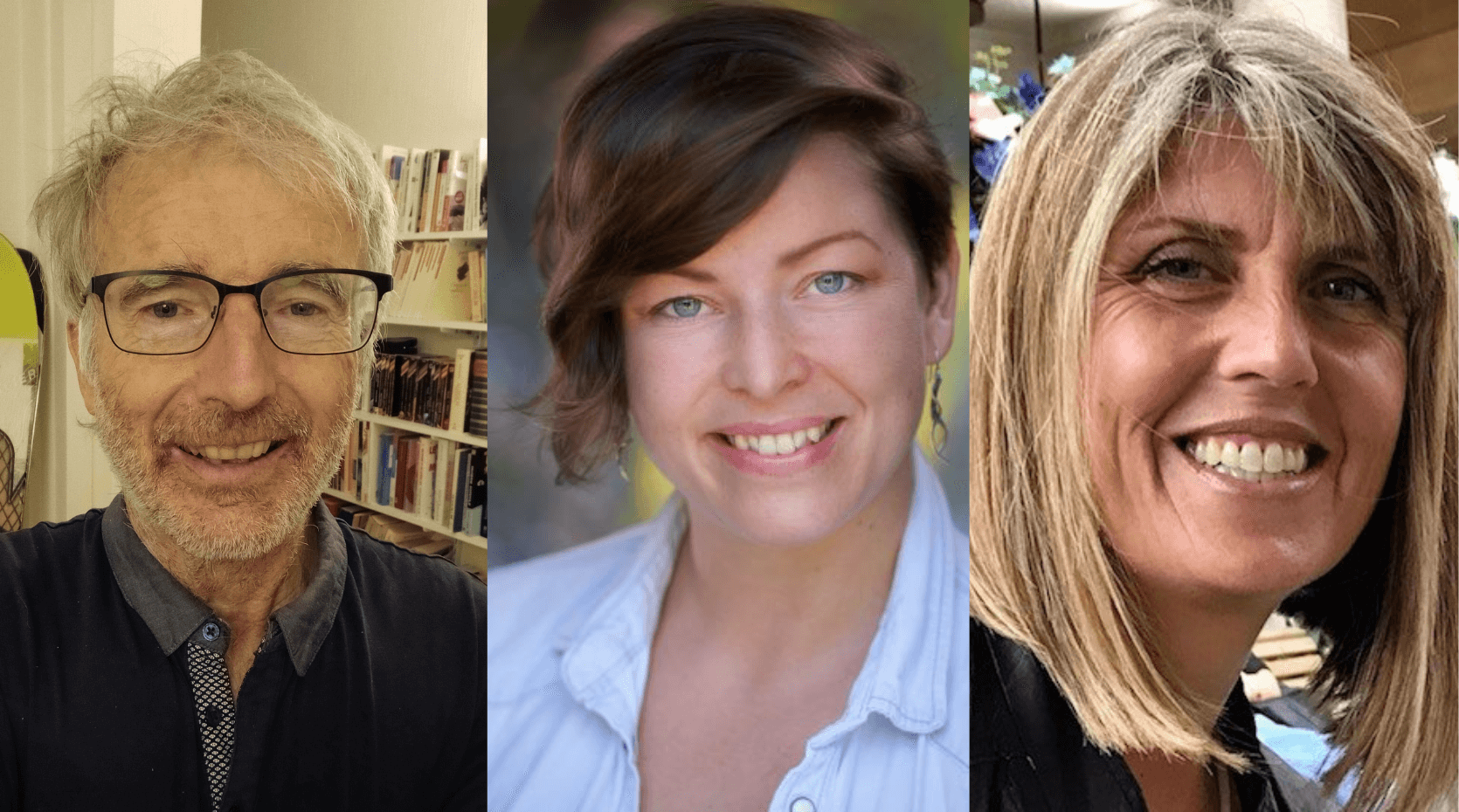
“Many people with Parkinson’s are not familiar with the term ‘disease-modifying therapy’ and have not heard of it previously,” says Kate Trenam, Head of Patient Engagement (Neurosciences) at biopharmaceutical company UCB.
This was the outcome of a workshop it arranged in early 2023 between people with Parkinson’s from the UK, the Netherlands and Canada alongside representatives of patient organisations Parkinson’s UK and Parkinson’s Foundation. The workshop also found that more knowledge is needed on “what disease-modifying therapies are and how they differ from symptomatic treatments.”
These findings were not surprising, according to Kate, as UCB was already aware of confusion about disease-modifying therapies among the Parkinson’s community.
The workshop was just the beginning of the journey as UCB subsequently partnered with pharmaceutical company Novartis and other patient organisations including Parkinson’s Europe, Cure Parkinson’s, The Michael J. Fox Foundation and Parkinson Canada to produce a narrative for people newly diagnosed with Parkinson’s explaining what disease-modifying therapies are – that is, treatments that could slow the progression of Parkinson’s for longer.
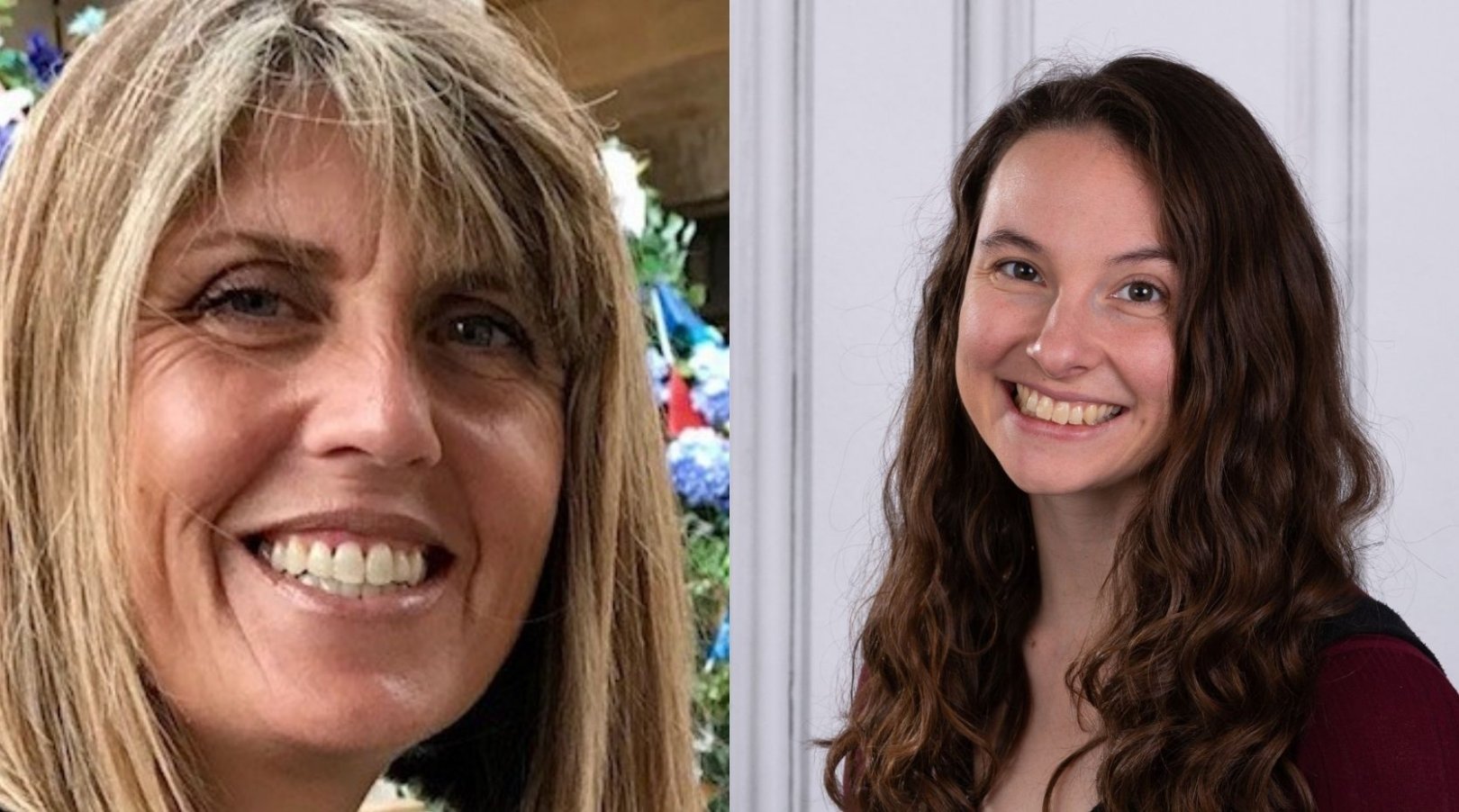
Kate (pictured above) explains the motivation behind the project: “It’s essential that the patient community is equipped with clear, accessible information from the outset. This enables individuals to make informed decisions – including whether to consider participation in clinical studies that may contribute to the development of disease-modifying therapies.”
Although scientists have yet to develop an effective disease-modifying therapy, it is believed that finding one could be a gamechanger for people with the condition. Kate says: “While symptom management remains crucial for improving quality of life, disease-modifying treatments offer the potential of altering the disease course itself. By slowing or even halting the progression of Parkinson’s, the aim is to preserve patients’ physical and cognitive functions for as long as possible. This approach has the potential to transform lives and reduce the long-term burden of the disease, making it an area of significant interest and investment.”
The first draft of the disease-modifying therapies narrative
The aim for the narrative was for it to employ standardised, easy-to-understand terms and phrasing that would then be used uniformly by Parkinson’s organisations and the biopharmaceutical companies when communicating about disease-modifying therapies.
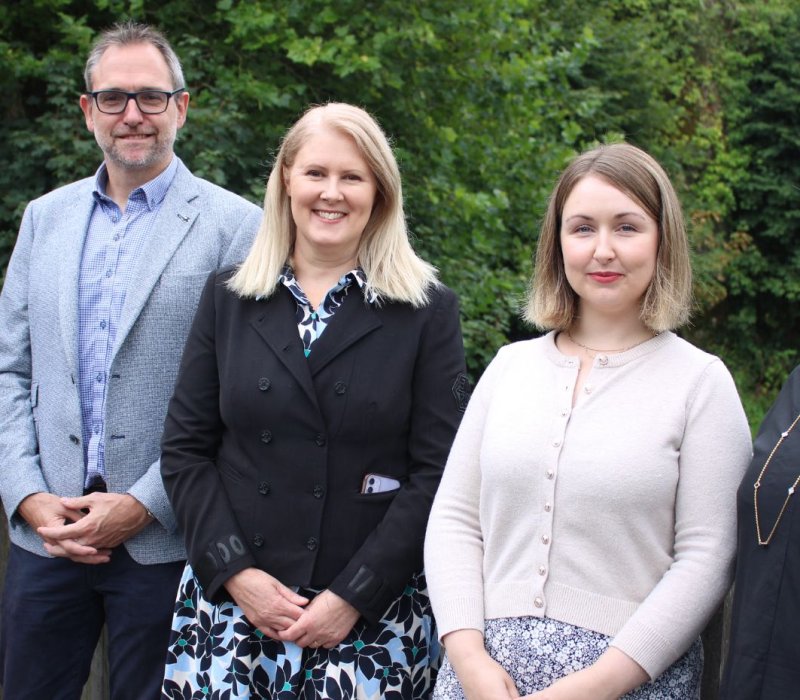
Amelia Hursey, Strategic Director for Parkinson’s Europe, says: “What UCB and Novartis were trying to do was to work in collaboration with a collection of patient organisations to create a common agreed-upon set of terms that could be used by everyone when talking about new treatments that will hopefully change the progression of Parkinson’s as a condition.”

Becky Jones from Parkinson’s UK (pictured above) says: “It was also to equip clinicians and healthcare professionals with the tools to have those conversations about disease-modifying therapies with their patients, which can be backed up by what they might read on our website about disease-modifying therapies or The Michael J Fox Foundation or Parkinson’s Europe website.”
A first draft of the document, entitled “Co-created disease modification patient narrative”, was written and given to 181 people with Parkinson’s and their caregivers from Spain, Greece, the UK and the US, who completed a questionnaire about it.
Kate says the survey indicated that “some key facts about disease-modifying therapies were not widely known among people with Parkinson’s and their caregivers, highlighting the importance of simplifying and clarifying the language used. Their feedback was instrumental in shaping the next draft.”
Becky adds of this stage: “The breadth of what we needed to cover really came out of that survey, in that there’s no ‘one size fits all’ when it comes to Parkinson’s. We were also trying to understand exactly what felt like the right amount of information, without bombarding people with lots of information at the beginning of their diagnosis journey, but also making sure that all the options are there.”
When reviewing the document at each stage, Amelia explains: “What I was looking for was language that would stop people from understanding what benefit could be found if and when these treatments become available.”
The second and third drafts
Despite drawing on the above feedback, in February 2024, a second draft was rejected by the joint UCB and Novartis Parkinson’s Strategic Patient Council (SPC) (which includes The Michael J. Fox Foundation, Parkinson’s Foundation, Parkinson’s UK, Cure Parkinson’s and Parkinson’s Europe), who felt its language was too scientific and hard to understand.
It also scored poorly on two readability tools, including the Suitability Assessment of Materials (SAM) tool, which assesses health education materials. The SPC decided that it should be adapted, aiming for a reading age of 11–12 years.
A notable change at this point, says Kate, was “to help manage expectations – particularly clarifying that disease-modifying therapies are not a cure.”
A revised version was rated just above the target age and scored 67 per cent on SAM – almost ‘superior’. This third draft was reviewed by people with Parkinson’s and their care partners, Patient Advocacy Groups (PAGs) and members of the SPC, who assessed it for readability, tone and clear language.
But their feedback was that the document was now too simple.
The final draft
Becky says: “The general consensus was once it had been simplified it lost some of the nuances of how a disease-modifying therapy might be different to the medication that you’re prescribed at diagnosis.”
Further changes were therefore made until a final version was reached that all parties were happy with. Although it scored lower on the readability measures due to Parkinson’s-specific terminology, survey and focus group feedback indicated that these terms were generally understood by people with Parkinson’s.
At the same time as the narrative, the organisations also worked together on a booklet entitled Your guide to living fully after a Parkinson’s diagnosis, to support the newly diagnosed with key information on how they can maintain a good quality of life. This also includes a section on disease-modifying therapies which uses the same terminology as agreed upon for the narrative.
What happens now
The narrative document will now be a key consideration by the above Parkinson’s organisations when communicating about disease-modifying therapies.
Kate says: “Several patient advocacy groups (PAGs) plan to incorporate disease-modifying therapy messaging into their own communication activities. They intend to use consistent language and key messages from the narrative to maintain alignment and clarity.
Kate then outlined UCB’s plans: “We are currently working on a joint manuscript with PAGs and patients, which we hope will be accepted as a publication which will include a link to the PAG websites, where these resources can be found.”
Becky says: “It will be on [the Parkinson’s UK] website, and we plan to use it in a few different ways. We’re looking at how we can use that language in our newly diagnosed information to make sure that we’re consistent, and across our research communications too. We also have really strong links with healthcare professionals, and so we’ll be talking about how we can empower them to use it when they’re having conversations with their patients about research.”
Parkinson’s Europe has developed a whole campaign around building the knowledge of people with Parkinson’s and their caregivers about disease-modifying therapies and is part of a non-profit Parkinson’s coalition to discuss how to spread the message further. It is also planning to produce translations of the text in four different languages, including French, German, Italian and Spanish. There are also plans to publish the booklet on its website.
Amelia explains how important it is for Parkinson’s Europe to have been involved in the project: “Most involvement in research is done in English by people from the USA and the UK, but this enabled us to bring the mainland European voices into the process of the development of this to make sure that what was included also made sense to them and could be translated successfully.”
Both Amelia and Becky praised the project as a great example of how the Parkinson’s community can work together with industry for the benefit of people with Parkinson’s, with Becky remarking that two “really rich materials” have resulted.
Becky said: “Interaction with biopharmaceutical companies showing that willingness to really put patients at the centre is something that has to be commended, and we’d love to see more of that as we go forward.”
Amelia added: “Without this kind of collaboration, Parkinson’s organisations end up working in silos. Breaking those silos is so important as a community, as a progressive scientific network, who are all trying to bring the voices of all of those with Parkinson’s together across the globe.”
Parkinson’s Europe is sharing this article for information purposes only; it does not represent Parkinson’s Europe’s views and is not an endorsement by Parkinson’s Europe of any particular treatments, therapies or products.