Non-profit Critical Path Institute (C-Path) plans to focus on a long-overlooked area of research – the different ways Parkinson’s uniquely affects women and individuals across the sex and gender spectrum.
Since its launch in 2005, the independent, non-profit has pioneered advancing better treatments and drug development. The Gender Equitable Medicines for Parkinson’s Disease (GEM-PD) initiative will use diverse data and innovative technologies, including artificial intelligence and digital health technologies, to help accelerate the development of more personalised treatments.
The initiative will also focus on drug development to help provide a more equitable approach to detection, disease management and therapies for all individuals living with Parkinson’s.
C-Path CEO Klaus Romero, M.D., M.S., FCP, says: “GEM-PD will further catalyse our efforts to address unmet need in Parkinson’s disease therapies.”
Sarah Zenner-Dolan, Parkinson’s patient, and C-Path advisor, adds: “As someone living with Parkinson’s, I’m hopeful that through a better understanding of how the disease affects women uniquely — from disease onset to clinical diagnosis and treatment response — we can develop treatments that truly reflect each person’s unique experience. This initiative gives me hope that future therapies will better address the specific challenges women face with Parkinson’s.”
Building on the work of CPP
GEM-PD will partner with and build upon the achievements of C-Path’s Critical Path for Parkinson’s (CPP) Consortium.
Amelia Hursey, Research Manager at Parkinson’s Europe explains: “CPP is a global consortium gathering data from all of its stakeholders so we can collectively understand more about Parkinson’s and work towards finding a cure. Each initiative that comes out of CPP is going to help the Parkinson’s community, and gender differences are a very important part of that picture.”
Collaboration and data sharing are crucial to driving innovation. CPP’s global database has already had an impact on drug development, by examining how factors such as biomarkers and genetics shape the living experiences of those with Parkinson’s.
Over the last 10 years, CPP has achieved significant success, including the first biomarker qualified by the European Medicines Agency for use in clinical trials targeting early-stage of disease. Working in partnership with CPP, C-Path’s GEM-PD initiative aims to continue this progress to develop more tailored solutions for the Parkinson’s community.

Women-focused initiative to help fill research gaps
“The launch of GEM-PD is a major step in addressing the gaps in Parkinson’s research,” said Diane Stephenson, Ph.D., Vice President of Neurology, and Executive Director of CPP. “By focusing on women’s distinctive experiences, we’re filling a critical need for more personalised approaches to treatment. This initiative not only strengthens our existing tools and databases but also creates new opportunities for innovation.”
Gender specific research in Parkinson’s is hugely important, and something Cathy Molohan – observer on the Parkinson’s Europe Board – feels strongly about: “I’m delighted to see that the topic of gender and Parkinson’s is being addressed,” she shares. “It is essential that we understand the impact of hormones on women’s symptoms, and that we can adjust treatment accordingly. Women experience very different symptoms to men and metabolise medication differently. It’s high time we do more to understand these differences and stop treating men and women the same. There is a lot of hype at the moment about personalised medicine, and yet we are failing to personalise treatment at the most basic level – that of gender.”
Experts welcome unique gender focus
The initiative has been received positively by experts within the Parkinson’s community, including Dr Soania Mathur, a Toronto-based PwP and Parkinson’s advocate who has been passionately involved in supporting additional research in women and Parkinson’s and the research gap.
“For too long women living with Parkinson’s disease have not had their unique experience with this disease recognised and there are a number of unmet needs in this part of our community,” she explains. “Not only are there differences in the physical manifestation of Parkinson’s but also a significant difference in the emotional experience and the psychosocial stressors that women face. So to see efforts directed towards unique gender experiences and the development of personalised approaches to care is long overdue.”
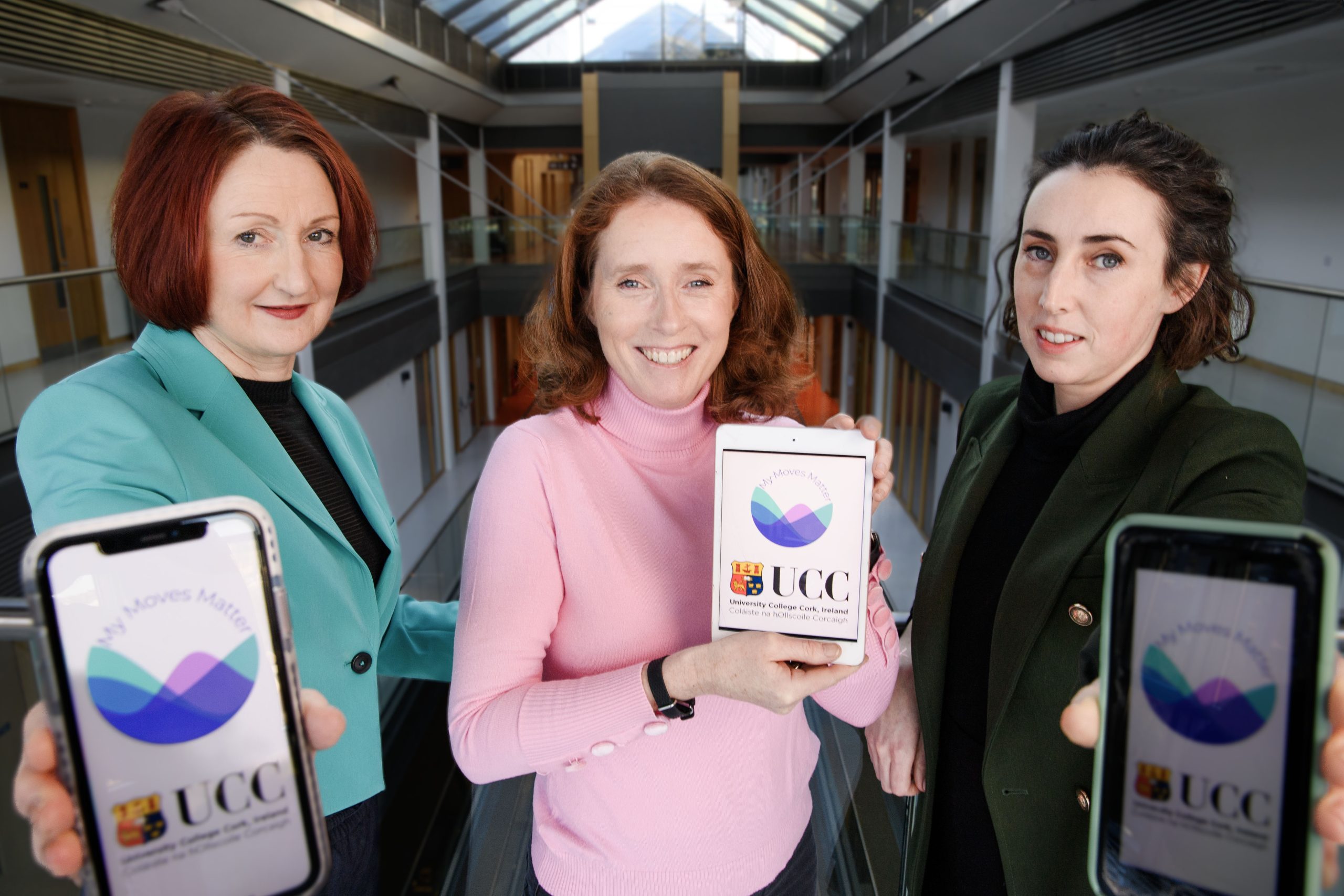
Richelle Flanagan, the inventor of the Parkinson’s self-care app My Moves Matter and a woman living with Parkinson’s, echoes this opinion, saying: “Over the last five years, through co-founding the Women’s Parkinson’s Project and the My Moves Matter app, I have been advocating for better personalised care for women with Parkinson’s. We can see in the aggregated data from My Moves Matter differences in the patient reported symptom tracking between women and men,” she says.
“We would be delighted to collaborate with this great initiative by C-Path to accelerate better management of women with the drugs we have today. But also to help identify new pathways to slow progression for both women and men, through a better understanding of the pathology of Parkinson’s through a sex-specific lens.”
You can find out more about C-Path and the Gender Equitable Medicines for Parkinson’s Disease (GEM-PD) initiative at C-Path.org