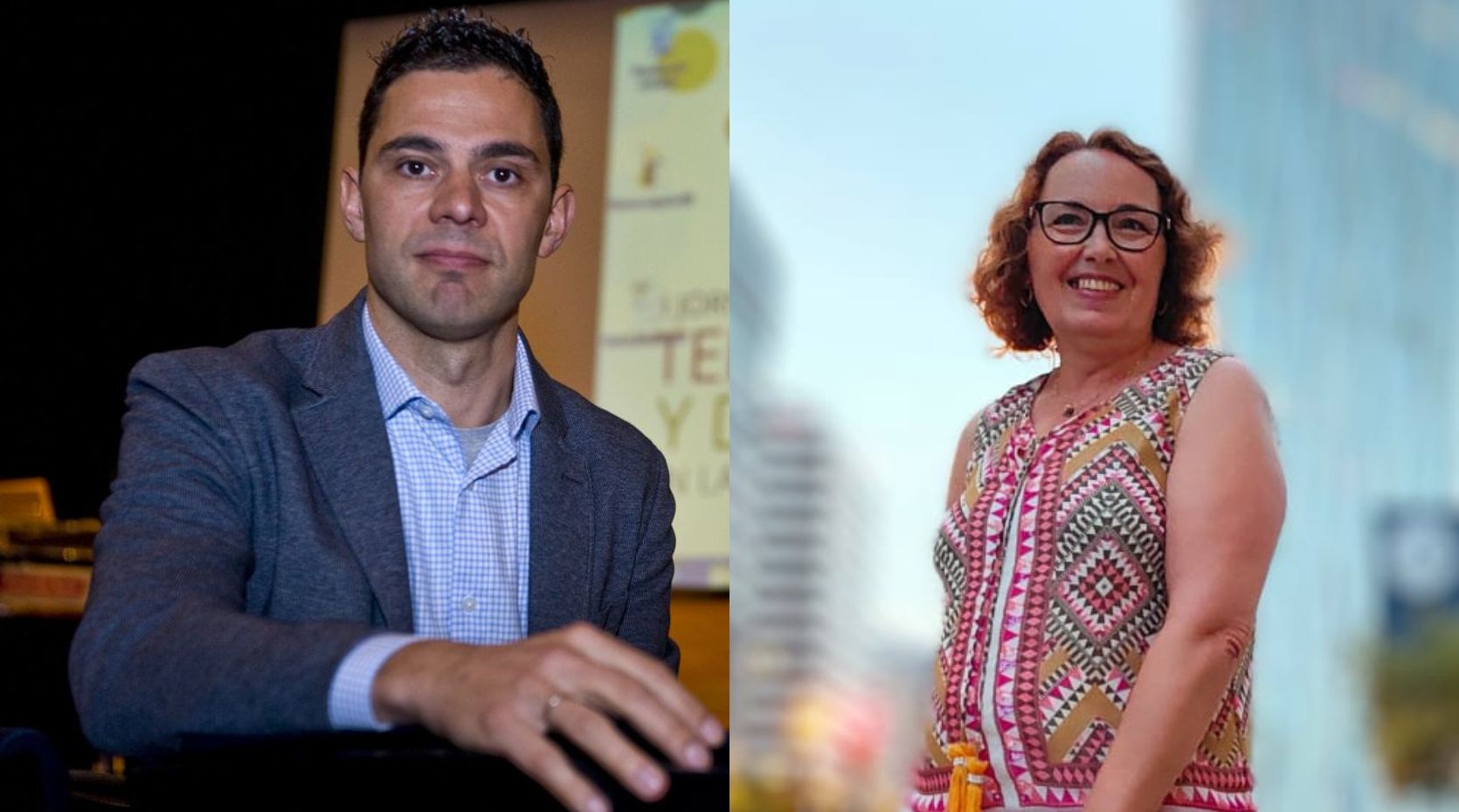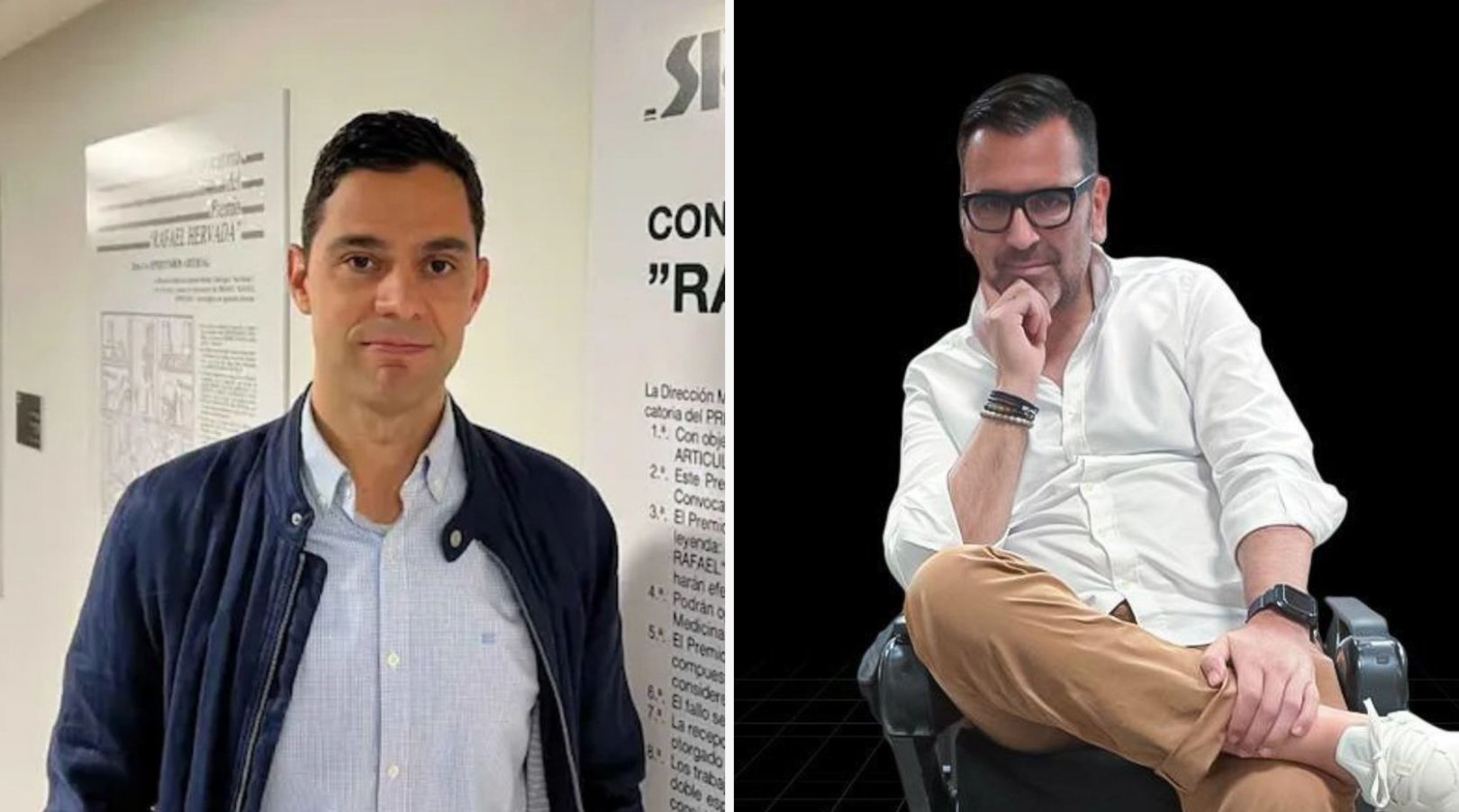
“When I was diagnosed with Parkinson’s disease, I found that there was a great lack of knowledge about it,” says 53-year-old Alberto Amil Lago, who lives in A Coruña in northwest Spain. He was also, understandably, concerned that there was no cure.
Alberto was 38 when he was diagnosed with Early Onset Parkinson’s in 2011. The neurologist who gave him this life-changing news was Diego Santos García, who currently works as Coordinator of the Movement Disorders Unit at the Department of Neurology in CHUAC (Complejo Hospitalario Universitario de A Coruña in Galicia) and Hospital San Rafael, A Coruña.
When Alberto spoke to Diego, who had become a friend, about his concerns, they decided to set up a foundation to help find a cure for Parkinson’s and to educate the Parkinson’s community about the condition. Established in 2015, it started out as the Curemos el Parkinson (Let’s Cure Parkinson’s) Foundation before becoming the Degén Foundation, broadening its scope to include all neurodegenerative conditions.
“This joint journey began with a single objective: to improve the quality of life of people who suffer from one of these diseases, as well as [find] the cure for neurodegenerative diseases,” says Alberto, who became the Foundation’s first President.
“Together against neurodegenerative diseases”
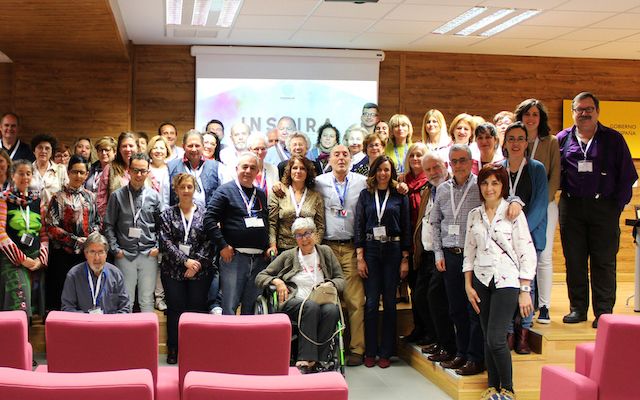
Today, in the field of Parkinson’s, the Foundation, a not-for-profit private organisation, aims to promote research to help find a cure, to inform people with Parkinson’s about the condition, and to create community among them, with the chief aim of improving their quality of life.
“The central motto of the Foundation is ‘Together against neurodegenerative diseases’,” says Diego, before explaining how important it is for those with Parkinson’s to be part of a patient community.
“‘Together’ also refers to the fact that within the field of research, another of the Foundation’s pillars, the collaboration of numerous agents of society, is necessary to one day achieve a cure and eradication of these diseases,” he says.
The Foundation’s community website conoceelparkinson.org, set up to educate and inform people with Parkinson’s about the condition, is now the most visited Spanish-language Parkinson’s portal in the world, with 15,000 Facebook followers.
Diego puts its success down to the “quality of the product”. “From the beginning, the project was managed with the patient in mind, understanding that there was a clear desire for information on the part of patients, which was largely unsatisfied. To do so, we have surrounded ourselves with fantastic collaborators, both in strategy and in the writing of the content.”
“You don’t have to go through this alone”
And this year the Foundation is going further by launching the Degén Community project, with a motto of “You don’t have to go through this alone”.
“The Degén Community is very ambitious and wide-ranging,” says Diego. “Our great challenge is to become the main community of Parkinson’s patients in the Spanish-speaking world and in particular to be able to positively influence their quality of life through emotional support and comprehensive care programmes, both of which are necessary for any Parkinson’s patient and both of which are absent in the health systems of Spain and Latin America. Specifically, we will try to demonstrate with facts that it is possible to organise and implement a comprehensive patient care system that is cost-efficient and with measurable positive results,” he says.
He continues, “With this we want to directly address the Parkinson’s disease patient who often suffers from feeling isolated and who finds it difficult to remain connected to his world because he feels misunderstood and ends up withdrawing. We want to help with that,” he says.
Research is key for the Degén Foundation
Research is also a key part of the Foundation’s work. Early on, it set up COPPADIS, an award-winning study conceived by Diego to investigate the progression of Parkinson’s. Alberto would become one of nearly 700 people with Parkinson’s in Spain and other countries who have taken part in this far-reaching project. One of the largest studies in Europe, it has generated over 100 papers and abstracts to improve our understanding of the condition.
And the research continues. Diego explains: “We are currently conducting several studies such as Inlevo-Life PD, which analyses the impact of inhaled levodopa in patients with Off episodes. We are also collaborating on the EPA TcD ESP project, which consists of creating a registry of patients undergoing therapy with devices for analysis over a period of five to 10 years, which will allow us to collect a lot of valuable information.
“We have also joined forces with the National Biobank Platform to launch a brain donation programme for people affected by Parkinson’s. The 12 brain banks that are part of the project, together with the work in COPPADIS, will represent an important advance in Parkinson’s research, allowing us to study the entire evolution of the disease, from diagnosis to death, and therefore take us closer to our goal of beating Parkinson’s.
“In addition, we are evaluating and looking for partners to be able to continue with the COPPADIS project in order to extend the follow-up period from seven to 10 years, which is a milestone in the sector,” says Diego.
Looking ahead
The Foundation has received many awards for its work, and Diego is rightly proud of what the organisation he and Alberto set up has done and continues to do. “I am very proud of what we have achieved, since we started out as a small Foundation, with few resources but with a lot of desire and enthusiasm. Over the years, we have had mistakes and successes, but we have become, I believe, a reference player in the field of neurodegenerative diseases, especially Parkinson’s disease, in Spain.”
Unfortunately, a deterioration in Alberto’s health due to Parkinson’s and a more recent diagnosis of ALS, meant that in April last year he had to pass the presidency of the Foundation to Diego, but Alberto is in no doubt that it is in good hands.
“Given that this project has been something that the two of us started together, I believe that there could not be a better president than Diego who could take on this baton,” he says.
He adds that, “Although I am Honorary President of the Degén Foundation, I continue to fight to achieve my goal, which is to find a cure for neurodegenerative diseases.”
Find out more about the Degén Foundation