The future of Deep Brain Stimulation (DBS) technology lies in providing more precise and personalised therapy for people with Parkinson’s, a DBS specialist has told Parkinson’s Europe.
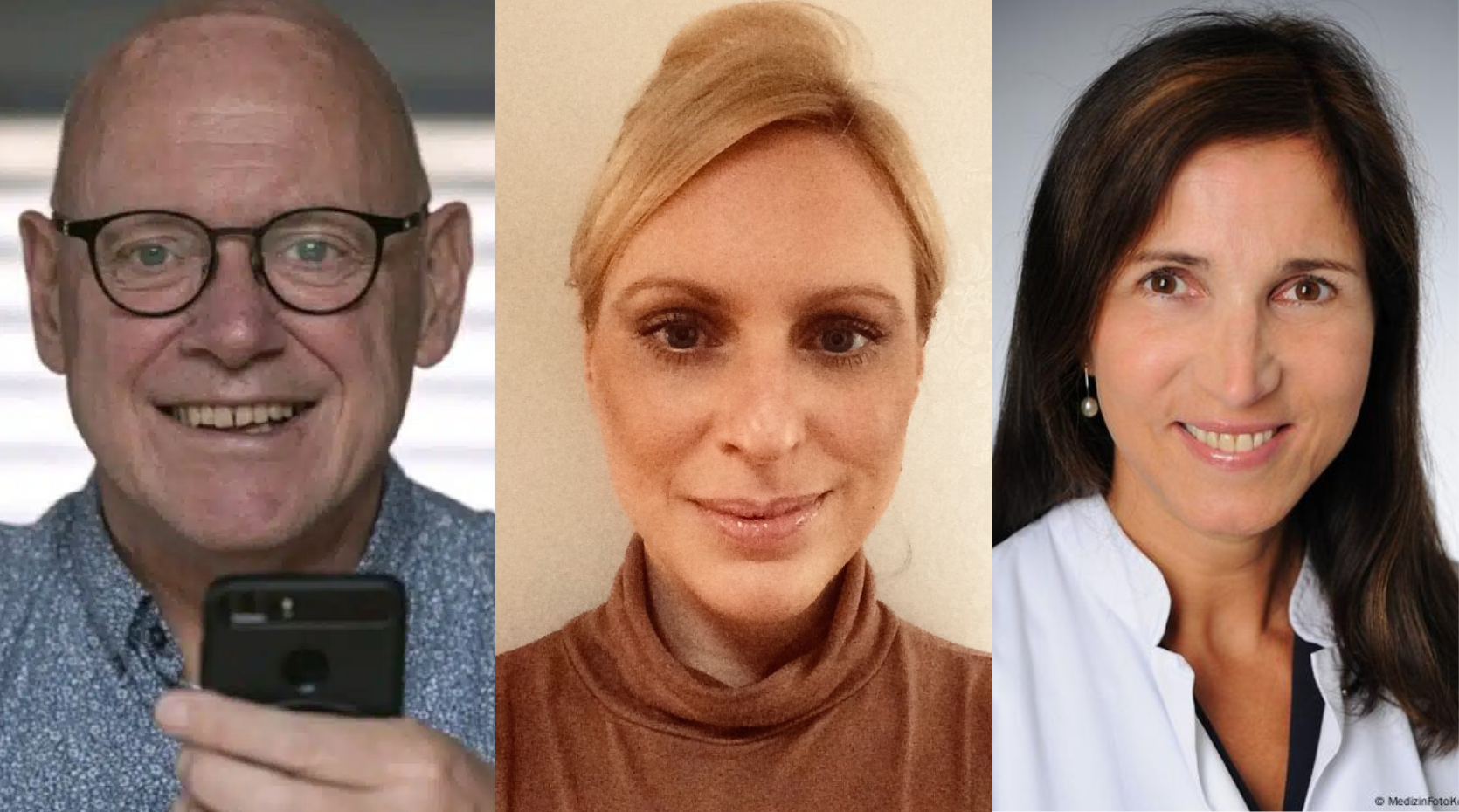
Commenting on healthcare technology company Medtronic’s BrainSense™ Adaptive Deep Brain Stimulation therapy, Dr Martijn Beudel, Medical Specialist, Neurology, at Amsterdam UMC (pictured below), said: “I think that all [DBS] technologies will become intelligent and adaptive.”

The Medtronic adaptive DBS therapy differs from existing DBS technology in that it aims to deliver stimulation to the target areas in the brain only when required, instead of providing constant stimulation.
According to Medtronic, its new DBS technology “continuously adapts to a patient’s unique brain activity – in real time – allowing for a personalised and effective therapy throughout the day and night.”
Dr Beudel made the remark after Medtronic announced the success of the first trial of the BrainSense™ Adaptive DBS technology, which Amsterdam UMC and nine other centres in France, the US and Canada took part in between 2021 and 2023.
The Medtronic Adaptive DBS Algorithm for Personalized Therapy in Parkinson’s Disease (ADAPT-PD) trial found that chronic use of its adaptive Deep Brain Stimulation therapy was safe and effective for people with Parkinson’s who were previously stable while receiving continuous DBS. It is now approved for use in Europe and the US.
The ADAPT-PD trial
The trial was open to people with Parkinson’s who were already receiving continuous DBS as well as medication for controlling their symptoms.
Continuous DBS involves surgery where leads are implanted into a patient’s brain, before a small device called a neurostimulator is inserted under the skin in their chest and connected to the leads. The neurostimulator is then programmed to administer electronic signals via the leads to specific areas of the brain with the aim of relieving various Parkinson’s symptoms.
The adaptive DBS technology is only available to those who have a Medtronic Percept™ PC neurostimulator fitted. Altering a person’s continuous DBS mode to the BrainSense™ Adaptive DBS therapy involves updating the neurostimulator software – no further invasive surgery is required.
However, programming this mode takes at least twice as long as standard DBS: “We spend a lot of time finding the brain waves and gradually adjusting the stimulation based on these brain waves,” says Dr Beudel. “It’s even more complex than in continuous DBS, because the degrees of freedom far exceed [those provided by] continuous DBS.”
Dr Beudel explains the potential advantages of adaptive DBS: “By being able to adjust the stimulation according to the needs of the patient, you might stimulate more efficaciously. The other thing is that neurophysiological research has shown that Parkinson’s symptoms are linked to certain brain waves and stimulating when these brain waves occur is more efficacious than stimulating when these brain waves don’t occur.”
In the ADAPT-PD trial, the majority of participants preferred adaptive DBS to continuous DBS.
First, the trial evaluated two different adaptive DBS modes in 45 people with Parkinson’s for 30 days. After this, 44 of the participants chose to continue with adaptive DBS instead of reverting to continuous DBS, and 40 patients received adaptive DBS for more than a year.
More than two-thirds of the trial participants indicated a “strong” or “somewhat” preference for adaptive DBS over their previous continuous DBS settings after noticing their motor symptoms improved or that they experienced fewer symptom fluctuations, according to the trial study, which was published in the Journal of the American Medical Association (JAMA) Neurology.
In addition, the majority of participants receiving adaptive DBS had good ‘on’ time (when symptoms are well controlled) without troublesome dyskinesia (involuntary movement) compared to stable continuous DBS therapy.
“We found out that they felt 1.3 hours more ‘on’ compared to continuous DBS,” says Dr Beudel. “We know that one hour more ‘on’ is a meaningful difference. The patients have more quality of life when they are more ‘on’.”
Dr Beudel outlines the other symptoms that adaptive DBS may help to relieve: “We’ve seen that dyskinesias can improve with adaptive DBS, and that stimulation-induced dysarthria [slurred speech] can improve with adaptive DBS. Dystonia [involuntary muscle spasms] sometimes improves. Those are the main categories.”
One of the trial participants, 56-year-old Jose Mijnals from the Netherlands found that involuntary movement (dyskinesia) in one of her arms has improved after having adaptive DBS therapy as she was able to reduce her Parkinson’s medications to the smallest dose.
In January 2025, Amsterdam UMC became the first centre in the world to use the BrainSense™ Adaptive DBS technology in regular practice. Dr Beudel says that he recommends adaptive DBS to people with Parkinson’s who are already receiving continuous DBS therapy but aren’t seeing much improvement in their symptoms, or who are experiencing troublesome side effects of continuous DBS.
Find out more about BrainSense™ Adaptive DBS therapy.
Are you undergoing BrainSense™ Adaptive DBS therapy? If you are willing to share your experience, please email Francesco De Renzis at Parkinson’s Europe at [email protected]
Parkinson’s Europe is sharing this article for information purposes only; it does not represent Parkinson’s Europe’s views and is not an endorsement by Parkinson’s Europe of any particular treatments, therapies or products.