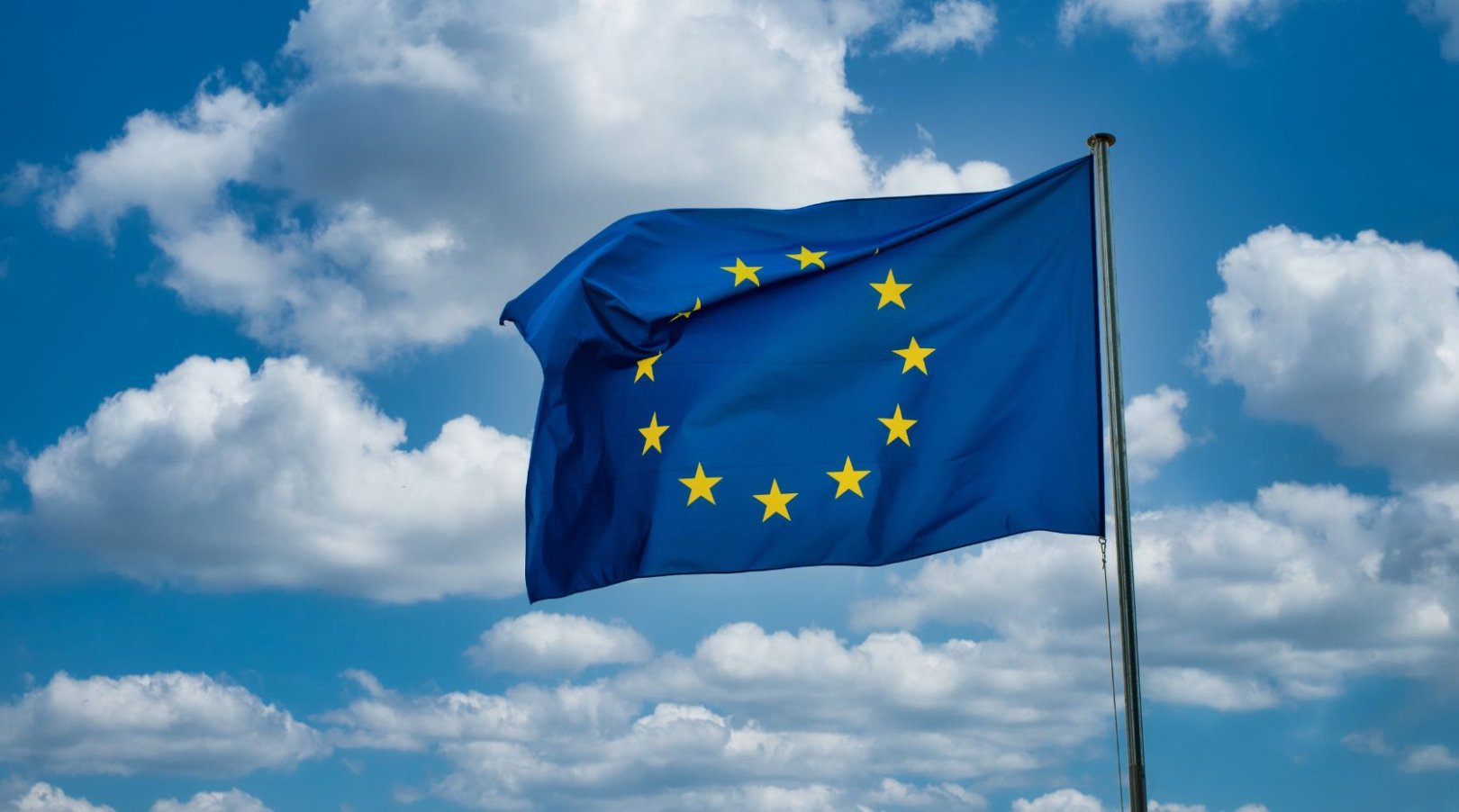
For 75 years, 9 May has marked Europe Day, a celebration of peace and unity in Europe. These are principles that strike a chord with Parkinson’s Europe – after all, our organisation was launched in 1992 to bring Europe’s Parkinson’s community together. After beginning with nine member organisations from the UK, Sweden, France, Netherlands and Germany, we now have members from over 20 countries and work with many more European organisations, united in our common goal to improve life for people with Parkinson’s.
Building a stronger Parkinson’s community in Europe reflects two of our three most important goals, as outlined in our new Parkinson’s Europe Strategy 2025-2028.
As a European organisation, we ensure that the voice of the European Parkinson’s community is heard by increasing the visibility of Parkinson’s at the European level, raising awareness of the condition and of the community’s key concerns and needs. We also help European Parkinson’s associations better support people with the condition.
In celebration of Europe Day, we asked people with Parkinson’s and Parkinson’s associations across Europe why unity and collaboration among the European Parkinson’s community is so important. Here’s what they said:
Marta Pátková, Chairwoman, Společnost Parkinson, Czech Republic, reflects on the role of Parkinson’s Europe in uniting the community
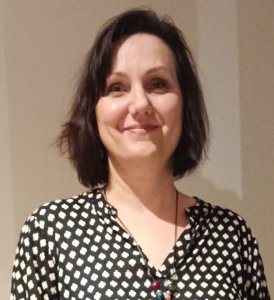
“I strongly believe that unity and collaboration are essential for improving the lives of people with Parkinson’s across Europe. Parkinson’s Europe plays a vital role in connecting us, sharing knowledge, and amplifying our collective voice.
“By working together, we can learn from each other’s successes and challenges. This helps us develop better care, support and advocacy in our own countries. A united Parkinson’s community is stronger, louder, and more effective. And together, we can achieve much more than alone.”
Ülle Krikmann, board member of the Estonian Parkinson Disease Association, discusses sharing knowledge and how a united Parkinson’s community can influence policymaking
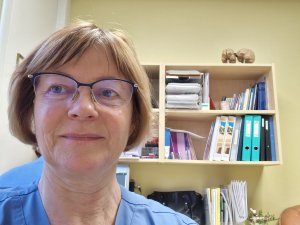
“Parkinson’s Europe helps to improve the collective knowledge and reduces misinformation, so that people with Parkinson’s and their carers understand the disease better. People who are better educated on the nature of Parkinson’s, treatment options, and care strategies, are more involved in decision-making processes and take greater responsibility in managing their condition.
“Secondly, the collaboration of the Parkinson’s community increases awareness of the disease and ultimately can influence policymaking at the local and European level. And finally, being part of the community empowers those individuals affected by Parkinson’s by reducing stigma, increasing the sense of unity and providing emotional support.”
Laura Nīmante, a person with Young Onset Parkinson’s from Riga, Latvia, on Parkinson’s Europe’s role in fostering community, and how establishing a Parkinson’s association in Latvia is crucial
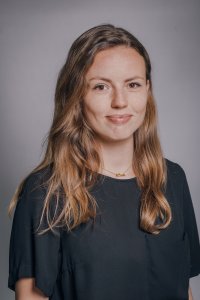
“As the saying goes: ‘If you want to go fast, go alone; if you want to go far, go together’. This also applies to the European Parkinson’s community. The experience of sharing and networking inspires people with Parkinson’s to not give up. Being able to meet – in person or online – through this organisation or to read about someone who also faces this disease every day, gives a sense of belonging, understanding and community.
“Parkinson’s Europe is the largest European organisation raising awareness and working towards a cure for Parkinson’s. I am very thankful that there is such an initiative in Europe. Parkinson’s Europe organises webinars about useful topics, shares people’s stories to inspire others with Parkinson’s and raises awareness on World Parkinson’s Day. The Parkinson’s Europe Instagram account is a wonderful example of people working together – sharing valuable information for all those with Parkinson’s.
“In Latvia, general awareness of Parkinson’s is low, and people with Parkinson’s might feel alone. We need to establish an active Parkinson’s association in Latvia – this is a very important step towards building a strong Parkinson’s community.”
Dr Jörg Karenfort, cofounder of the YUVEDO Foundation, Germany, says that together we are stronger
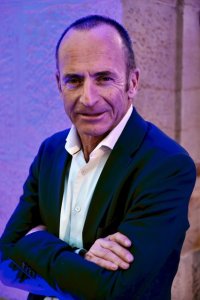
“We need the European Parkinson’s voices working together to achieve critical size and momentum. We also need a certain degree of competition for the best and most dynamic ideas which we can then implement together.”
Shane O’Brien, CEO, Parkinson’s Ireland, reflects on how collective action can only be beneficial for the Parkinson’s community

“We are stronger when we are unified in our advocacy work and speak with one voice, as we are a diverse community across Europe, but we have shared goals. We can learn from the work of other member organisations, including gaining insights from the successes and challenges they have encountered.
“Parkinson’s Europe plays an important role in bringing its member organisations and the wider Parkinson’s community together. It is important to have a body like Parkinson’s Europe that can advocate at European level.
“We have seen the benefits of cooperation among European organisations with the recent campaign on pesticides. Although the end result was not what we would have liked, the show of strength and speaking with one voice was an illustration of the impact that we can have collectively. We need to see much more of this on issues of concern to all of us across Europe. Including, for example, investment in research and what can be done to address medication shortages.”
Marie Fuzzati, Scientific Director, France Parkinson, focuses on the need for a continued united front against pesticides
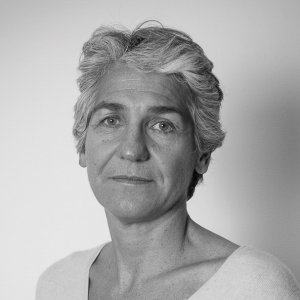
“Parkinson’s is linked to environmental factors and could, at least in part, be preventable. Exposure to pesticides is associated with an increased risk of developing Parkinson’s. Prevention starts with reducing the widespread use of potentially toxic compounds around the world.
“Following the example of the combined efforts against the approval of glyphosate for another 10 years, the European Parkinson’s community must unite and raise its voice until safer alternatives are found and the transition to a more sustainable society can be supported.”
Paweł Kaczmarek, a person with Young Onset Parkinson’s from Poland, offers an insight into how community can defeat isolation
“Unity and collaboration are fundamental lifelines. Life with Parkinson’s often becomes an existence. This is particularly acute for the growing number of people diagnosed young, who face unique hurdles like initial misdiagnosis and the fear of stigma. Unity provides essential validation against this isolation.
“European collaboration is crucial to share diagnostic insights, combat stigma and create environments where people feel safe. Our European unity allows us to fight for the freedom to live as fully as possible. Our unity must also extend robustly to care partners and families. We don’t have to agree on everything, but facing these forces together is essential.
“Parkinson’s Europe acts as an essential central hub against isolation. It provides vital connections, reliable information, and a sense of belonging to a larger community that does understand. Crucially, it amplifies our collective voice, advocating for treatments, patient rights, increasing awareness specifically about YOPD challenges, and the societal changes needed to improve our quality of life. It facilitates the exchange of knowledge, empowering us to navigate the immense challenges. By uniting us across borders, it helps combat stigma and profound misunderstandings, giving tangible expression to the idea that “razem jest też trochę łatwiej” (“together it’s also a little easier”).”
Rune Vethe, a person with Parkinson’s and co-founder of the the co-founder of ZWAP (Zwifters Against Parkinson’s) cycling club, Norway, on the importance of both focus and collaboration
“I believe we are in need of umbrella organisations for the Parkinson’s community in Europe. We have national associations, which make sense, and we also need more specific organisations and groups too, like our cycling club ZWAP. But to bring topics to the whole community, we need umbrella organisations that connect us overall and are not limited to the ordinary borders in Europe.
“For ZWAP, we are in Norway, but we work globally. Having collaboration points in Europe are important to reach our goal of encouraging all people with Parkinson’s into the saddle to ride with us. If you have an organisation like Parkinson’s Europe, it makes the whole community easier to reach.”