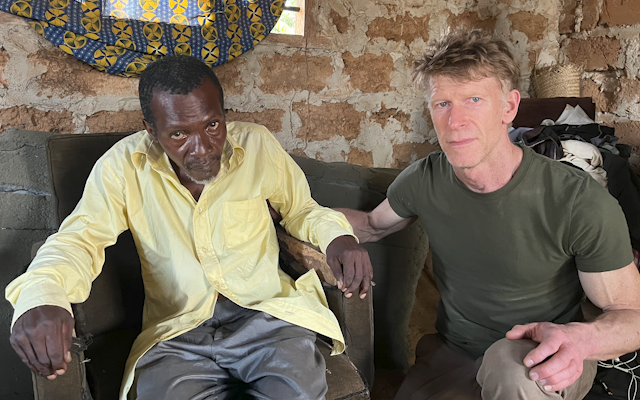
Over the six years that German neurologist Dr Ines Debove and filmmaker Bettina Rotzetter have been making films featuring people with Parkinson’s, they have not shied away from difficult topics. Their sixth and most recent film, Beyond Impulse, released in December 2024, focuses on impulse control disorders.
Ines, who is Attending Physician at the Centre for Parkinson’s and Movement Disorders, at Inselspital, Bern, Switzerland, chose the subject because she wanted to explore impulse control disorders in people with Parkinson’s in greater depth and to encourage more dialogue about the subject.
“I think it’s really a very important topic, because people don’t talk about it,” says Ines. “[Through this film] we can encourage the community by showing them that there is no shame in talking about it and that people need to talk [to their neurologist] to receive help.”
Explaining impulse control disorders and Parkinson’s on film
For those taking dopamine agonist medication, developing an impulse control disorder can be a common side effect. It can manifest in them becoming almost obsessed by a certain activity – which can range from the relatively harmless, such as a compulsion to draw or paint, to the potentially harmful, such as hypersexuality or gambling, which can have a devastating and wide-reaching effect on a person’s life from all perspectives – from relationships to financial stability.
One of the experts interviewed for Beyond Impulse, Professor Daniel Weintraub, professor of Psychiatry at the University of Pennsylvania, explains the damaging impact of impulse control disorders in this new Parkinson’s film: “It’s partly the repetitive nature of these behaviours, that people seem to have trouble controlling them, so even if it’s a behaviour that in and of itself isn’t so harmful, let’s say, somebody engaging in a new hobby, it’s the fact that the person may be engaging in this behaviour all day and all night long – that then becomes disruptive to their life and to the life of the people around them.”
Prof Weintraub also highlights another problematic aspect of impulse control disorders – that people affected often have “a loss of insight”. “People may not recognise that it’s having an impact on others, and either for that reason or just for neurobiological reasons, they’re not able to control the behaviours,” he says.

Living with an impulse control disorder
In the film we meet people with Parkinson’s with various impulse control disorders. Among them are an anonymous lady who has experienced hypersexuality. Also featured is Samantha, a teacher and mother who describes her intense creative urges to paint as the “silver lining” alongside the emotional and cognitive changes she has noticed from taking her medication. Although she has become more creative, she reveals that planning and organising her life has become much harder.
Then there’s Emma, who no longer has an impulse control disorder, but remembers what it was like: “I felt like Superwoman. I could go on and on the whole night and work the whole night and still get up in the morning and feel super.”
Bettina explains why they wanted to include her in the film: “She was already in the reflection phase, so we felt she was very valuable to the audience, because she is now looking back, thinking, oh, what I did back then was kind of crazy.”
In addition, Gottfried and his wife and carer Helga give an insight into how having an impulse control disorder affects a person’s loved ones. Gottfried experienced a surge in creativity and began crafting beautiful items from wood and metal, but he got so immersed in it that he couldn’t stop. Then, when his dopamine levels were low, he would become incredibly depressed and fearful, and these extreme mood swings put his relationship with Helga under strain.
“I felt heard”: this Parkinson’s film shows it’s good to talk
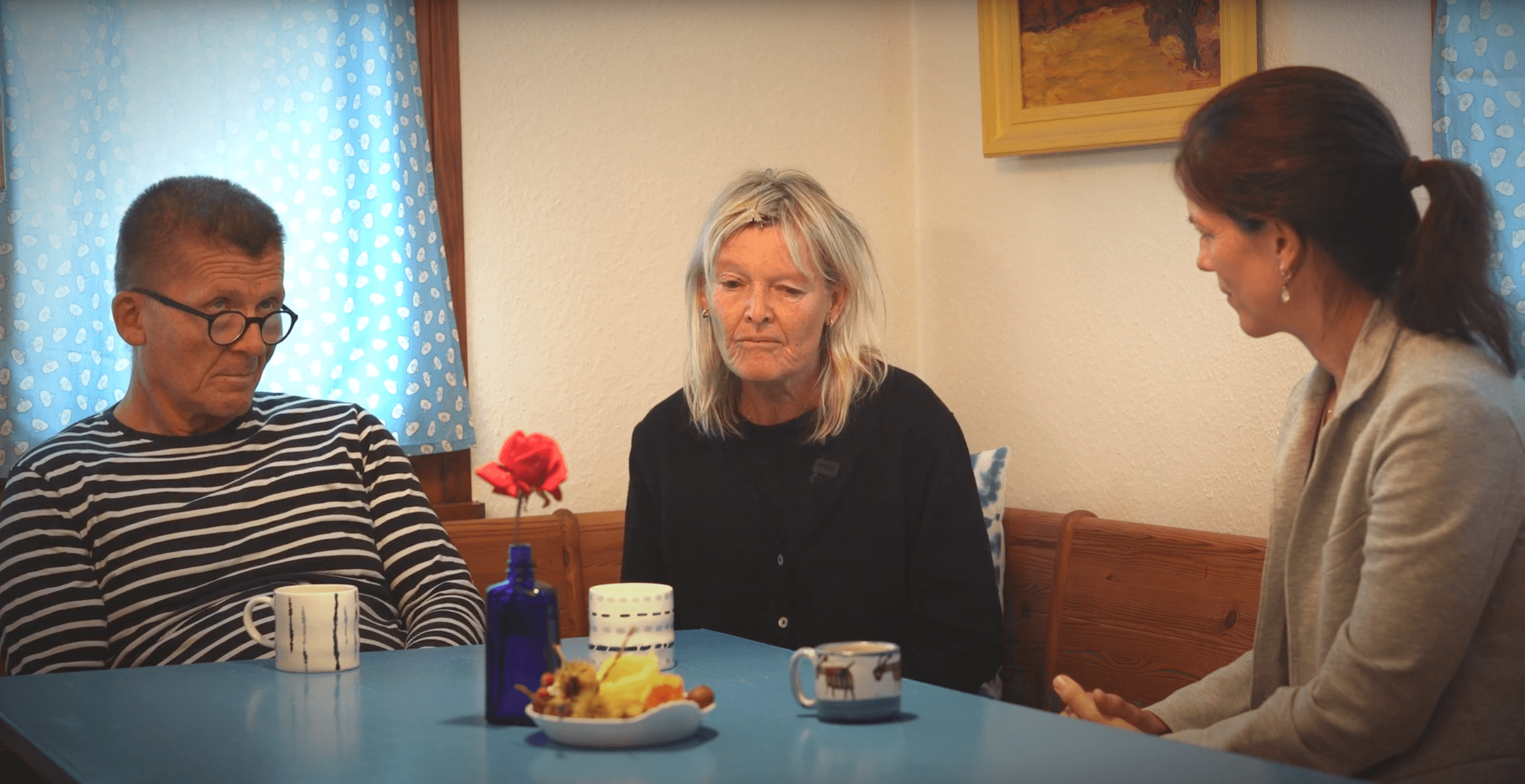
Ines and Bettina have found that taking part in the film has had a beneficial impact on the participants’ lives, often encouraging them to reflect more on their situation.
Bettina cites Helga as an example: “She said, ‘Look, I felt heard. And it was a very important process for me because I could basically voice what I was going through.’”
Bettina continues: “Helga was very grateful and also reflective – even though she was talking about the negative emotions she went through with [Gottfried]. It brought them closer together, because they were reflecting on a very difficult phase in their lives, and despite this difficult period, they somehow found a connection again.”
Diagnosing and treating people with impulse control disorders
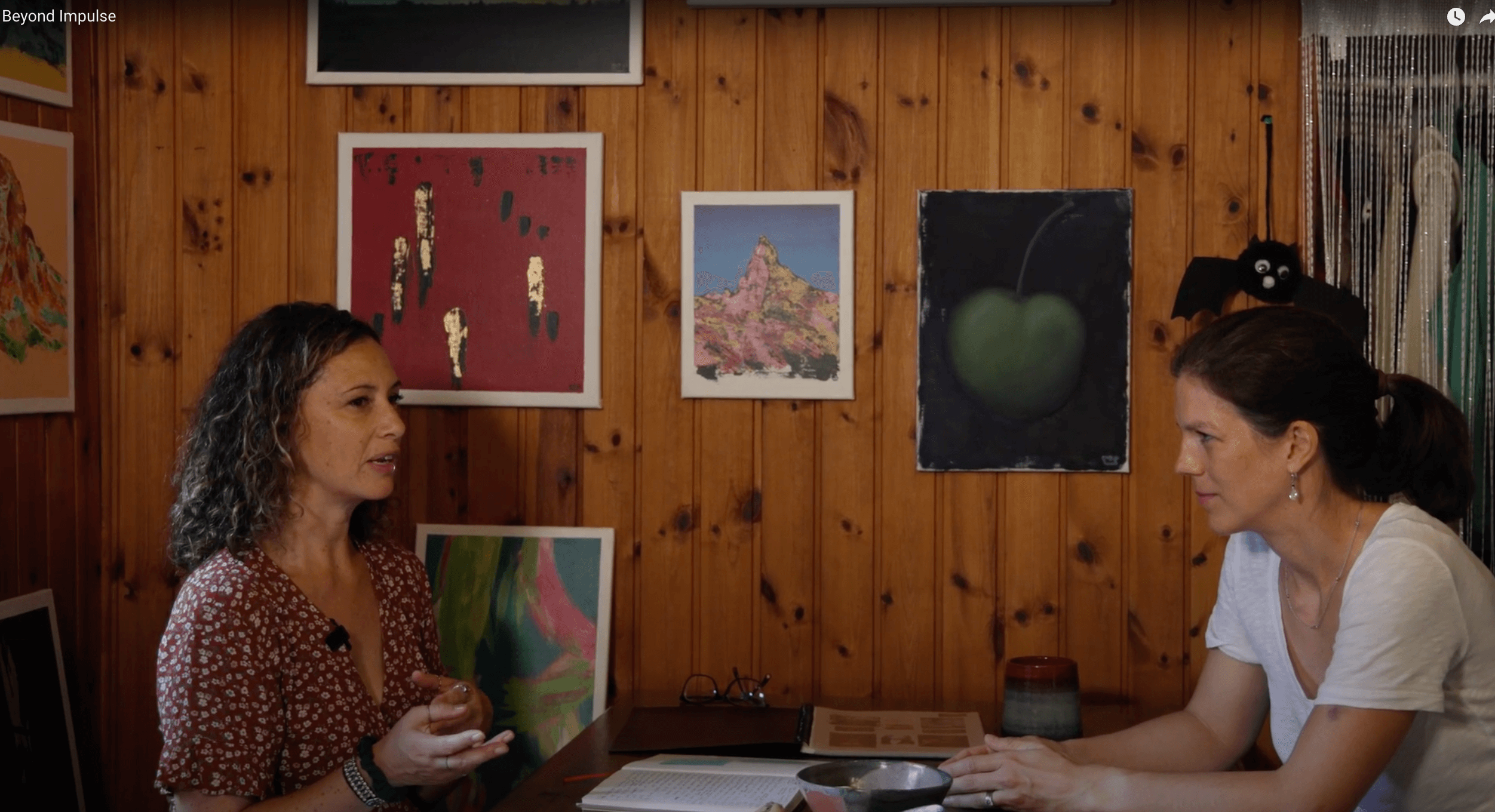
The film also discusses the challenge neurologists face when trying to help people who are living with an impulse control disorder. Ines says that prevention is best: regular monitoring of those taking Parkinson’s medication is essential, and that people with Parkinson’s need to be informed of the risks. But, she adds, this doesn’t always stop someone from developing an impulse control disorder: “It still happens, despite the fact they are informed.”
Part of the problem is that some people are not aware that their behaviour has changed – or they are enjoying the boost in energy or creativity they experience and want to keep feeling this way. Others, if they are aware, feel shame about admitting to some behaviours. For these reasons, people can be reluctant to tell their neurologist what is going on.
Ines says in the film: “In their impulse control disorder, they are much more productive, they can do in three hours what other people can do in six or eight hours, so they feel really powerful during these phases, and then we as doctors come there as a party pooper and say: ‘We have to now lower the dosage of the dopamine agonist’ and they are not happy.”
Detecting changed sleep patterns can alert neurologists that someone might have a problem. “If they don’t get enough sleep, we should be very much aware,” says Ines. “And sleep is not a shame-related topic. So, if we are smart and ask, ‘OK, look, when do you go to sleep? When do you get up? And the patient tells you, ‘Ah, I go to sleep at midnight, and I get up at three or four in the morning,’ that is not very good.”
In the end, explains Ines, neurologists have to be brutally honest with the person with Parkinson’s about the consequences of not addressing the impulse control disorder by adjusting their medication.
“I tell them, ‘Look, it doesn’t help you if you lie to me and say, yeah, I’m doing it, and the next time I realise nothing changed.’ That’s what I like very much about Professor Kay Redfield Jamison [who appears in the film], because she said you have to convince somebody what will happen if you don’t [tell your neurologist about this and have the medication reduced]: you’re going to jail, you’re going to lose money, you’re going to lose your family,” says Ines.
New Parkinson’s film Beyond Impulse is available to watch on YouTube and has subtitles in five different languages.