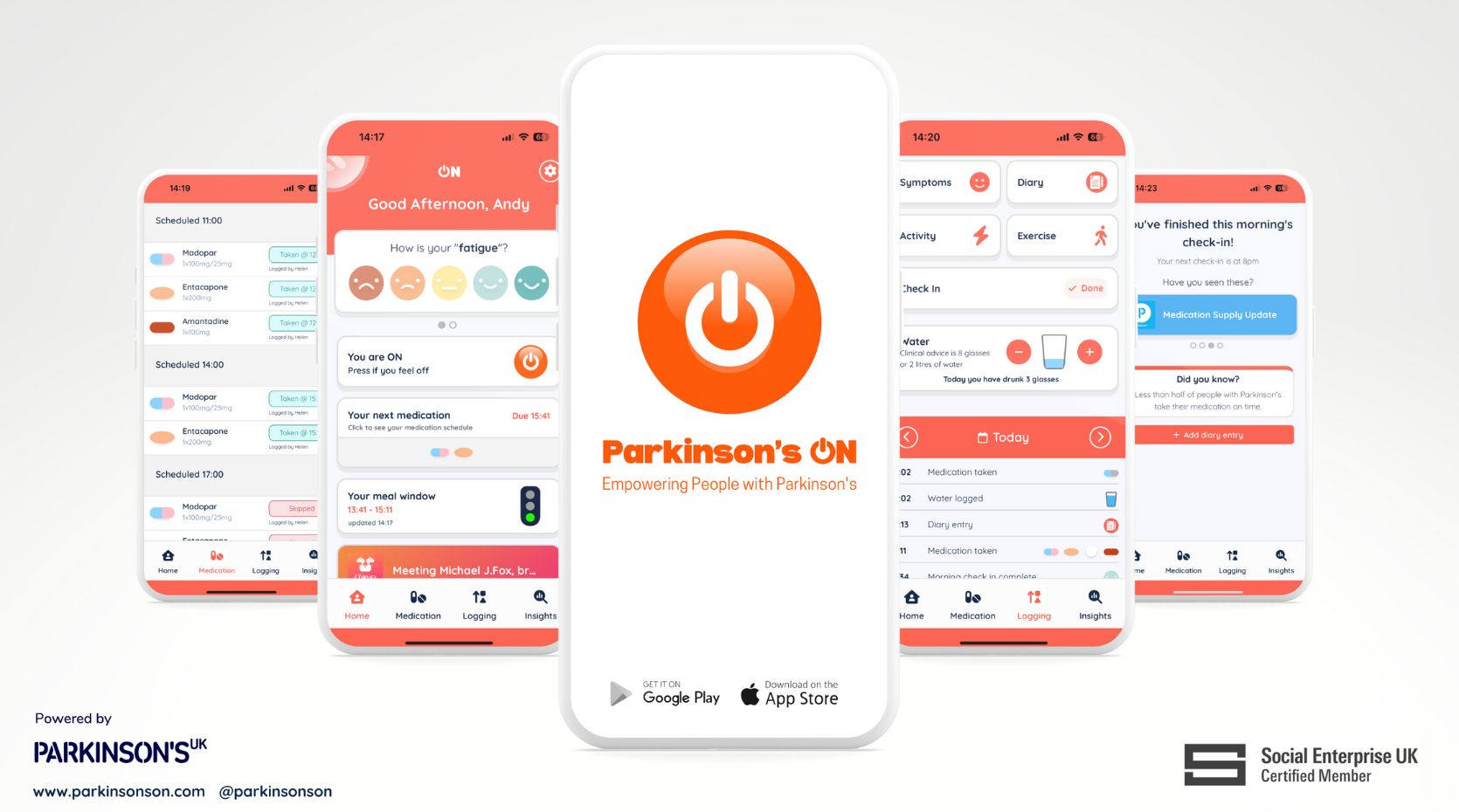
Non-motor symptoms may have the most effect on everyday quality of life for people with Parkinson’s, according to anecdotal findings from over 2,500 people with the condition and their carers logging their symptoms on the Parkinson’s app Parkinson’s ON.
Fatigue was the most commonly reported symptom, while mood and sleep problems came second and third respectively in a list of the 20 most common Parkinson’s symptoms out of 160,000 symptom reports made by the app’s users in the nine months since it was launched. Tremor, a motor symptom, came fourth.
Another interesting finding, from the app’s ‘daily check-in’ feature which asks people how their day was, was that the more active people were, the better their day was.
Although not part of a clinical study, these are among the insights made by Kuhan Pushparatnam, a person with Parkinson’s who self-funded and launched the free app late last year.
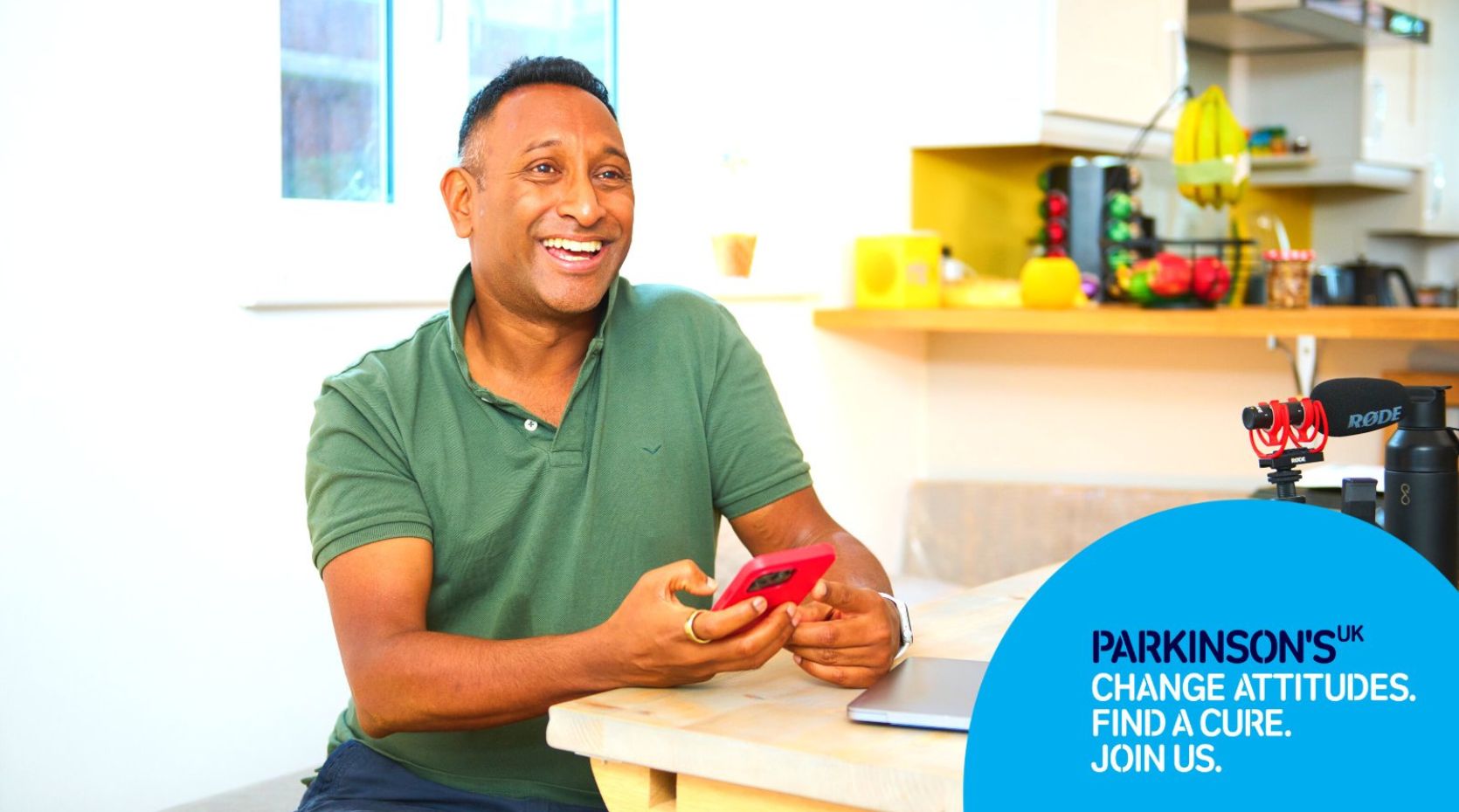
Kuhan, who is also co-host of podcast 2 Parkies in a Pod, was diagnosed with the condition in 2013 at the age of 38. Drawing on his experience of developing products in the mobile industry, he launched his Parkinson’s app to help people with the condition get a sense of control over their lives.
Apart from enabling users to log their daily symptoms, the Parkinson’s app helps people with Parkinson’s to take their medication on time and record their activities. Recently updated with the support of Parkinson’s UK, it now features a new audio format to enable improved access to Parkinson’s UK news, information and research content. The latest version also allows users to plan mealtimes around medication and to track OFF periods. There is also a diary function and wellbeing resources.
Kuhan says: “I’ve always believed tech, when done right, can be a great enabler in daily life. So, I set out to build a simple, ‘Parky-friendly’ app that would not only empower those of us living with the condition, but ultimately allow for a better, more informed quality of care.
“I also wanted people to better understand their Parkinson’s. I wanted both the big picture and the individual portrait. The anonymised data gleaned from Parkinson’s ON app is starting to paint that big picture. Even though no two people have the same set of symptoms, the analysis reveals how the condition varies by age and gender. I really hope these insights can help not only our community and their healthcare teams, but also researchers grappling with their understanding of this degenerative condition.”
Parkinson’s ON is available to download via the Google Play Store or the Apple App Store.


