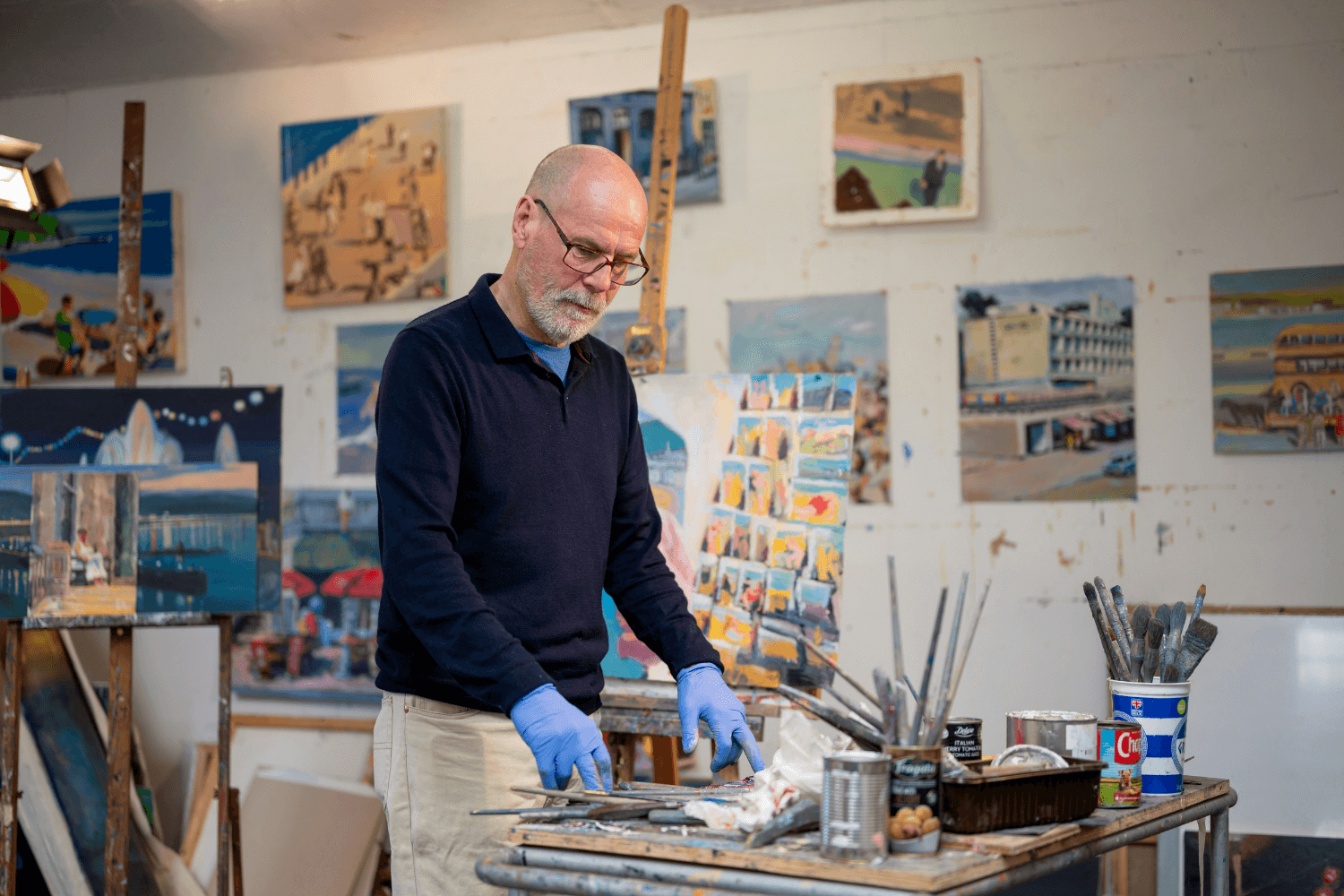
Many people with Parkinson’s find creative pursuits – from painting to music, jewellery-making to poetry – very therapeutic, and some find their symptoms improve when absorbed in creative activities.
There’s also potentially a link between Parkinson’s and the unlocking of creativity.
Even if you think you’re not very creative, you may well be surprised – lots of people with Parkinson’s find so much joy from trying new creative activities they wonder why they didn’t start before!
No knowledge or experience is necessary – here’s a few ideas of creative pursuits you could try:
Art therapy
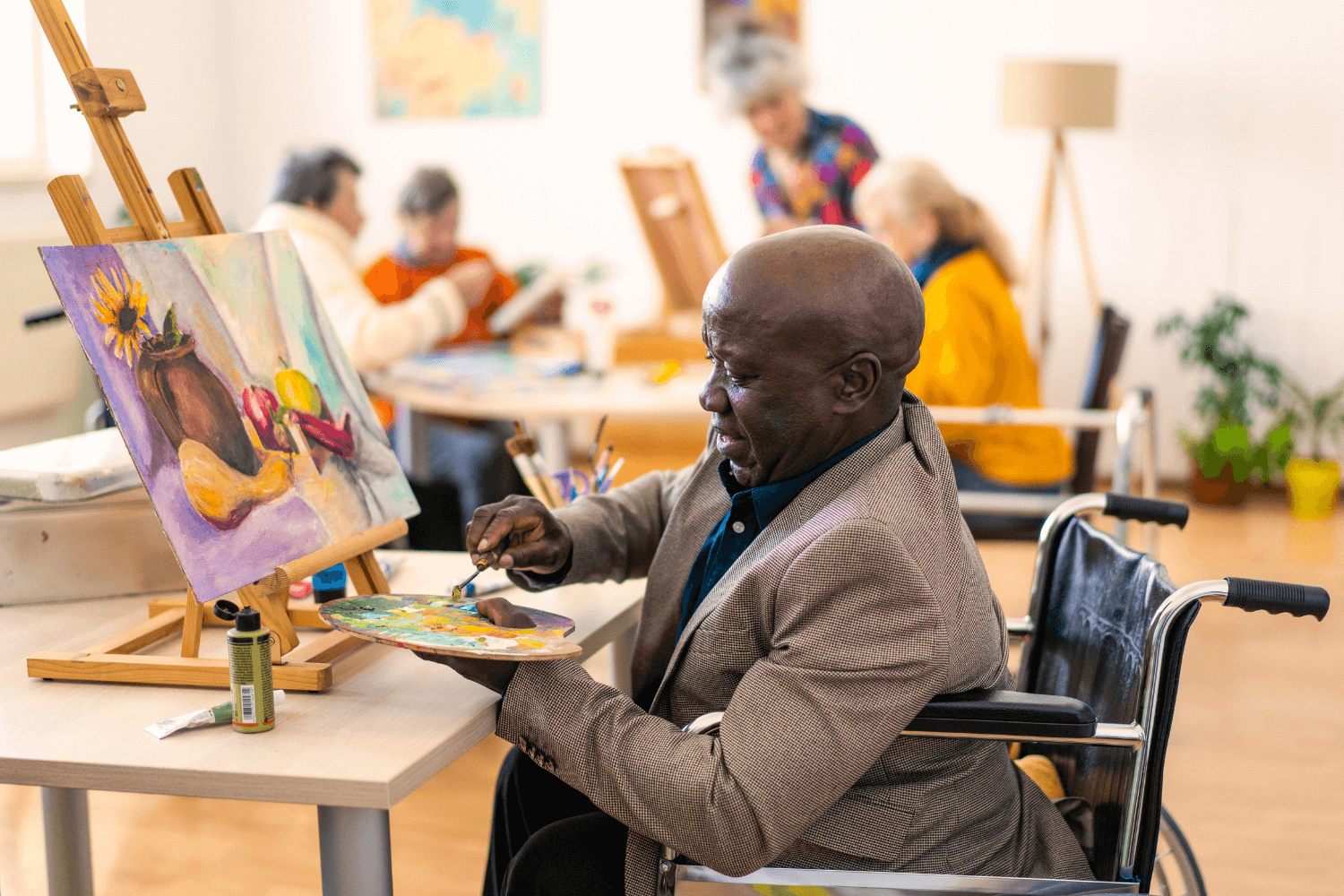
Art therapy uses art to work through illness or life challenges – it can help you feel empowered, provide a peaceful escape, and be a useful way of communicating your feelings
It helps by working on the subconscious, reducing stress and releasing frustration while stimulating the imagination and promoting a sense of inner peace, and can also distract from your symptoms.
Art therapy activity ideas:
- Simply doodling, finger painting, or playing with modelling clay can be a great way to get started
- If involuntary movements are a problem, just playing with art materials (rather than trying to control them) can be very enjoyable
- Drawing to music: the listening process diverts attention from concern about the ability to draw, while rhythm prompts movement, and pleasant sounds are relaxing.
- Meditation and breathing exercises reduce stress and allow creativity to flourish.
- Waving Tai Chi movements – this starts as an arm exercise and can then develop into undulating line drawings that become paintings of heaving seas. The trick is to divert attention from worrying about making a finished work of art and ‘go with the flow’ instead.
- Wet-on-wet watercolour is often a preferred medium as the spreading pigment creates its own dynamic and has a calming, therapeutic effect
- Art therapy groups can provide creative stimulation as well as a chance to socialise
- Visiting galleries and creating scrapbooks of your favourite art to look at can also have a calming and uplifting effect
Music therapy
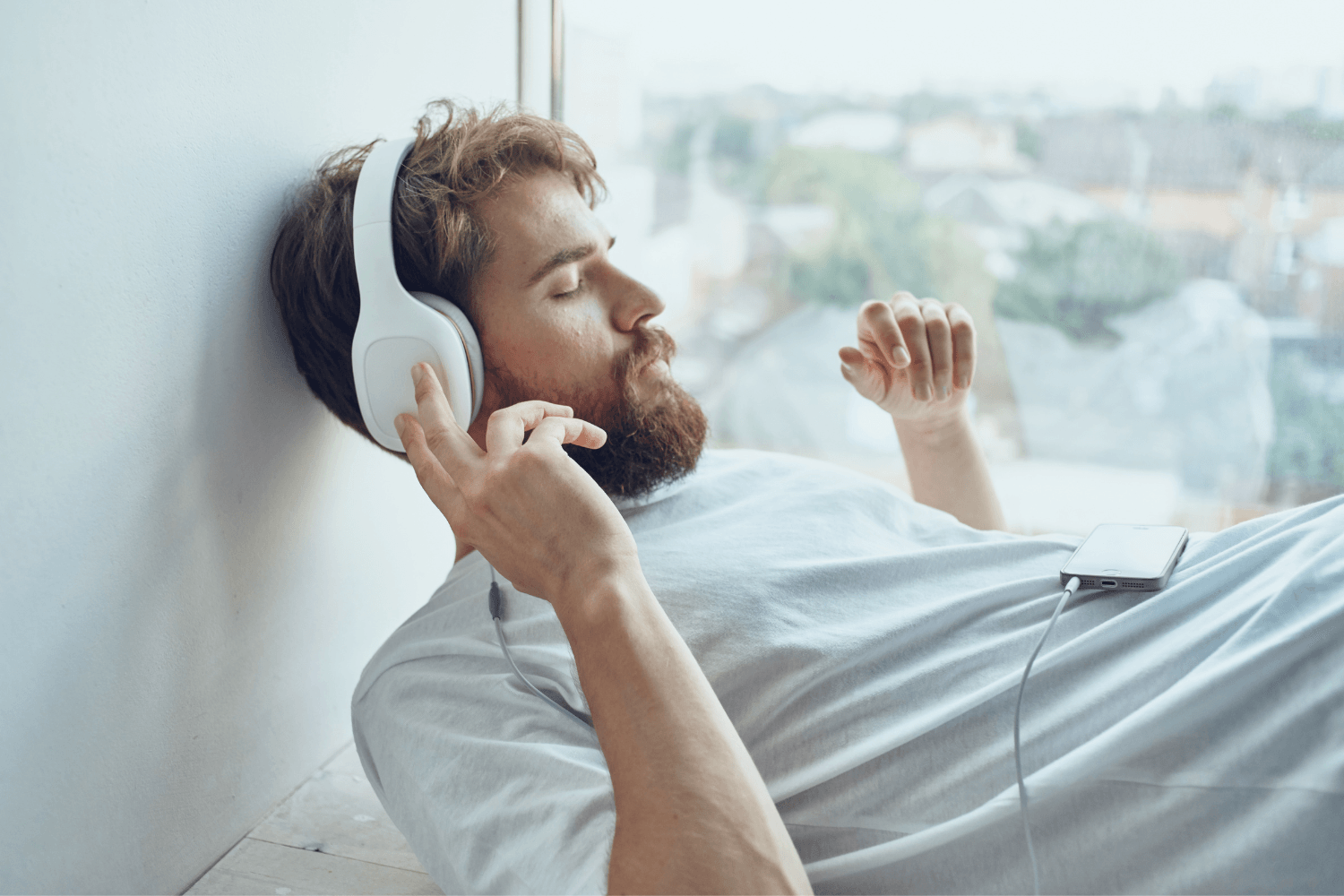
There are two types of music therapy: ‘active’ involves the use of voice (including speech and language therapy), instruments, performance, song-writing and movement, while ‘passive’ involves structured listening to music.
Music therapists can use a variety of techniques, which have many benefits, including reducing stress and improving breathing, memory and self-expression. Some people report lower blood pressure, more relaxed muscles and uplifted spirits and energy too.
Rhythm and music therapy
Some movements which we usually do automatically – like walking, getting dressed or cutting food – become increasingly difficult for people with Parkinson’s, due to symptoms like freezing, bradykinesia (slow movements) and gait (our pattern of walking).
By focusing on a rhythm and feeling its beat, many people notice improvements in these symptoms – it is as if the rhythm helps you to discover your own lost automatic rhythm.
Rhythm also seems to improve tremor and dyskinesia by providing a template or pattern that allows movement to be synchronised and controlled again. Slow rhythmic music is particularly good at slowing down body rhythms and helping you to relax.
Two particular music therapy techniques developed by Professor Michael Thaut use rhythm to improve Parkinson’s symptoms:
- Rhythmic Auditory Stimulation (RAS) is a method that enables the therapist to find the exact rhythm that supports optimum gait. RAS may improve initiating movements, rhythm, freezing, coordination and endurance.
- Patterned Sensory Enhancement (PSE) uses music to enhance complex movements requiring coordination. PSE tailors the music movement to the motor movement, making it more efficient and fluid.
Music therapy activity ideas
- Listen to a variety of different types of music and find those which most stimulate and uplift you and aid movement.
- Turn to music if you feel stress levels rising or if you want to induce sleep.
- Go to concerts to explore new music and build on your experiences.
- Find music you like to sing along to help keep your voice strong.
- Build up a collection of music that helps you recall happy memories.
- Contact local groups, especially those run by trained music therapists.
- Reading and learning music can be a valuable brain training exercise
Singing
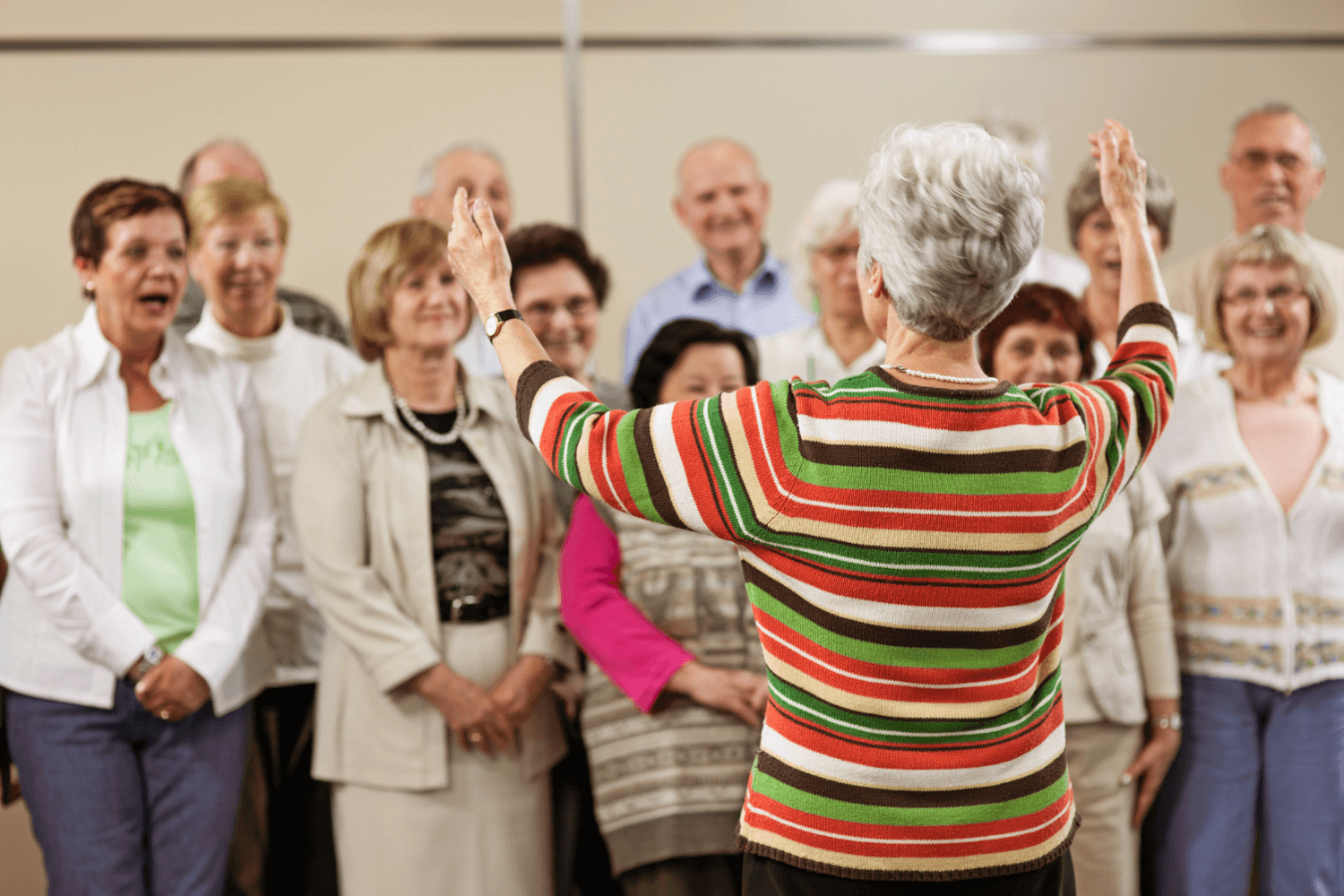
Singing has all the benefits mentioned so far and can also be very helpful in improving posture and slurred, quiet or unclear speech.
Singing groups, particularly those for people with Parkinson’s or Alzheimer’s, can also be a fun social activity and help improve confidence and overcome anxiety or depression. You don’t even need to be able to sing to take part!
The benefits of singing for Parkinson’s
The benefits of singing can include:
- Sustaining the voice
- Increasing and controlling volume
- Varying pitch and expression
- Improving diction and fluidity of diction
- Controlling vocal speed
- Improving posture
- Improving memory skills by learning song lyrics and melodies
- Improving self-expression
- Reducing stuttering
Like rhythm work in music therapy (above), a singing technique called Melodic Intonation Therapy uses repetition, counting and the rhythm of a metronome to improve freezing and reduce tremor and involuntary movements.
Singing activity ideas
- Taking your voice ‘for a walk’ up and down in pitch
- Lifting the tongue to the roof of the mouth
- Practising trills (rapid alternation between two adjacent notes of a scale) with lip and tongue
- Making different types of sighs
- Humming
- Echoing tunes
- Singing in rounds (one voice starts and others join in one after another until all are singing different parts of the same song at the same time)
- Experimenting with a variety of pitch, pace and mood in songs
Dance Movement Therapy
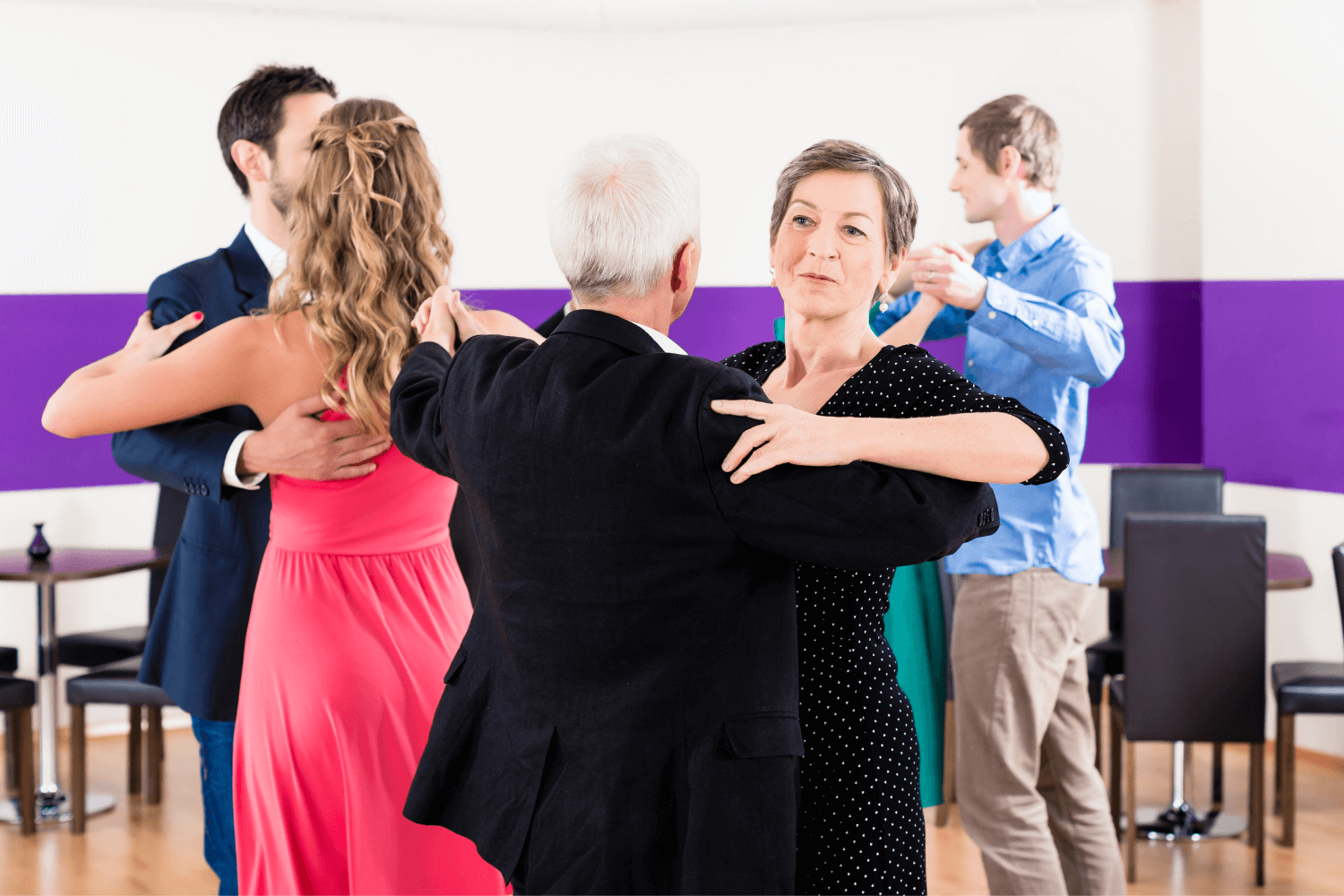
Dance therapy can really help anyone – it’s fun, it’s good exercise, and dancing in a group can be a great social activity and confidence booster. There’s so many different types of dance – from salsa and street dance to ballet and zumba — that there’s bound to be one that you enjoy.
Dance classes specifically for people with Parkinson’s also give you a new way to express your thoughts and feelings, and a chance to socialise with people who face similar challenges.
How dance therapy can help with Parkinson’s symptoms
In Parkinson’s the connection between the intention to move and actually starting/completing an action is disrupted, so movements that used to be automatic take conscious effort. This can result in freezing, issues with the way you walk (or gait) and slowness of movement.
Like in music therapy (above) the rhythmic and repetitive movements of dance can help by providing a model for movement, making you think about how to move before you actually do so. Over time, this can really help with everyday activities like maintaining a steady pace on a crowded street or paying at a shop checkout.
Other benefits include:
- Improving tremor and involuntary movements by providing patterns to synchronise and control movements again
- Better posture and balance
- Improved flexibility
- Better cardiovascular fitness
Dance types and Parkinson’s
Marching music can help with freezing: if your feet feel ‘glued’ to the floor, singing or humming a marching tune can help to get them moving again.
Tango movements – particularly Argentine tango – can improve balance and mobility, as well as helping with starting and stopping movement
Waltz can help you take bigger steps and hold a good posture
Dance therapy activity ideas
- Explore lots of different types of dance to find the most helpful and uplighting ones for you. Start slowly – and warm up and cool down at the start and end of each session.
- Contact local groups, especially those run by trained dance therapists.
- Go to dance shows to explore new ideas and build on your experiences.
- Try Parkinson’s dance videos on YouTube – but check with your doctor first.
Creative writing
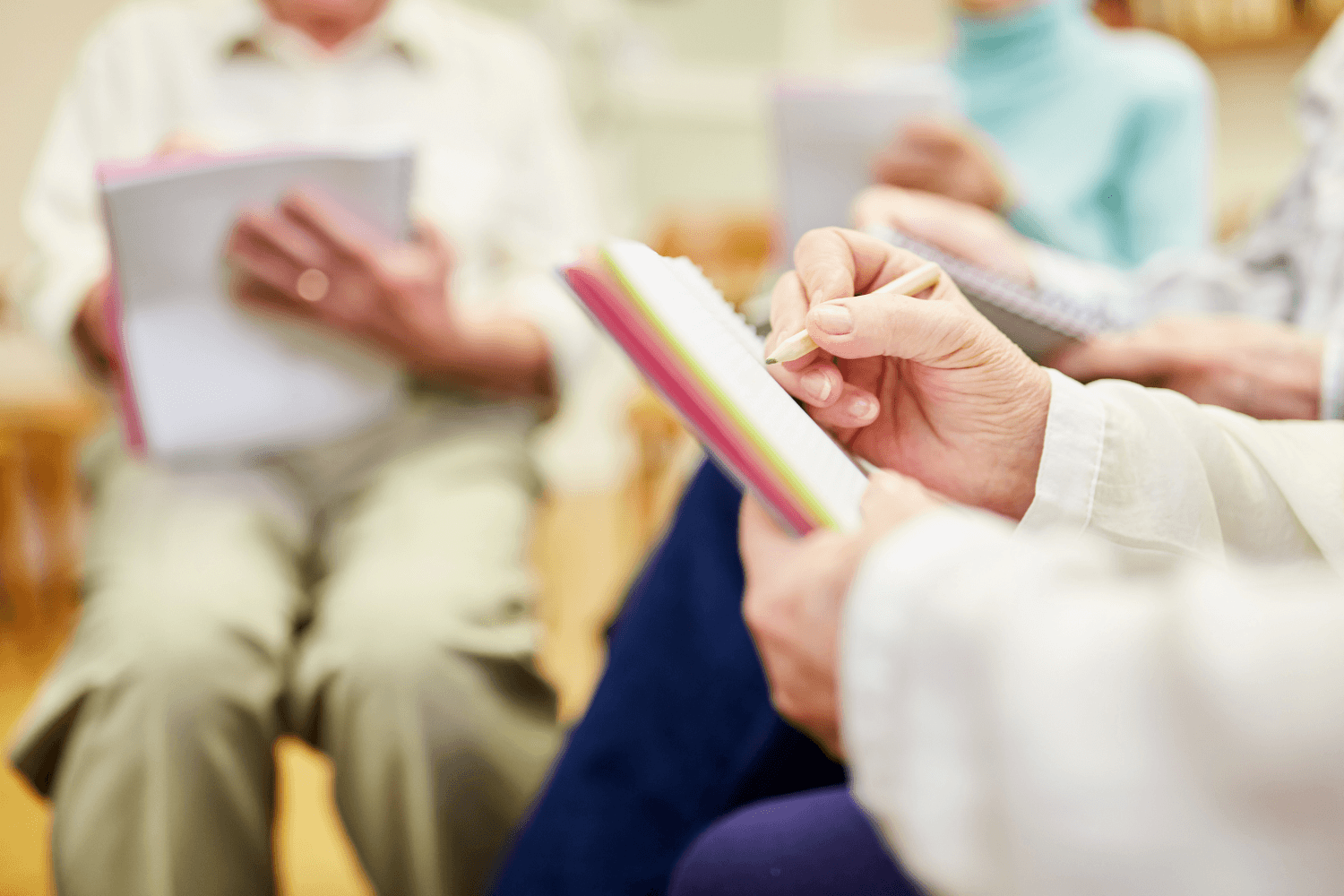
Creative writing is often pursued as a means of sharing thoughts, memories, hopes or ideas, and can be very therapeutic, including for people with Parkinson’s.
Anyone can try it – from poetry and short stories to novels – whether on your own or in a group.
Benefits of creative writing include:
- Improving self-expression, including feelings or issues that are particularly hard to discuss
- Relieving stress (possibly even lowering your heart rate and blood pressure)
- Improved optimism and sense of well-being
Therapeutic writing is a specific form of creative writing to help process troubling or traumatic issues. In therapeutic writing, the normal “rules” don’t need to be observed – you just write whatever is in your head, paying no attention to grammar or spelling – which can be a cathartic way to express bottled-up worries and regain a sense of purpose and control over the issue.
Creative writing activity ideas
- Just grab a pen! There’s no right or wrong way of creative writing
- Explore a variety of different types of writing, and find those which most stimulate and uplift you, and aid movement.
- Try to find quiet times of the day when you can concentrate on your thoughts.
- Investigate local groups, especially those run by trained writing therapists.
- Turn to writing if you feel stress levels rising or if you want to induce sleep.
- Build up a library of writing that inspires you