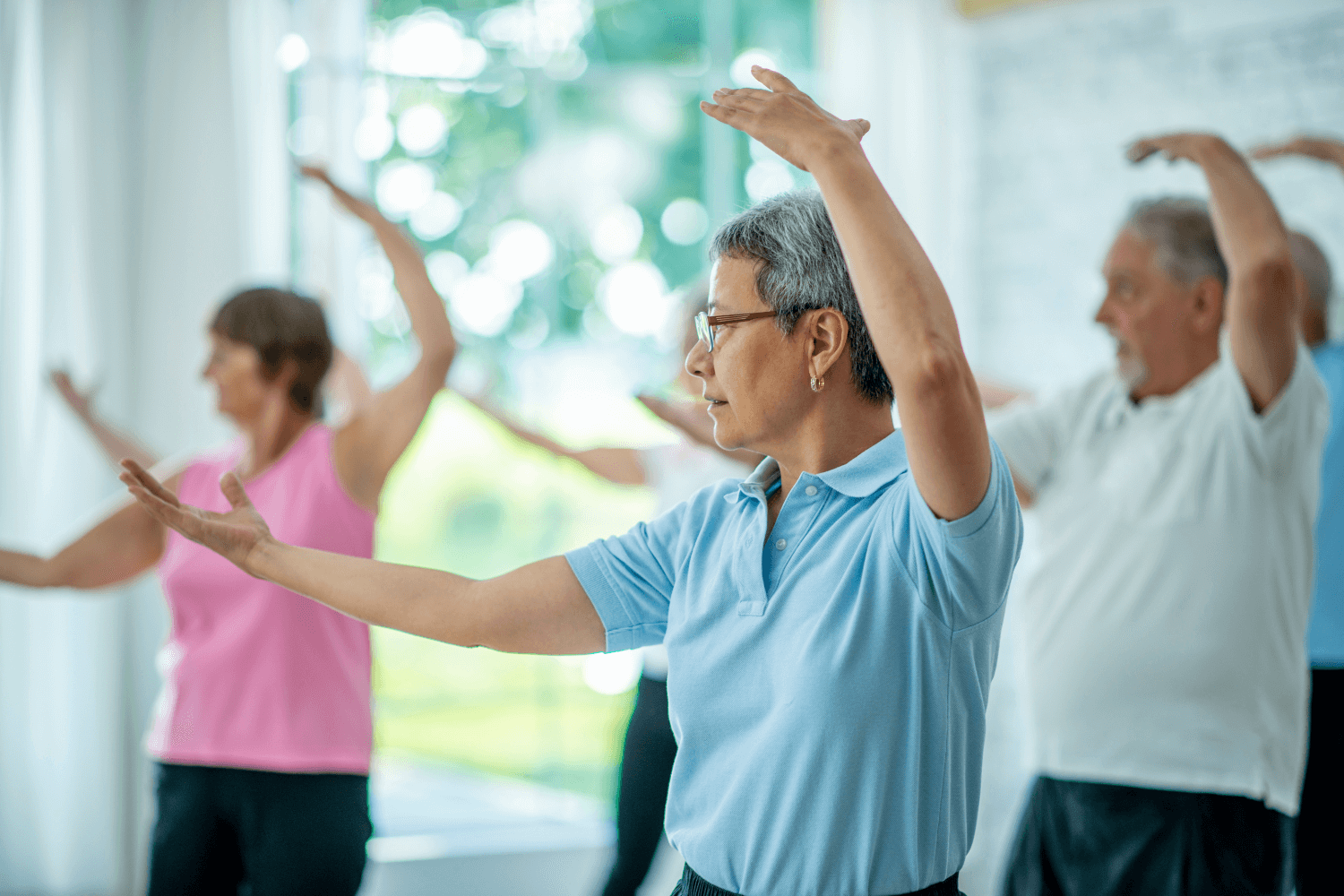
Many people with Parkinson’s seem to find complementary therapy techniques helpful – especially for relaxation and to reduce stress and depression – although there is little scientific evidence about their use as a form of Parkinson’s therapy.
This section provides an A to Z guide on the most popular complementary therapies – from acupuncture to yoga – and details of specific techniques that people with Parkinson’s have tried.
Please note:
Healthcare professionals: find research papers about many of the complementary therapies below here
Acupuncture
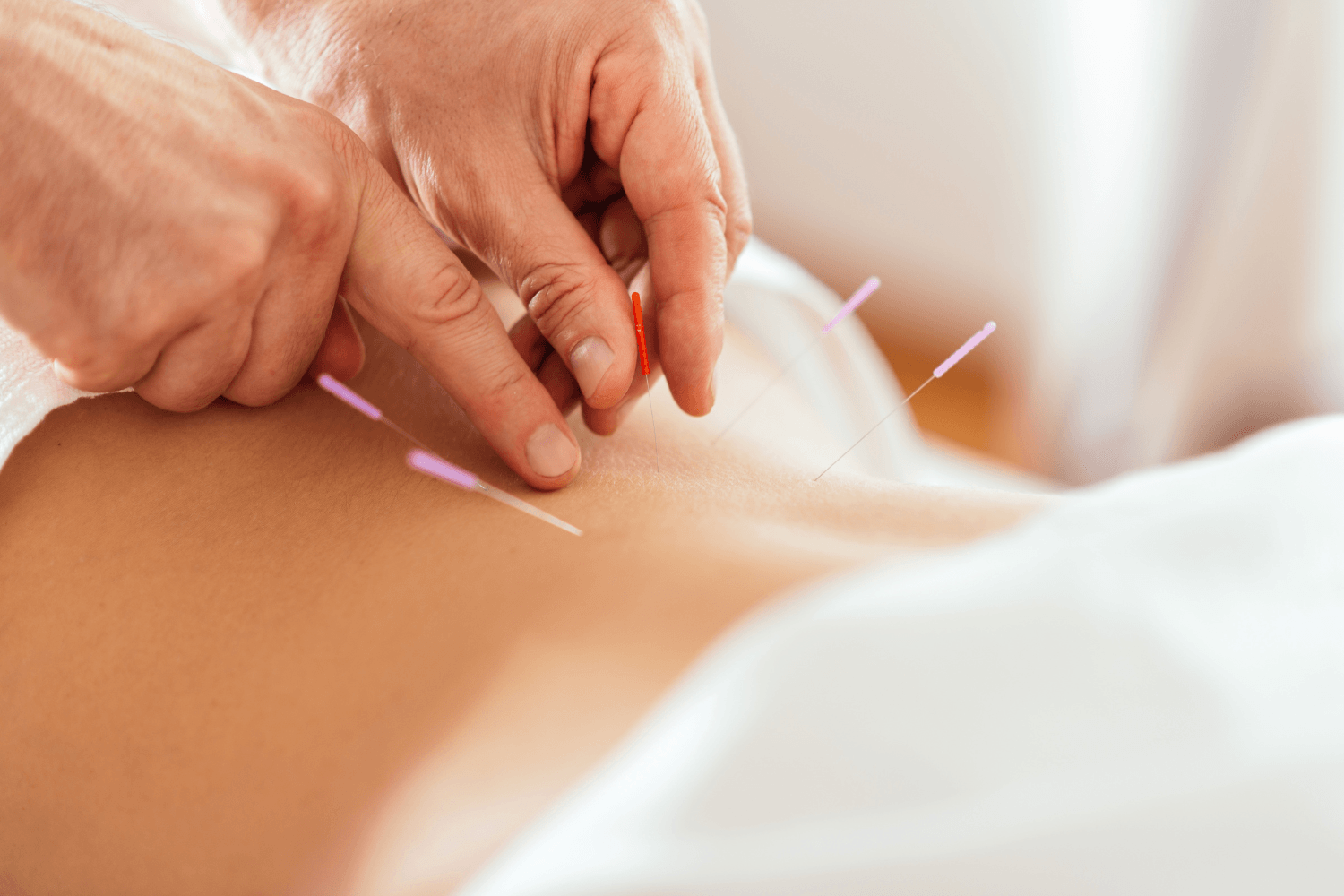
This traditional Chinese medicine involves a therapist inserting sterile, disposable ultra-fine metal needles into carefully chosen points on the body. The theory is that the needles stimulate nerves and muscles, which helps your body’s energy (or Qi, pronounced ‘Chi’) flow, and removes any blockages thought to be caused by things like stress or trauma.
There are around 500 acupuncture points throughout the body. Interestingly, an acupuncture point may not be situated near to the organ to be treated – for example, someone suffering from headaches may receive treatment on a point on their foot or hand!
The effectiveness of acupuncture in relieving pain and reducing stress has been conclusively demonstrated and is now acknowledged worldwide.
How does acupuncture help Parkinson’s?
Acupuncture is commonly used to reduce pain and stiffness (rigidity), and in Parkinson’s it is also used to help with tremor, walking difficulties, digestive ailments (such as constipation), insomnia, depression and anxiety.
Both people with Parkinson’s and carers may also benefit from increased energy levels, improved sleep, enhanced relaxation, and an overall sense of wellbeing.
How to find an acupuncturist
Acupuncture is not regulated in many countries. It is therefore a good idea to ask your doctor or other healthcare professional for recommendations.
Alexander Technique
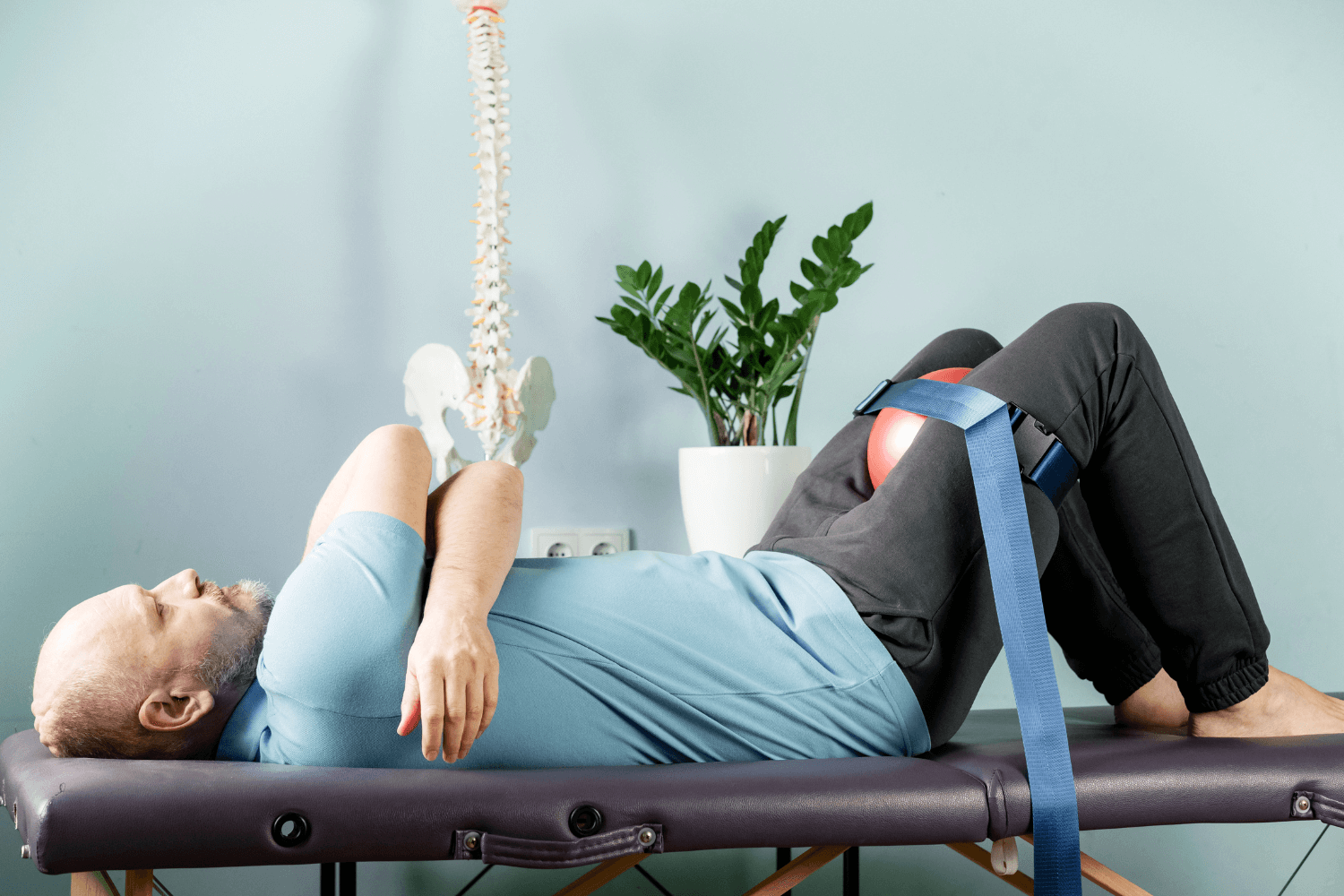
Alexander technique (AT) is a self-care approach aimed at alleviating stress and improving physical and emotional wellbeing. During lessons, an instructor will use verbal cues and a non-manipulative, light touch to guide your movement, helping you develop techniques such as:
- keener self-observation
- the ability to stay calmer and reduce tension from moment-to-moment during your day
- better ways to approach daily activities
- active rest, including breathing exercises and letting go of muscle rigidity, to deepen your sense of calm
You can apply these techniques in your day-to-day life as you move around or do physical activities like writing, exercising or playing an instrument.
Various studies have shown the effectiveness of AT, including specific studies of people with Parkinson’s (see the reference box below for more information).
How does Alexander technique help Parkinson’s?
Alexander technique can help a wide range of Parkinson’s symptoms, from movement issues like balance, posture and freezing to non-motor issues like sleep problems and anxiety. It can also help with your independence and overall confidence.
Alexander technique skills may help you become calmer, more collected, and controlled during your daily activity and when dealing with moment-to-moment challenges relating to Parkinson’s. It may help you become more aware of excessive tension that may be interfering with your balance and potentially causing anxiety and stress.
Carers may also benefit from the physical and emotional wellbeing associated with this method.
How to find an AT instructor
You can attend AT classes in either group sessions, private tuition, or a mix of both.
Alexander technique instructors are trained and certified by national and international societies who must answer to government regulations on ethics of practice.
Find certified AT teachers here:
The Complete Guide to the Alexander Technique
Aromatherapy
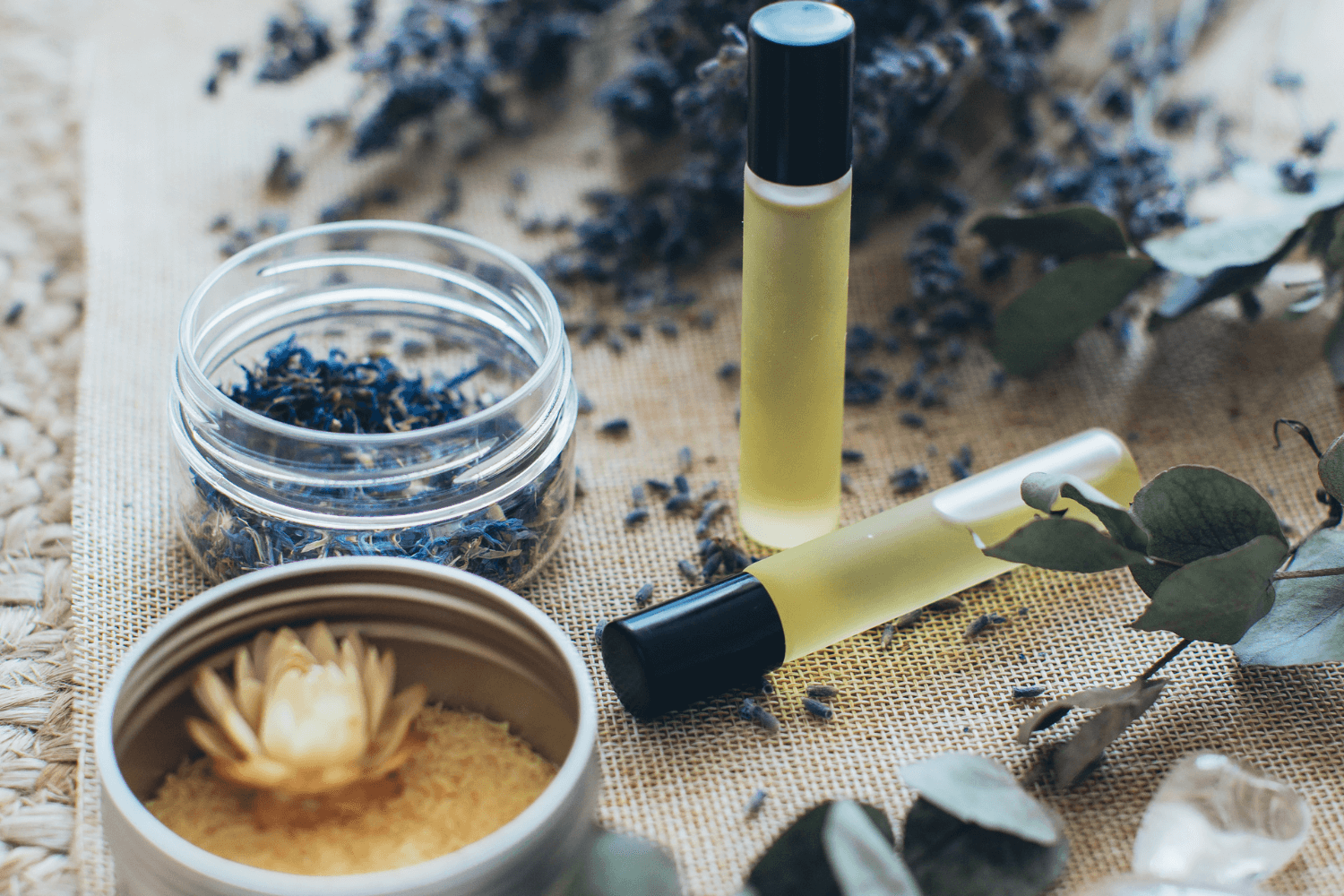
Aromatherapy is an ancient practice that uses essential oils (essences from aromatic plants) to improve physical, psychological and emotional wellbeing, and enhance relaxation.
Each essential oil has distinctive therapeutic properties that are used to treat a variety of common conditions, from fatigue and muscle pain and to stress, headaches and anxiety.
The essential oils are administered either through the skin using massage/simple skin application or through inhalation. The molecules of the essential oils will travel into the bloodstream and metabolise in the body.
How does Aromatherapy help Parkinson’s?
Even though there is little scientific research into the benefits of Aromatherapy in Parkinson’s, many people find it uplifting and relaxing. As stress can worsen many Parkinson’s symptoms, using aromatherapy to relieve stress will likely improve these symptoms..
The potential benefits of aromatherapy in Parkinson’s include:
Physical: muscular aches and pain, joint stiffness and pain, limb weakness, constipation, poor circulation and cramp can be treated through massage
Mental and emotional: depression, anxiety, insomnia, nausea and headaches can be treated through massage and/or inhalation.
Where to find an aromatherapist
Aromatherapy is not regulated in many countries. It is therefore helpful to ask your doctor or other healthcare professional for recommendations
You can find more information on the International Federation of Aromatherapists website.
Ayurveda
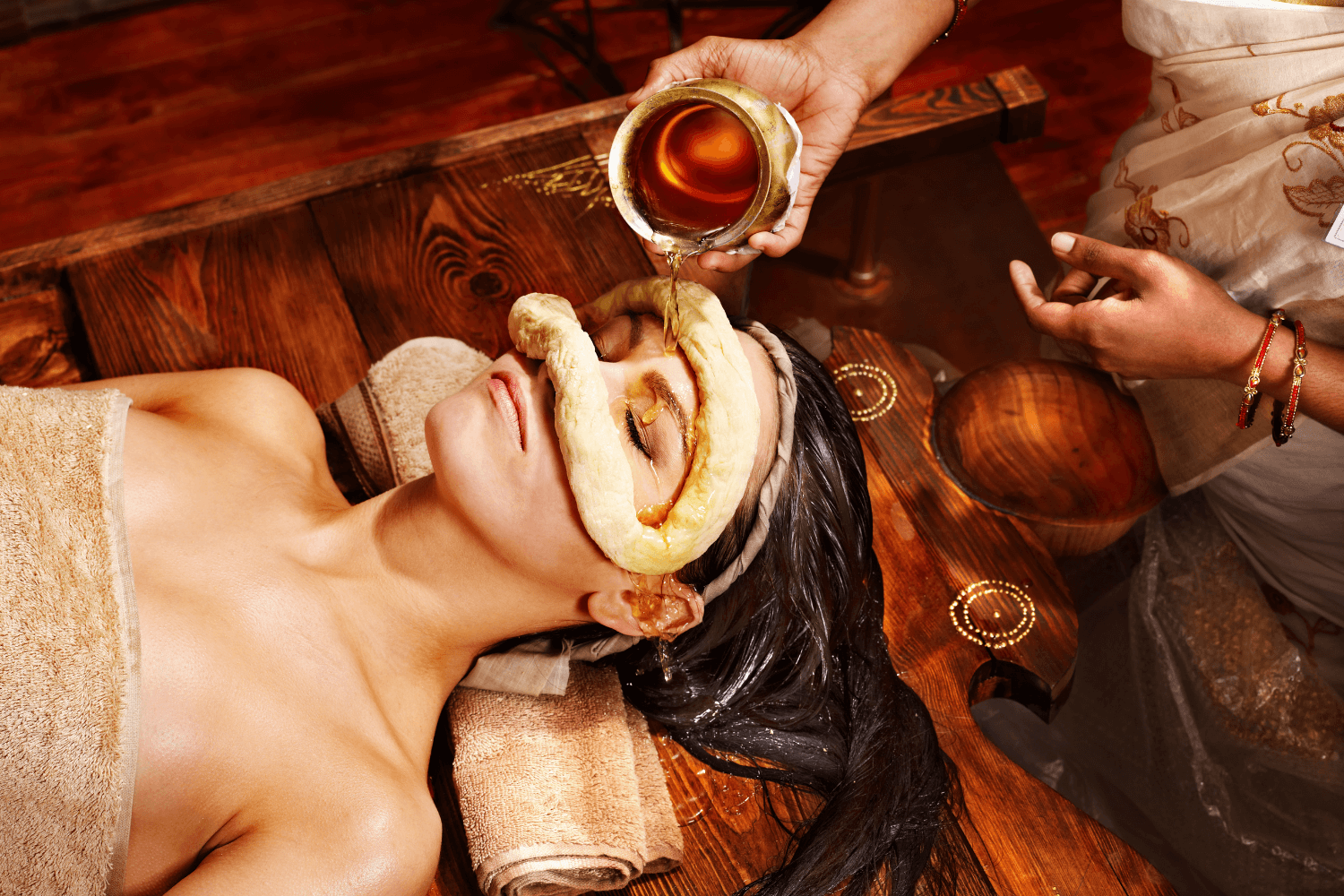
Ayurveda is an ancient Indian, natural system of medicine that has been practiced for over 5,000 years. It is founded on the belief that good health is enjoyed when there is a balance between three fundamental bodily humours, or ‘doshas’:
- Vata is the driving force which controls the nervous system and relates to the body’s energy centre.
- Pitta is fire which relates to digestion, metabolism, enzymes, bile and acid.
- Kapha is body fluid which relates to mucous, phlegm, moisture, fat, the lymphatic system and nutrients.
This holistic treatment aims to promote a sense of wellbeing, including physical strength, improved health, mental fitness, inner peace and calm.
How can Ayurveda help Parkinson’s?
While research into the benefits of Ayurveda in Parkinson’s is currently limited, it aims to balance the disturbed dosha and restore healthy balances in the mind, body and soul.
Depending on the symptoms this may include:
- diagnosing the cause of symptoms in order to identity the reason for any imbalance
- use of mild herbal laxatives to help with colon cleansing if digestion is a problem
- massage using powerful oils, as well as enemas
- use of herbal nerve tonics to relieve rigidity and nourish the nervous system
- use of herbal medications to alleviate depression
- dietary advice to improve the digestive, nervous and emotional systems in the body
- use of yoga or meditation to overcome symptoms, improve relaxation and reduce stress
One commonly used herb in ayurveda is the mucuna seed, which contains natural levodopa that is easily converted to dopamine in the brain. Studies have so far had encouraging results, suggesting that mucuna may have advantages over synthetic levodopa for long-term use.
How to find an ayurvedic practitioner
Ayurvedic practice is not regulated in some countries. It is therefore helpful to ask your doctor or other healthcare professional for recommendations.
Accreditation and training varies throughout Europe so it is best to check the experience of anyone you consult and always ask for references.
Bowen Technique
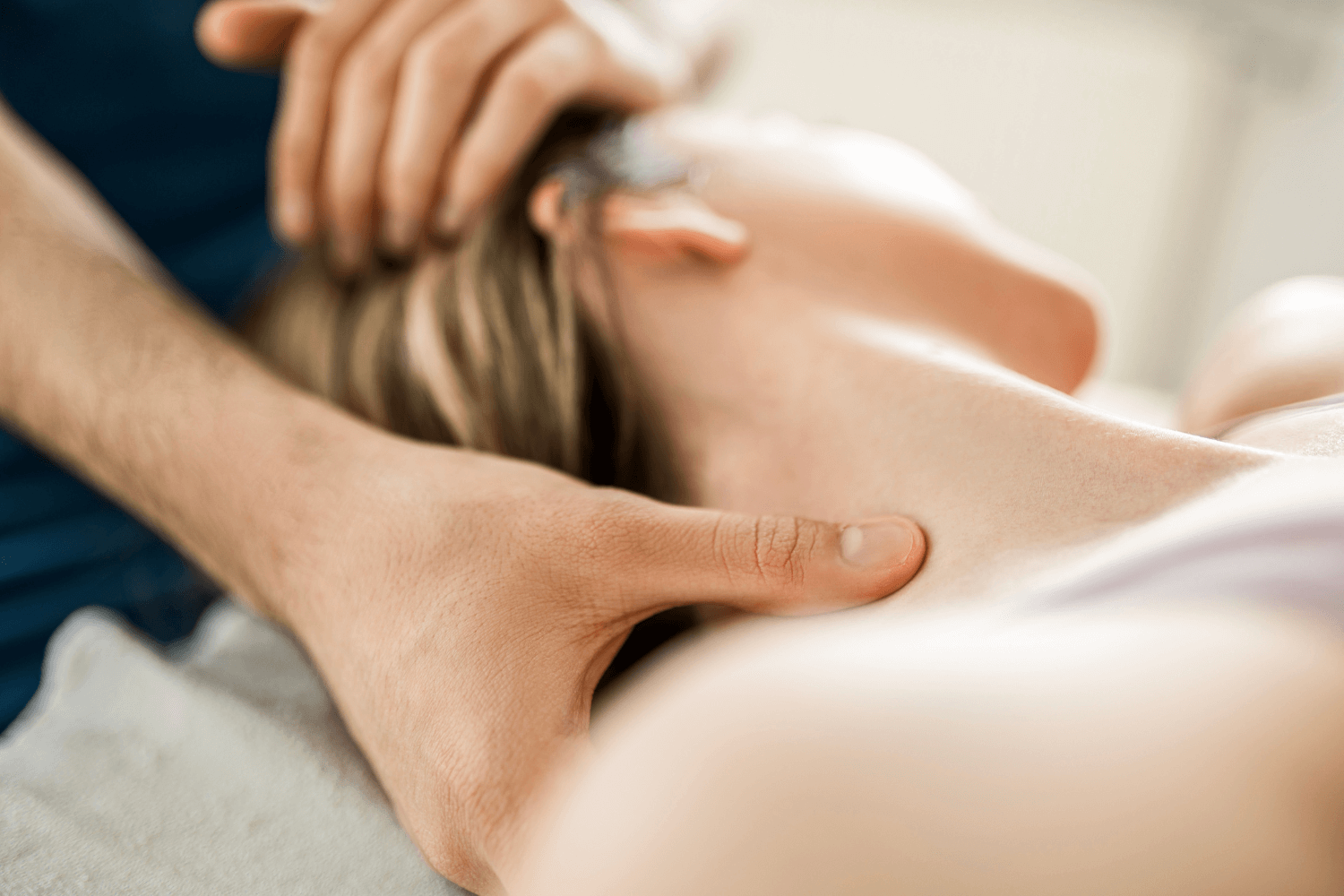
The Bowen technique, also known as Bowen therapy, is a holistic, hands-on therapy that encourages the body to heal, realign and relax. Unlike massage, there is no manipulation, adjustment or hard or prolonged pressure – instead, the therapist uses their fingers and thumbs in precise areas to gently move your muscles, tendons or ligaments.
These light movements aim to:
- stimulate energy flow
- enhance the body’s natural healing processes to restore balance
- encourage the elimination of toxins and waste products
- improve circulation
- release tension
- increase mobility
How can Bowen Therapy help Parkinson’s?
There has so far been little research into the benefits of the Bowen Technique specifically in Parkinson’s – more generally, however, it’s been found to help relieve pain, stiffness, stress, anxiety and sleep problems, as well as treating a much wider range of conditions including asthma, irritable bowel syndrome and migraine. Many people with Parkinson’s say that they find the technique helpful in reducing their symptoms and promoting a sense of wellbeing and relaxation.
Carers may find that the Bowen Technique can also help them with stress relief, and muscle pain caused by lifting and physically assisting the person they’re caring for.
Where to find a Bowen therapist
Bowen technique is not regulated in many countries. It is therefore a good idea to ask your doctor or other healthcare professional for recommendations.
The Bowen Therapy Professional Association (BTPA) is the main association of Bowen therapists. Its website provides an online therapist search facility.
It is advisable to see a therapist who has experience of Parkinson’s so do ask about their experience of the condition as well as their qualifications.
Cannabis

Also known as marijuana, cannabis is a drug which comes from the Cannabis Sativa plant, and is used both for medical purposes and recreationally (although this is illegal in many countries).
It can be taken in different forms and ways, for example, smoking dried leaves, as a spray under the tongue or as tablets. While the effects of cannabis aren’t fully understood, it’s thought they come largely from two compounds:
THC: a psychoactive drug that affects brain function, and may help with pain, nausea and muscle spasms – however, it also alters mental processes, behaviour, mood, consciousness and perception.
CBD: this does not have psychoactive properties but many believe it may be beneficial in treating a wide range of conditions such as multiple sclerosis, chronic pain, depression and Parkinson’s.
The concentrations of THC, CBD and other cannabinoids vary from one form to another, and also from one plant to another, which makes clinical evaluation of its effects challenging.
Cannabis and Parkinson’s
Although cannabis has been used since ancient times for relieving pain, improving sleep and for many other purposes, there is still very little evidence regarding its efficacy and safety, and much more research is needed.
There have been some promising suggestions that cannabis can help with Parkinson’s movement symptoms like tremor, slowness and dyskinesia (muscle spasms), but studies had had mixed and often confusing results.
In non-motor symptoms such as pain, sleep problems, anxiety, depression, memory problems and hallucinations, research is also ongoing with some encouraging results but side-effects are common and we need to understand more before any conclusions are drawn.
WARNING
Further reading
Find articles about cannabis and Parkinson’s on Parkinson’s Life
Conductive education
Conductive education (CE – also known as the Petö system after its creator, Hungarian doctor András Petö) is used by people with movement disorders to help them to lead independent and fulfilling lives.
Petö’s work was revolutionary: he believed that, through education, people with Parkinson’s and other neurological conditions can regain conscious, cognitive control of their movements, creating a new level of control over daily activities. There is a growing evidence base to support this.
There are five important elements in CE:
- The conductor – this is the professional who delivers the programme of learning. He or she is qualified to degree level and specialises in neurological conditions.
- Daily routine – this covers all activities from waking to sleeping, including self-care, education, work, hobbies and interests.
- Task series – these take place in a lying, sitting and standing position and aim to teach the person how to control all the movements required for problem-solving in their daily life.
- Intention / rhythmical intention – CE links speech, thought and movement through the conductor verbalising the task and providing a count in which to complete the movement. This helps to reduce the time between intending and carrying out the movement, which helps to overcome symptoms and so complete the movement more easily and successfully.
- The group – usually made up of individuals with a similar condition with common goals
How can conductive education help Parkinson’s?
CE can help some of the most common motor symptoms in Parkinson’s – such as tremor, rigidity, slowness of movement, freezing, lack of facial expression and issues with handwriting – as it provides practical techniques to overcome these difficulties.
For instance, CE techniques can help improve posture and balance, your range of movement, and provide a rhythm to help you initiate movements, and also complete fine motor activities like buttoning clothes. It can also improve your stride when walking, and help you negotiate obstacles and changing direction.
Techniques are generally taught within structured group sessions. Carers may also find it useful to attend, as they can then help the person they care for to put into practice what they have learned.
How do I find a CE group?
To find where UK conductors work please visit the PCA website.
Your local Parkinson’s organisation may also be able to provide information based on members’ experiences.
Craniosacral therapy

Craniosacral therapy (CST) is sometimes known as ‘listening hands’, as the therapist will use a light touch of their hands to ‘listen’ to the body – particularly the skull and spinal column – and feel any congestion or restrictions.
Therapists believe that when a part of the body is altered due to physical trauma, emotional stress or illness, this can be communicated throughout the body by the blood, nervous or hormonal systems, giving rise to imbalances.
This gentle therapy very slowly and carefully uses pressure to encourage the release of stresses throughout the body and head.
How can craniosacral therapy help in Parkinson’s?
There is no clear scientific research to support any benefits of CST in Parkinson’s, but anecdotal evidence suggests that it may improve vitality, enhance movement and co-ordination, reduce pain and fatigue, improve the immune, respiratory and digestive systems, and improve heart function.
It has also been credited with reducing anxiety and panic attacks, headaches, depression, sleep disturbance and other stress-related symptoms and so enhancing wellbeing. This can of course be beneficial for both individuals and their families.
Brain specific CST may also be effective in improving function of the nervous system and so reducing some Parkinson’s symptoms.
Regardless of the lack of evidence supporting its benefits, CST is usually enjoyable and relaxing, bringing a sense of physical and mental relaxation, and enhancing your sense of wellbeing.
Where to find a craniosacral therapist
Craniosacral therapy (CST) is not regulated in many countries. It is therefore a good idea to ask your doctor or other healthcare professional for recommendations.
Healing
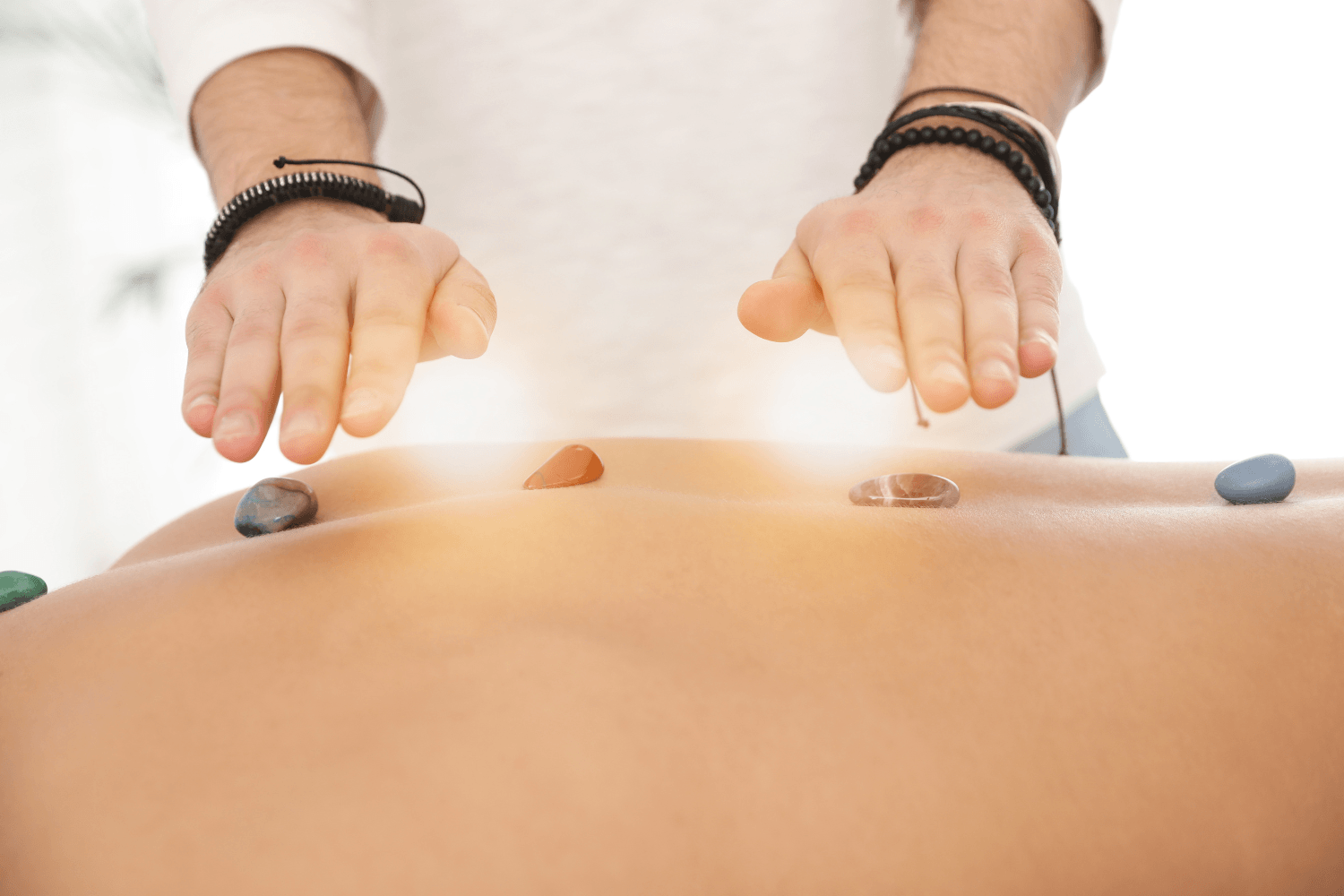
Healing is based on the principle that there is a universal energy – or ‘Chi’ – which exists all around. During a healing session, the practitioner will lightly place their hands on you, or hold them two to three inches above your body, and make sweeping movements to draw in the Chi and direct it to where it’s needed in your body. This is said to trigger changes in your energy field, resulting in feelings of relaxation, wellbeing and rejuvenation.
It’s traditionally done in the name of a god or spirit, but the patient is not required to have any specific set of beliefs. Candles, crystals and soft music may also be used.
There are many different forms of healing, from spiritual healers who believe they are channels for a healing force which passes into your energy field, to aura healers who believe they can influence ‘aura’: bands of changing colours around a person which reflect their current health.
Many people are convinced of the benefits of healing, but there is much debate as to how it actually works, with no sound explanation. Many medical practitioners are sceptical, attributing any positive effects of healing to the ‘placebo effect’ or ‘autosuggestion’.
How can healing help Parkinson’s?
Although there is little scientific evidence to support the benefits of healing generally and particularly in Parkinson’s, those who have tried this treatment say that it triggers feelings of wellbeing and calm – which can be beneficial to family and carers too.
The benefits tend to be psychological rather than physical, but the sense of calm healing can bring may also help relieve feelings of depression, skin problems, stress management and insomnia.
How to find a healer
As healing is not regulated in many countries, it is a good idea to ask your doctor or other healthcare professional for recommendations.
Herbal medicine

Herbal medicine (or ‘herbalism’) uses plants or plant extracts to treat, prevent or cure illness, and promote good health.
All parts of the plant are used – roots, leaves, stems and seeds – as herbal practitioners believe the whole herb has a wider healing potential than the single active agent used by the pharmaceutical industry in traditional medicine. Herbal remedies are available as drinks, tablets, capsules, ointments and creams, and are on sale in health food shops, pharmacies and even supermarkets.
While many well-established, conventional medicines come from plants – for instance, morphine comes from poppies, aspirin from willow bark – there’s limited evidence that herbal medicines work. Some benefits have been clinically proven, for instance garlic can reduce blood cholesterol levels, ginkgo biloba may improve mental performance in Alzheimer’s and St John’s Wort can be used to treat mild depression.
WARNING
How can herbal medicine help Parkinson’s?
The effects of herbal medicine in Parkinson’s are largely untested with the exception of preliminary studies into mucuna plants, commonly used in ayurveda. The mucuna seed contains natural levodopa that is easily converted to dopamine in the brain. Studies have so far had encouraging results, suggesting that mucuna may have advantages over synthetic levodopa for long-term use.
A qualified herbal practitioner will be able to advise on other remedies, for example nervine herbs to reduce tremors, or vascular dilators to relax rigid muscles. Some herbs may help with skin conditions.
How to final a herbalist
Herbal medicine is not regulated in many countries, and some herbal treatments can have serious side effects and interfere with Parkinson’s medications. It is therefore important to always talk to your doctor before taking any herbal medicines – they may also be able to give recommendations of reputable herbal practitioners.
Homeopathy
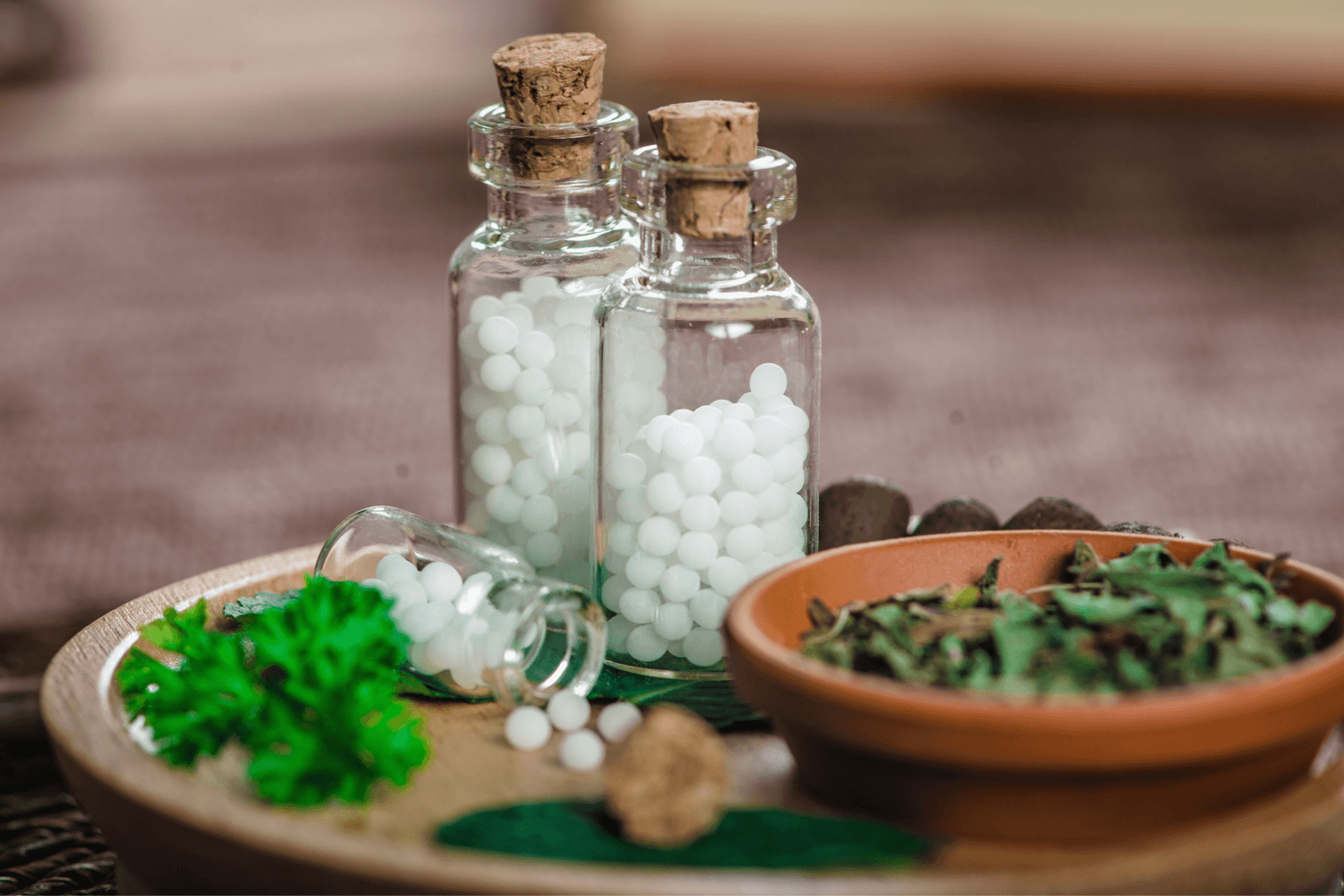
Homeopathy (from the Greek words meaning ‘similar suffering’) is a gentle therapy that works by stimulating the body’s own healing power to clear itself of any imbalance.
Modern homeopathy is based on the theory of treating ‘like with like’ (also known as ‘the way of similars’), which involves prescribing highly diluted natural substances that, if given in stronger doses, would produce the symptoms the medicine aims to treat.
For example, to treat insomnia, traditional medicine may involve a drug to bring on artificial sleep. In homeopathy, however, a patient is given a minute dose of a substance, such as coffee, which in large doses causes insomnia in a healthy person. Surprisingly, this can enable the person to sleep naturally.
Remedies are usually given in the form of a small tablet or pillule (or sometimes powders or drops to add to water) which should be allowed to dissolve in your mouth.
How can homeopathy help Parkinson’s?
There is no clinical evidence to prove that homeopathy is effective in Parkinson’s. Some medical practitioners believe it’s just the placebo effect.
Anecdotal evidence suggests that it can improve some Parkinson’s symptoms, for example:
- argentum nitricum – for ataxia (loss of muscle co-ordination), trembling, awkwardness
- causticum – for restless legs
- cuprum – for muscle cramps
- mercurius vivus – for easing Parkinson’s that is worse at night, and for panic attacks
- zincum metallicum – for restlessness and depression.
How to find a homeopath
Homeopathy is not regulated in all countries. It is therefore a good idea to ask your doctor or other healthcare professional for recommendations.
WARNING
Hydrotherapy
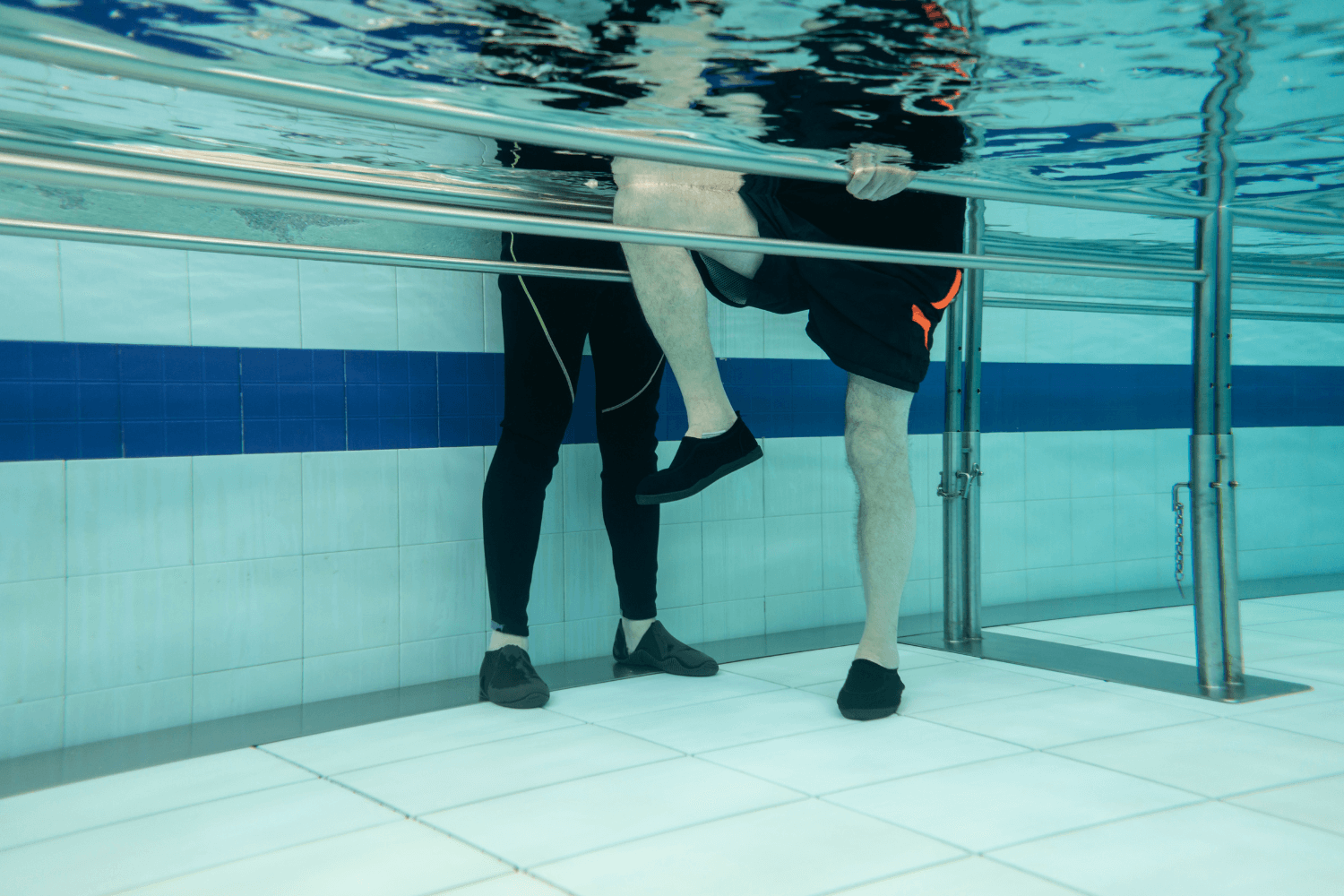
Coming from Greek words meaning ‘healing water’, hydrotherapy uses water to maintain health and prevent disease. Water’s buoyancy supports the body and relieves painful pressures.
It is used to treat rheumatic conditions, such as arthritis, as well as musculoskeletal disorders and neurological conditions.
Treatments are carried out by trained physiotherapists or qualified teachers, and include immersion in water (such as whirlpools and steam baths) and specially selected exercises carried out in water.
How can hydrotherapy help Parkinson’s?
Hydrotherapy is particularly helpful for treating Parkinson’s symptoms for the following reasons:
- The water’s buoyancy can support weak muscles and allow limbs to be moved in a less painful manner.
- The resistance of the water helps strengthen muscles and limbs.
- Simply being in the water can be relaxing and provide pain relief.
- Being in water reduces the fear of falling, so you may feel safer and more comfortable whilst exercising.
- Exercise releases endorphins (anti-stress hormones) that relieve pain naturally
Where to find a hydrotherapy class
Hydrotherapy is not regulated in all countries. It is therefore a good idea to ask your doctor or other healthcare professional for recommendations of therapists with experience of Parkinson’s.
WARNING
Hypnotherapy
Hypnosis is an artificially induced state of relaxation and concentration in which deeper parts of the mind become more accessible. Hypnotherapy has been reported to improve certain Parkinson’s symptoms – for example pain, sleep difficulties, anxiety and depression. There is currently a lack of clinical evidence to support this but there is ongoing research into the area.
Kinesiology
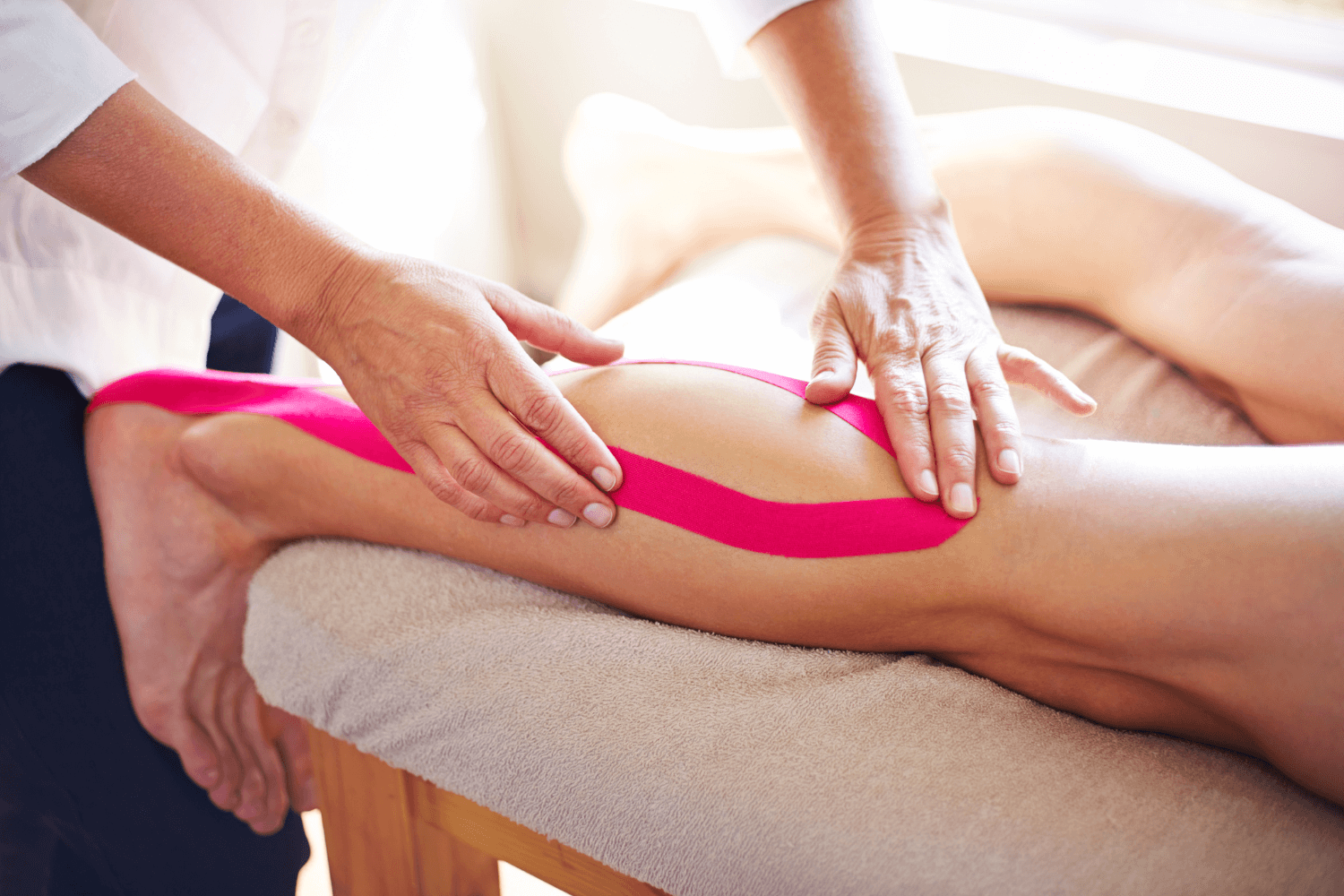
Kinesiology is non-manipulative therapy which uses gentle, manual muscle testing (also known as muscle monitoring), which consists of applying gentle pressure to a contracted muscle to assess its responses. This reveals imbalances in your body’s energy flow (Chi) – a kinesiologist can then correct these imbalances using techniques ranging from massage and acupuncture to homeopathic remedies, magnets, or the power of thought.
Kinesiologists believe that each of our muscles is connected to an organ, so if a muscle appears to be weak, they believe that this reflects a problem with the relevant organ. It is thought that correcting energy imbalances can improve health by
- increasing vitality and energy levels
- improving posture and reducing pain and joint problems
- reducing stress and tension, alleviating problems like headaches and digestive issues
- improving cognitive ability, alertness, co-ordination and brain function
- improving nutrition and sensitivity or allergies
Kinesiology does not interfere with medications and does not have side effects so is generally considered to be a safe treatment
How can kinesiology help people in Parkinson’s?
Some studies have suggested that kinesiology may be a useful diagnostic tool, but there is no clinical research so far into its validity with Parkinson’s.
Anecdotal evidence suggests that some people have found kinesiology improves their health and vitality, reduces tension and depression, and improves motor symptoms like gait disturbances, postural changes and imbalance, and muscle rigidity.
Kinesiology aims to encourage better control of movement, improve balance and motor function, and to develop general wellbeing.
How to find a kinesiologist
Kinesiology is not regulated in many countries. It is therefore a good idea to ask your doctor or other healthcare professional for recommendations.
Your local Parkinson’s organisation may be able to provide information based on members’ experiences, or you can use the following websites:
Massage
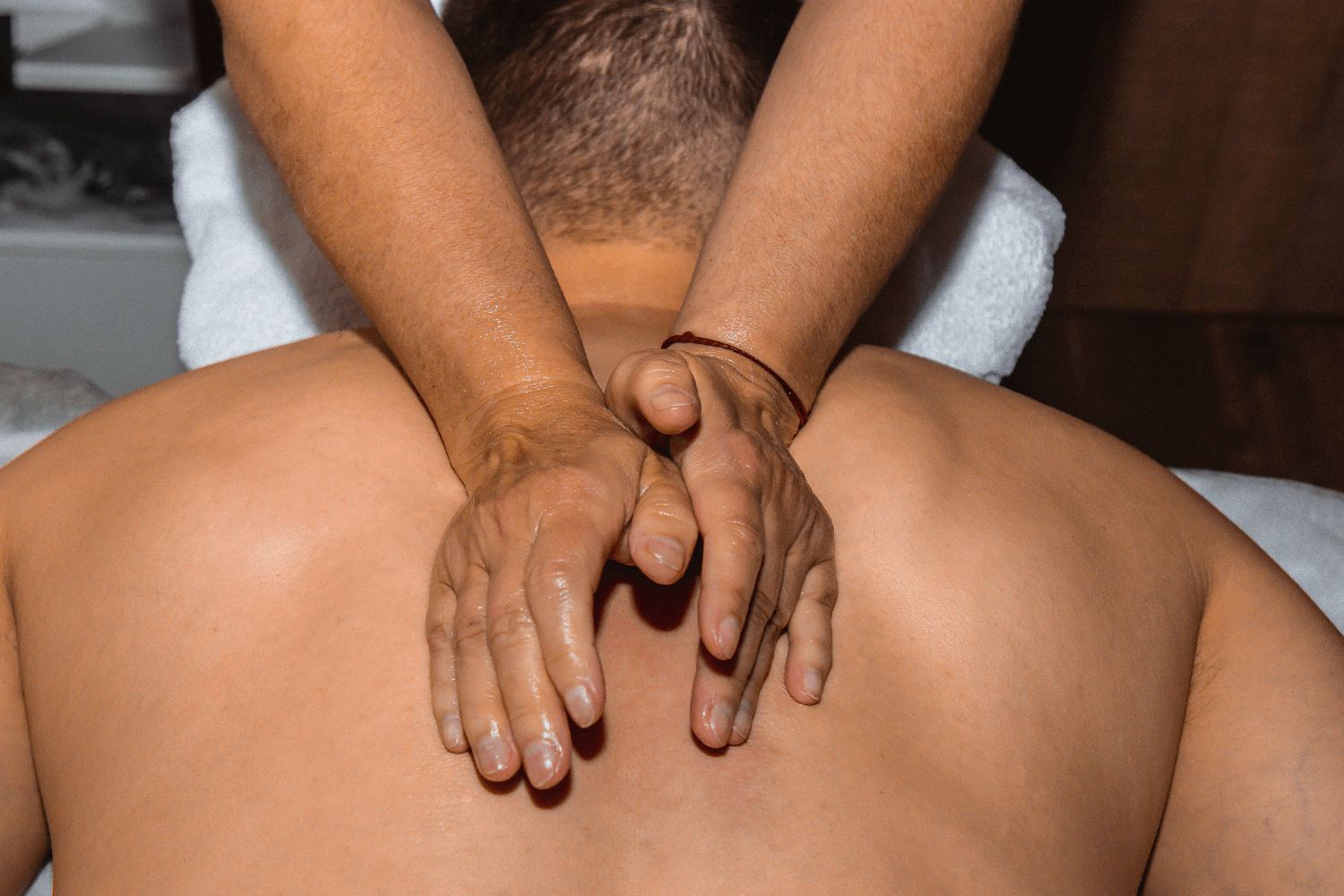
Massage can heal injury, relieve psychological stress and tension, improve circulation, manage pain, relax muscle spasms and eliminate waste and toxins from the body.
There are many different massage techniques. Some are gentle, helping your body release endorphins (the body’s own painkillers) to promote a sense of relaxation and wellbeing. Other techniques are more vigorous and stimulating, helping to stretch uncomfortable muscles, ease stiff joints and improve mobility and flexibility.
Warning
How can massage help Parkinson’s?
Research suggests that massage can help to relieve the muscle stiffness and rigidity that is often found in Parkinson’s. It can also help reduce stress, promote relaxation and enable you to identify tension in your body, and so find ways to minimise or reduce this. Tension can make symptoms worse so it is important to keep it under control.
Massage benefits may include:
- reduced stress, anxiety and depression
- reduced pain
- reduced constipation
- improved flexibility and mobility
- improved circulation and elimination of waste and toxins
- improved quality of sleep
- greater sense of self-awareness and wellbeing
- improved vitality
These benefits can obviously be enjoyed by carers and family too.
How to find a Parkinson’s massage therapist
Massage is not regulated in many countries. It is therefore a good idea to ask your doctor or other healthcare professional for recommendations of therapists with experience of Parkinson’s.
Pilates
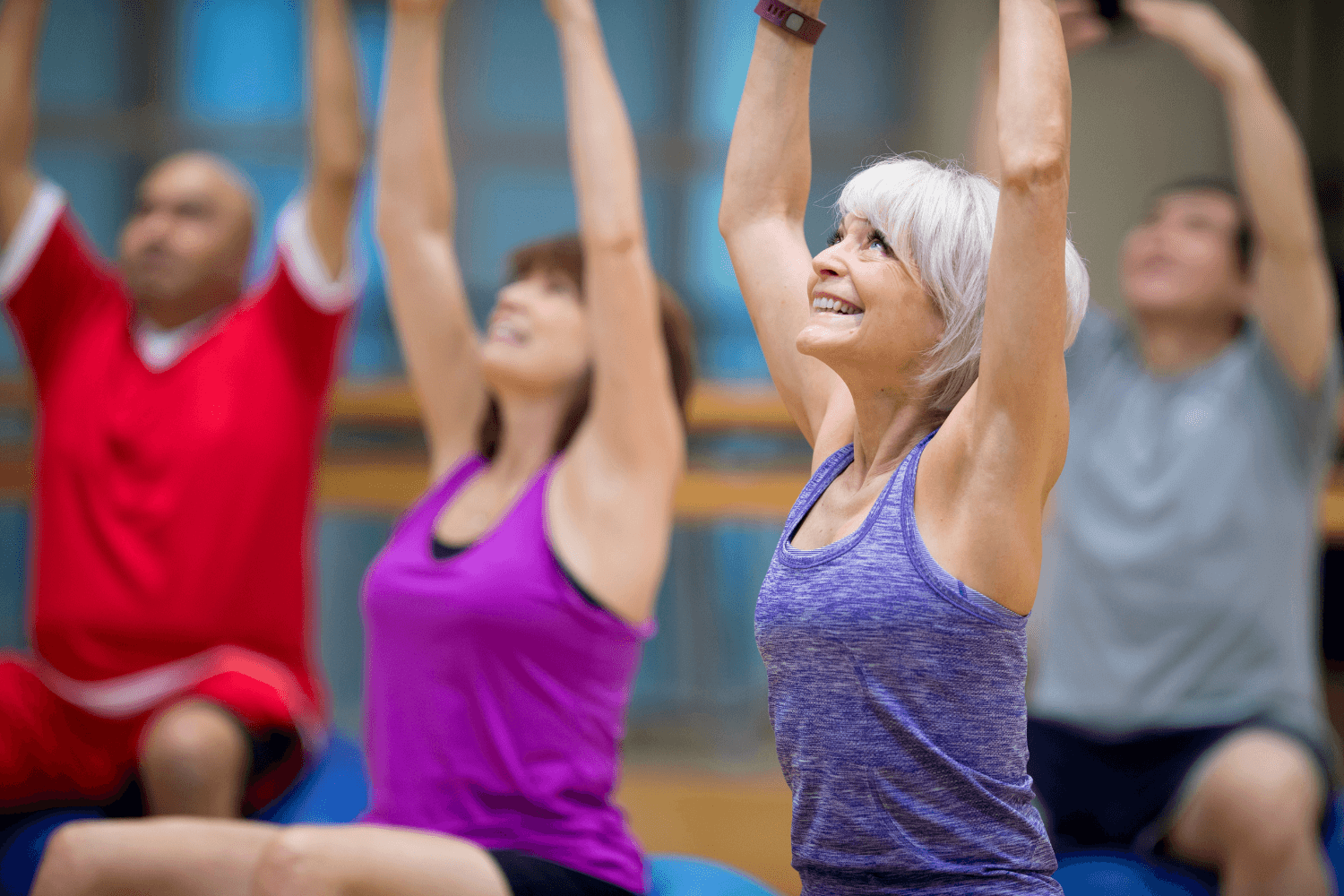
Pilates is a low-impact exercise method dedicated to improving physical and mental health. It is a system of body control which teaches people how to use their muscles more efficiently
Pilates focuses on building strong abdominal and back muscles (the ‘core’) to increase flexibility and agility, and at the same time tone stomach and thigh muscles, whilst realigning and improving posture.
It’s also relaxing, using flowing movement and breathing exercises, and is fairly gentle. That said, while it’s not aerobic, it does require effort, so it’s best to learn with a qualified teacher.
How can Pilates help Parkinson’s?
There is very limited research into the benefits of Pilates for Parkinson’s but some say it helps to relieve stress, relax and focus while strengthening and toning the body.
Stretching muscles through Pilates exercises may release tension and pain, and can trigger natural sleep responses.
By improving your posture and balance, Pilates may also reduce the number of falls and injuries, while its breathing exercises help deliver oxygen to your body and boost energy levels.
Your instructor will be able to help you adapt any exercises that you are finding difficult.
Where to find a Pilates instructor
Pilates is not regulated in many countries so some teachers may have had little training and may not be insured. It is therefore a good idea to ask your doctor or other healthcare professional for recommendations of a well-qualified teacher with experience of Parkinson’s.
You can also practise Pilates at home on your own, but only once you have learned all the moves from a trained instructor.
Reflexology
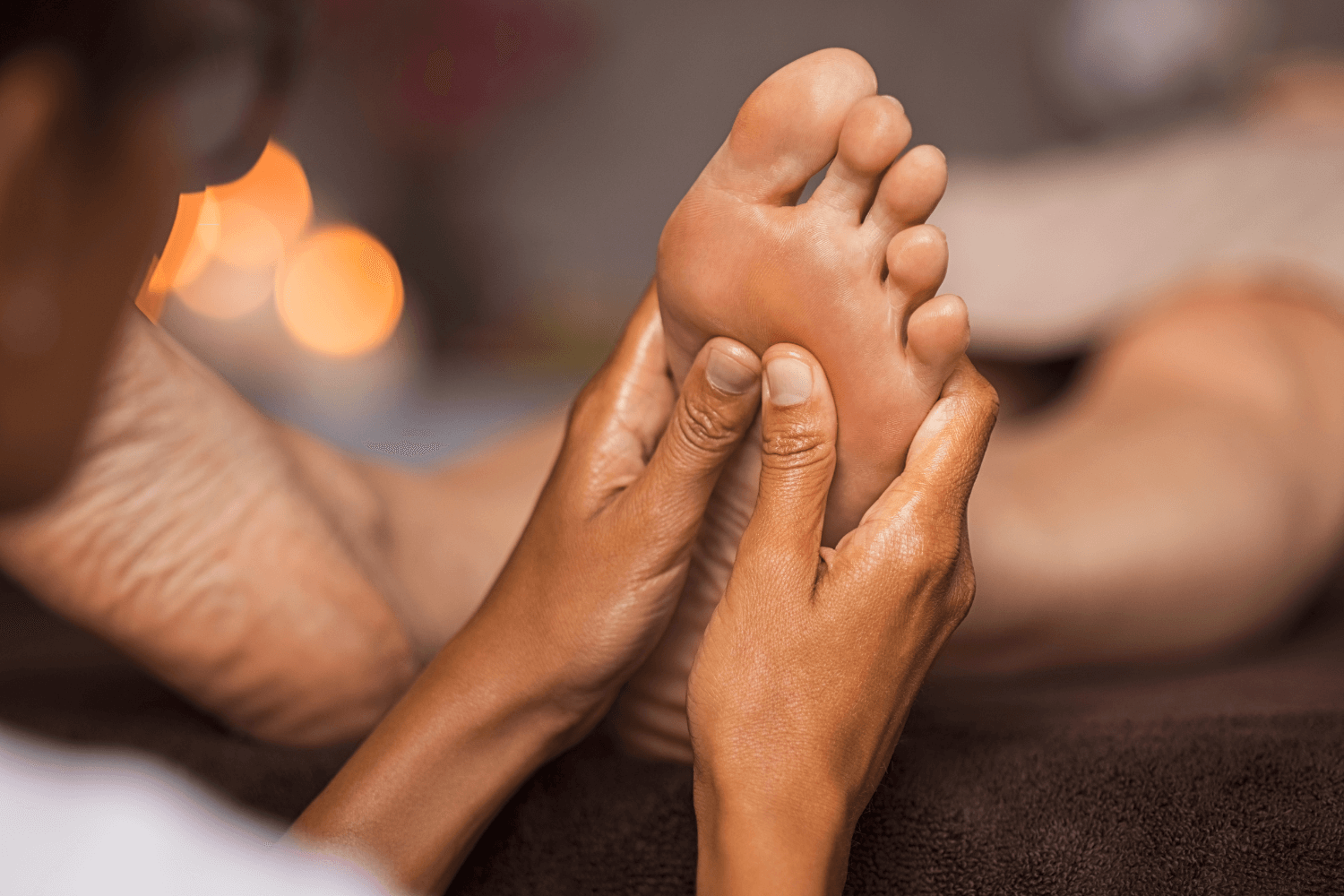
Reflexologists believe that the body is divided into ten energy zones running the entire length of the body, and that these may become blocked by congestion, disease or disorder.
They also believe that the anatomy of the body is reflected in miniature in reflex zones on the feet, hands and ears, and by applying pressure to the reflex points in these areas they can release blockages and restore the free flow of energy (Chi) to prompt healing.
How can reflexology help Parkinson’s?
There is very limited scientific evidence into the benefits of reflexology in Parkinson’s, but many believe it promotes relaxation, improves circulation, stimulates vital organs and encourages the body’s natural healing processes. It may also speed up the elimination of harmful toxins from the body, as well as boosting the production of natural chemicals in the brain.
Reflexology can be helpful when used to support traditional Parkinson’s treatments. For example, it can stimulate the saliva glands and tear ducts which are often suppressed as a result of Parkinson’s medications, and can also help to relieve constipation.
It’s not suitable for everyone, so you should always discuss this with your doctor or other healthcare professional before starting any treatment.
How to find a reflexologist
Reflexology is not regulated in many countries. It is therefore a good idea to ask your doctor or other healthcare professional for recommendations of a therapist who has experience of Parkinson’s.
Reiki
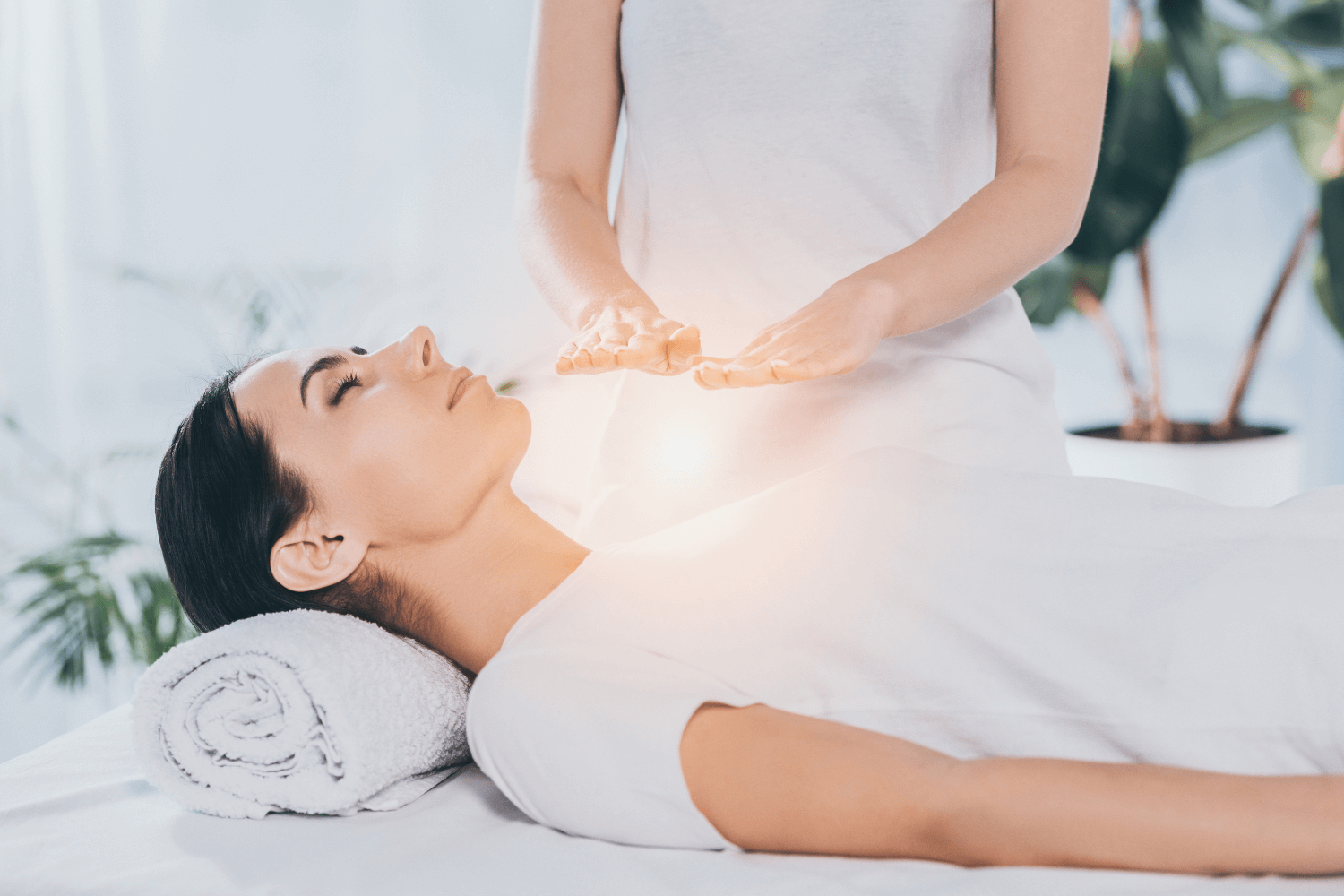
Reiki is the ancient practice of channelling universal energy – or ‘Chi’ – to heal and harmonise the body. It is said to bring you back into equilibrium by balancing the seven major chakras (energy centres) in the body. It is taught by a Reiki Master (teacher).
As in other forms of healing, a ‘laying on of hands’ is used: the practitioner becomes a channel for the ‘life force energy’ by placing their hands on or above your head or above a particular part of your body in order to release energy directly into it.
How can it help in Parkinson’s?
There is little research into the benefits of Reiki in Parkinson’s although some limited studies in the general population have shown that it can help with pain relief, mood and depression.
Many believe that Reiki can trigger feelings of wellbeing, calm and a sense of being in control – which can benefit family and carers too.
Some of the potential benefits in Parkinson’s cited by Reiki Masters are:
- Channelling Reiki energy to the part of the brain that regulates dopamine levels
- Improving the blood-brain barrier so that Parkinson’s medication can be delivered more efficiently
- Improving the body’s vitality and natural healing processes by channelling energy into the organs affected by Parkinson’s medications
- Combating feelings of negativity which may help with depression.
As Reiki is non-invasive it is generally considered safe.
How to find a Reiki teacher
Reiki is not regulated in many countries. It is therefore a good idea to ask your doctor or other healthcare professional for recommendations of a teacher who has experience of Parkinson’s.
Shiatsu
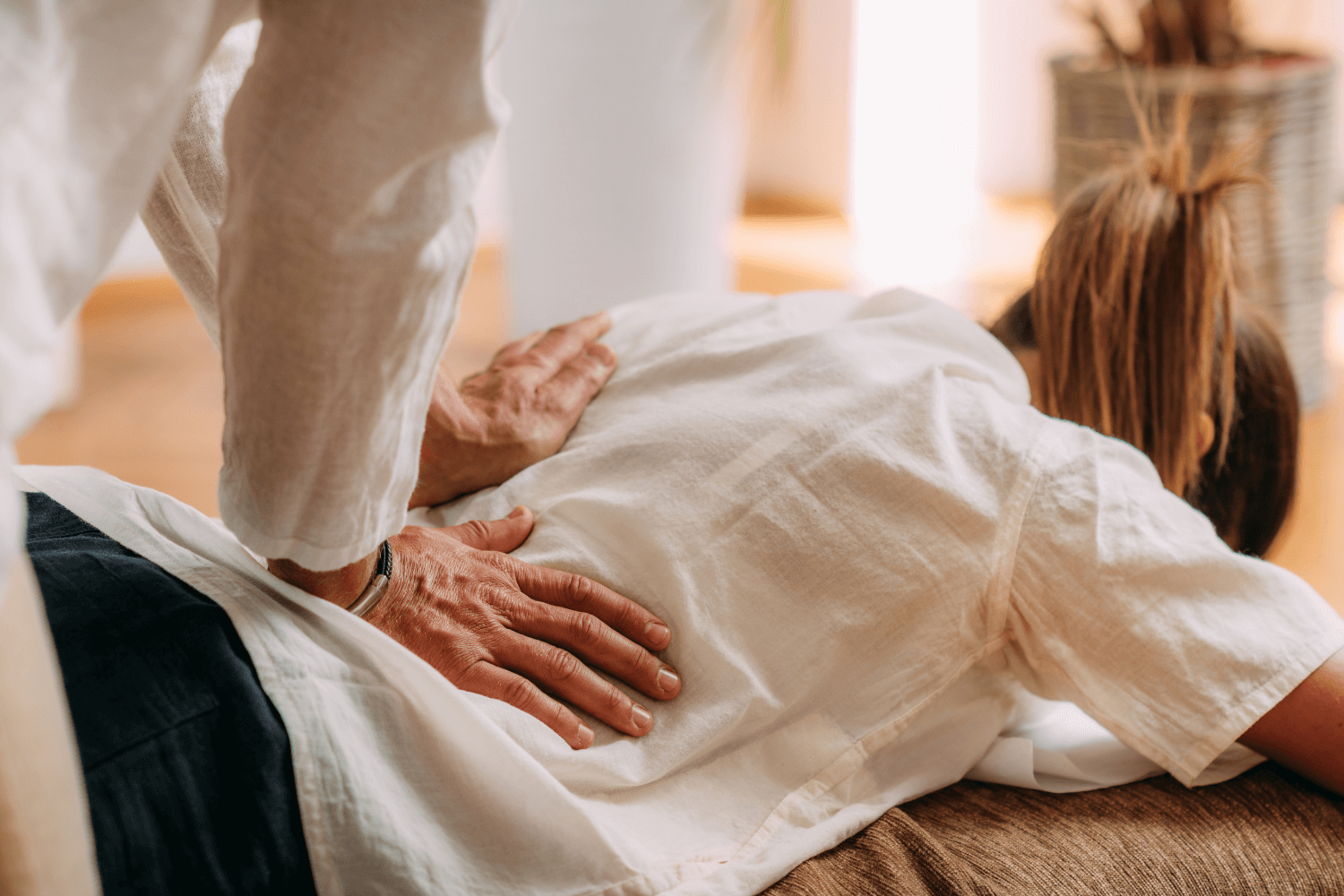
Shiatsu is a Japanese form of massage therapy which aims to correct imbalances in the body, treat pain and illness, enhance the body’s natural healing powers, and help you relax.
Rhythmic pressure from the thumbs, fingers and palms is applied to specific points of the body to stimulate and improve the body’s energy flow (Chi) – these movements are believed to rebalance any excess or lack of energy along the body’s energy pathways. Many of the techniques are common to massage therapy.
Warning
How can shiatsu help people with Parkinson’s?
Little research has been done into the effects of shiatsu as a Parkinson’s therapy but many believe that benefits are similar to those of massage and may include:
- reduced stress and pain
- improved flexibility, posture and mobility
- more efficient circulation and elimination of waste and toxins
- enhanced quality of sleep
- greater sense of self-awareness and wellbeing
- increased vitality
These benefits may also be felt by family and carers.
How to find a shiatsu practitioner
Shiatsu is not regulated in many countries. It is therefore a good idea to ask your doctor or other healthcare professional for recommendations of a therapist who has experience of Parkinson’s
The Shiatsu Society website may also help identify shiatsu practitioners in your area.
Tai Chi
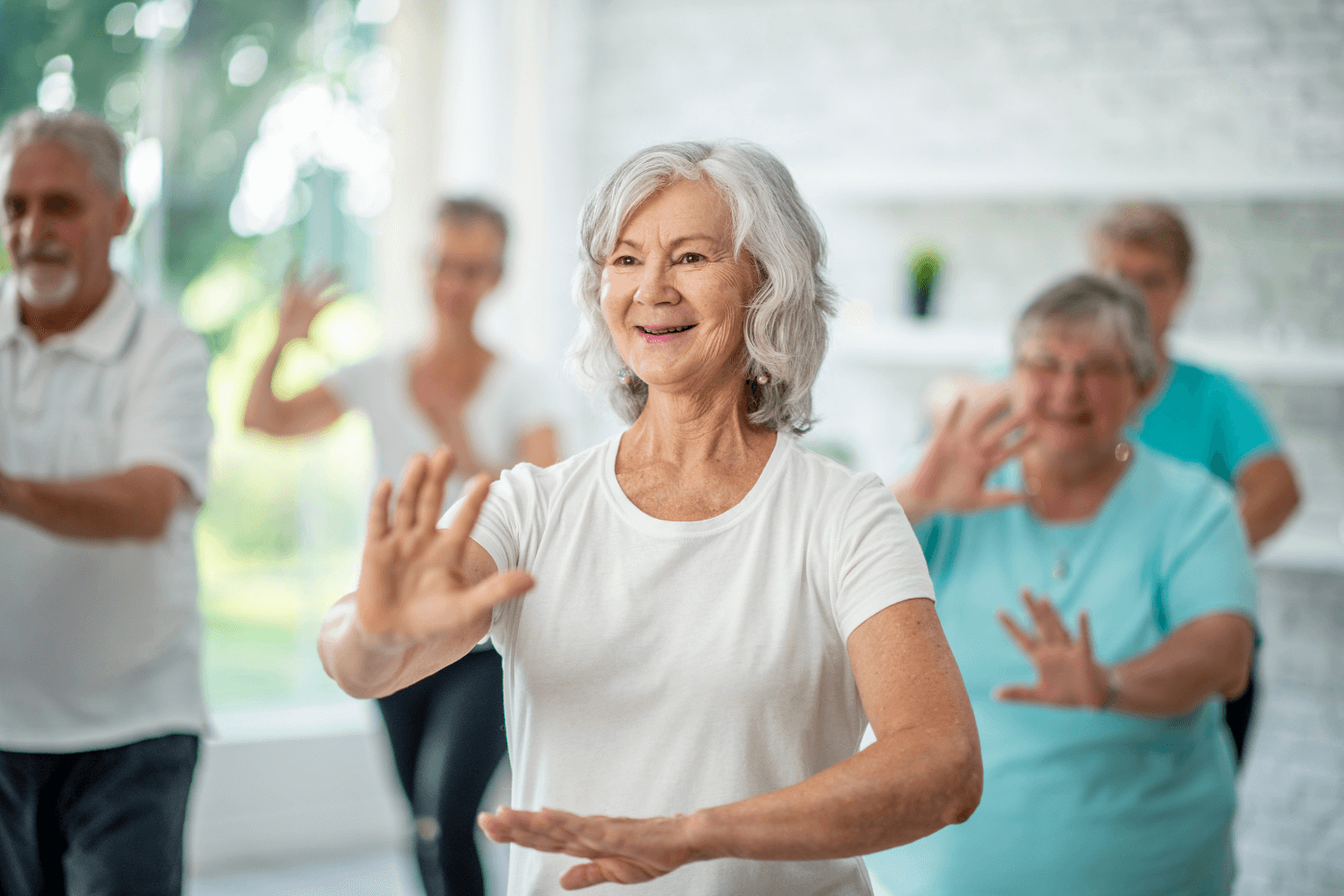
Tai Chi is an ancient martial art originating in the Far East, based on 6,000-year-old Chinese teachings. These days, it’s practiced as a defence against the stresses and strains of daily life.
Combining movement, meditation and breath regulation, Tai Chi is a series of co-ordinated, rhythmical exercises performed in a slow, relaxed manner that can improve health (including the functioning of internal organs), create a sense of relaxation, improve balance and posture, and enhance the flow of energy (or Chi) in the body. Unlike yoga, the benefits of Tai Chi are found in the movement, not in holding the posture.
Tai Chi actually consists of 108 intricate exercise sequences which also help improve mental concentration. Those who practice Tai Chi believe that the mind is the most important tool in achieving excellence in all areas of life.
How can Tai Chi help in Parkinson’s?
To date there is limited research into the benefits of Tai Chi for Parkinson’s but because it enhances balance and body awareness, it is believed by many to reduce the risk of falls, improve balance and confidence when walking and also improve gait and posture. Some people with Parkinson’s have reported improvements in sleep too.
Unlike most sports or exercises, Tai Chi does not rely on strength, force or speed, which makes it possible for a range of abilities, ages and strengths. Even a small amount of practice can bring benefits in health and fitness, enabling the mind and body to relax. This in turn may improve emotional wellbeing and overall quality of life.
How to find a Tai Chi instructor
Tai Chi is not regulated in some countries. It is therefore a good idea to ask your doctor or other healthcare professional for recommendations of a teacher who has experience of Parkinson’s.
Yoga
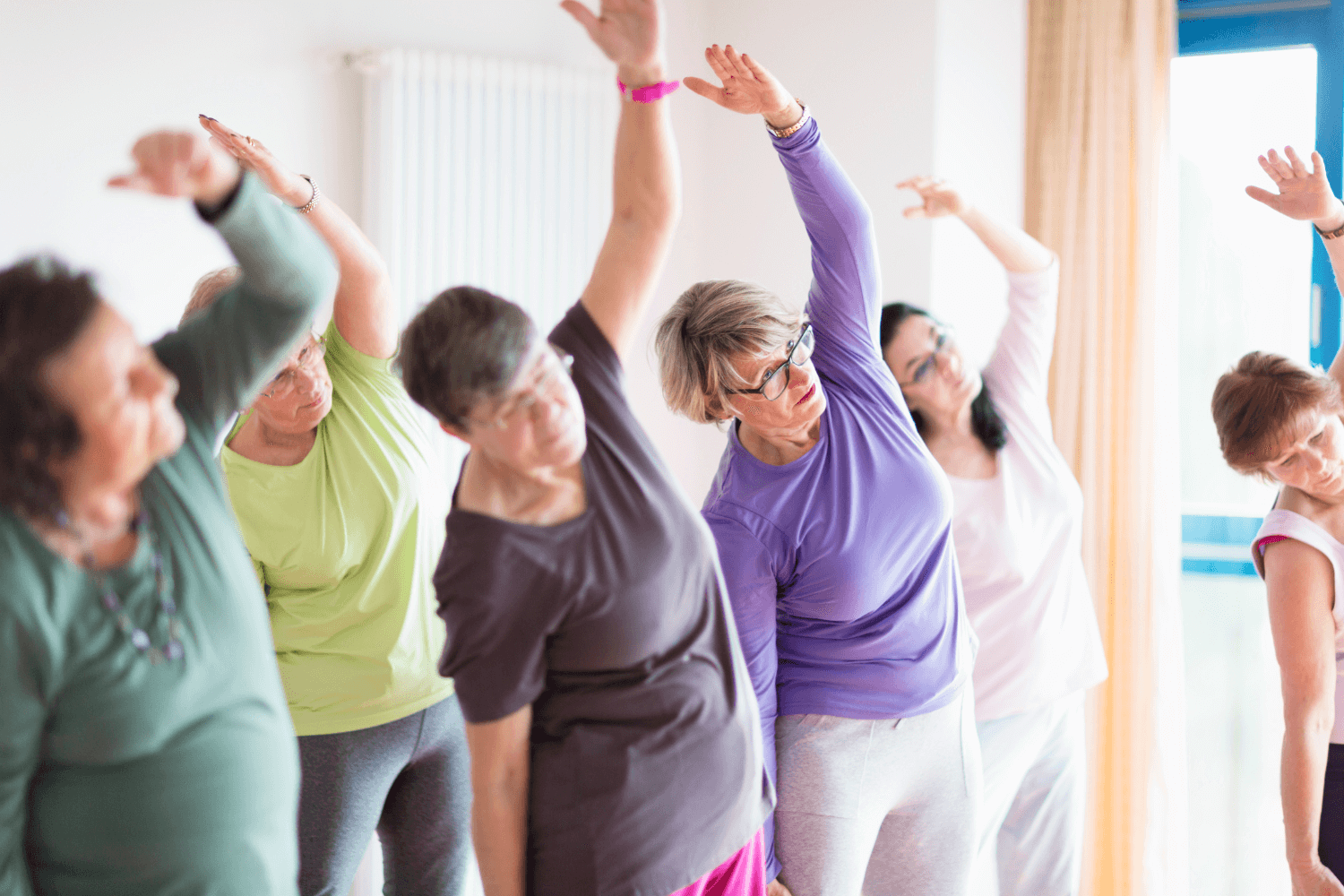
Originating in India more than 5,000 years ago, yoga is a Hindu system of philosophy that harmonises the body, mind and spirit to promote health and inner peace.
Yoga involves gentle movements designed to maintain fitness, suppleness and muscle tone as well as optimising the body’s own healing powers. Breathing is an important aspect and this, together with meditation and visualisation exercises, is thought to help to:
- energise the body and mind
- reduce stress
- improve concentration and clarity of thought
There are a number of different types of yoga, some more strenuous than others. In the West, Hatha yoga is the most widely taught, combining asanas (physical exercises and postures), pranayama (breathing techniques) and dhyana (meditation).
How can yoga help people with Parkinson’s?
There is little research into the benefits of yoga in Parkinson’s but in general yoga can be particularly helpful in reducing muscle rigidity and in increasing balance, flexibility and strength.
Because yoga offers a holistic approach to body, mind and spirit, many people with Parkinson’s say it equips them with ‘tools’ to cope with daily life. For many it offers emotional stability – an inner peace and sense of calm – as well as overcoming some of the physical symptoms of the illness.
As yoga aims to help energise the body and mind, improve concentration and reduce stress, it can be beneficial to family and carers too.
As with all physical therapies, you may find some of the activities challenging, but techniques may be adapted to suit you. You can practise yoga at home, but first you should learn the basic principles from a yoga instructor.
How to find a yoga instructor
Yoga is not regulated in some countries. It is therefore a good idea to ask your doctor or other healthcare professional for recommendations of a teacher who has experience of Parkinson’s.