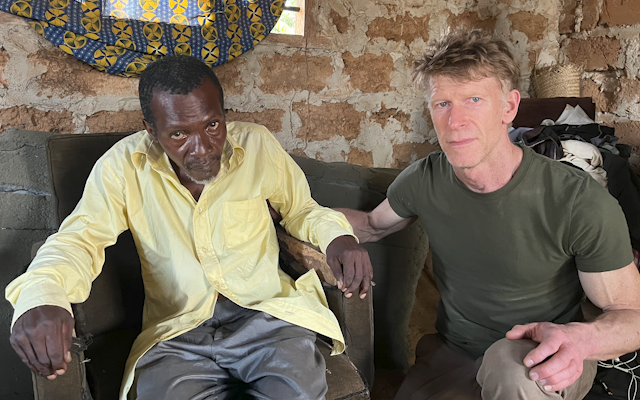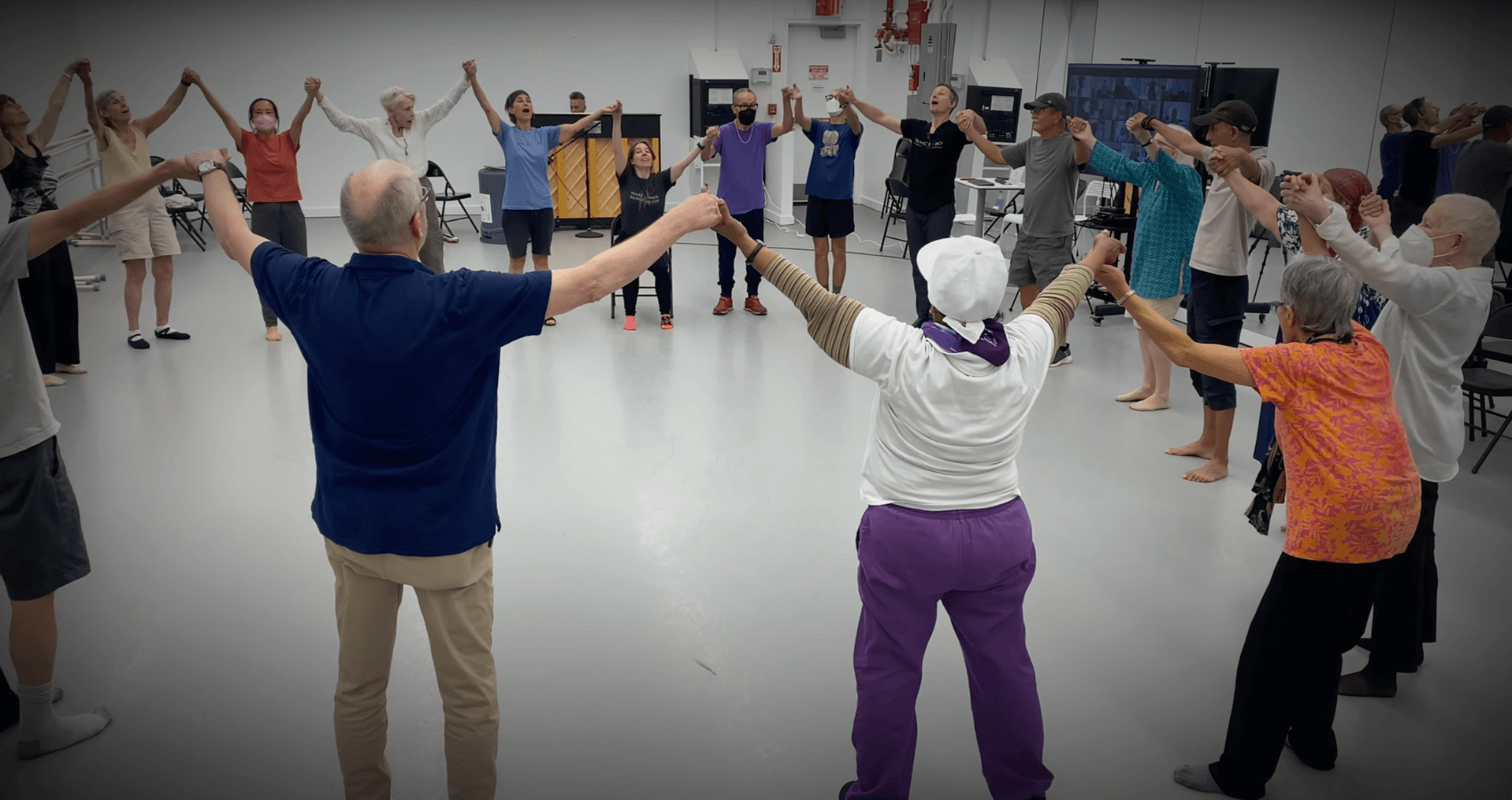
A new short film, titled Cursed2Move, has just been released which investigates what benefits dancing can bring for people with Parkinson’s.
Produced by the Centre for Parkinson’s and Movement Disorders (ZfPB) at Bern University Hospital in Switzerland, together with Bernese filmmaker Bettina Rotzetter, it shows one of its neurologists Dr Ines Debove visiting Parkinson’s dance groups in various countries to find out what dance can do for people with the condition.
The first stop is Martigny, Switzerland, where Agostina Castelletti teaches a dance class for people with Parkinson’s. One of her pupils, James, shares how attending the class has helped him physically: “Probably the main thing is posture. When I first came to dance, I was like this [puts his hands on his knees and hunches forward], and the other thing is rigidity, which kind of goes with posture, so now I can move much more freely than before,” he says.
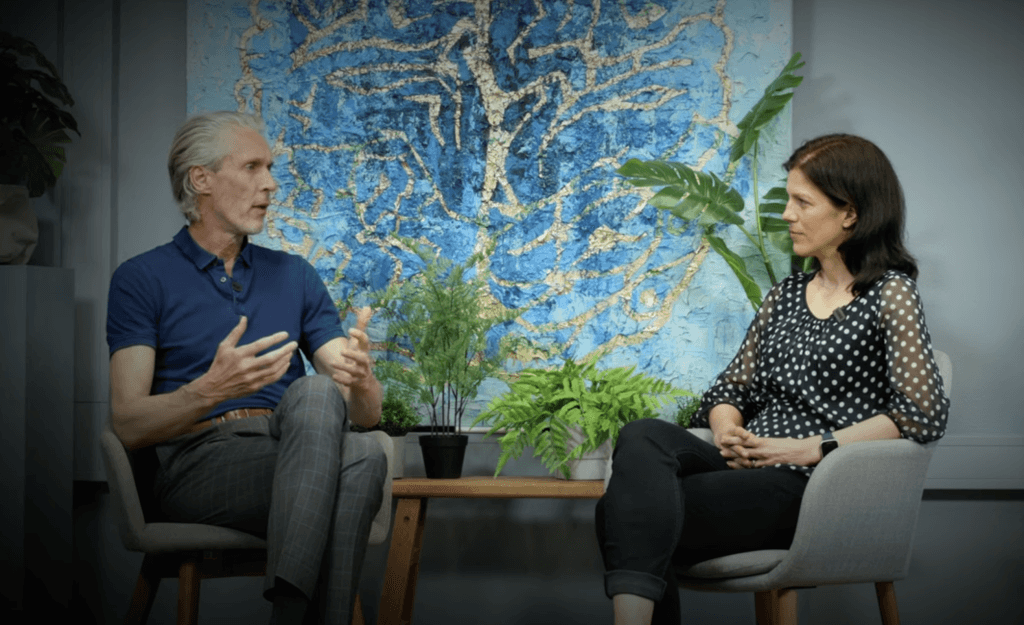
As well as speaking to people with Parkinson’s about what they get out of dancing, Dr Debove interviews Professor Bas Bloem, neurologist at Radboud University in the Netherlands. Although studies have shown that dance can benefit motor symptoms, none have been done on whether dance can also improve non-motor symptoms, but Prof. Bloem is convinced that it can relieve low mood. “Take mood as an example, I think [dancing] is an anti-depressant. If you’re asking for my professional conviction, there’s no question,” he says.
Dr Debove also visited New York and spoke to David Leventhal, founder and director of the globally successful Dance for PD programme, as well as some of the people with Parkinson’s who attend his class at the Mark Morris Dance Center in Brooklyn.
One of the dancers, J.M., describes Dance for PD as “the best thing that ever happened to me.” Remembering his first class, he says: “I heard the music, and my body just moved so smoothly – I just felt like magic was happening, and I never looked back after that. I came on a regular basis.”
Carol highlights the friendship aspect of attending the class: “It’s not just the dance; it’s the people involved, and the commitment they have to being welcoming to everybody who walks in the door,” she says. “If you dance and you make friends, you have a very good support group, and the social and emotional aspects of Parkinson’s are very hard.”
Leventhal tells of how Dance for PD originally evolved – and is still developing today: “We’re never coming at it from the perspective of therapy or trying to achieve a specific mechanic goal, we’re trying to achieve an artistic goal, but embedded within that goal are other goals that relate to Parkinson’s physiology, Parkinson’s symptoms,” he says.
Cursed2Move is produced by Bernese filmmaker Bettina Rotzetter of Fernwerk Films and is available to view on YouTube.
Parkinson’s Europe is sharing this article for information purposes only; it does not represent Parkinson’s Europe’s views and is not an endorsement by Parkinson’s Europe of any particular treatments, therapies or products.